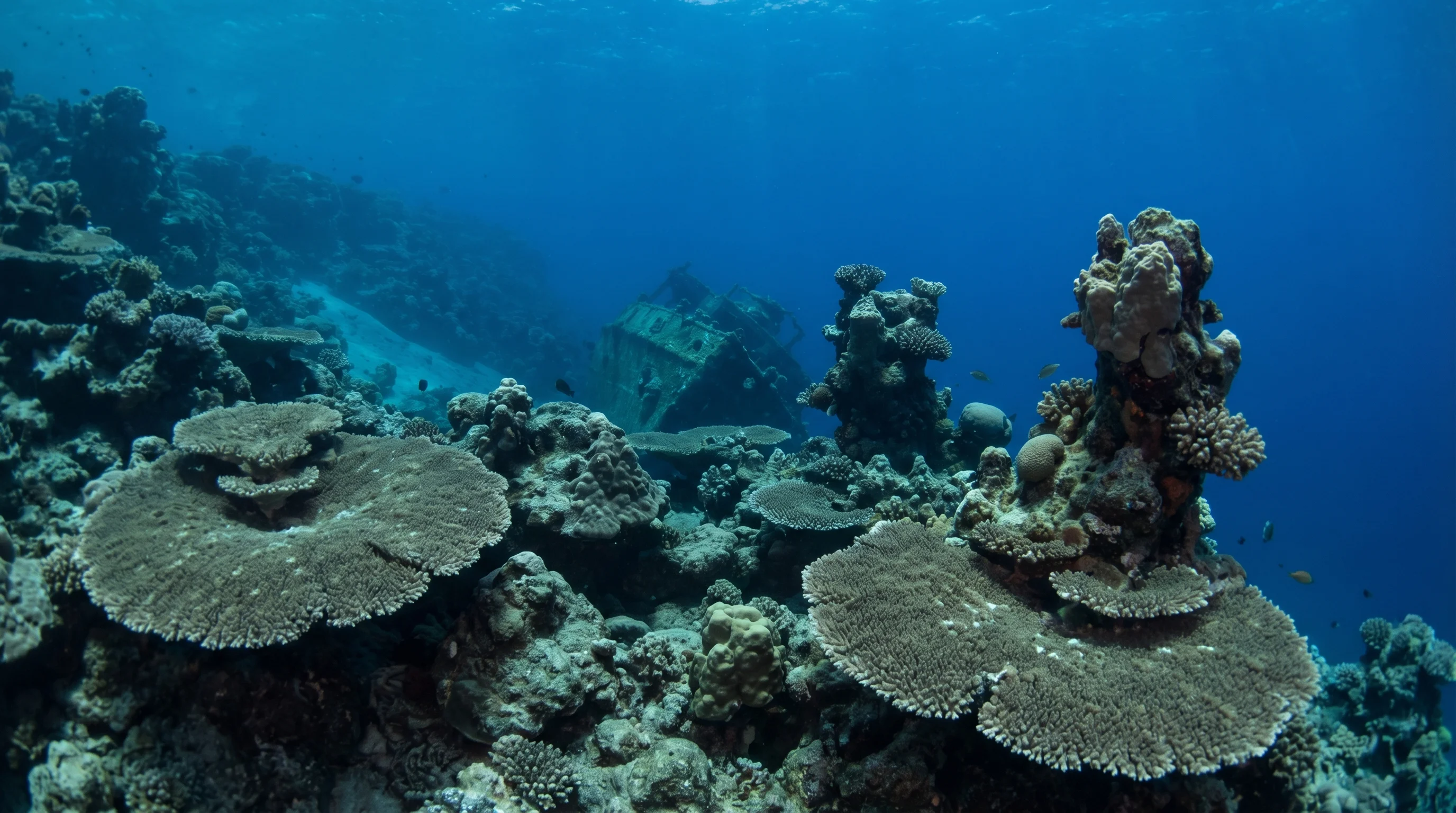
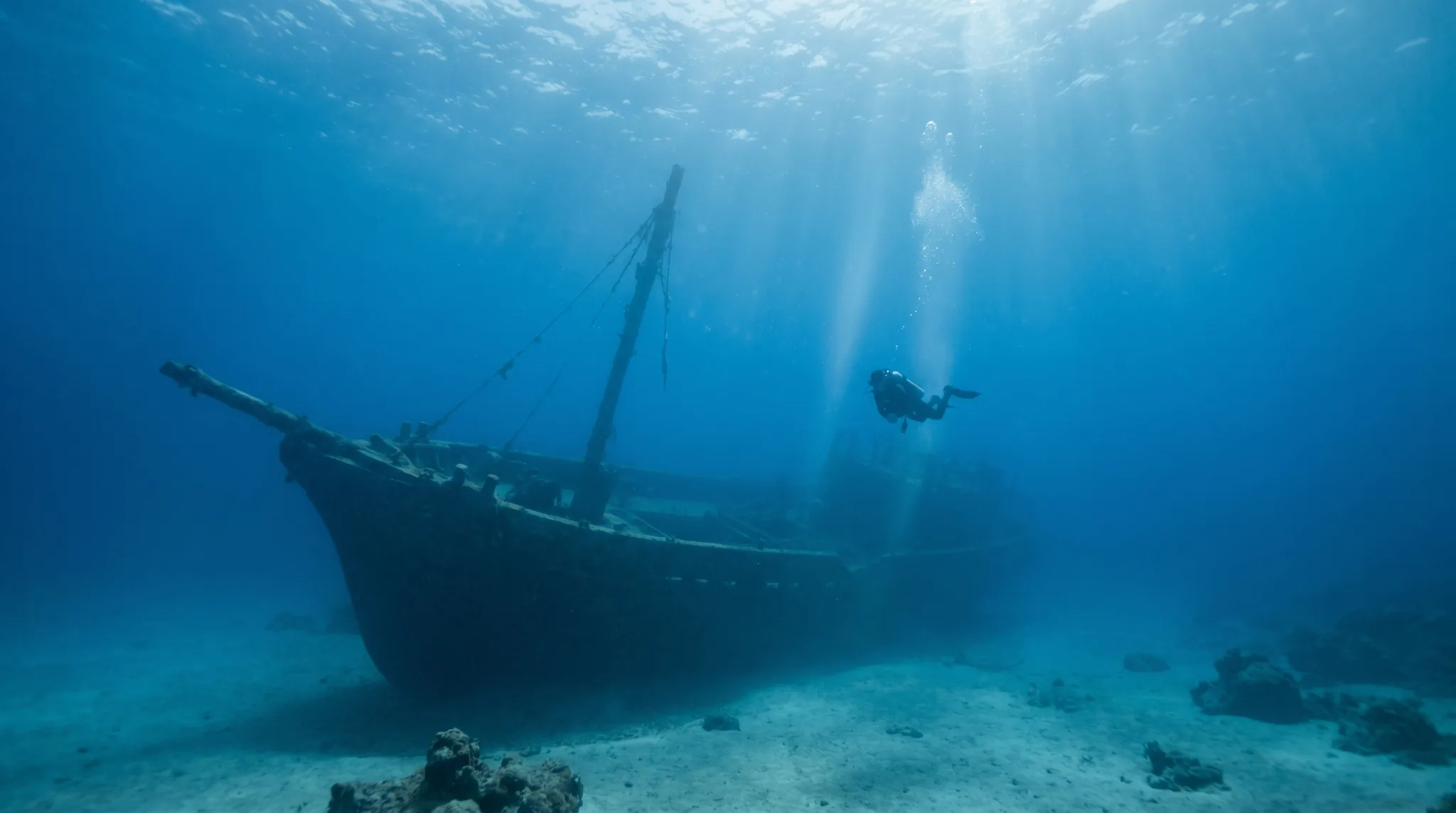
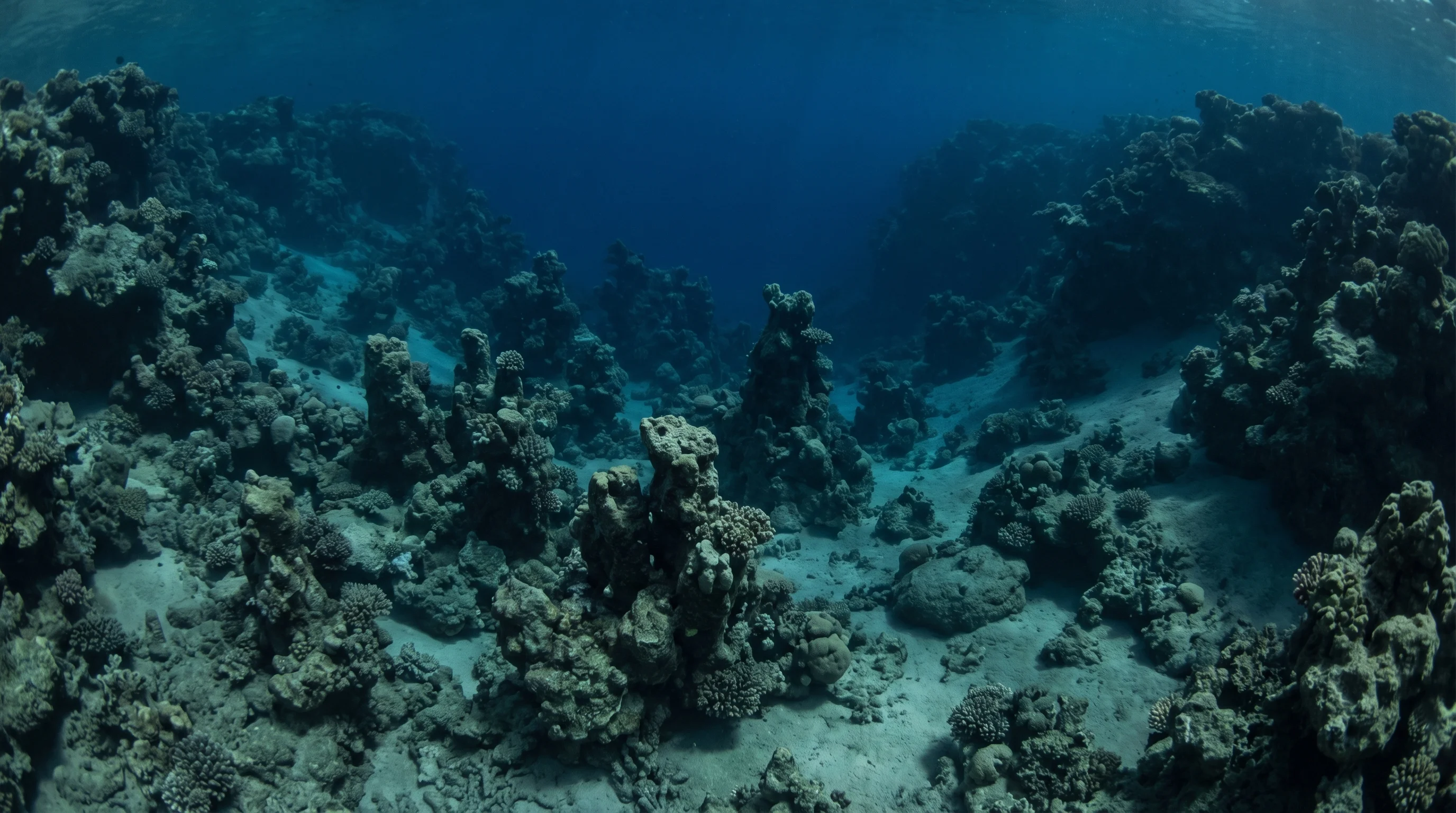
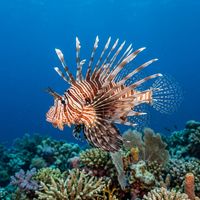
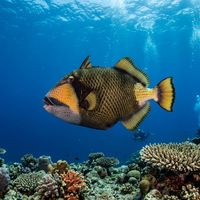
Marsa Alam and the Deep South spans a long stretch of Egyptian coastline, organised into distinct sub-areas that each offer a different character. Abu Dabbab is the heartland for seagrass encounters, where Dugong and Green Sea Turtle are observed in shallow, accessible conditions. Elphinstone delivers serious wall diving with steep drop-offs and strong currents. Fury Shoal rewards liveaboard exploration with complex reef systems, pinnacles, and caverns. Hamata and St John's push further south into remote territory, while Hala'ib and Gebel Elba sit at the very frontier. Across all sub-areas, the Bluespotted Fantail Ray, Indian Lionfish, and Titan Triggerfish are consistently observed, with Oceanic Whitetip Shark drawing advanced divers to the offshore reefs.
7 areas
 78
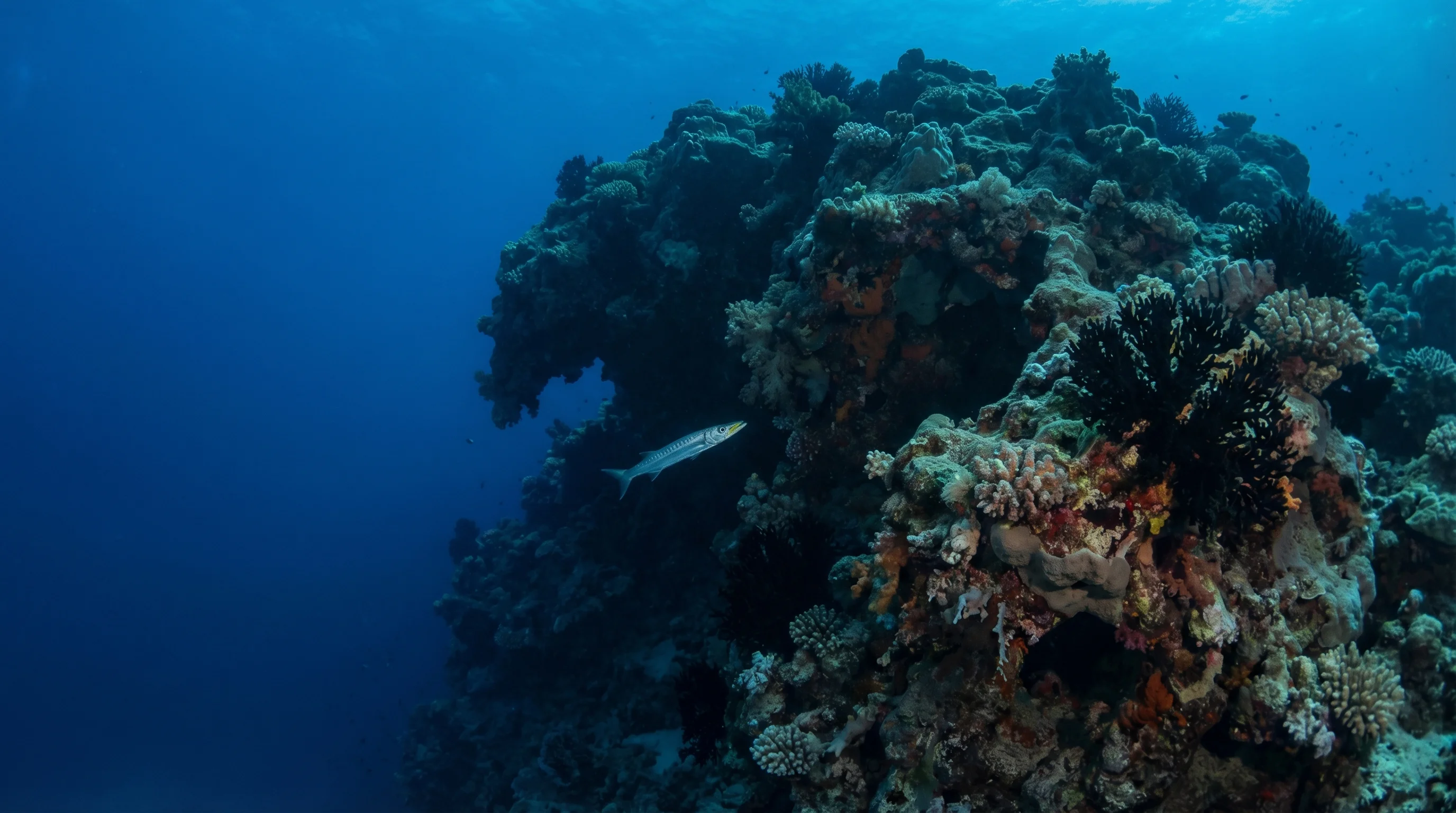
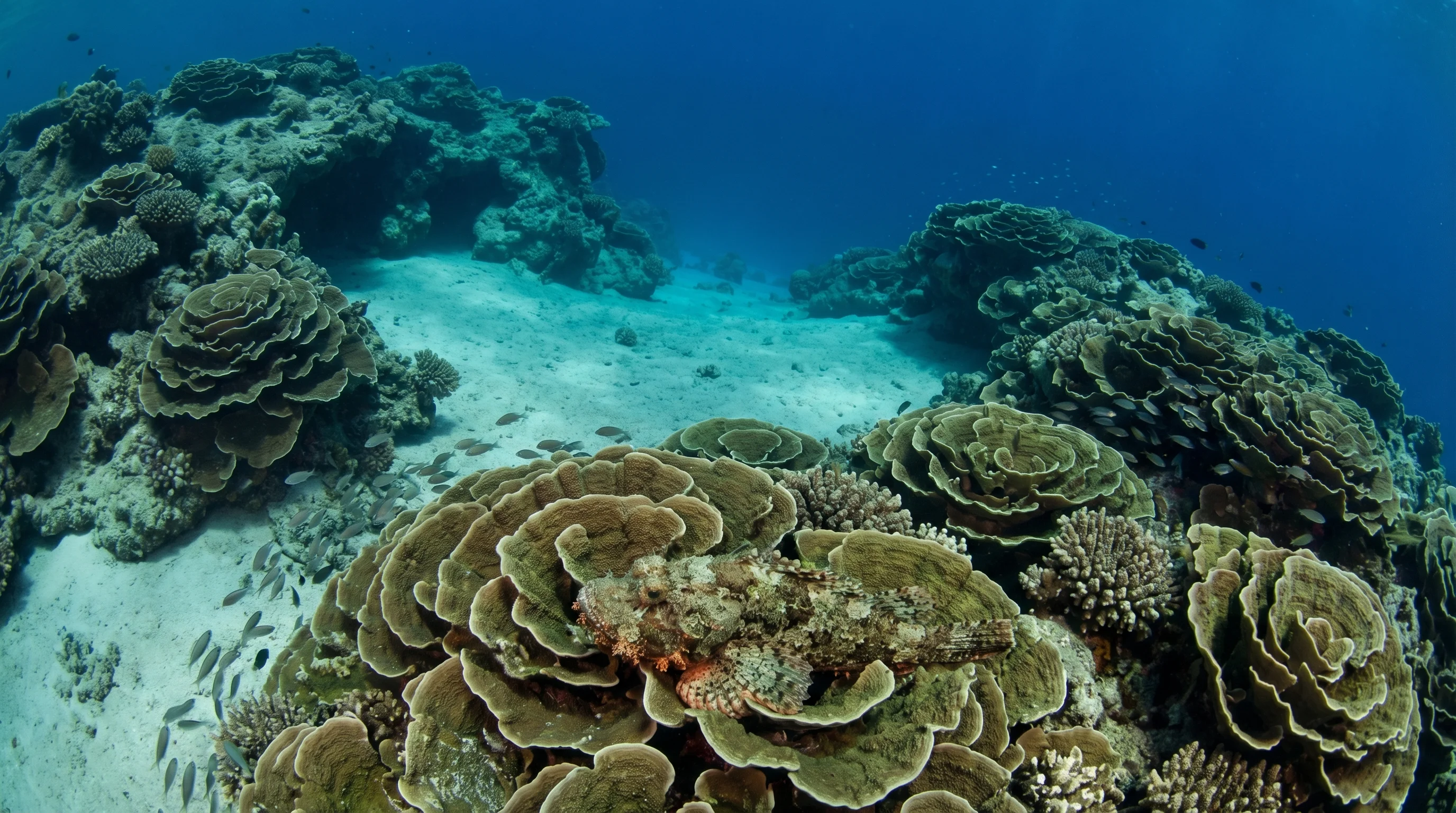
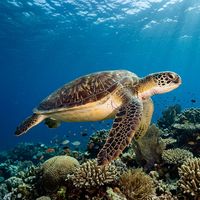
78Seagrass beds, coral reefs and caverns alongside Dugong and Green Sea Turtle sightings make Abu Dabbab one of Egypt's most varied diving areas.
 58
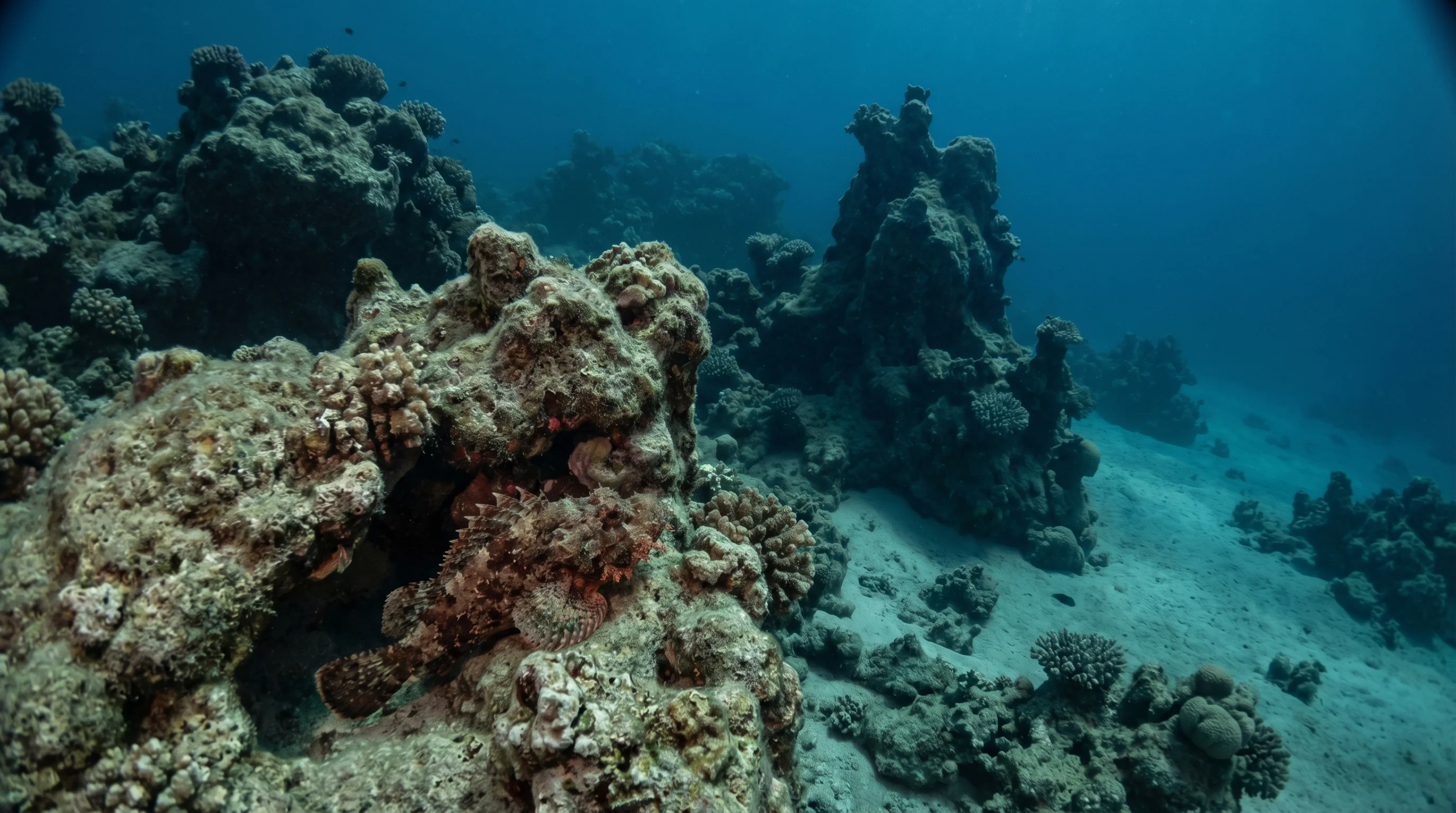
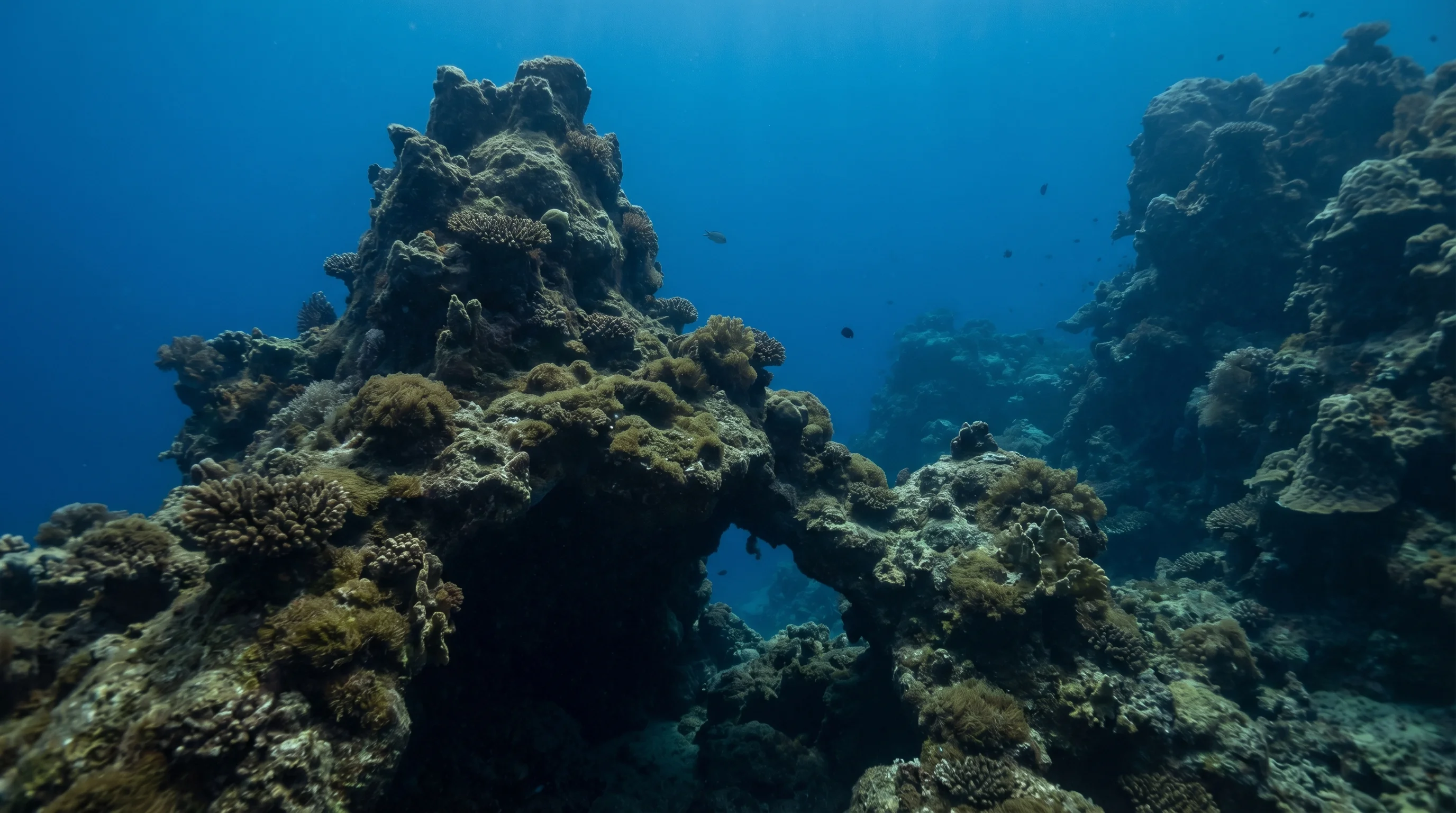
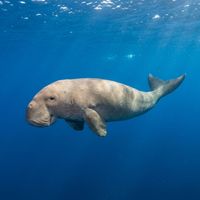
58A remote, boat-only reef system where Dugong, Napoleon Wrasse and complex cave and canyon topography define the diving.
 40
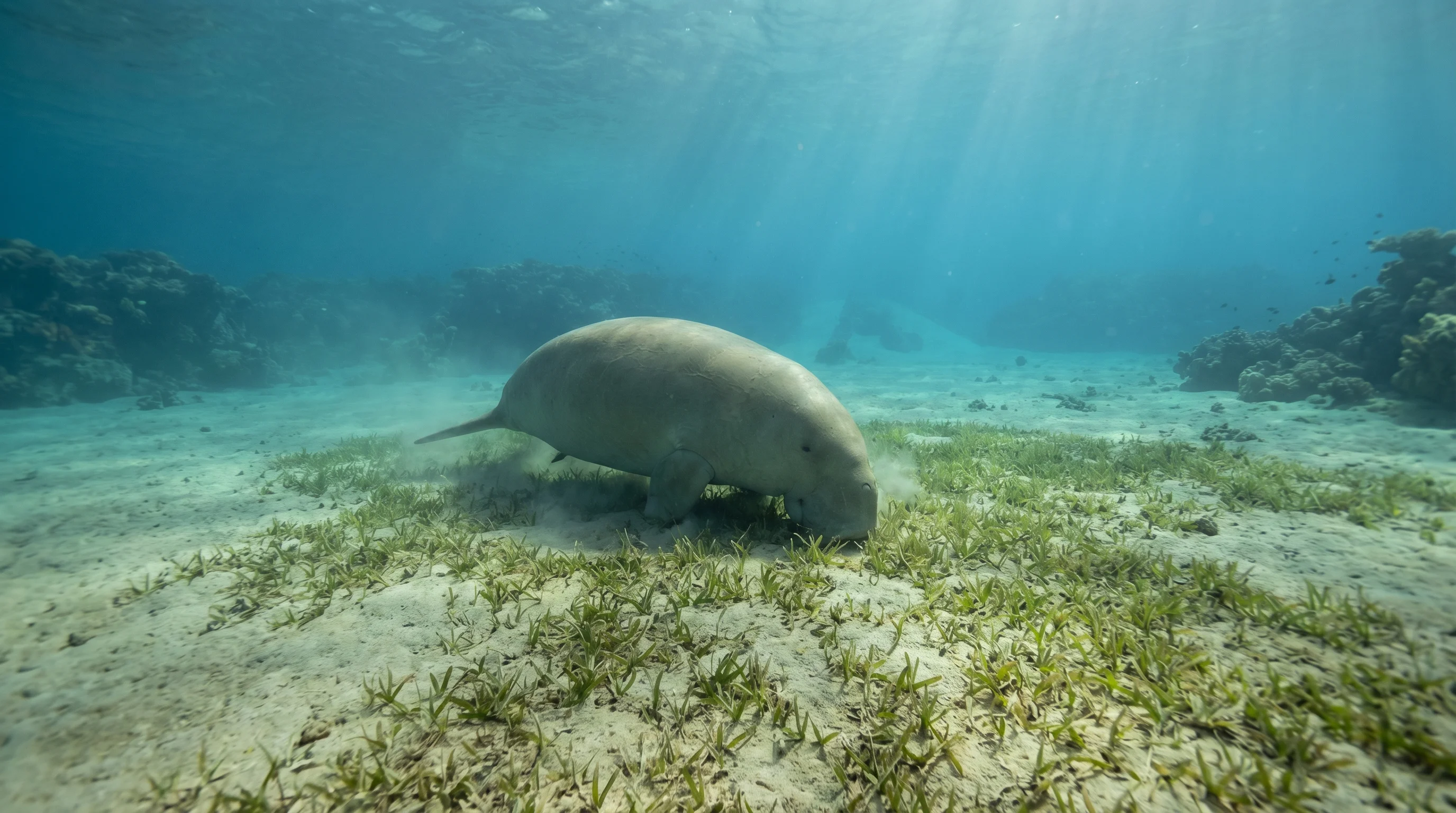
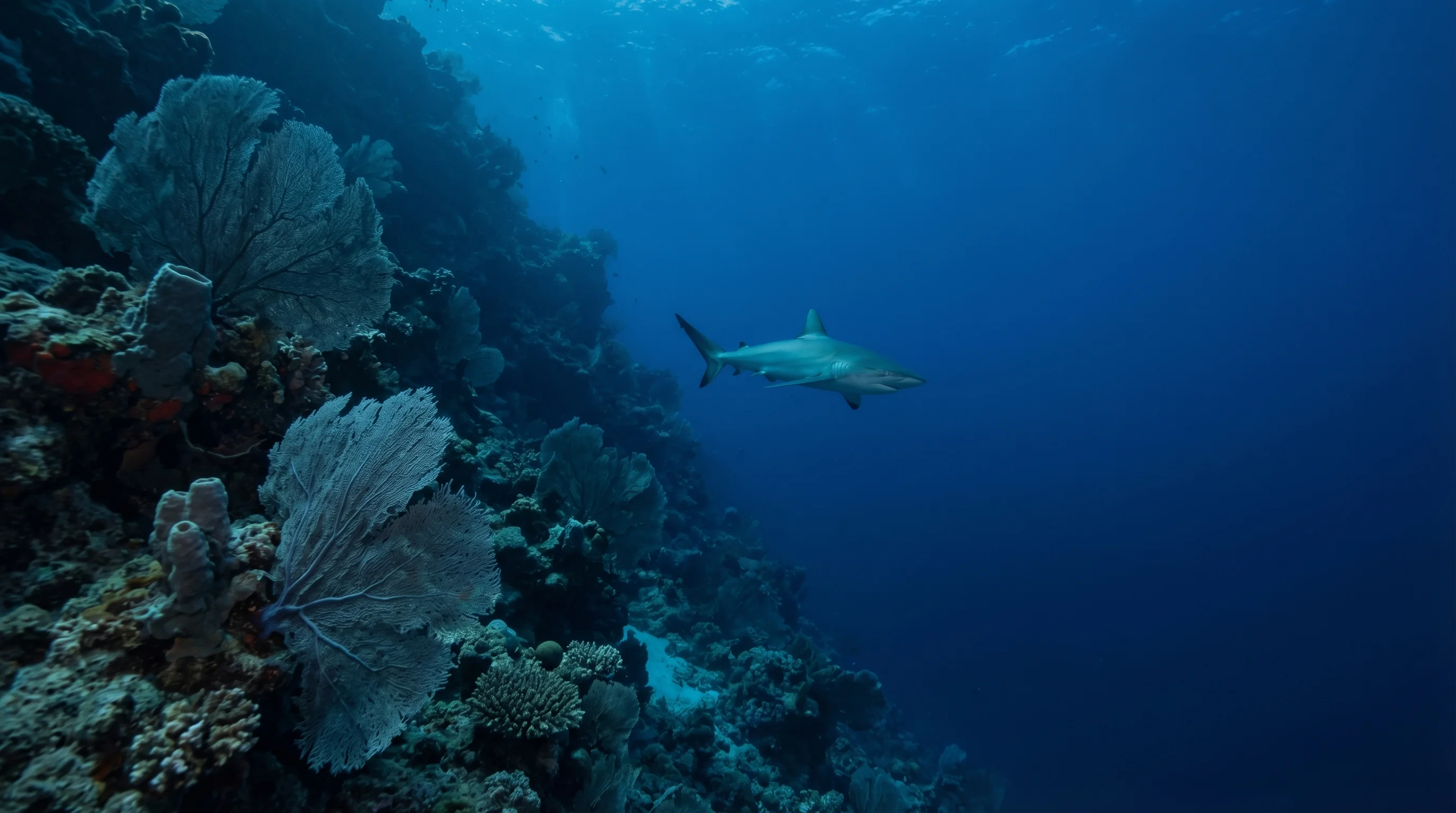
40Remote offshore reefs and plunging walls with sharks, rays, and Dugong, all reached by boat.
Monthly water temperature across Marsa Alam & the Deep South's sites, from satellite sea-surface data corrected for depth. The band shows the site-to-site spread.
Water temperature rises steadily from cool late-winter conditions through to its warmest in late summer, then eases back through autumn. The best-months data shows two clear peaks: spring around April and a second surge in October, when conditions are favourable and the water remains warm. Sites like Elphinstone Reef and Daedalus North Wall are exposed offshore locations with notable currents, so conditions vary sharply between sheltered shore entries at Abu Dabbab and the open-water drift dives further out.
79 operators

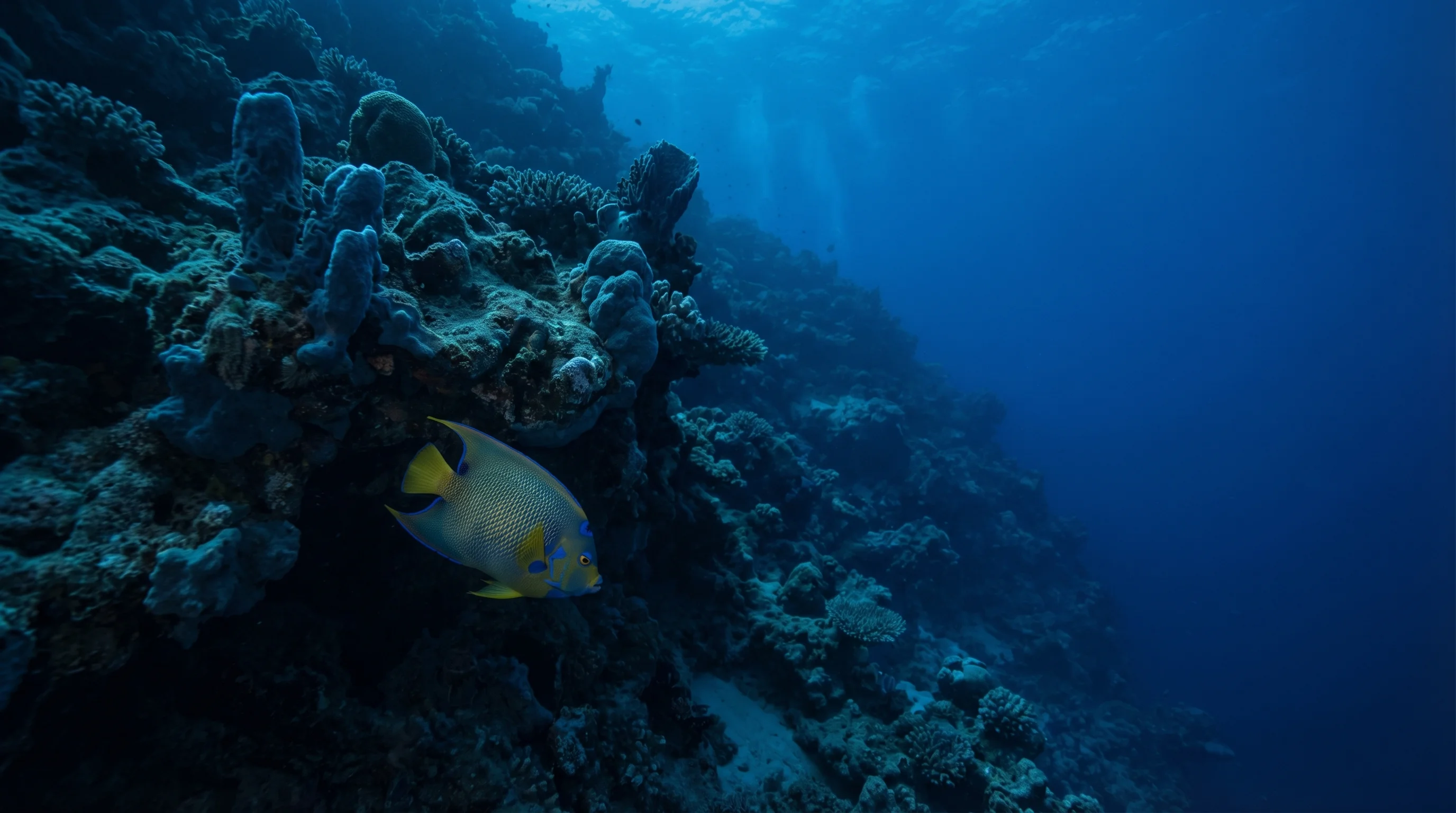
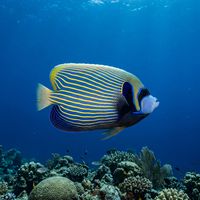
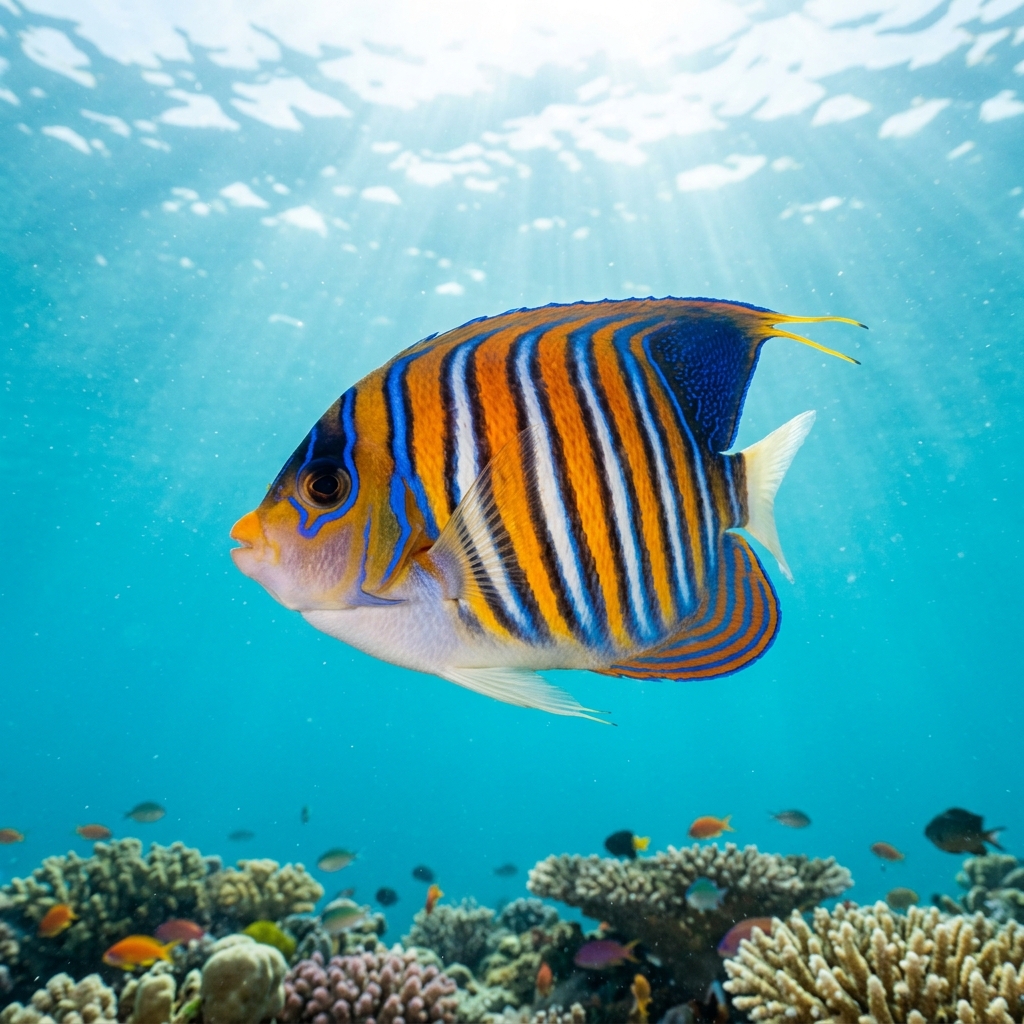
Offshore reef walls and pinnacles with consistent Whitetip Reef Shark and Emperor Angelfish sightings across a wide range of sites.
Water temperature around Marsa Alam & the Deep South ranges from about 23°C in February to 30°C in August, based on satellite sea-temperature data for its dive sites.
In the warm season (about 30°C) a rash guard or 3mm shorty is comfortable in Marsa Alam & the Deep South; in the coldest months (about 23°C) step up to a 3mm full suit.
Fin maps 233 sites in Marsa Alam & the Deep South (230 scuba diving sites and 39 snorkelling spots, with some suited to both), organised into 7 areas.
Across Marsa Alam & the Deep South's dive sites, April, May and October are most often reported as the best months to visit.
The region has observation-backed records for Dugong and Green Sea Turtle, particularly around the seagrass beds of Abu Dabbab. Signature species also include Oceanic Whitetip Shark, which draws advanced divers to the remote offshore reefs. Spinner Dolphin and Napoleon Wrasse round out the headline encounters.
A good number of sites are rated for beginners, including the shore-entry site at Abu Dabbab, Long Canyon, and House Reef South at Elphinstone. However, the sub-areas also include truly demanding sites such as Elphinstone Reef and Gota Soraya, which are rated advanced due to strong currents and overhead environments. There is a healthy spread of beginner, intermediate, and advanced sites across the region.
Abu Dabbab is the largest sub-area and the main base for seagrass and dugong encounters, with easy shore access. Fury Shoal offers complex reef systems with pinnacles and caverns, typically reached by liveaboard. Elphinstone is a compact area focused on one iconic offshore wall reef. Hamata and St John's, along with the more southerly Hala'ib and Gebel Elba, represent the most remote diving in the region.
Both options exist. Abu Dabbab and Abu Dabab IV both offer shore entry and are beginner-friendly, making them convenient for those based at nearby resorts. The majority of sites across the region, particularly in Fury Shoal, Elphinstone, and St John's, require boat access. Operators including Marsa Shagra, Ohana Divers, and Orca Hamata run trips across the main sub-areas.