

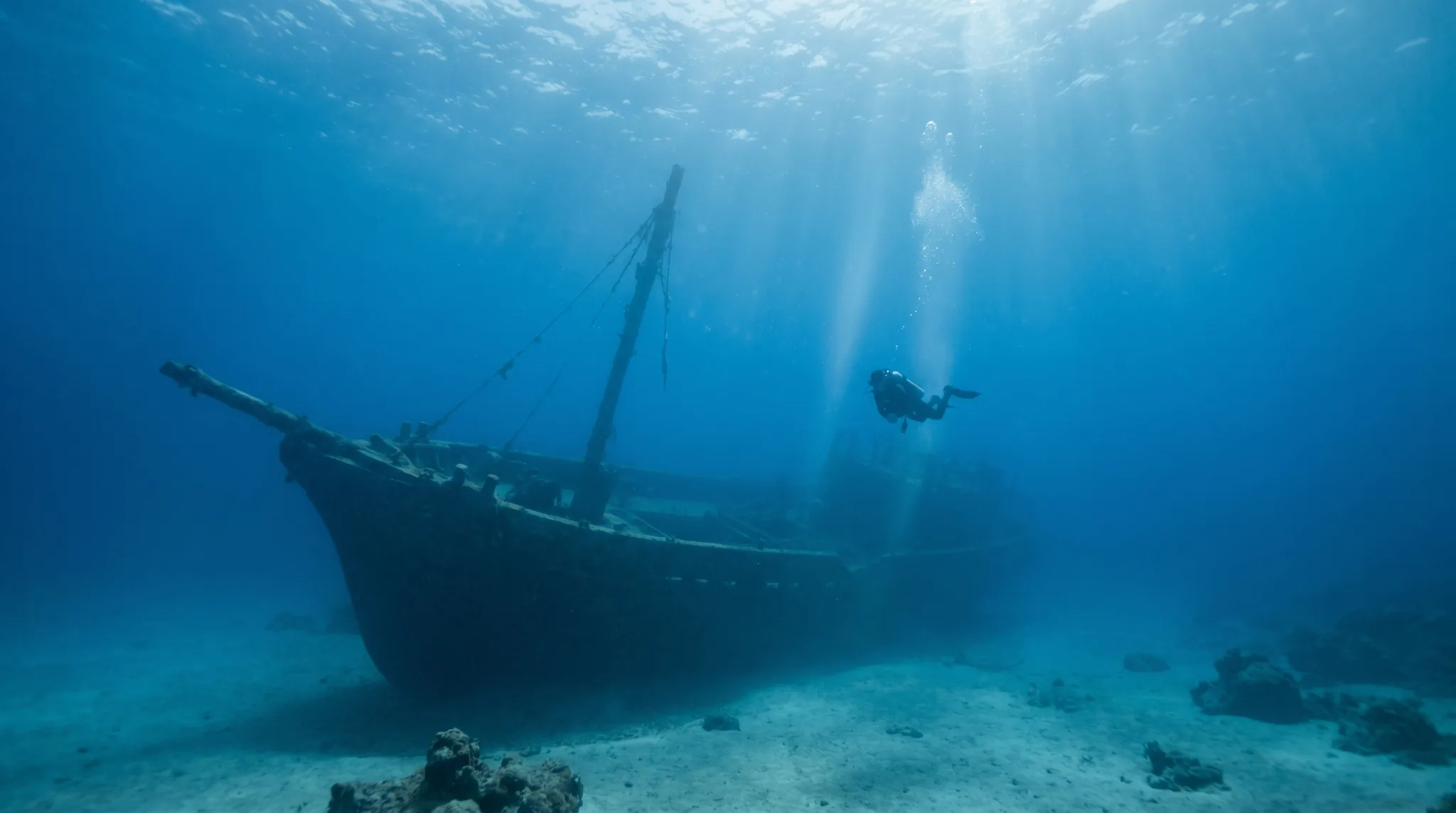
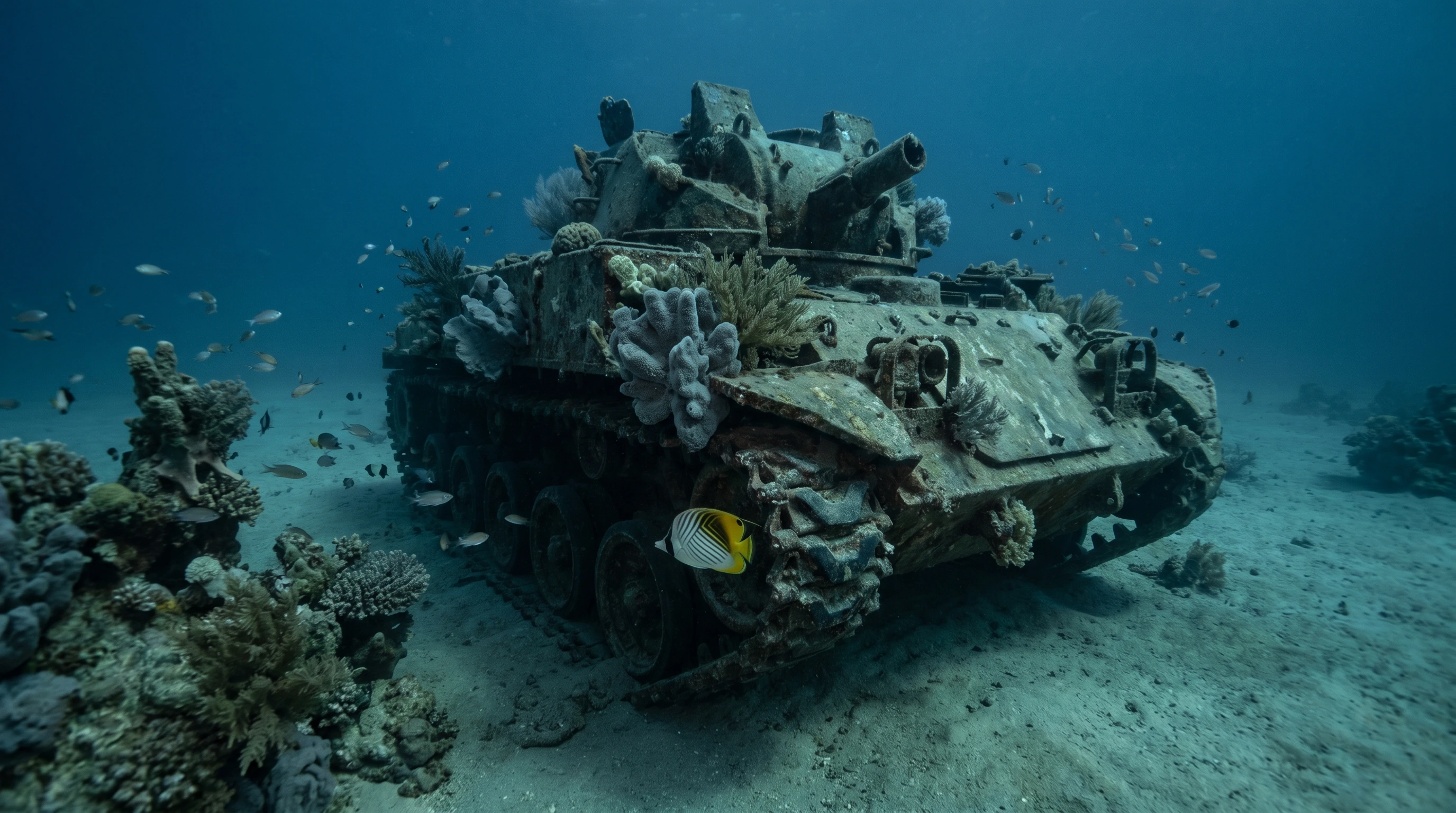
Aqaba's diving character is defined by an exceptional concentration of wrecks and artificial reefs, ranging from shore-accessible military vehicles to deep technical targets. The Underwater Military Museum clusters scuttled aircraft and armour in one area, while sites like Al Sharouk and Taiyong reward advanced and technical divers with deep wreck structures. Natural reefs and wall dives, such as Power Station, add contrast. The South Coast holds the great majority of sites, with the North Coast offering a smaller selection. Across the region, observers regularly encounter Indian Lionfish, Day Octopus, Twoband Clownfish, and Chromodoris Nudibranch.
2 areas
Monthly water temperature across Aqaba's sites, from satellite sea-surface data corrected for depth. The band shows the site-to-site spread.
Water temperatures stay at their coolest through the early months of the year before climbing steadily to a warm peak in summer, then easing back through autumn. October and the shoulder months of April, May and November draw the strongest diver interest according to visit patterns, likely reflecting comfortable temperatures combined with favourable visibility. The region dives year-round, with no pronounced season where conditions make diving impractical.

33 operators

Water temperature around Aqaba ranges from about 22°C in January to 28°C in August, based on satellite sea-temperature data for its dive sites.
In the warm season (about 28°C) a rash guard or 3mm shorty is comfortable in Aqaba; in the coldest months (about 22°C) step up to a 3mm full suit.
Fin maps 30 sites in Aqaba (29 scuba diving sites and 7 snorkelling spots, with some suited to both), organised into 2 areas.
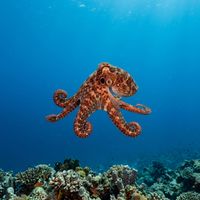
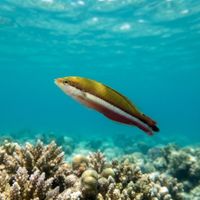
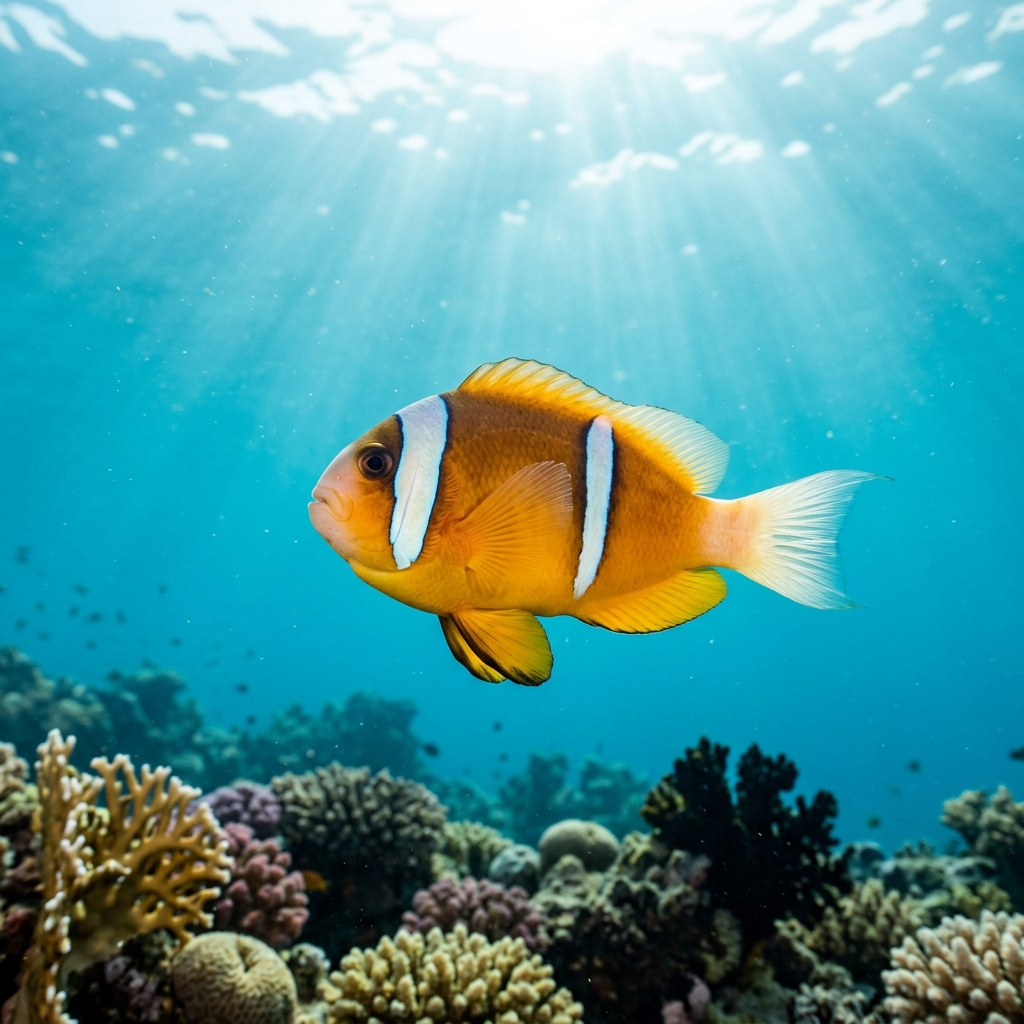
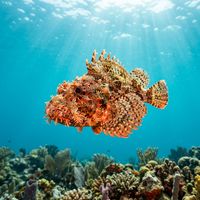
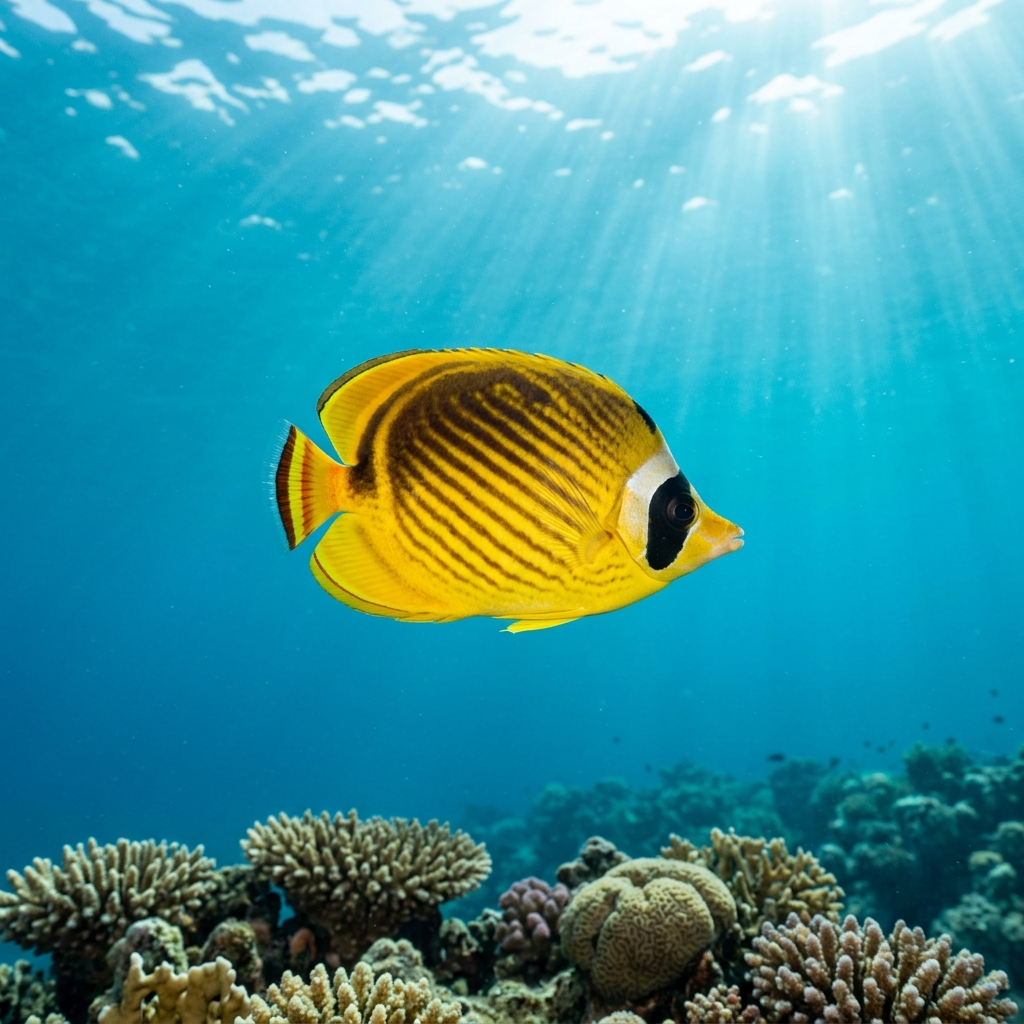
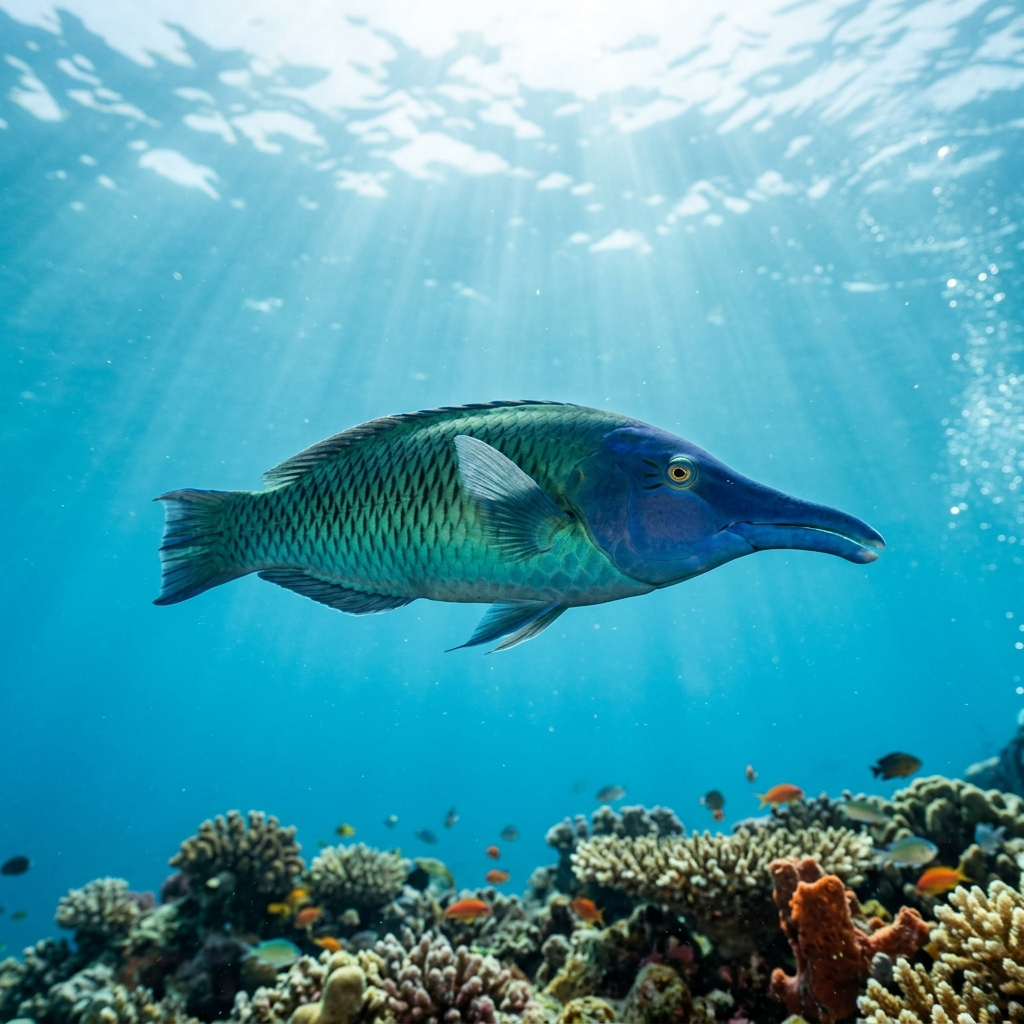
Aqaba's reefs and wrecks support a broad range of observed species. Indian Lionfish, Scorpionfish, Day Octopus and Chromodoris Nudibranch are all very commonly recorded across the region. Twoband Clownfish, Yellow Boxfish, Purple Tang, Pacific Bullethead Parrotfish and Diagonal Butterflyfish are also frequently encountered, along with signature species such as Emperor Angelfish and Seahorse.
Yes, a good portion of Aqaba's sites are rated for beginners. Shore-accessible spots such as Kiwi Reef, The Tank and Seven Sisters and The Tank offer shallow entry points with reef and artificial reef structures. Japanese Garden, King Abdullah Reef and the Underwater Military Museum also welcome newer divers. Those seeking more challenge will find intermediate, advanced and technical sites, including deep wreck dives at Al Sharouk and Taiyong.
The South Coast is by far the more developed diving area, holding the vast majority of Aqaba's sites including the Underwater Military Museum cluster, deep technical wrecks and the main reef dives. The North Coast offers a smaller selection of sites and is a quieter option. Most operators and the highest concentration of varied site types are focused on the South Coast.
Both options exist in Aqaba. Several popular sites, including Kiwi Reef, The Tank and Seven Sisters and The Tank, are reached directly from shore. Other sites, particularly deeper wrecks such as Tristar, Al Sharouk and Taiyong, require boat access. A number of sites including Japanese Garden, King Abdullah Reef and Rainbow Reef can be reached by either method. Operators such as Camel Dive Center, Arab Divers and Aqaba Adventure Divers Resort and Dive Center can organise both shore and boat diving.


