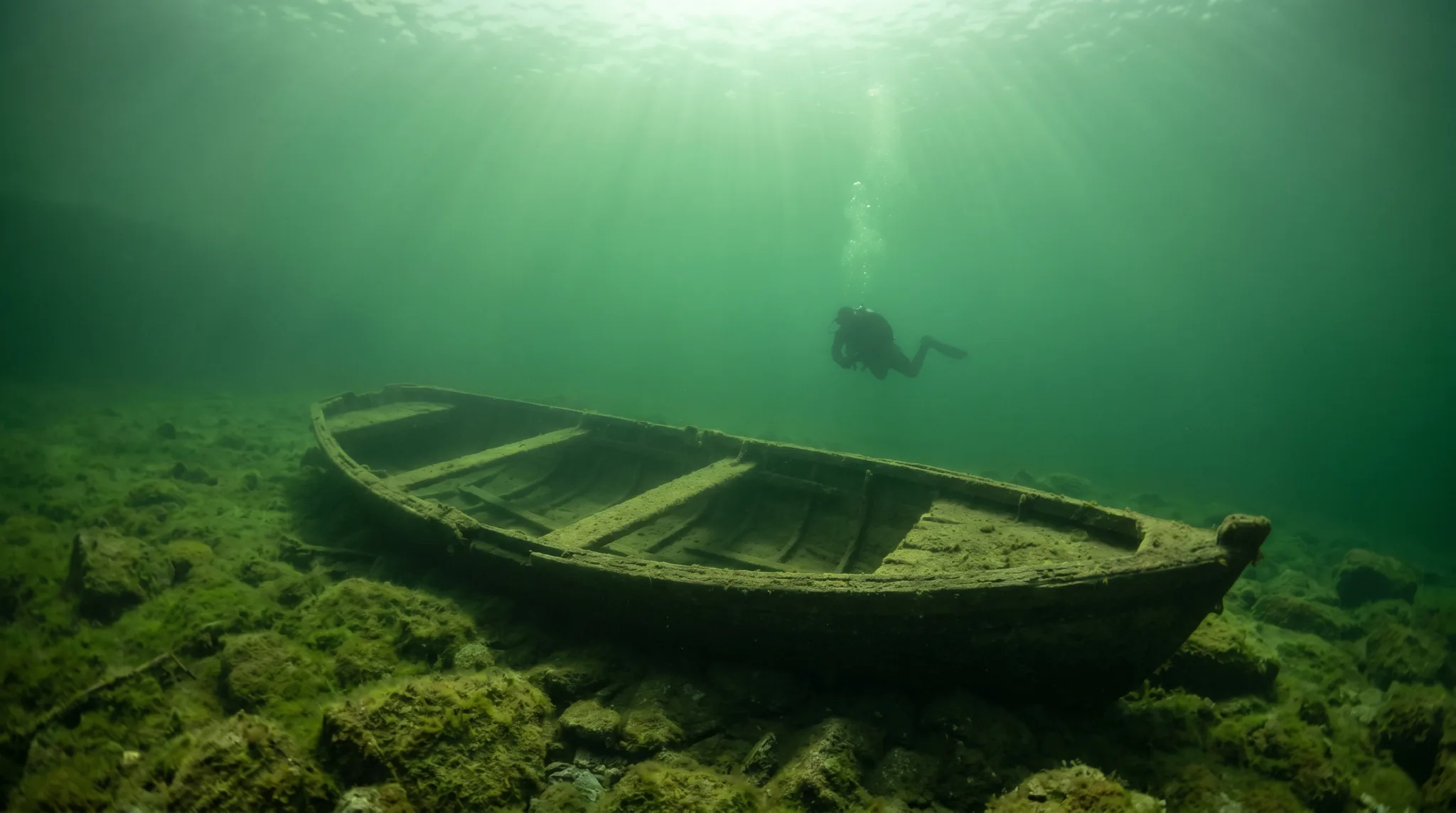
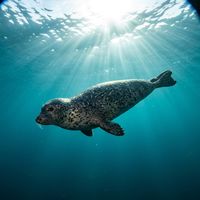
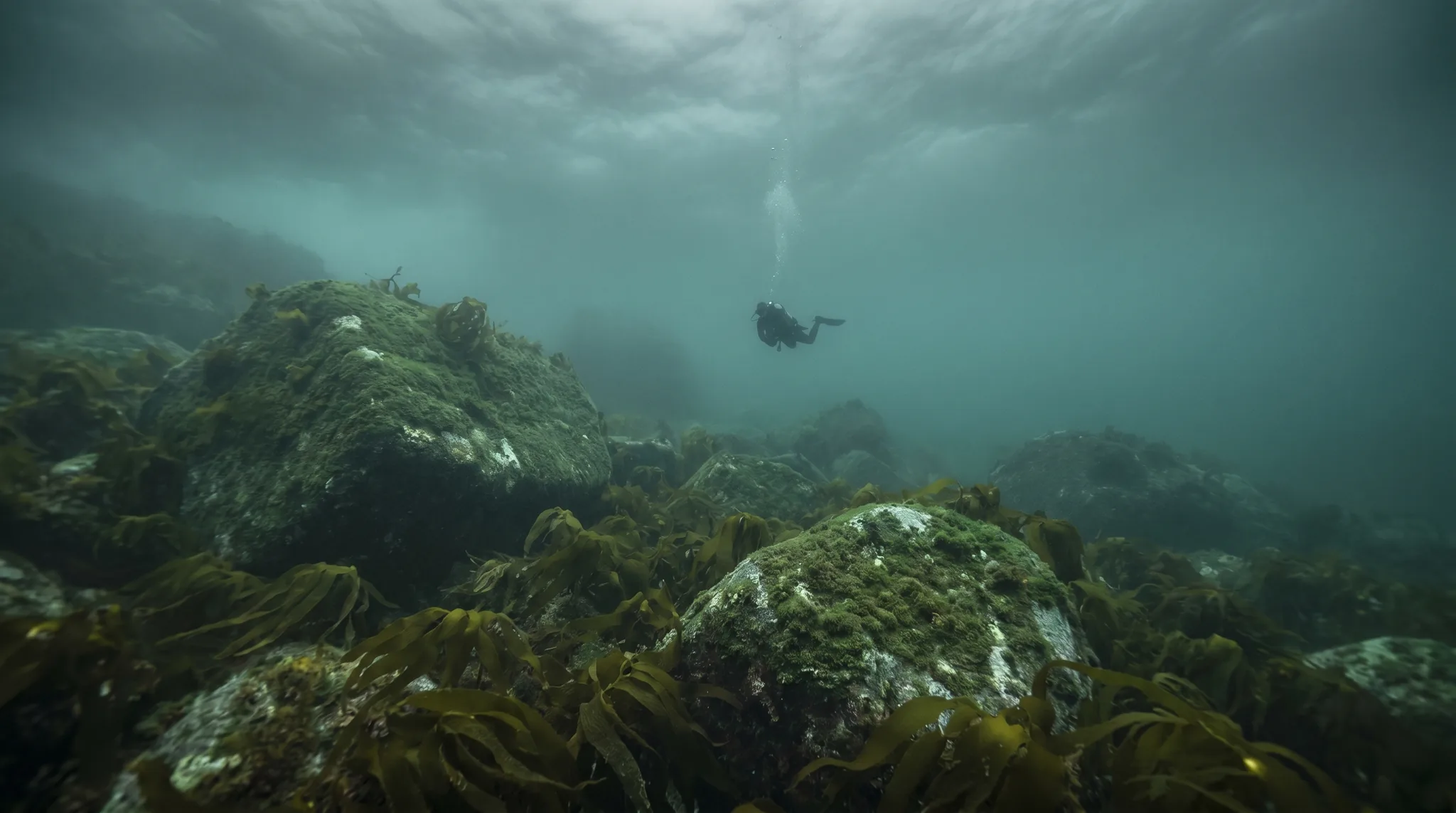
Little Belt combines drift diving through tidal currents, kelp-fringed reef walls, muck sites rich in invertebrates, and wreck diving across four distinct sub-areas: the Little Belt Strait, Alssund, Middelfart, and Aabenraa Fjord. Currents are a defining feature at many sites, while sheltered fjord and mole entries suit newer divers. Harbor Seal and European Common Cuttlefish are the signature encounters, alongside ever-present Righteye Flounder, Common Sea Star, and Sea Squirt.
4 areas
Monthly water temperature across Little Belt's sites, from satellite sea-surface data corrected for depth. The band shows the site-to-site spread.
Water temperature rises steadily from late spring through summer, peaking in August, which brings the warmest and most popular conditions. June, August, and September draw the highest diver activity. Winter months are cold throughout, suiting only those equipped for low temperatures.
30 operators
Denmark
Denmark
Odense, Denmark
19 more sites to explore
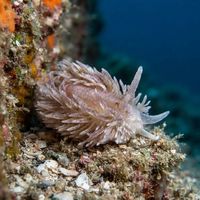
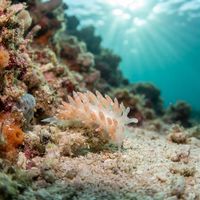
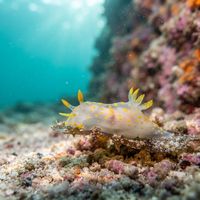
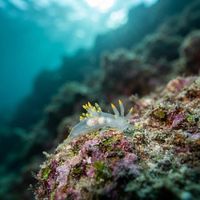
Drift dives and wall reefs in a current-driven strait, with an exceptional diversity of observed nudibranch species.
Water temperature around Little Belt ranges from about 4°C in February to 18°C in August, based on satellite sea-temperature data for its dive sites.
In the warm season (about 18°C) a 5mm suit is comfortable in Little Belt; in the coldest months (about 4°C) step up to a drysuit.
Fin maps 31 sites in Little Belt (30 scuba diving sites and 6 snorkelling spots, with some suited to both), organised into 4 areas.
Across Little Belt's dive sites, May, June, July, August and September are most often reported as the best months to visit.
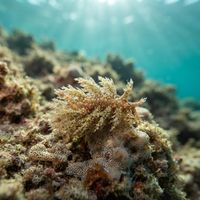
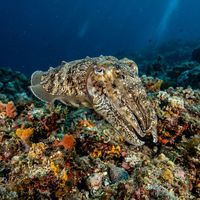
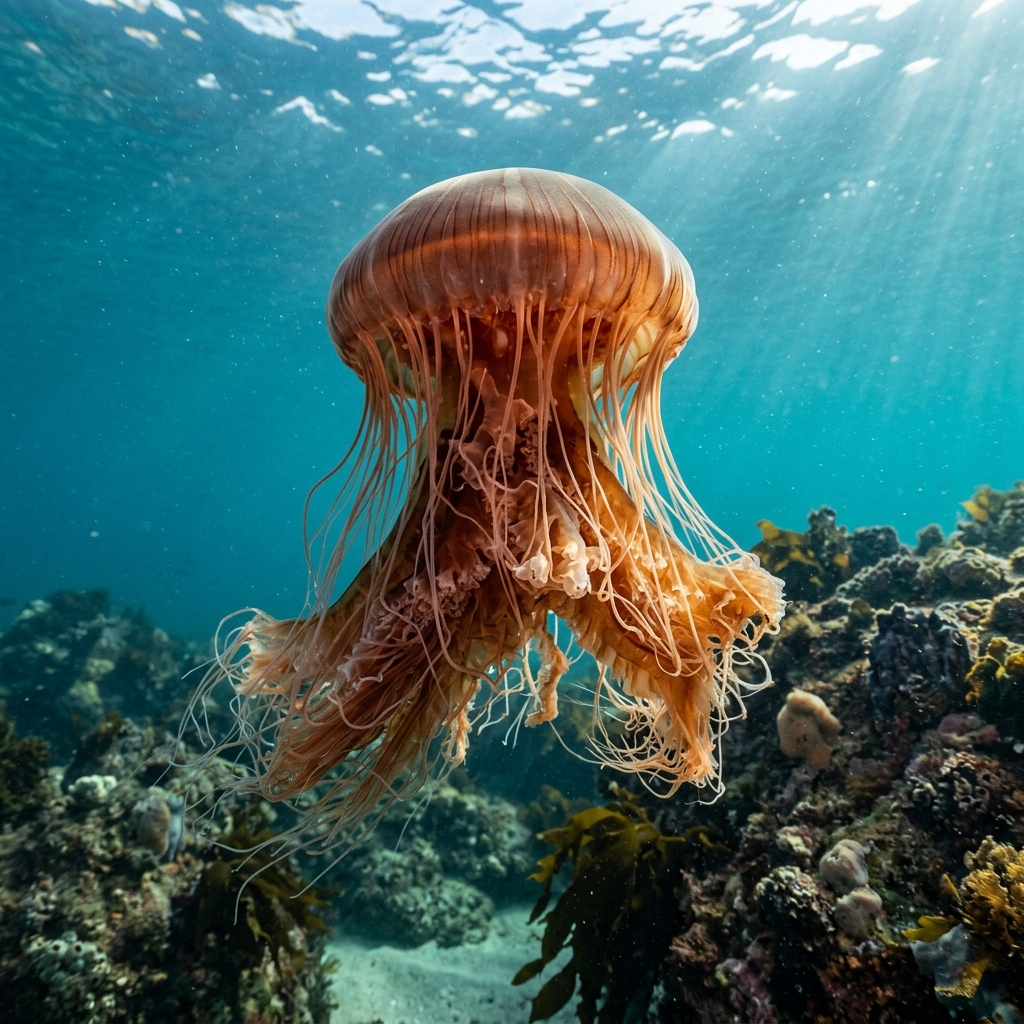
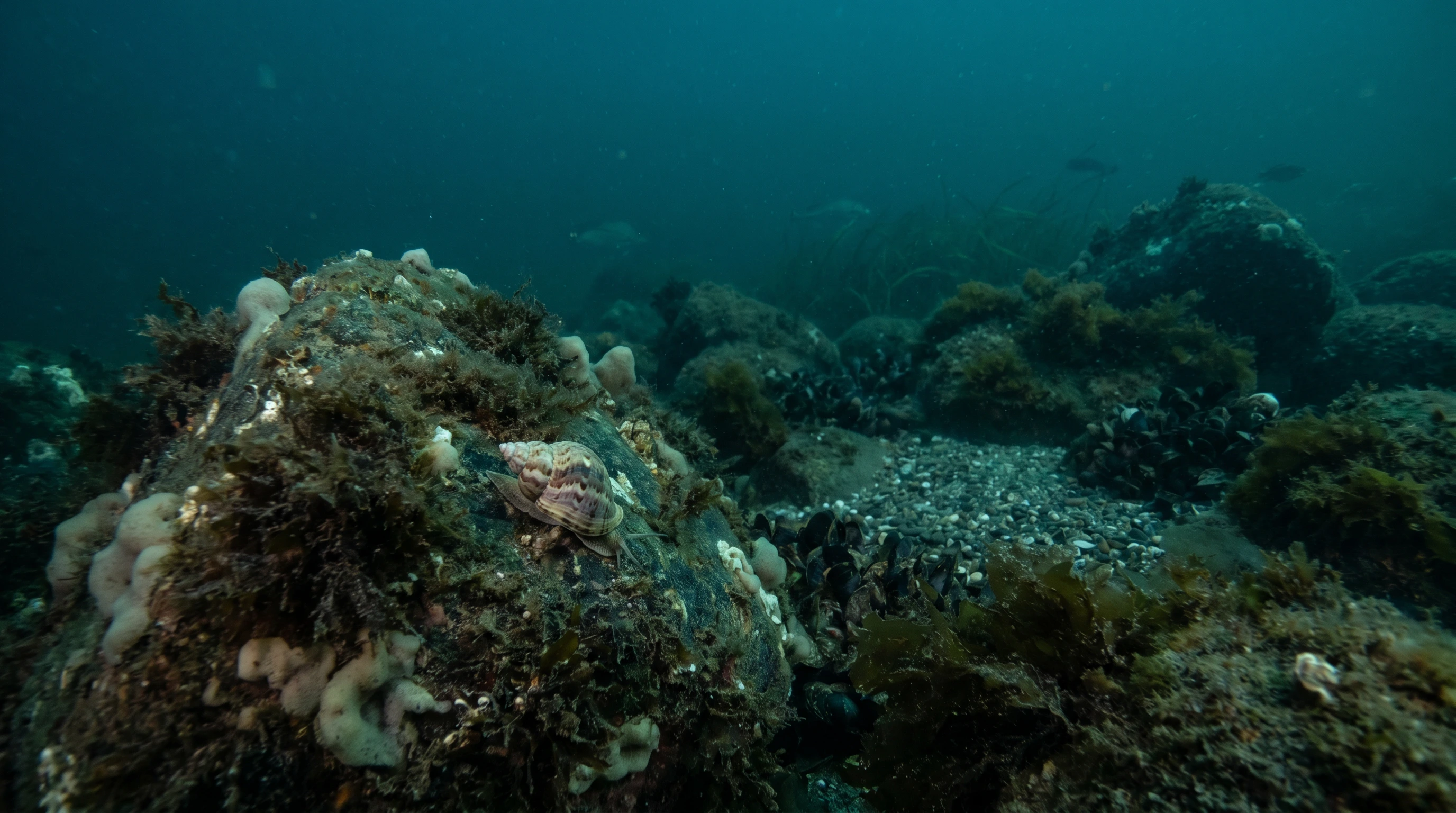
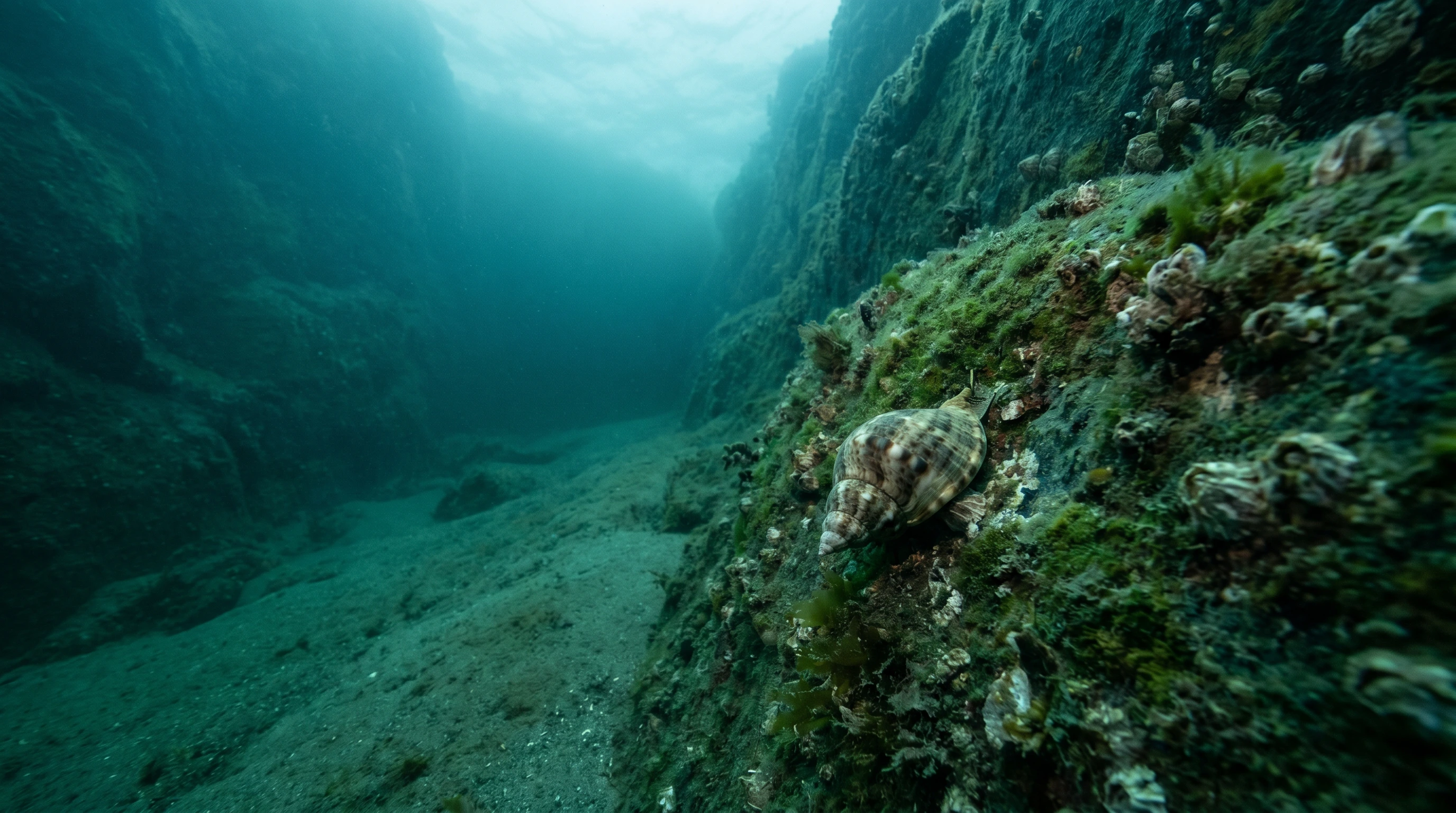
Sightings are observation-backed across a wide range of temperate species. Righteye Flounder and Common Sea Star are very commonly recorded, while Harbor Seal, Cod, Wrasses, Giant Jellyfish, and Barnacle-eating Dorid are all frequently encountered. European Common Cuttlefish and Dogfish are seen occasionally, and Bottlenose Dolphin has been recorded at a small number of sites.
A good number of sites are rated for beginners, particularly the shore-entry muck sites in Aabenraa Fjord such as Kollund Mole and Sandskaer Camping harbour, as well as the kelp and seagrass site at Strib strand. Many other sites, especially those in the Little Belt Strait and Alssund, carry strong currents and are rated intermediate, so assessing conditions before entry is important.
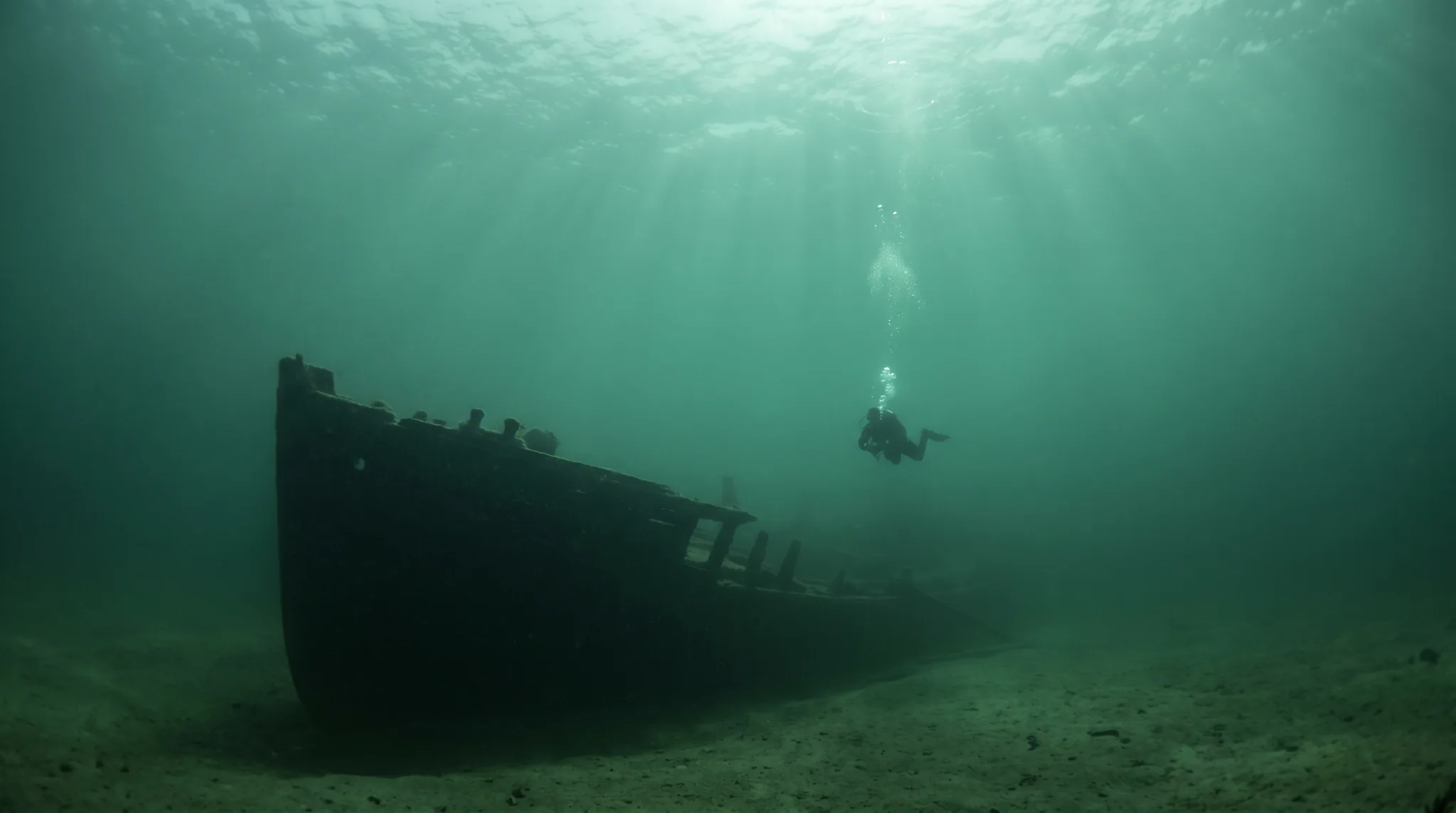
The Little Belt Strait holds the widest variety of site types, including walls, reefs, kelp forests, and current-driven drift dives reaching considerable depth. Alssund offers wreck diving alongside current-swept reef sites and bridge infrastructure. Middelfart and Aabenraa Fjord tend toward shallower, more sheltered entries that are well suited to methodical invertebrate hunting on muck and reef substrates.
Shore entry is the dominant access method across Little Belt, with the majority of listed sites reachable directly from the shore or via a harbour. Boat access is required for the deeper drift site in the Little Belt Strait and for Wreck S103 in Alssund. Several sites offer both options, giving flexibility depending on conditions and group preference.