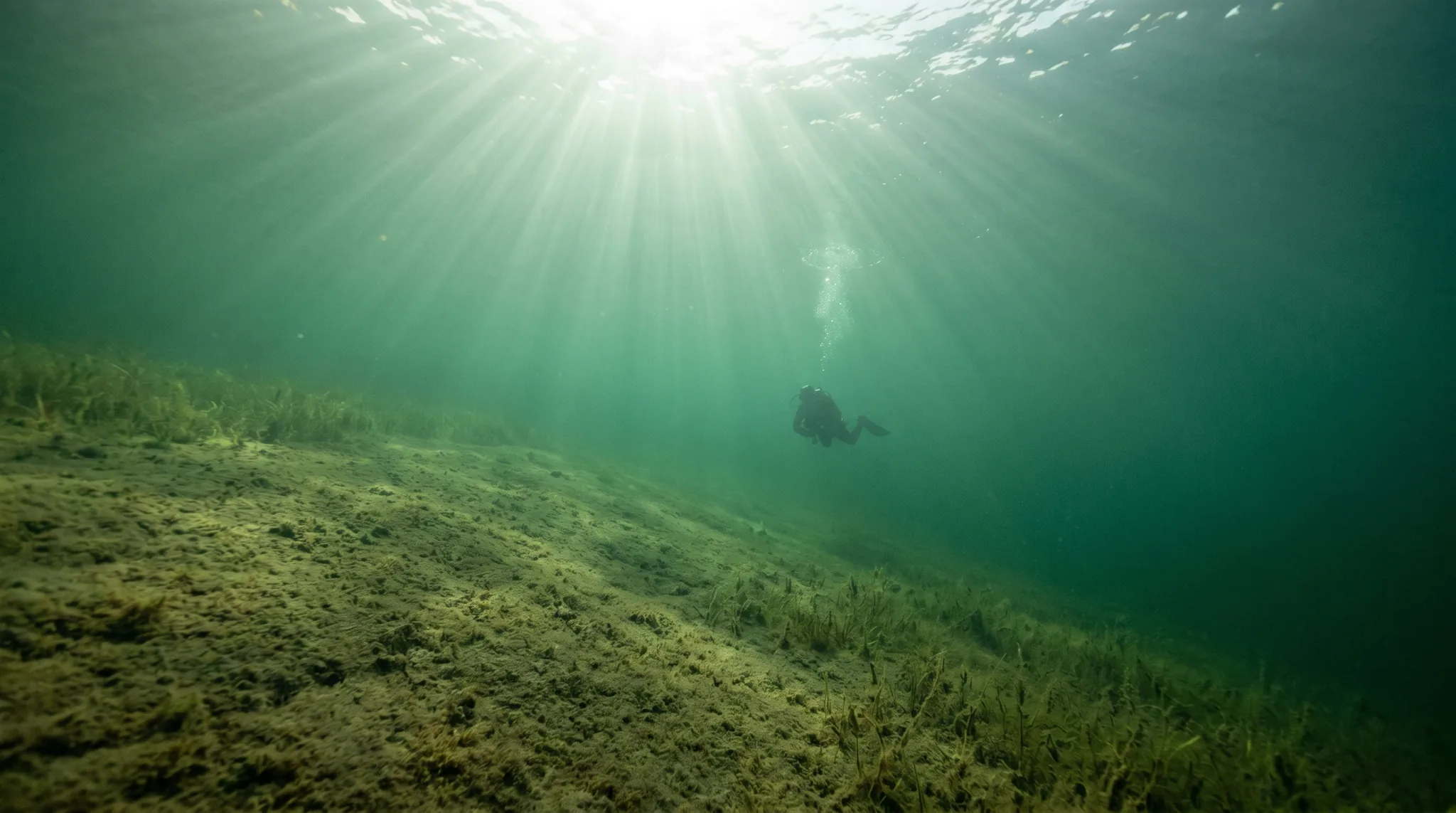
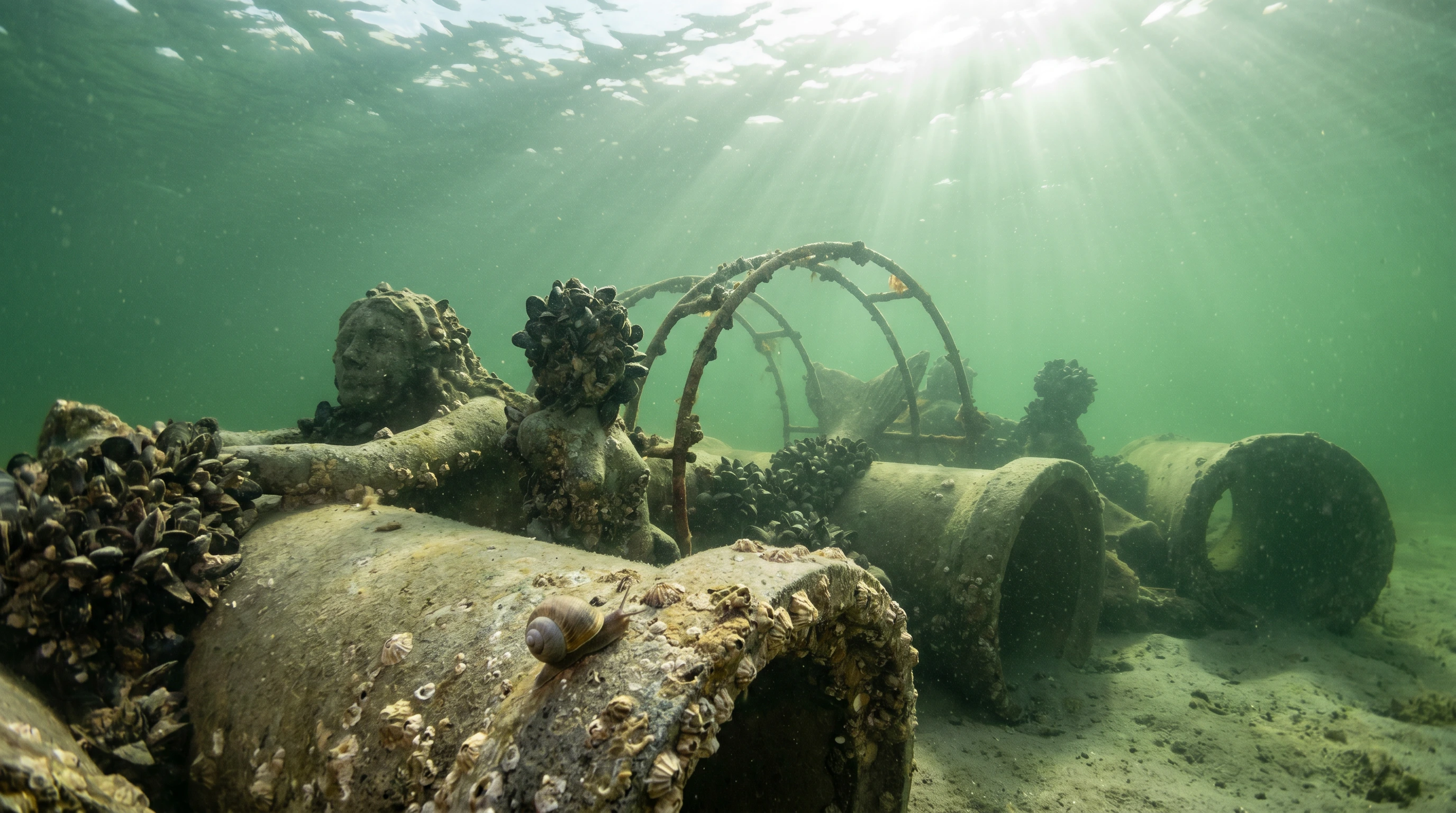
Fehmarn is a shore-accessible island diving destination dominated by reef, artificial reef, and wreck sites. Most sites suit beginners, though Fehmarnsund Bridge delivers a proper drift dive for intermediate divers. The Common Sea Star, European Green Crab, and Rockpool Prawn are encountered almost everywhere, while the Harbor Seal is the island's signature sighting. Water warms considerably through summer, when visibility is at its most reliable. Operators including Scubalu and Belugadivers are well established across the island.
Monthly water temperature across Fehmarn's sites, from satellite sea-surface data corrected for depth. The band shows the site-to-site spread.
Water temperatures climb from their winter low in February through spring and peak in August, making summer the most comfortable season for extended dives without heavy exposure protection. The best-months data points clearly to June through September as prime diving, with May and October offering decent shoulder-season windows. Currents are a factor at drift sites like Fehmarnsund Bridge and Pferdekoppel, so conditions can shift with little warning.
59 operators

Lychen, Germany
78 more sites to explore
Water temperature around Fehmarn ranges from about 4°C in February to 18°C in August, based on satellite sea-temperature data for its dive sites.
In the warm season (about 18°C) a 5mm suit is comfortable in Fehmarn; in the coldest months (about 4°C) step up to a drysuit.
Fin maps 90 sites in Fehmarn (90 scuba diving sites and 5 snorkelling spots, with some suited to both).
Across Fehmarn's dive sites, June, July, August and September are most often reported as the best months to visit.
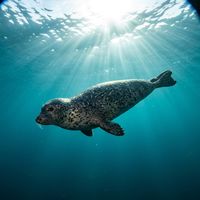
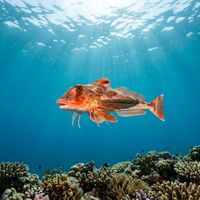
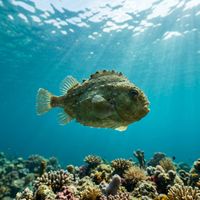
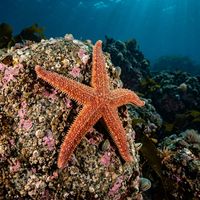
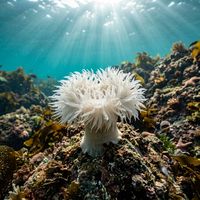
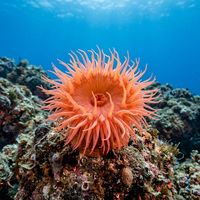
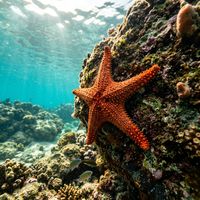
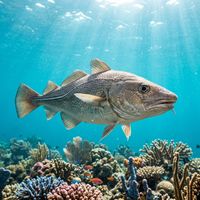
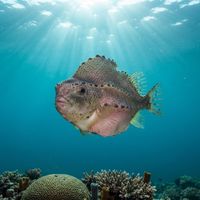
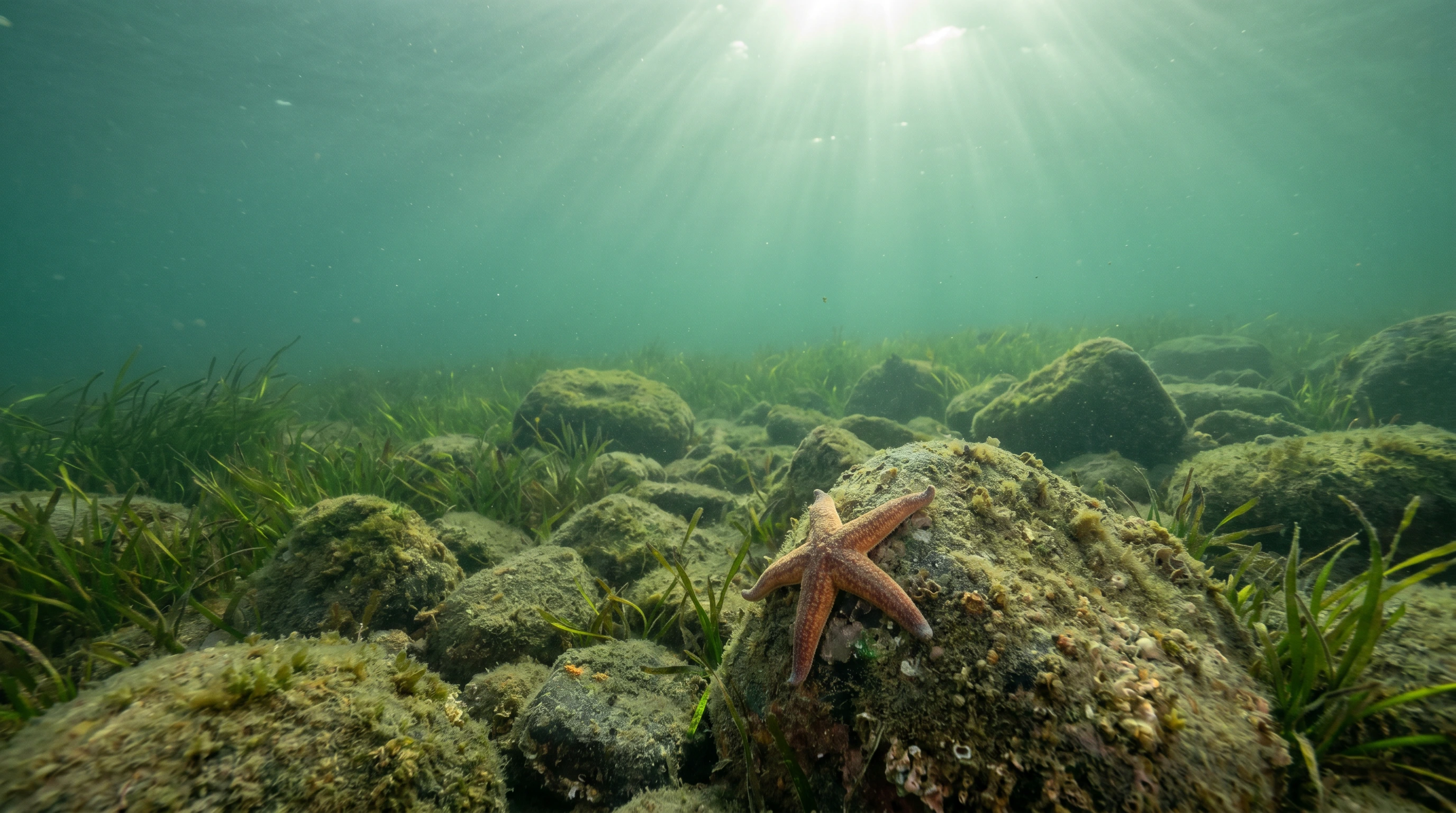
The Common Sea Star, European Green Crab, and Rockpool Prawn appear across the majority of sites. Lumpfish, Gurnard, Cod, and Righteye Flounder are reliably encountered, and Plumose Anemone colonises much of the reef structure. The signature highlight is the Harbor Seal, which is a common observation throughout the region.
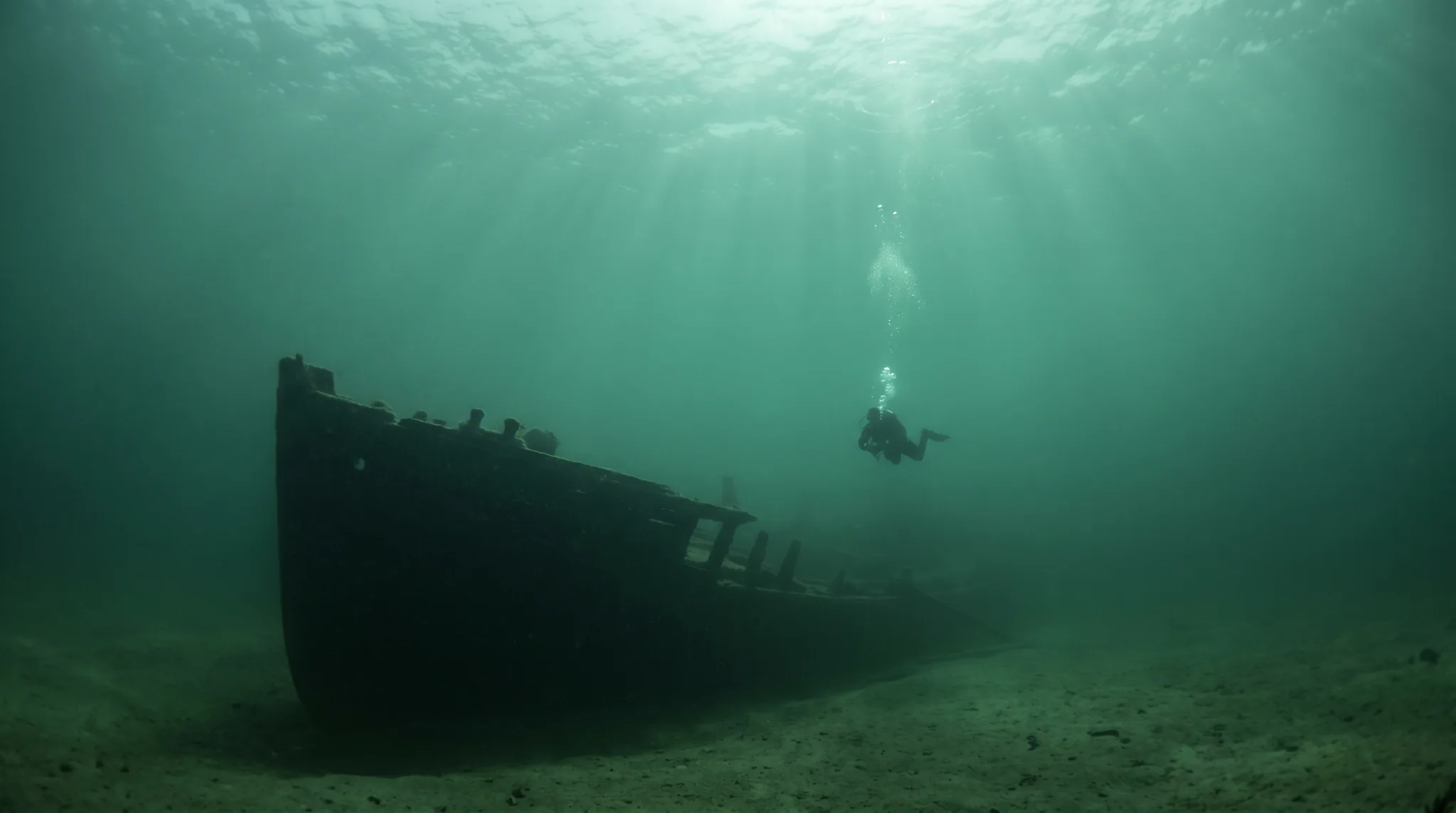
The majority of sites in Fehmarn are rated beginner-level, including shallow shore dives such as Flügge Strand and Tauchparadies Scubalu, as well as wreck sites like Görslow and Kosie's Dive Basis. Intermediate-level sites such as Fehmarnsund Bridge introduce drift conditions and greater depth, so beginners should build experience on the calmer sites first. The large number of established operators on the island makes guided introductory dives straightforward to arrange.
Shore entry is the dominant access method in Fehmarn, covering most of the reef, seagrass, and shallow artificial reef sites. Several wreck and offshore artificial reef sites such as Pferdekoppel, Straßenbagger, and Riff Nienhagen require boat access. Sites like Görslow and Kosie's Dive Basis offer both options, giving divers flexibility depending on conditions and preference.
Reef and artificial reef sites make up the core of Fehmarn's diving, ranging from very shallow seagrass-edged reefs to deeper structures colonised by anemones and invertebrates. Wreck diving is a notable strand, with sites including Görslow, Straßenbagger, and Kosie's Dive Basis. Drift diving is available at Fehmarnsund Bridge and Pferdekoppel, where current and structure combine to create a different style of dive from the calmer shore entries.