

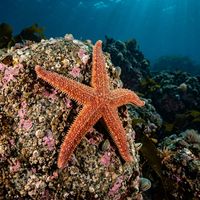
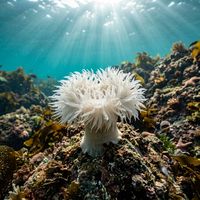
Jutland's diving is defined by strong tidal currents, a varied mix of site types, and a distinctly temperate character. The Little Belt sub-area holds the greatest concentration of sites, offering drift dives, walls, reefs, kelp forests, and wrecks, many accessible from shore. Aarhus and North Jutland add further variety to the north. Harbor Seal and European Common Cuttlefish are the signature encounters, while Righteye Flounder, Common Sea Star, Cod, and Plumose Anemone appear across a wide range of sites. Conditions reward divers comfortable with current, though several beginner-rated shore entries make the region accessible to those building experience.
3 areas
 31
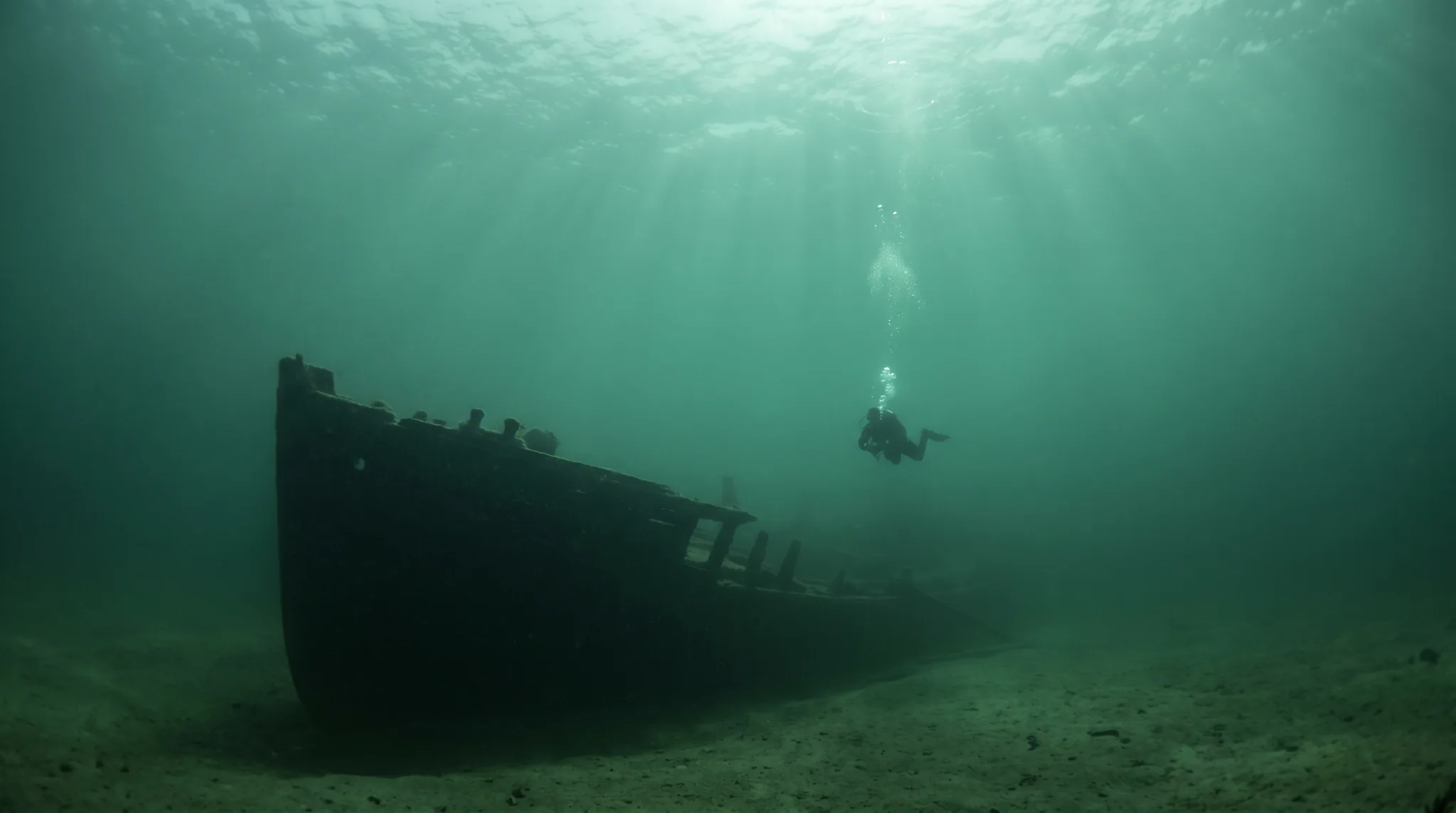
31Strong tidal currents, reef walls, wrecks, and regular Harbor Seal sightings define diving in Little Belt.
8Aarhus Bay diving across harbour artificial reefs, a shallow wreck, and mole structures, cold year-round with a dedicated access platform for beginners.
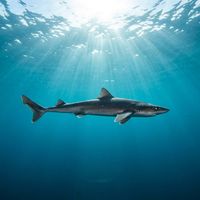
4Cold-water wreck and reef diving near Aalborg, with strong currents at depth sites and a range of cold-water species from shark to bobtail squid.
Monthly water temperature across Jutland's sites, from satellite sea-surface data corrected for depth. The band shows the site-to-site spread.
Water temperatures run cold through winter and early spring, warming gradually from May onward and peaking in August before dropping back through autumn. The warmest months, from June through September, draw the most diver activity and offer the most comfortable conditions. Currents are a constant factor, particularly in the Little Belt, so planning dives around tidal windows is essential year-round.
57 operators
Denmark
Denmark
10 more sites to explore
Water temperature around Jutland ranges from about 4°C in February to 17°C in August, based on satellite sea-temperature data for its dive sites.
In the warm season (about 17°C) a 7mm or semi-dry suit is comfortable in Jutland; in the coldest months (about 4°C) step up to a drysuit.
Fin maps 54 sites in Jutland (53 scuba diving sites and 9 snorkelling spots, with some suited to both), organised into 3 areas.
Across Jutland's dive sites, May, June, July, August and September are most often reported as the best months to visit.
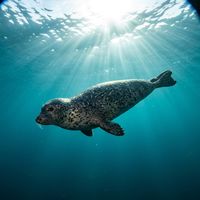
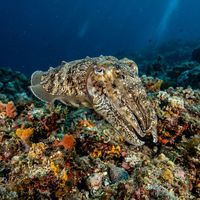
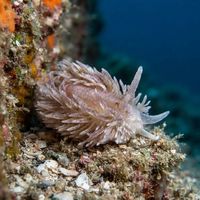
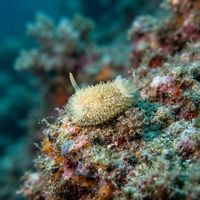
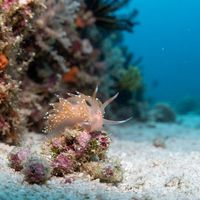
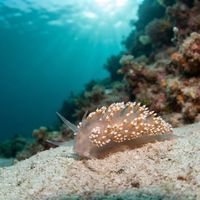
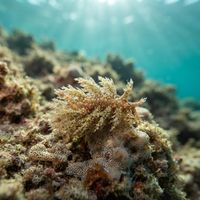
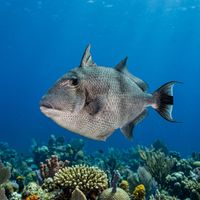
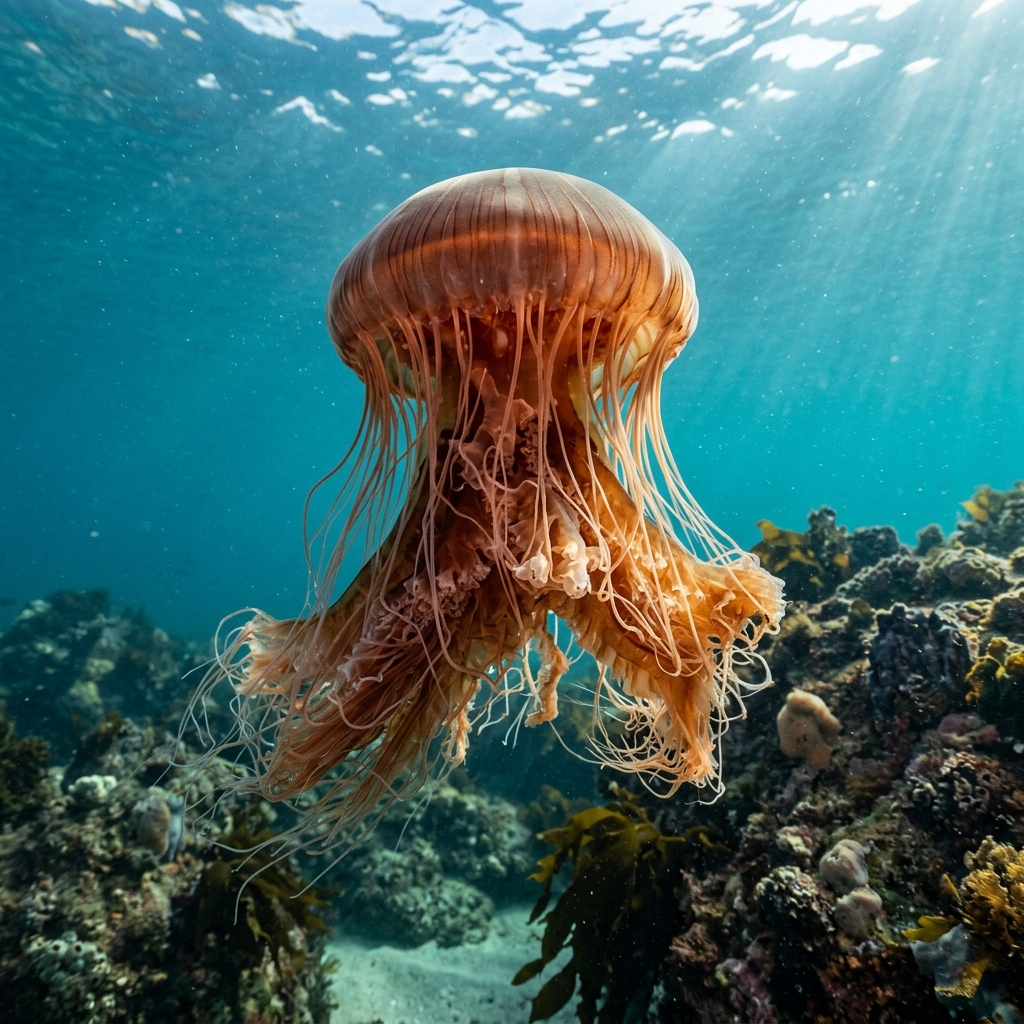
Jutland's most consistently observed species are Harbor Seal and European Common Cuttlefish, both considered signature encounters for the region. Righteye Flounder and Common Sea Star appear across the great majority of sites, and Cod, Wrasses, and Plumose Anemone are commonly reported. Occasional sightings include Giant Jellyfish and Pipefish, and Conger Eel has also been recorded.
Several sites are rated beginner level, including Kollund Mole, Kollund Lillestrand, Alssundbroen, Strib strand, and the Littlebelt drift site. Many of these are shore entries with shallow starting depths, making them approachable for newly certified divers. That said, currents are present at many sites, so beginners should plan entries carefully and ideally dive with a local guide or club.
Little Belt is by far the most site-dense sub-area, featuring a wide variety of dive types including wrecks, walls, reefs, kelp forests, and drift dives, many reachable from shore. Aarhus offers a smaller cluster of sites to the east. North Jutland has fewer sites but extends the range northward for divers willing to travel. Operators are spread across all three sub-areas.
A good number of Jutland's sites are accessible directly from shore, including popular Little Belt spots such as Gl. Færgehavn, Kongebrogarden, Ammoniak Havnen, and Kollund Mole. Some sites, including Wreck S103 and Eldorado, require boat access. Several sites offer both options. Local operators and dive centres such as Dykker-Butikken, Seatek Diving, and Pro Dive Dykkercenter can assist with boat charters where needed.


