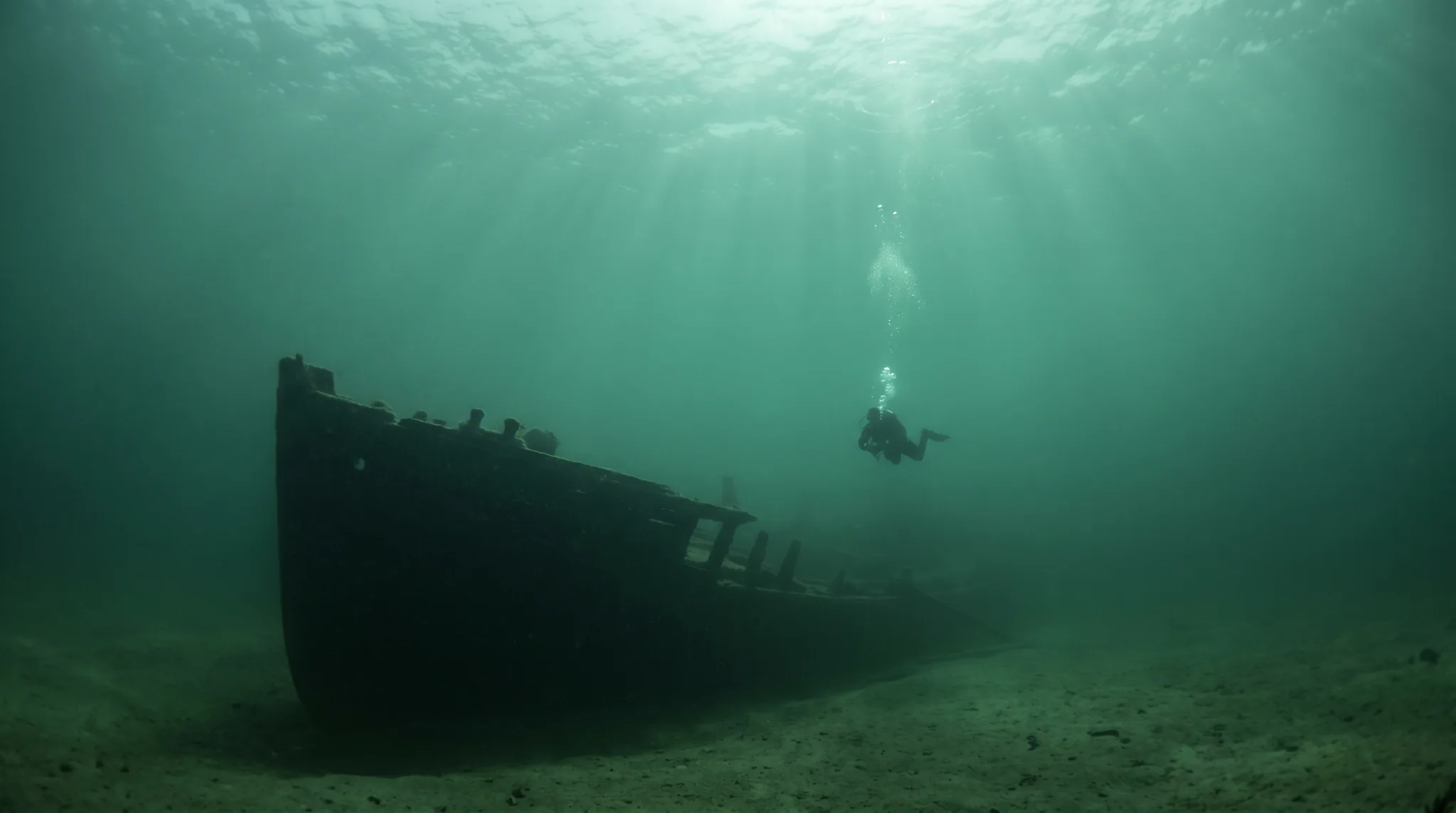
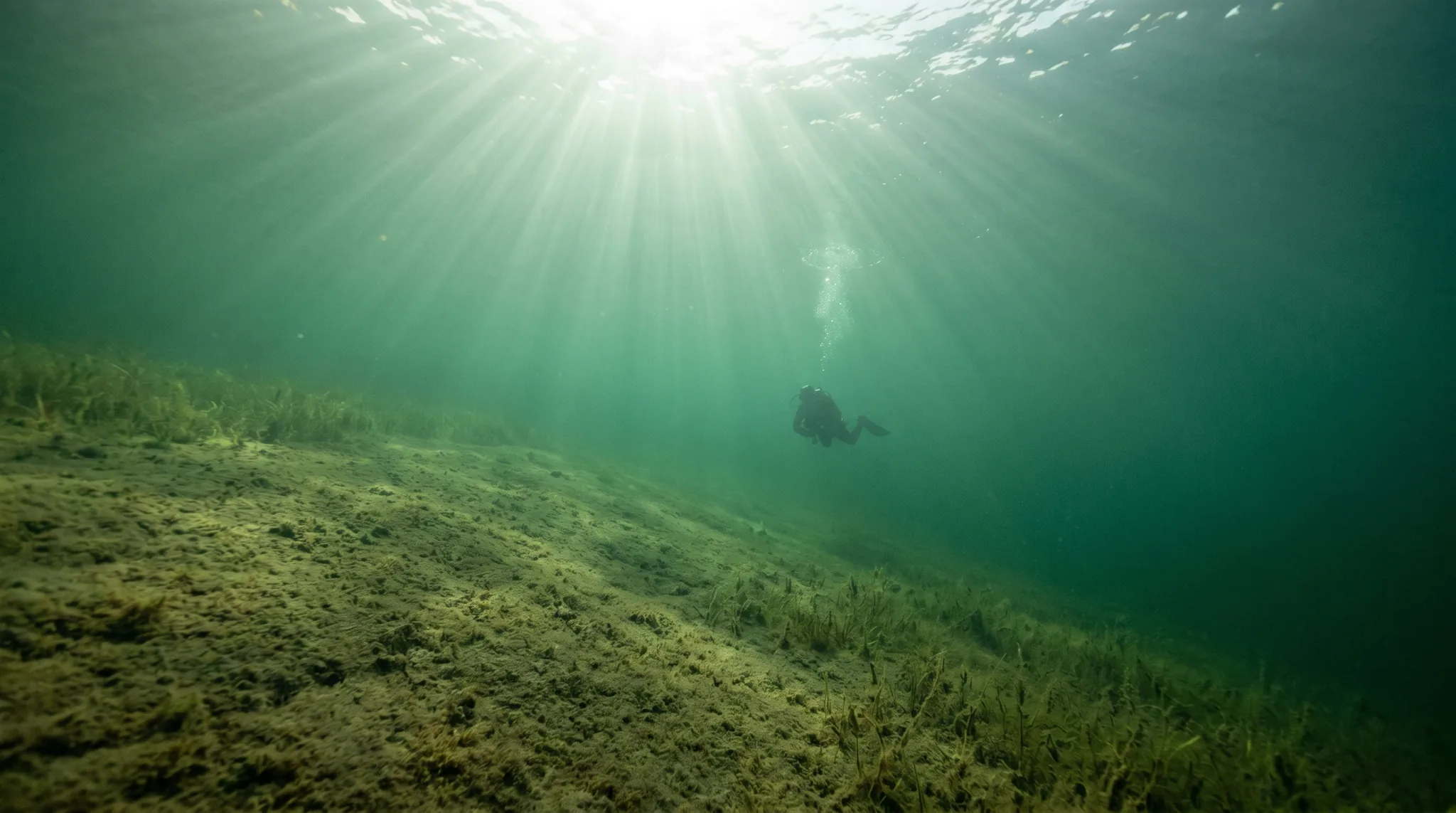
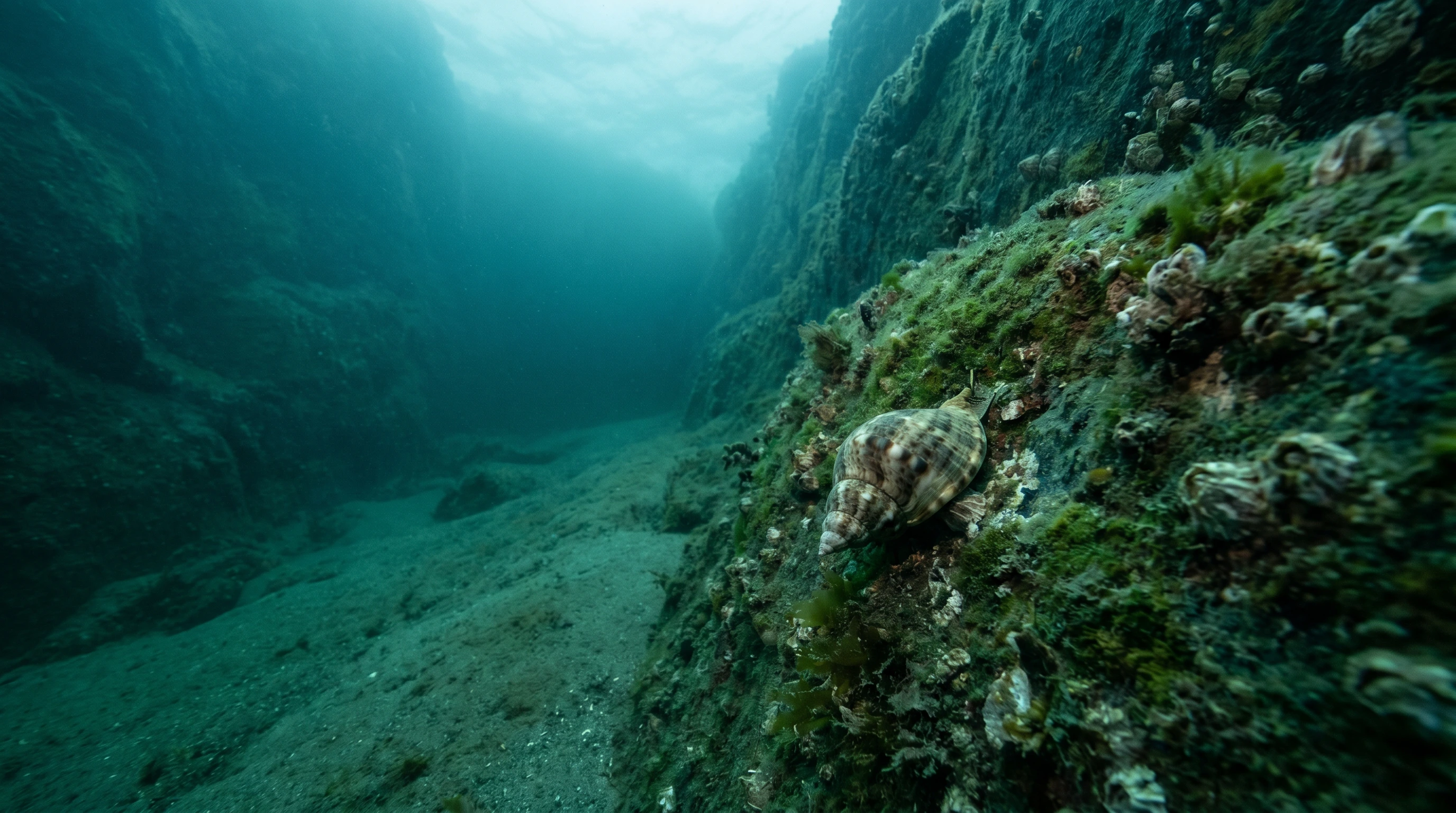
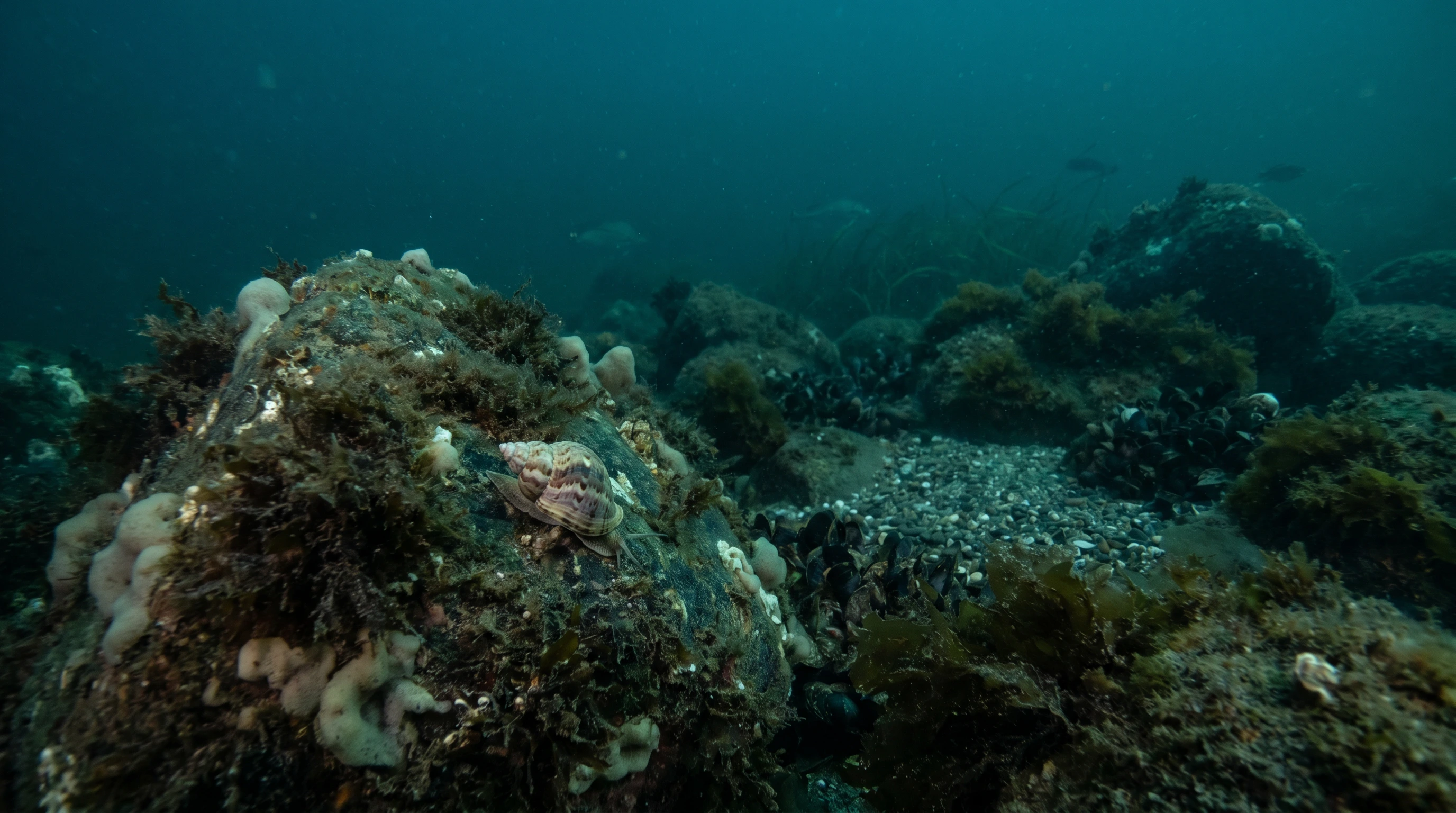
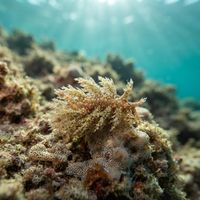
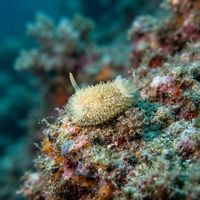
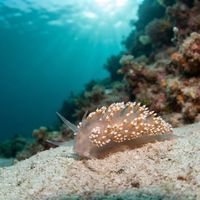
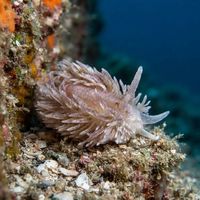
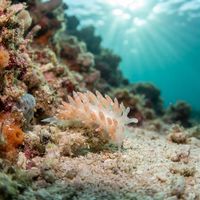
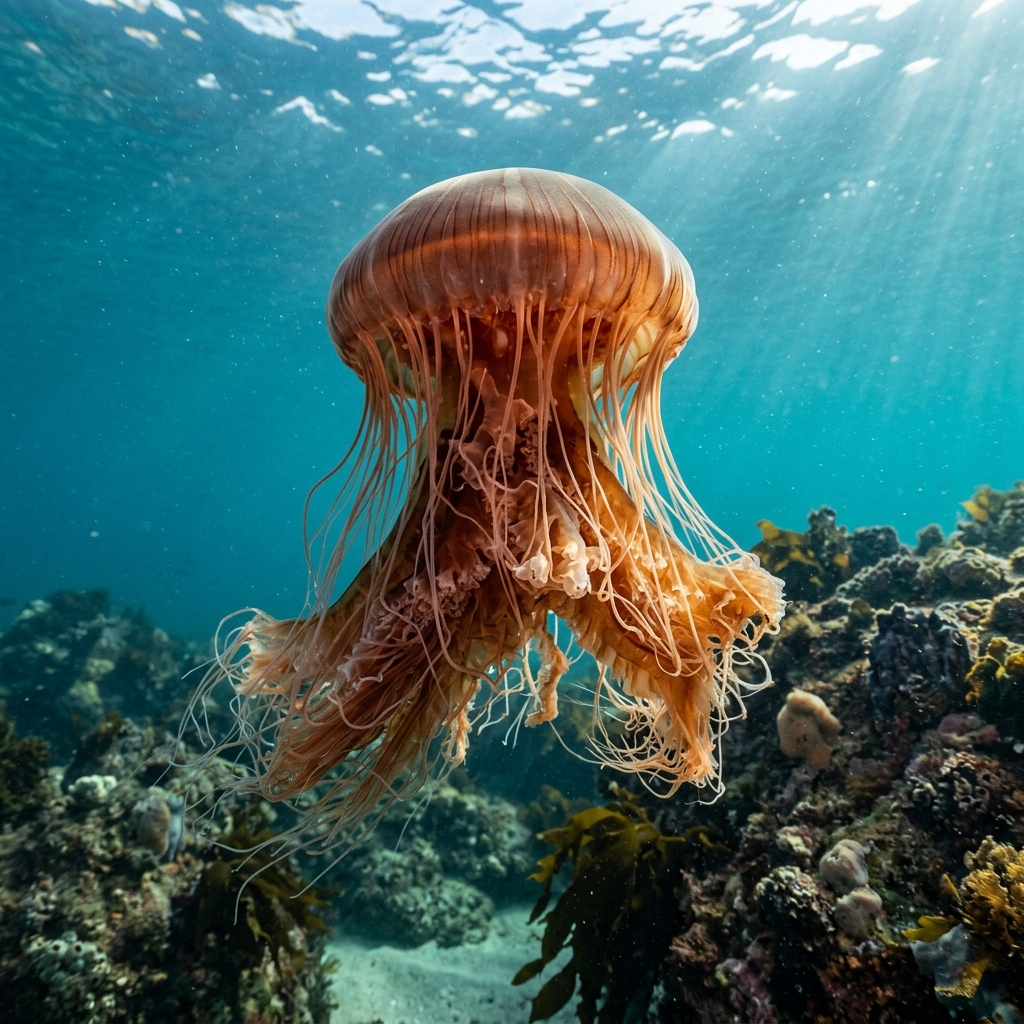
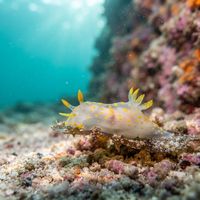
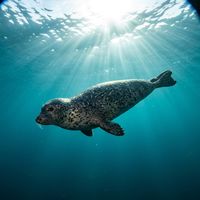
The Little Belt Strait is defined by strong tidal currents that shape every dive here, from the drift site at Littlebelt to the wall and reef topography at Kongebrogarden and Søbadet. Shore access is common, with sites like Gl. Ålbo reachable from a beach or bridge. The signature draw is nudibranchs: Boston Facelina, Bushy-backed Nudibranch, Hairy Spiny Doris and several other aeolid species are observed across nearly every site. Harbor Seal and Giant Jellyfish add to a varied cold-water encounter.
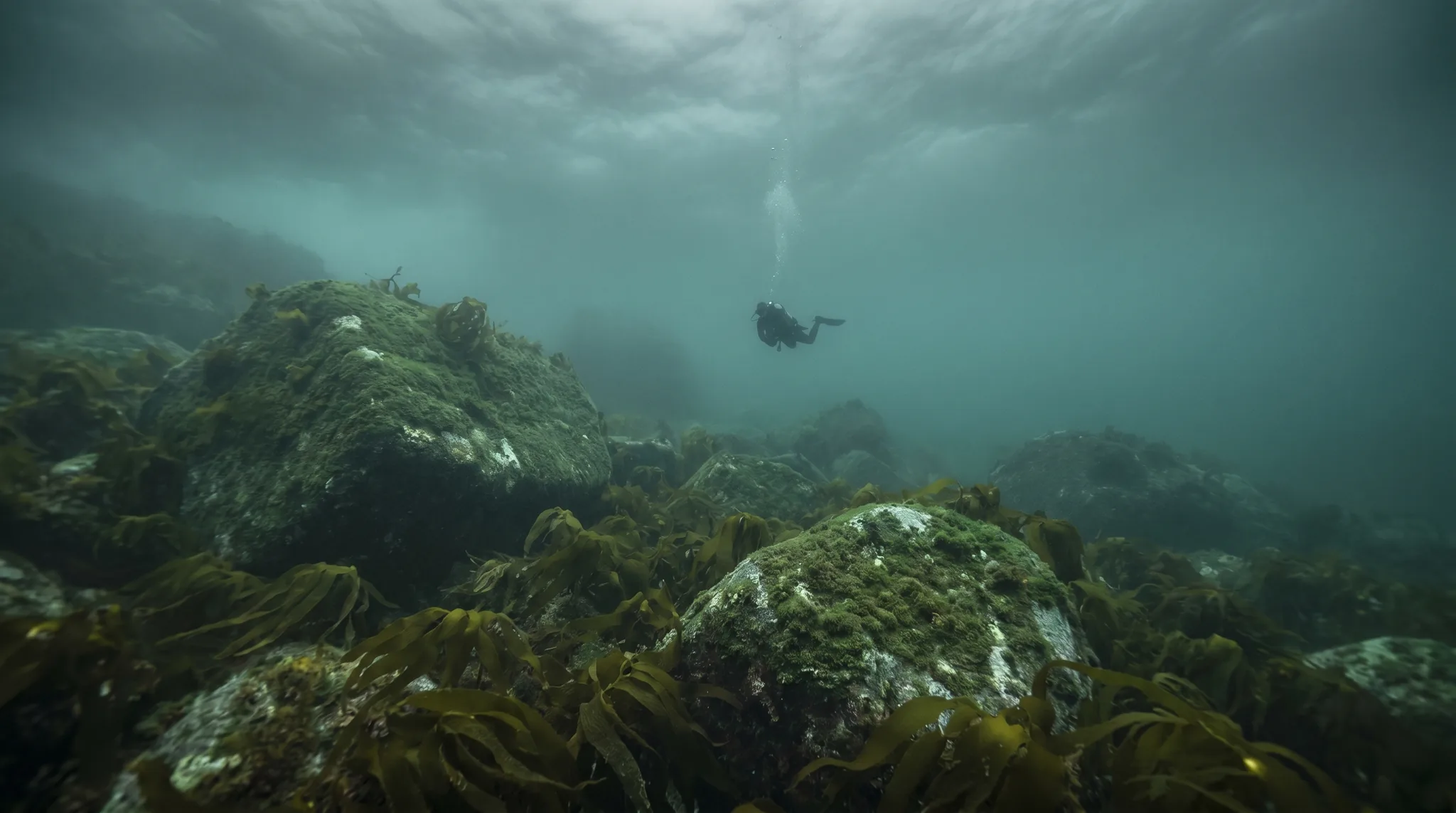
Monthly water temperature across Little Belt Strait's sites, from satellite sea-surface data corrected for depth. The band shows the site-to-site spread.
Water temperatures run cold through winter and climb through late spring into summer, with peak warmth in July and August making those months the most comfortable for extended dives. June and August draw the strongest diver interest, though the strait is diveable year-round for those prepared for cold water. Currents are present at all seasons and demand careful timing regardless of when you visit.
4 operators
Denmark
Denmark
8 more sites to explore
Water temperature around Little Belt Strait ranges from about 4°C in February to 18°C in August, based on satellite sea-temperature data for its dive sites.
In the warm season (about 18°C) a 5mm suit is comfortable in Little Belt Strait; in the coldest months (about 4°C) step up to a drysuit.
Fin maps 14 sites in Little Belt Strait (13 scuba diving sites and 2 snorkelling spots, with some suited to both).
Across Little Belt Strait's dive sites, May, June, July, August and September are most often reported as the best months to visit.
Nudibranchs dominate sightings here, with Boston Facelina, Bushy-backed Nudibranch, Coryphella Verrucosa, Hairy Spiny Doris and Shag-rug Aeolis all recorded as very common. Divers also frequently encounter Giant Jellyfish, Common Sea Star, Goldsinny Wrasse and European Plaice. Harbor Seal appears occasionally across several sites.
Most sites are rated intermediate, largely because of the strong tidal currents present throughout the strait. The drift site at Littlebelt is listed as beginner-friendly, though boat access is required and current management is still essential. Divers new to current diving should seek local guidance from operators such as Marsvinet Diving Club or Dykkerklubben Marsvinet.
Shore access is the most common option, with sites including Gl. Færgehavn, Kongebrogarden, Søbadet and Gl. Ålbo all reachable from the shore. Snoghoj accepts both shore and boat entry. The main drift site, Littlebelt, requires boat access. Several local operators including VisitMiddelfart and Peninsula Nature can assist with logistics.
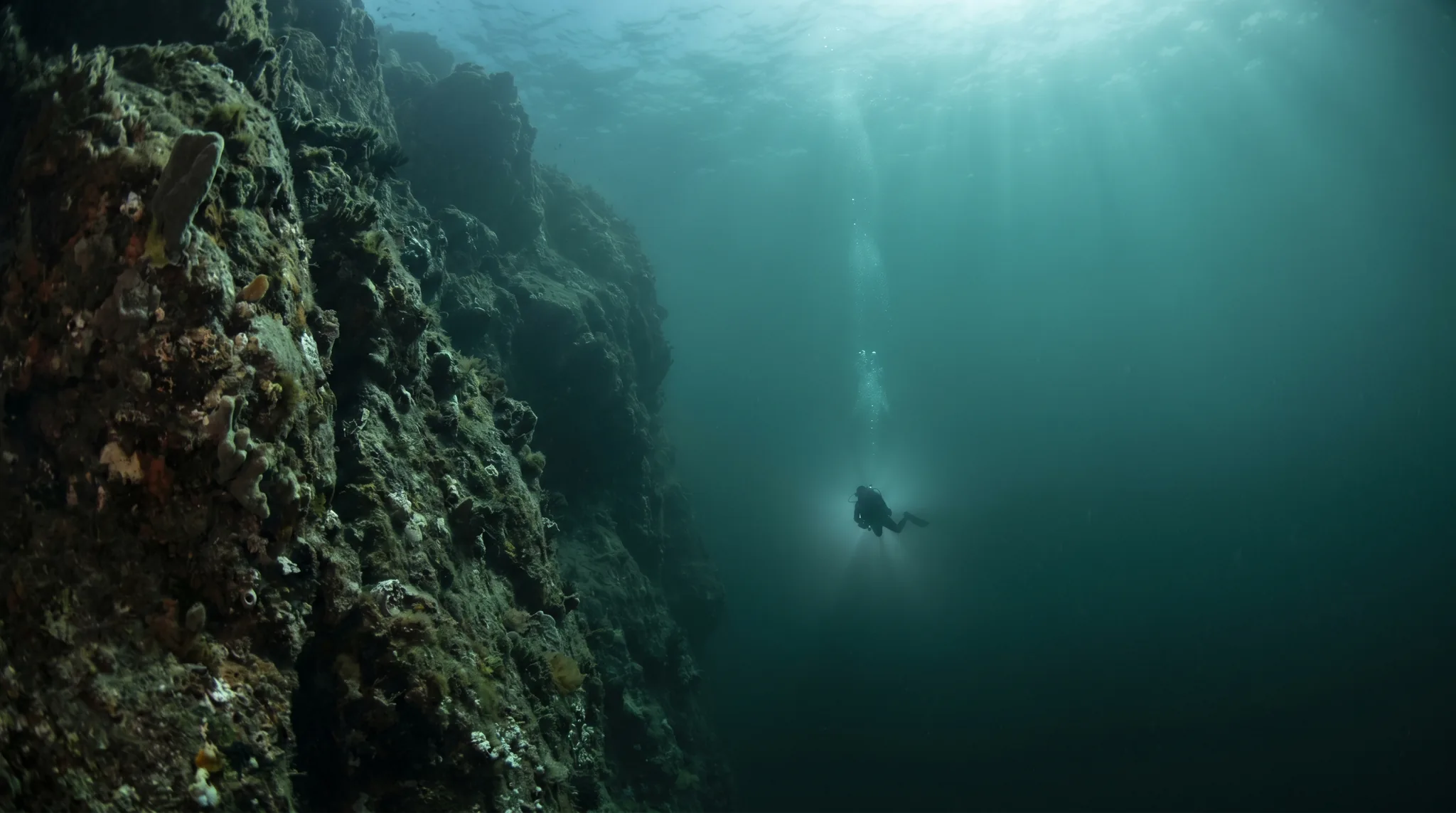
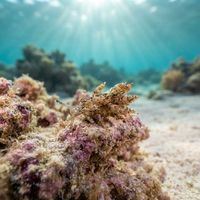
Kongebrogarden and Søbadet offer wall and reef diving with a range of depths, while Gl. Ålbo is a reef site with a broad depth range accessible from a beach or bridge. Snoghoj adds an artificial reef element to natural reef terrain. Gl. Færgehavn is a former ferry port with a sandy bottom, providing a different character from the rockier reef sites elsewhere in the strait.