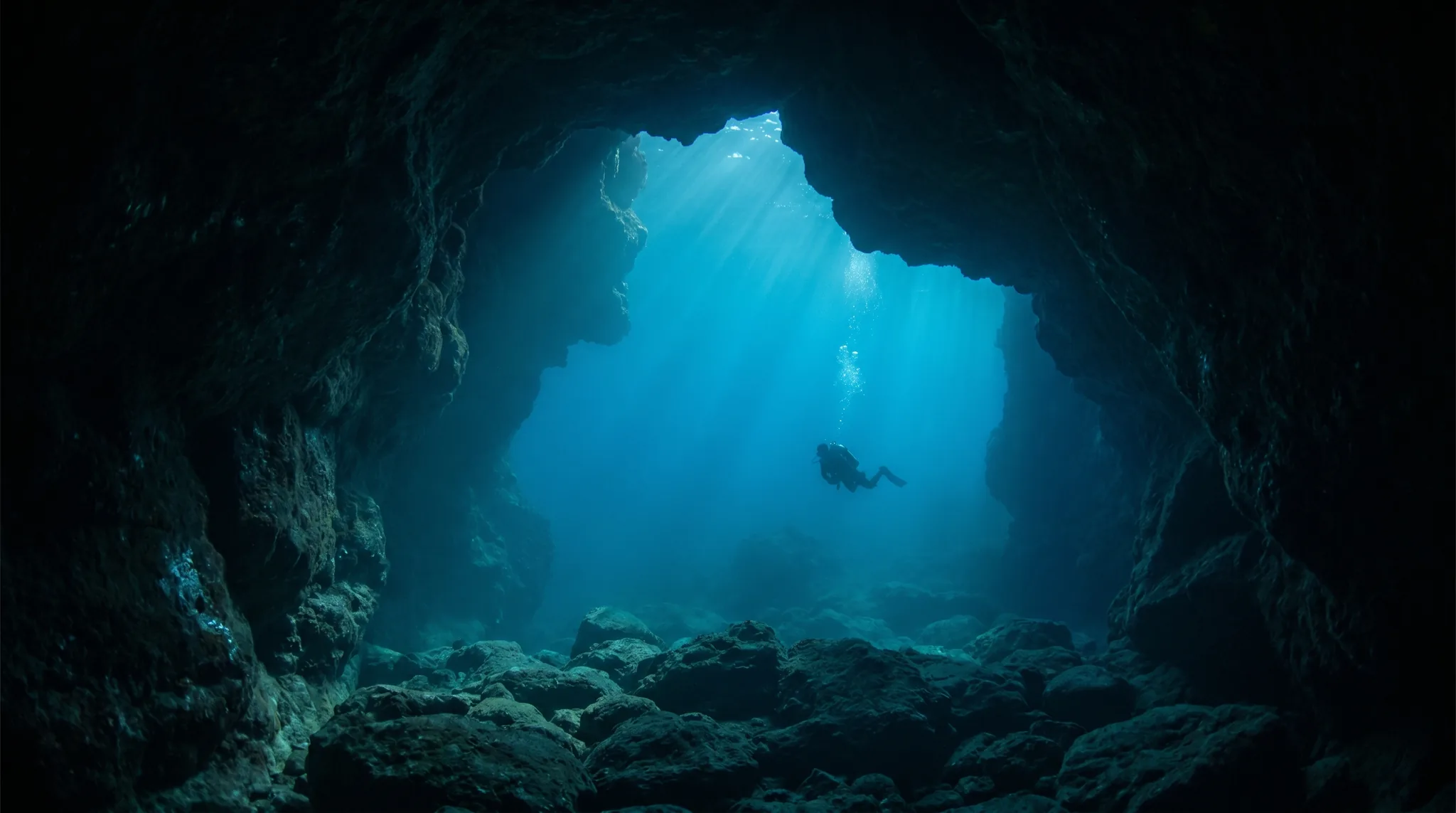
Rovinj's diving spans shallow beginner reefs, complex cave and wall systems, and deep wrecks that demand advanced certification. Most sites are reached by boat, and the topography varies from sloping canyon reefs like Sturag to vertical drops at Reef Rubin and the historic Baron Gautsch wreck. The Seahorse and European Common Cuttlefish are the region's signature finds, while the Tompot Blenny, Scorpionfish, and Cratena Slug appear across virtually every site. Conditions are warmest in autumn, with late summer through October drawing the most diver activity.
Monthly water temperature across Rovinj's sites, from satellite sea-surface data corrected for depth. The band shows the site-to-site spread.
Water is coolest in late winter and early spring, making a thicker wetsuit essential for those months. Temperatures climb through summer and peak in October, which also sees the highest concentration of diver visits. June through October offers the most comfortable conditions, with summer bringing warmer water to the deeper wall and wreck sites.
15 operators
Vrsar, Croatia
Croatia
Rovinj, Croatia
37 more sites to explore
Water temperature around Rovinj ranges from about 11°C in February to 20°C in October, based on satellite sea-temperature data for its dive sites.
In the warm season (about 20°C) a 5mm suit is comfortable in Rovinj; in the coldest months (about 11°C) step up to a drysuit.
Fin maps 49 sites in Rovinj (47 scuba diving sites and 9 snorkelling spots, with some suited to both).
Across Rovinj's dive sites, May, June, July, August and September are most often reported as the best months to visit.
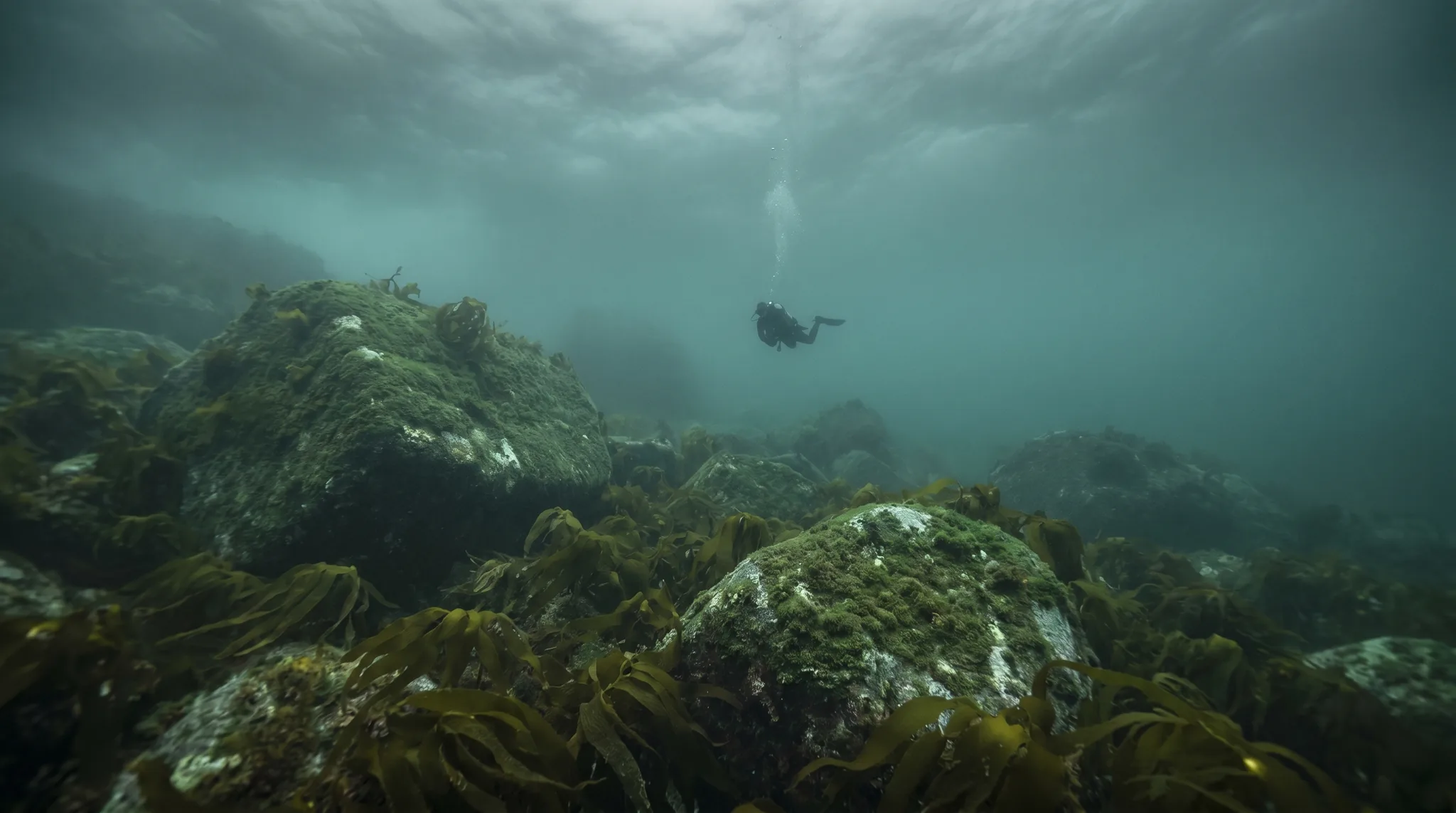
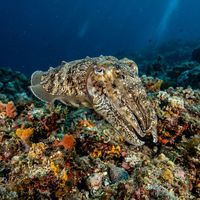
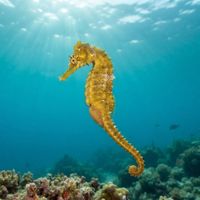
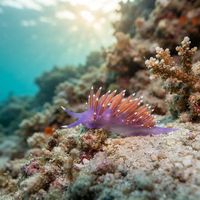
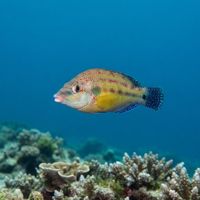
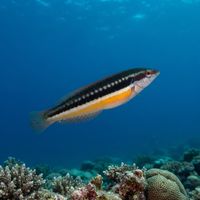
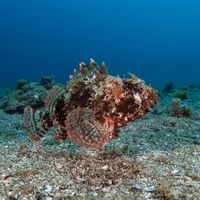
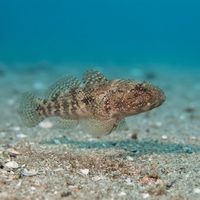
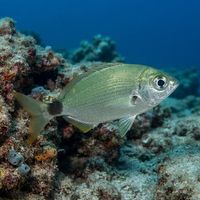
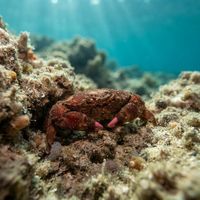
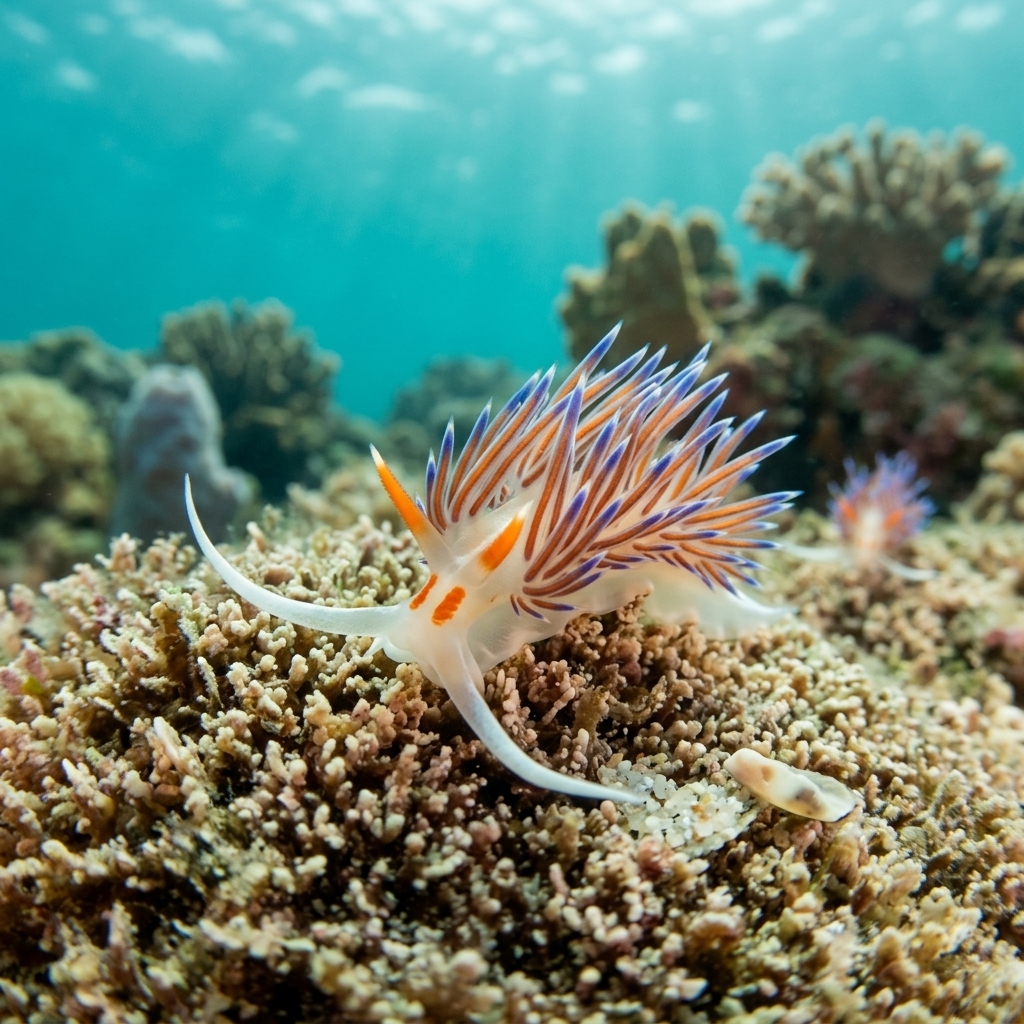
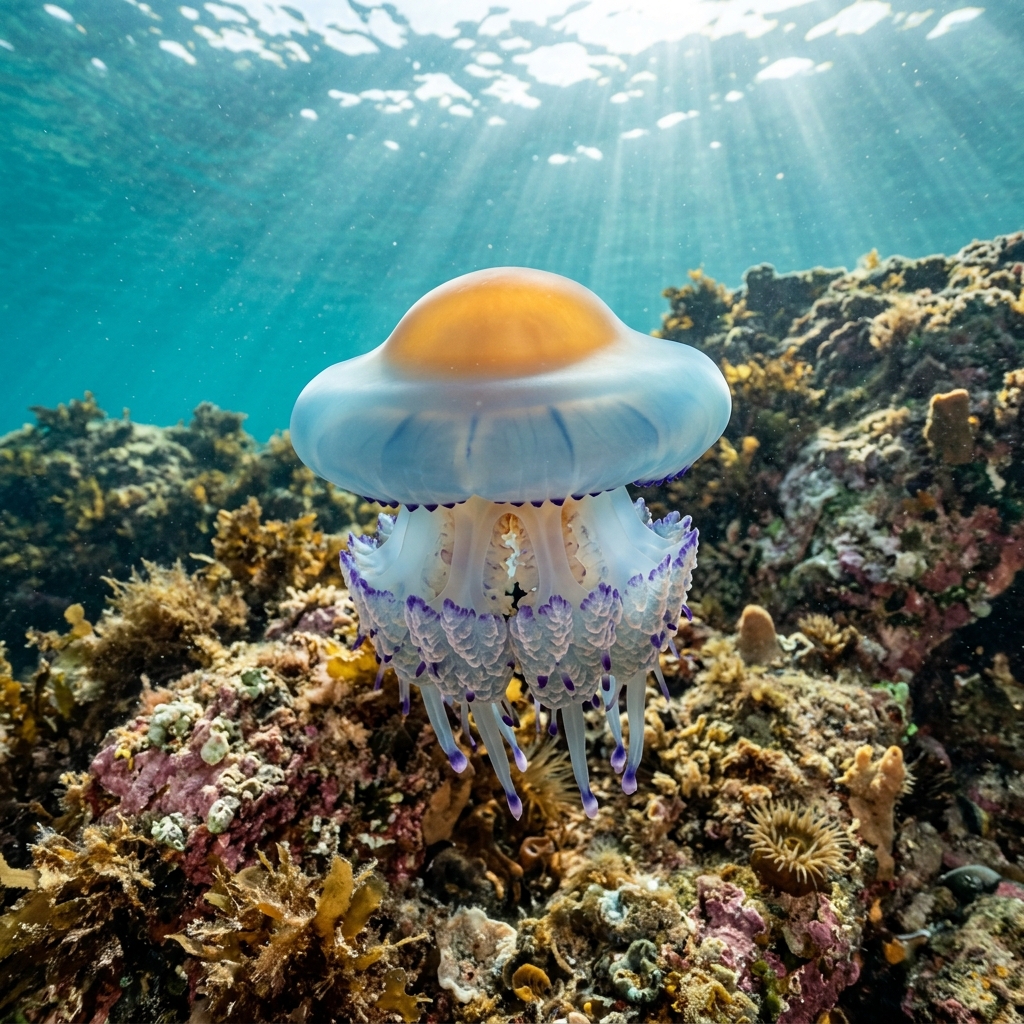
Rovinj is particularly known for the Seahorse and European Common Cuttlefish, both of which are observed across the majority of sites. The Tompot Blenny, Painted Comber, Scorpionfish, and Peacock Blenny are present at nearly every site. Invertebrate life is rich, with the Cratena Slug, Hermit Crab, Squat Lobster, and Tube Worm all regularly recorded.
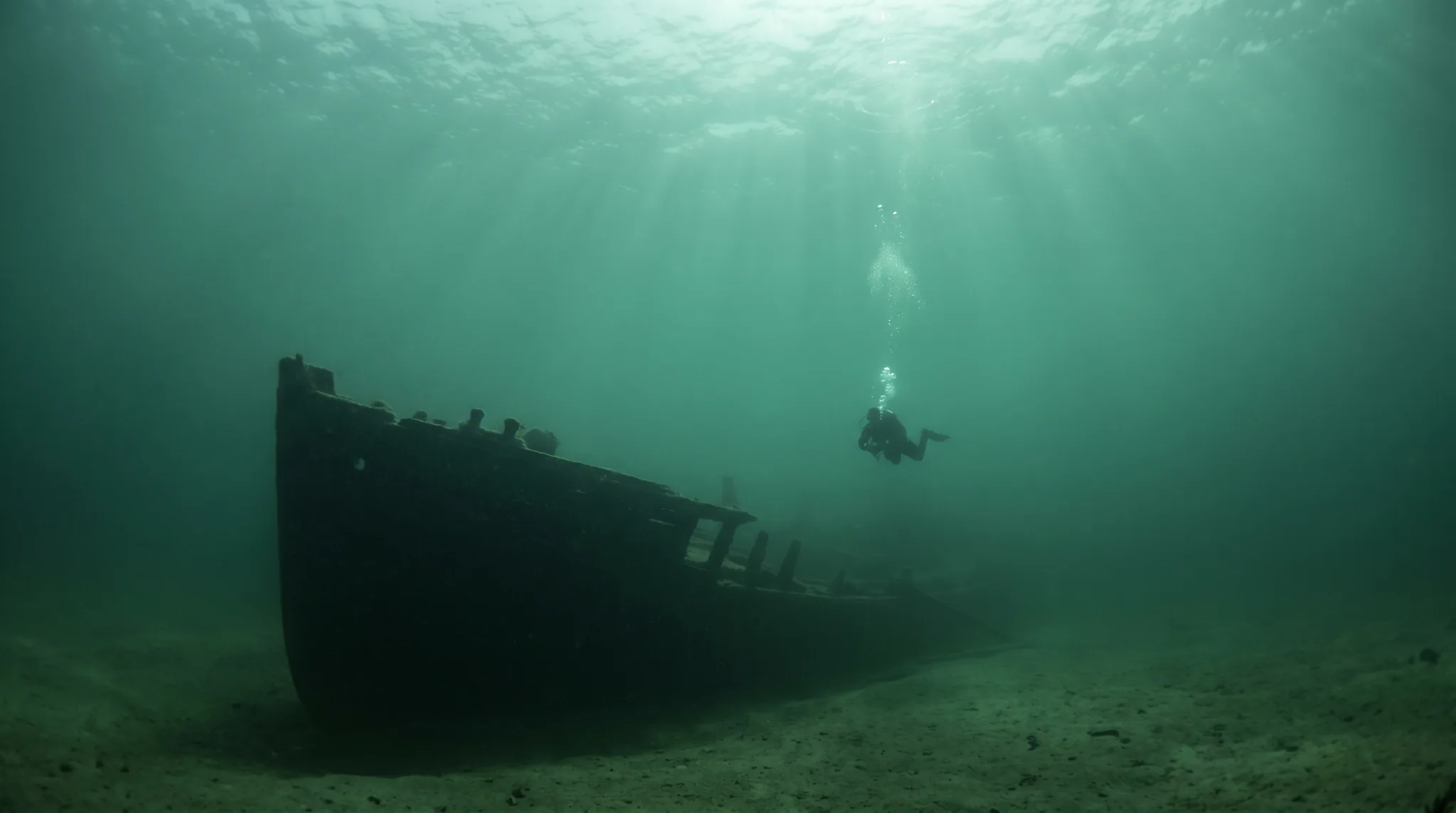
Rovinj caters well to beginner divers, with a good number of shallow reef and canyon sites such as Sturag, Sveti Ivan, and Insel Katarina covering a manageable depth range. Advanced divers are well served by deep wrecks like the Hans Schmidt and the Baron Gautsch, as well as wall dives at Kampanil Mali and Reef Rubin. Intermediate options such as Gustinja and Porer Reef fill the gap between the two.
The vast majority of dive sites in Rovinj are boat-access only, so most dives are conducted with one of the local operators. Pal Sv Nikola is a notable exception, offering both boat and shore entry. Several operators are based in the area, including Rovinj-sub Diving Center, Star Fish, and Adriatic Diving Center, which run regular boat trips to the offshore reefs and wrecks.
Rovinj offers considerable variety: reef dives range from shallow rocky formations to steep walls and drop-offs, while cave systems add overhead environment to sites such as Kampanil Mali and Insel Katarina. Wrecks are a notable draw, with the Baron Gautsch and Hans Schmidt both lying deep and suited to experienced divers. Artificial reef structures are present at several sites, extending the habitat available to marine life.