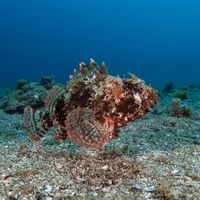
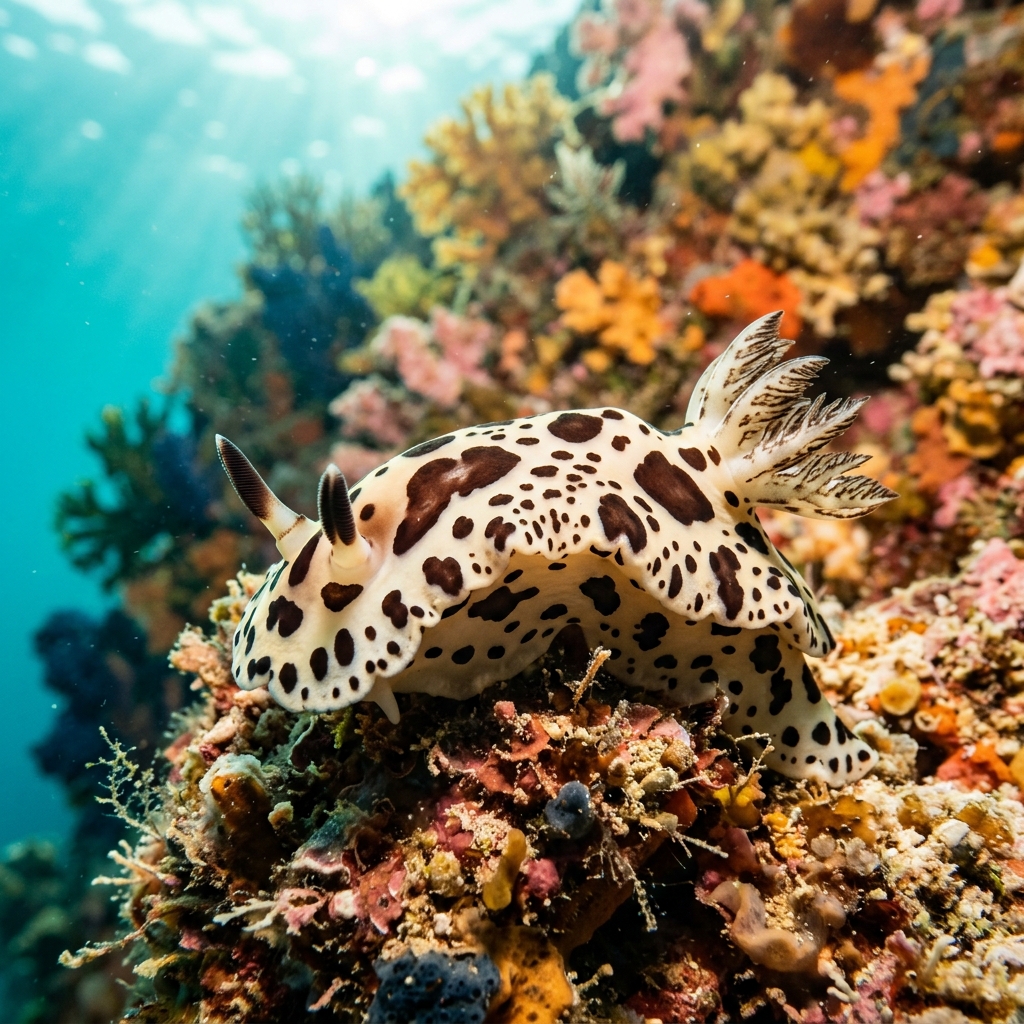
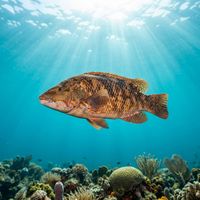
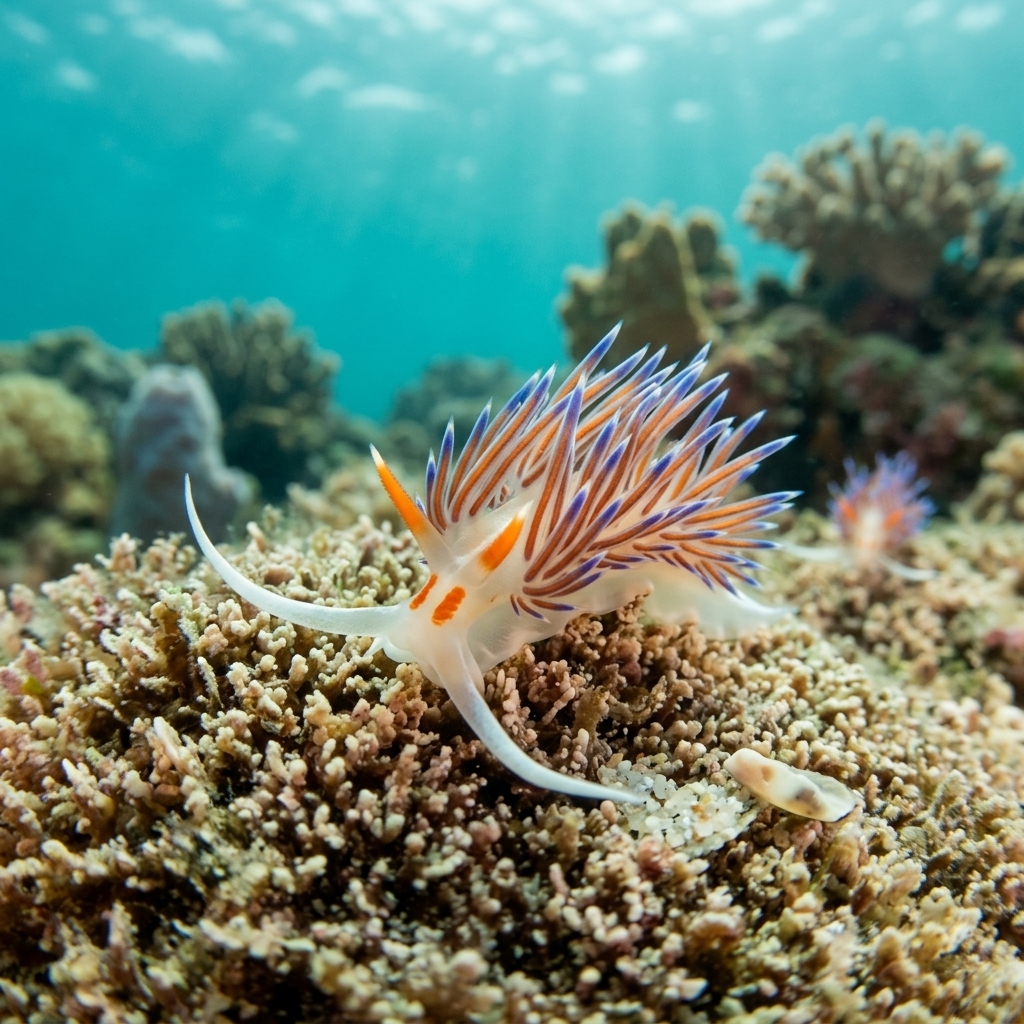
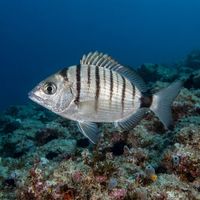
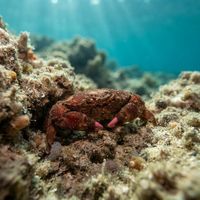
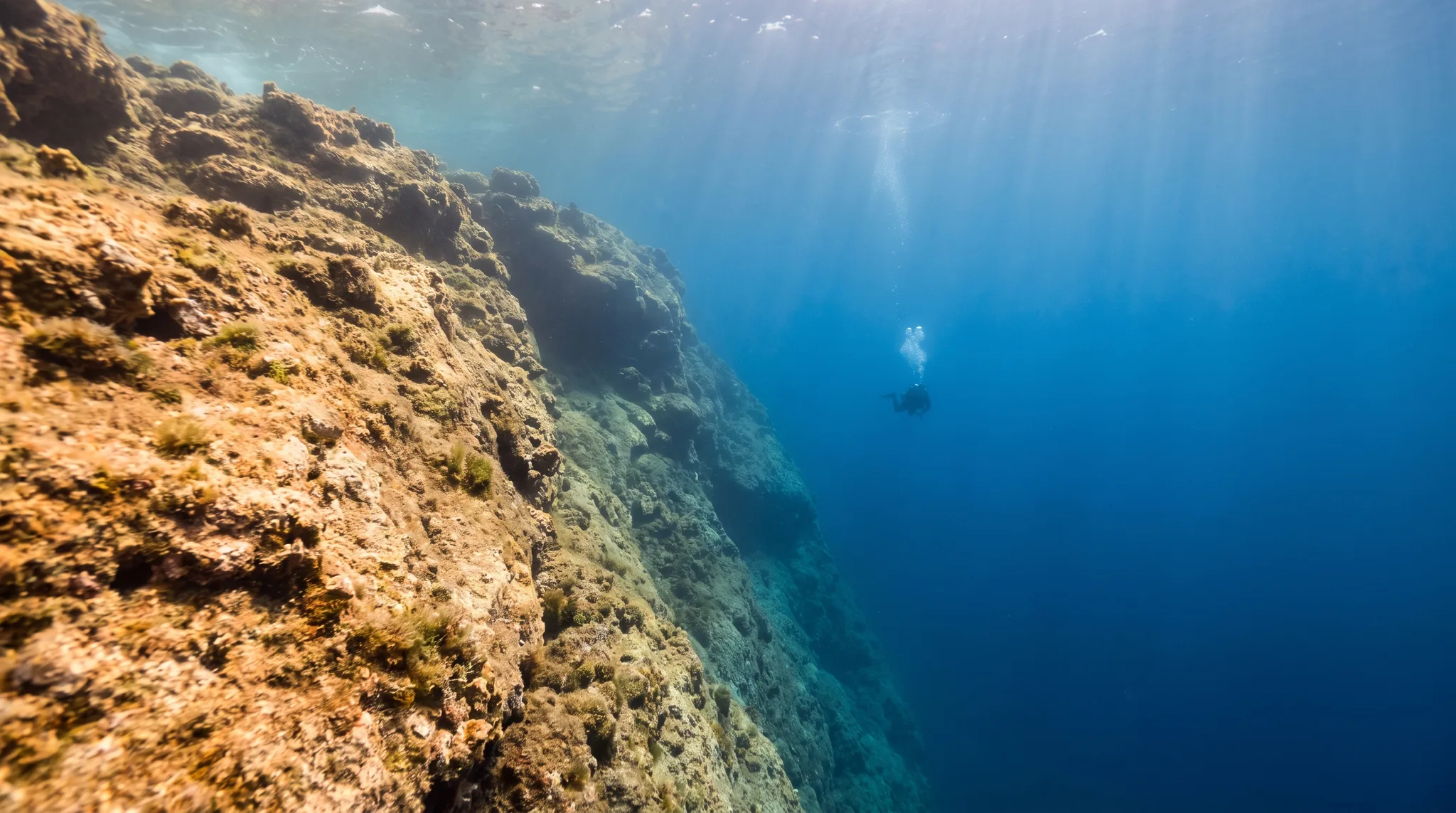
Pula's diving is defined by a remarkable spread of wrecks alongside reef, wall, and cave sites. Several deep cargo ships and steamship wrecks draw advanced divers, while shallower reefs and housereefs give beginners a solid footing. The signature species here lean heavily towards cephalopods and cryptic life: the European Common Cuttlefish and Common Octopus are frequently encountered, and Scorpionfish, Tompot Blenny, and nudibranch species appear across almost every site. Most dives are accessed by boat, with a handful of accessible shore entries.
Monthly water temperature across Pula's sites, from satellite sea-surface data corrected for depth. The band shows the site-to-site spread.
Water temperature sits at its coolest through late winter and spring, rising to its warmest in autumn, which aligns with the peak diving months running from late spring through to mid-autumn. June and September stand out as particularly favoured months, offering warmer water alongside the region's typically good visibility. A thermal layer in cooler months suits drysuits or thicker wetsuits, while summer diving is more comfortable in lighter exposure protection.
10 operators
Pula, Croatia
Medulin, Croatia

Fazana, Croatia
Fazana, Croatia
37 more sites to explore
Water temperature around Pula ranges from about 12°C in February to 19°C in October, based on satellite sea-temperature data for its dive sites.
In the warm season (about 19°C) a 5mm suit is comfortable in Pula; in the coldest months (about 12°C) step up to a 7mm or semi-dry suit.
Fin maps 49 sites in Pula (48 scuba diving sites and 6 snorkelling spots, with some suited to both).
Across Pula's dive sites, June and September are most often reported as the best months to visit.
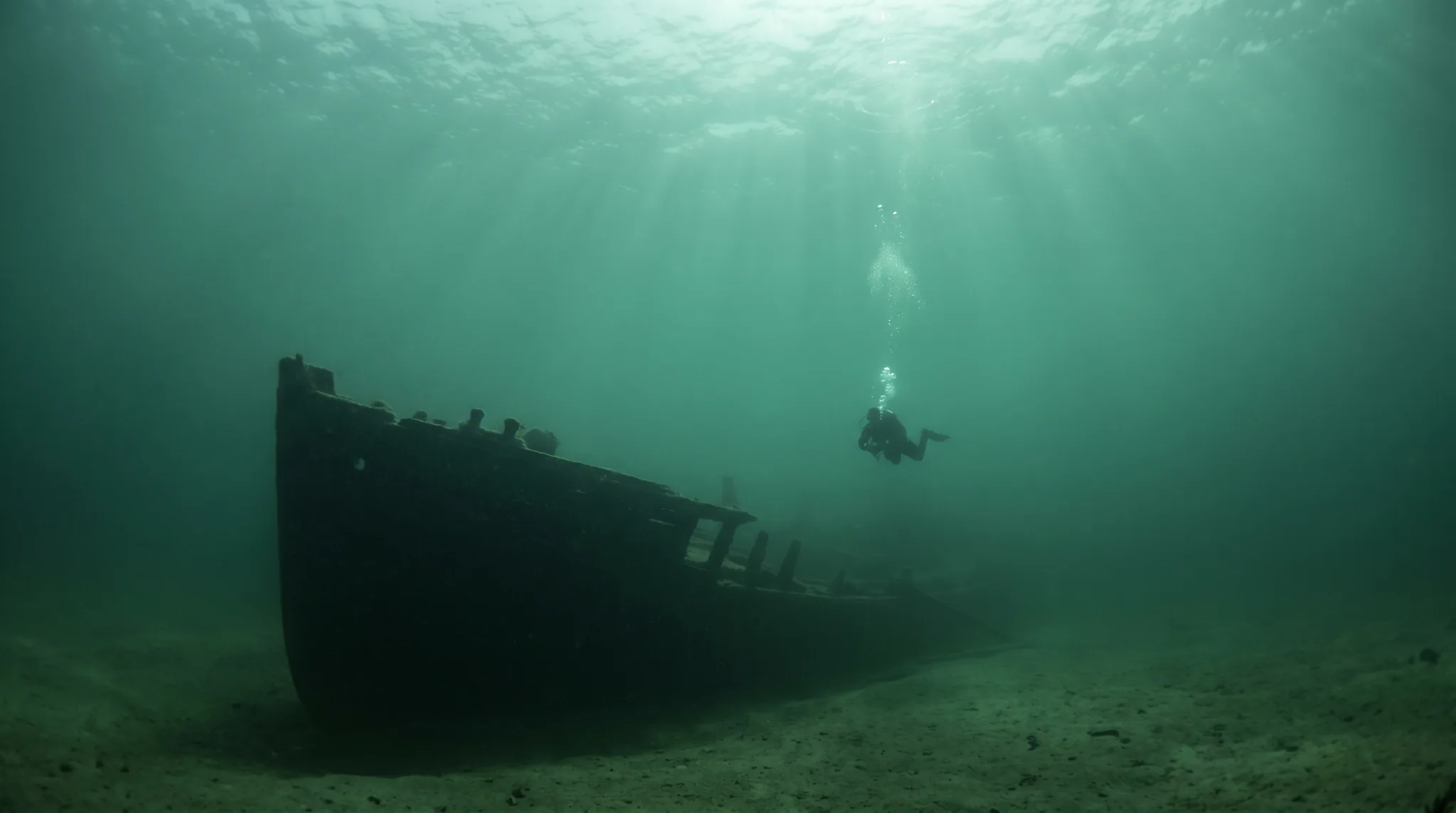
Pula has an impressive collection of wreck sites ranging from a small fishing boat at Kap Marlera to substantial cargo ships and a steamship. The Cesare Rosarol, Luana, and Wreck Romagna are among the deeper wrecks, resting at significant depths and suitable only for advanced divers. The Vis wreck and Hans Schmidt offer similarly demanding profiles. All wreck dives are boat-accessed.
Yes, Pula has a good selection of sites rated for beginners. Shore dives such as Orca Housereef, Galebove Stijene, and Bi Village housereef offer shallow, manageable conditions with mild currents. Boat sites like Jerolim and Kap Marlera also carry beginner ratings, giving newer divers variety without demanding technical skills.
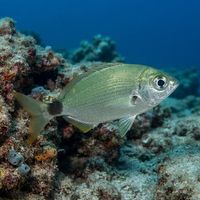
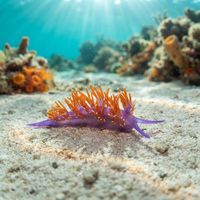
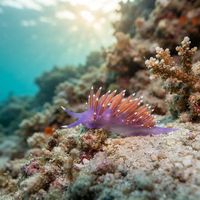
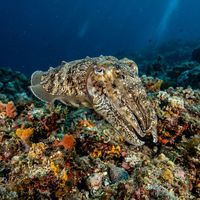
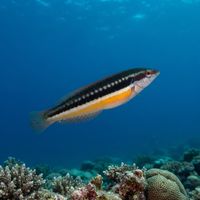
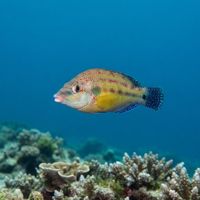
The European Common Cuttlefish and Common Octopus are signature species in Pula, observed across a wide range of sites. Scorpionfish, Tompot Blenny, and Wrasses are very commonly encountered, and the region also supports a notably rich nudibranch community including the Cratena Slug, Mediterranean Violet Aeolid, Splendid Elysia, and Giant Doris. Conger Eel, Squat Lobster, and Banded Coral Shrimp are regularly seen in reef and cave environments.
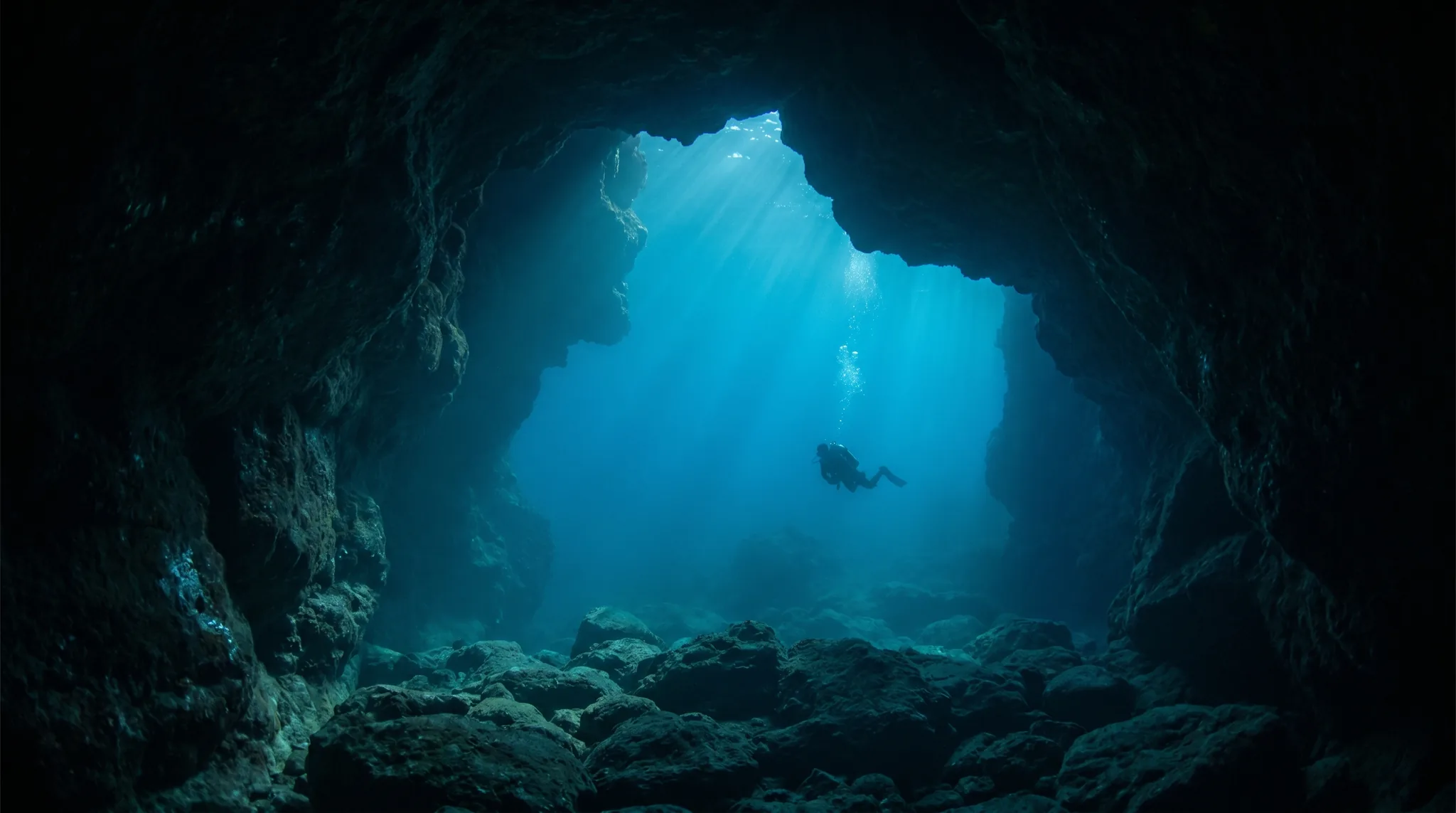
Pula's sites cover a broad spectrum of underwater terrain. Reef and wall combinations appear across both shallow beginner sites and deeper intermediate dives such as Kanjon and Fraskeric, many of which also include cave sections. Drift diving is possible at Bumbiste. The wreck sites sit largely in deeper water and form a distinct category requiring advanced skills and careful gas management.