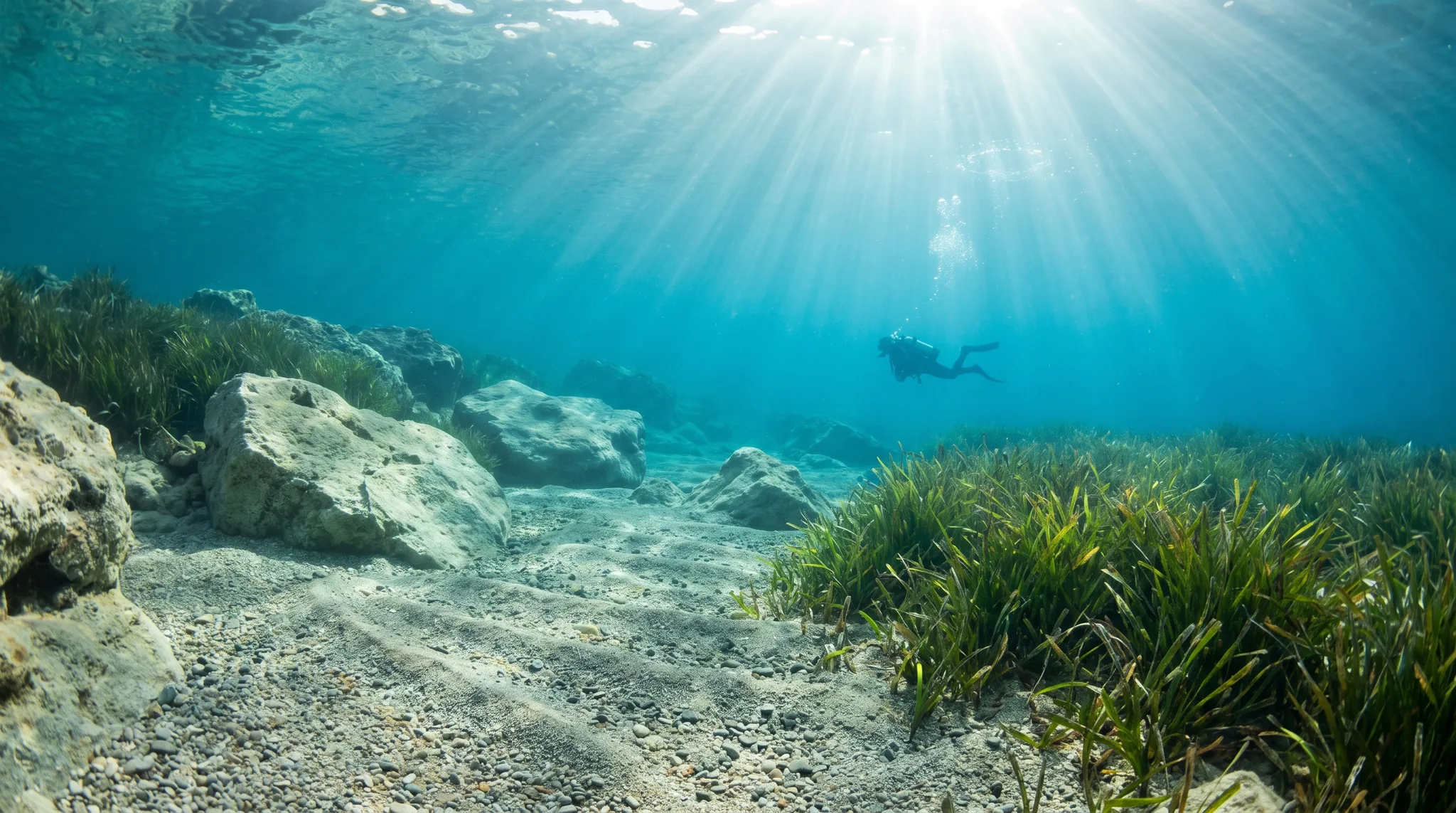
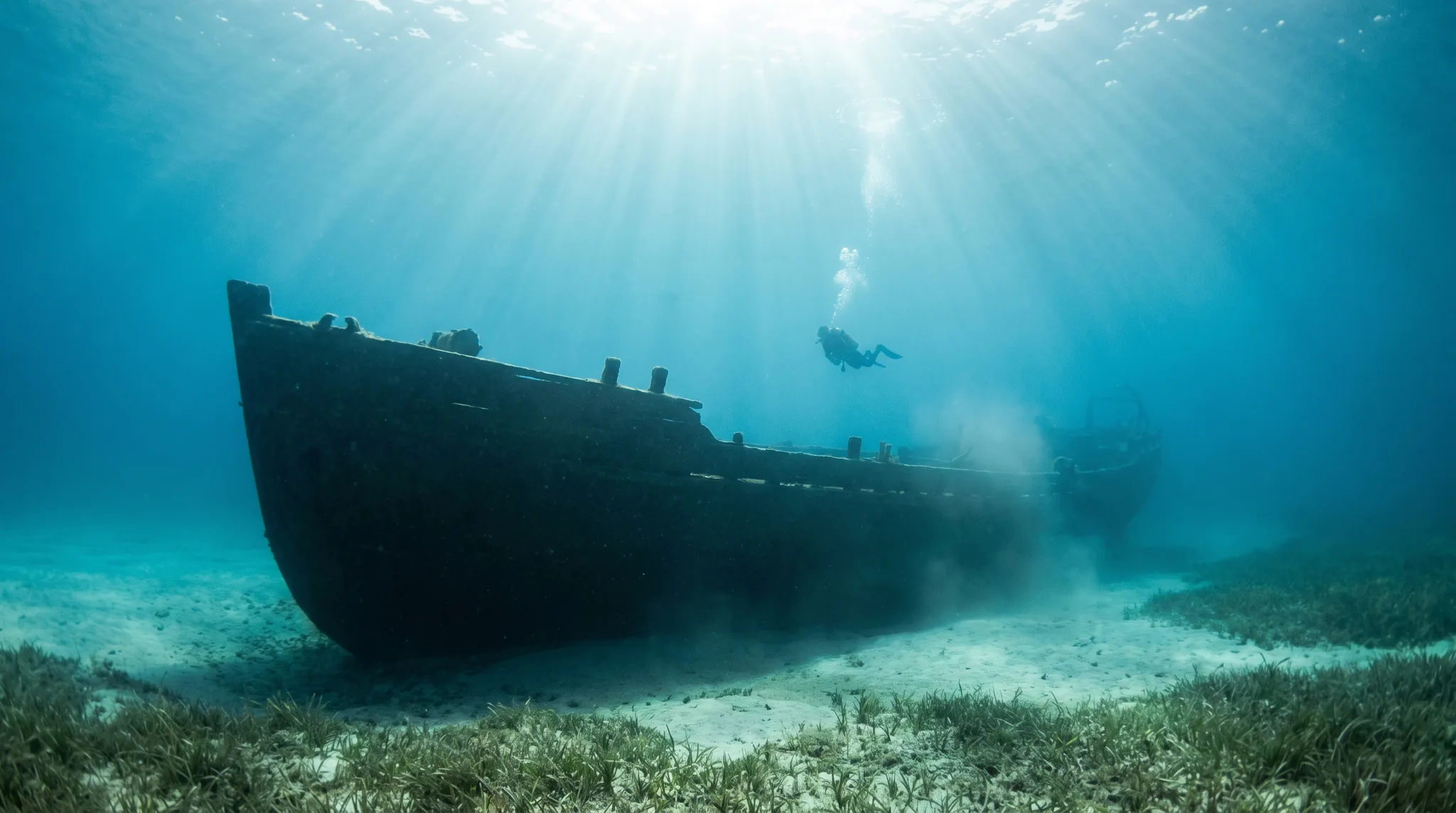
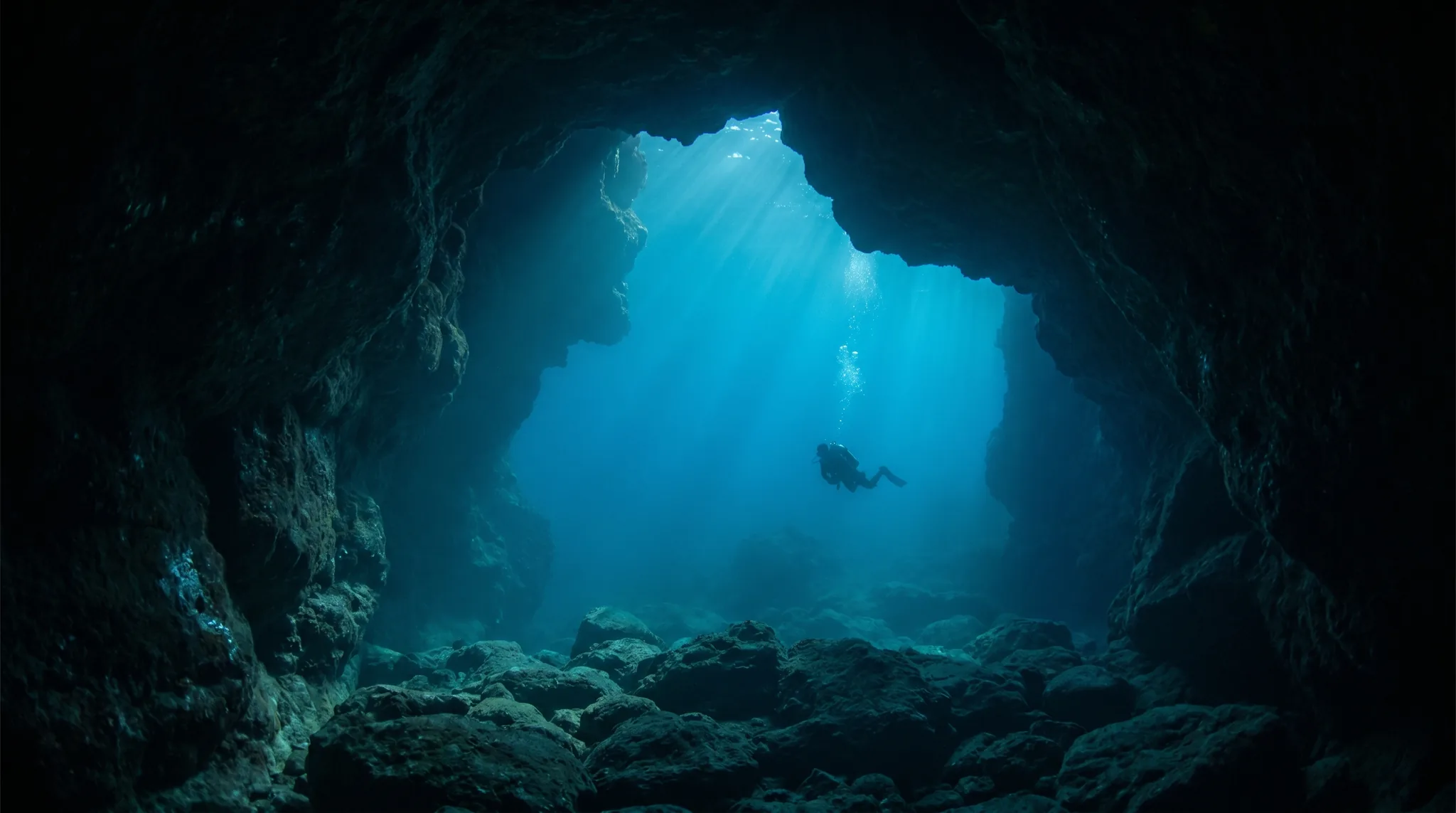
Vis divides between two centres: Vis Town and Komiža, each with a distinct character. Wrecks ranging from shallow beginner dives to deep technical sites define much of the diving, alongside walls, pinnacles, caves and reef. The Mediterranean Moray is the signature species, joined by the Giant Doris, Turkish Wrasse, Painted Comber and a variety of nudibranchs. Most sites require boat access, and conditions suit all levels from beginners to advanced technical divers.
2 areas
Monthly water temperature across Vis's sites, from satellite sea-surface data corrected for depth. The band shows the site-to-site spread.
Water is at its coolest through winter and early spring, warming steadily from late spring into autumn. The peak season runs from late spring through early autumn, when conditions are most settled and visibility is at its best. Exposed sites can carry moderate currents, particularly at deeper walls and pinnacles, so conditions vary meaningfully across the season.
37 operators
Komiza, Croatia
44 more sites to explore
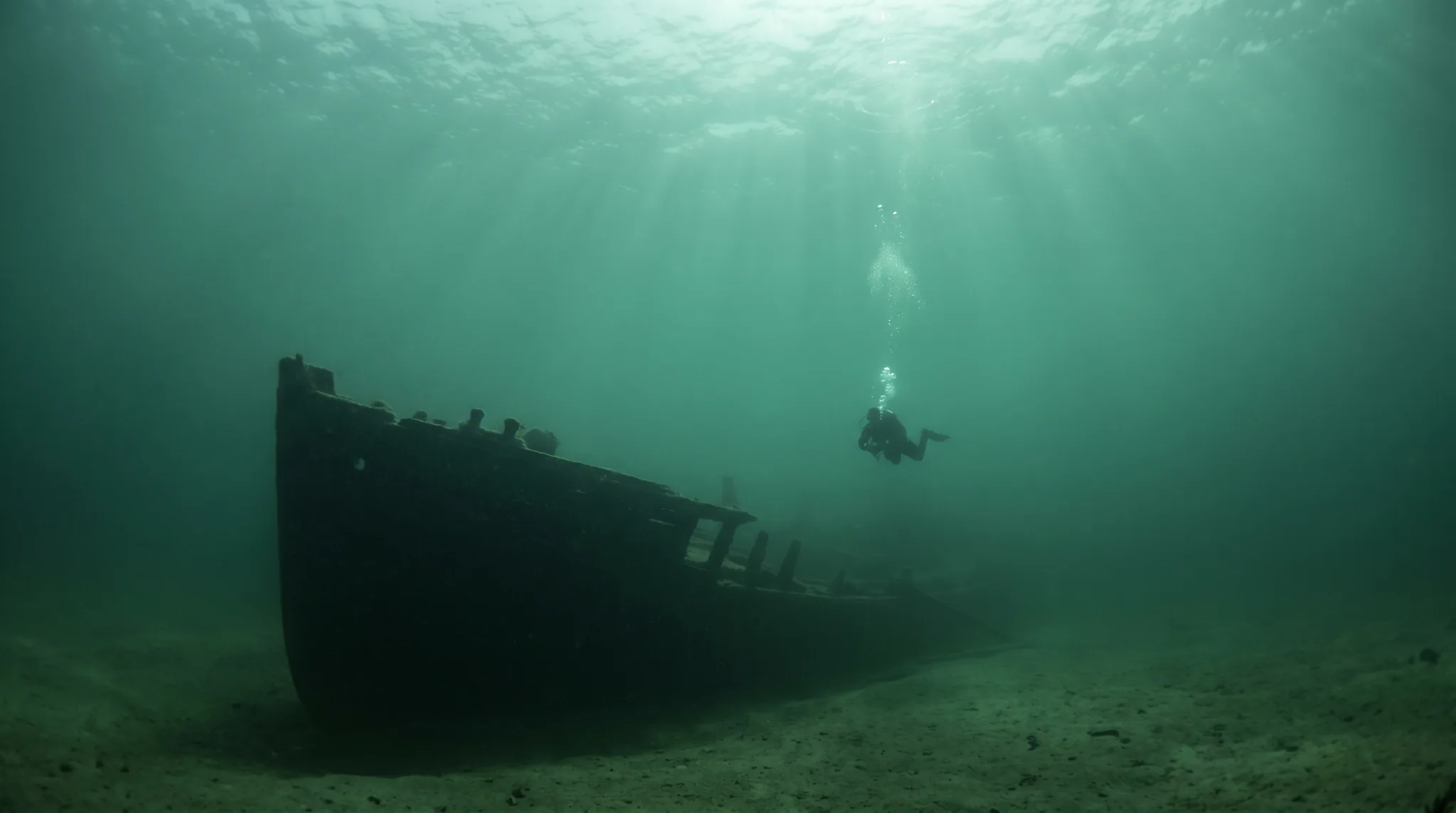
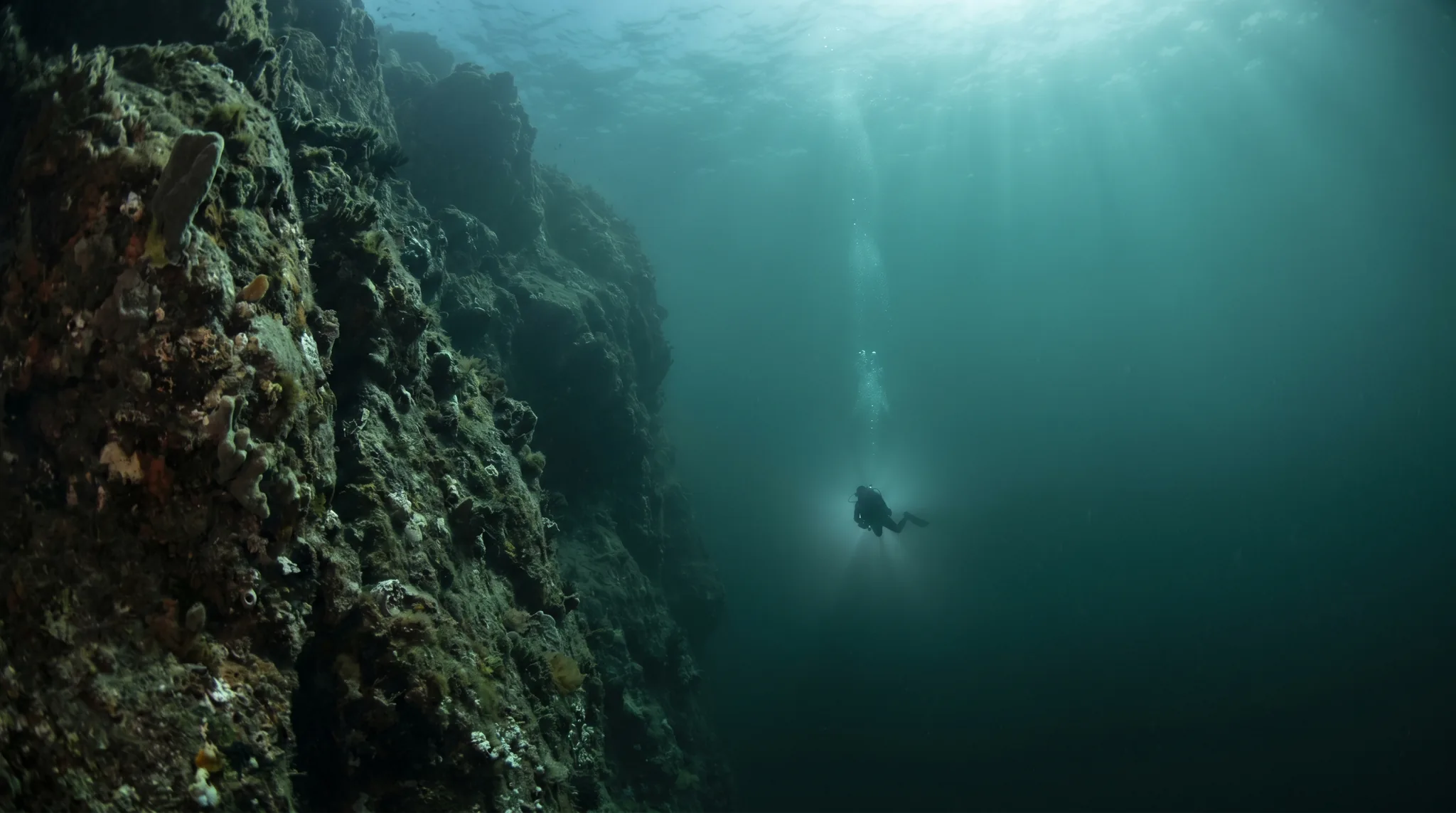
Deep wrecks, cave systems, and rich nudibranch life make Vis Town one of Croatia's most varied dive destinations.
Water temperature around Vis ranges from about 14°C in February to 20°C in November, based on satellite sea-temperature data for its dive sites.
In the warm season (about 20°C) a 5mm suit is comfortable in Vis; in the coldest months (about 14°C) step up to a 7mm or semi-dry suit.
Fin maps 56 sites in Vis (49 scuba diving sites and 10 snorkelling spots, with some suited to both), organised into 2 areas.
Across Vis's dive sites, May, June, July, August and September are most often reported as the best months to visit.
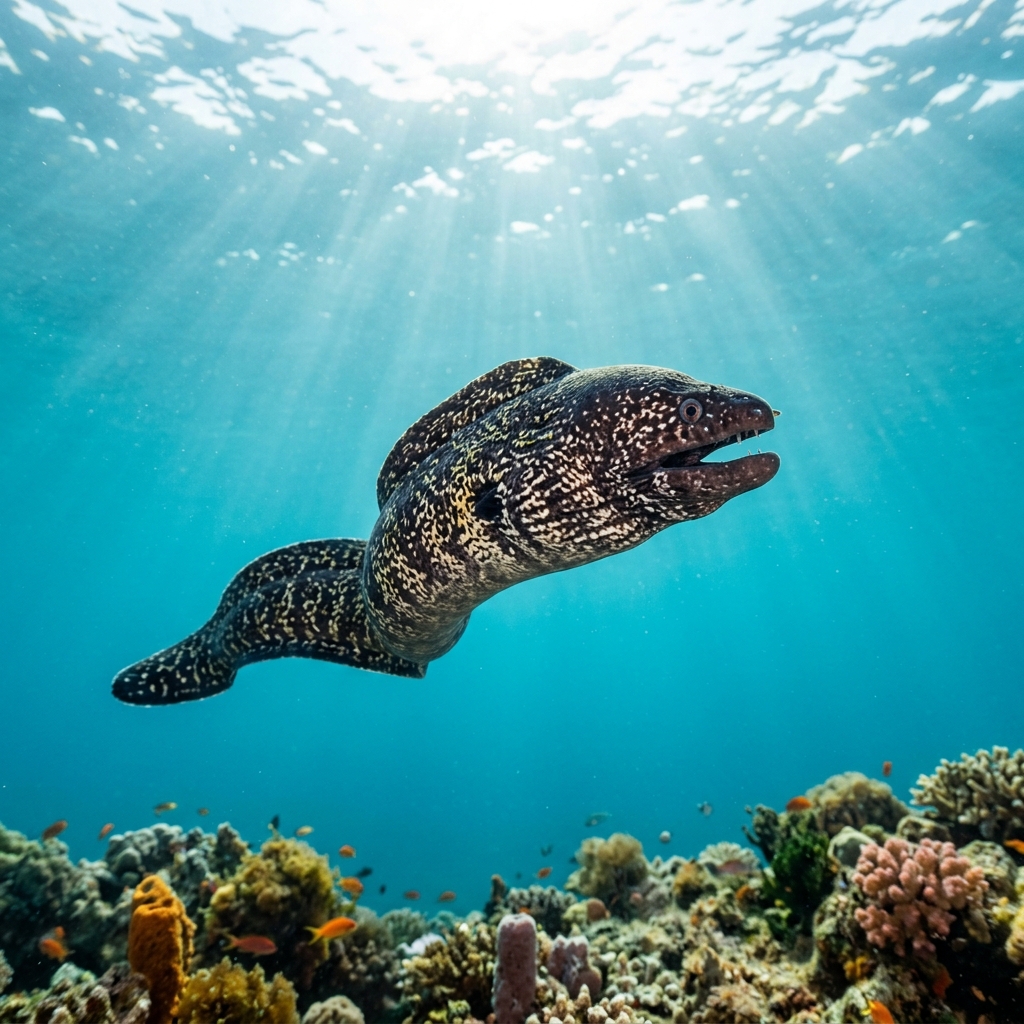
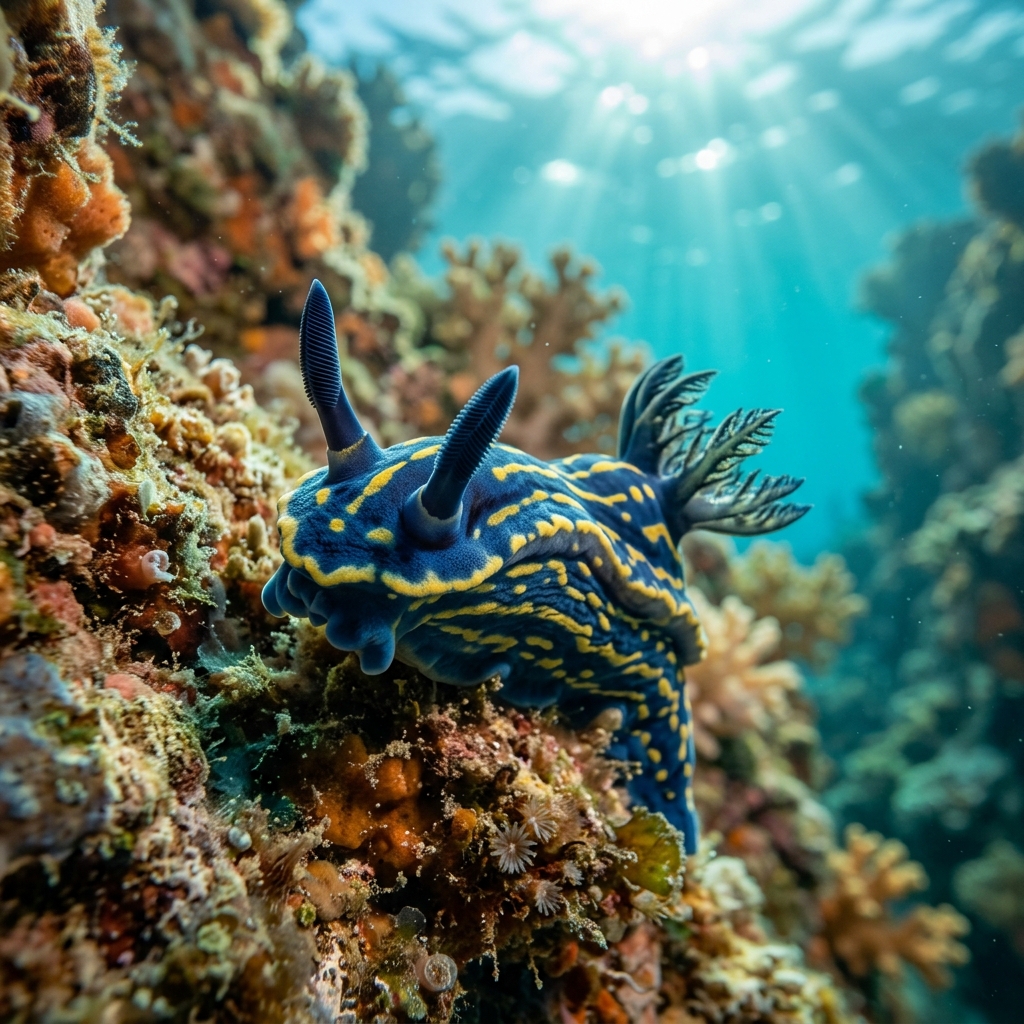
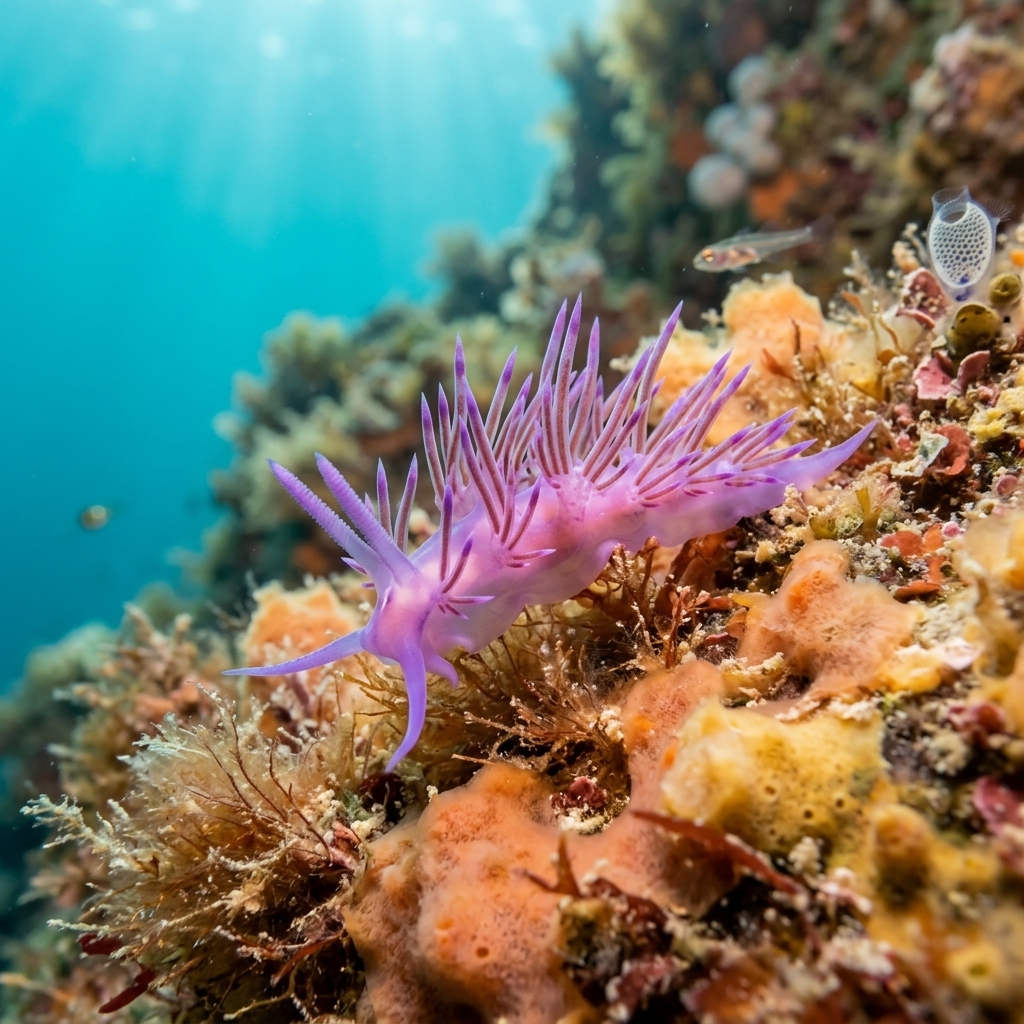
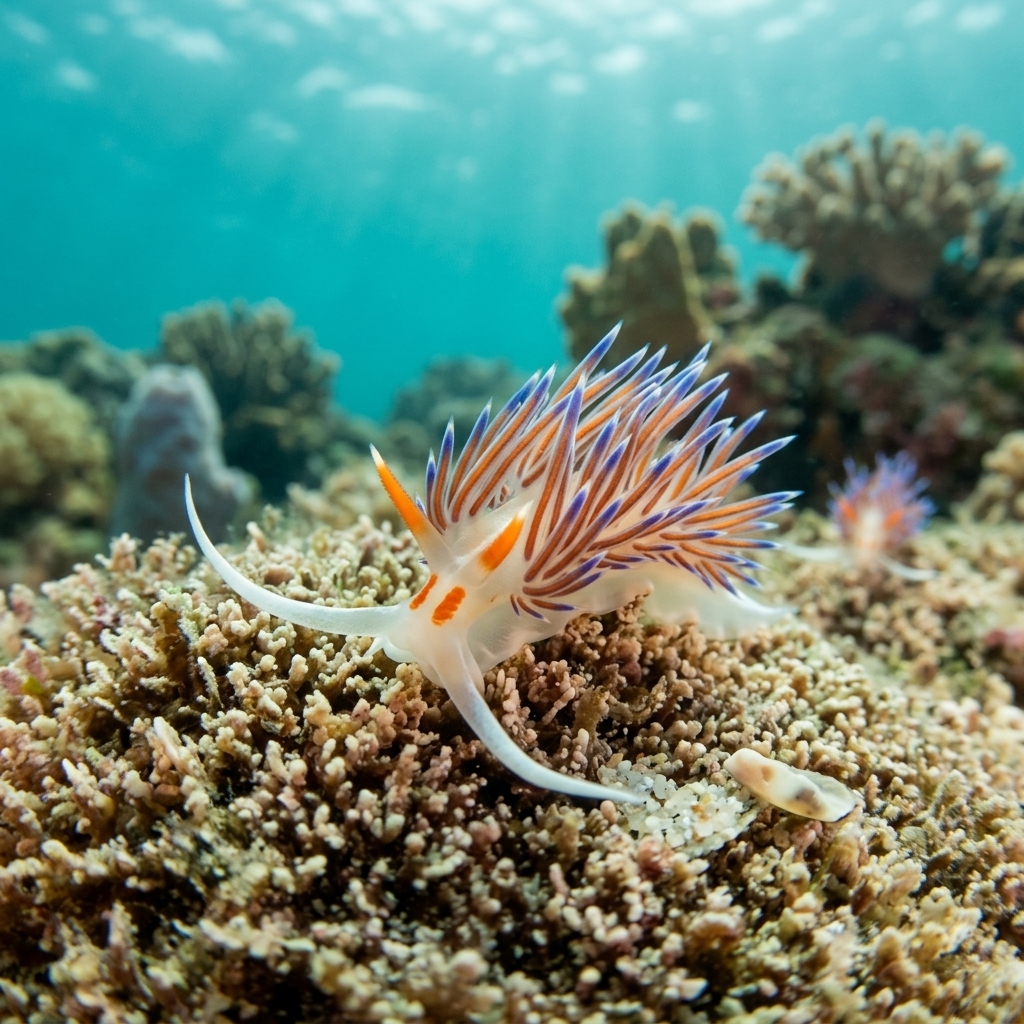
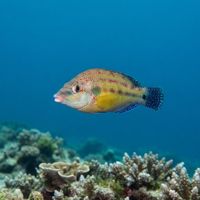
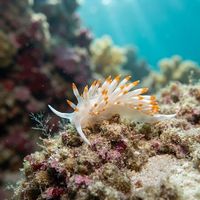
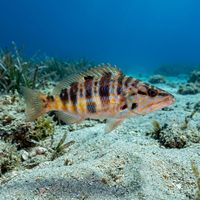
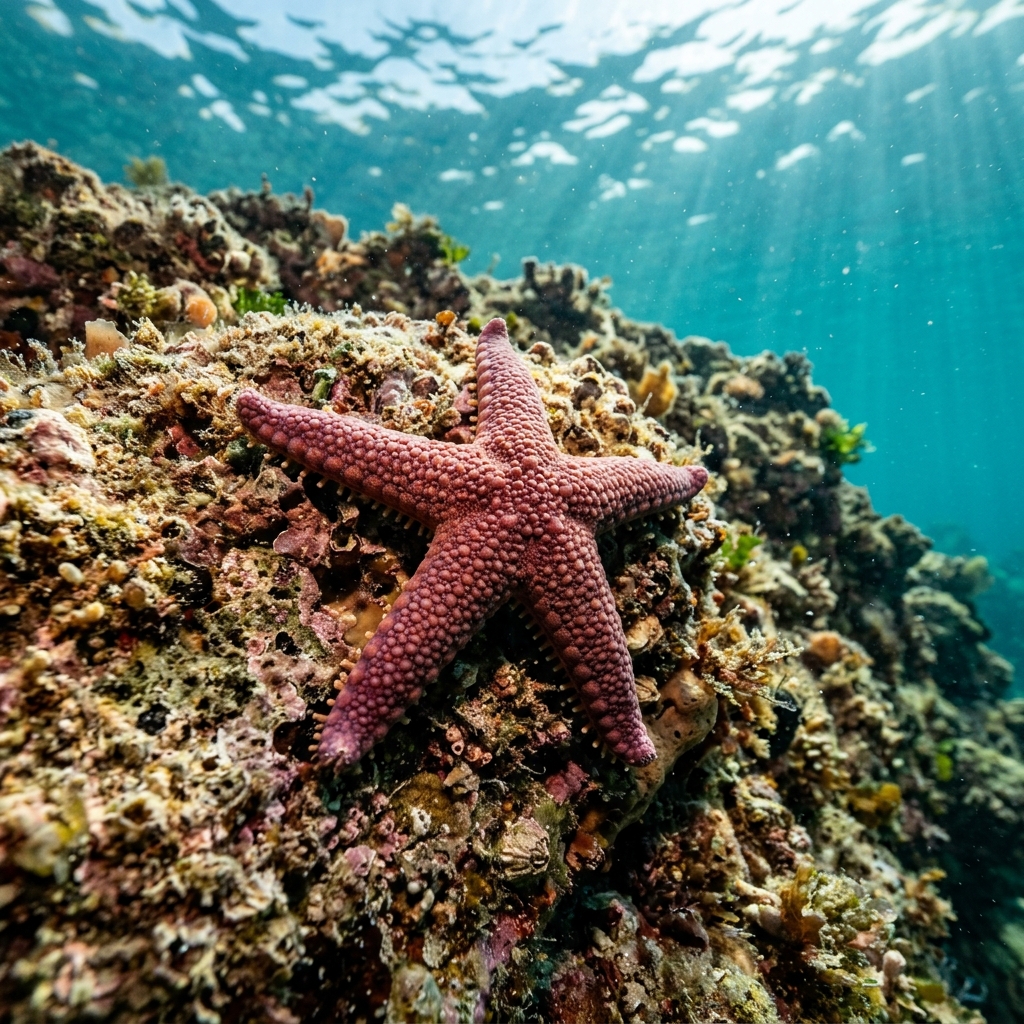
The Mediterranean Moray is the signature species and is observed across the vast majority of sites. Alongside it, divers regularly encounter the Giant Doris, Cratena Slug, Mediterranean Violet Aeolid, Turkish Wrasse, Painted Comber, Purple Sea Star and Tompot Blenny. Nudibranchs are a particular highlight, with several species observed consistently across both sub-areas.
Yes, Vis has a good range of sites appropriate for beginners. Wreck Teti near Komiža, Host and Stiniva Bay near Vis Town, and the shore-accessible Hellenistic Port all cater to newer divers. That said, a significant portion of the site catalogue is rated intermediate or advanced, so there is plenty of progression available as skills develop.
Vis Town has the larger share of sites and includes a broad mix of wrecks, walls, caves and reefs spread across all skill levels. Komiža, to the west, has fewer sites but is the base for standout dives including the Wreck Teti artificial reef and the deep Brioni Wreck. Both areas are served by local dive operators.
The overwhelming majority of dive sites on Vis require boat access, which is the norm for the island. A small number of sites, including the Hellenistic Port in Vis Town and Oključna, can be reached from shore. All the major wrecks and deeper sites are boat-only, so joining one of the local dive centres is the practical approach for most divers.