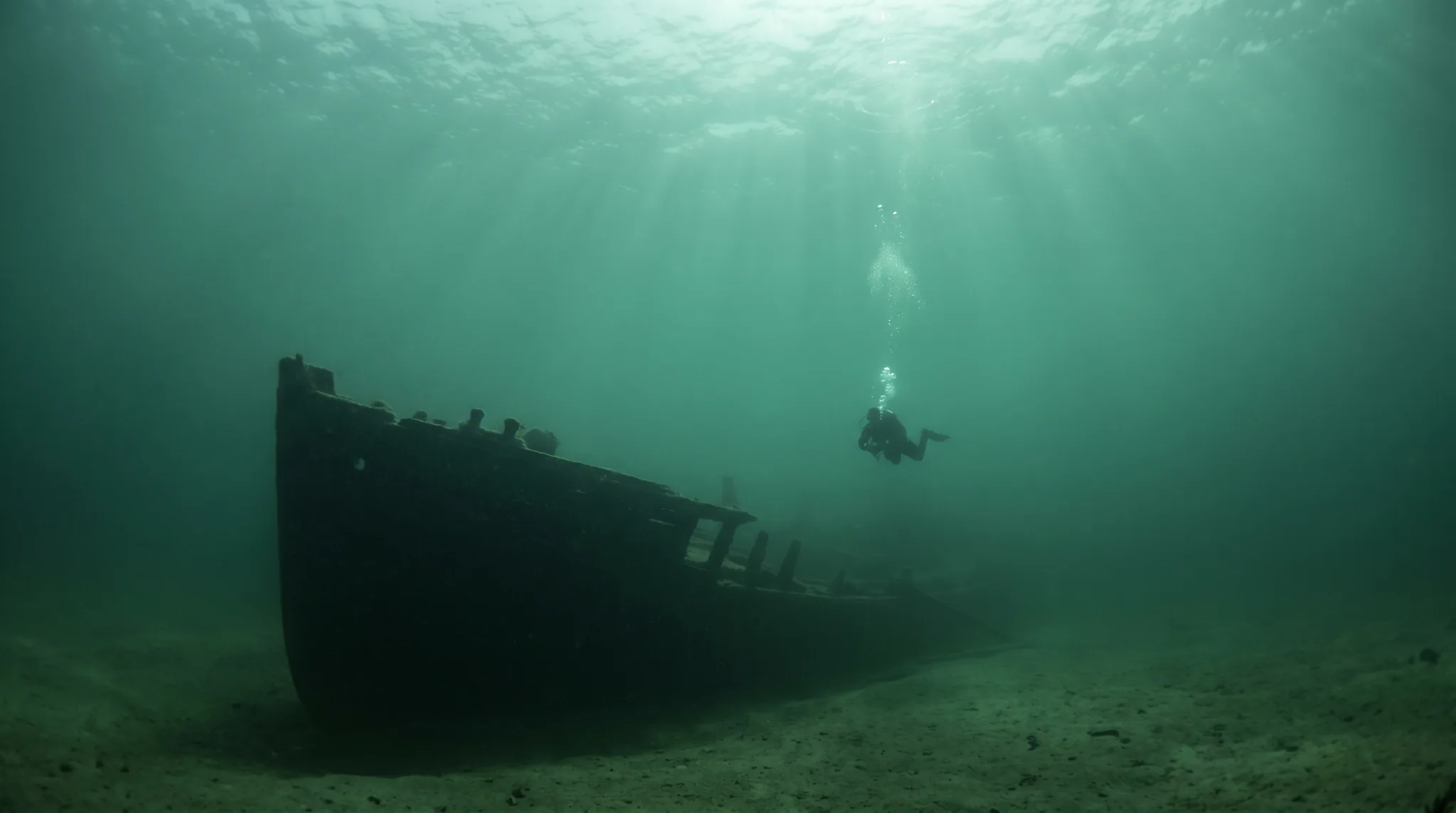
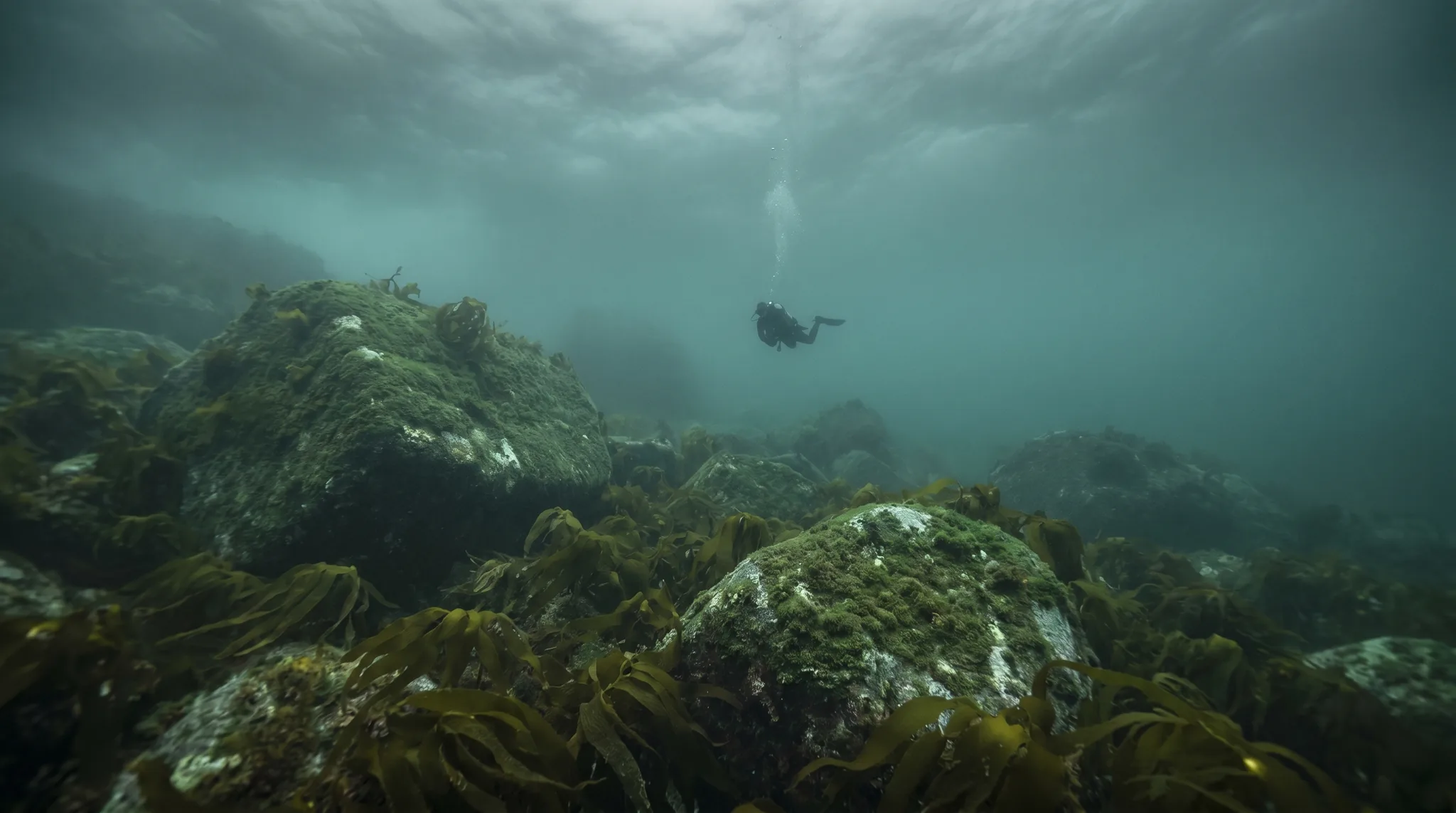
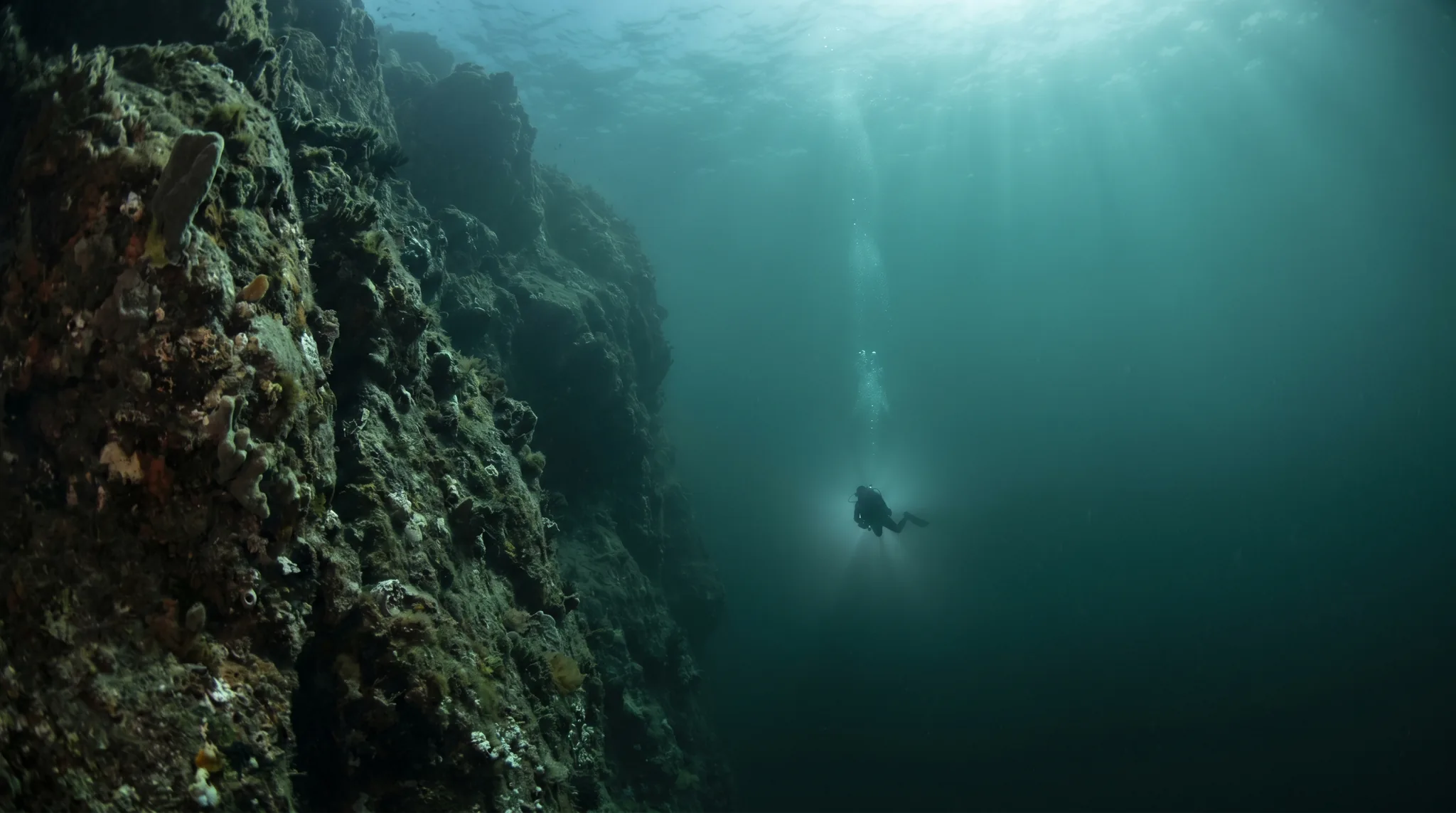
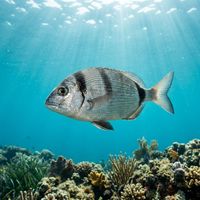
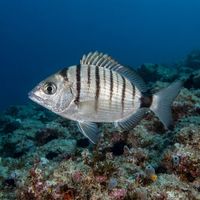
Split & Brač is defined by its variety of site types: walls, reefs, caves, and wrecks spread across the channel between the two land masses. The Castagnole, Painted Comber, and Two-banded Seabream are observed at virtually every site, while signature encounters include the Mediterranean Moray, Common Octopus, and the occasionally sighted Bluntnose Sixgill Shark. Sites range from shallow beginner-friendly walls to a technically demanding deep wreck requiring trimix. Most diving is boat-accessed, with the busiest season running from late spring through early autumn.
Monthly water temperature across Split & Brač's sites, from satellite sea-surface data corrected for depth. The band shows the site-to-site spread.
Water stays cool through winter and spring before warming gradually into autumn, with the warmest months running from September through November. The best-months data points firmly to late spring through early autumn as the prime window, when conditions are settled and the full range of sites is accessible. Exposed boat-access sites can be affected by wind and swell, so conditions vary more at deeper, open-channel locations than at sheltered inshore reefs.

14 operators
Primosten, Croatia
Croatia
37 more sites to explore
Water temperature around Split & Brač ranges from about 14°C in February to 19°C in October, based on satellite sea-temperature data for its dive sites.
In the warm season (about 19°C) a 5mm suit is comfortable in Split & Brač; in the coldest months (about 14°C) step up to a 7mm or semi-dry suit.
Fin maps 49 sites in Split & Brač (49 scuba diving sites and 1 snorkelling spots, with some suited to both).
Across Split & Brač's dive sites, June, July, August and September are most often reported as the best months to visit.
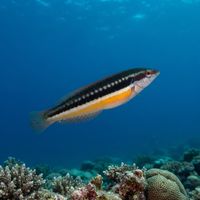
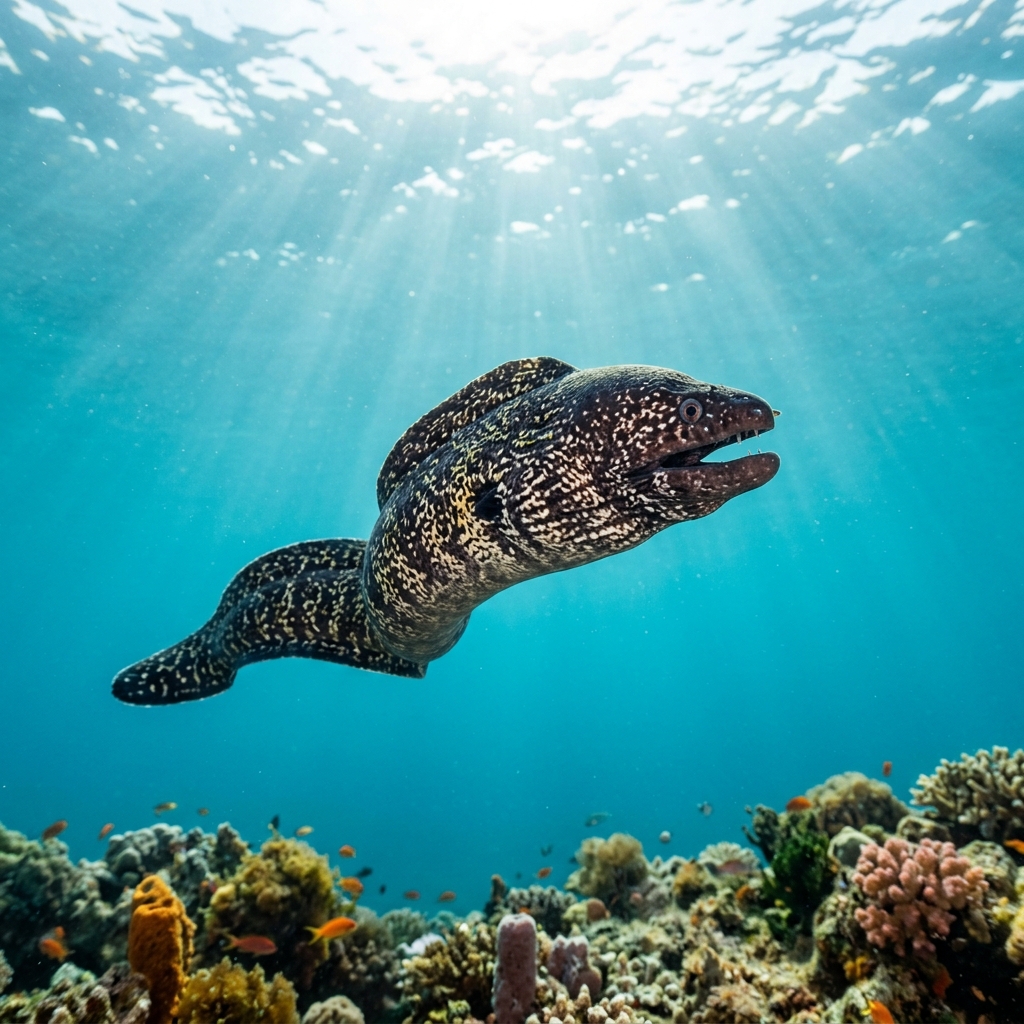
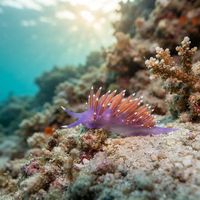
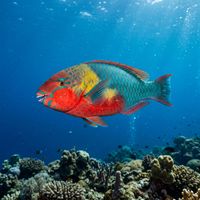
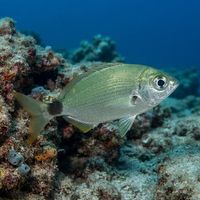
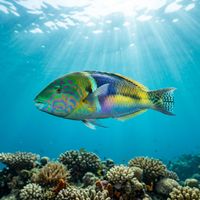
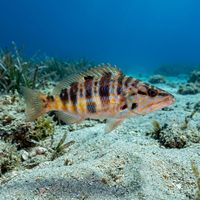
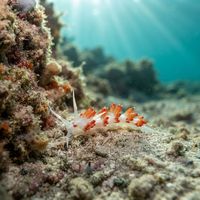
The most consistently observed species are the Castagnole, Painted Comber, and Two-banded Seabream, which appear across nearly all sites. Wrasse and Bream are also very common, and the Cratena Slug and Mediterranean Violet Aeolid reward divers who look closely at the reef. Signature sightings include the Mediterranean Moray, Common Octopus, European Common Cuttlefish, and the occasionally encountered Bluntnose Sixgill Shark.
Yes, several sites are rated for beginners, including Stomorska, Mulo Lighthouse, Shallows Mlin, and Amfiteatre. These offer relatively shallow profiles and a mix of reef, wall, and wreck features without demanding conditions. That said, the region also includes intermediate and advanced sites, so more experienced divers are equally well catered for.
The majority of sites in Split & Brač require boat access, and the two local operators serve this need. A small number of sites, including Donkey Statue Beach and Dragon's Eye Lake, can be entered from shore. Travna is accessible by both means, offering flexibility for those who prefer not to rely on a boat.
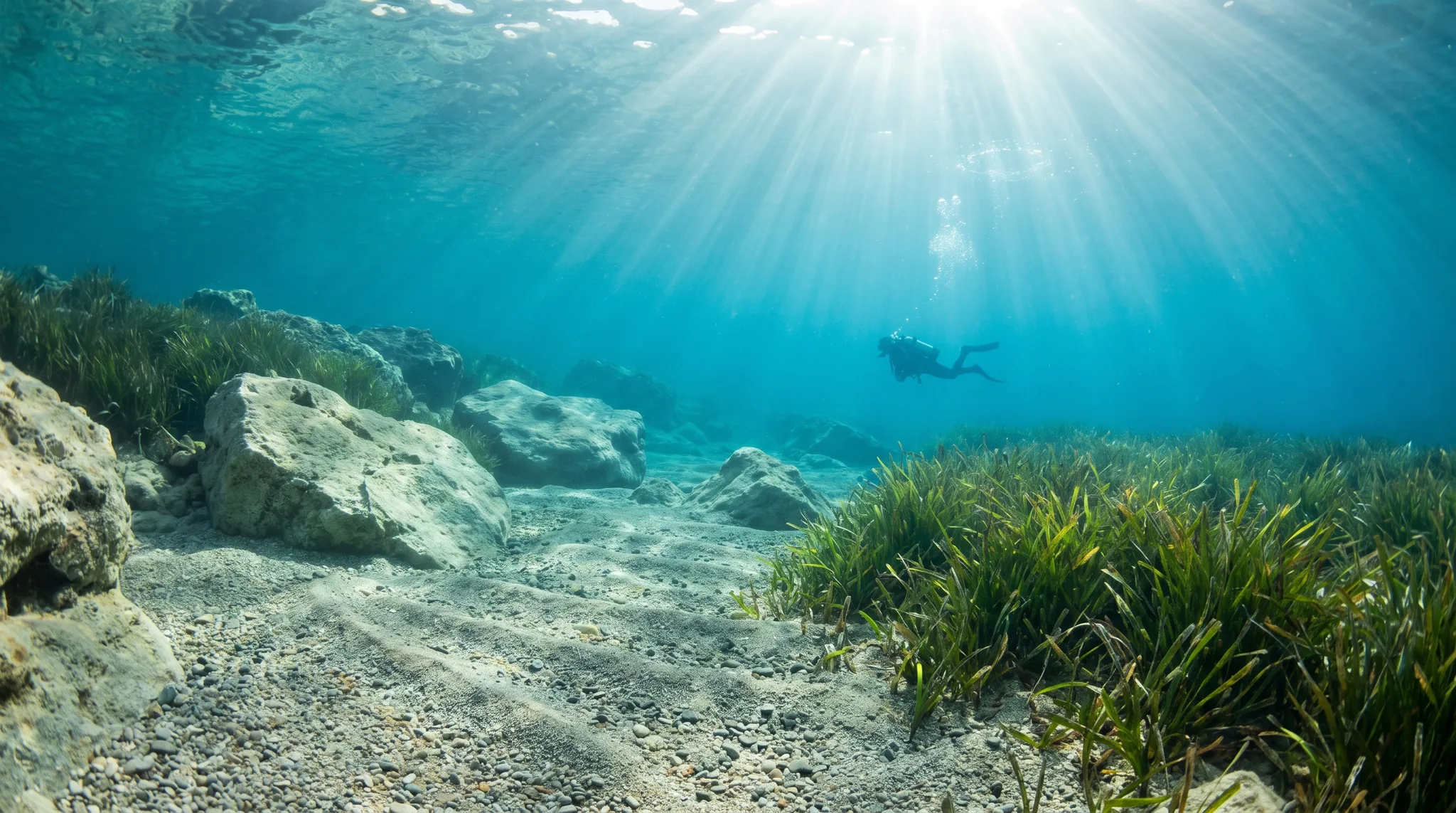
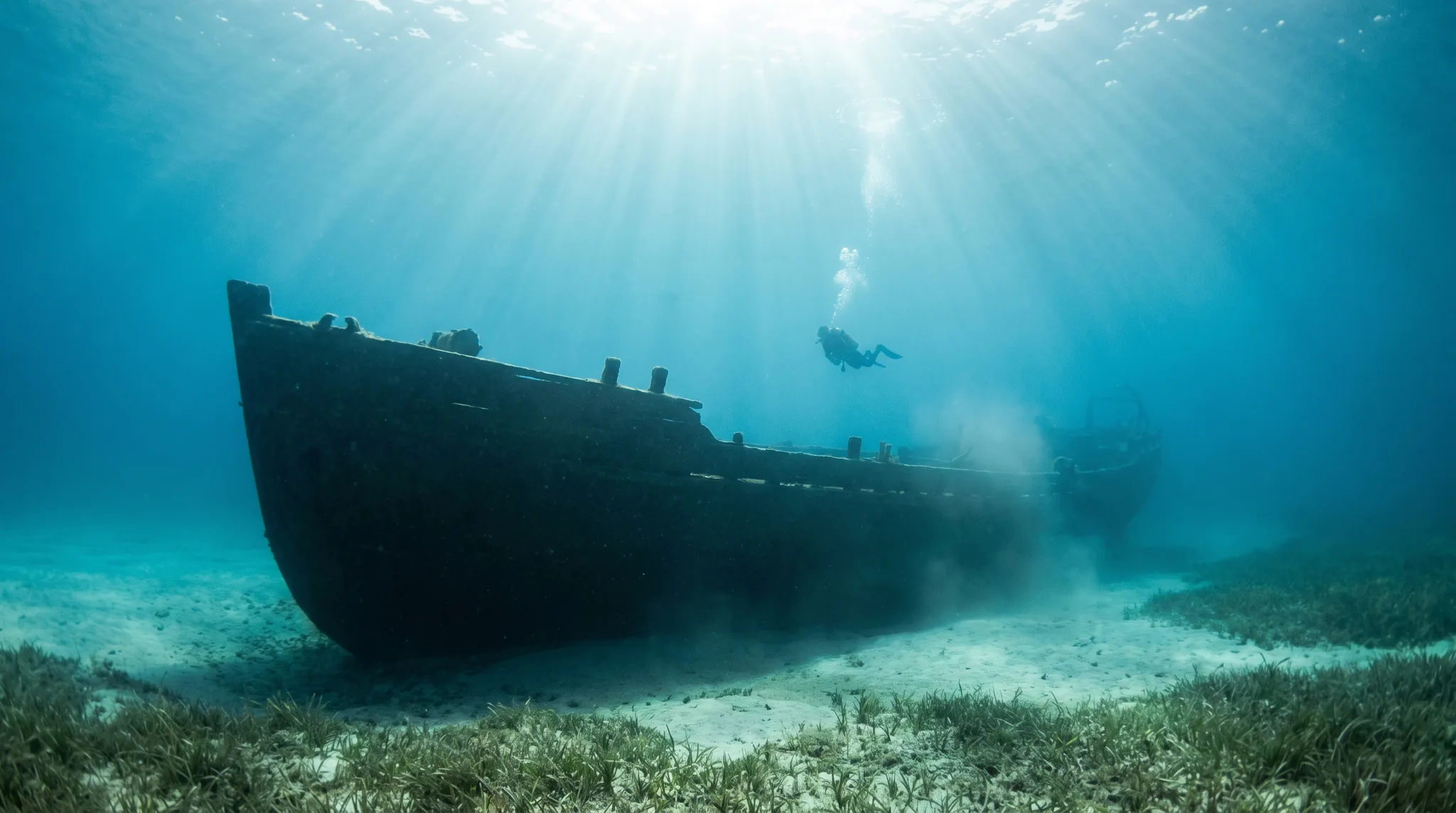
The region covers a wide range of site types: walls, reefs, caves, wrecks, and drop-offs, often combined at a single site. Highlights include the small aircraft at the Airplane wreck, the fishing boat at Wreck Ribolovac, the deep technical wreck SS Zagreb, and the unusual meromictic wall dive at Dragon's Eye Lake. Posidonia meadows also feature at sites such as Shallows Mlin.