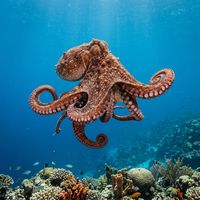
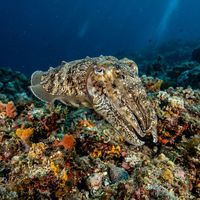
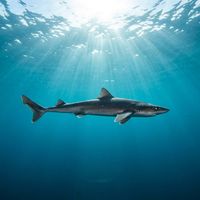
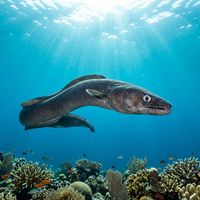
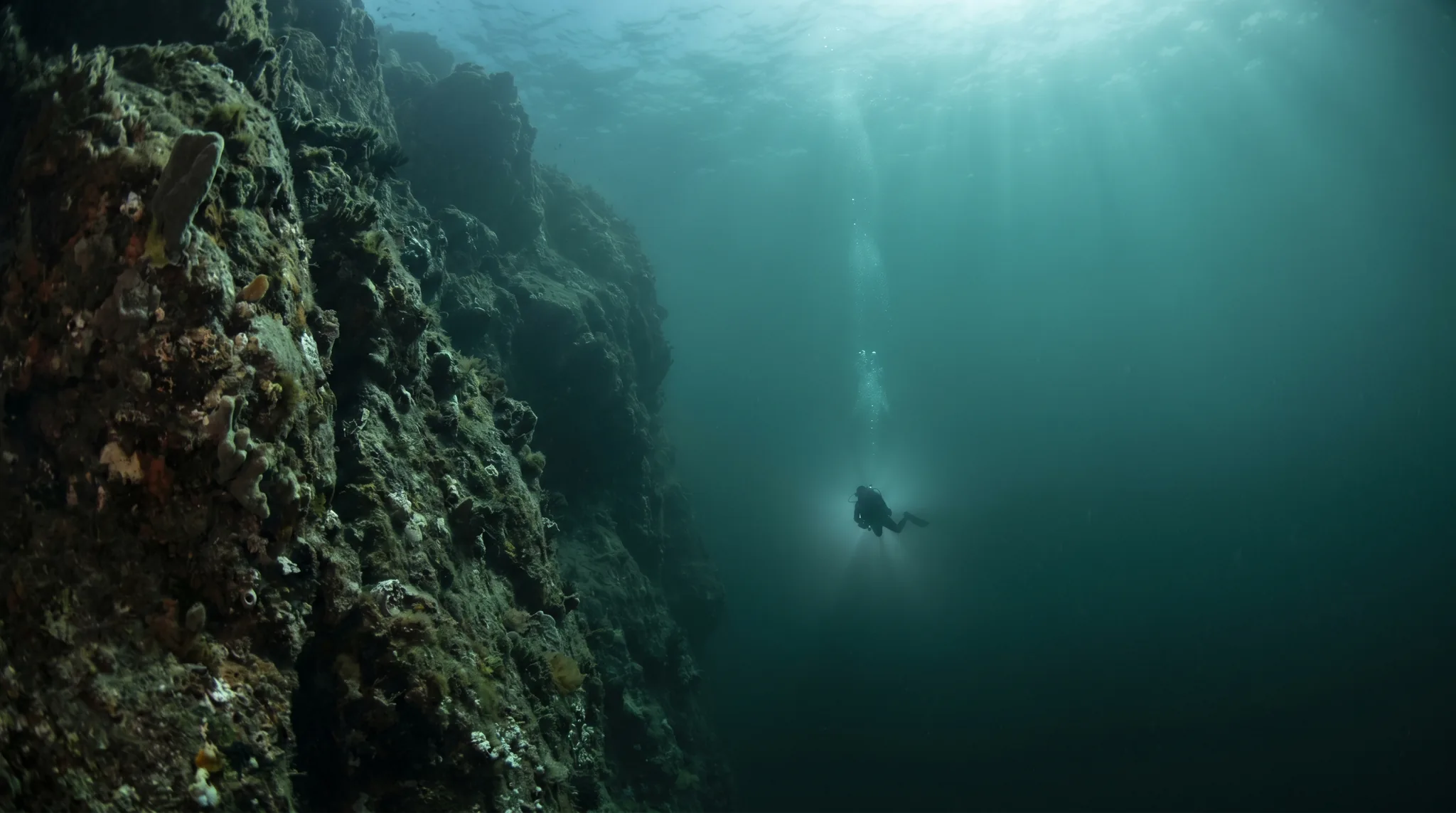
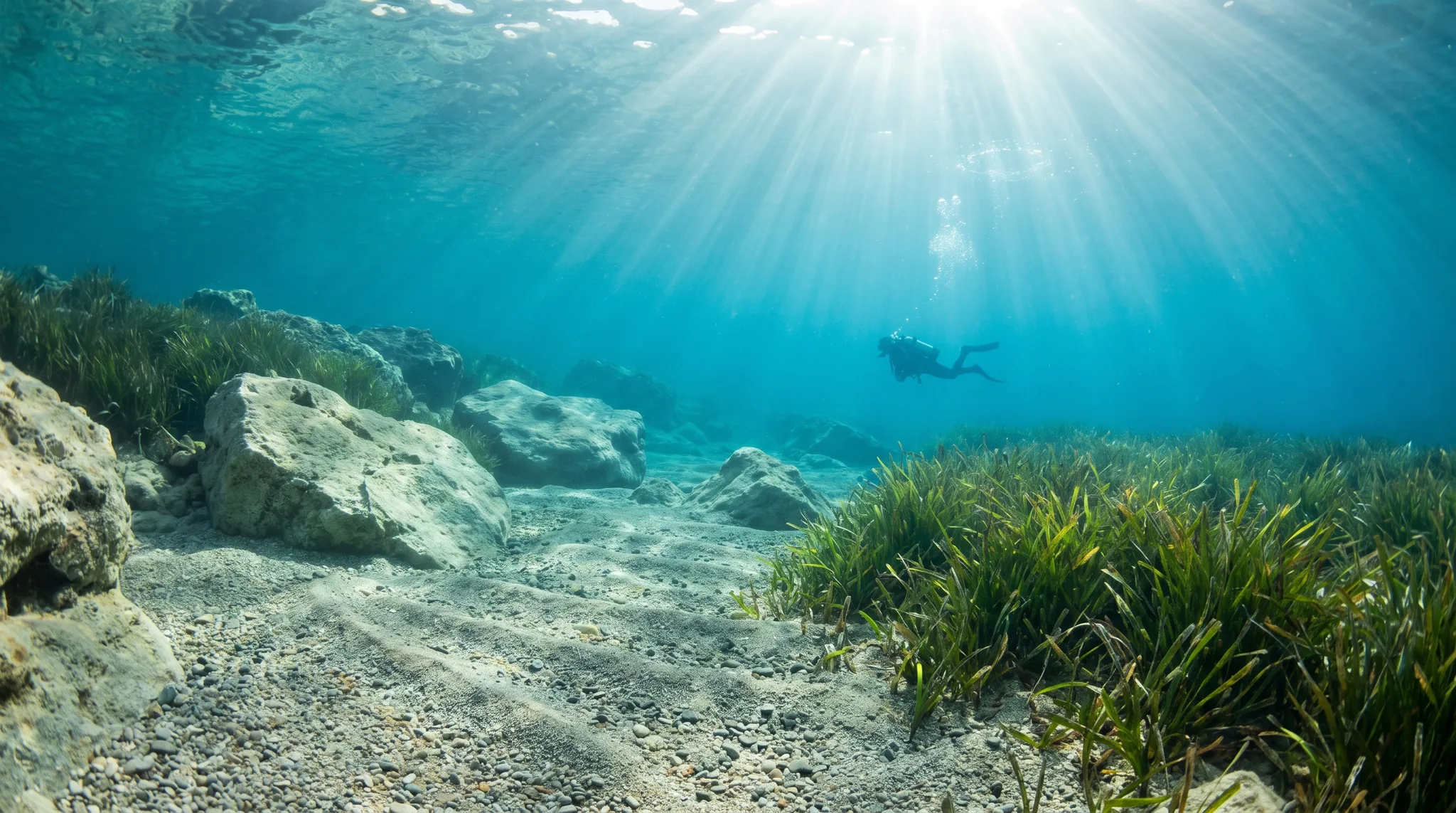
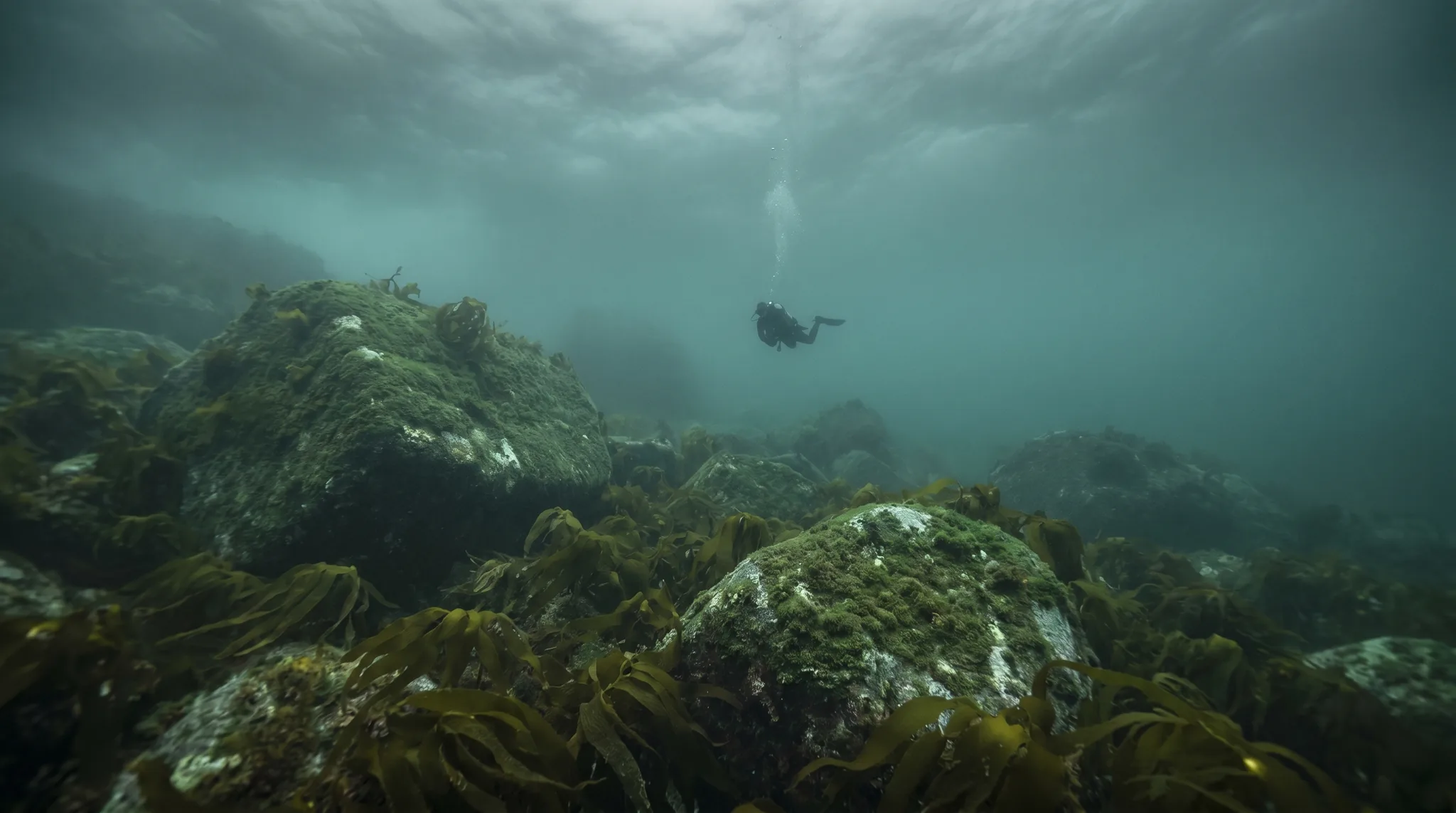
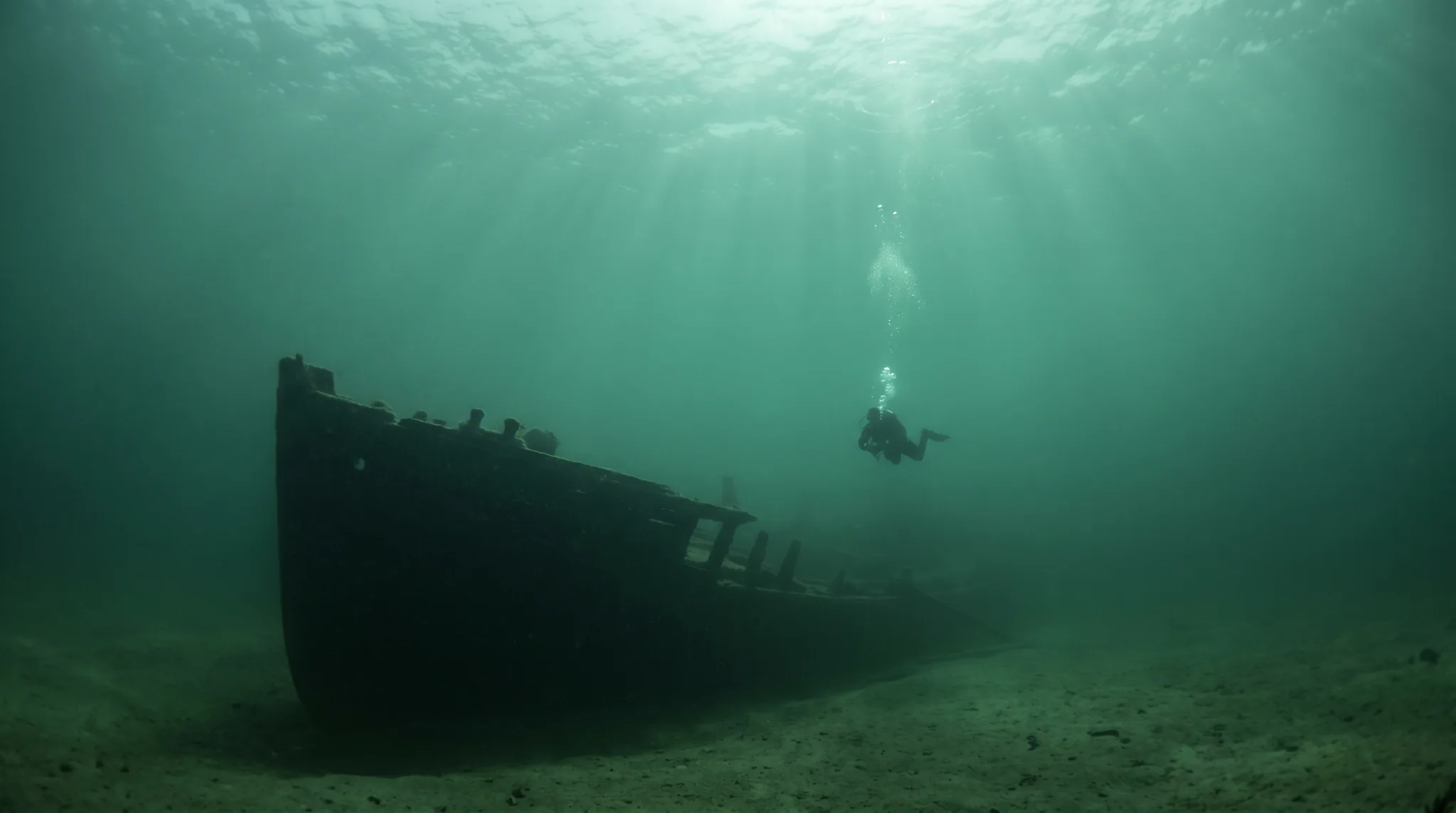
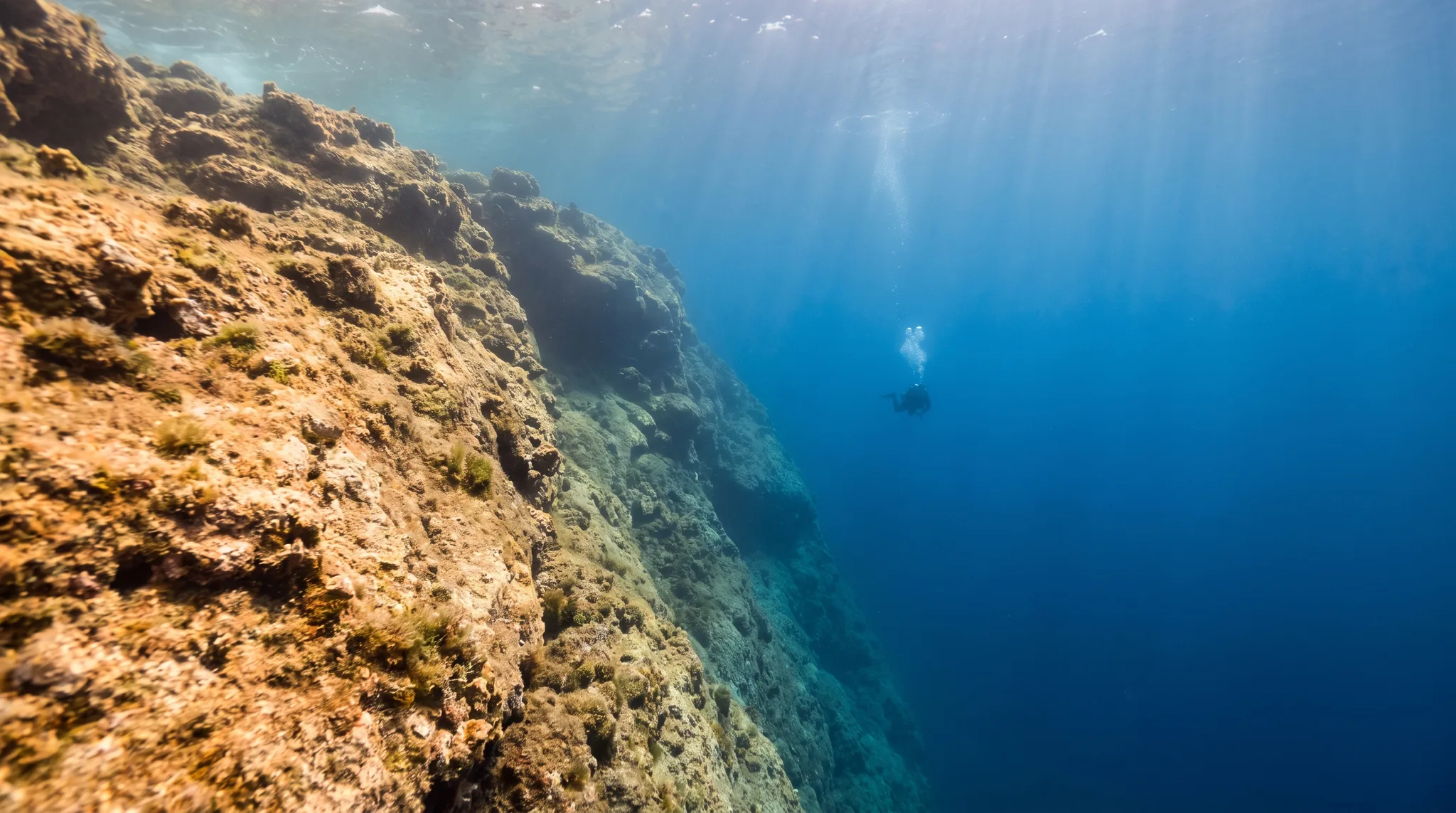
Hvar's diving is defined by a rich mix of walls, reefs, caves and wrecks spread across sites ranging from shallow beginners' bays to serious drops. Cephalopods dominate the encounter list: the Common Octopus and European Common Cuttlefish are signature sightings, joined by Tompot Blenny, Painted Comber, Conger Eel and Dogfish across nearly every site. Most sites require boat access, and intermediate divers are best served by the deeper walls and pinnacles, while real shallow options suit those just starting out.
Monthly water temperature across Hvar's sites, from satellite sea-surface data corrected for depth. The band shows the site-to-site spread.
Water stays cool from winter through to late spring, warming gradually from May onward and peaking in October and November. The warmest and most popular period runs from late spring through autumn, when conditions are most inviting for longer dives. Exposure varies by site, with some walls subject to currents that add interest for experienced divers.
19 more sites to explore
Water temperature around Hvar ranges from about 14°C in February to 20°C in October, based on satellite sea-temperature data for its dive sites.
In the warm season (about 20°C) a 5mm suit is comfortable in Hvar; in the coldest months (about 14°C) step up to a 7mm or semi-dry suit.
Fin maps 31 sites in Hvar (30 scuba diving sites and 4 snorkelling spots, with some suited to both).
Across Hvar's dive sites, May, June, July, August, September and October are most often reported as the best months to visit.
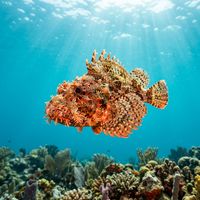
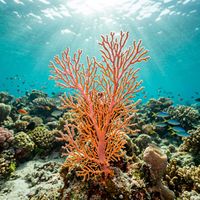
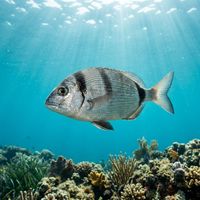
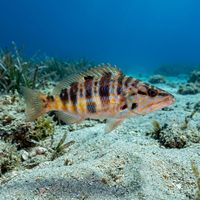
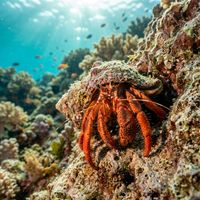
The Common Octopus and European Common Cuttlefish are the standout sightings and are observed across the vast majority of sites. Tompot Blenny, Painted Comber, Two-banded Seabream and Hermit Crab are also extremely frequent. Conger Eel, Scorpionfish, Gorgonian and Sponge add character to the reef and wall sections, while Dogfish appearances are well documented.
Yes, several sites cater well to beginners. Lucica Beach and Rt Pelegrin offer very shallow, relaxed dives, and Baba Reef and Sirena Bay provide accessible reef and wall topography without demanding depth. Shore entry is available at Lucica Beach and Stomorska, which lowers the barrier further for those new to diving.
The majority of sites in Hvar are boat-access only, so linking up with a local dive operation or charter is the typical route. A handful of sites, including Lucica Beach and Stomorska, can be reached directly from shore. Livka offers the flexibility of both shore and boat entry.
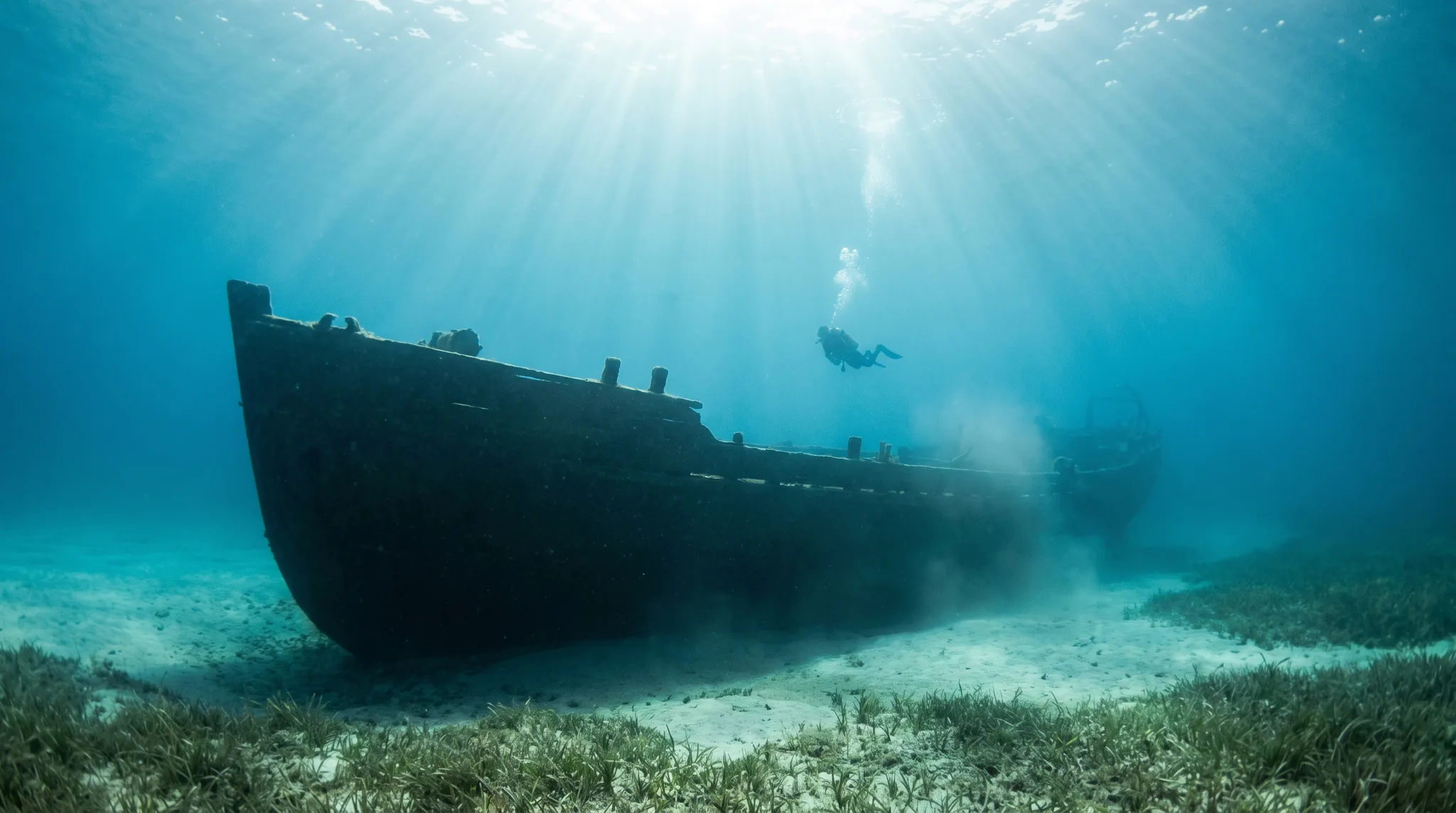
Walls are the dominant feature, appearing across a large share of the listed sites, often combined with reef sections, caves and caverns. Pinnacle and drift diving are on offer at Poseidon Pillar, and wreck divers can explore Wreck Meje and Amphora Wall. This variety means each dive can feel quite distinct even when sites are close together.