

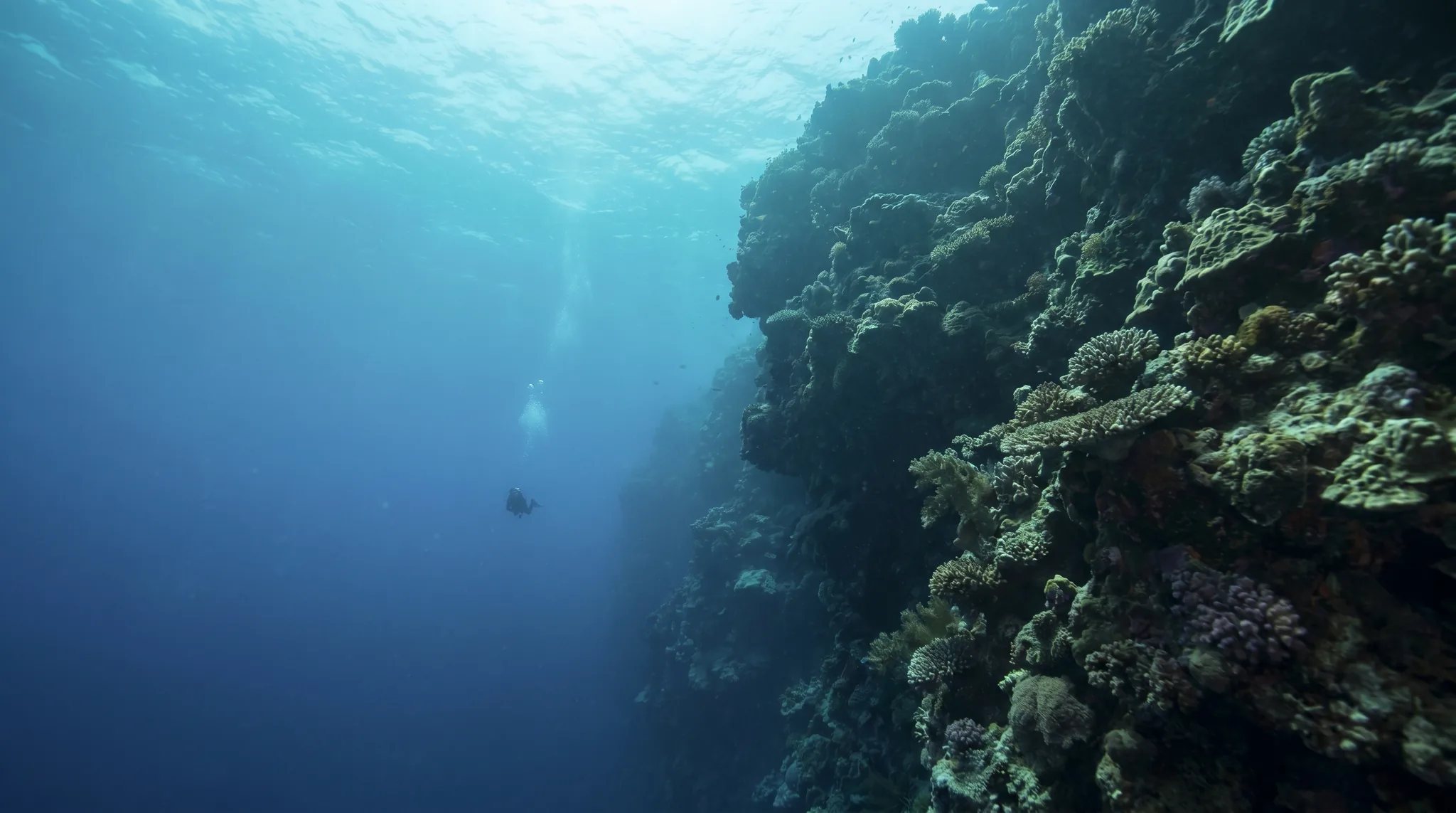
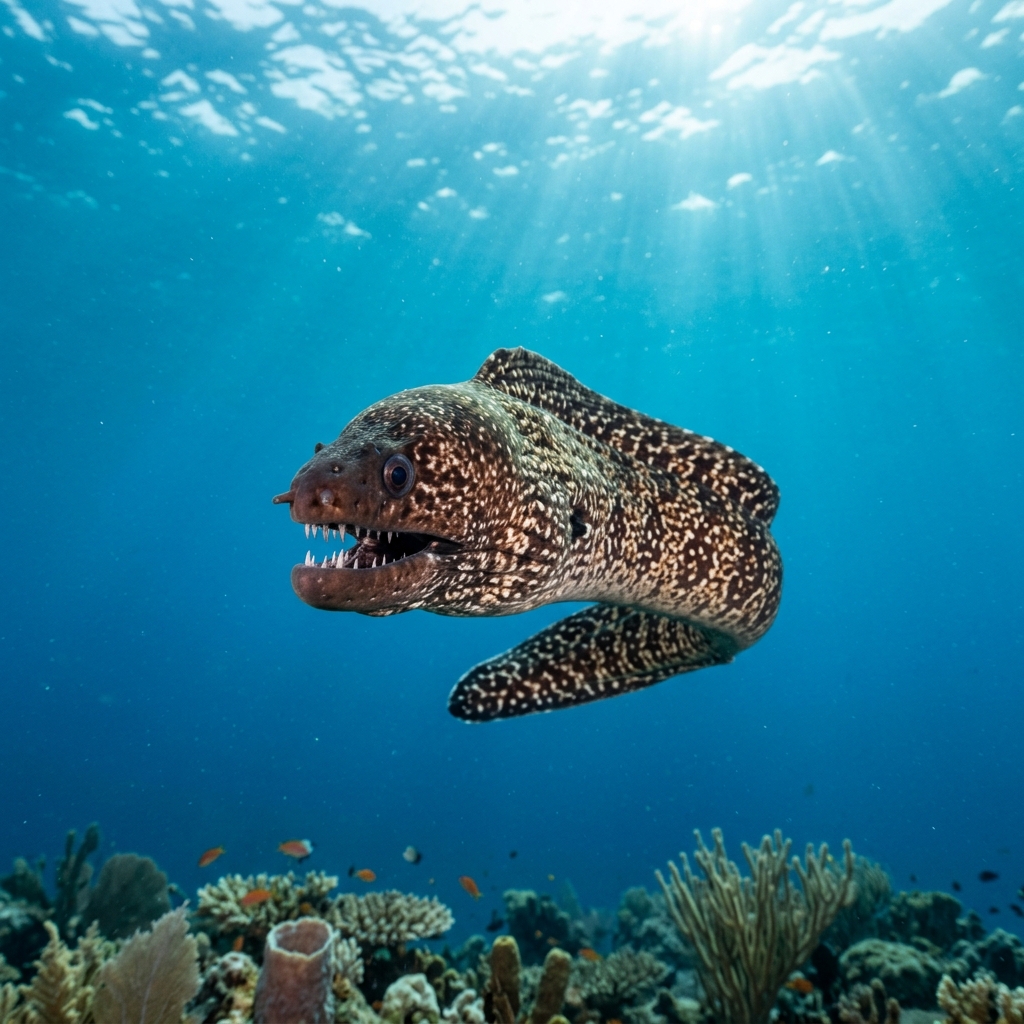
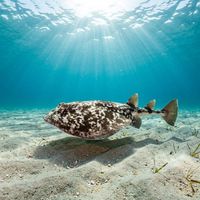
La Palma's diving character is defined by volcanic geology. Lava flows have created a richly varied underwater landscape of reefs, walls, drop-offs, caves, caverns and artificial structures across two distinct sub-areas: Fuencaliente and Puerto Naos to the south, and Los Cancajos to the north. Shore entry dominates, making the sites highly accessible. The marine life is notably diverse, with Common Octopus, European Parrotfish, Trumpetfish, Canary Damsel and Lizardfish encountered across almost every site, alongside Fangtooth Moray, Black Moray, Conger Eel and the occasionally sighted Marbled Electric Ray. Skill levels range from beginner-friendly reefs to demanding deep drop-offs.
2 areas

Monthly water temperature across La Palma's sites, from satellite sea-surface data corrected for depth. The band shows the site-to-site spread.
Water temperatures stay comfortably warm throughout the year, rising to their peak in autumn and dipping only slightly in late winter, so diving is truly viable in any month. The histogram points to a clear upturn in activity from March through April and again in October and November, when conditions tend to be at their most settled. Some sites carry moderate currents, particularly the deeper drop-offs and boat sites, so exposure varies by location rather than season alone.
30 operators

Frontera, Canary Islands
Water temperature around La Palma ranges from about 20°C in February to 24°C in September, based on satellite sea-temperature data for its dive sites.
In the warm season (about 24°C) a 3mm full suit is comfortable in La Palma; in the coldest months (about 20°C) step up to a 5mm suit.
Fin maps 34 sites in La Palma (34 scuba diving sites and 6 snorkelling spots, with some suited to both), organised into 2 areas.
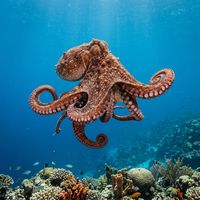
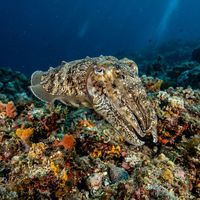
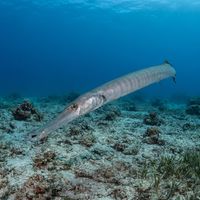
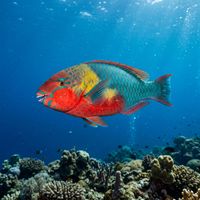
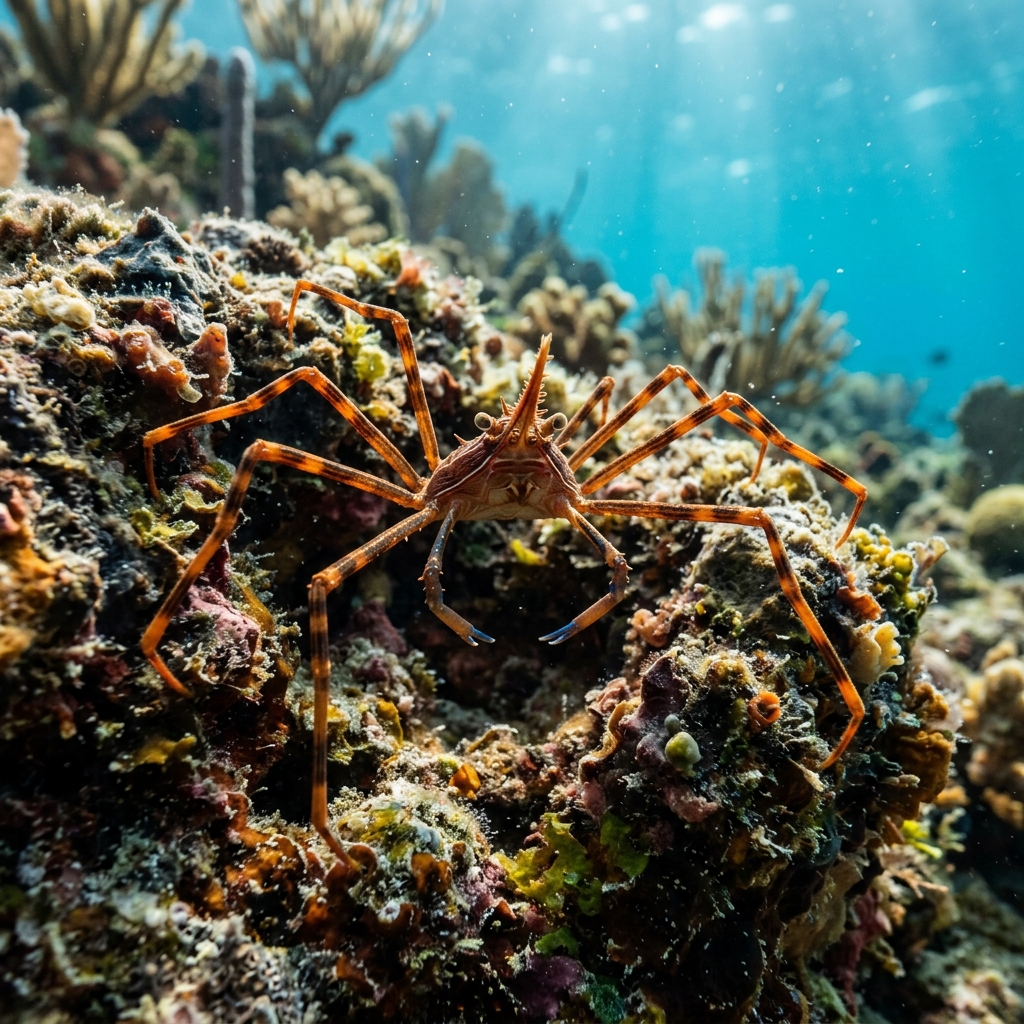
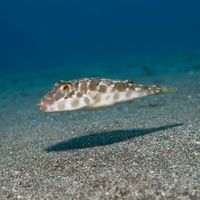
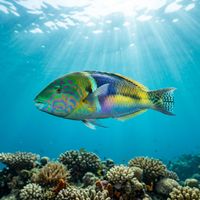
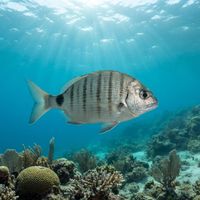
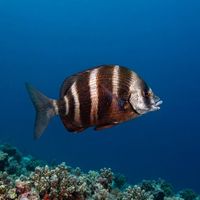
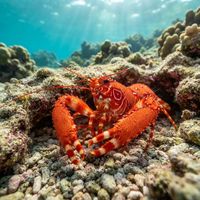
Observation-backed species recorded across La Palma's sites include Common Octopus, European Common Cuttlefish, Arrow Crab, European Parrotfish, Trumpetfish, Turkish Wrasse, Canary Damsel, Lizardfish and Bream as very common encounters. Fangtooth Moray, Black Moray, Conger Eel and Slipper Lobster are common sightings, and the Marbled Electric Ray and Great Barracuda appear occasionally. The Canary Damsel in particular is strongly associated with the island's volcanic reef habitat.
A good proportion of La Palma's sites are rated for beginners, including shore-entry reefs and walls such as El Veril, El Hotel, Porís de Mazo, Muelle Viejo and Charco Verde. These cover a range of topographies, from shallow reef tops to walls and caves, so new divers have plenty of variety to explore without moving to advanced sites. Intermediate and advanced options such as the deeper Malpique drop-off are also available for those progressing their skills.
Fuencaliente and Puerto Naos, in the south, holds the larger share of sites and includes the Malpique cluster, where historic lava flows have produced a mix of natural reef, artificial structures and deep drop-offs. Los Cancajos, to the north, has a smaller collection of sites and tends to suit those based near the main harbour area. Both sub-areas are dominated by shore-entry diving, though a small number of sites also offer boat access.
Shore entry is the norm across La Palma, and the majority of the top-rated sites are accessible directly from land. A handful of sites such as Las Puertas are boat-access only, and a few others like Charco Verde and Playa La Bombilla offer both options. Several local operators, including Dive Community, Blue Magma Diving and Punkfish Diving La Palma, can arrange guided dives and help with logistics for both entry types.


