
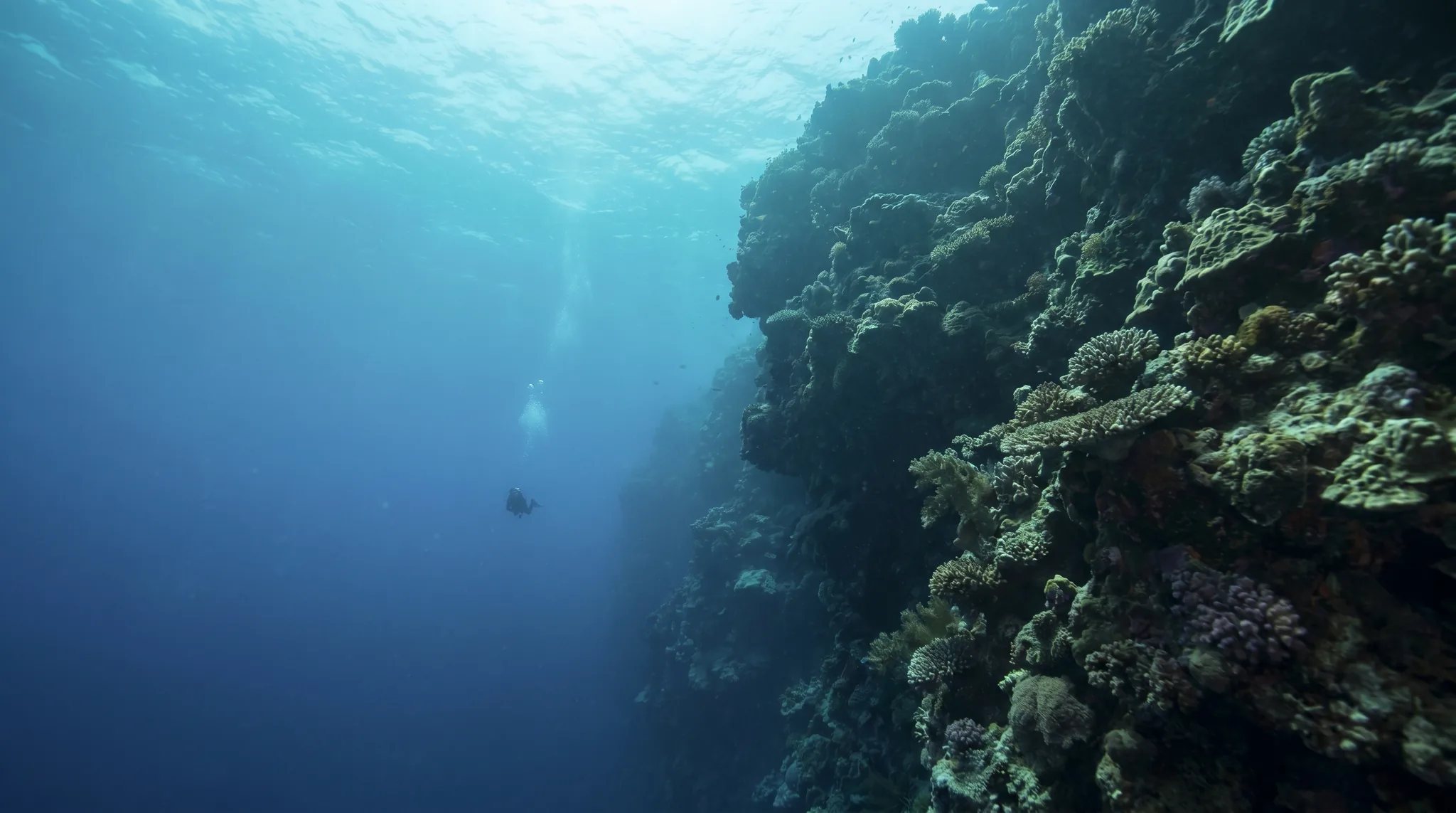
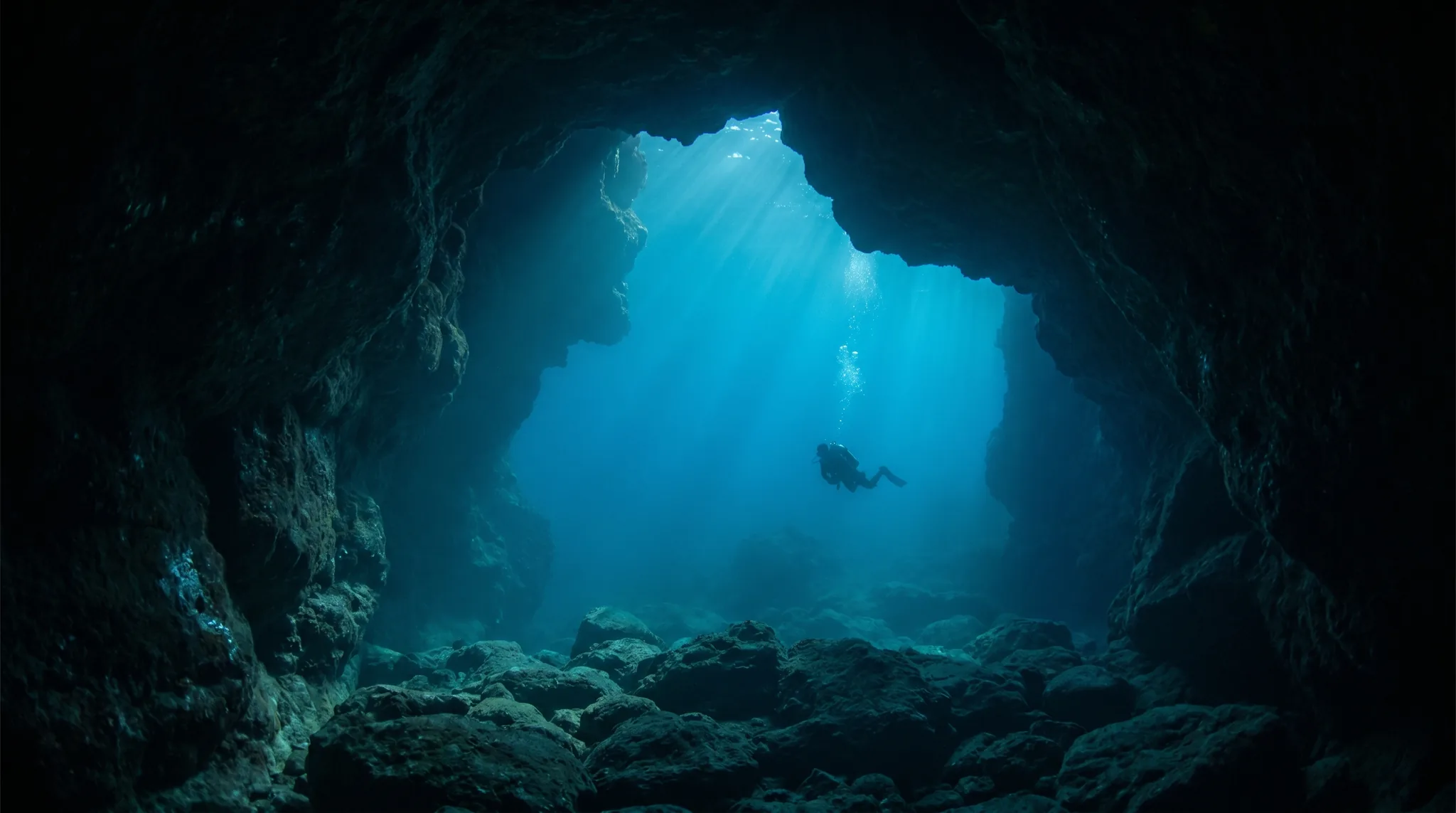
Puerto de la Cruz offers a range of volcanic dive sites along the north coast of Tenerife, from shallow shore reefs accessible to beginners through to deep walls, caves, and a sunken aircraft wreck that demand advanced certification. Hexagonal basaltic formations, cave systems, and dramatic drop-offs define the topography. Signature encounters include the Great Barracuda, Common Octopus, and Canary Damsel, with Bream, European Parrotfish, and Pufferfish recorded across virtually every site.

Monthly water temperature across Puerto de la Cruz's sites, from satellite sea-surface data corrected for depth. The band shows the site-to-site spread.
Water temperature stays consistently warm throughout the year, rising slightly through summer and autumn before easing back in winter and spring. The warmest months coincide with the period from late summer into autumn, while cooler months still offer comfortable diving. Peak community activity clusters around March, December, and the autumn shoulder months, suggesting these are favoured windows for visiting divers.
8 operators
Canary Islands
7 more sites to explore
Water temperature around Puerto de la Cruz ranges from about 20°C in January to 23°C in August, based on satellite sea-temperature data for its dive sites.
In the warm season (about 23°C) a 3mm full suit is comfortable in Puerto de la Cruz; in the coldest months (about 20°C) step up to a 5mm suit.
Fin maps 19 sites in Puerto de la Cruz (18 scuba diving sites and 2 snorkelling spots, with some suited to both).
Across Puerto de la Cruz's dive sites, March, May, September, October and December are most often reported as the best months to visit.
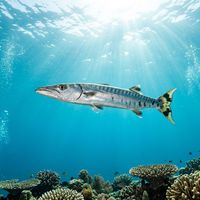
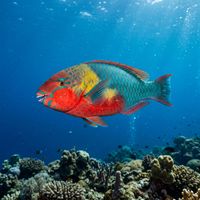
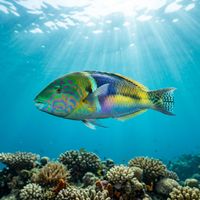
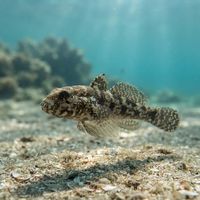
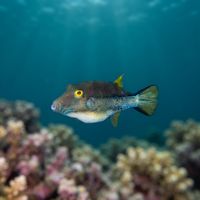
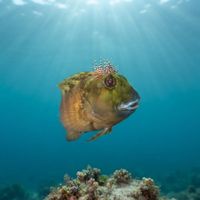
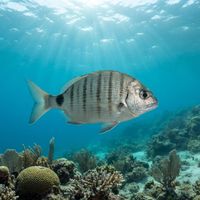
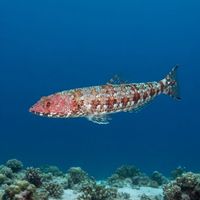
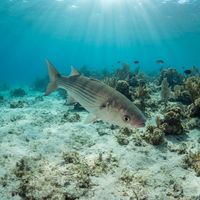
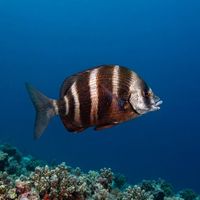
Observations across the sites record Great Barracuda, European Parrotfish, Turkish Wrasse, Canary Damsel, and Bream as very common. The Common Octopus and European Common Cuttlefish are among the signature species, alongside Pufferfish, Trumpetfish, Groupers, and a variety of crustaceans including Arrow Crab and Golden-spotted Shrimp.
Yes, several sites cater specifically to beginners. San Marcos is a shore-entry reef with a varied topography of valleys and crevices, while Puerto de la Cruz Harbor offers calm, shallow shore access alongside an artificial reef structure. The Tunnel and Semiramis are also listed as beginner-friendly shore dives with manageable depths.
The area splits clearly between shore-entry and boat-access sites. Shore dives include San Marcos, Puerto de la Cruz Harbor, Semiramis, Tunnel, and Baja de Los Realejos, making independent access straightforward for those with the right certification. The deeper and more complex sites such as El Coral, La Rapadura, Mountain of Fishes, and the wreck El Avion all require a boat.
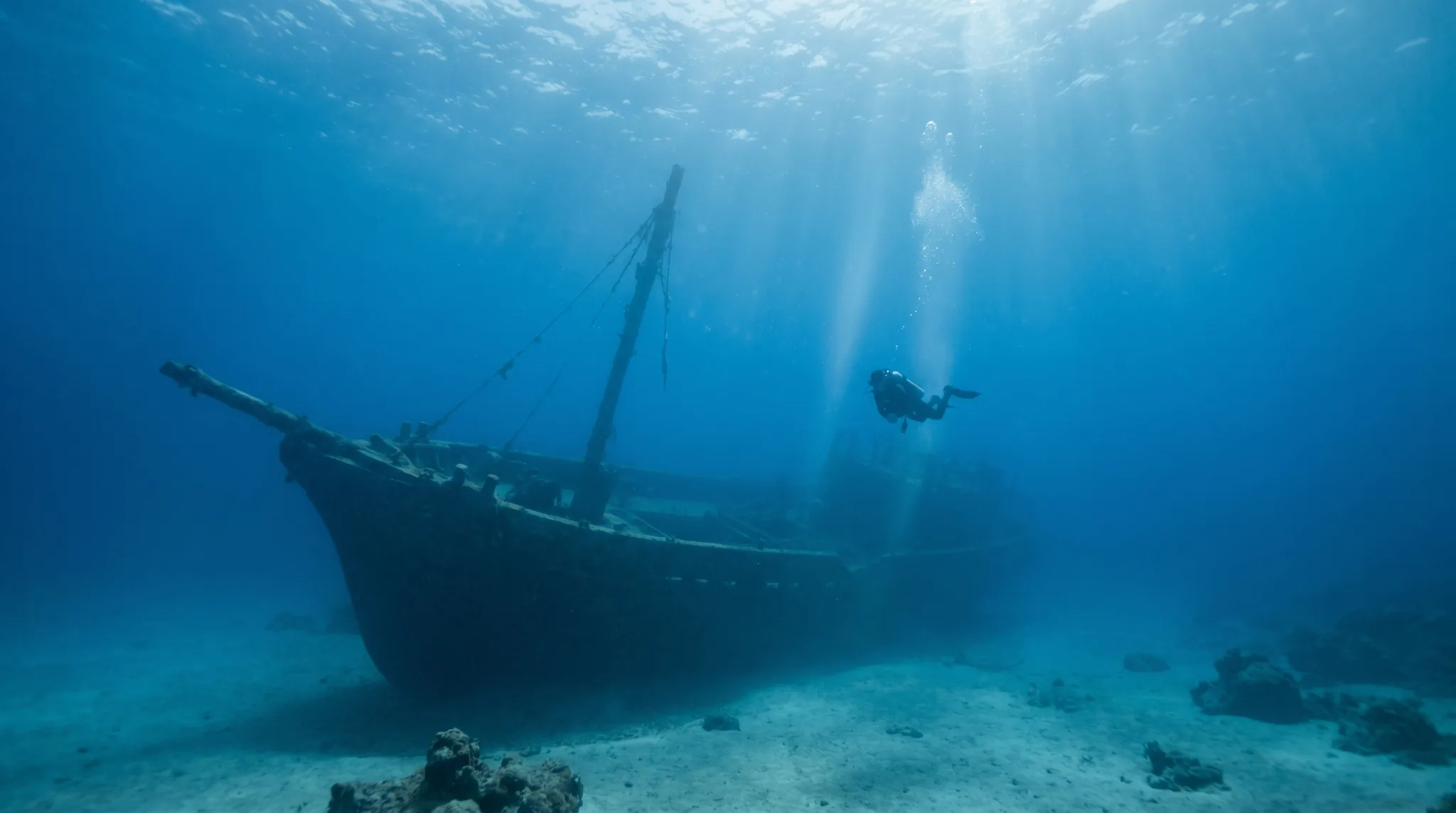
Volcanic topography shapes almost every site, producing caves, lava tunnels, canyons, and striking basaltic formations such as the hexagonal columns at La Rapadura. The area also includes a plane wreck at El Avion and an artificial reef structure within the harbour. Several sites combine walls and drop-offs with cave systems, giving intermediate and advanced divers a range of structural variety on a single dive.