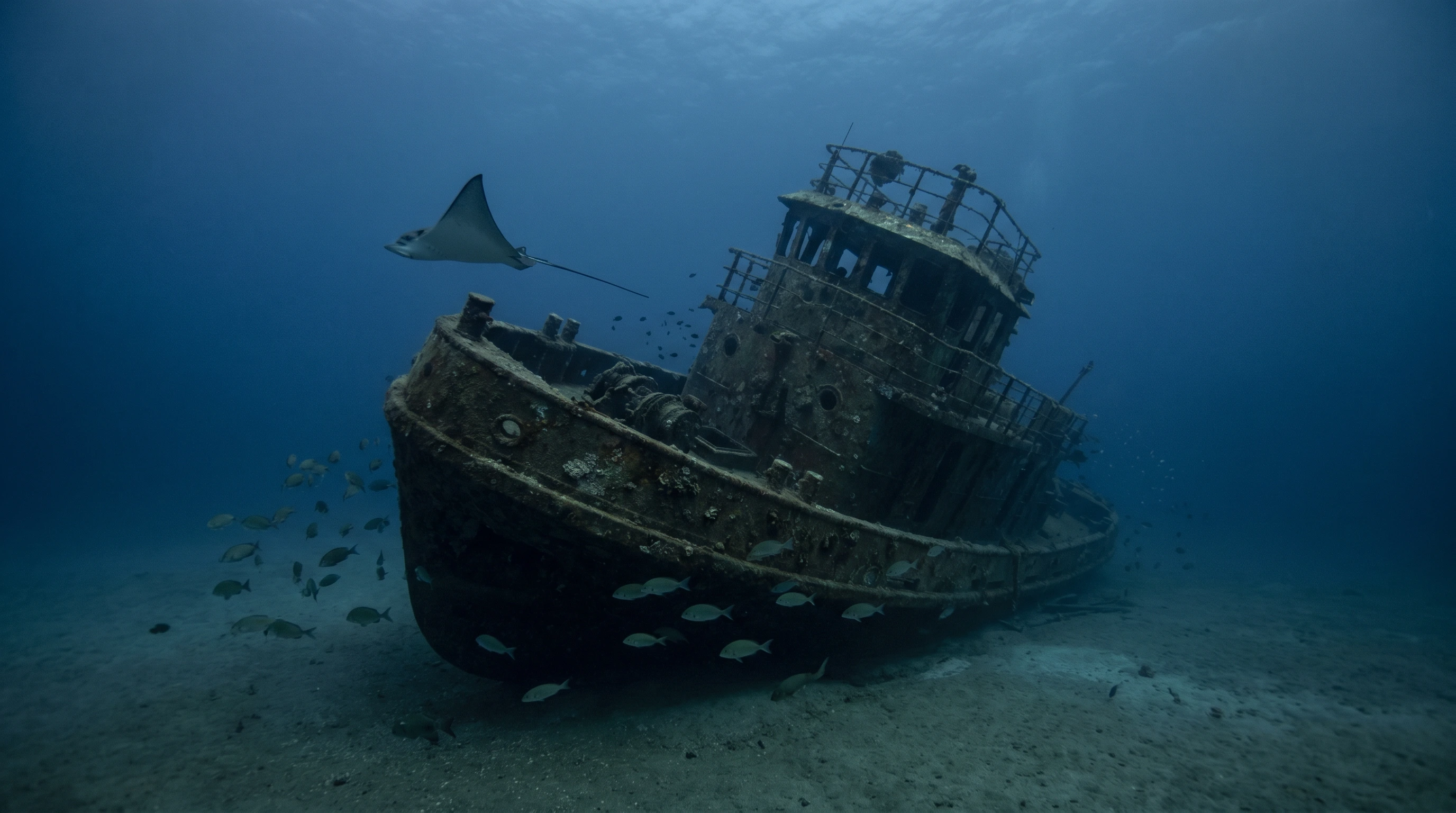
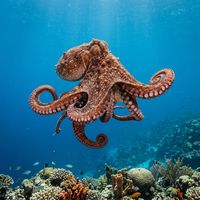
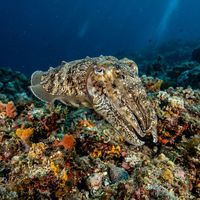
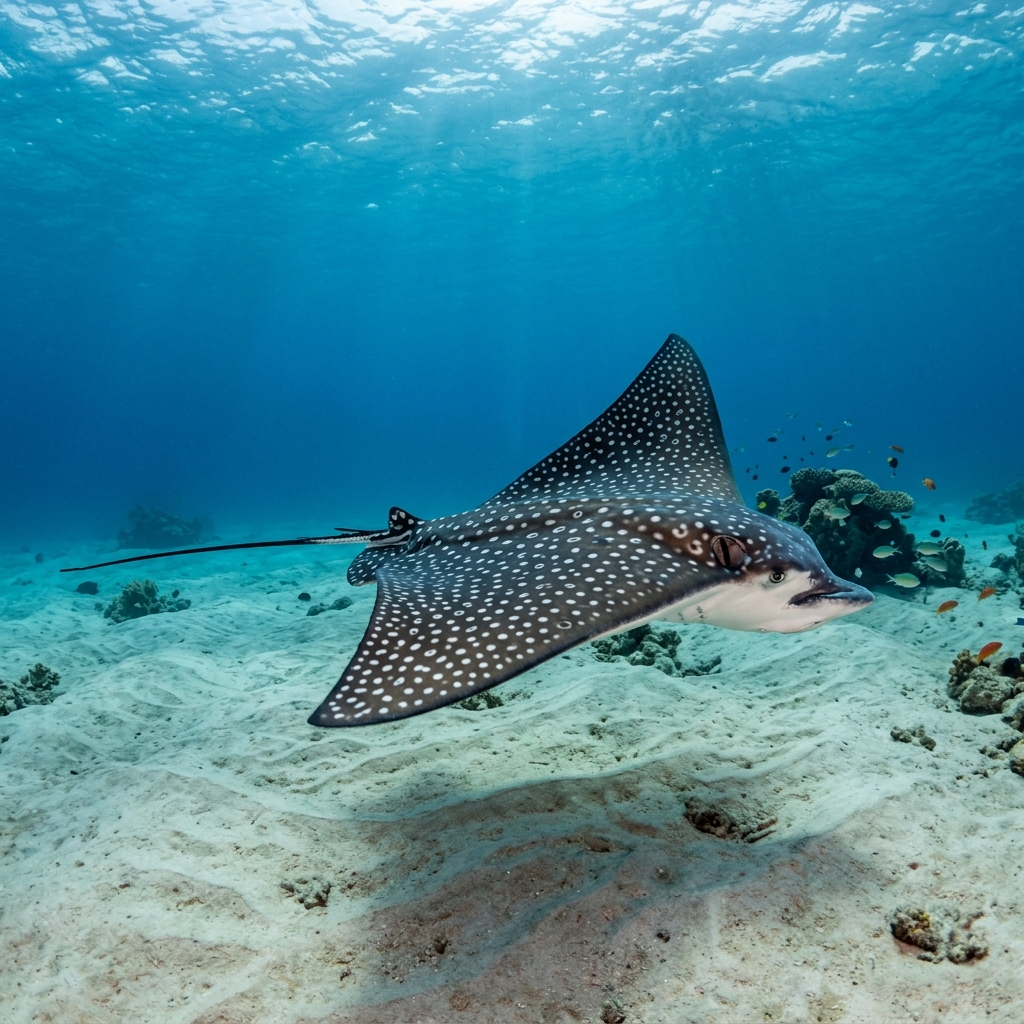
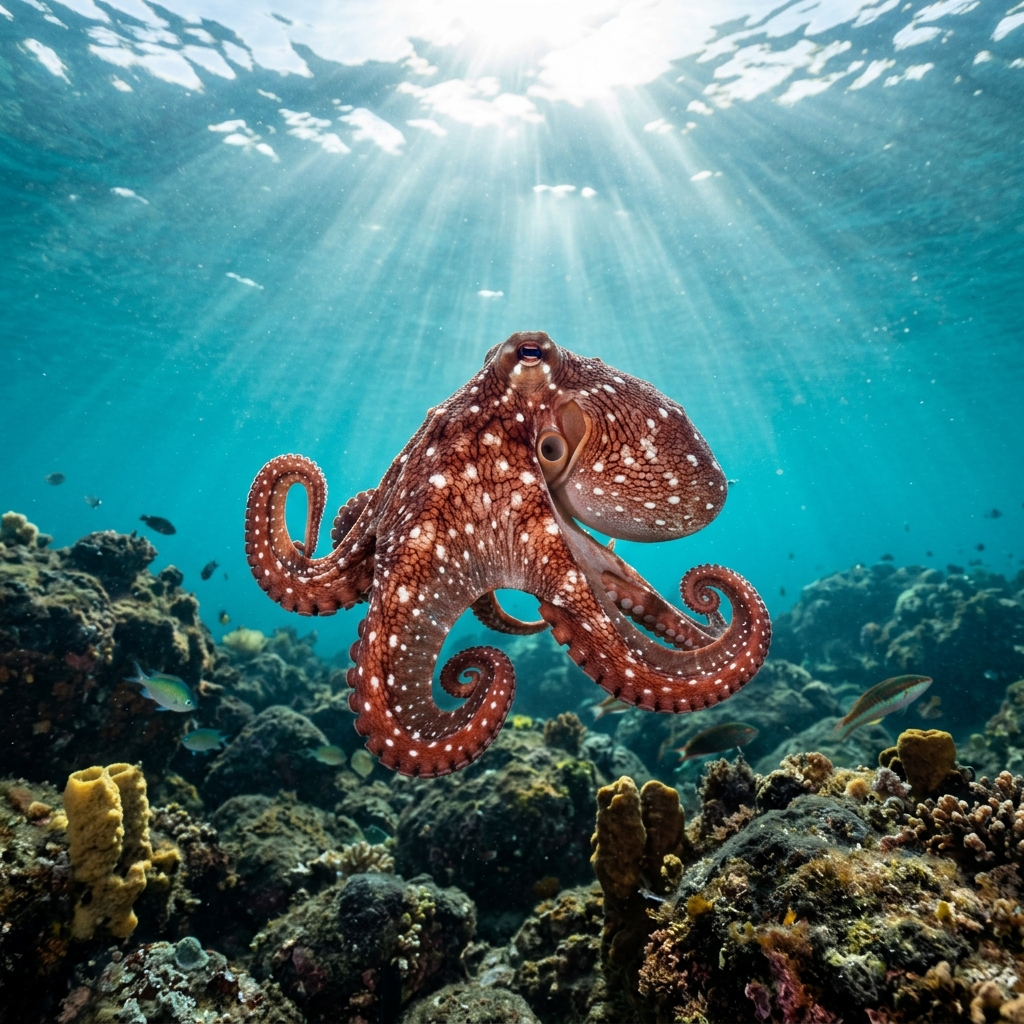
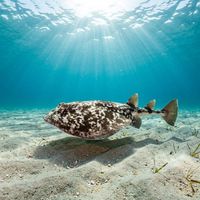
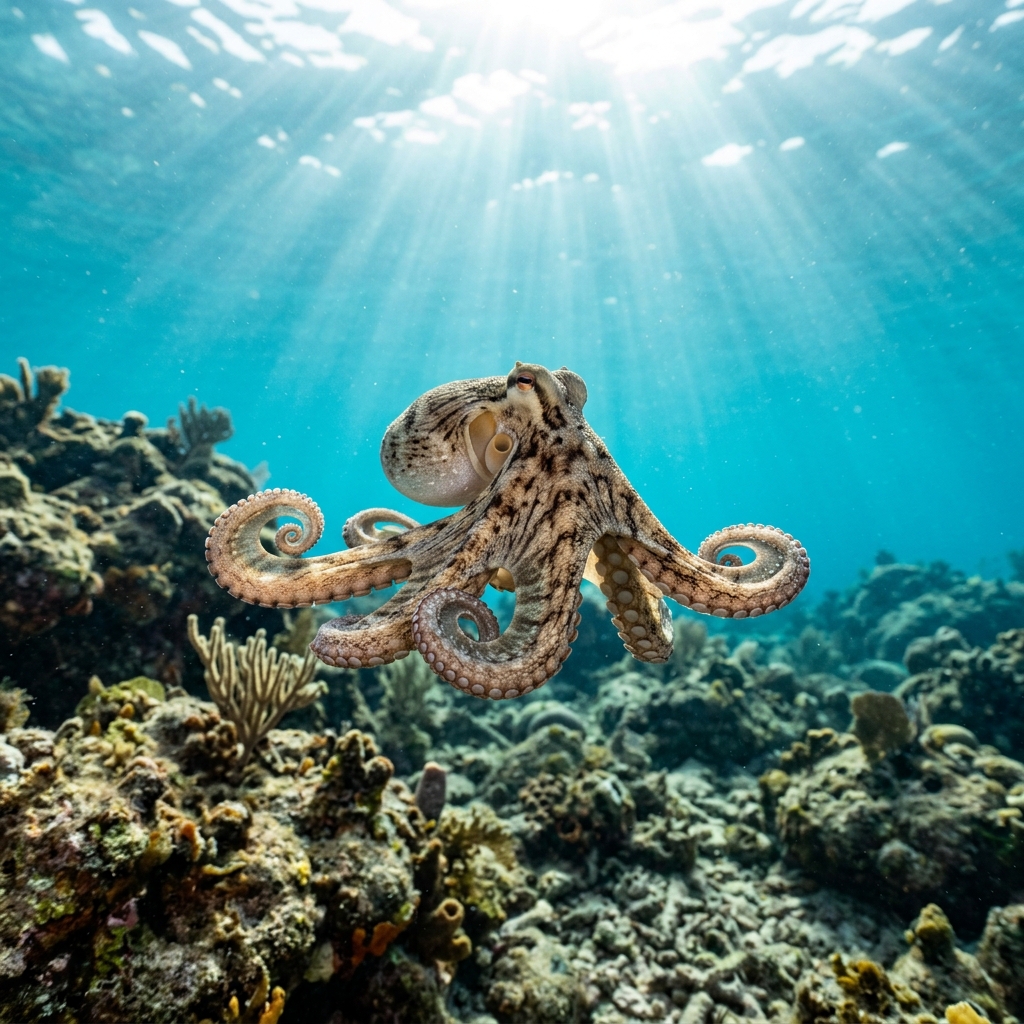
Radazul and Tabaiba pack a remarkable variety of site types into a compact stretch of Tenerife's eastern coast. Reefs, walls, caves, drop-offs, and artificial structures sit alongside two real wrecks, giving divers everything from shallow beginner dives to deep advanced walls. The signature marine life leans heavily toward cephalopods, with Common Octopus, European Common Cuttlefish, White-spotted Octopus, and Brownstripe Octopus all observed consistently, joined by Eagle Ray, Great Barracuda, and Marbled Electric Ray.

Monthly water temperature across Radazul & Tabaiba's sites, from satellite sea-surface data corrected for depth. The band shows the site-to-site spread.
Water stays warm year-round, rising gently through summer and autumn before cooling slightly in winter and spring, making a thin wetsuit viable in most months. The best-rated months cluster around spring and November, suggesting calmer conditions and good visibility outside peak summer. Advanced sites like Bocacangrejo La Pared can carry moderate current, so timing dives with conditions pays off.
12 operators
Canary Islands
7 more sites to explore
Water temperature around Radazul & Tabaiba ranges from about 20°C in January to 24°C in September, based on satellite sea-temperature data for its dive sites.
In the warm season (about 24°C) a 3mm full suit is comfortable in Radazul & Tabaiba; in the coldest months (about 20°C) step up to a 5mm suit.
Fin maps 19 sites in Radazul & Tabaiba (19 scuba diving sites and 1 snorkelling spots, with some suited to both).
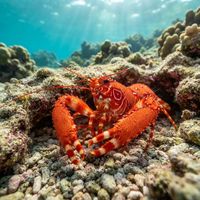
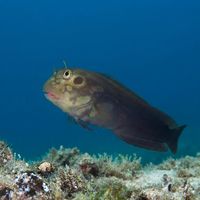
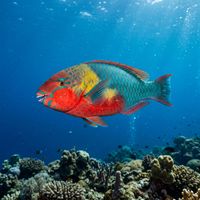
The area has a strong cephalopod presence: Common Octopus, White-spotted Octopus, and Brownstripe Octopus are all observed consistently across sites, alongside European Common Cuttlefish. Eagle Ray, Round Fantail Stingray, Marbled Electric Ray, and Great Barracuda are also regularly encountered, as are European Parrotfish, Trumpetfish, Conger Eel, and Grey Triggerfish.
Yes. Several sites are rated for beginners, including El Peñón, a shallow wreck accessible from shore or boat, Añaza, a boat dive with reefs and small caves, and El Palitoa, a shore dive combining natural reef, artificial structures, a cave, and a canyon. The Atlantis Rooftop Pool provides a calm, very shallow environment for divers working on foundational skills.
A good proportion of the sites here offer shore entry, including Radazul itself, Cueva de Radazul, Bocacangrejo La Pared, and Radazul - La Cruz. Some sites such as El Peñón and Las Jaulas offer both shore and boat options, while others like Galeones and Guimar are boat-only. This mix means independent divers and those diving with operators such as Scubanana Dive Center or Deep Ocean Diver both have plenty of choices.
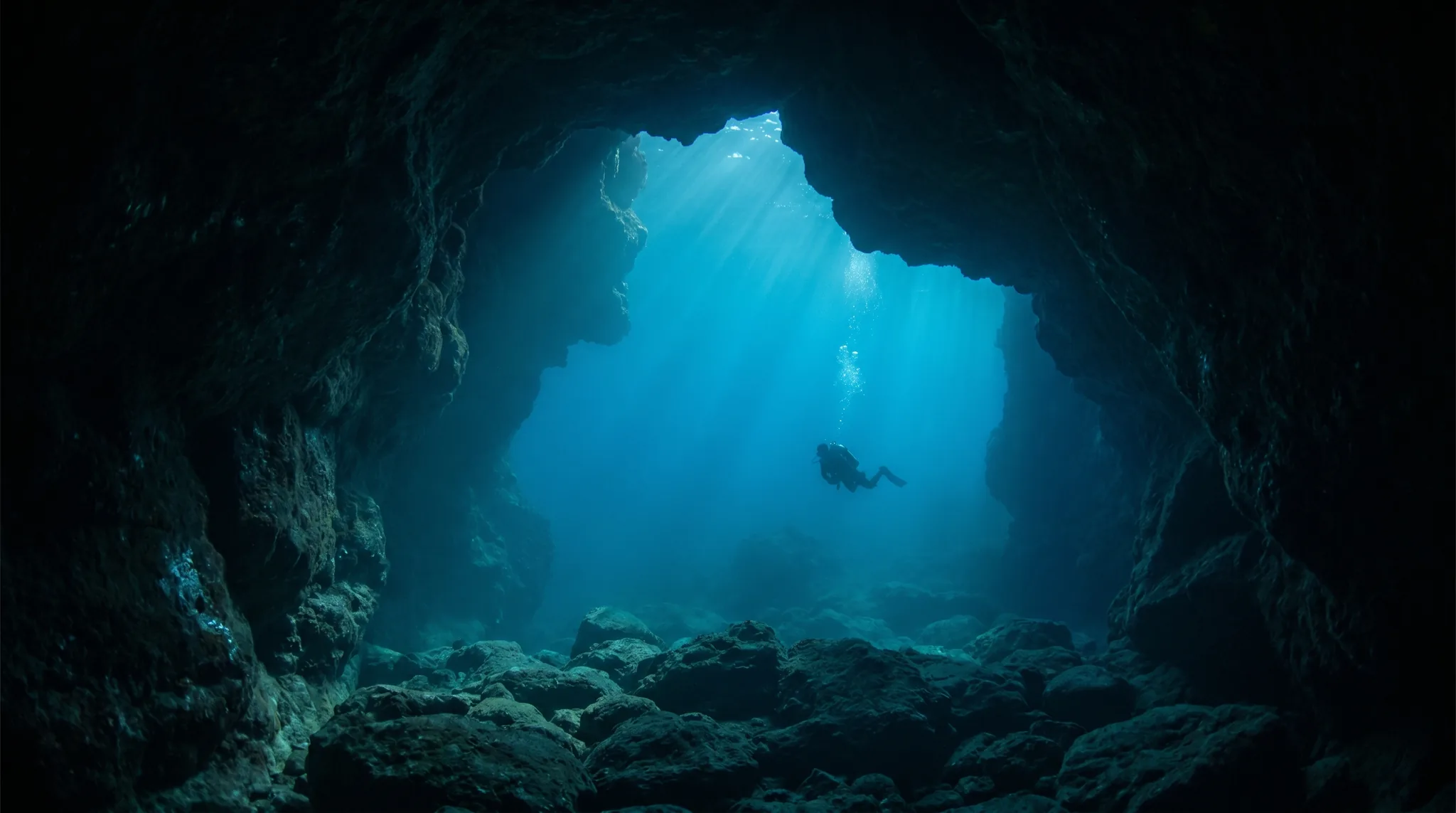
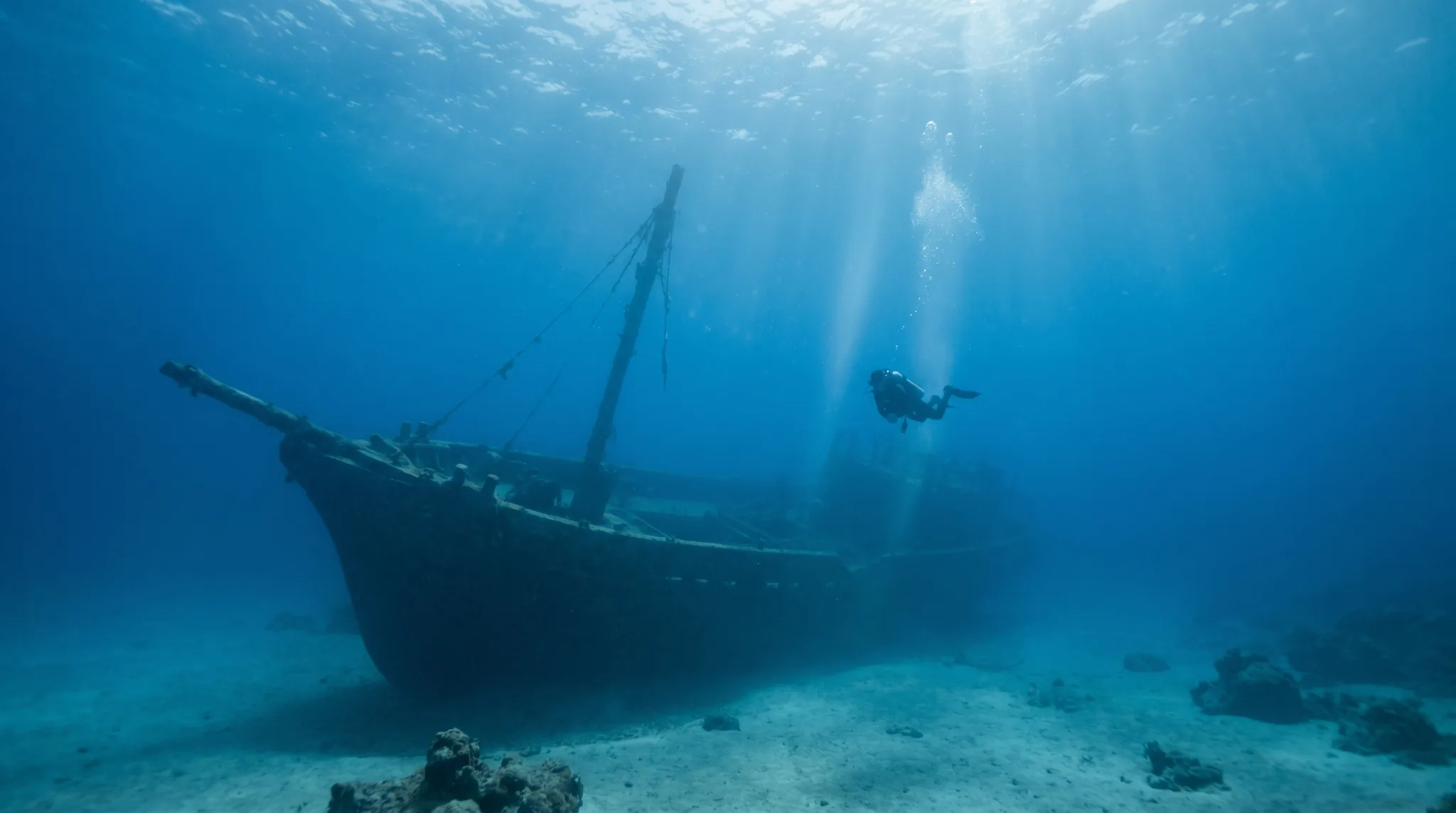
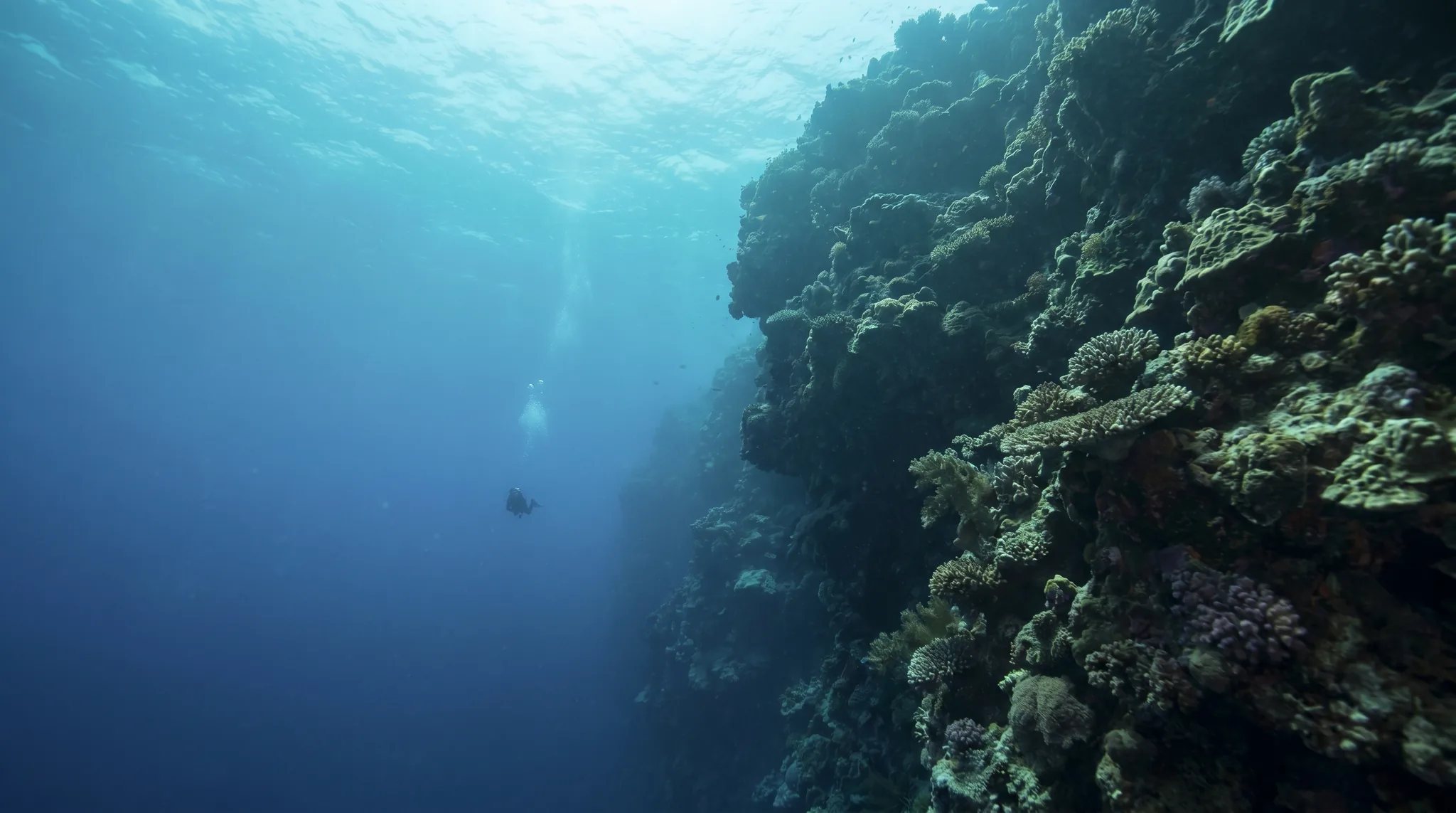
The region is defined by volcanic topography: walls, reefs, and caves dominate, often combined at a single site. Artificial structures and wrecks add variety, with El Peñón and Central Electrica as the main wreck options. Sites like Cueva de Radazul and La Nea feature deep slopes and drop-offs for advanced divers, while shallower artificial reefs give beginners and marine life photographers a different kind of dive.