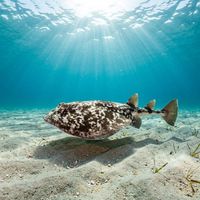
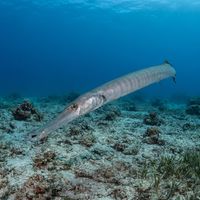
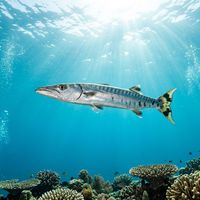
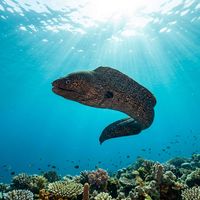
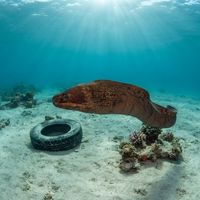
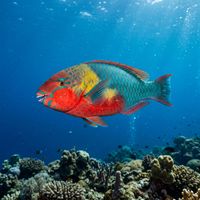
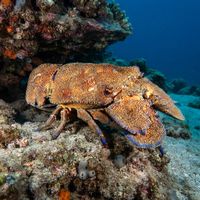
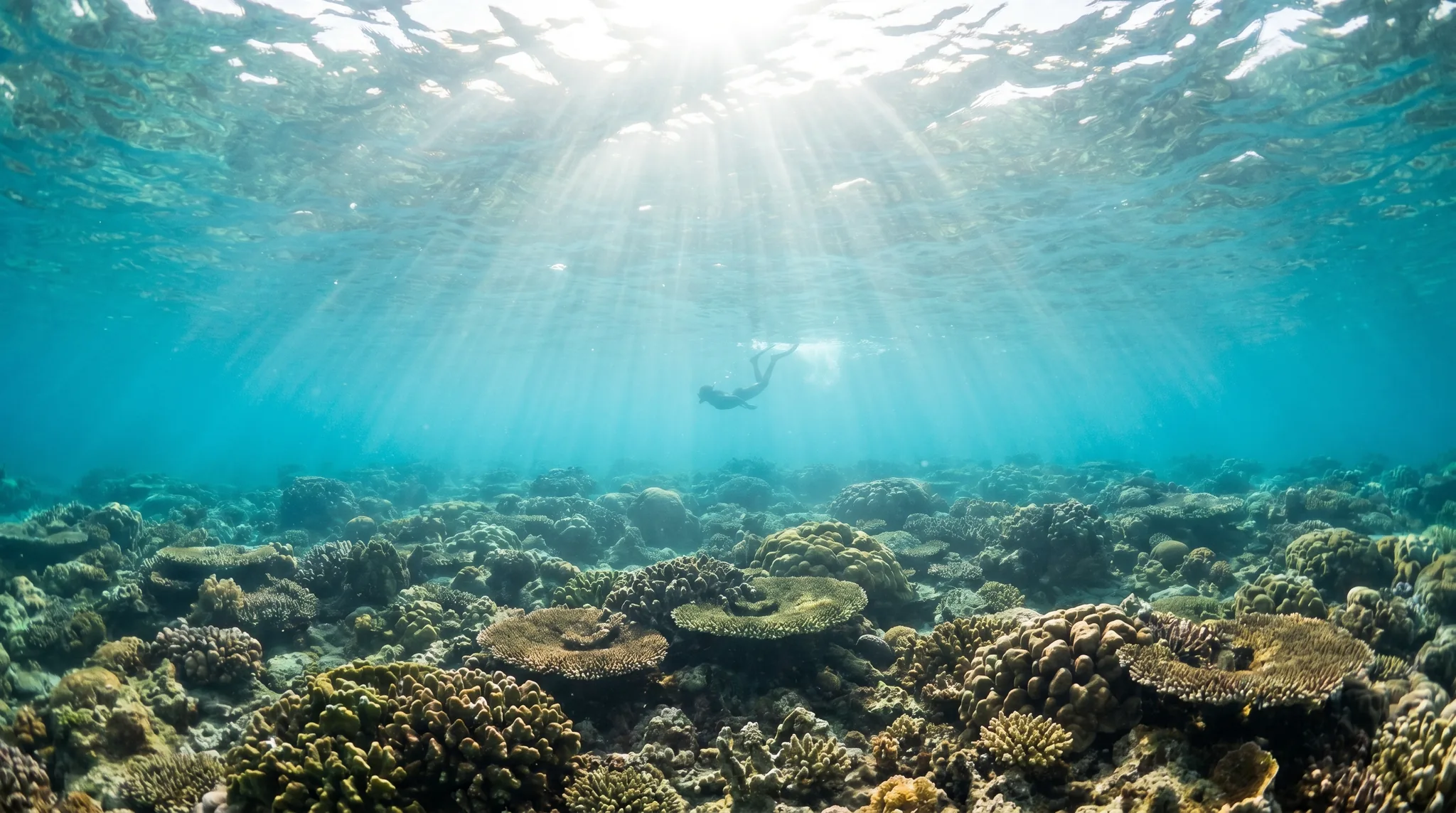
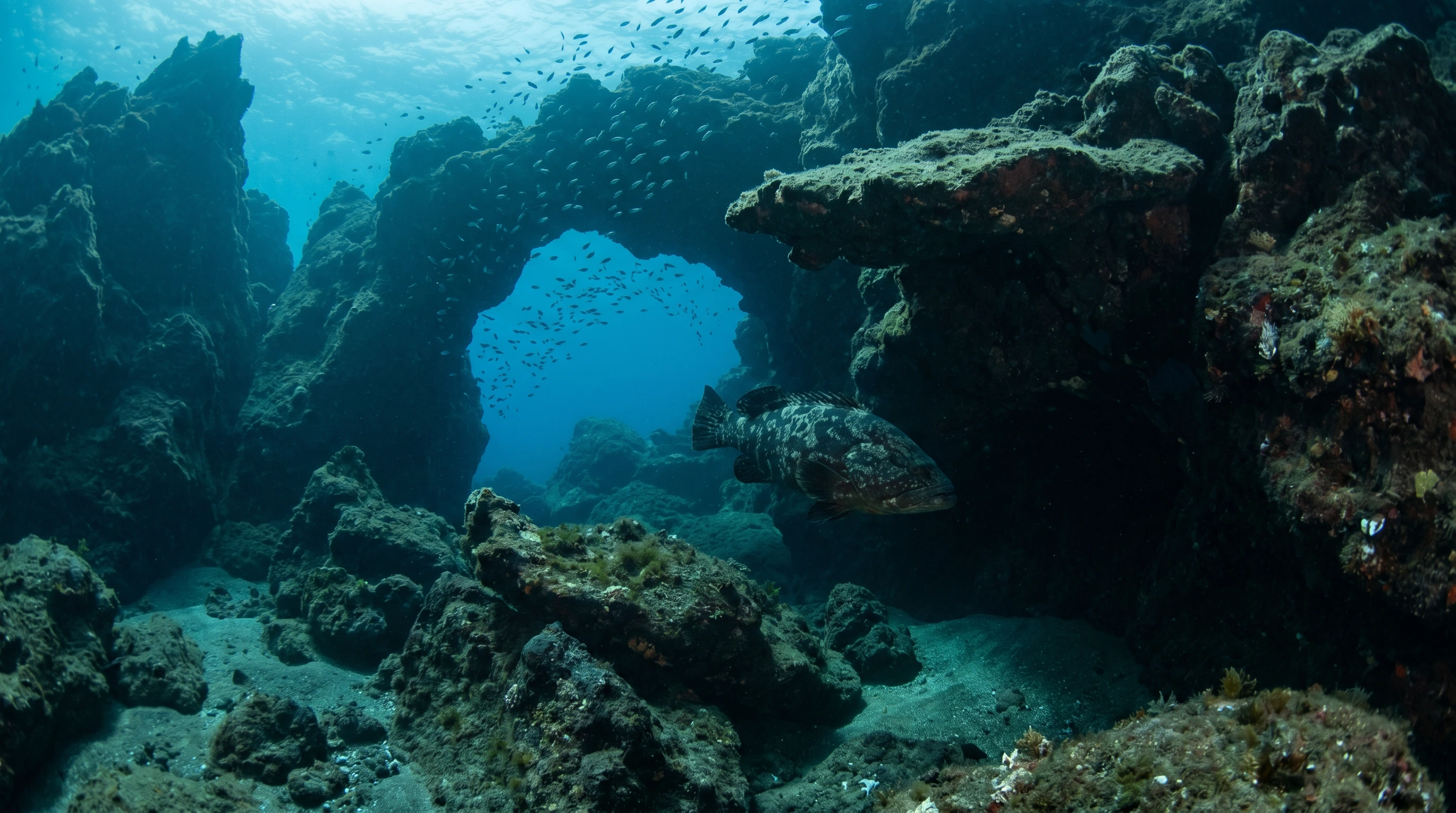
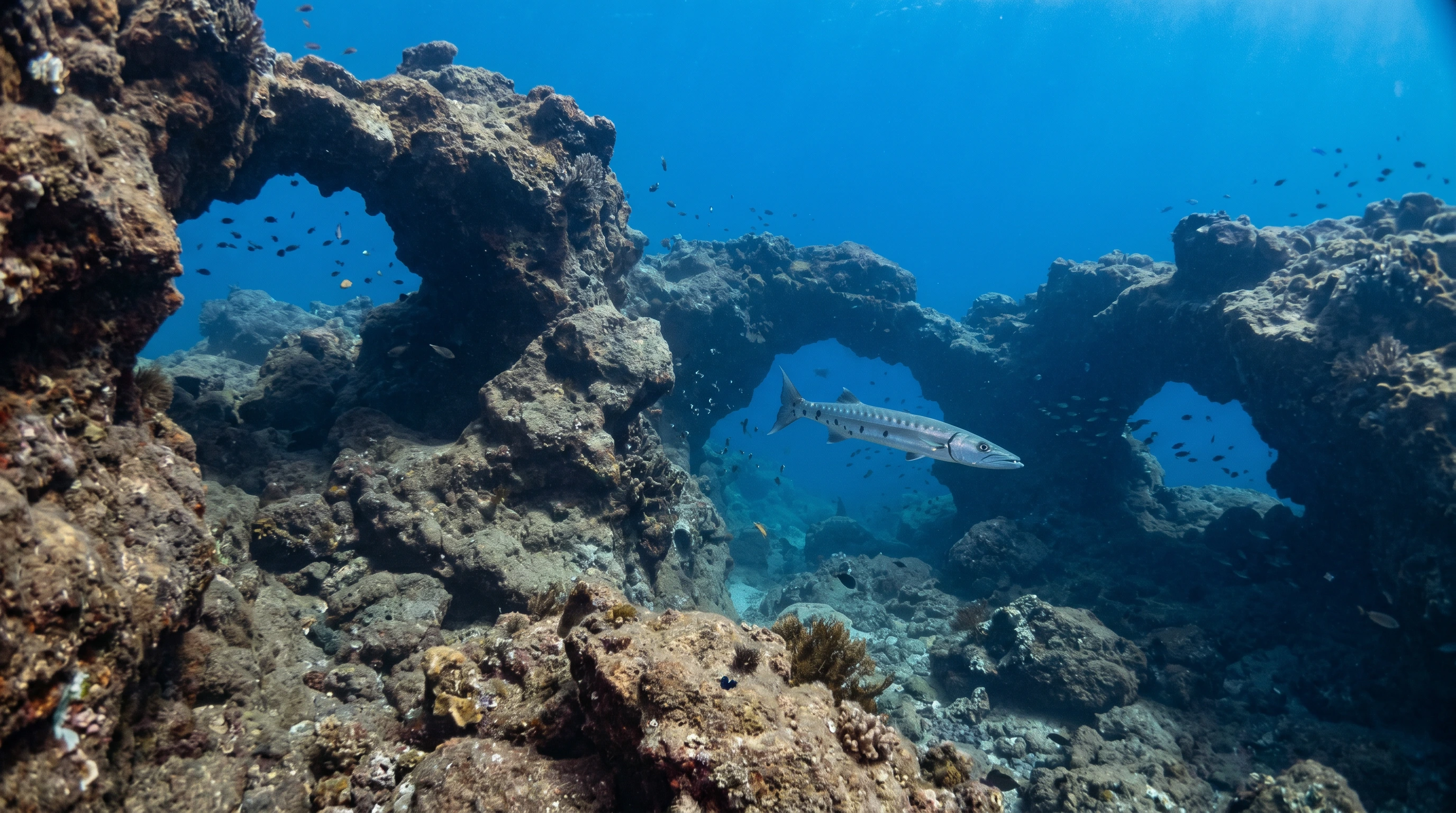
El Hierro is defined by volcanic topography: walls, drop-offs, pinnacles, caves, and caverns spread across a substantial collection of dive sites, almost all reached by boat. The site mix suits a wide range of divers, from shallow reef dives accessible to beginners at places like Cueva de la Arena and El Arco, to deep pinnacle dives such as El Bajón that demand advanced skills. Marine life is notably varied, with Dusky Grouper, Eagle Ray, Great Barracuda, and multiple ray species observed consistently across sites. Visibility tends to be generous, and the volcanic structure gives each dive a distinct character.
Monthly water temperature across El Hierro's sites, from satellite sea-surface data corrected for depth. The band shows the site-to-site spread.
Water temperature stays mild throughout the year, sitting at its lowest in late winter and rising to its warmest between late summer and autumn. The peak diving season runs from late spring through early autumn, with May and June drawing the strongest conditions. Exposed, offshore sites can bring noticeable currents, particularly at deeper locations like El Bajón and Punta del Lajial, so conditions vary meaningfully between sheltered reef dives and open-water pinnacles.
22 more sites to explore
Water temperature around El Hierro ranges from about 20°C in February to 24°C in August, based on satellite sea-temperature data for its dive sites.
In the warm season (about 24°C) a 3mm full suit is comfortable in El Hierro; in the coldest months (about 20°C) step up to a 5mm suit.
Fin maps 34 sites in El Hierro (34 scuba diving sites and 2 snorkelling spots, with some suited to both).
Across El Hierro's dive sites, May, June and September are most often reported as the best months to visit.
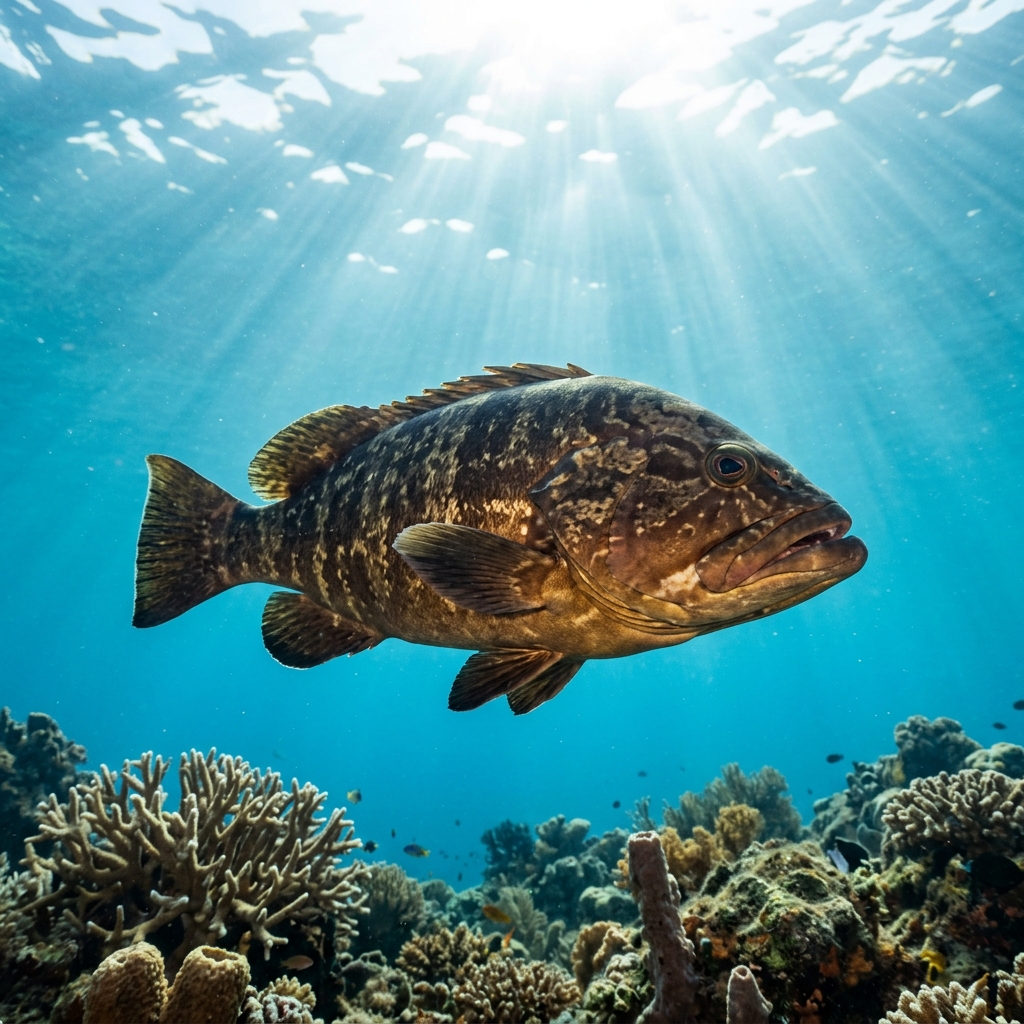
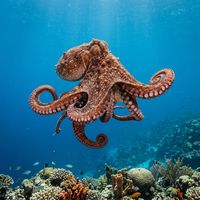
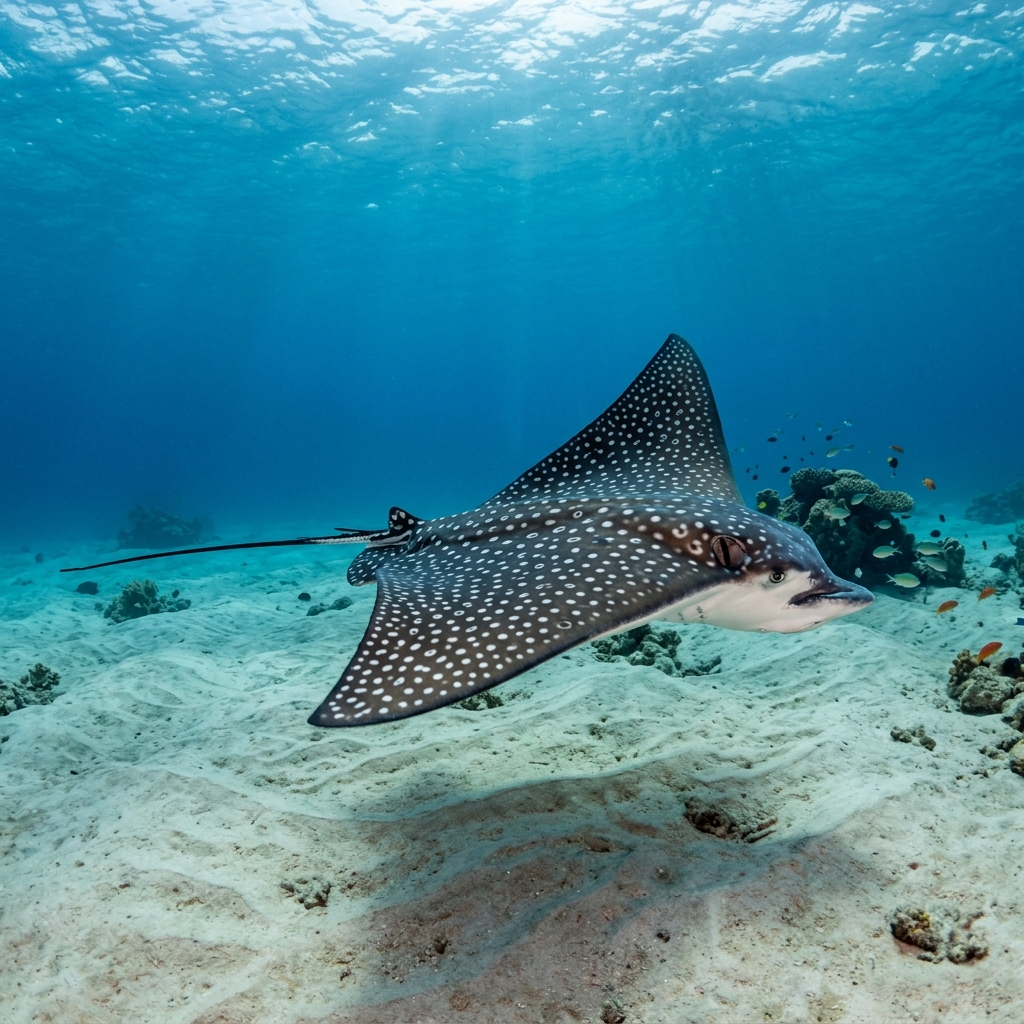
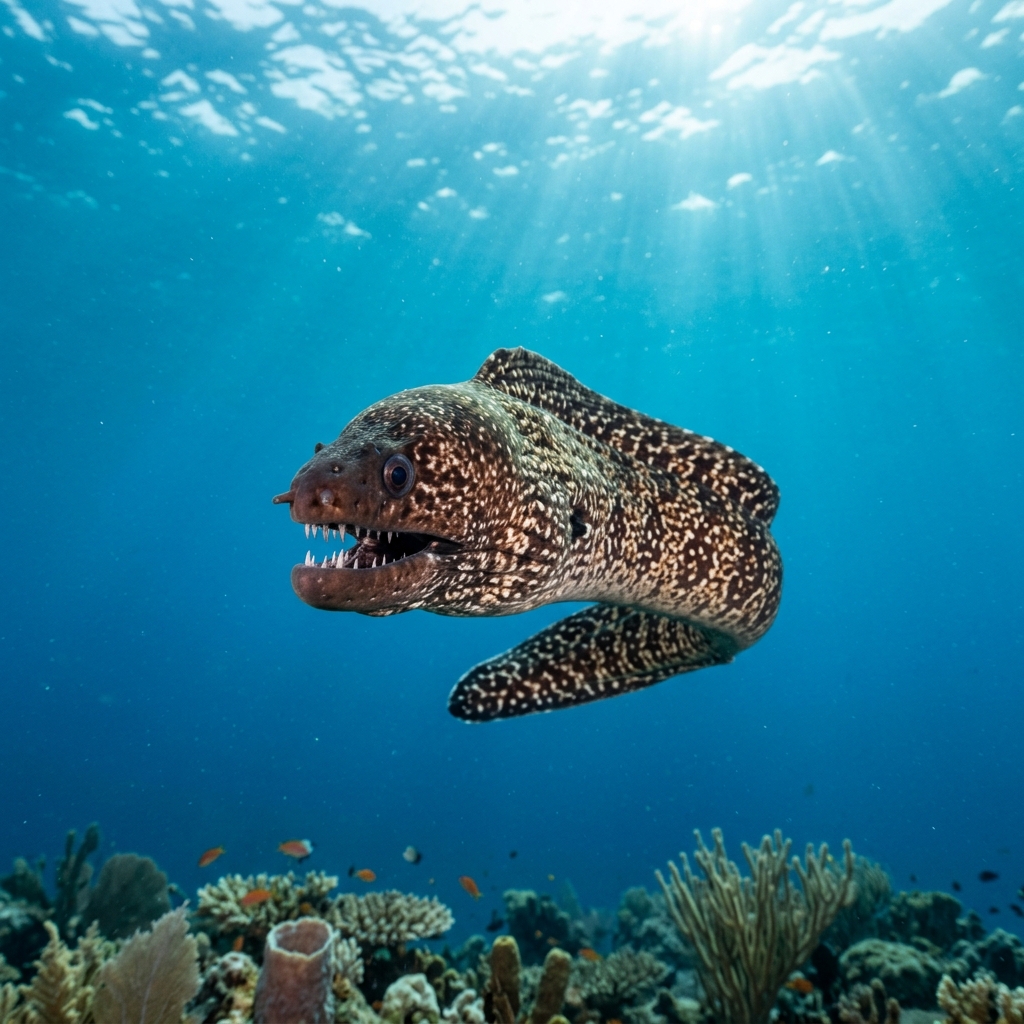
El Hierro has a rich and well-documented species list. Divers consistently encounter Dusky Grouper, Common Octopus, Great Barracuda, Eagle Ray, Conger Eel, Slipper Lobster, and Arrow Crab across the majority of sites. Ray encounters are particularly notable, with Eagle Ray, Common Stingray, Round Fantail Stingray, and Marbled Electric Ray all observed regularly. Fangtooth Moray and Black Moray are also common presences along the walls and inside cave systems.
A good portion of El Hierro's sites are rated for beginners, including Cueva de la Arena, Barco Chino, El Arco, El Coral, and El Rincón. These sites feature shallower reef and cave topography with gentle conditions. Intermediate and advanced divers are also well served, with deeper walls, drift dives, and the advanced pinnacle at El Bajón offering more demanding experiences. The overall site mix means the region accommodates a broad range of certification levels.
The vast majority of El Hierro's dive sites require boat access, and most operators on the island run regular boat departures. Shore diving is possible at a small number of sites, including Roque de Bonanza. A range of dive centres operate on the island, including TAGORO DIVE, La Restinga Diving, Centro de Buceo El Bajón, Aqua Diving Adventures, and Extra Divers El Hierro, giving divers good choice when it comes to organising trips.
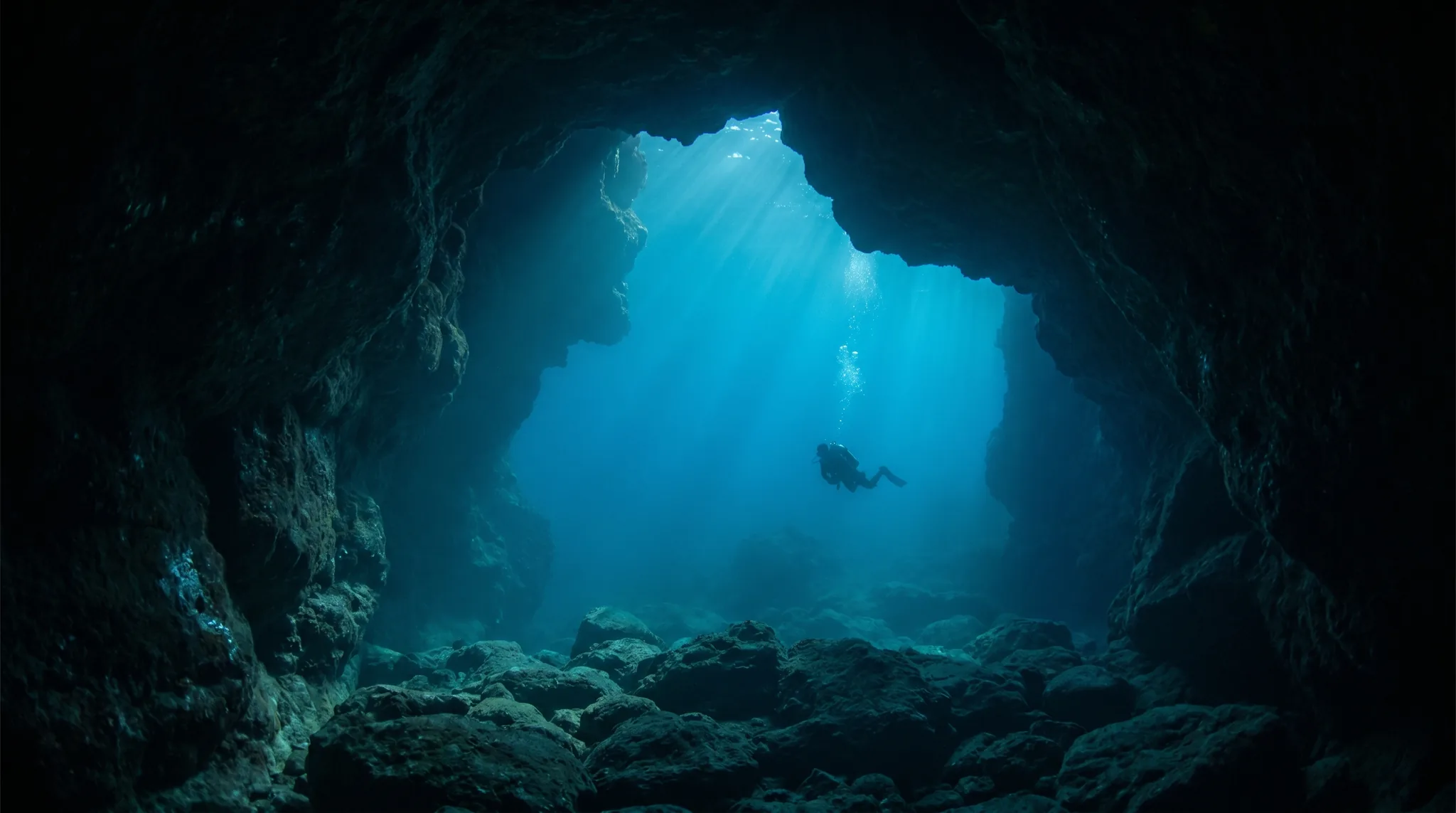
Volcanic geology shapes almost every dive in El Hierro. Walls and reefs are the most common site types, often combined with caves, caverns, and canyons. Several sites feature pronounced drop-offs, and El Bajón offers a submerged volcanic pinnacle with a crater. Artificial reef structures appear at a small number of sites including El Rincón and El Desierto. This variety means divers can move between sheltered cave dives, dramatic wall dives, and open-water pinnacle dives within the same destination.