Ophioblennius atlanticus
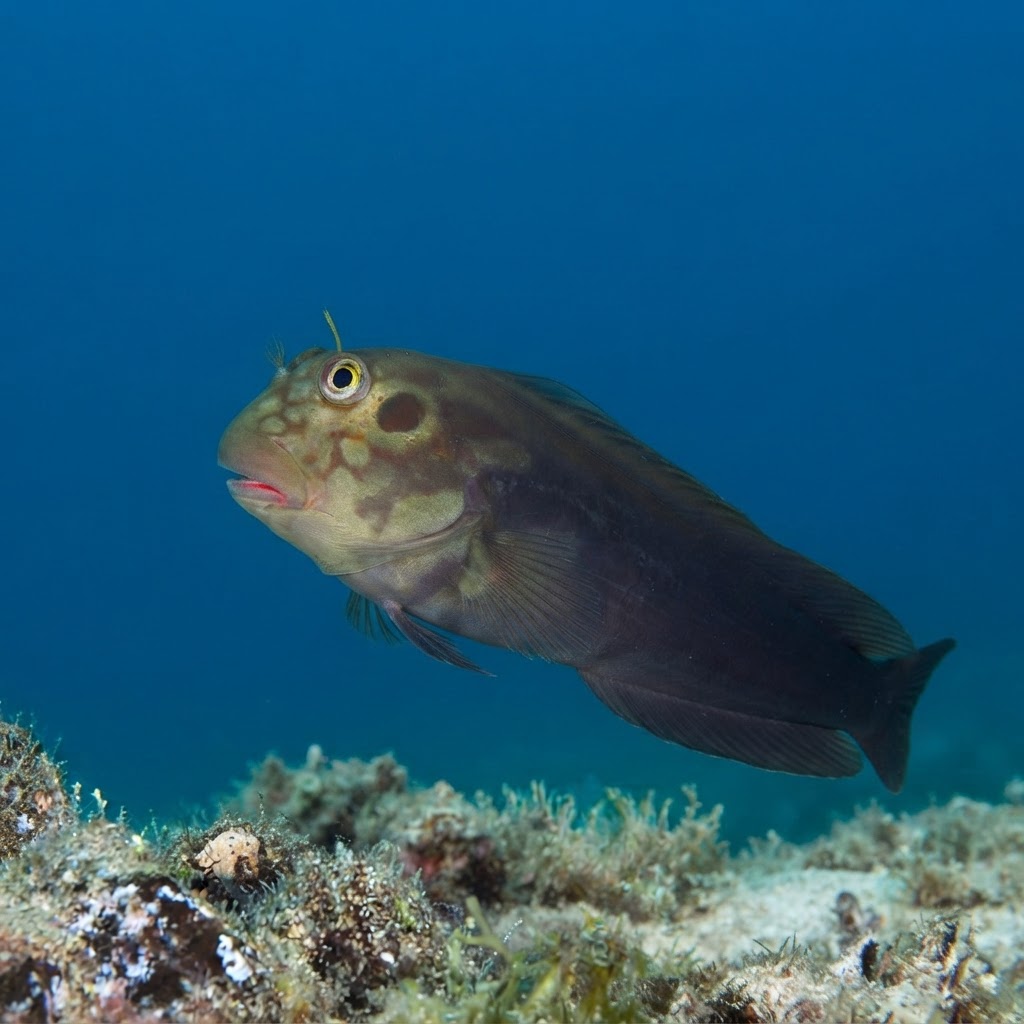
Common on rocky reefs around Tenerife and Gran Canaria, this bold little blenny with red-rimmed lips sits year-round in 18-24C Atlantic water.
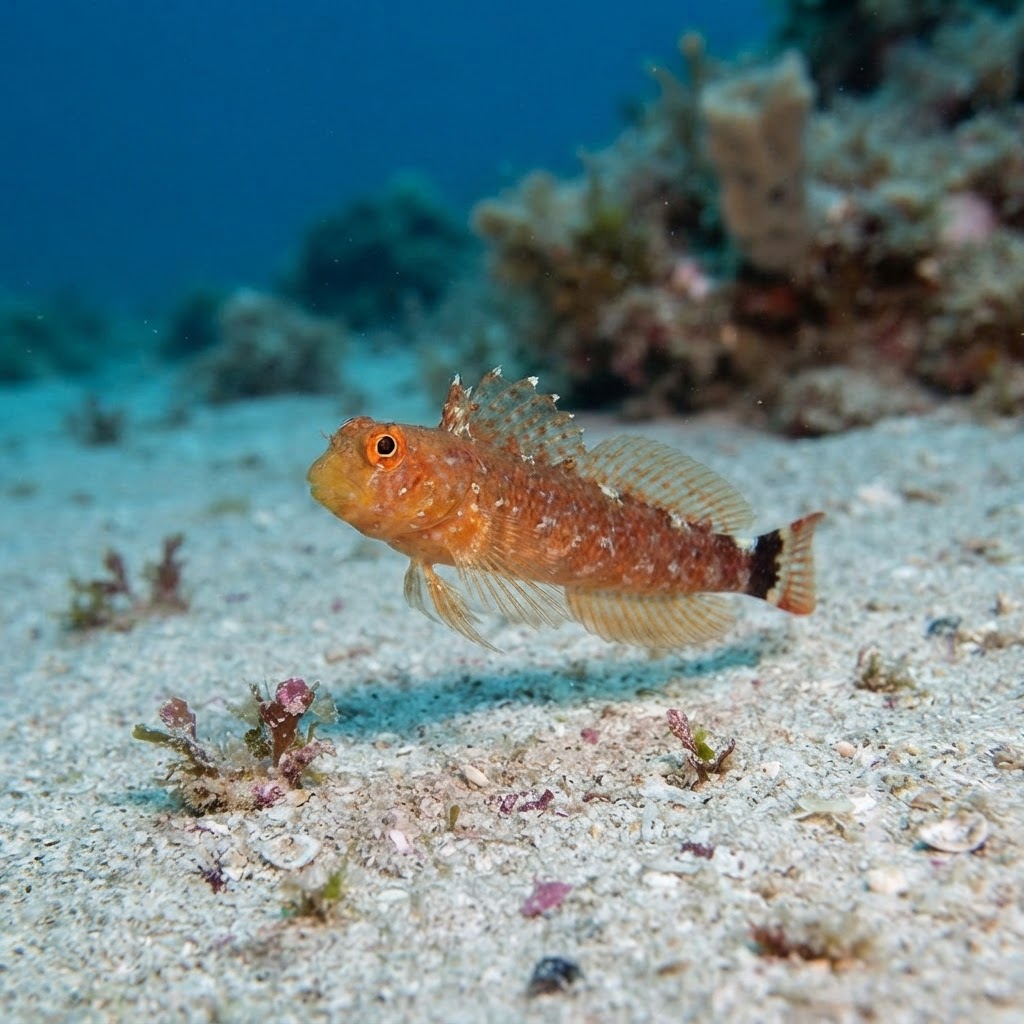
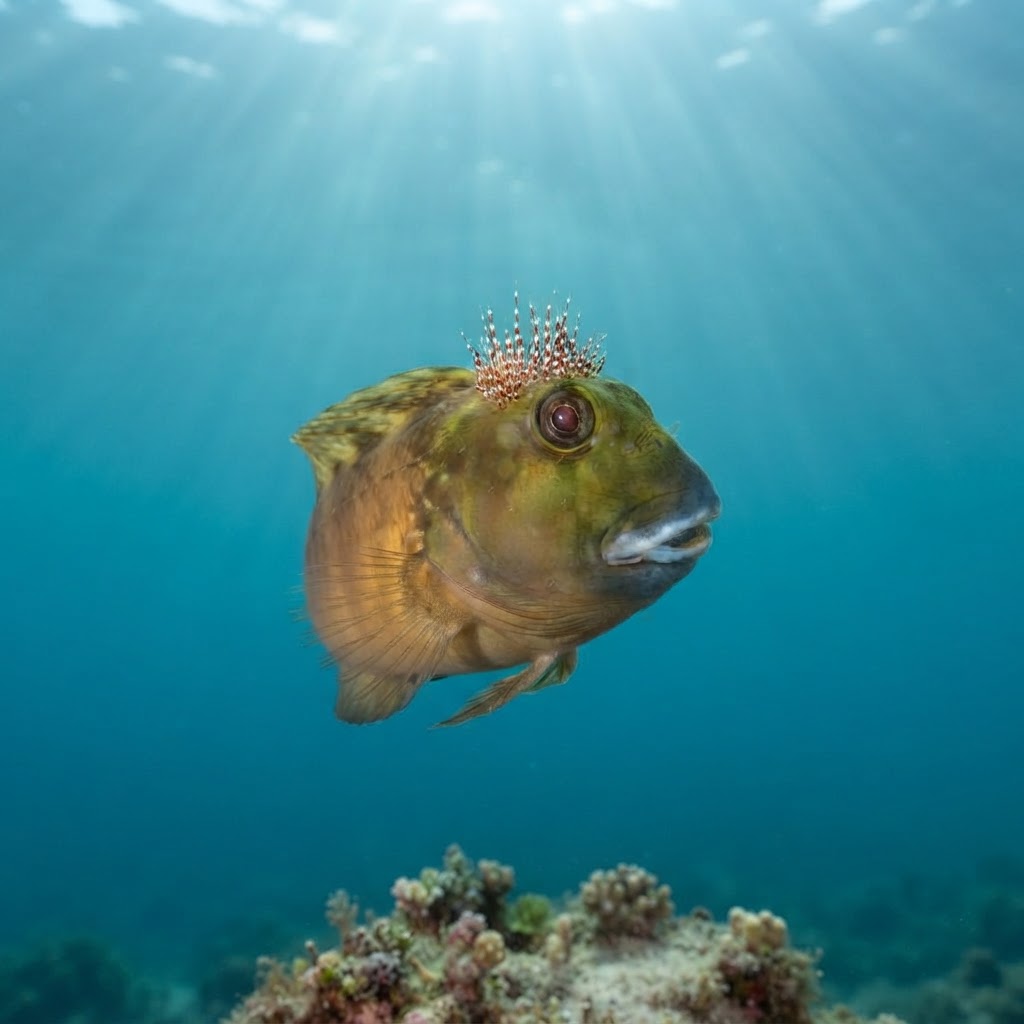
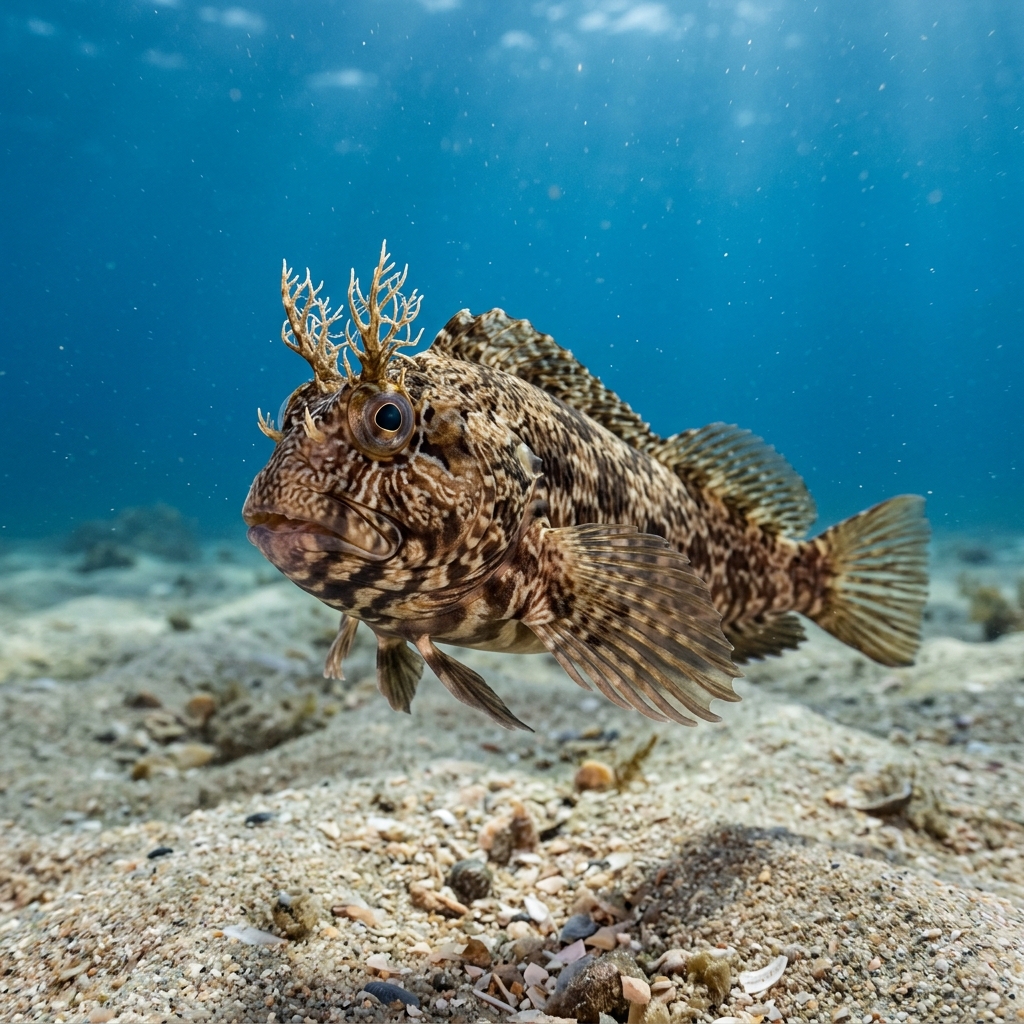
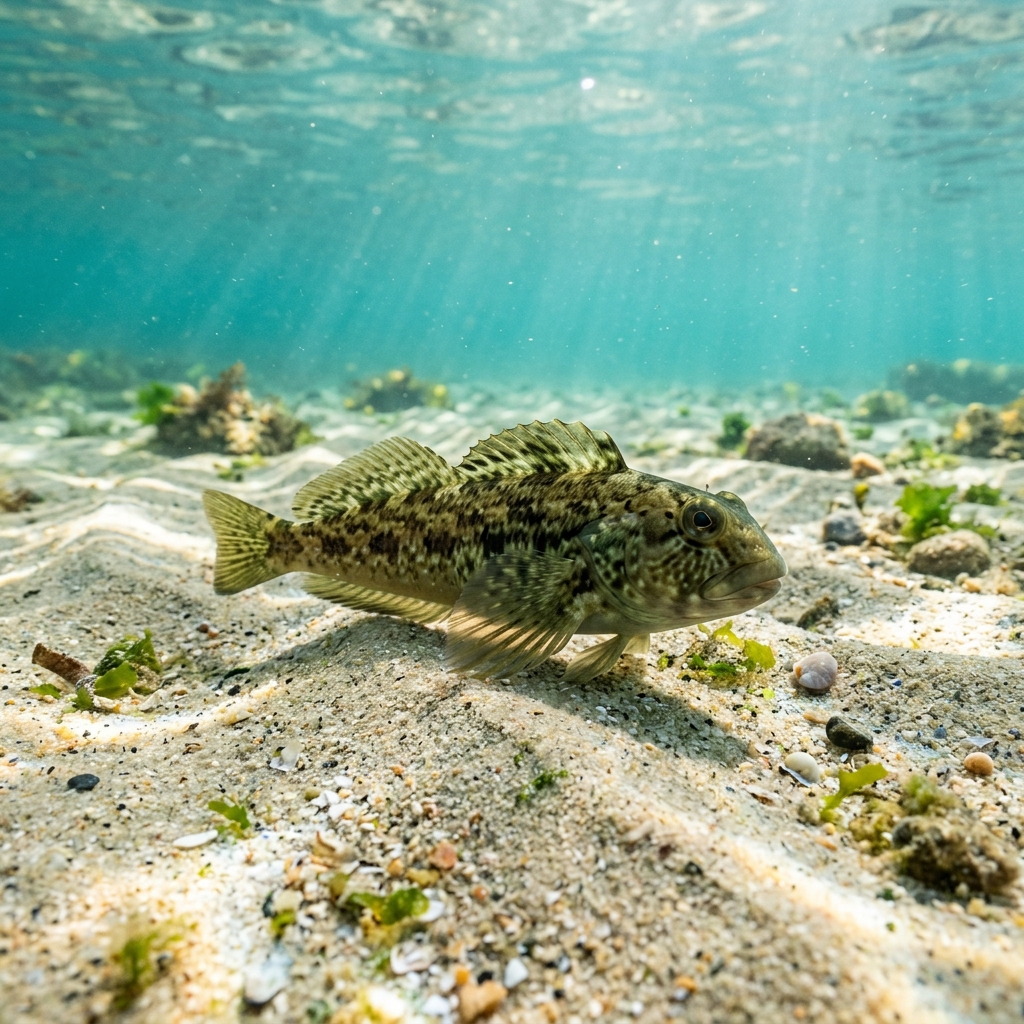
A stocky little fish at just 13 cm, usually seen propped on its pectoral fins on a rock rather than swimming in open water. The mottled brown-grey body blends into volcanic reef, but the bright red-orange lips are the giveaway and give it its name. Look for a blunt head with small tufted appendages above the eyes (cirri, one useful term) and a habit of perching motionless before darting for cover.
Expect to find it wedged into a crevice or perched on a bare rock in shallow, wave-washed reef, watching the world go by rather than actively swimming. It holds its ground fairly well as divers approach, often only retreating into a hole at the last moment, then poking its head straight back out. Most sightings come from rocky volcanic terrain rather than sand or coral, and it is active by day.
Those red lips are not just decoration: males use lip and jaw displays, along with head-butting and biting, to defend a patch of rock from rival blennies, so a bit of territorial posturing between two individuals is a normal sight.
No clear seasonal pattern shows up in the sightings, and with a comfortable range of roughly 18 to 24C across these island chains it is a fish you can look for on any dive, any month.
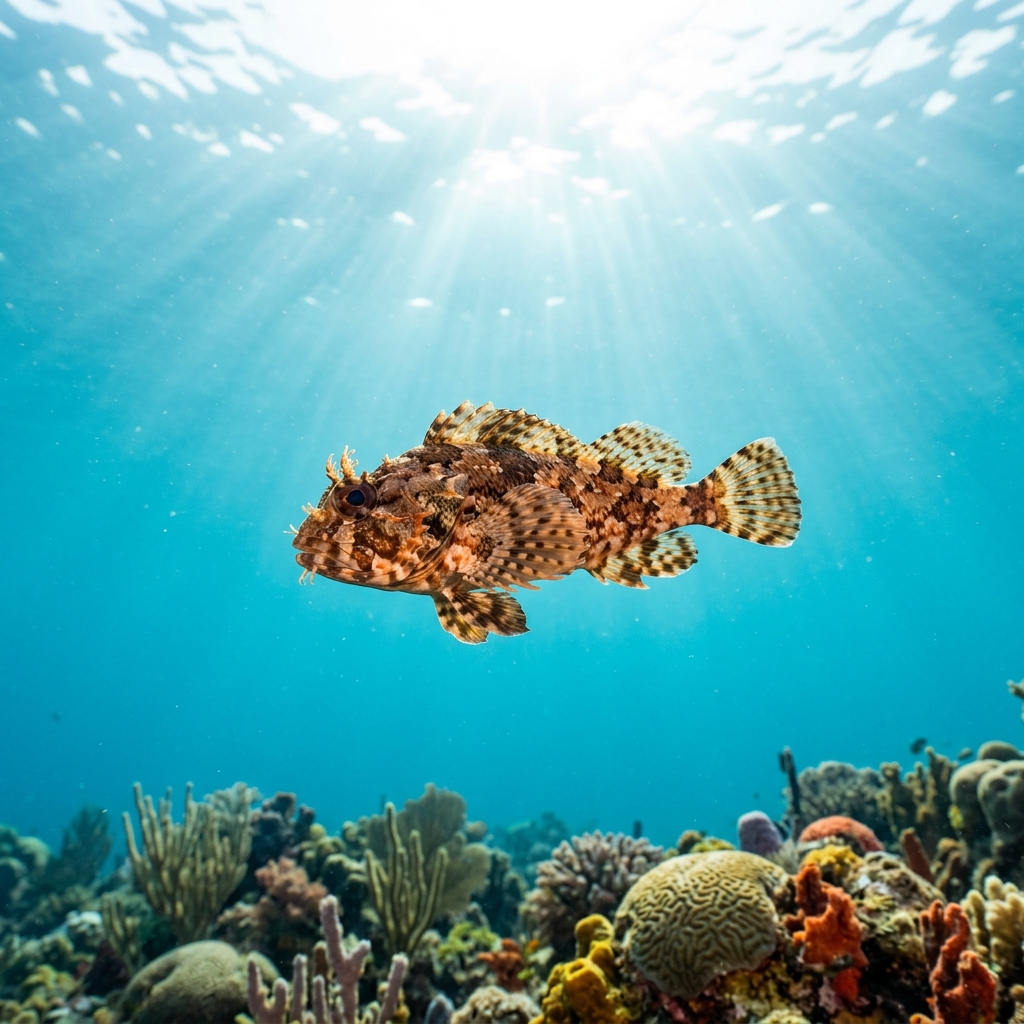
Reef neighbours a diver could mistake it for. Use the identification notes above to tell them apart.
This is very much a Macaronesian and eastern Atlantic fish: it is most logged around Tenerife, Gran Canaria, Lanzarote, El Hierro, Fuerteventura and La Palma in the Canary Islands, with further strong populations around Sao Miguel and Santa Maria in the Azores and Madeira Island. It also turns up in Cape Verde and, less often, off Senegal.
Mapping where East Atlantic Redlip Blenny is logged…
It is a reliable sighting across the Canary Islands, especially Tenerife, Gran Canaria and Lanzarote, and also shows up around the Azores, Madeira and Cape Verde.
There is no strong season in the sightings, and it sits comfortably in 18 to 24C water year-round, so any month is a fair bet at these Atlantic island sites.
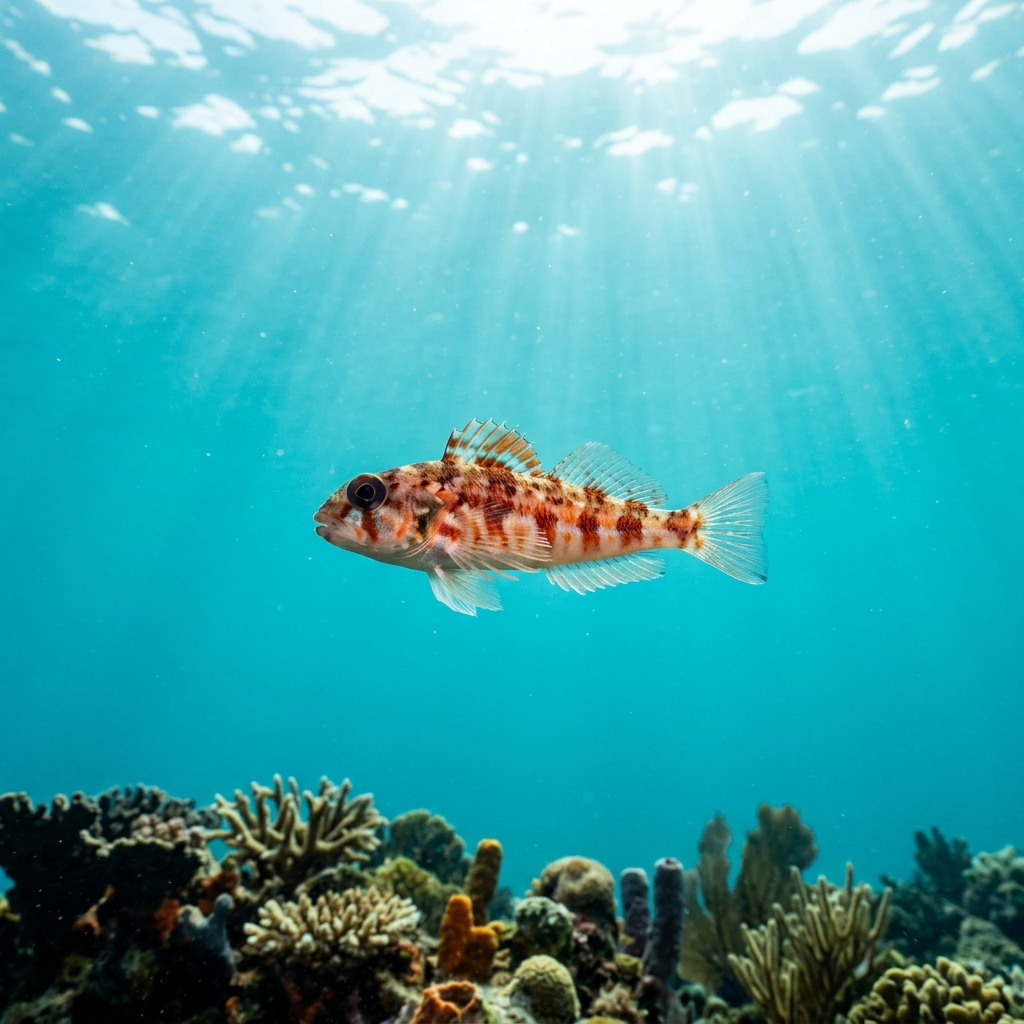
Look for a small mottled brown fish, about 13 cm, perched still on volcanic rock with bright red-orange lips and tufted cirri above the eyes. It rarely swims far and prefers to hold its position rather than school.
They max out around 13 cm, small enough that divers often spot them only once they know to scan bare rock surfaces closely.
No. They are harmless to divers and simply retreat into a crevice if approached too closely.
Males defend small rocky territories using visible lip and jaw displays, sometimes escalating to head-butting rival blennies, which makes for interesting close-up viewing if you spot two together.
Site and sighting data is aggregated from diver logs, iNaturalist and GBIF. For taxonomy and conservation status:
Rusty Blenny
2,605 sites