Sarda sarda
Fast, torpedo-shaped predators seen year-round in Lanzarote's waters, 7 to 23 C, usually solo or in small uncommon groups.
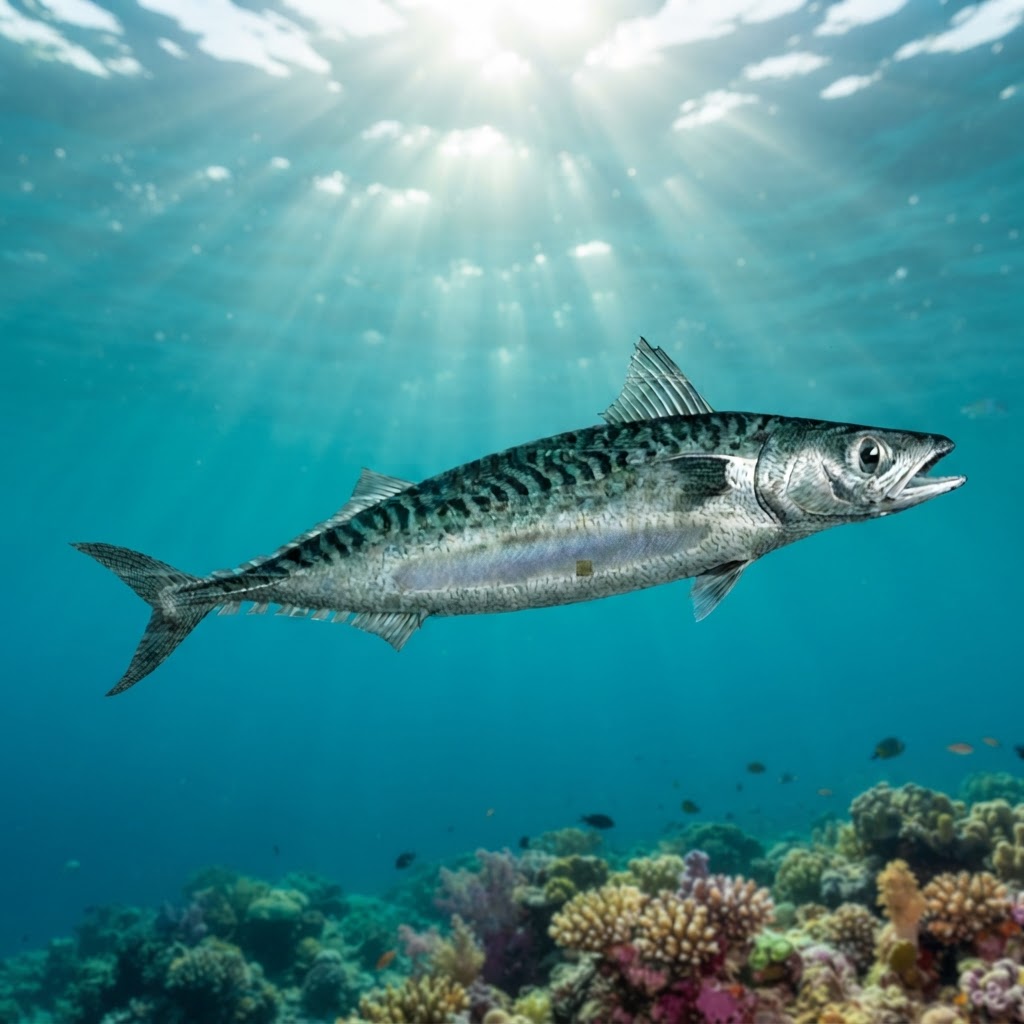
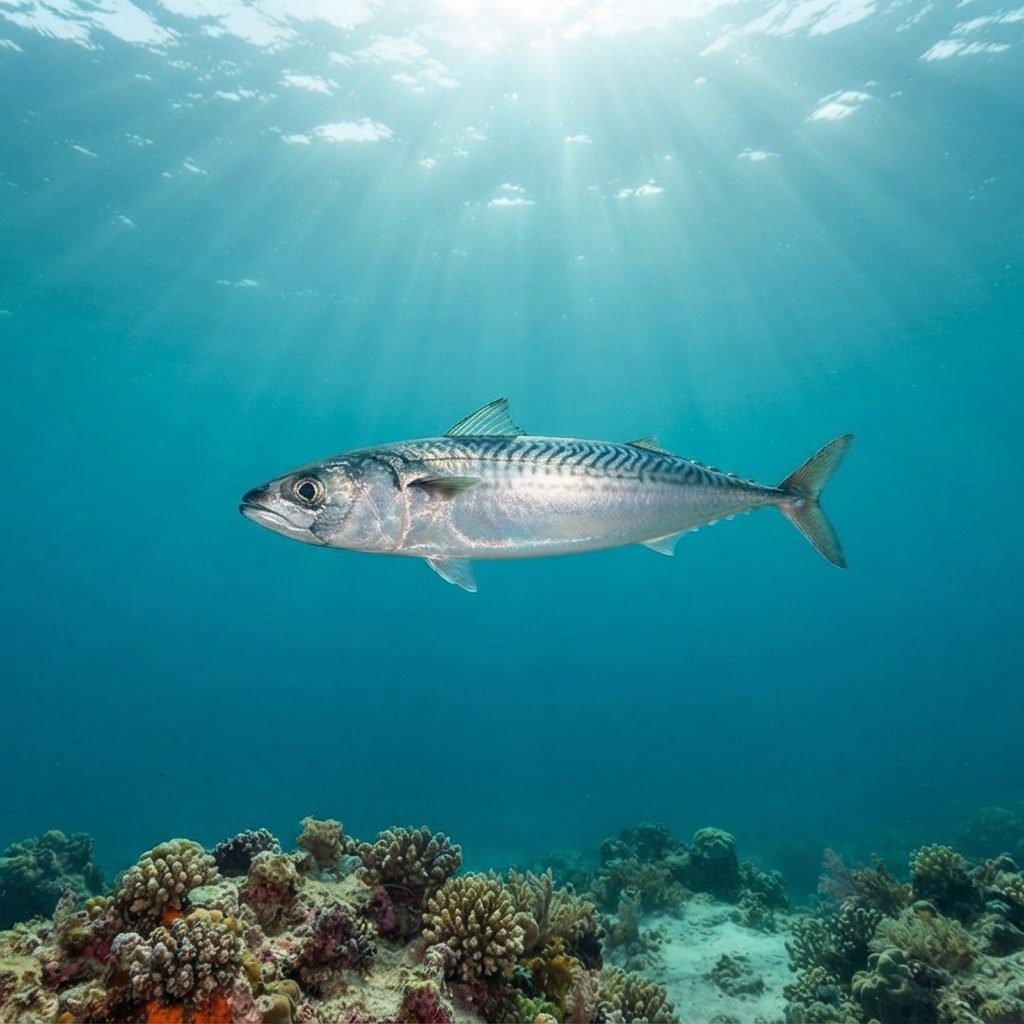
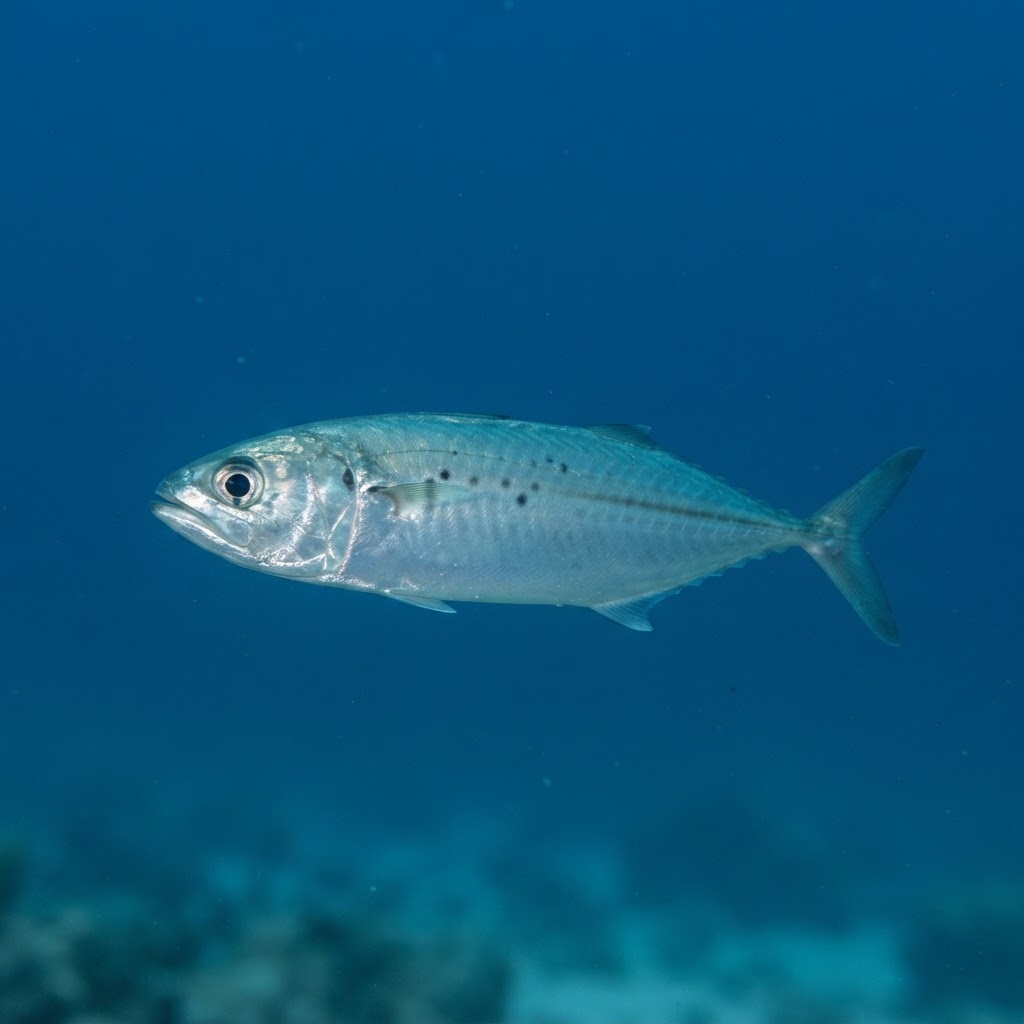
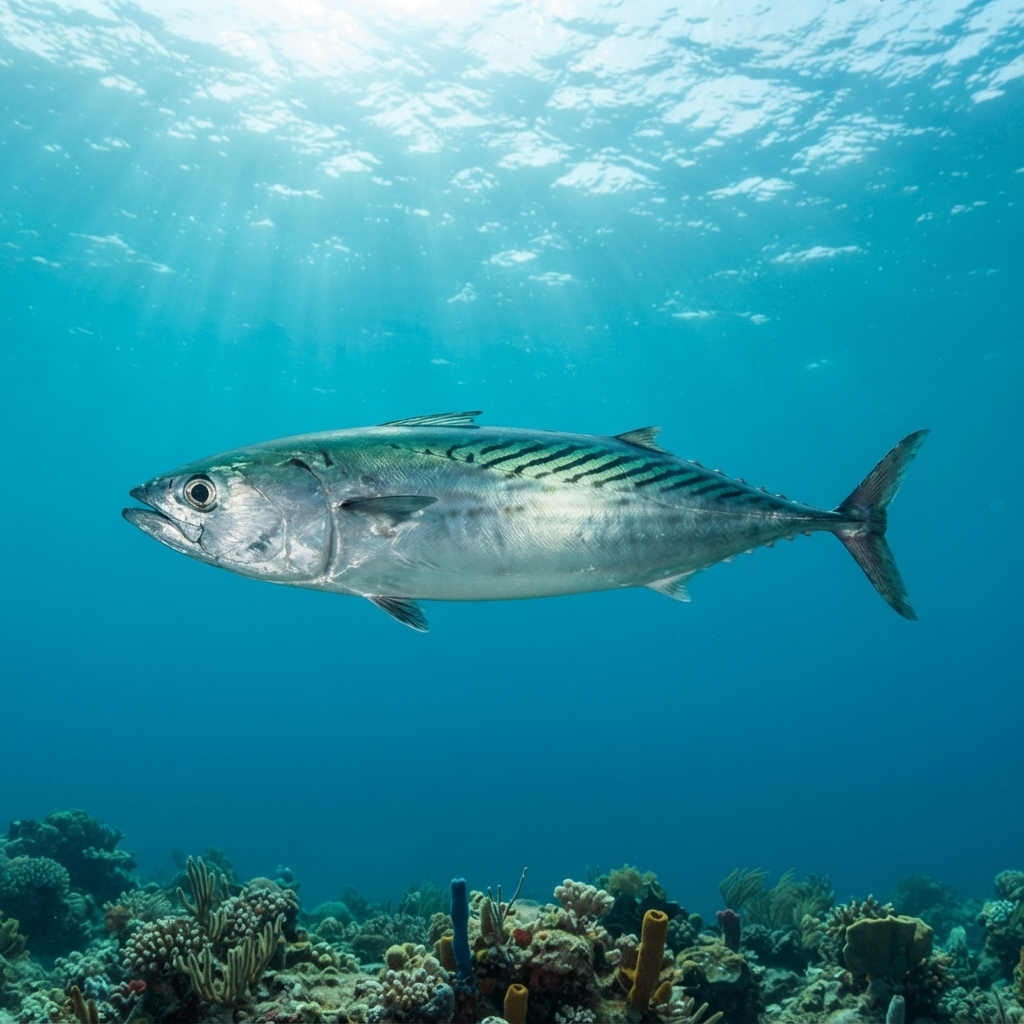
A slim, torpedo-shaped fish around 64 cm long with a steel-blue to greenish back marked by dark, slanted stripes running diagonally toward the head. The belly is silvery white and unmarked, and the body tapers to a narrow tail base typical of the mackerel and tuna family. There's no dramatic difference between the sexes or between juveniles and adults beyond overall size.
Divers typically spot it cruising in open water rather than hugging the reef, often alone or in small loose groups rather than tight schools. It moves quickly and keeps its distance, behaving more like a passing predator on the hunt for small baitfish than a fish that lingers for a look.
Bonito hunt in short, fast bursts of speed to run down schooling baitfish, which is usually the only clue divers get before it vanishes back into open water.
Sightings are spread through the year with no clear seasonal peak in the data, and the wide temperature niche (7 to 23.4 C) means it can show up on Canary Islands dives across most months.
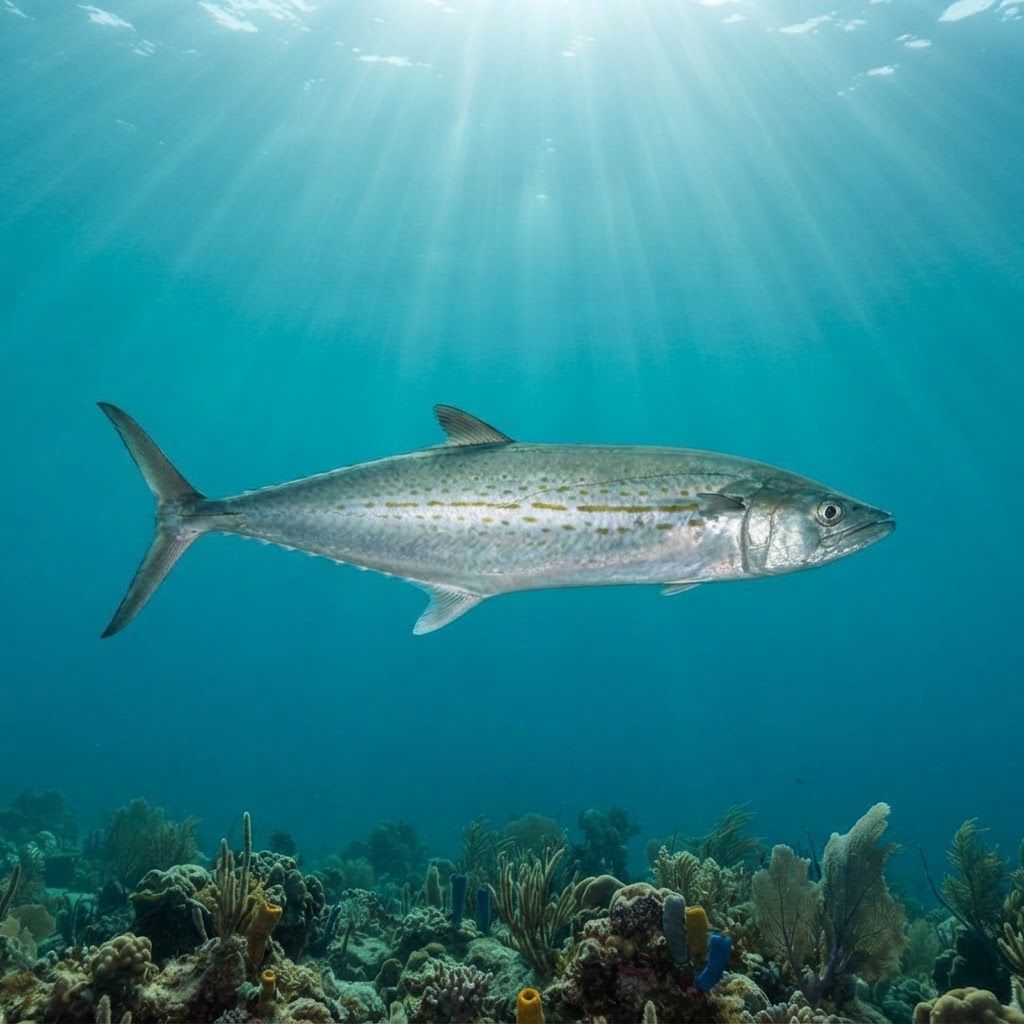
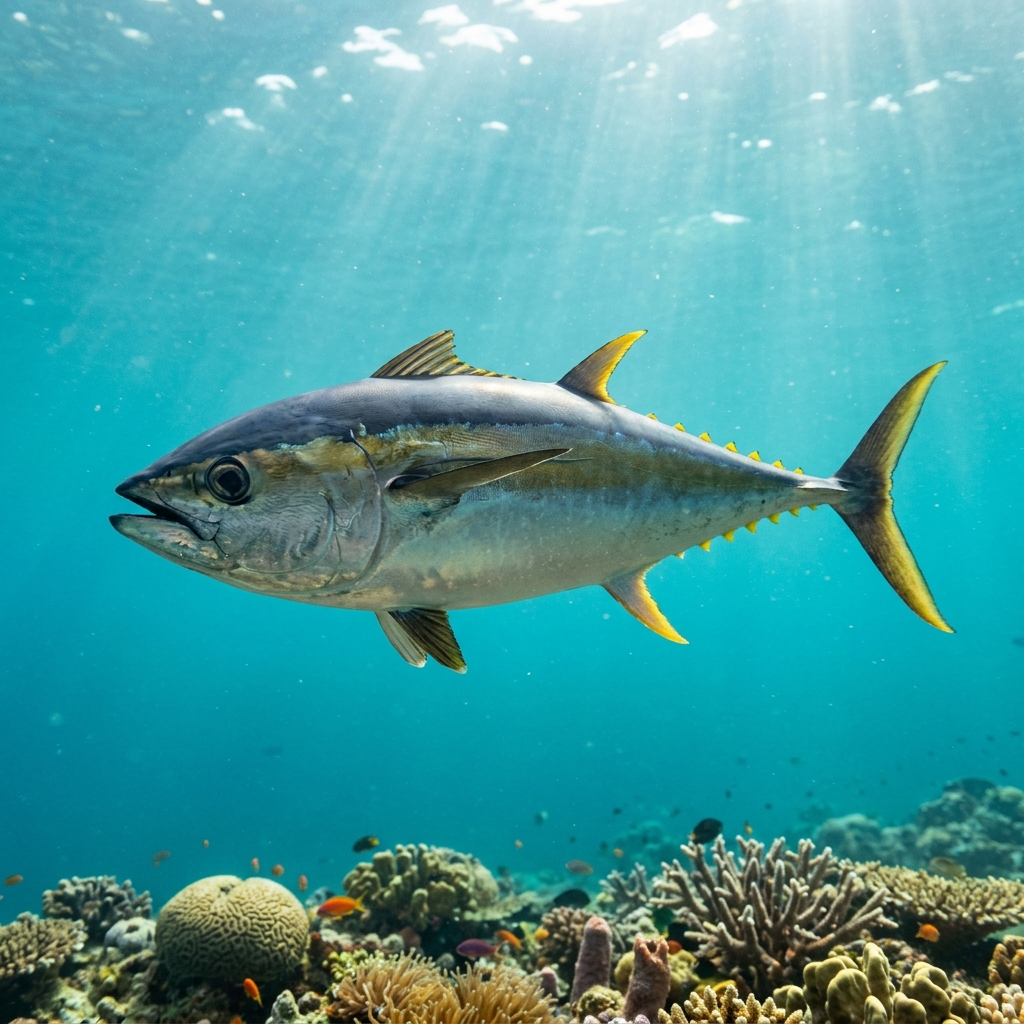
Reef neighbours a diver could mistake it for. Use the identification notes above to tell them apart.
Most reliably logged around the Canary Islands, especially Lanzarote and Tenerife, where divers encounter it as an uncommon to rare open-water sighting. It also turns up occasionally off the Carolinas in the United States and along France's French Riviera and Provence coast.
Mapping where Atlantic Bonito is logged…
The Canary Islands are the strongest spot, particularly Lanzarote and Tenerife. It's also occasionally logged off the Carolinas in the United States and the French Riviera in France.
There's no clear seasonal pattern in the sightings, so it's treated as a year-round possibility on Canary Islands dives, where water stays within its comfortable temperature range for most of the year.
Look for a slim, fast-moving fish about 64 cm long with a steel-blue back crossed by dark diagonal stripes and a plain silvery belly. It usually appears in open water rather than near the reef structure.
Divers typically see them around 64 cm long, a mid-sized member of the mackerel and tuna family.
No. They're fast open-water predators that keep their distance from divers and pose no threat.
Site and sighting data is aggregated from diver logs, iNaturalist and GBIF. For taxonomy and conservation status:
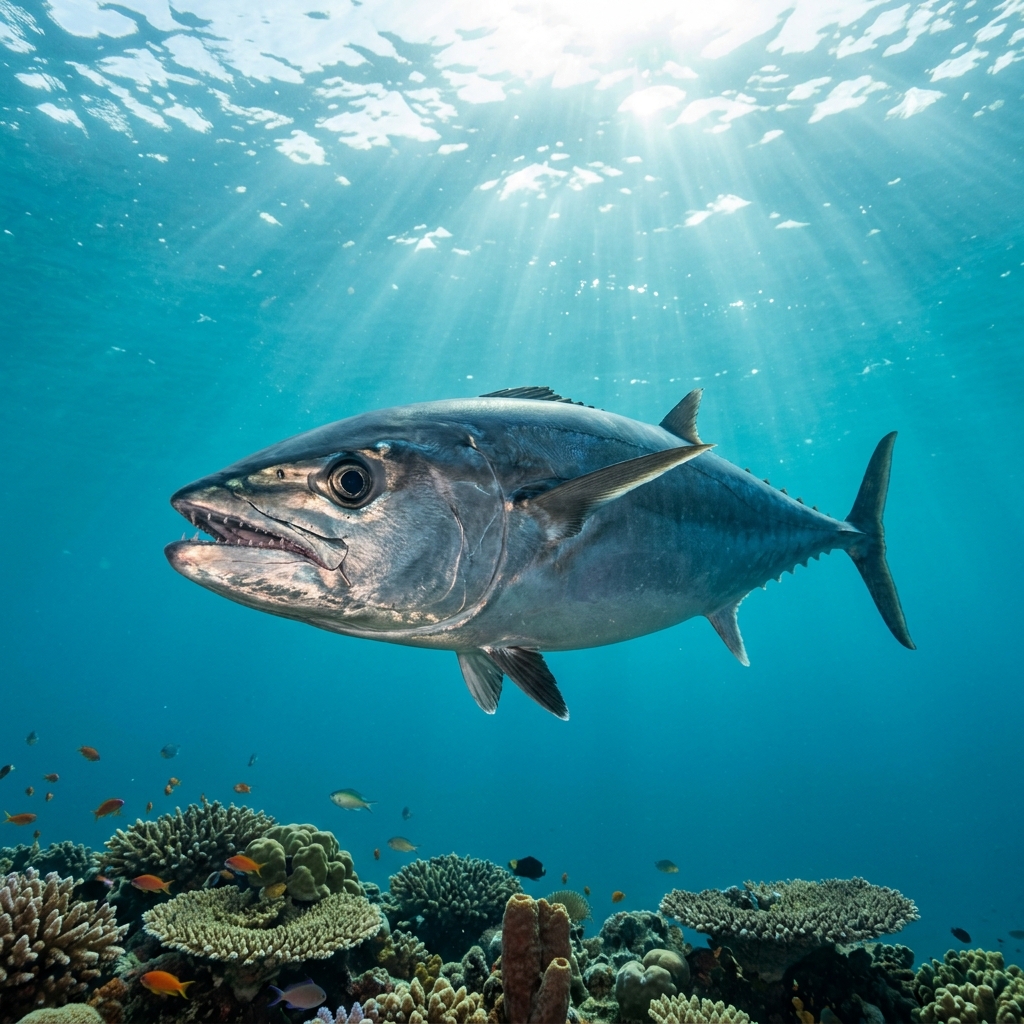
Dogtooth Tuna
629 sites