Enchelycore anatina
Spot the Fangtooth Moray across the Canary Islands, Cyprus and Madeira in 18-24 °C Atlantic and Mediterranean waters. ID tips and top dive sites inside.
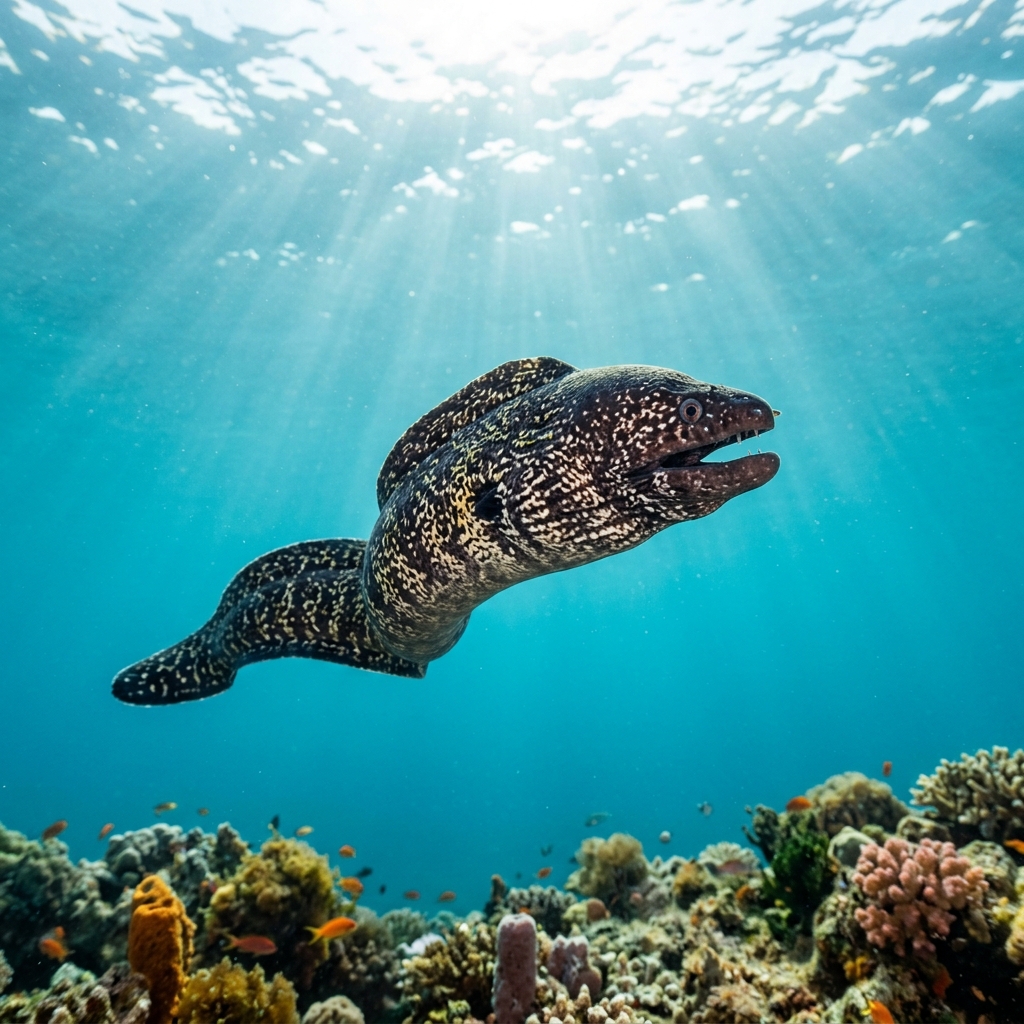
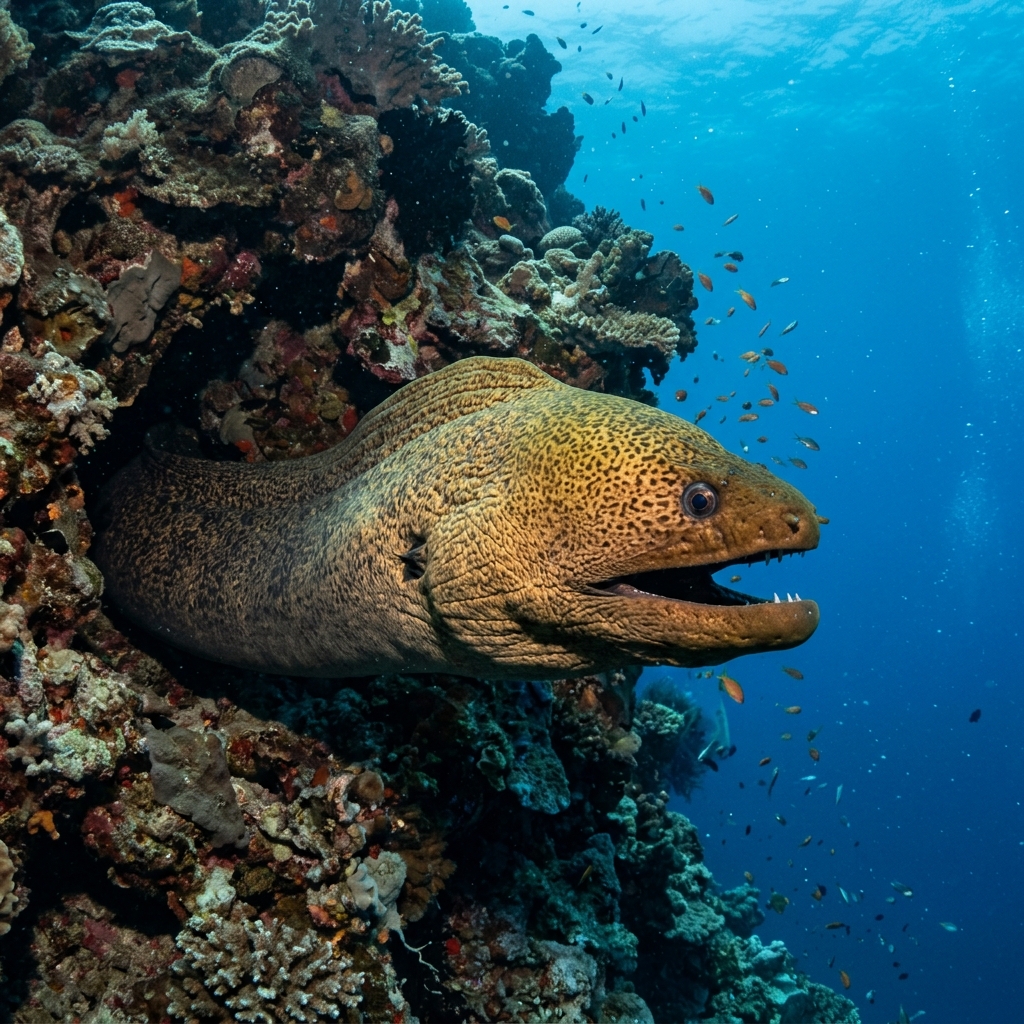
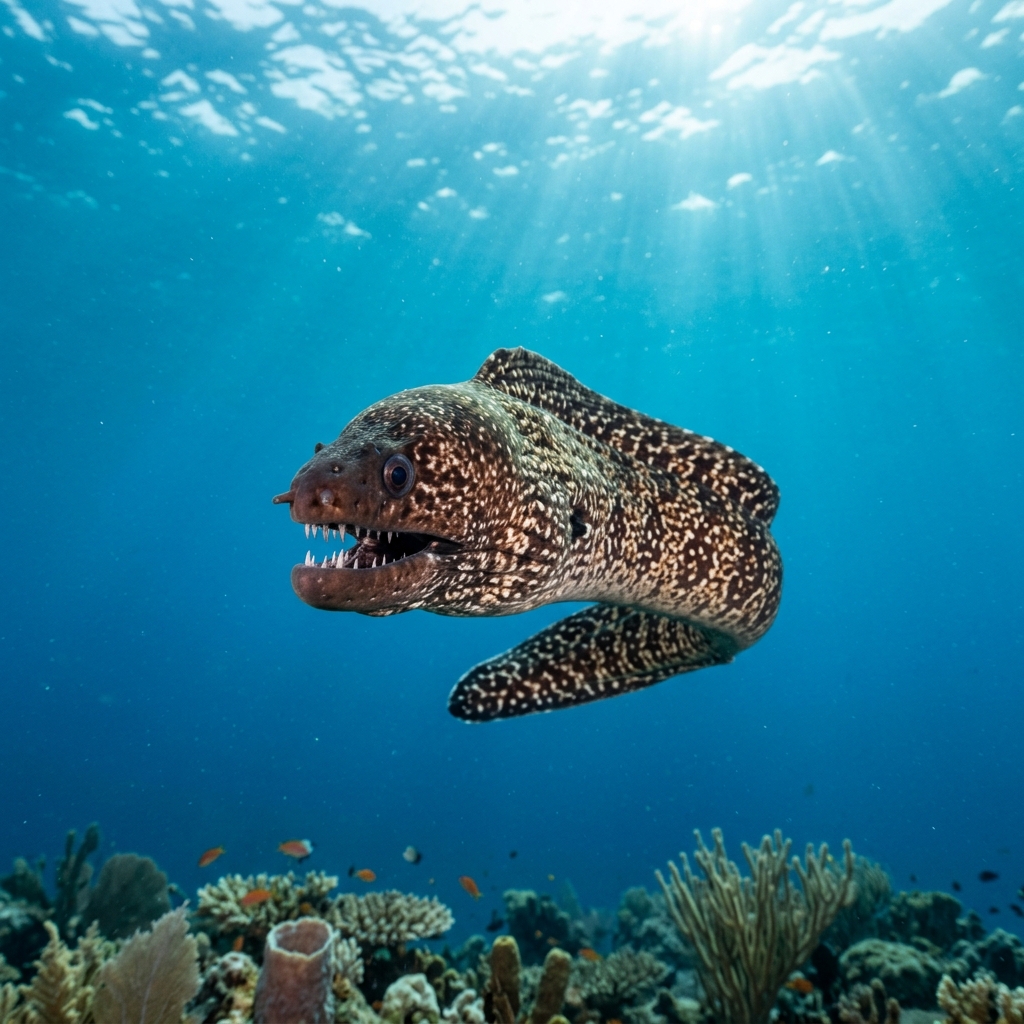
Look for the signature hooked, needle-like teeth that interlock visibly even when the mouth is closed, giving the face a distinctly menacing, fang-studded profile that no other local moray shares. Body colouration is mottled brown and cream with irregular pale blotching across a slender, muscular frame. The snout is noticeably narrow and elongated compared to the broader-headed Mediterranean Moray, and the jaw visibly curves upward at the tip, preventing a fully closed mouth.
Like most morays, it spends the day tucked into rocky crevices and reef cavities with just the head and upper body exposed, rhythmically opening and closing its jaws to move water across its gills. At night it leaves its shelter to hunt actively along the reef. When encountered by divers it typically holds its position, retreating further into cover only if approached very closely.
Those interlocking fang-like teeth are not just for show: they are adapted for gripping slippery, fast-moving prey such as fish and cephalopods, preventing escape once seized. This dentition is what distinguishes the genus Enchelycore from the broader moray family.
No clear seasonal peak has emerged from diver records, so it can be treated as a year-round target. The species is observed in water temperatures from roughly 18 to 24 °C, which aligns with the fairly stable conditions found at its main sites throughout the year.
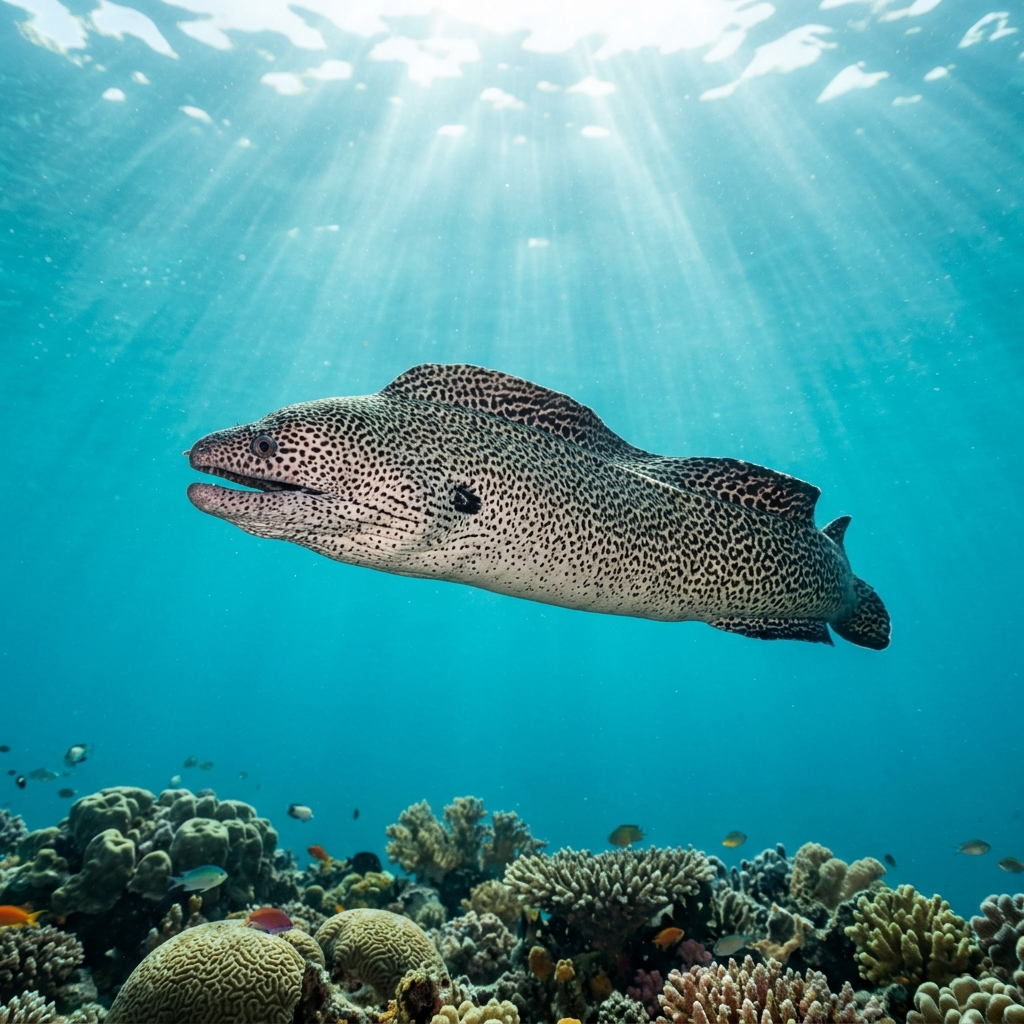
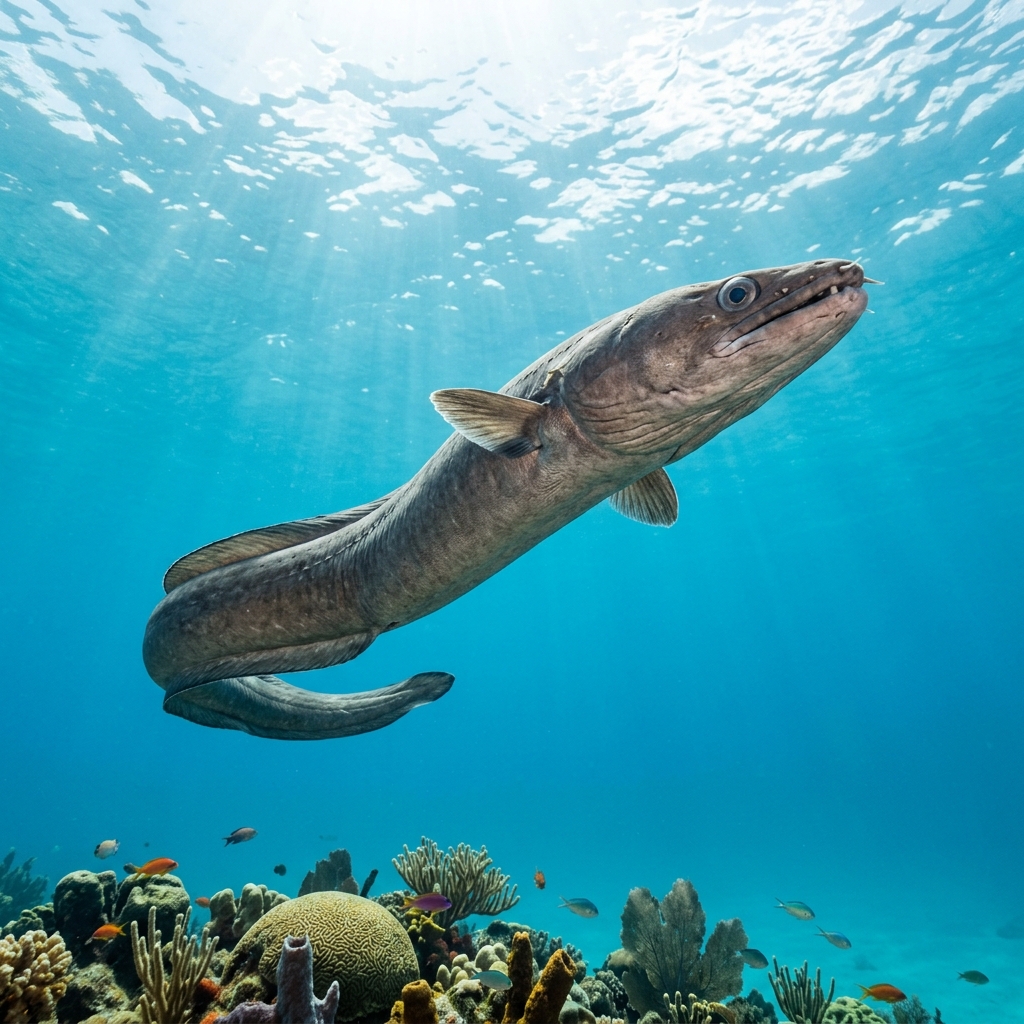
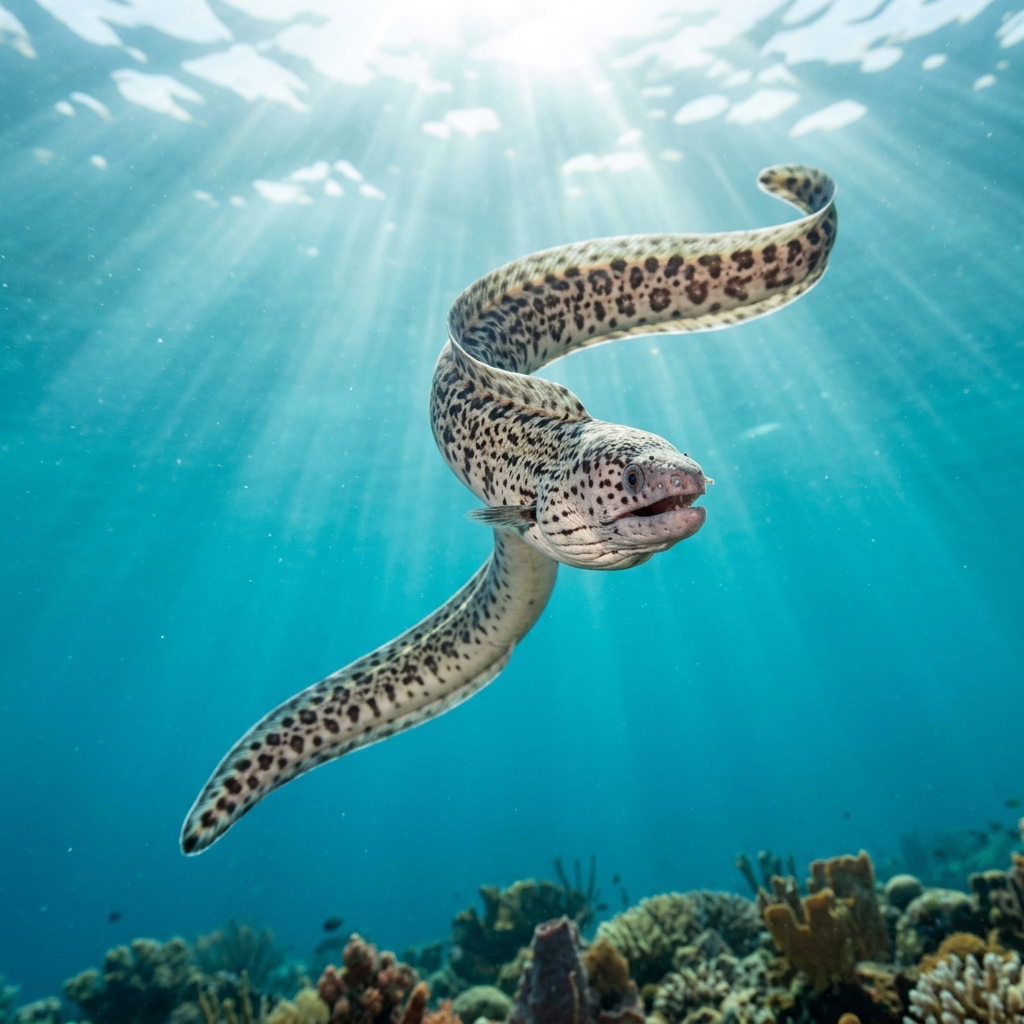
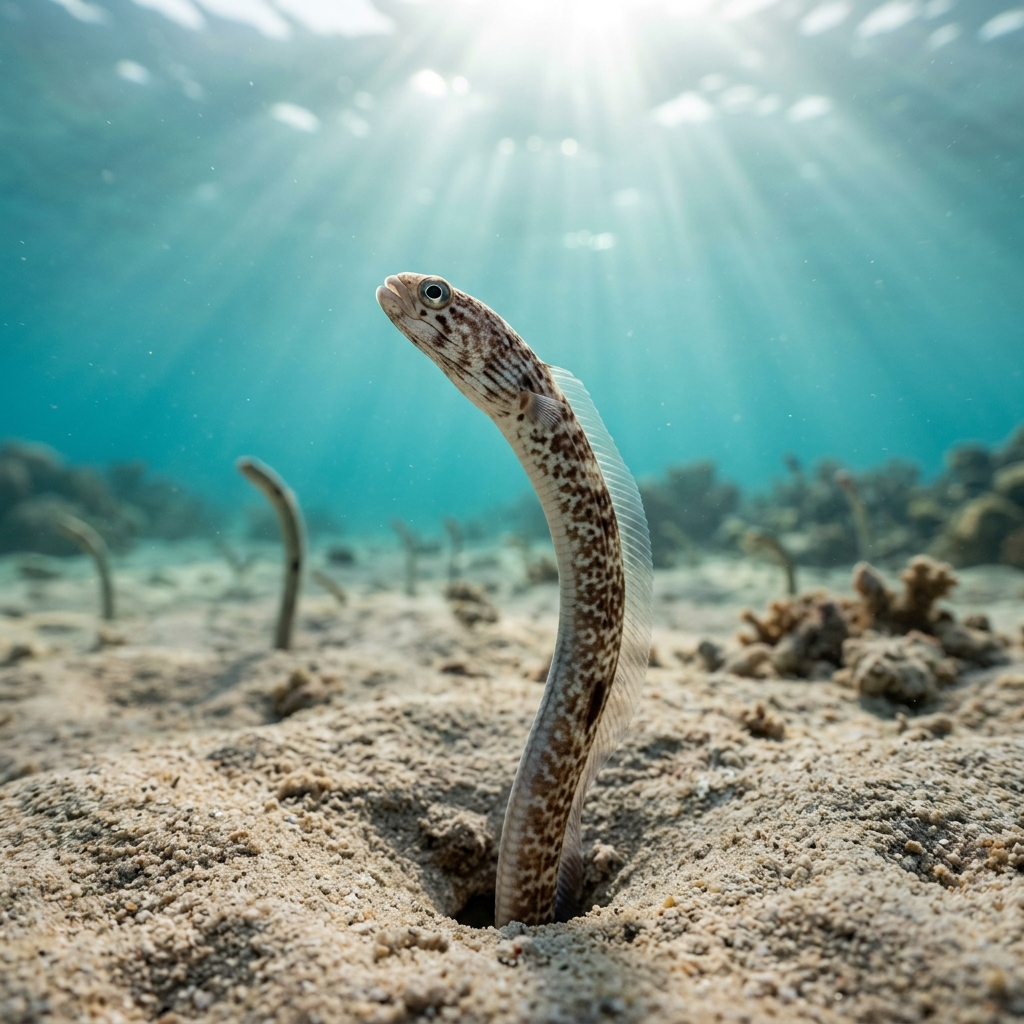
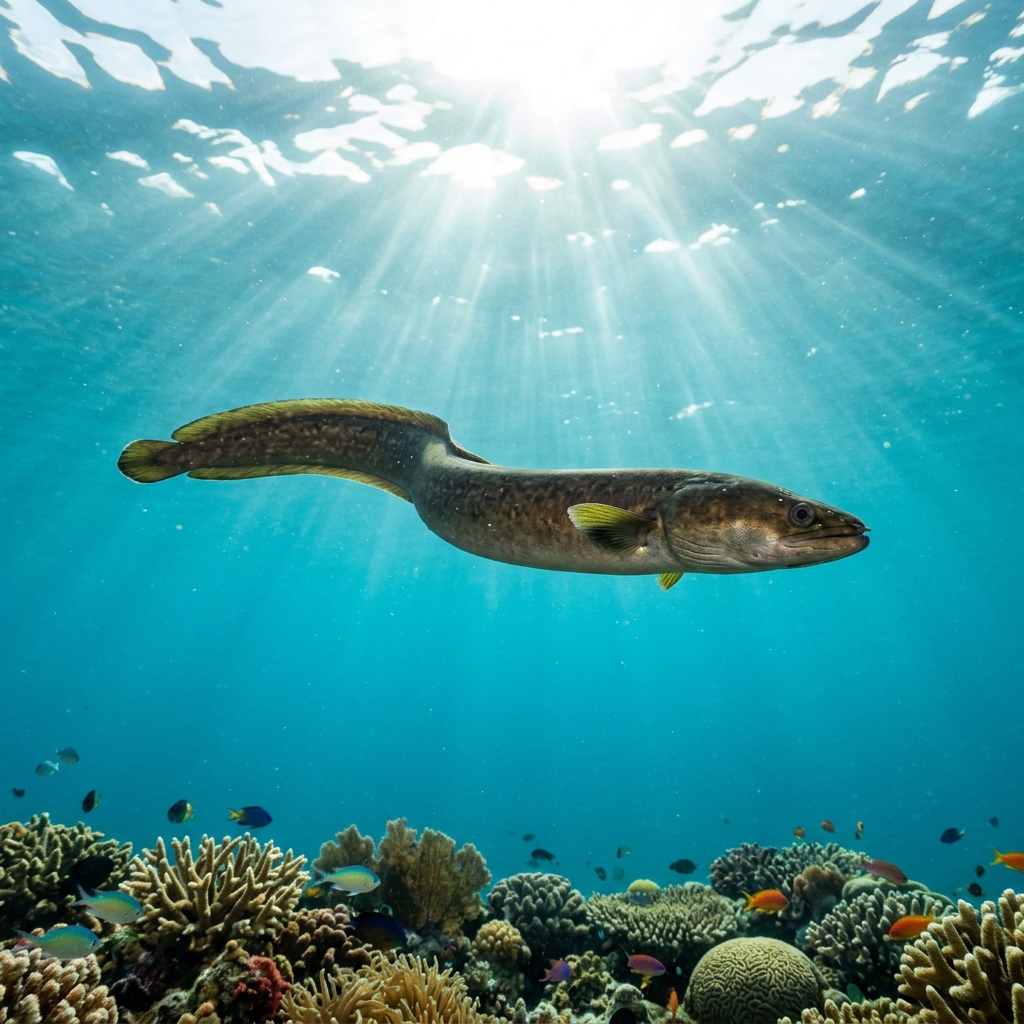
Reef neighbours a diver could mistake it for. Use the identification notes above to tell them apart.
Most commonly logged across the Canary Islands, where Tenerife, El Hierro, Lanzarote, La Palma, and Fuerteventura all produce consistent records. Strong populations are also documented around Cyprus (particularly Ayia Napa and Protaras), Madeira Island, and Crete in Greece. Outside these Atlantic and Mediterranean hotspots, sightings become notably sparse.
Mapping where Fangtooth Moray is logged…
The Canary Islands are by far the best-documented region, with Tenerife, El Hierro, Lanzarote, La Palma and Fuerteventura all featuring it regularly. Good numbers are also reported from Cyprus, Madeira and Crete. All of these are northeastern Atlantic or Mediterranean destinations.
Sightings are spread through the year with no defined peak season in the data. The species tolerates a moderate temperature range of roughly 18 to 24 °C, which is available year-round at most of its main sites, so any month is a reasonable bet.
Focus on the teeth: long, needle-like fangs that interlock and remain visible even with the mouth shut, curving the tip of the jaw slightly upward. Combined with a narrow, elongated snout and mottled brown-and-cream blotching, this makes the Fangtooth Moray one of the more distinctive morays in the eastern Atlantic.
No. Although the prominent teeth look alarming, Fangtooth Morays are not considered dangerous and will typically retreat rather than advance when disturbed. As with any moray, avoid putting hands into reef crevices where one might be sheltering.
Most diver records rate it as uncommon at the sites where it appears, with only a handful of sites classifying it as common. Patience and slow, careful reef inspection improve your chances, as it often retreats into crevices and may only show its head.
Site and sighting data is aggregated from diver logs, iNaturalist and GBIF. For taxonomy and conservation status:
Garden Eel
2,448 sites