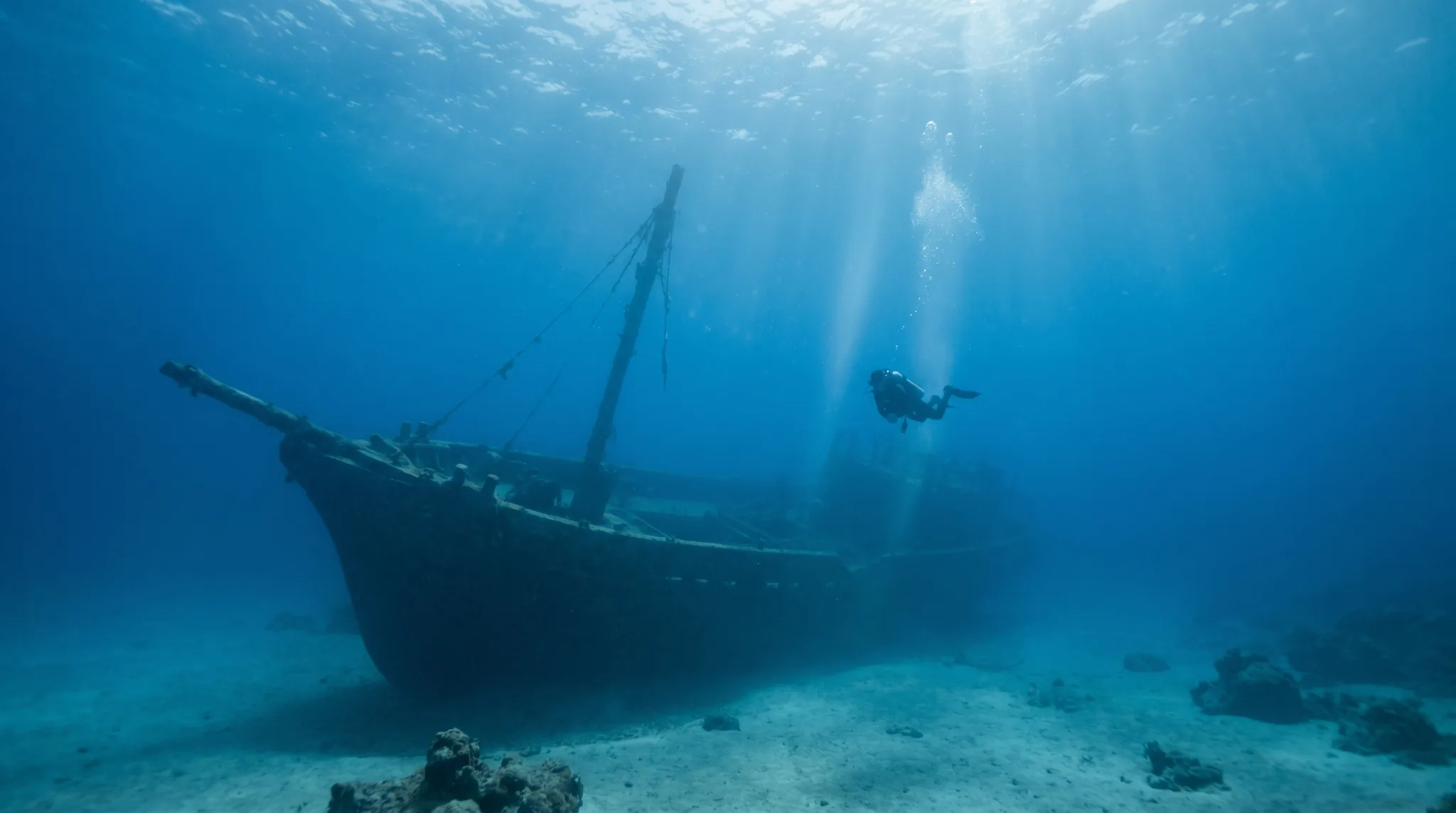
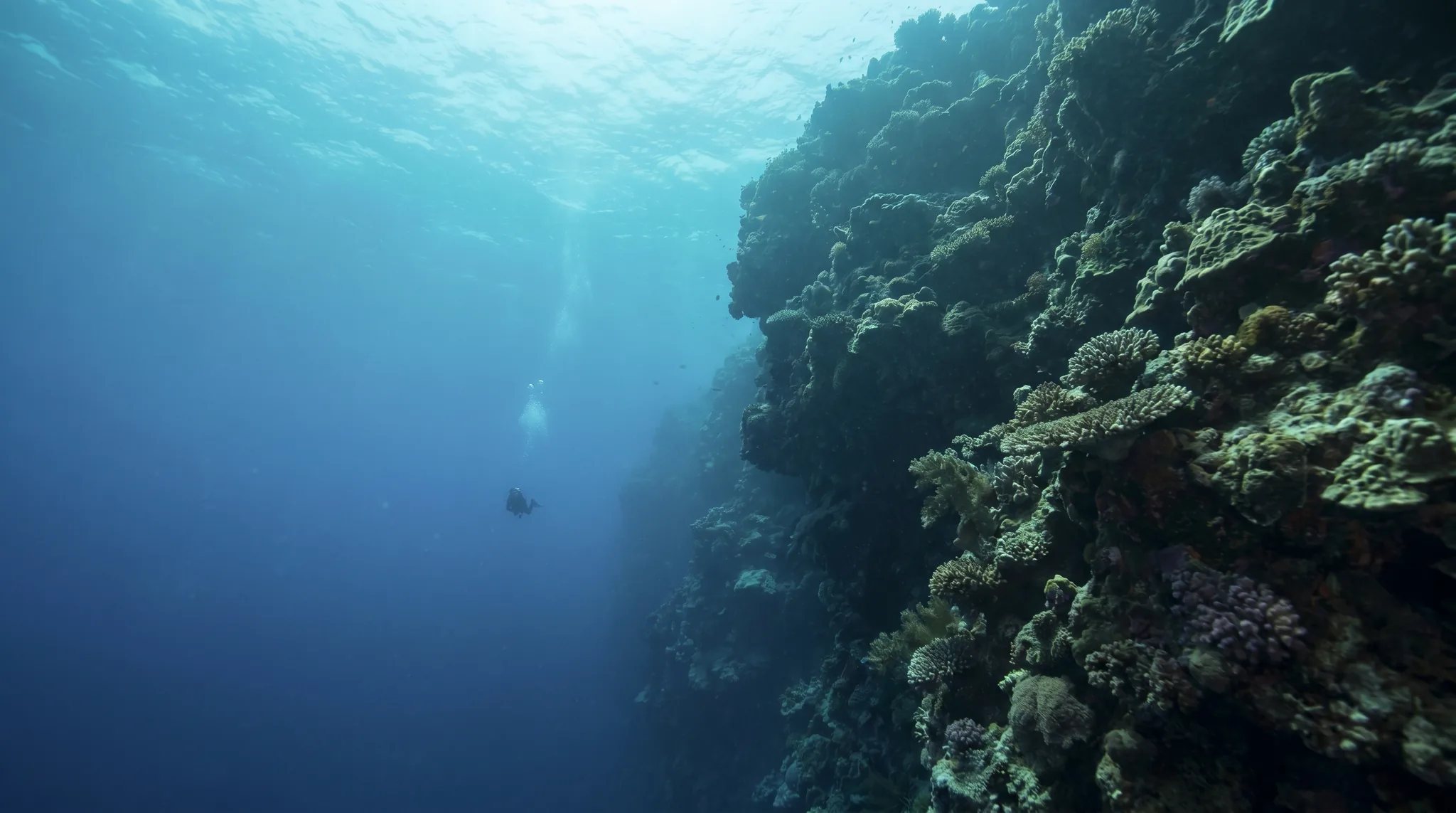
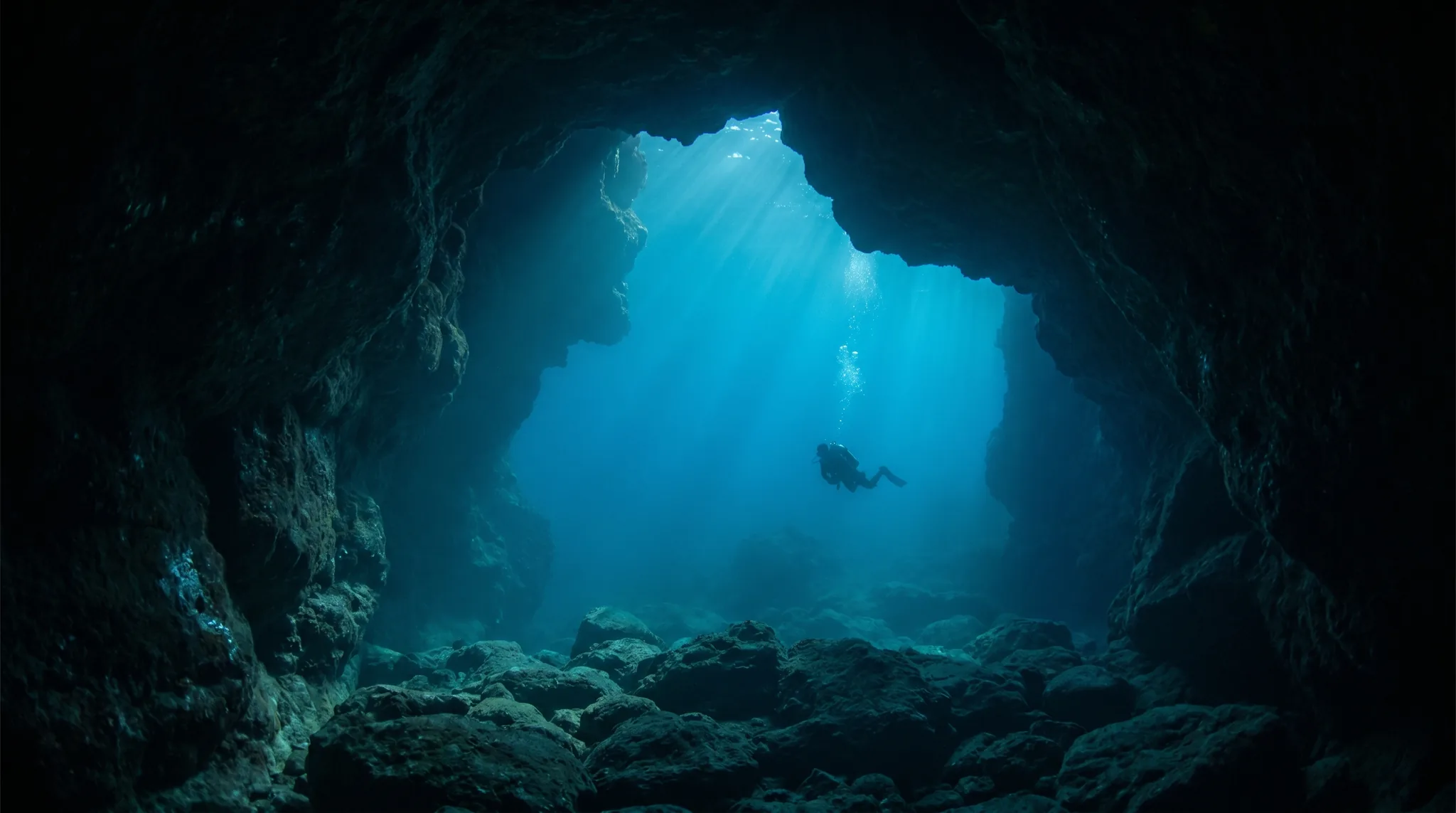
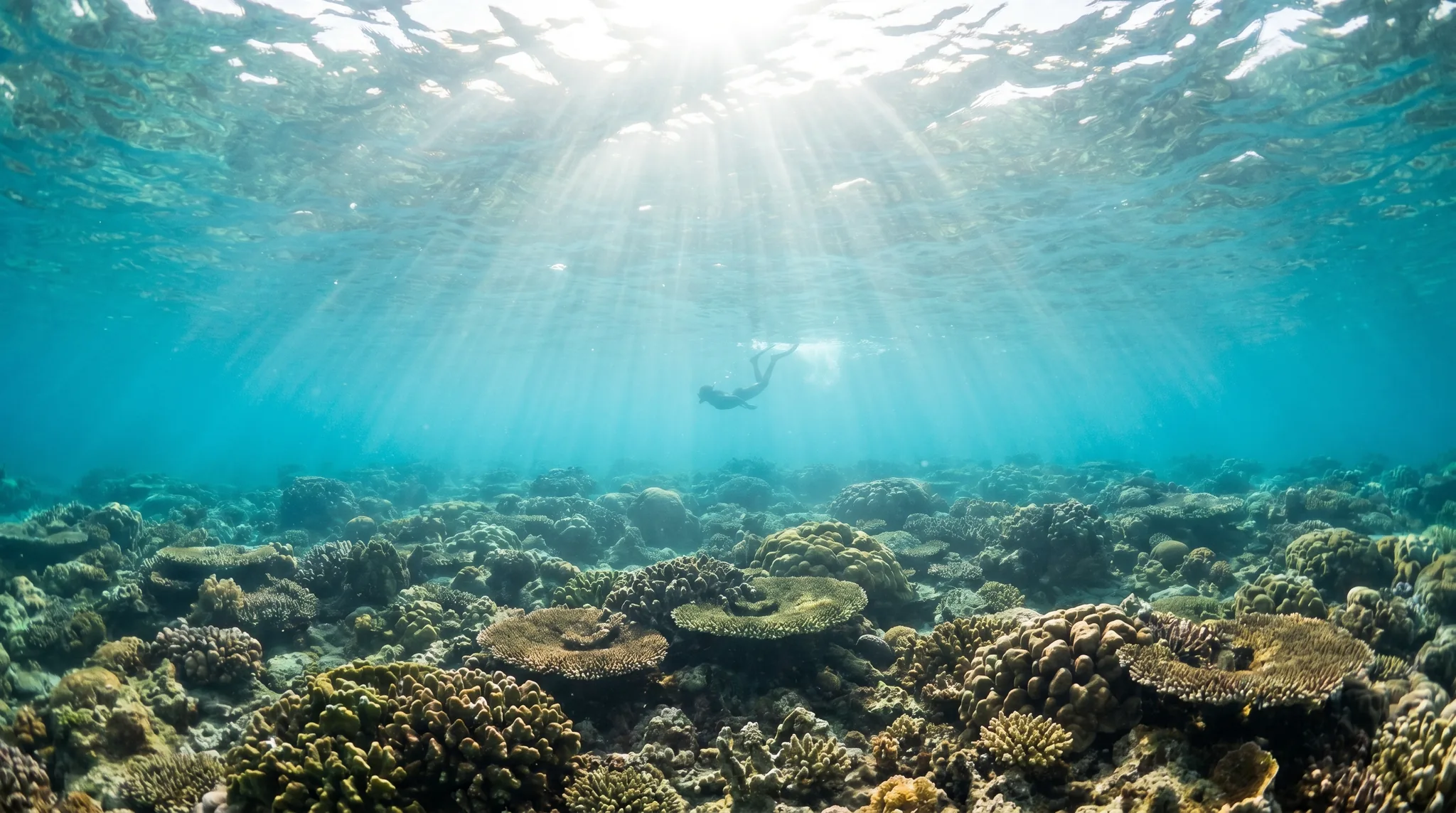
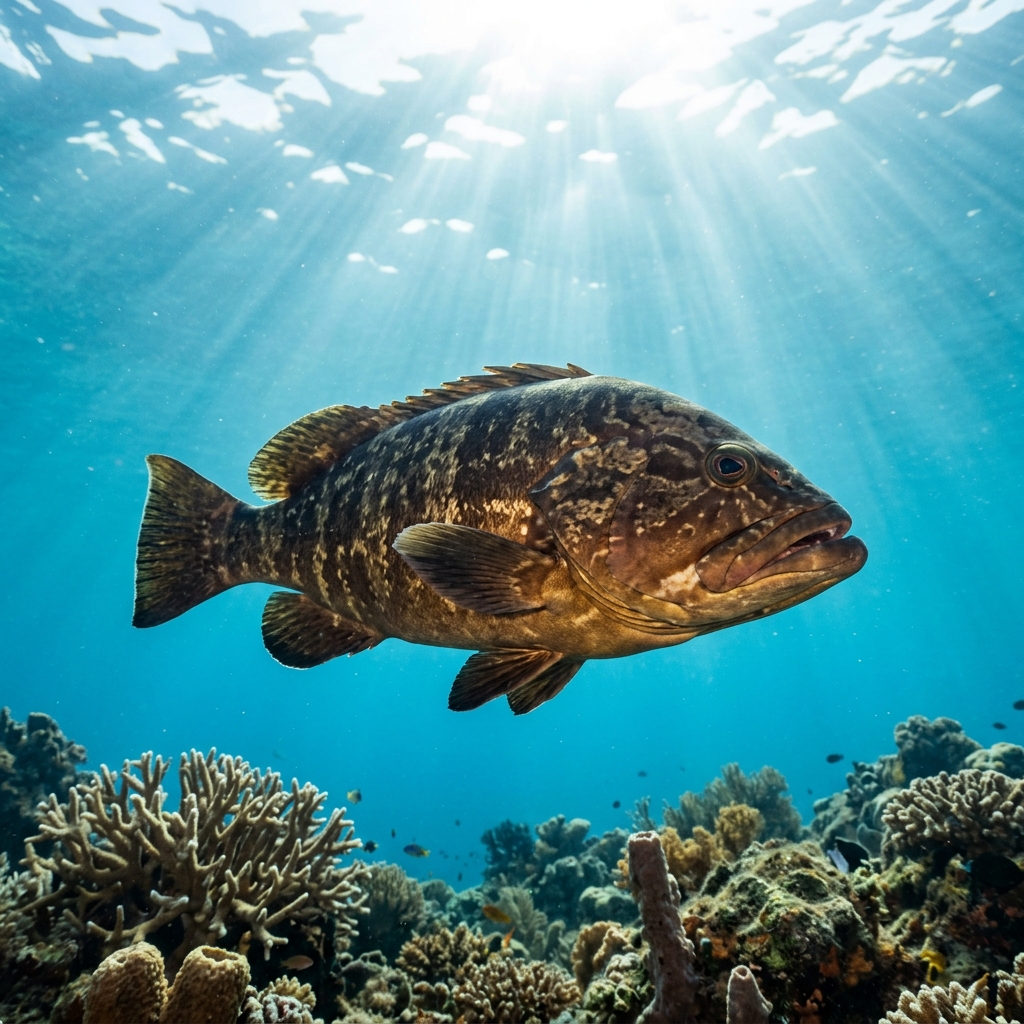
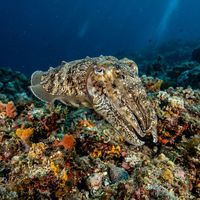
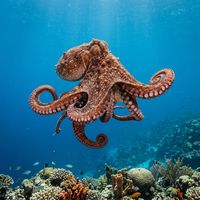
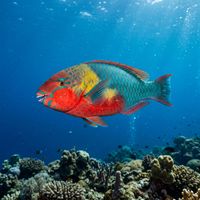
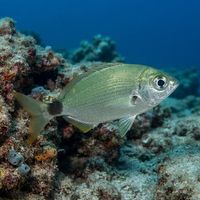
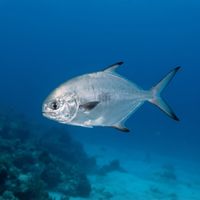
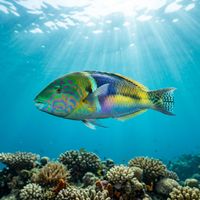
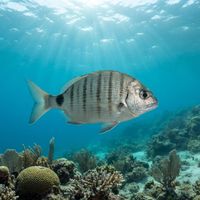
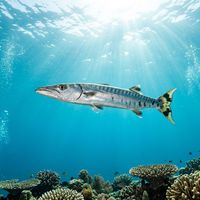
Corralejo's diving is defined by volcanic reef architecture: walls, caves, drop-offs and canyon systems spread across a large catalogue of boat-access sites. The European Parrotfish, Canary Damsel and Turkish Wrasse are constant reef companions, while Dusky Grouper, Common Octopus and European Common Cuttlefish reward slower, more attentive dives. Great Barracuda patrol the open water, and the Round Fantail Stingray and Marbled Electric Ray are regularly encountered on sandy patches. The site mix spans gentle beginner reefs through to deep advanced walls, including the notable Faro del Lobos and Nuevo Horizonte.
Monthly water temperature across Corralejo's sites, from satellite sea-surface data corrected for depth. The band shows the site-to-site spread.
Water temperature stays within a narrow, mild band year-round, dipping slightly in late winter and peaking from late summer into autumn. The best-months data points firmly to late spring and early summer as the prime window, when conditions settle and visibility extends further. Autumn also offers a solid secondary season before the quieter winter months.
8 operators
La Oliva, Canary Islands
La Oliva, Canary Islands
25 more sites to explore
Water temperature around Corralejo ranges from about 19°C in February to 22°C in August, based on satellite sea-temperature data for its dive sites.
In the warm season (about 22°C) a 3mm full suit is comfortable in Corralejo; in the coldest months (about 19°C) step up to a 5mm suit.
Fin maps 37 sites in Corralejo (37 scuba diving sites and 4 snorkelling spots, with some suited to both).
Across Corralejo's dive sites, May, June, July and October are most often reported as the best months to visit.
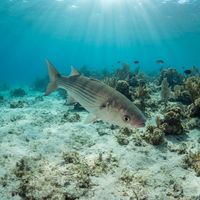
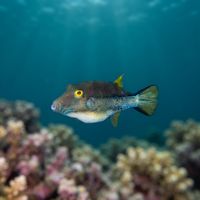
Corralejo's reefs host a rich mix of species observed across sites. The Dusky Grouper and Common Octopus are familiar presences, alongside European Common Cuttlefish, Great Barracuda and the vividly coloured European Parrotfish. On sandy seabed areas, the Round Fantail Stingray and Common Stingray are frequently seen. Patient divers may also spot the Black Moray, Fangtooth Moray and Marbled Electric Ray tucked into reef crevices.
Yes, a good portion of Corralejo's sites are rated for beginners. Sites such as Fish Tower, El Mirador, Barranco and El Muellito offer shallower reef and wall diving that builds confidence without demanding advanced skills. More challenging sites like Faro del Lobos and Nuevo Horizonte are reserved for advanced divers, so there is clear progression available as skills develop.
All sites in Corralejo are accessed by boat. Several operators including Maxorata Diving Shop, Deep Blue Dive Center, Abyss Fuerteventura and Get Wet Fuerteventura run regular departures. Some sites sit relatively close to shore while others, such as Anchors Canary, require a longer crossing, so the choice of operator and daily schedule matters when planning your dives.
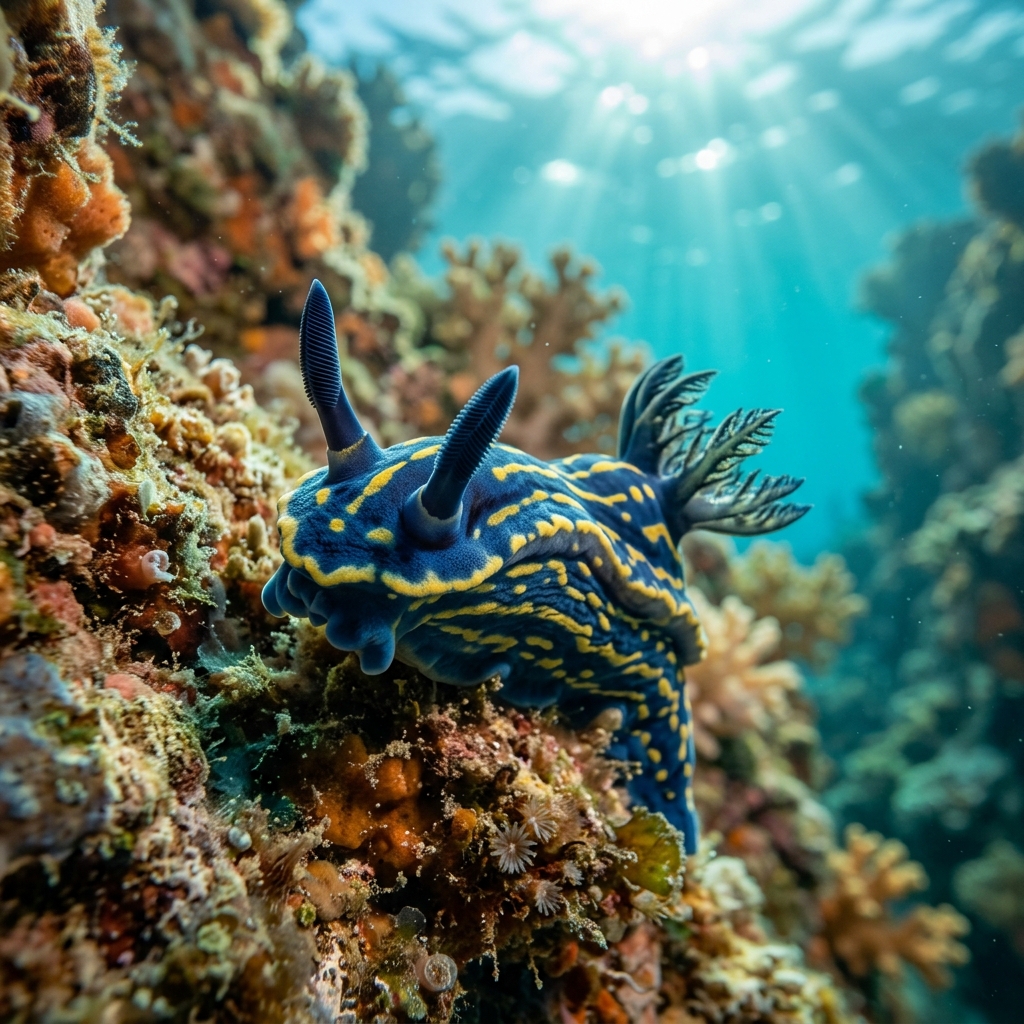
Corralejo's site catalogue spans several distinct styles. Bocayna combines reef, wall and cave in a single dive, while Nuevo Horizonte is a deep open reef with notable current. El Tazar adds a pronounced drop-off to its reef and wall structure, and Atalaya features complex cave systems alongside its wall. This variety means that repeat visitors can move through markedly different underwater landscapes without repeating the same experience.