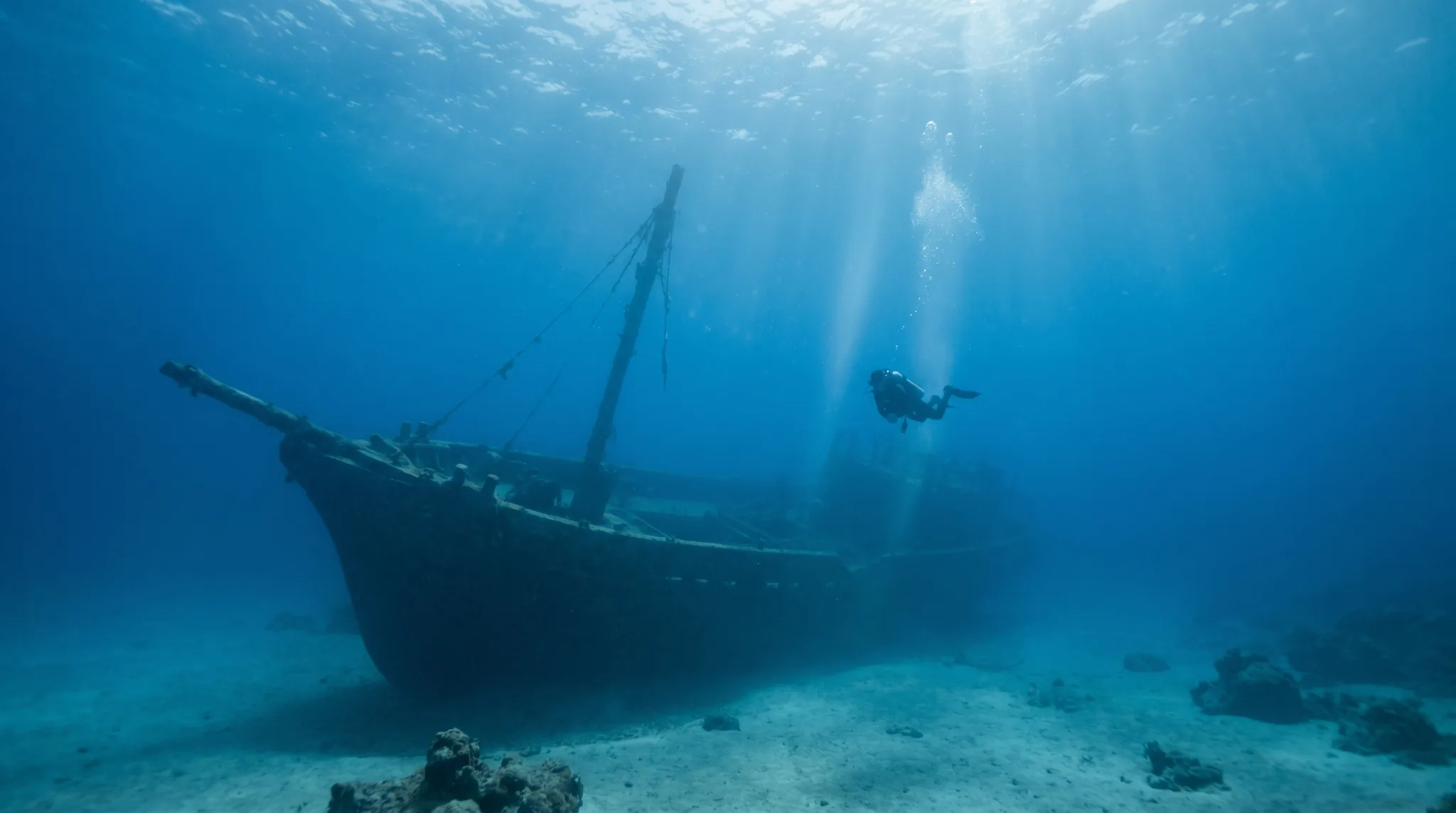
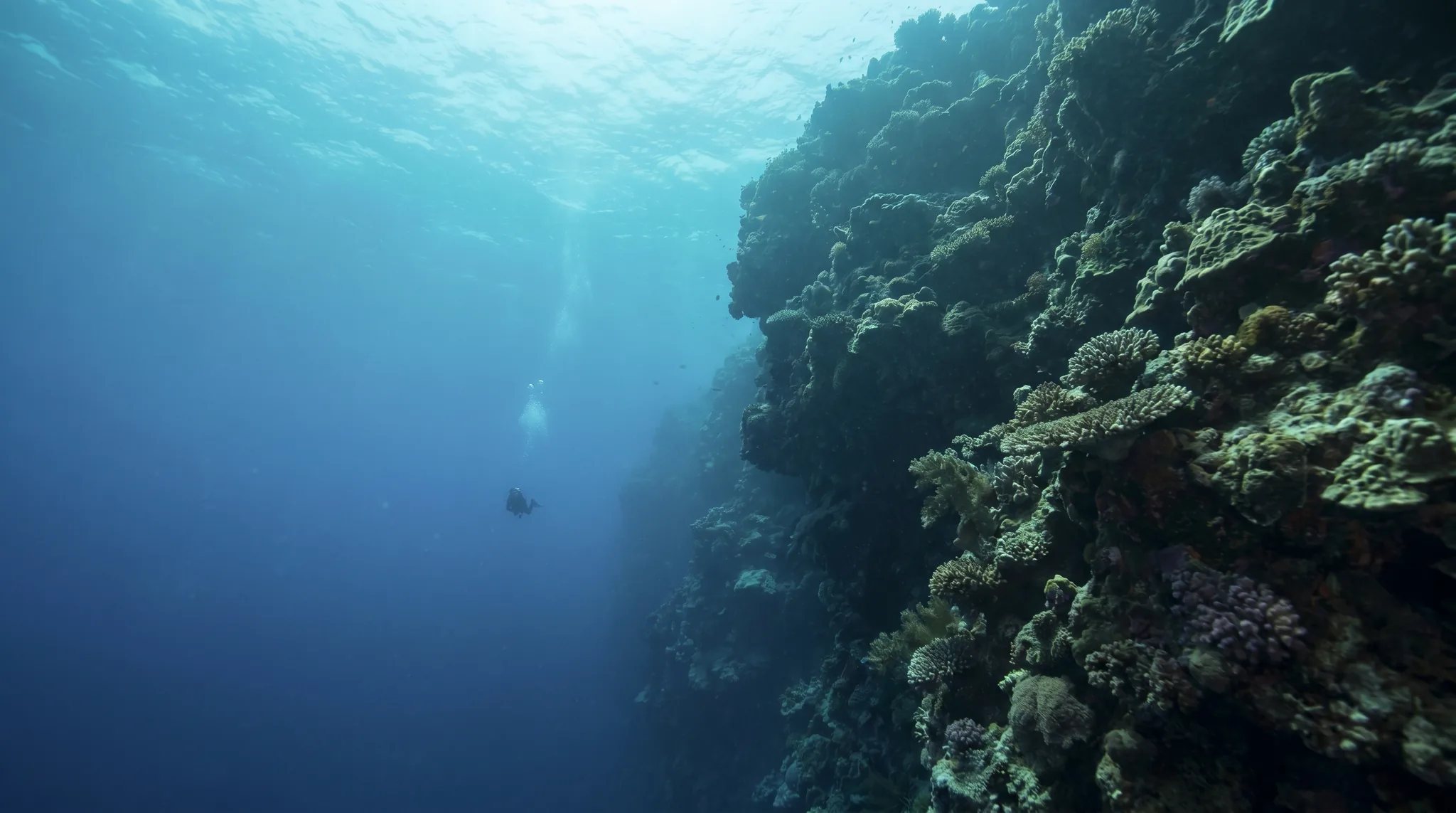
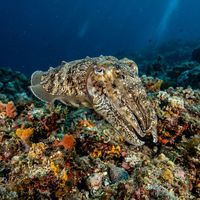
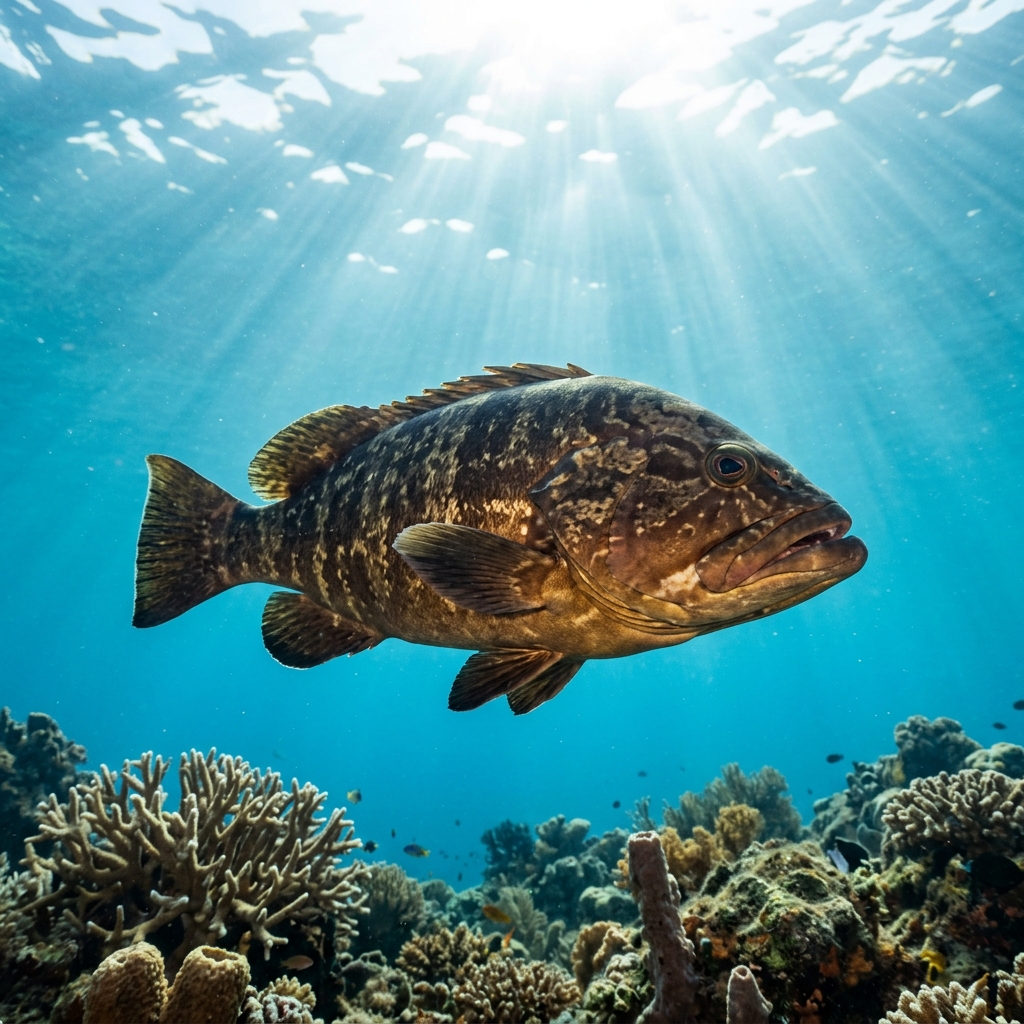
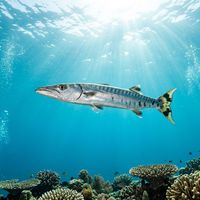
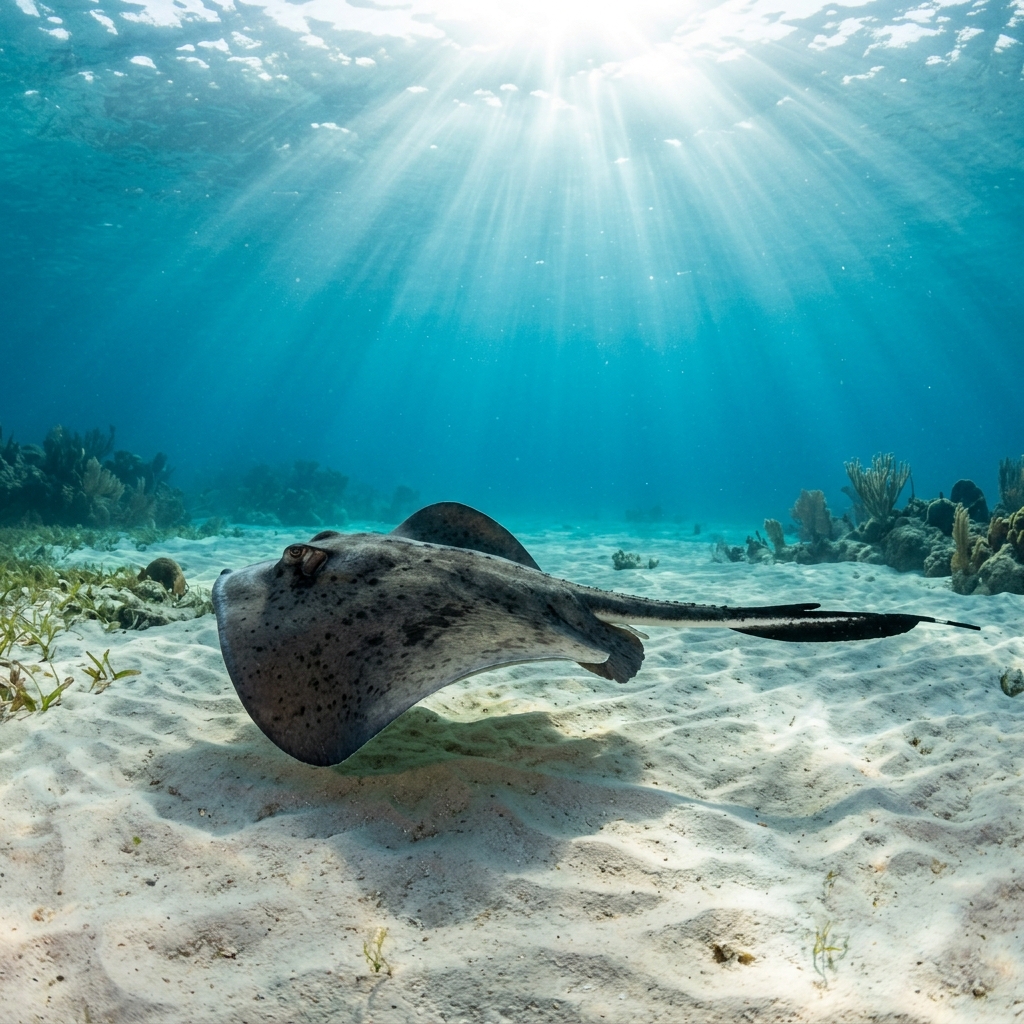
El Cabrón and Arinaga is defined by its volcanic topography: reefs, walls, caves, caverns and drop-offs accessible entirely from shore. The site mix suits everyone from beginners at sheltered spots like Taliarte and Charca de Taliarte to advanced divers following the deep wall at Punta de la Sal. Marine life is notably varied, with the European Common Cuttlefish, Dusky Grouper, Great Barracuda, Round Fantail Stingray and Australian Angel Shark all observed regularly across the area.
Monthly water temperature across El Cabrón & Arinaga's sites, from satellite sea-surface data corrected for depth. The band shows the site-to-site spread.
Water temperature stays comfortably warm year-round, dipping only slightly in late winter and peaking in September and October, making every month diveable. The strongest community preference clusters around March, September and November, suggesting these months offer particularly good conditions. Because all sites are shore entries, swell exposure can affect surface conditions, so calmer spells reward divers with the best visibility the area can offer.
8 operators
Canary Islands
Canary Islands
Canary Islands
7 more sites to explore
Water temperature around El Cabrón & Arinaga ranges from about 19°C in March to 24°C in September, based on satellite sea-temperature data for its dive sites.
In the warm season (about 24°C) a 3mm full suit is comfortable in El Cabrón & Arinaga; in the coldest months (about 19°C) step up to a 5mm suit.
Fin maps 15 sites in El Cabrón & Arinaga (15 scuba diving sites and 4 snorkelling spots, with some suited to both).
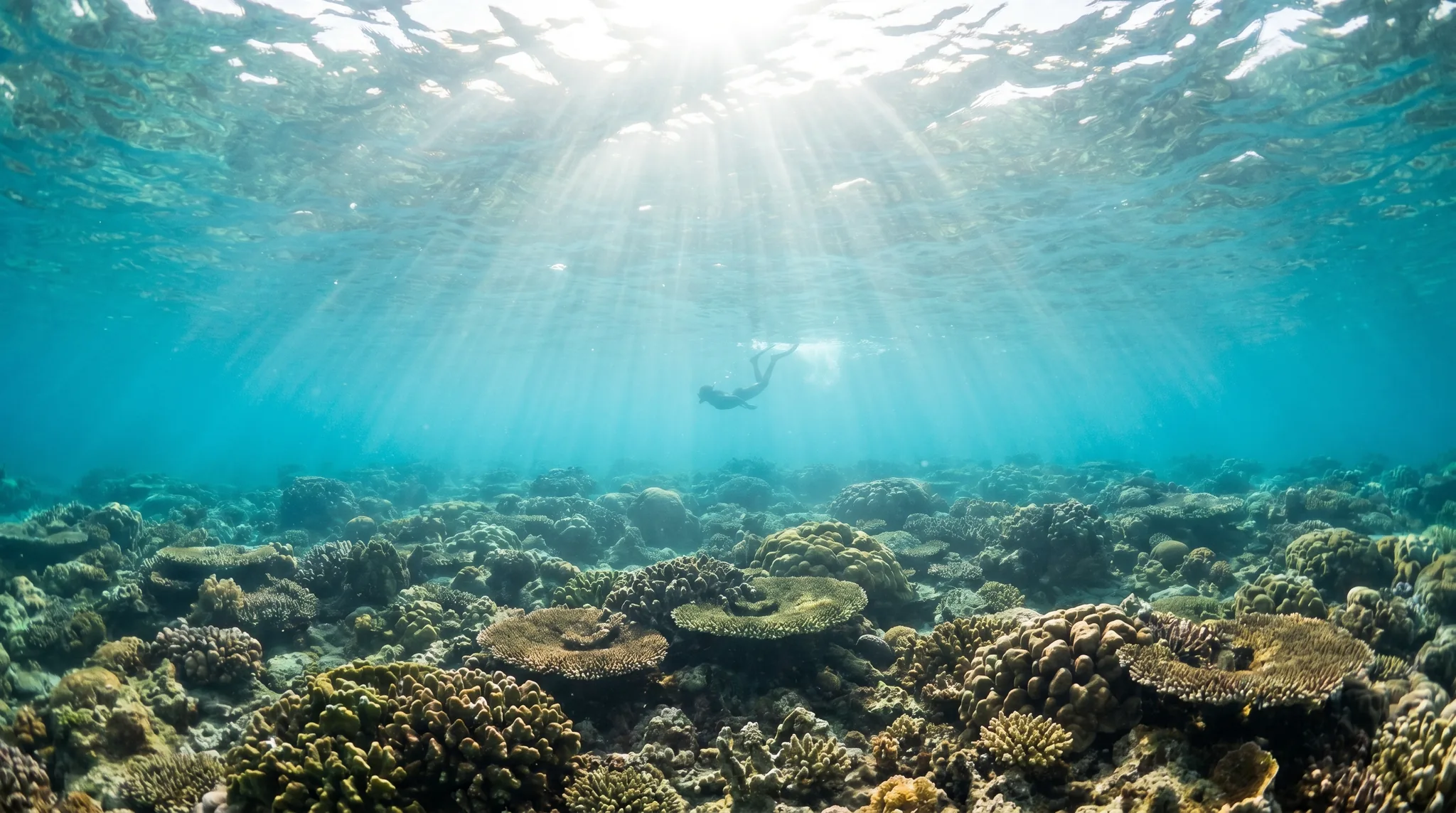
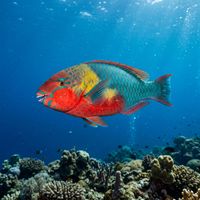
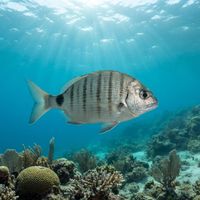
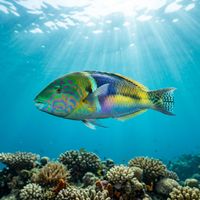
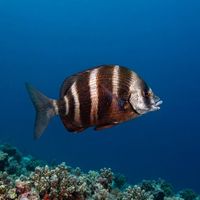
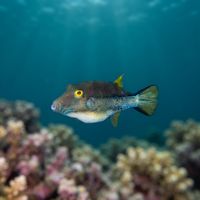
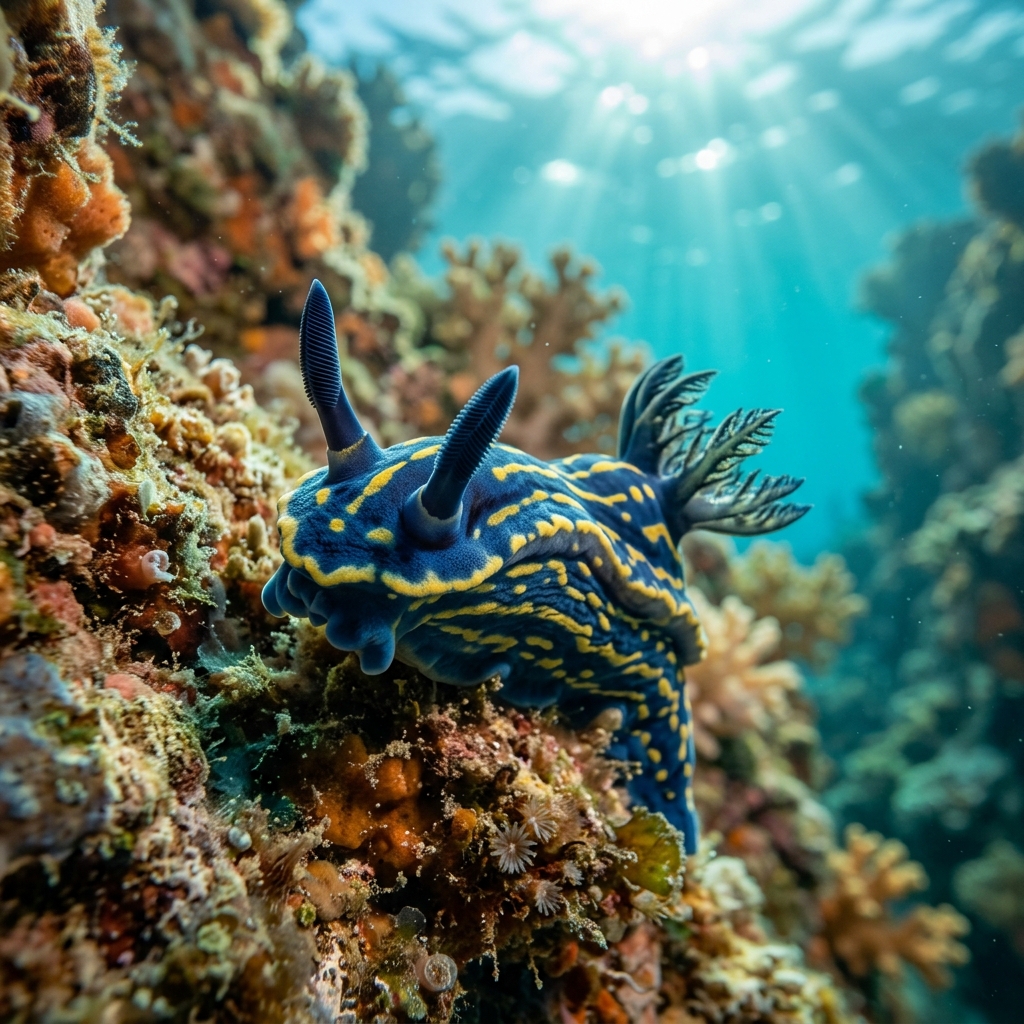
The area has an impressive roster of observed species. European Common Cuttlefish, European Parrotfish, Dusky Grouper and Great Barracuda are encountered very commonly across almost every site. Round Fantail Stingray and Australian Angel Shark are also regularly seen, and patient divers occasionally come across Seahorse and Common Octopus tucked into the reef.
Yes, a good portion of the sites are rated for beginners. Taliarte offers a shallow reef and seagrass environment, Charca de Taliarte is a sheltered volcanic rocky reef, and the Arinaga site descends gradually through reefs and caverns at accessible depths. More challenging options like the deep wall at Punta de la Sal are there when divers are ready to progress.
No boat is required. Every site listed in the area is a shore entry, which keeps logistics straightforward and costs lower than boat-dependent destinations. Entry points vary from sandy beaches to rocky volcanic shorelines, so checking conditions before entering is worthwhile, especially if there is swell.
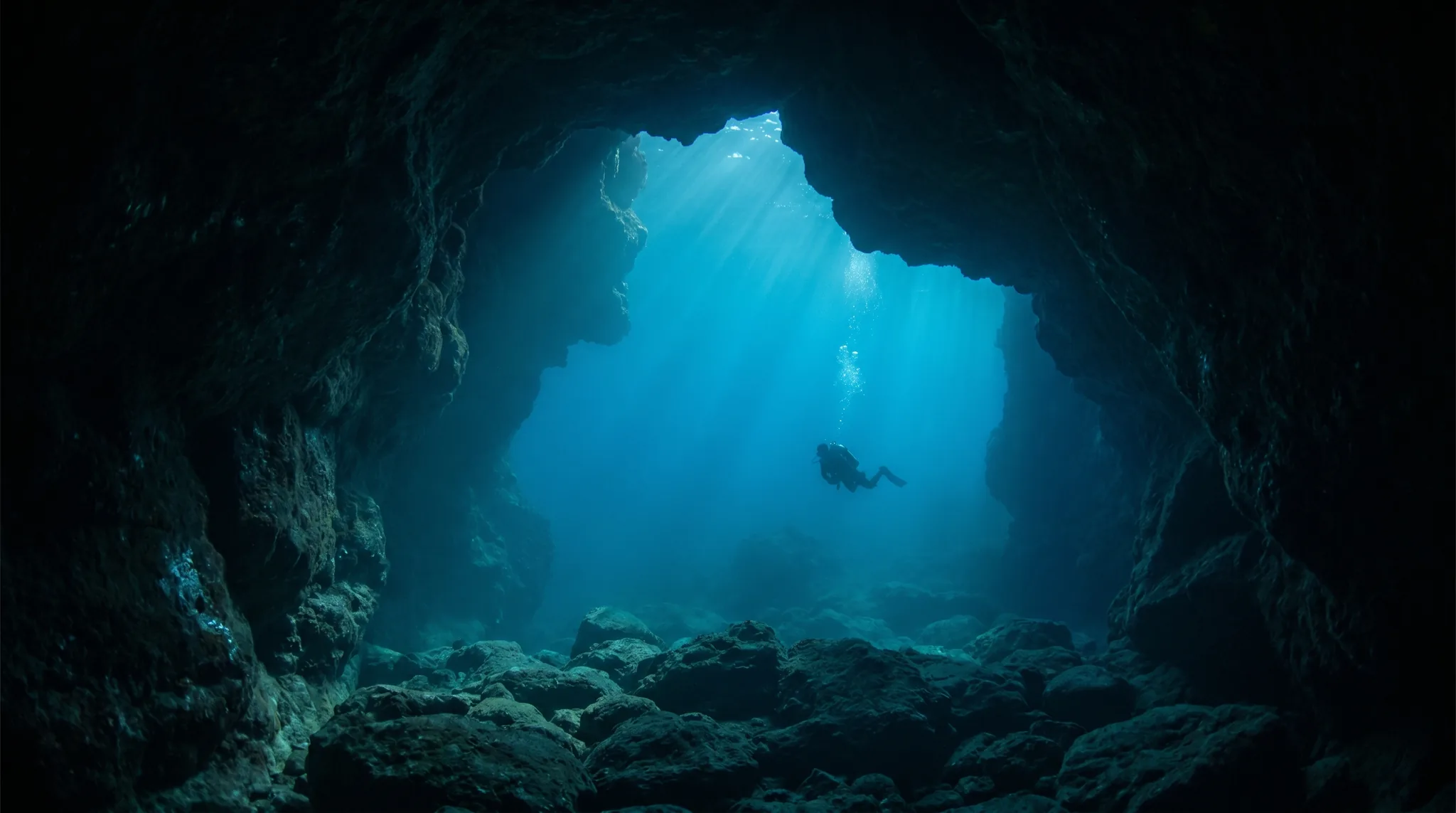
The area covers a wide variety of underwater terrain. Reef dives, walls, caves, caverns, drop-offs and seagrass beds are all represented across the fifteen dive sites. Cueva Grande adds an artificial reef element alongside its cave and wall system. This range means divers can return repeatedly and explore quite different environments within the same area.