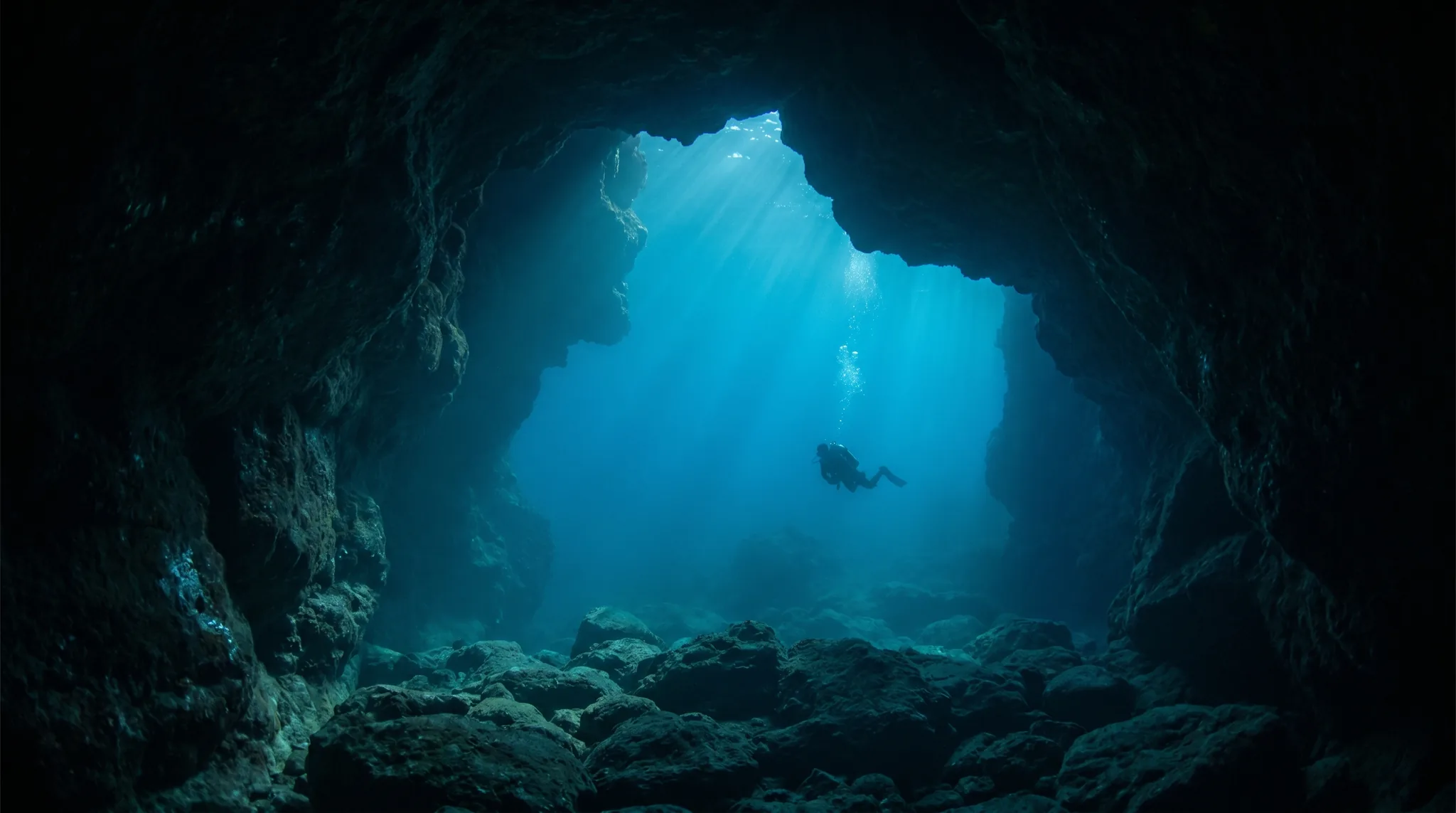
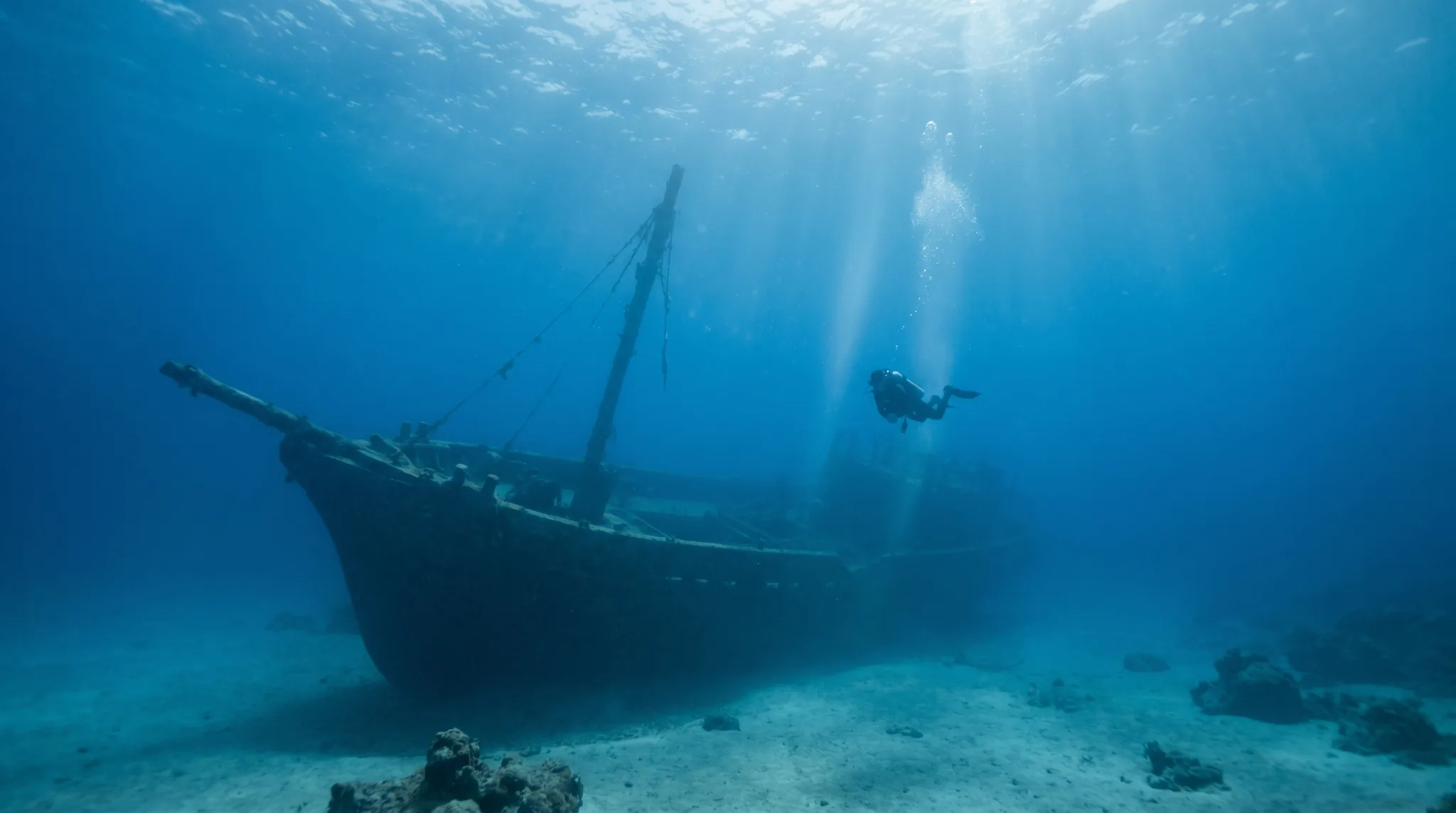
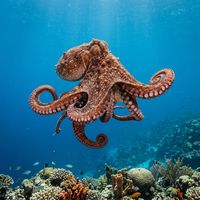
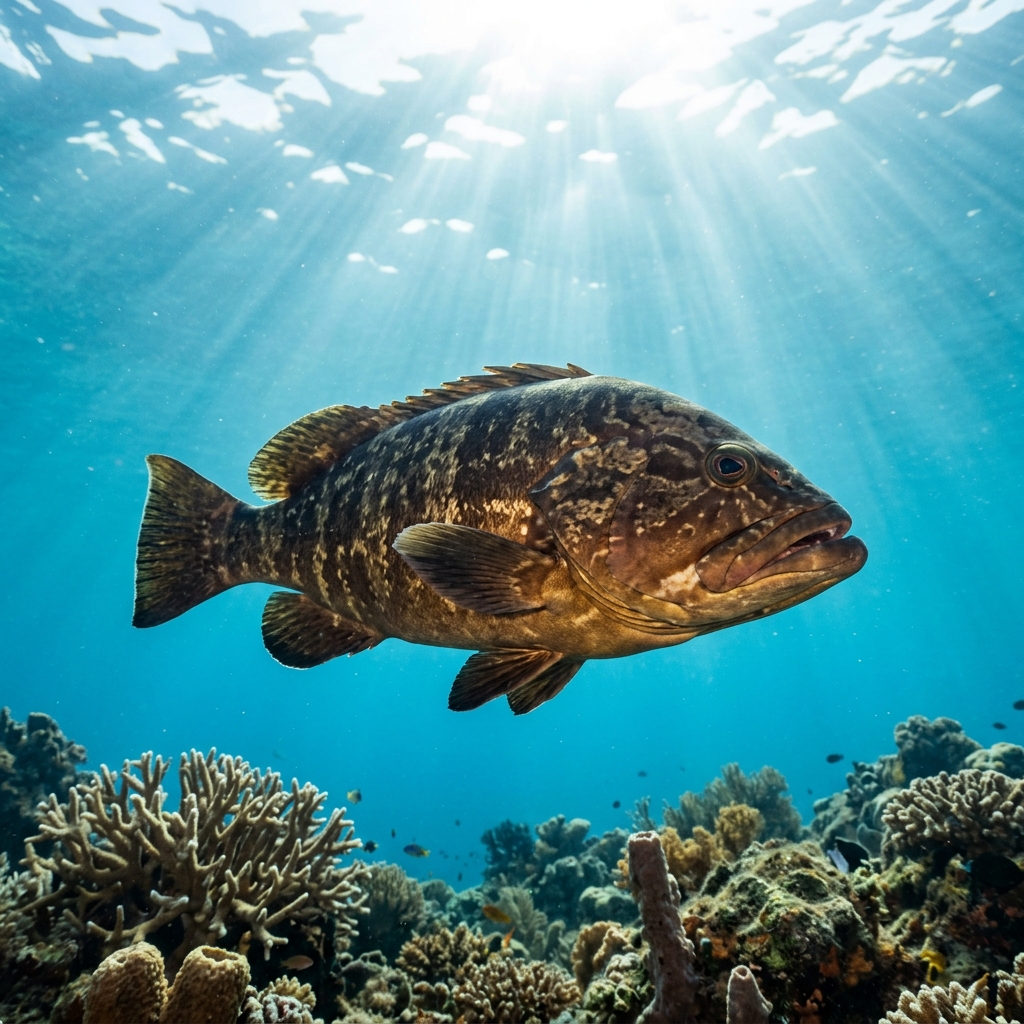
Mogán and Arguineguín is defined by its wreck-heavy site mix, with deliberately sunk vessels serving as artificial reefs alongside natural reef, wall, cave and drop-off terrain. Almost all sites are boat access. The signature species are Great Barracuda, European Common Cuttlefish, Common Octopus and Dusky Grouper, observed across the great majority of sites. Skill levels range from beginner-friendly wrecks and reef dives through to advanced drift and deep wreck sites, giving the area breadth for visiting divers.

Monthly water temperature across Mogán & Arguineguín's sites, from satellite sea-surface data corrected for depth. The band shows the site-to-site spread.
Water temperature stays warm through the year, rising from a mild winter low to its warmest in late summer and early autumn. Conditions favour diving throughout the calendar, but the best-months data points to late winter, spring and autumn as particularly productive windows, with March and November both peaking. Exposure and currents vary by site, with some deeper wrecks involving drift conditions that demand more experience.
17 operators

31 more sites to explore
Water temperature around Mogán & Arguineguín ranges from about 20°C in January to 24°C in September, based on satellite sea-temperature data for its dive sites.
In the warm season (about 24°C) a 3mm full suit is comfortable in Mogán & Arguineguín; in the coldest months (about 20°C) step up to a 5mm suit.
Fin maps 43 sites in Mogán & Arguineguín (42 scuba diving sites and 5 snorkelling spots, with some suited to both).
Across Mogán & Arguineguín's dive sites, January, February, March, September, October and November are most often reported as the best months to visit.
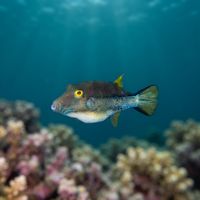
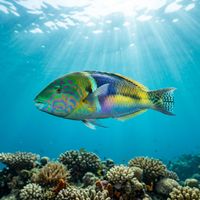
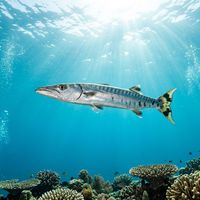
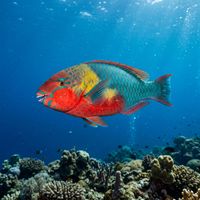
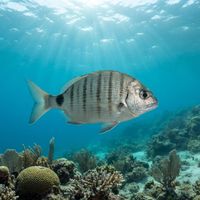
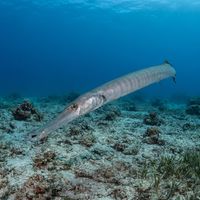
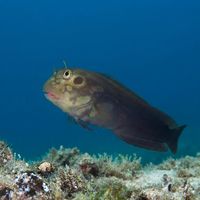
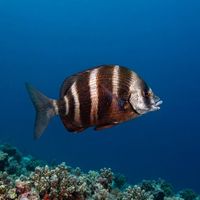
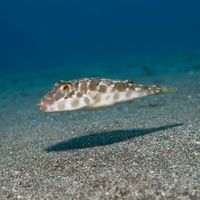
The area has a strong observation record for Great Barracuda, European Common Cuttlefish, Common Octopus and Dusky Grouper. Divers also regularly encounter Round Fantail Stingray, Black Moray, Trumpetfish, European Parrotfish, Turkish Wrasse, Canary Damsel and Arrow Crab. Pufferfish and Bream are seen across virtually all sites.
Yes, a good portion of the sites are rated for beginners. Shallow wreck and reef sites such as Cermona II, Bahia Lila, Hukan Dana and Anfi Beach offer gentle introductions to the area's underwater terrain. Shore entry is available at a small number of sites, including Tiritaña and Anfi Beach, which can be convenient for those new to boat diving.
The vast majority of sites require boat access, with wrecks and reefs positioned well offshore. A small number of sites, including Tiritaña and Anfi Beach, offer shore entry. Boat-only sites include all of the deeper wrecks such as Sailboat, Como II and Komotu.
The area is dominated by wrecks, many of which were deliberately sunk to serve as artificial reefs. Alongside these, divers find natural reef, wall, cave, arch and drop-off terrain, with sites like Bahia Lila combining several of these features in a single dive. Drift diving is also possible at the Como II Wreck.