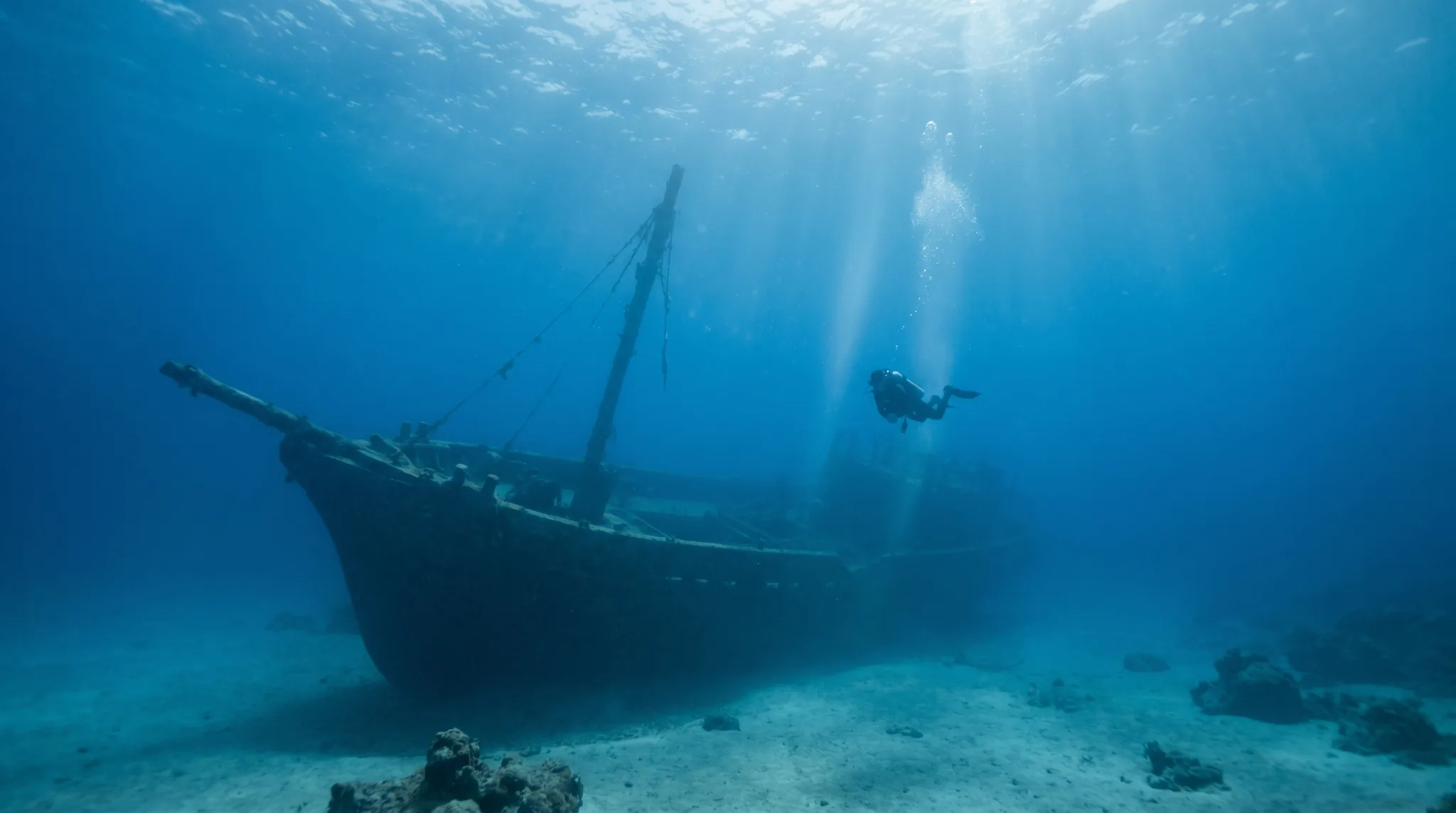
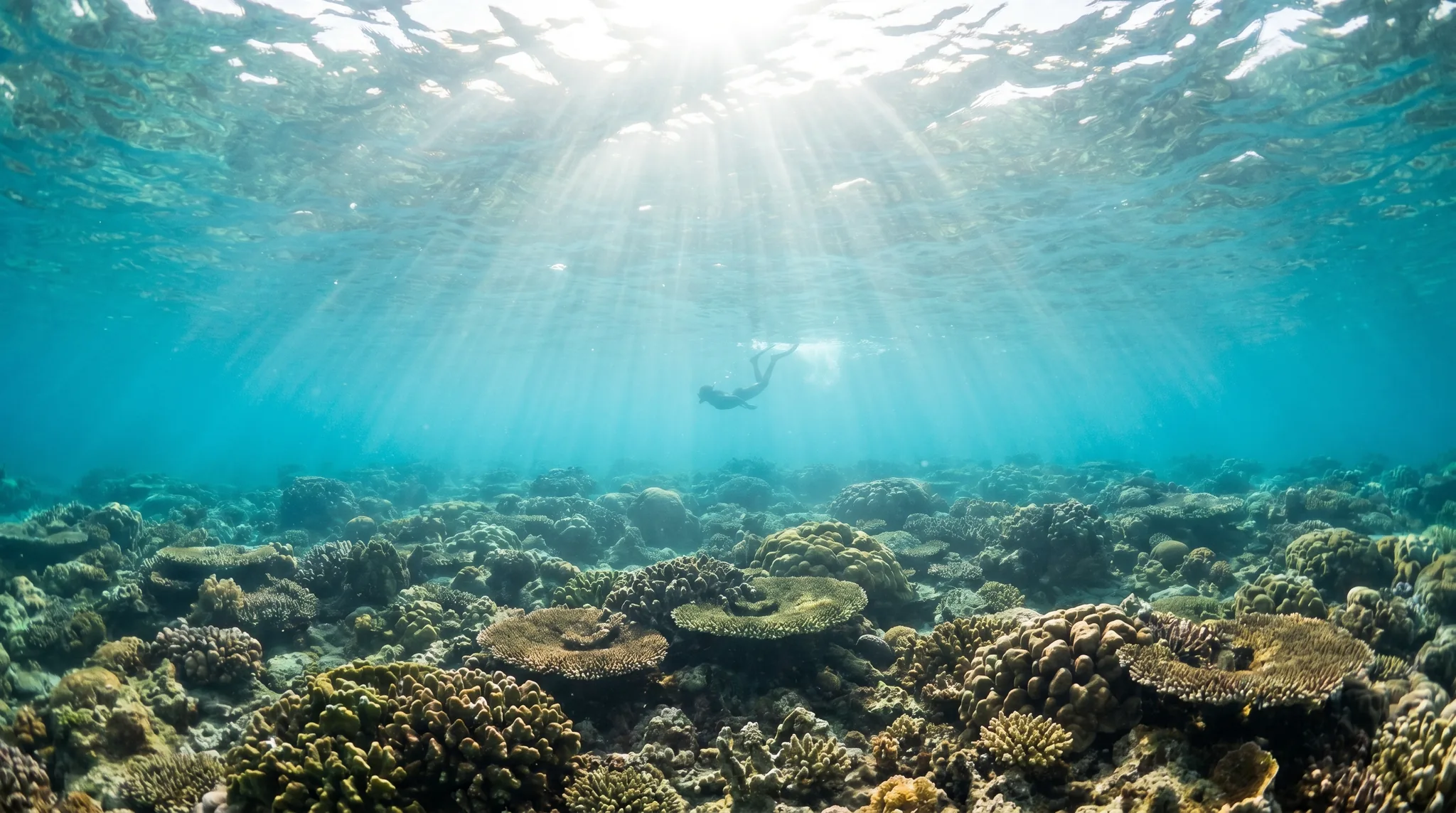
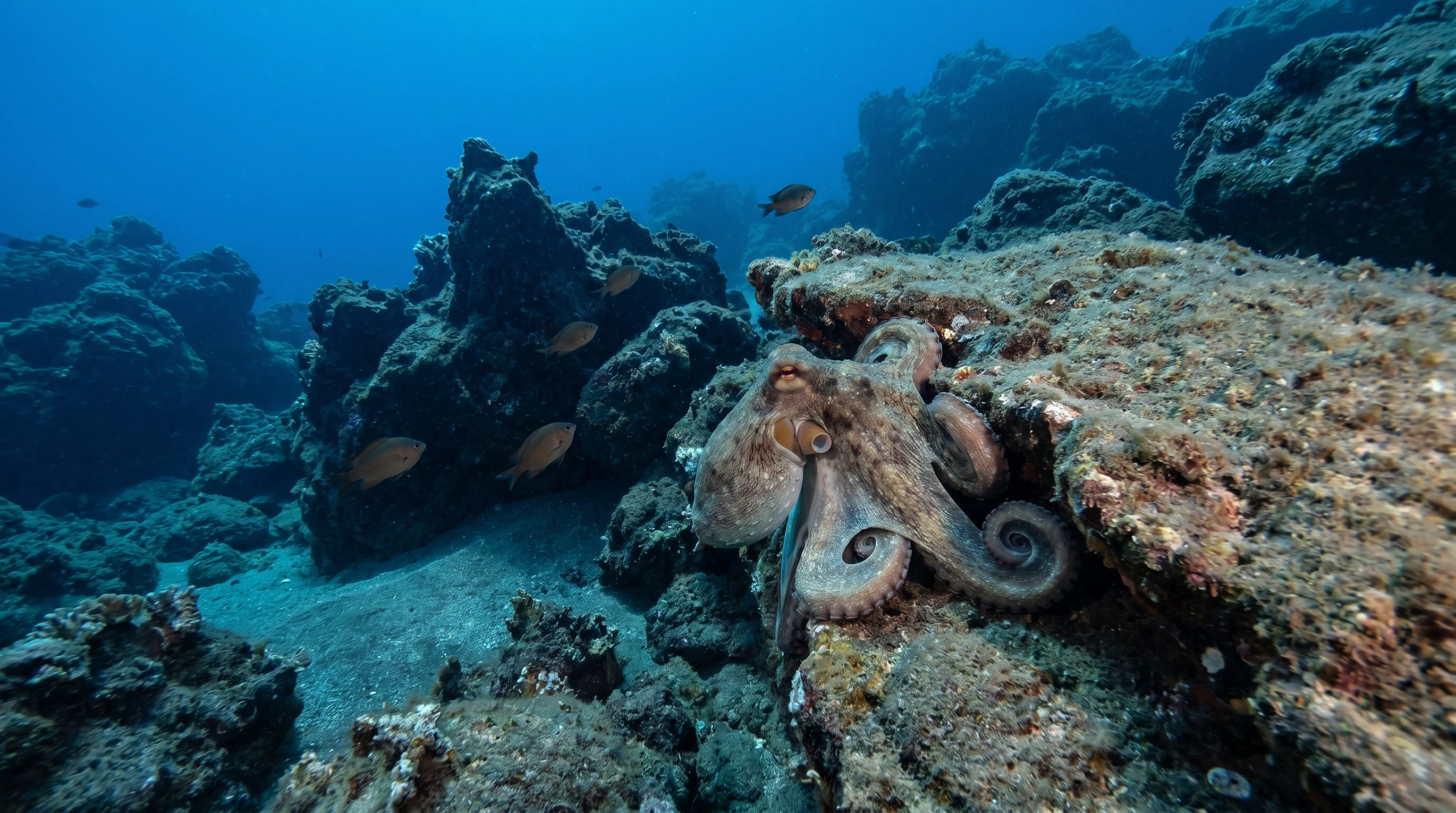
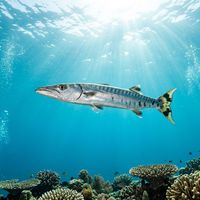
Sardina del Norte is a shore-diver's stronghold, with the majority of its sites reached directly from the coast, including the old port entry at the namesake site. The terrain spans reef, cave, canyon, wall, pinnacle and drift configurations, suiting everyone from beginner to advanced. Signature species include the Common Octopus, European Common Cuttlefish, Great Barracuda and Marbled Electric Ray, all observation-backed across nearly every site in the area.
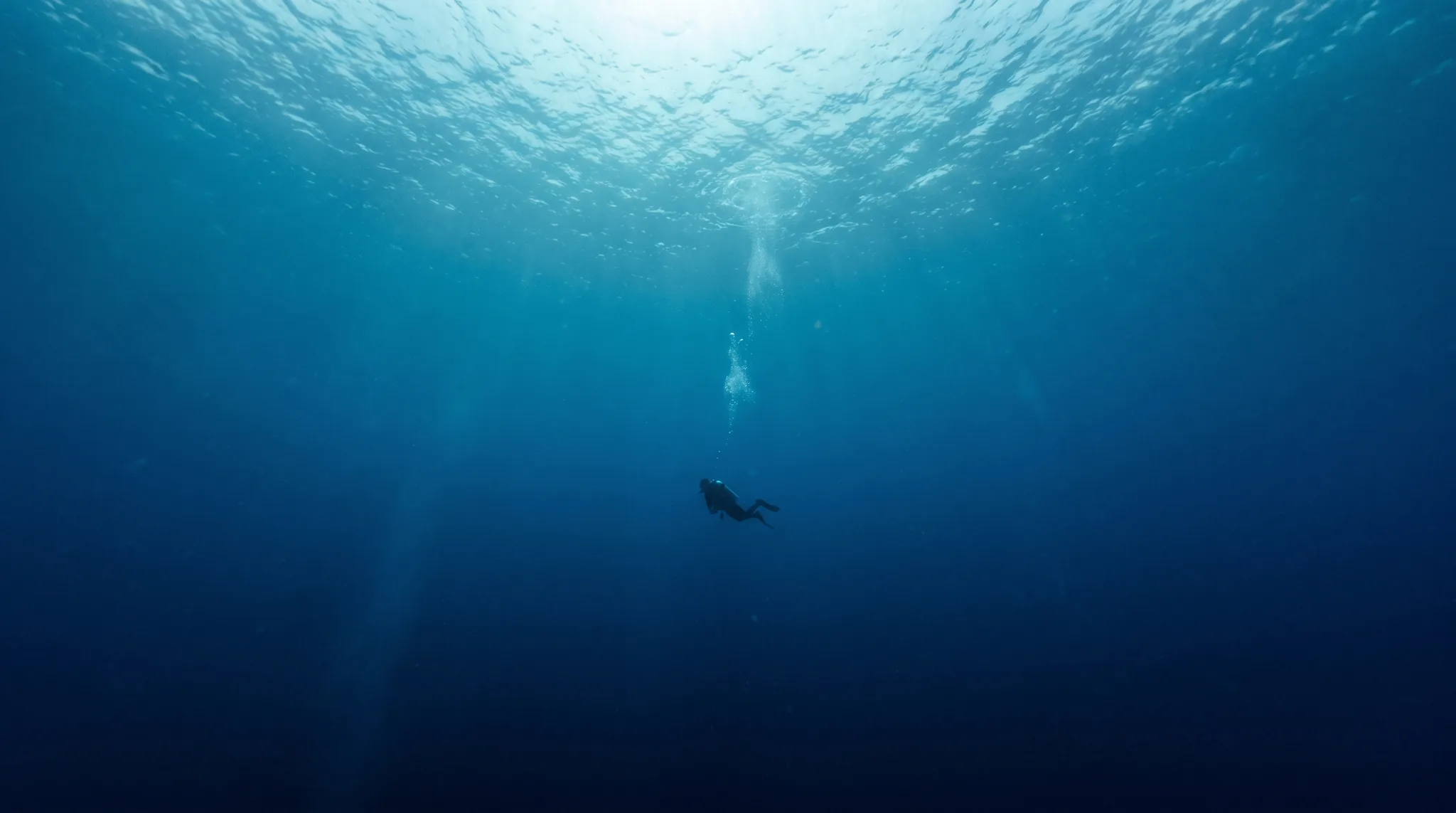
Monthly water temperature across Sardina del Norte's sites, from satellite sea-surface data corrected for depth. The band shows the site-to-site spread.
Water temperature stays warm throughout the year, dipping to its coolest in the early months before peaking in autumn, giving the region a broadly year-round character. Conditions are most celebrated in February and October according to diver reports, though no month closes the area down. Drift potential at La Deriva and exposed pinnacle terrain at La Roca mean conditions can vary with swell and current, so site choice should be matched to experience level.

4 operators
2 more sites to explore
Water temperature around Sardina del Norte ranges from about 20°C in January to 24°C in September, based on satellite sea-temperature data for its dive sites.
In the warm season (about 24°C) a 3mm full suit is comfortable in Sardina del Norte; in the coldest months (about 20°C) step up to a 5mm suit.
Fin maps 13 sites in Sardina del Norte (13 scuba diving sites and 1 snorkelling spots, with some suited to both).
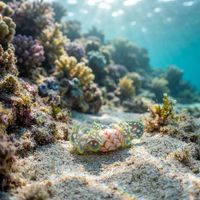
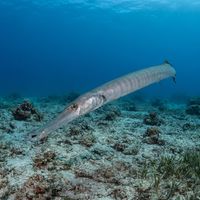
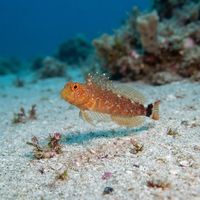
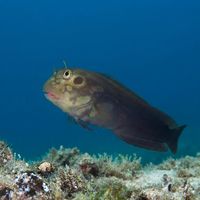
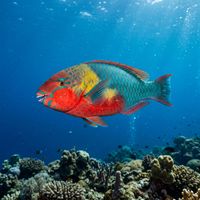
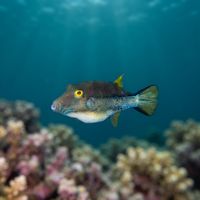
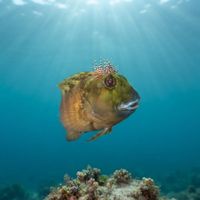
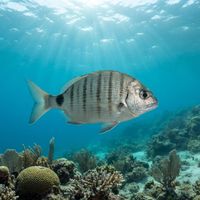
Observation-backed sightings across the sites include Common Octopus, European Common Cuttlefish, Great Barracuda and Marbled Electric Ray, all considered very common. Divers also regularly encounter Turkish Wrasse, European Parrotfish, Trumpetfish, Black Moray and Round Fantail Stingray. The Canary Damsel and Pufferfish are present at every listed site.
A good portion of the sites are rated beginner level, including Las Anclas, La Cuevita, Las Merinas, Coladas and the namesake Sardina del Norte site. Most of these are shore entries, so beginners can ease in without needing a boat. Advanced divers are catered for at Cruentats Cave, which involves an overhead environment requiring greater experience.
Shore entry is the dominant access style, covering the majority of sites in the area. The namesake reef site benefits from a comfortable old port entry. Boat access is used at El Cabrón and La Roca, the latter being a deeper pinnacle site suited to intermediate divers.
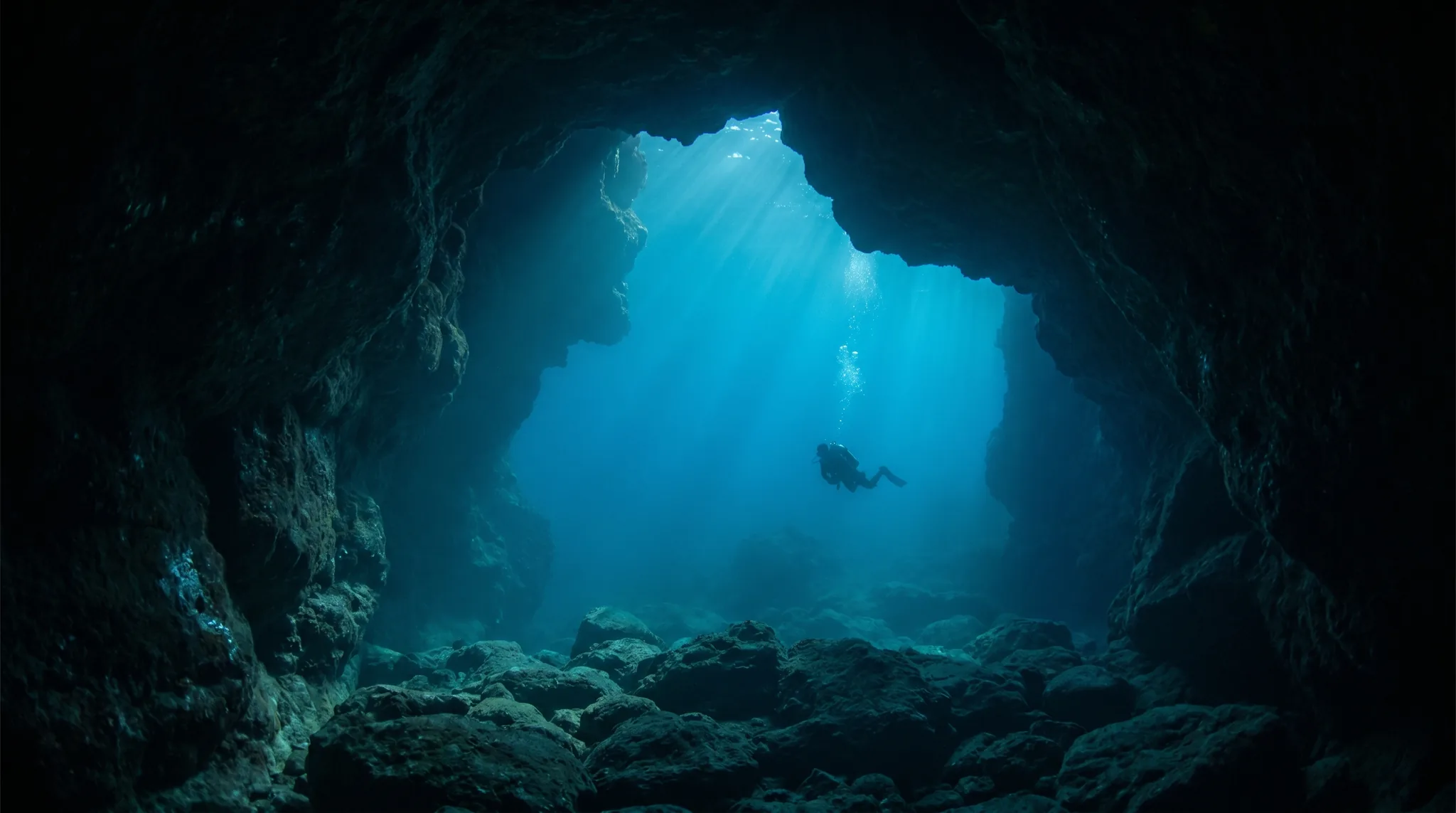
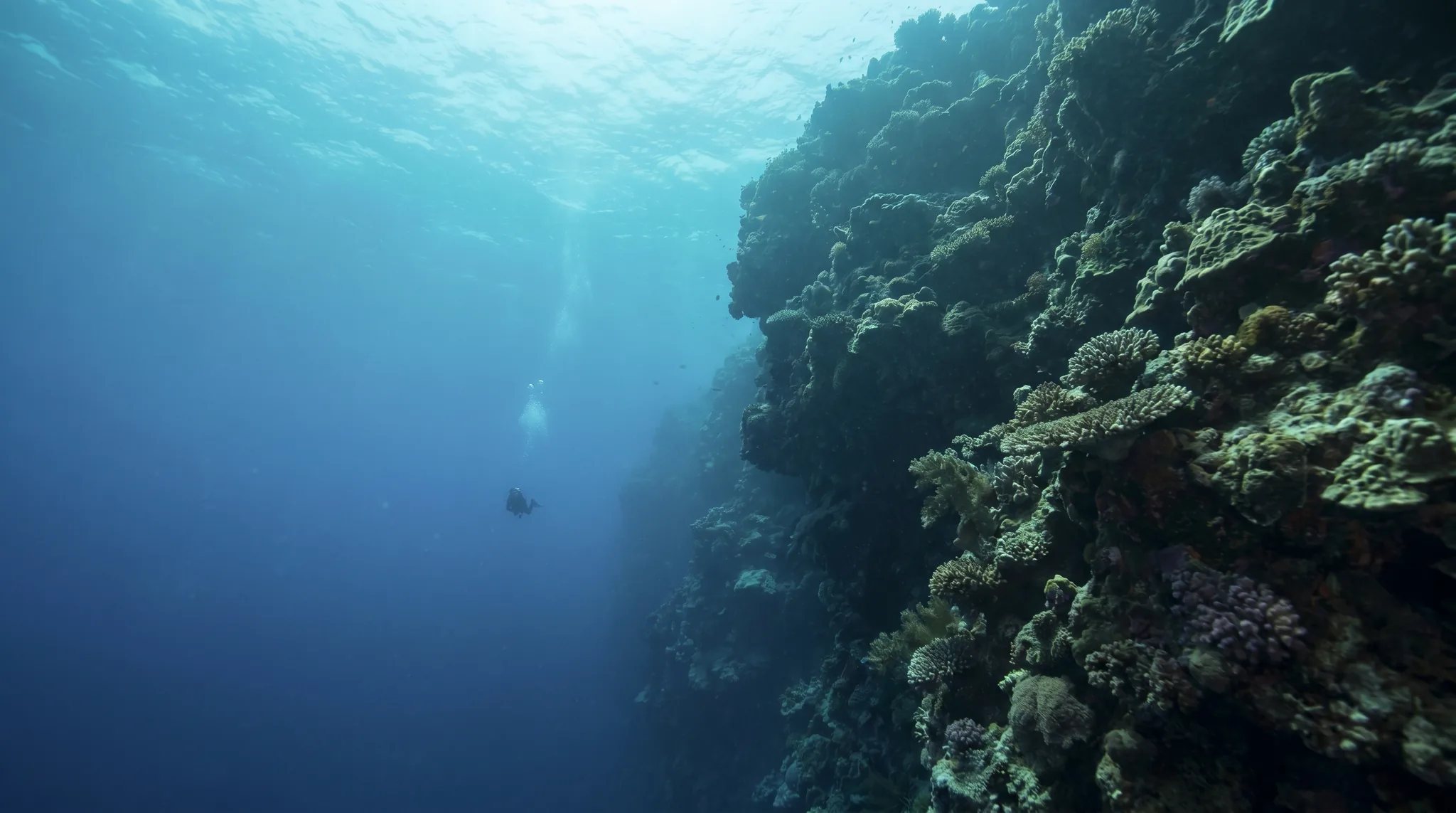
The area covers a broad range of formations: reef, cave, canyon, wall, pinnacle and drift. Cruentats Cave and El Bufadero offer cave and overhead environments, La Roca provides pinnacle terrain reaching deeper water, and La Deriva is dedicated drift territory. Las Anclas and the Sardina del Norte site both combine natural reef with artificial structures, adding variety for those keen to explore man-made habitats.