Gasterosteidae spp.
Spotted in Northeast US lakes, New Brunswick and Gelderland waters, this tiny armoured fish rewards divers who look closely at silty margins.
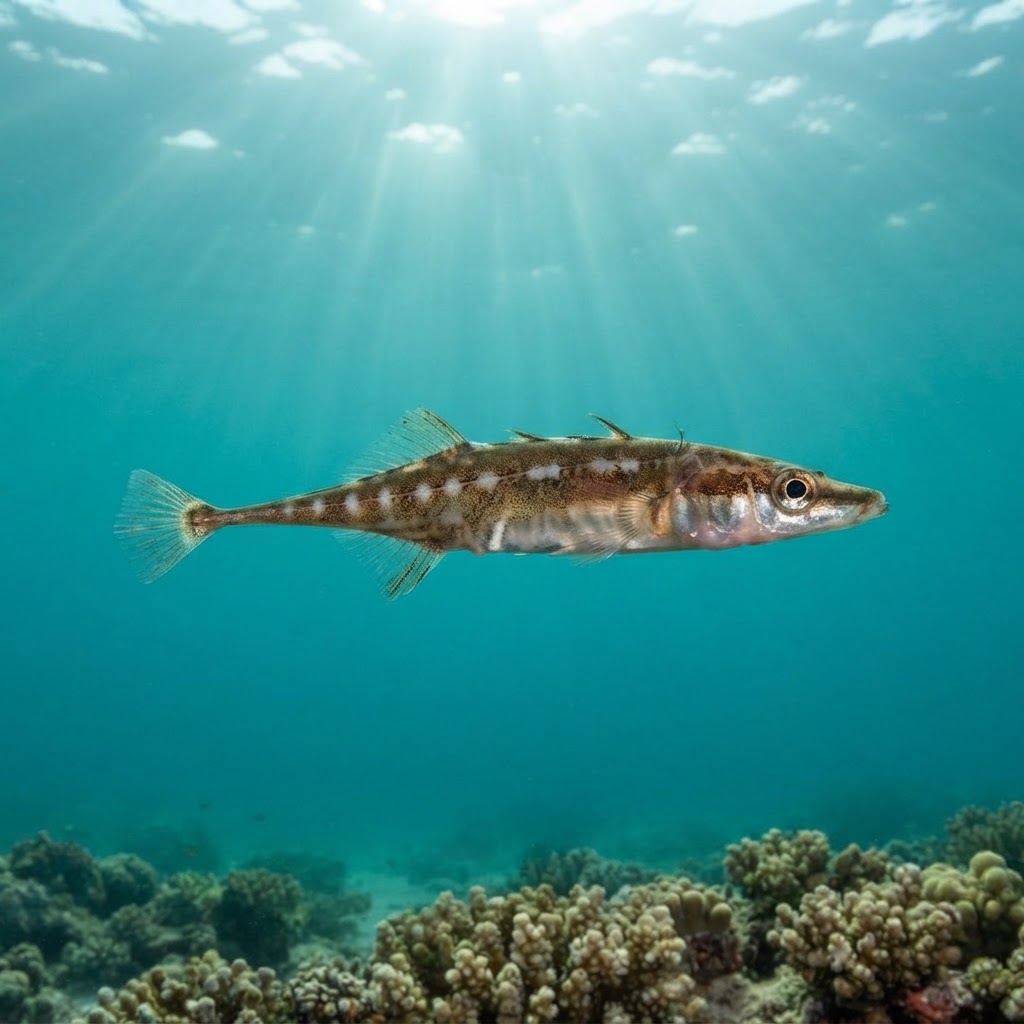
Small, usually only a few centimetres long, with a slender body and a row of bony plates along the flanks instead of true scales. The clearest field mark is the set of free-standing spines running along the back in front of the dorsal fin, ranging from three to as many as fifteen depending on the species in this family. Colour is typically olive, silver or brown, and breeding males can flush red or blue on the throat and belly, which is a useful clue if you see one guarding a nest.
Look for it hovering close to weed beds or sheltering among submerged branches and stones rather than out in open water. It tends to hold station rather than bolt when a diver approaches slowly, which makes it an easy subject for a patient look at the spines and plates. During breeding, males build and guard small nests of plant material on the bottom, so a fish that seems oddly territorial over one patch of weed is worth a longer look.
Males build and defend a nest from bits of plant material glued together with a sticky secretion, then fan and guard the eggs after luring a female to lay inside, one of the few fish groups with true parental nest-building.
Sighting data doesn't show a clear seasonal pattern, so treat this as a year-round find in the lakes, ponds and slow rivers where it lives, though shallow margins are easiest to search when vegetation is low in early spring or after autumn die-back.
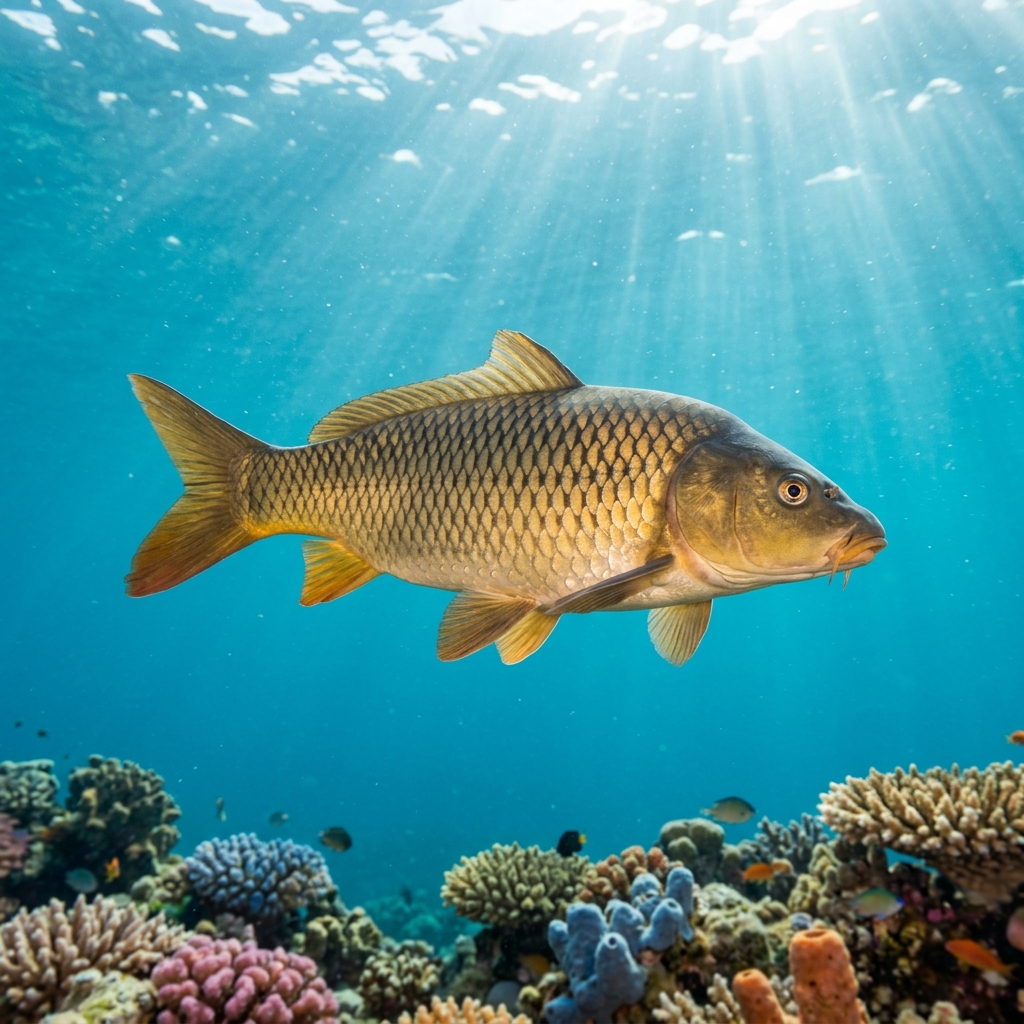
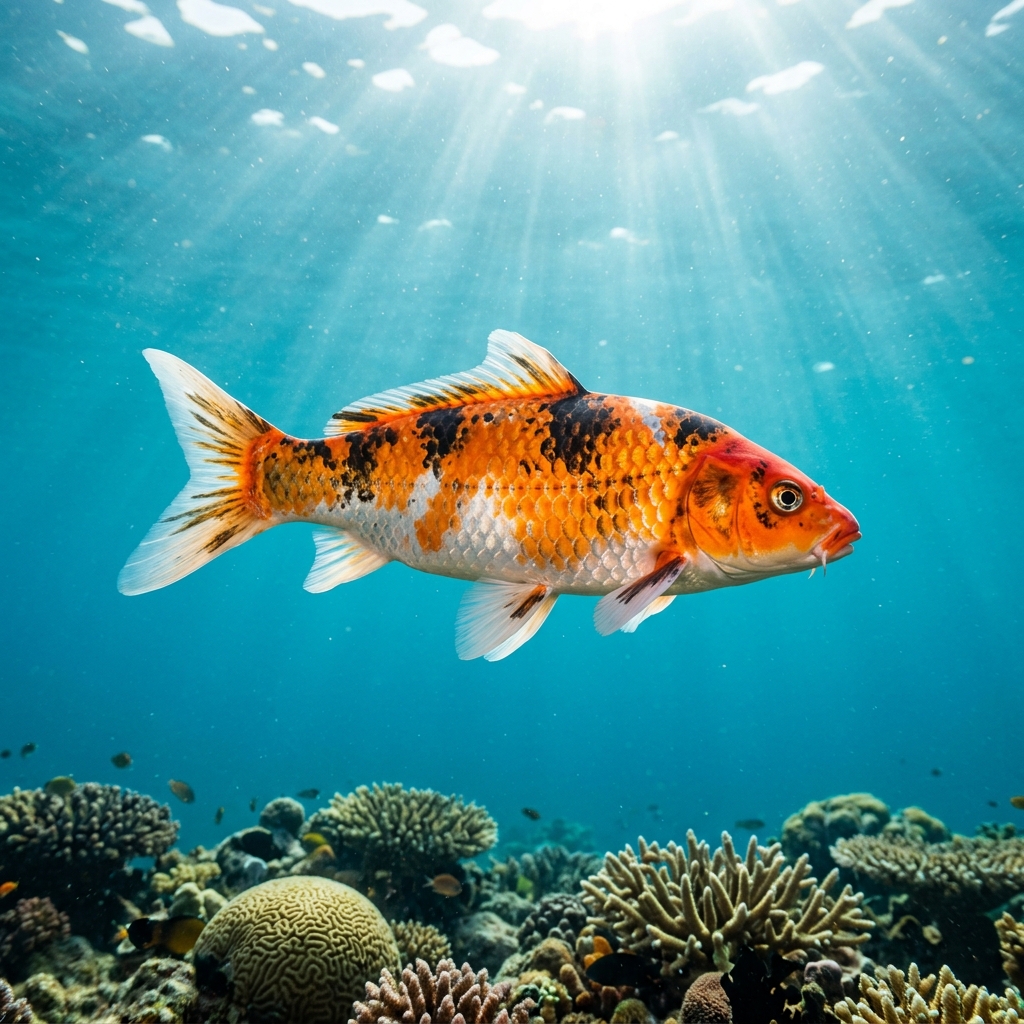
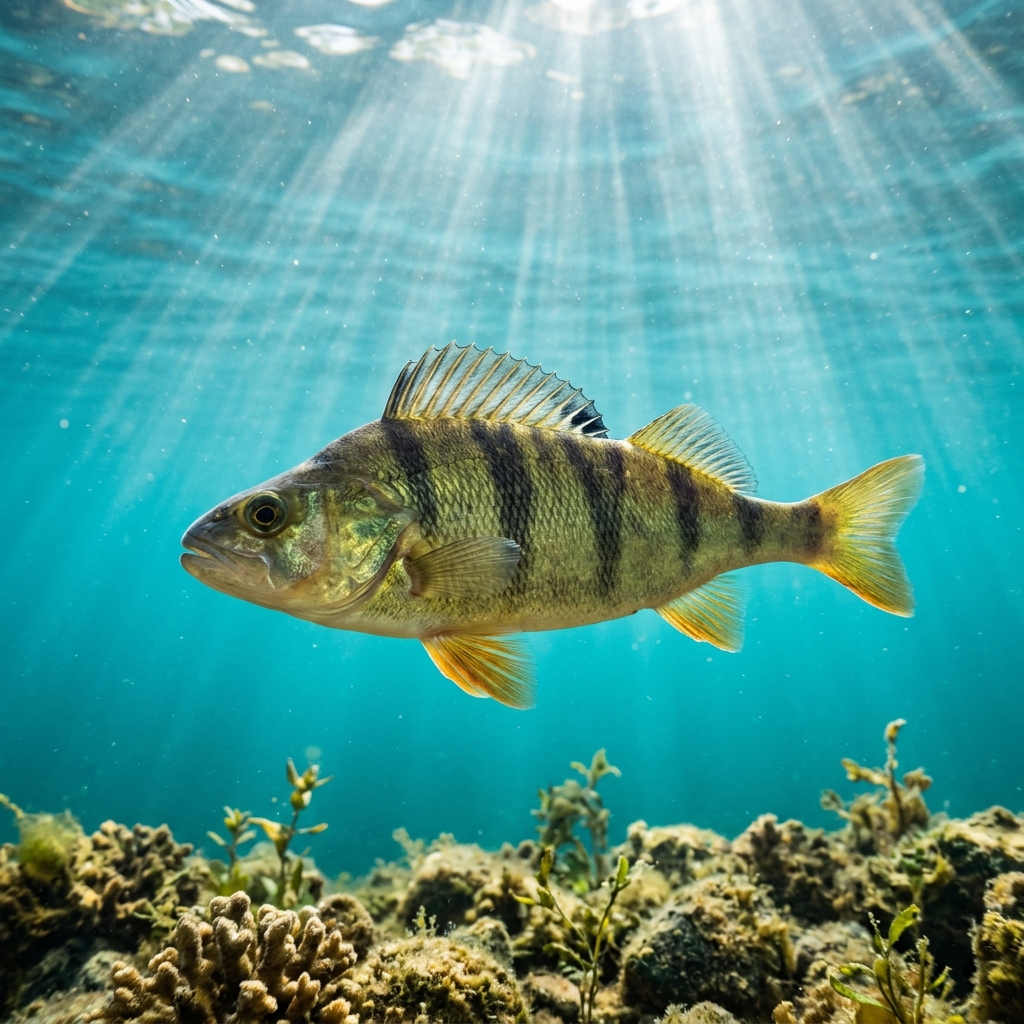
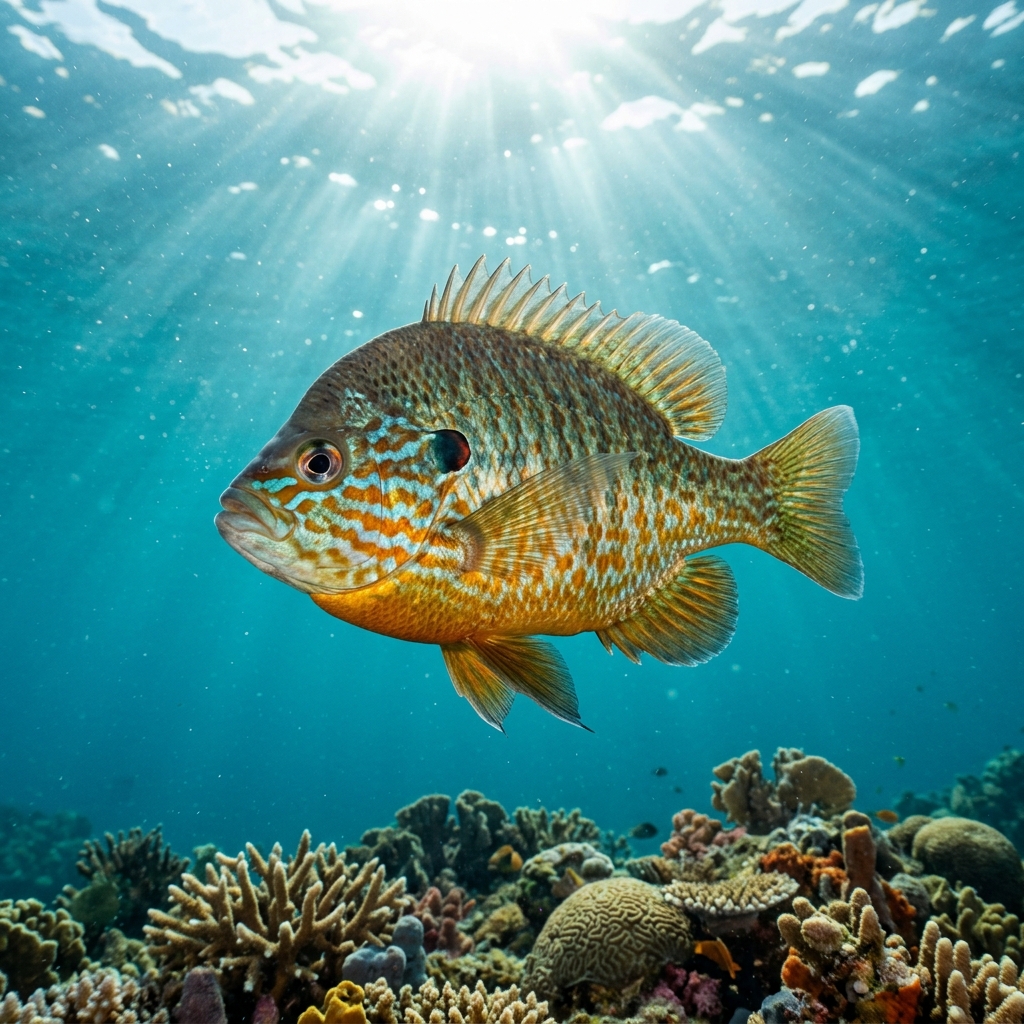
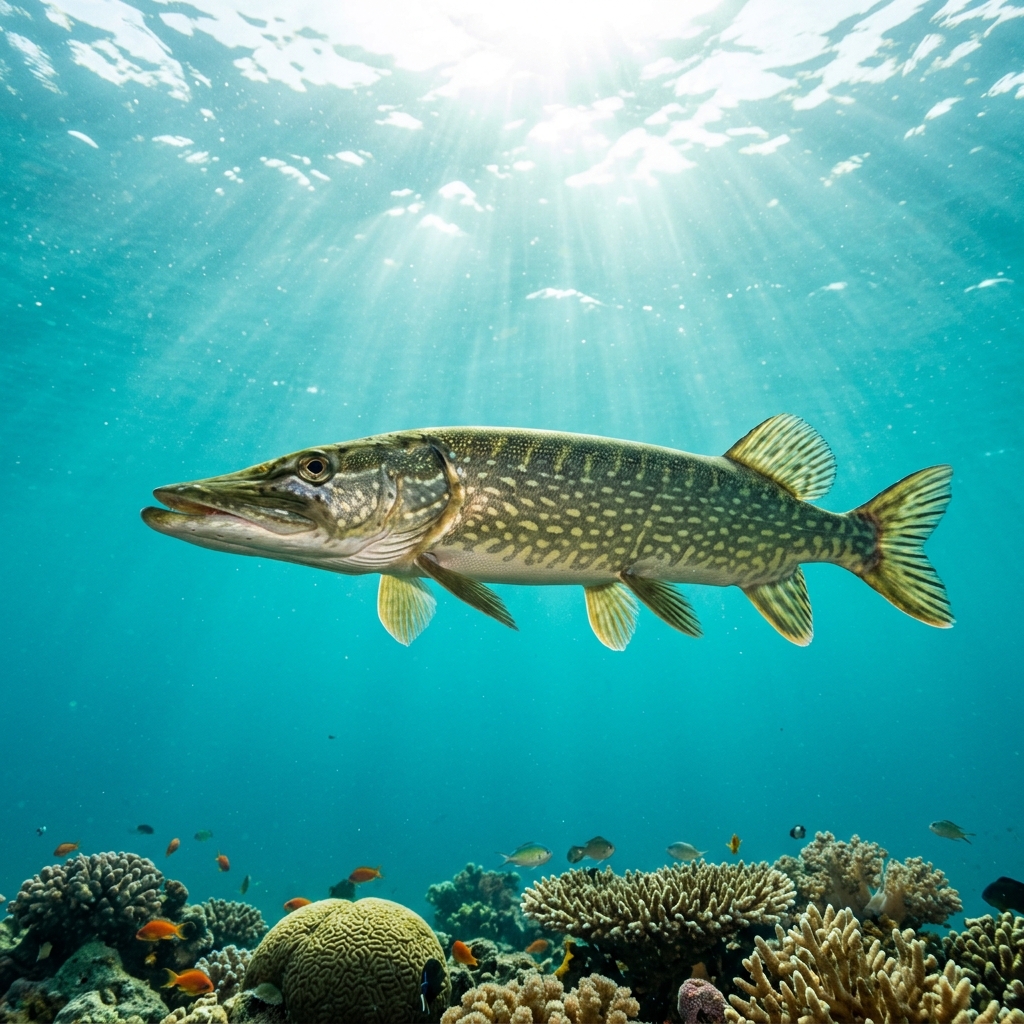
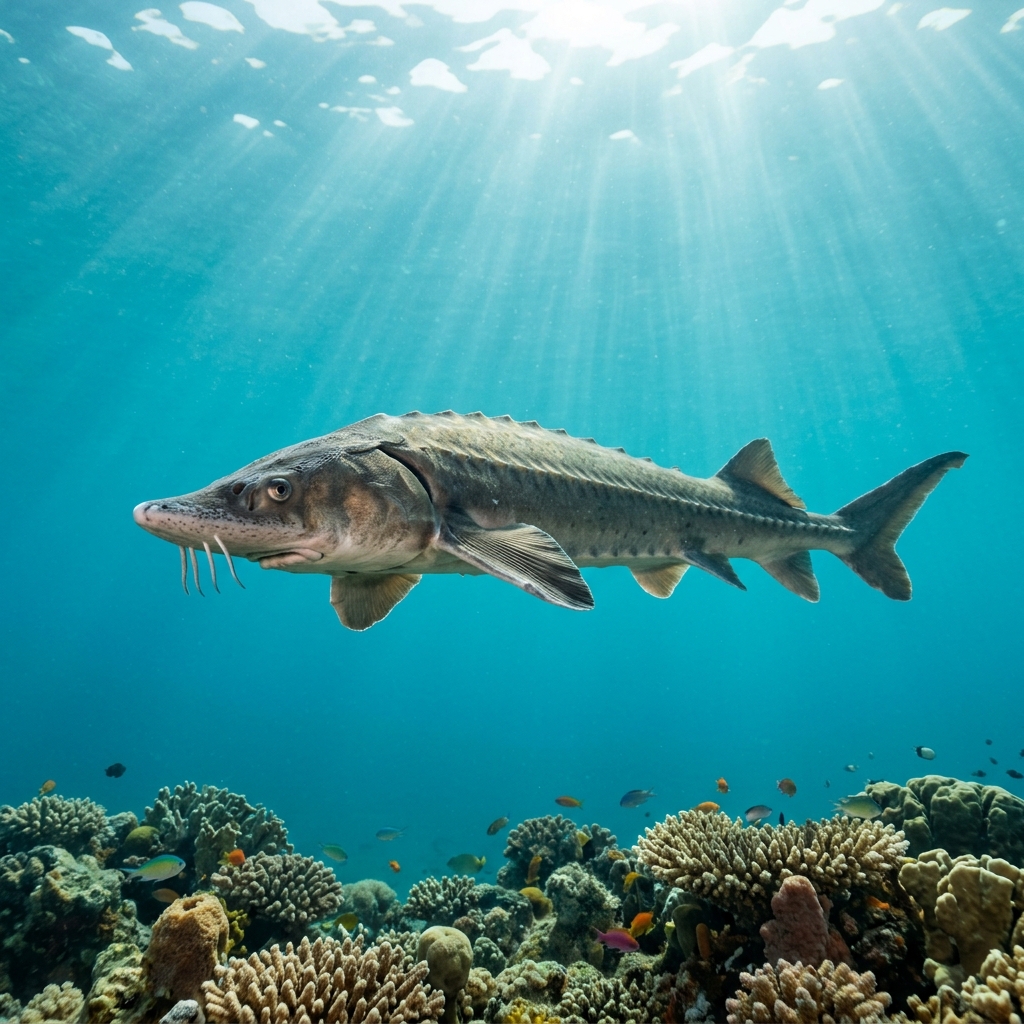
Reef neighbours a diver could mistake it for. Use the identification notes above to tell them apart.
Most commonly logged in freshwater sites across the Northeast United States and the Great Lakes, with a strong secondary population around New Brunswick in Canada. In Europe, divers and snorkellers report them from Gelderland and North Brabant in the Netherlands, plus scattered sites in Germany, the UK, Poland and Belgium.
Mapping where Stickleback is logged…
Freshwater sites in the Northeast United States and the Great Lakes are the most reliable spots, alongside New Brunswick in Canada. In Europe, look to Gelderland and North Brabant in the Netherlands, plus scattered sites in Germany, the UK and Poland.
There's no strong seasonal pattern in the sighting data, so they can turn up year-round in the lakes and ponds they inhabit. Early spring and late autumn, when weed growth is lower, can make spotting them easier.
Look for a small, slender fish with bony side plates instead of scales and a row of free spines along the back rather than a single spined fin. Breeding males often show red or blue colouring on the throat and belly.
Species in this family are small, typically only a few centimetres long as adults, making them easy to overlook among weed and debris.
Males build a nest from plant material stuck together with a glue-like secretion, then guard the eggs and fan water over them until the young hatch, unusual parental care for a small fish.
Site and sighting data is aggregated from diver logs, iNaturalist and GBIF. For taxonomy and conservation status:
Sun Perch
2,182 sites