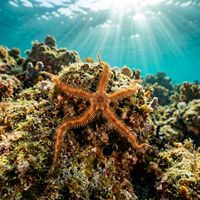
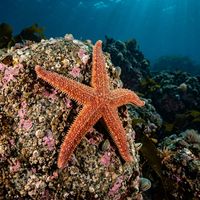
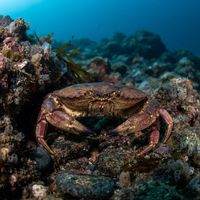
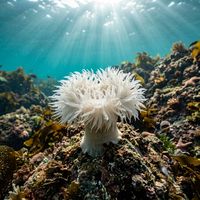
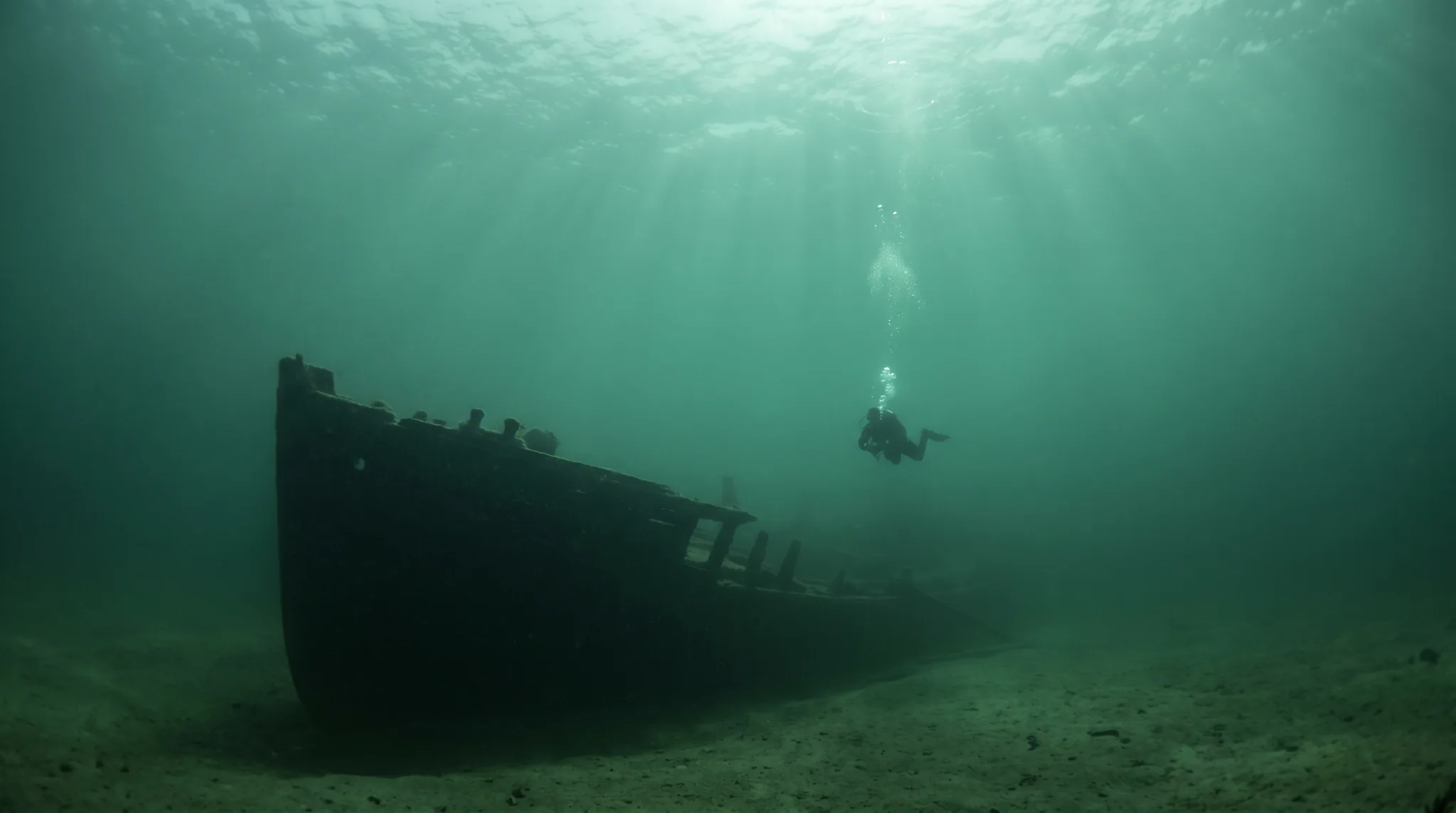
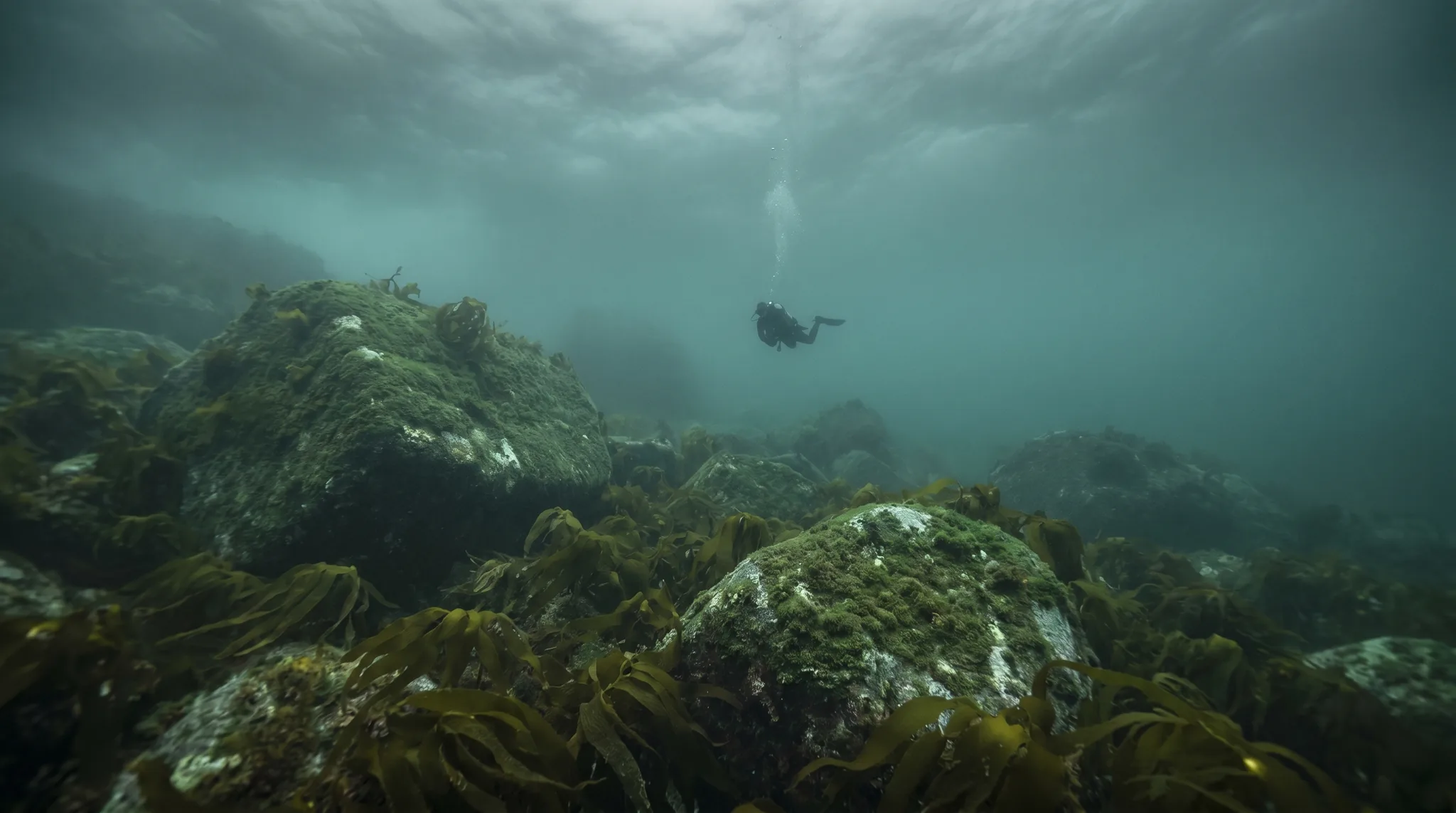
Percé offers cold-water diving and snorkelling built around shallow reefs, a wreck, and an artificial reef structure. The signature draw is marine life: Harbor Seal and Gray Seal are observed across virtually every site, alongside dense invertebrate communities of Brittle Star, Common Sea Star, Dead Man's Fingers, Common Lobster, and Great Spider Crab. Water stays cold for much of the year, warming briefly through summer. Most sites are boat-access only, keeping conditions relatively undisturbed.
Monthly water temperature across Percé's sites, from satellite sea-surface data corrected for depth. The band shows the site-to-site spread.
Water temperatures sit near freezing through winter and early spring, climbing gradually to their warmest in late summer before falling sharply again through autumn. The comfortable window for diving runs from early summer through early autumn, when conditions are most manageable. Currents can be strong at some sites, so divers should check conditions before heading out.
10 more sites to explore
Water temperature around Percé ranges from about -1°C in February to 17°C in August, based on satellite sea-temperature data for its dive sites.
In the warm season (about 17°C) a 7mm or semi-dry suit is comfortable in Percé; in the coldest months (about -1°C) step up to a drysuit.
Fin maps 13 sites in Percé (8 scuba diving sites and 6 snorkelling spots, with some suited to both).
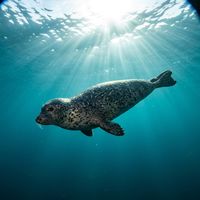
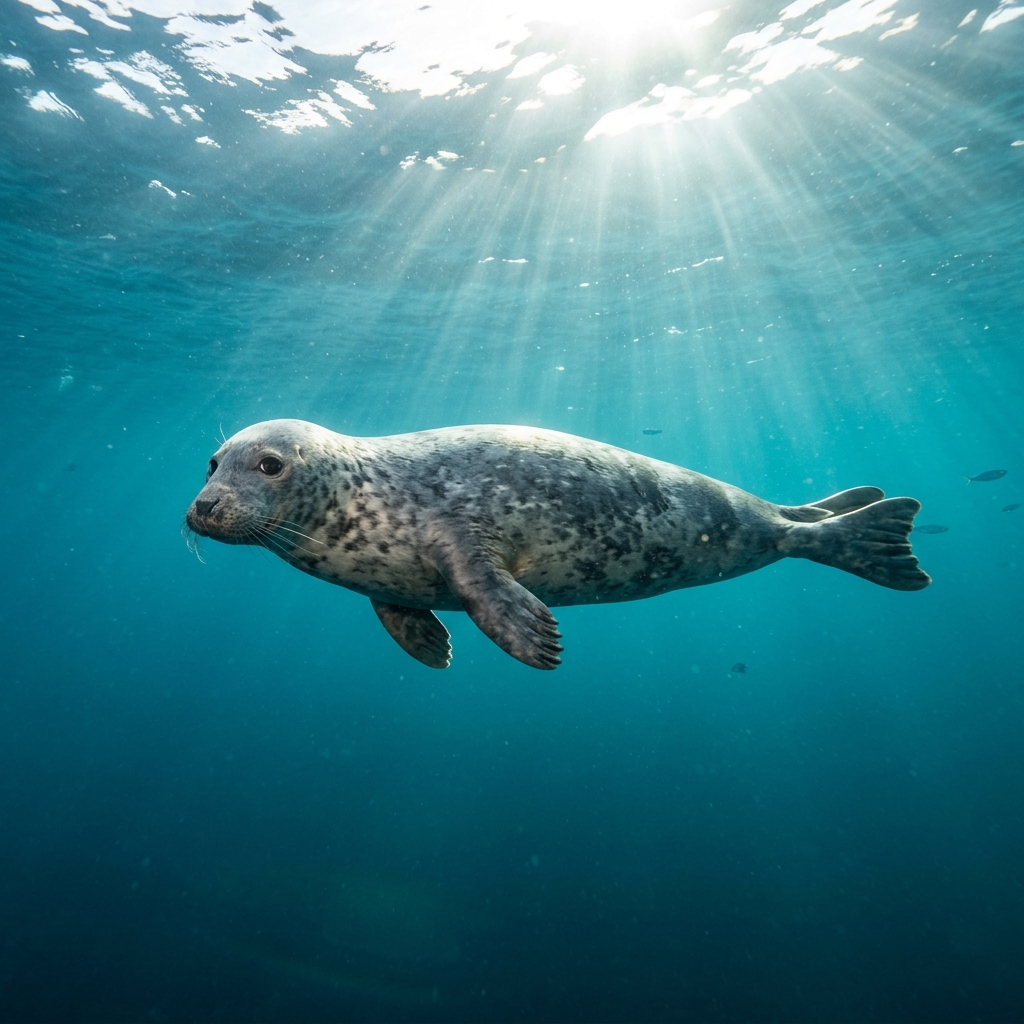
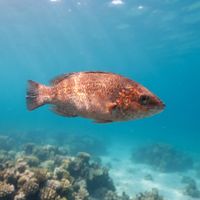
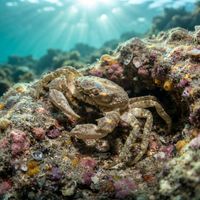
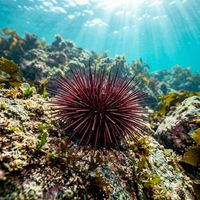
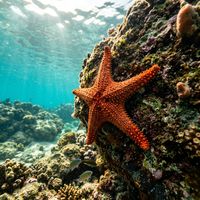
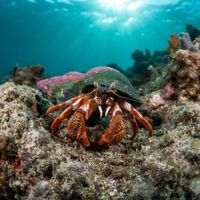
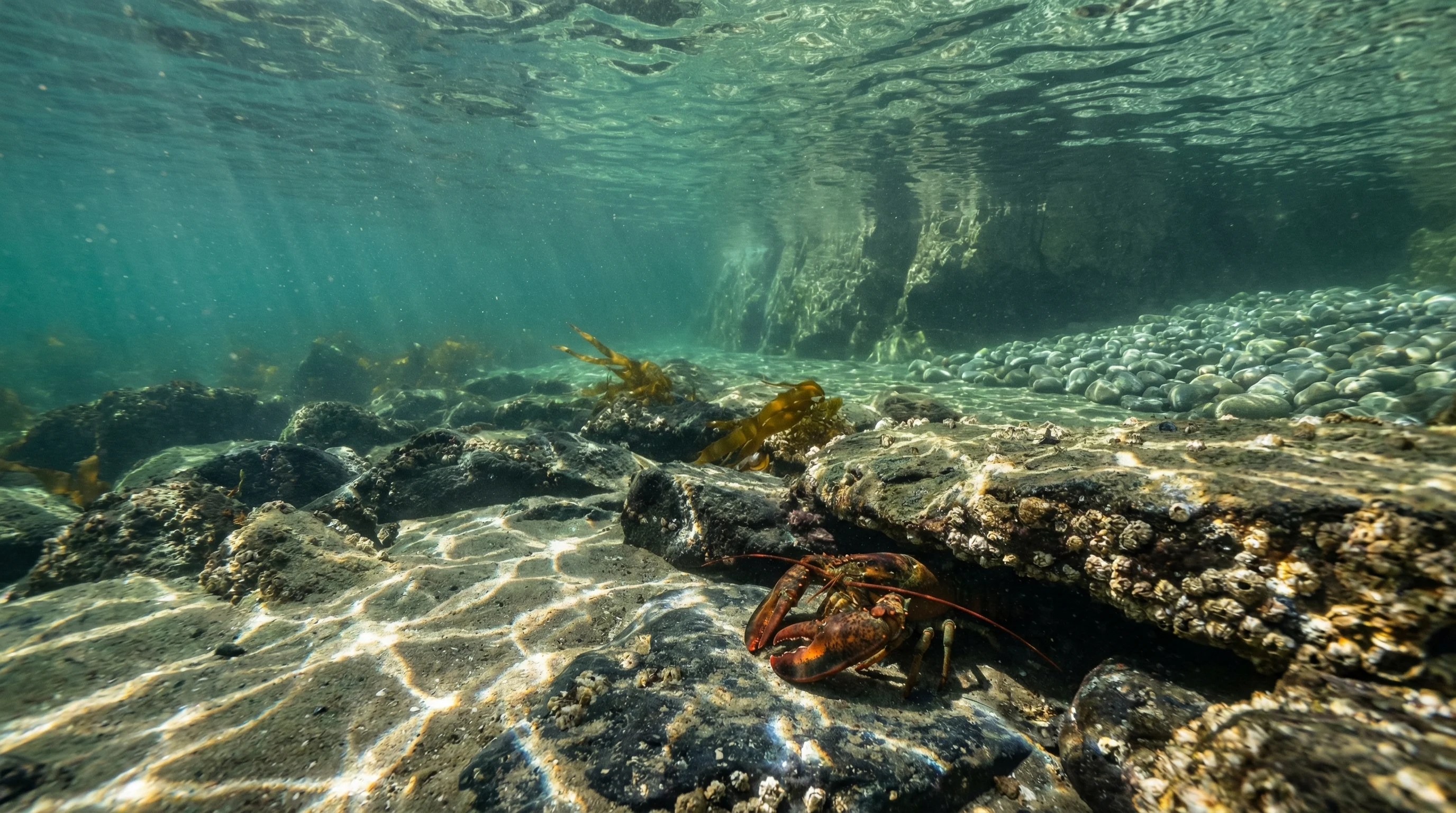
Seals are the headline attraction, with Harbor Seal observed at every site and Gray Seal very nearly as common. On the reef and benthos you will find Brittle Star, Common Sea Star, Dead Man's Fingers, Common Lobster, Great Spider Crab, Atlantic Rock Crab, Plumose Anemone, Red Sea Urchin, and Orange Sea Cucumber among others. Cunner is the most commonly logged fish. The invertebrate life is notably rich given the cool conditions.
Several sites, including Roche Carree and Unisol, are listed as suitable for beginners, so there is a real entry point for newer divers. Intermediate-level sites such as Guian are also available for those looking to progress. That said, currents can be strong at some sites, so even beginners should dive with a qualified guide and check conditions carefully.
All of the top sites in Percé require boat access; there are no shore-entry options listed among them. The local operator Plongée Percé is available to arrange trips. Because sites sit some distance offshore, planning around tides and currents is important before departure.
The site mix covers natural reef, wreck, and artificial reef. Roche Carree combines a shallow reef with a wreck, while Guian features both natural and artificial reef structures. This variety means different dives offer different encounters, even within a compact area.