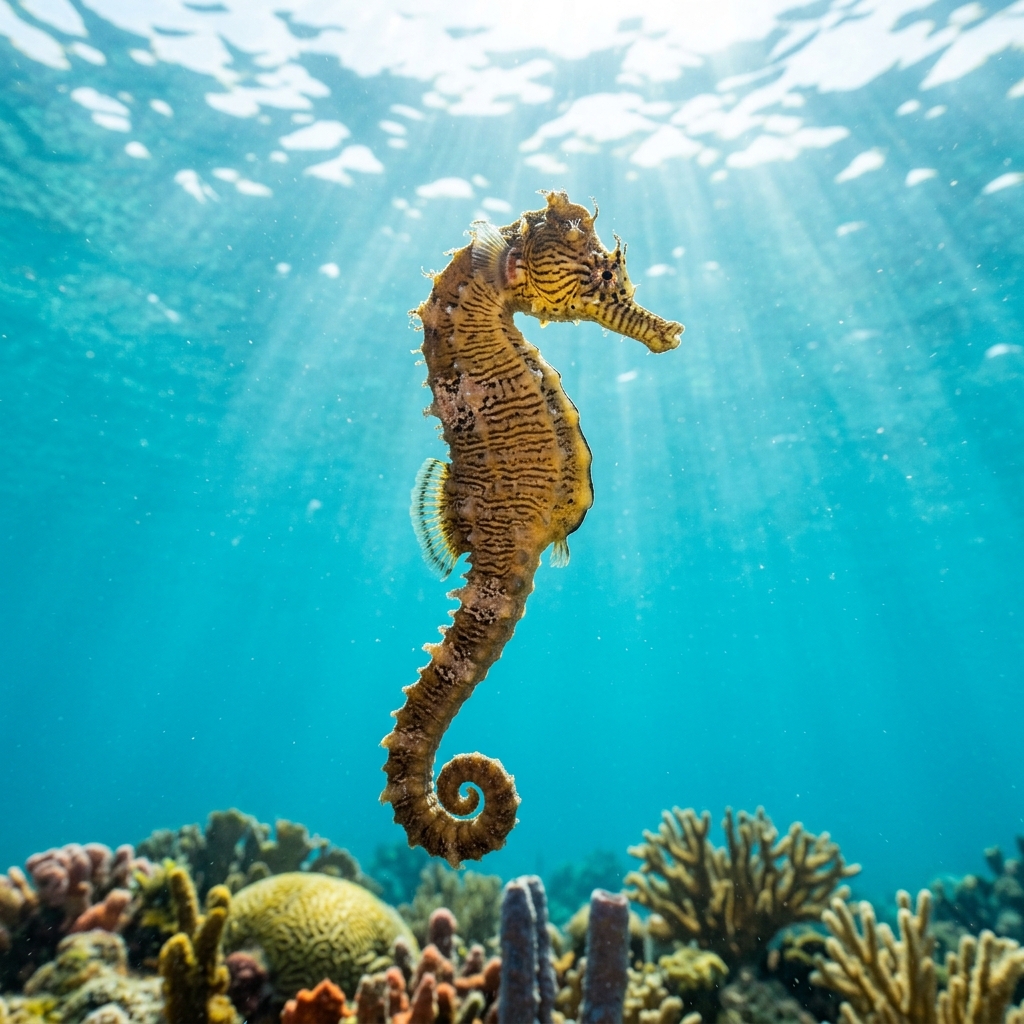
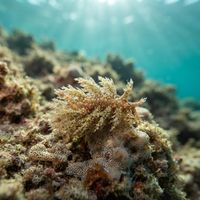
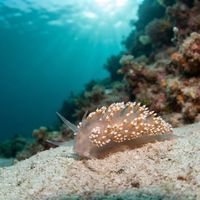
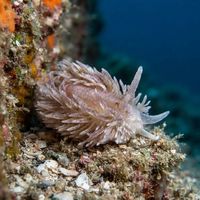
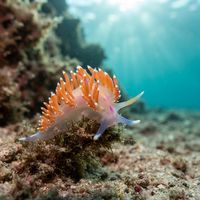
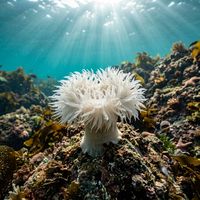
St. Margarets Bay offers a varied cold-water diving experience built around rocky reefs, dense kelp forests, wall sections, and a notable wreck in the HMCS Saguenay. Most sites are shore-accessible, covering the full range from shallow beginner reefs like Peach Passage and Fralick Cove to deeper advanced dives. The marine life leans heavily toward invertebrates: Plumose Anemone and Brittle Star are near-ubiquitous, while nudibranchs including the Bushy-backed Nudibranch, Coryphella Verrucosa, and Shag-rug Aeolis appear regularly. Lined Seahorse and Harbor Seal add further character.
Monthly water temperature across St. Margarets Bay's sites, from satellite sea-surface data corrected for depth. The band shows the site-to-site spread.
Water in St. Margarets Bay stays cold year-round, dropping to its lowest in late winter and peaking in September before falling again through autumn. Summer and early autumn bring the warmest conditions and attract the most divers, with July, August, and October all well-represented in the best-months data. Shore entry is the norm here, so wind direction and swell exposure matter as much as water temperature when planning a dive.
3 operators
20 more sites to explore
Water temperature around St. Margarets Bay ranges from about 2°C in February to 15°C in September, based on satellite sea-temperature data for its dive sites.
In the warm season (about 15°C) a 7mm or semi-dry suit is comfortable in St. Margarets Bay; in the coldest months (about 2°C) step up to a drysuit.
Fin maps 32 sites in St. Margarets Bay (32 scuba diving sites and 6 snorkelling spots, with some suited to both).
Across St. Margarets Bay's dive sites, June, July, August and October are most often reported as the best months to visit.
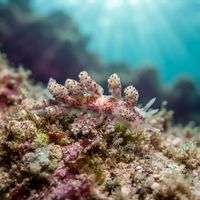
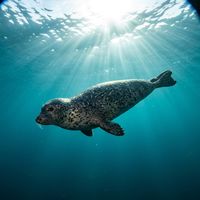
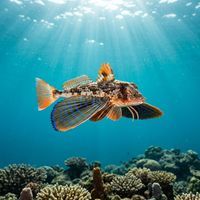
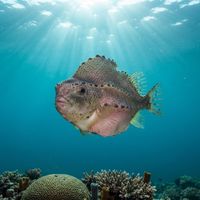
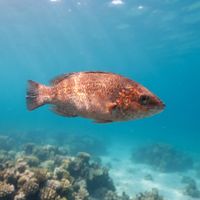
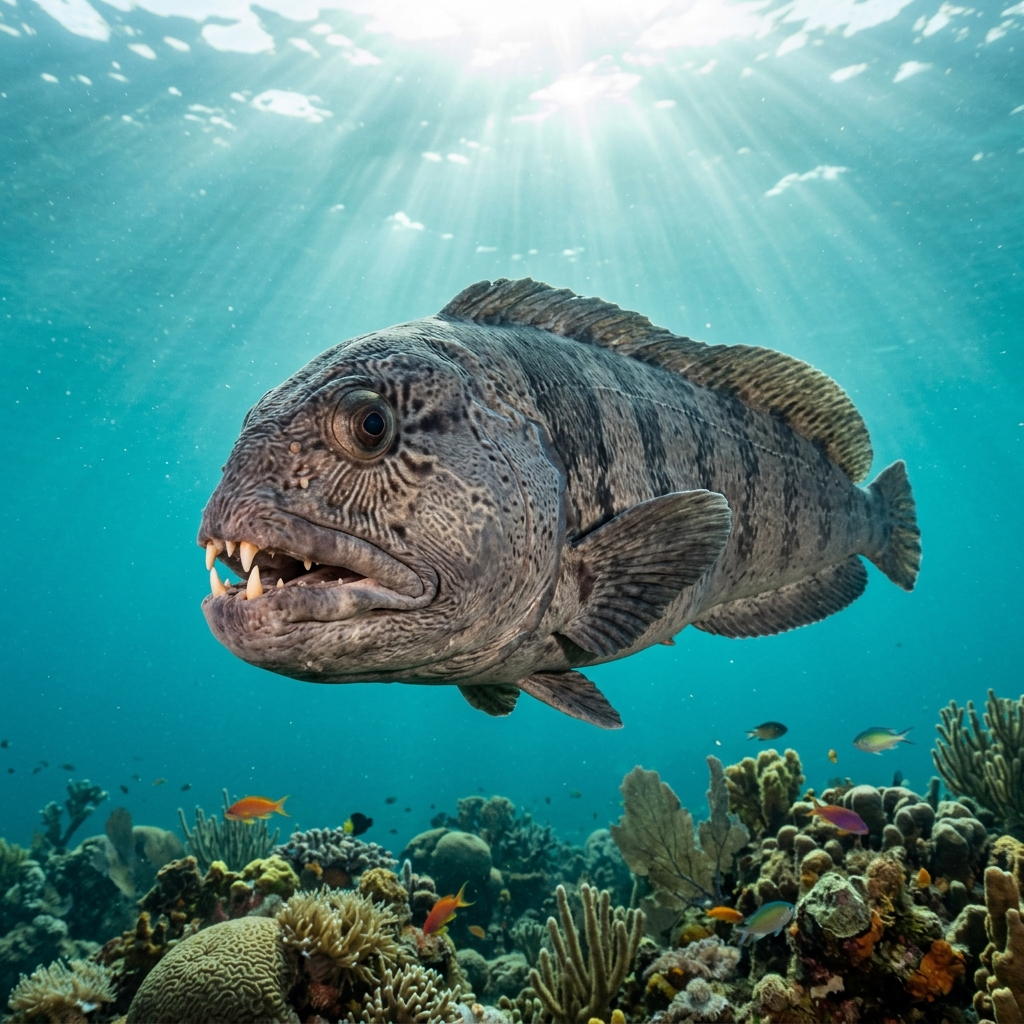
Invertebrates dominate the bay's reefs. Plumose Anemone, Brittle Star, and Common Sea Star are found at almost every site, and Common Lobster and Jonah Crab are a regular presence beneath ledges. Nudibranchs are a particular draw: Bushy-backed Nudibranch, Coryphella Verrucosa, Shag-rug Aeolis, and Coronate Doto are all observation-backed sightings. Lined Seahorse, Harbor Seal, Atlantic Wolffish, and Lumpfish round out the highlights.
A good proportion of sites in St. Margarets Bay are rated beginner level, including Admirals Point, Fralick Cove, Burns Point, and West Dover Govt Wharf. Many of these are shallow shore dives with straightforward entries. That said, some shore entries involve slippery rocks and seaweed, and cold water throughout the year means proper thermal protection is essential regardless of skill level.
Shore entry is the dominant access type across the bay, making independent diving very practical. A smaller number of sites, including the HMCS Saguenay wreck and Peach Passage, require a boat. Local operators such as Torpedo Rays Scuba, Nautilus Aquatics & Hobbies, and Cornwallis Scuba Shop can assist with boat charters and equipment.
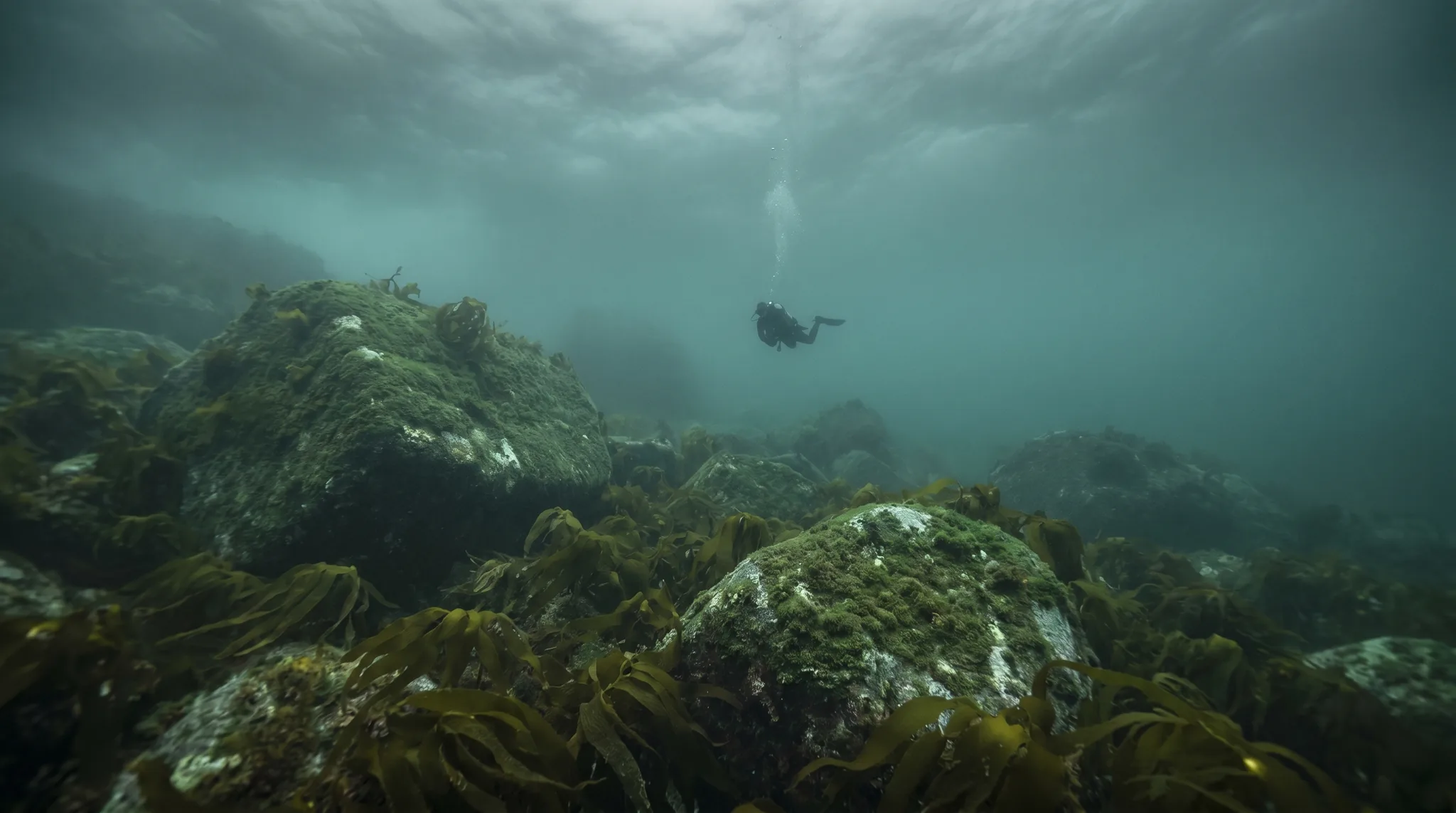
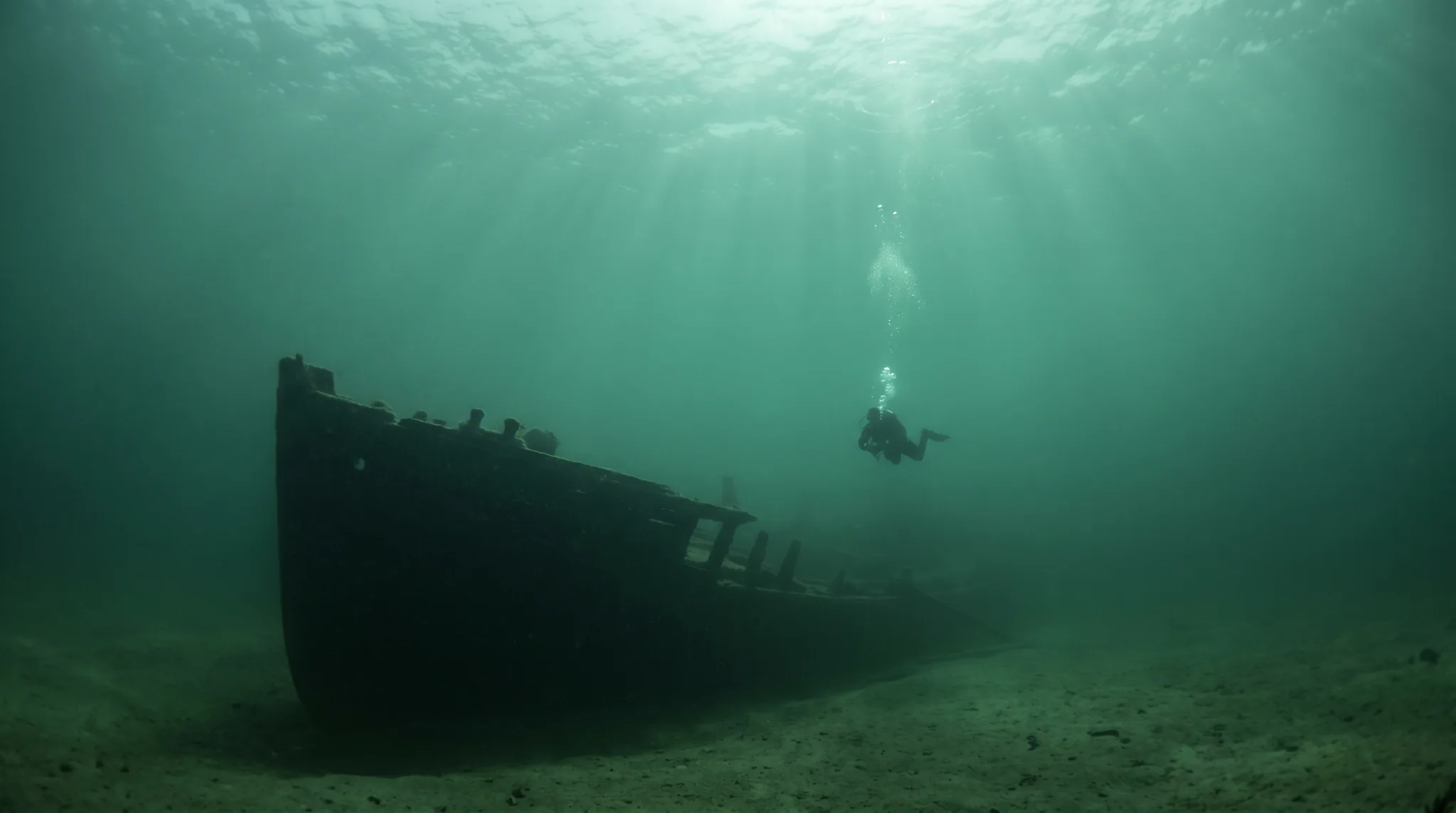
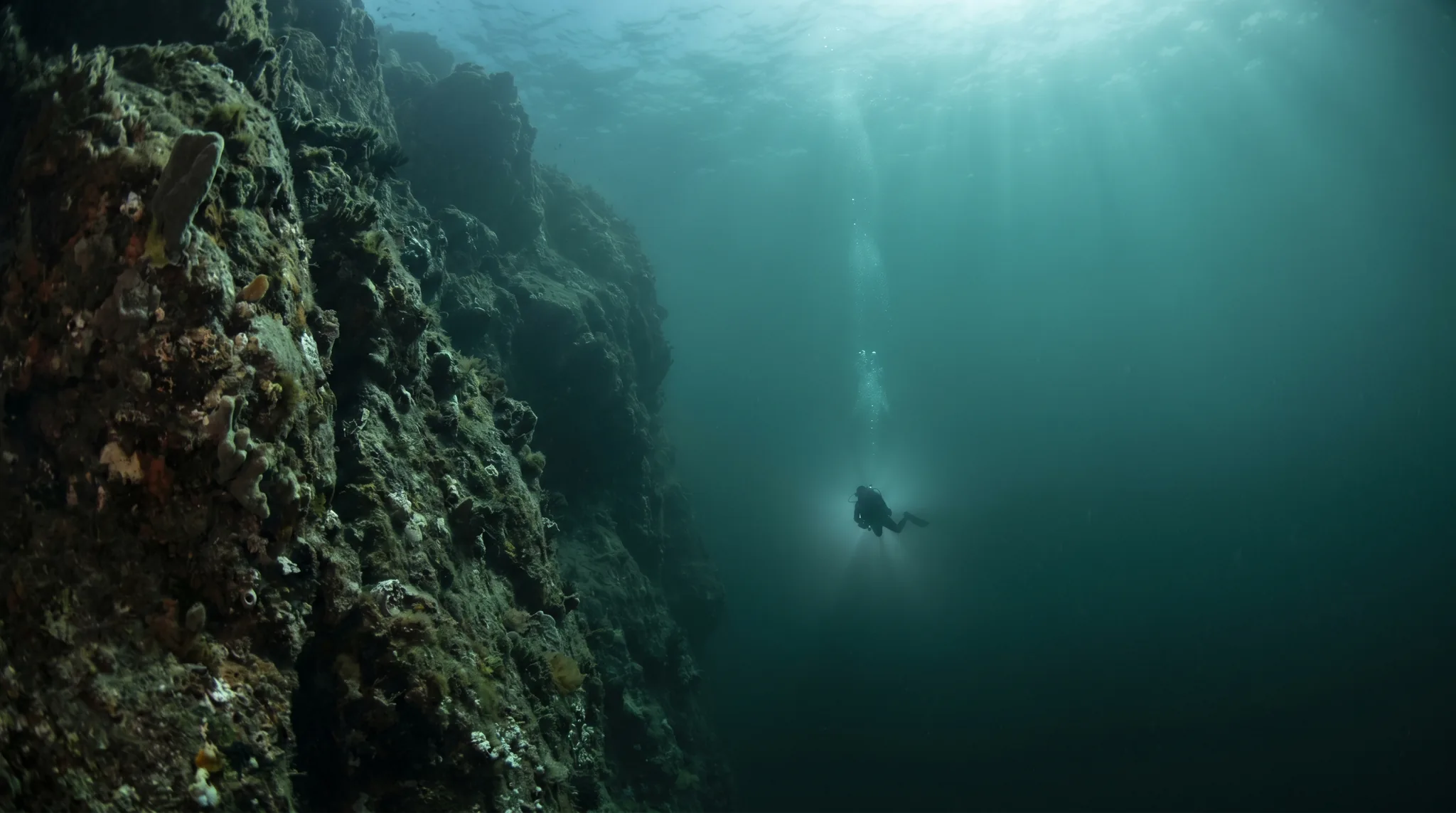
Rocky reefs are the backbone of diving here, often draped in kelp forest that creates a textured, layered environment. Wall sections appear at Burns Point, Birchy Head, and Polly Cove, offering straightforward navigation. The HMCS Saguenay is the bay's principal wreck and artificial reef, suited to advanced divers. Muck habitats at sites like Mill Cove Wharf Beach Side and Boutiliers Point reward slower, methodical searches for cryptic species.