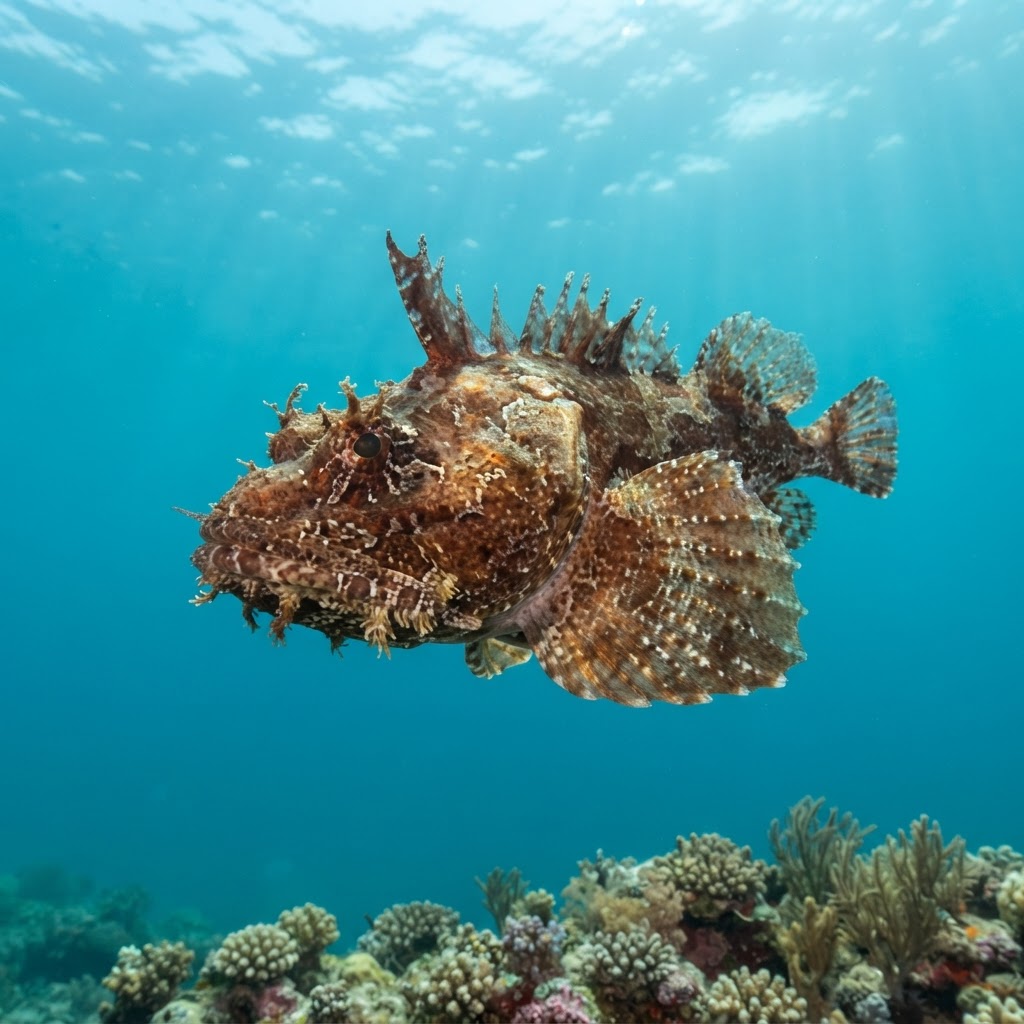
Hemitripterus americanus
Warty, mottled and slow-moving, sea ravens turn up on cold-water dives across Nova Scotia in water as chilly as 0.5C, year-round.
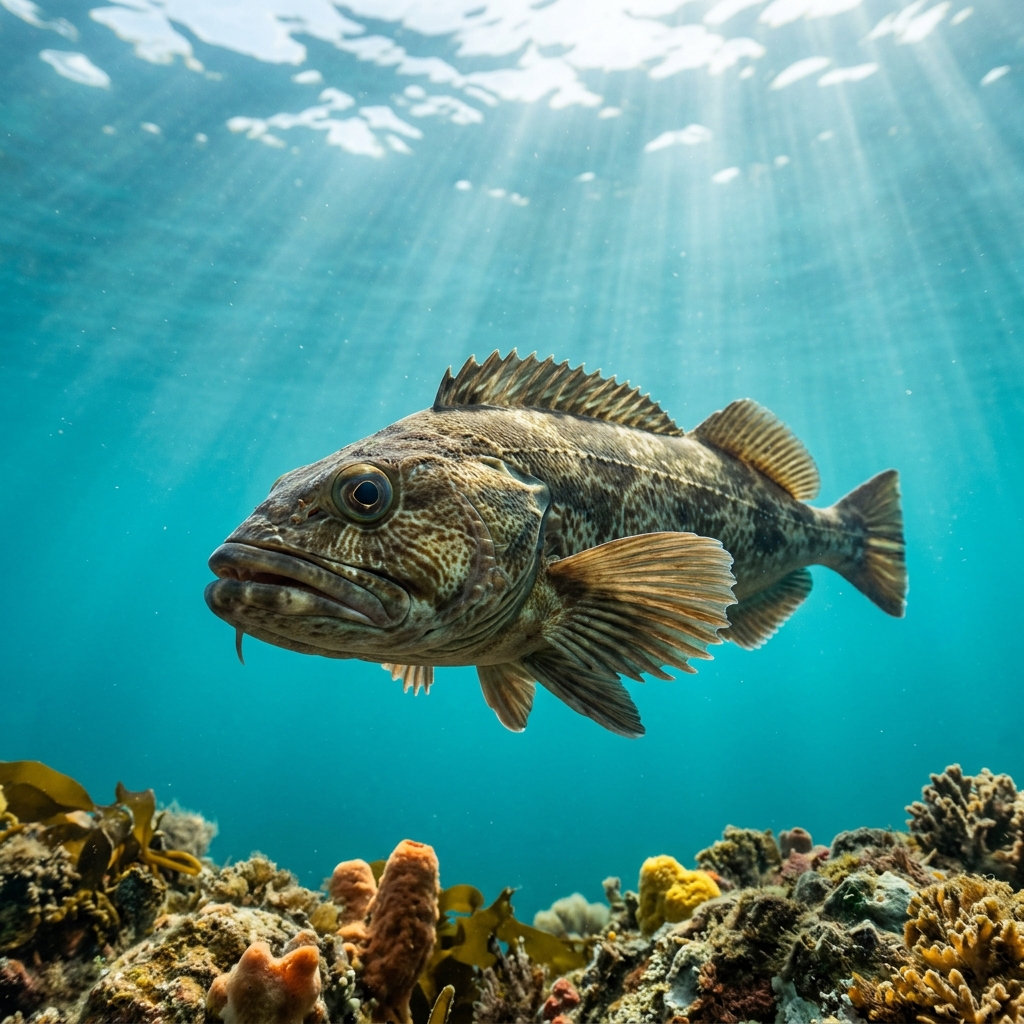
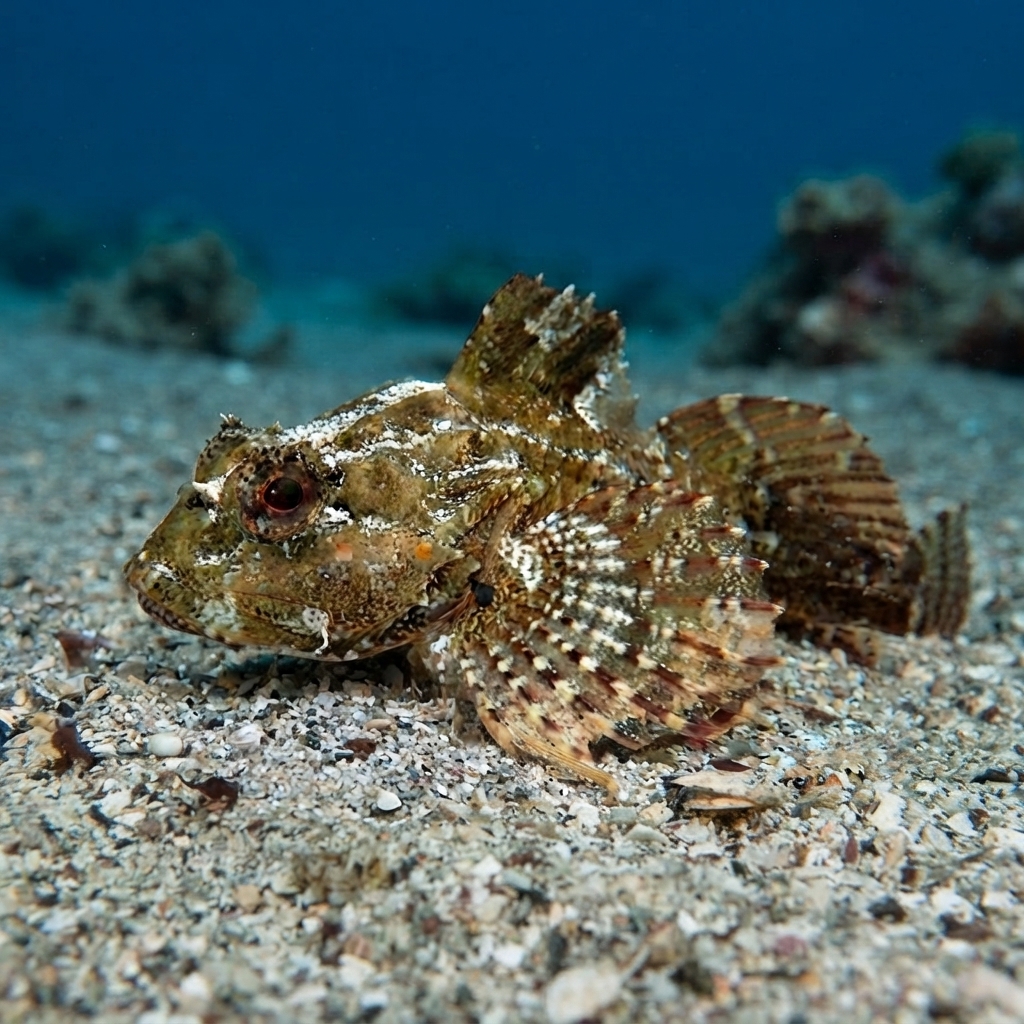
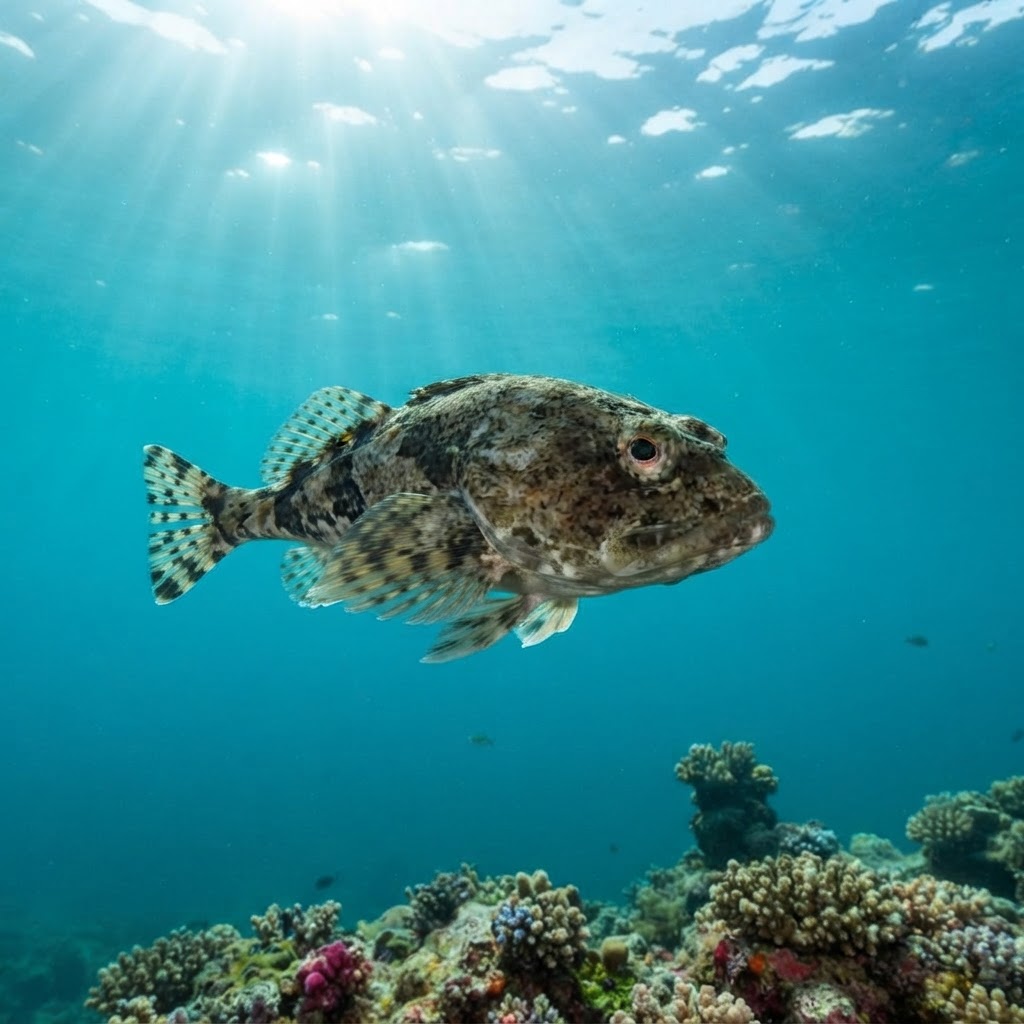
Squat, big-headed fish up to about 48cm, covered in loose, warty, prickly skin that ranges from reddish-brown to purple, green or orange depending on the individual. The oversized mouth, spiny fins and stubby, toad-like body make it look almost inflated compared with sleeker rockfish. It usually sits motionless on the bottom, relying on its blotchy camouflage rather than movement to go unnoticed.
Expect to find it parked on rock, gravel or mixed bottom, barely moving and blending into the substrate until you are almost on top of it. It tends to hold its ground rather than bolt when a diver approaches, which makes for a good slow, close look if you spot the shape against the rubble. Most logs describe it as an uncommon to rare find, so it rewards divers who scan the bottom carefully rather than watch the water column.
When handled or threatened, a sea raven can gulp air or water to puff up its body, a defensive trick that makes it look considerably larger and harder to swallow.
Sightings show no detectable seasonal pattern, and with a temperature niche stretching from 0.5 to 10.2C, sea ravens are present in cold Atlantic waters year-round rather than on a migratory schedule.
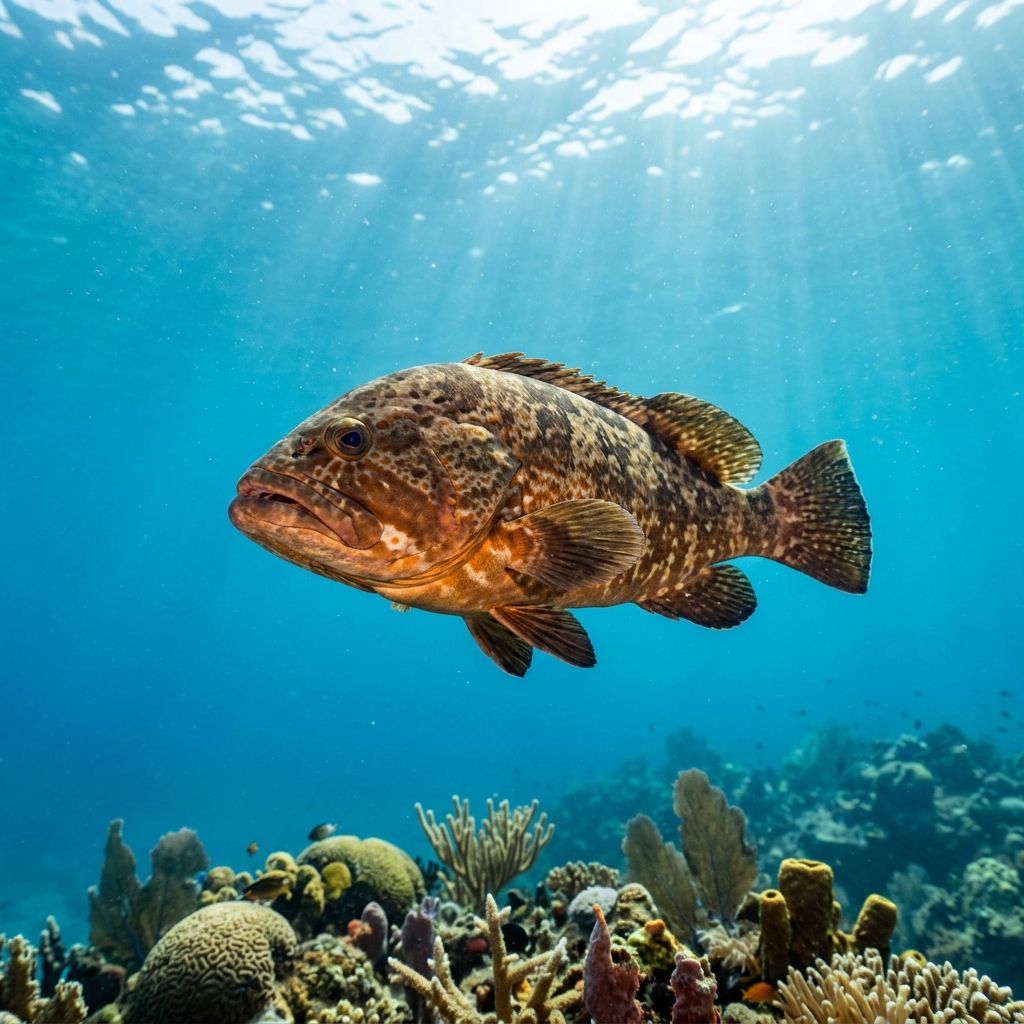
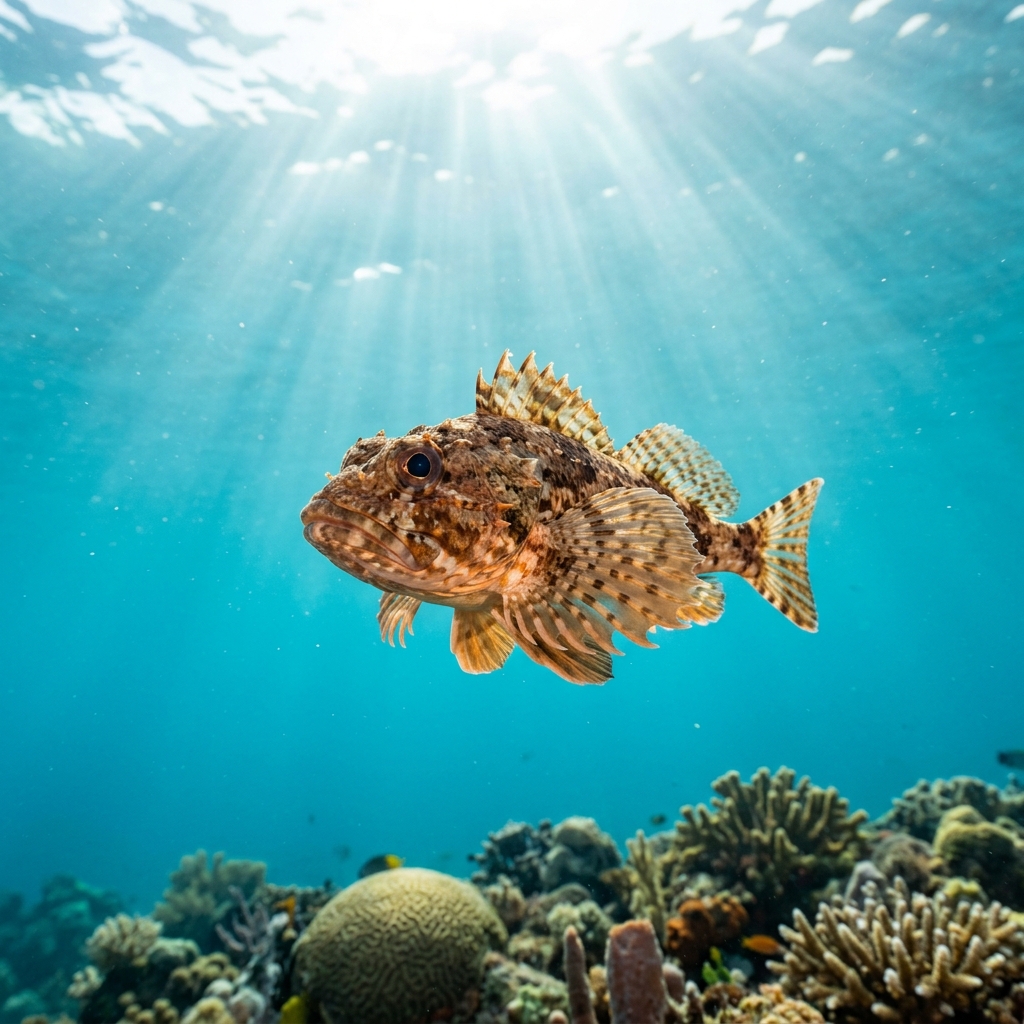
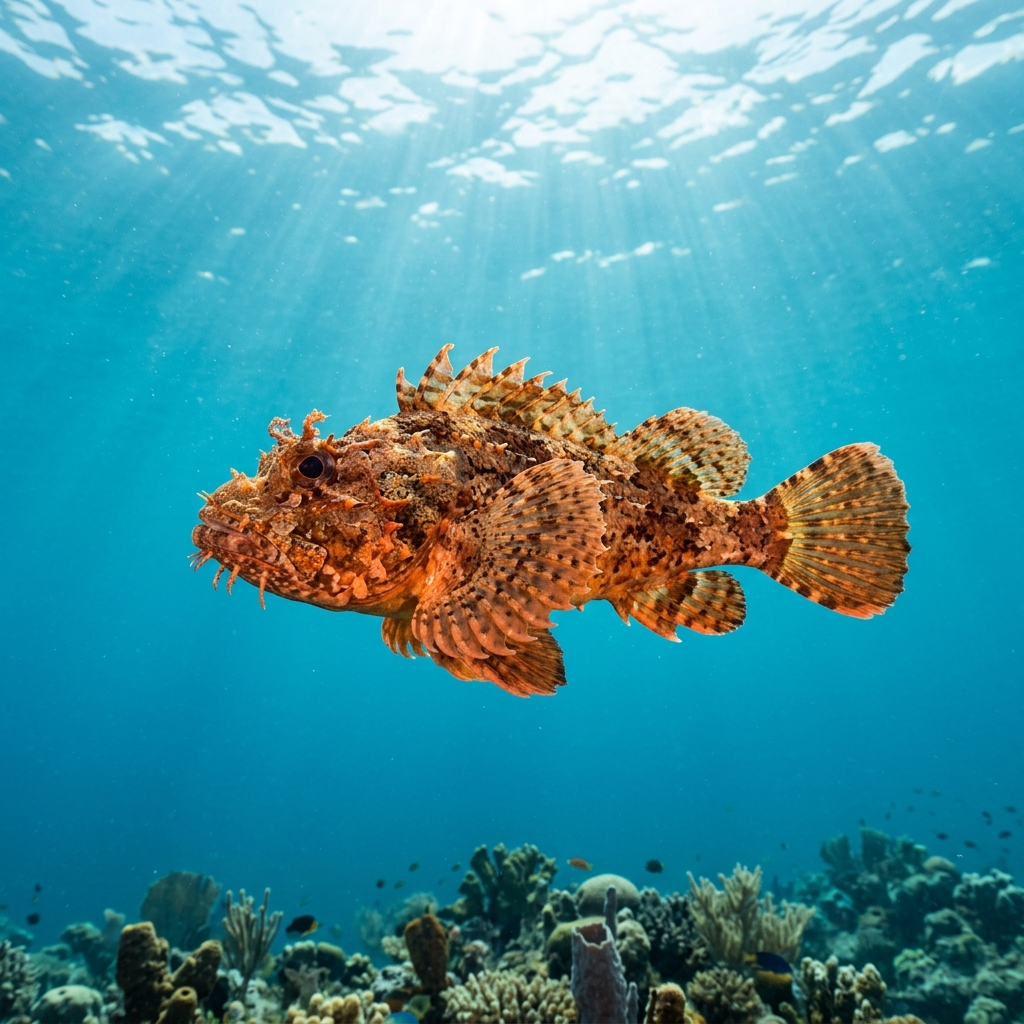
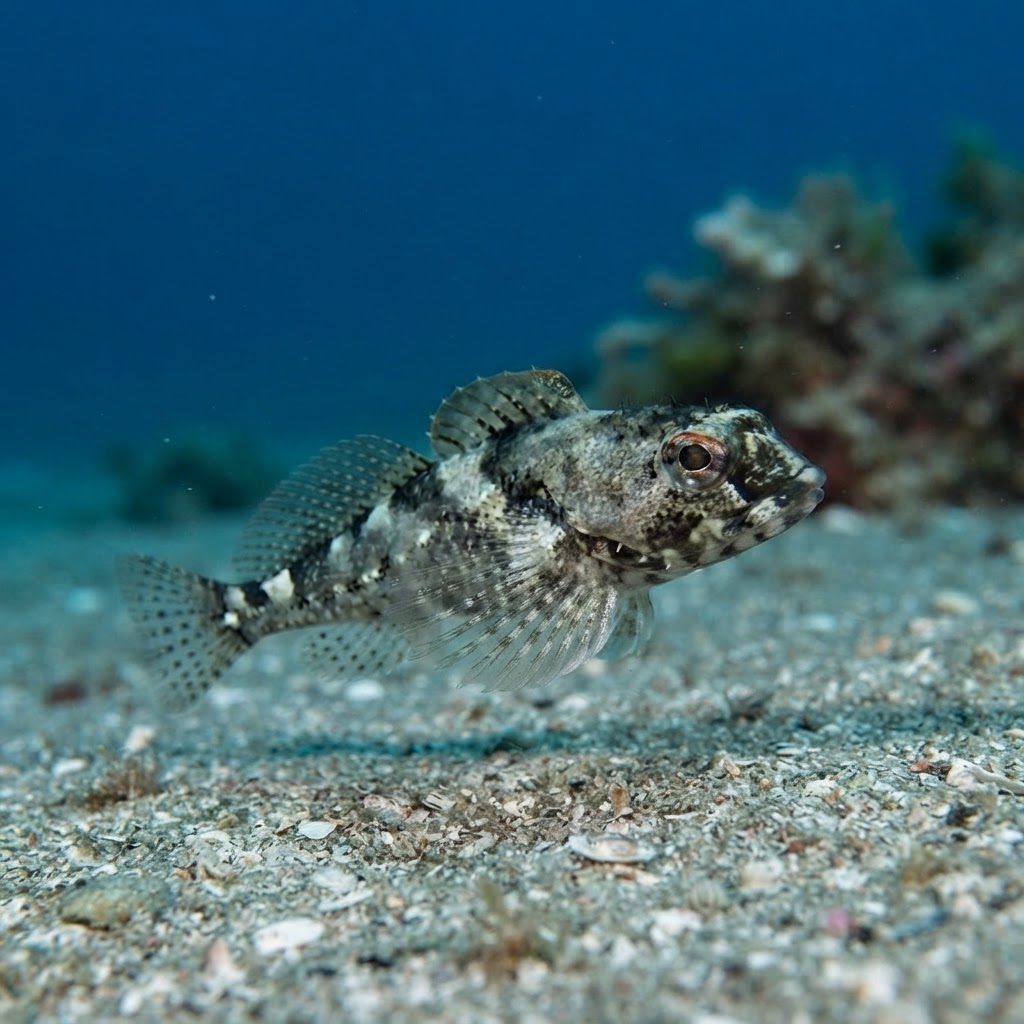
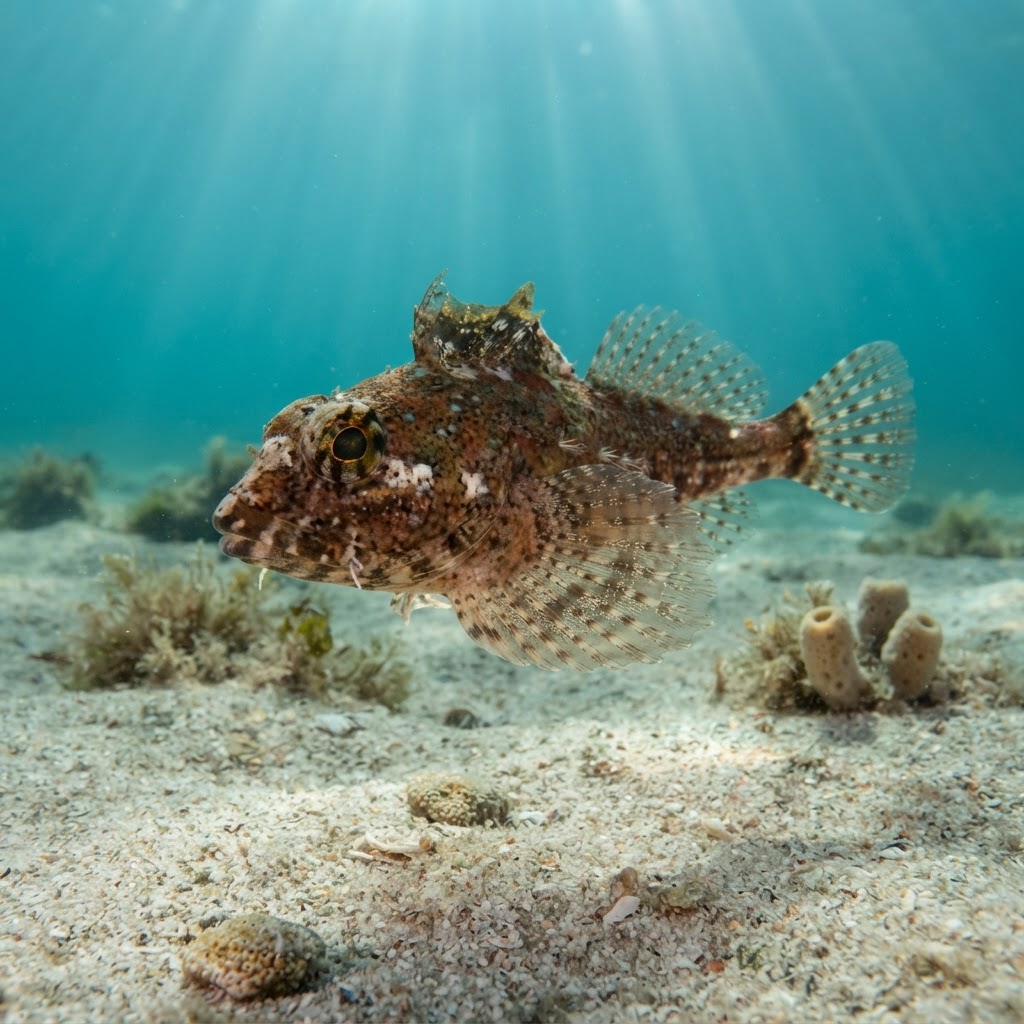
Reef neighbours a diver could mistake it for. Use the identification notes above to tell them apart.
Sea ravens are most reliably logged in Nova Scotia, Canada, which accounts for the bulk of recorded sightings, with a further reliable presence along the Northeast United States. Smaller numbers turn up in New Brunswick, Canada, making Atlantic Canada the strongest bet overall.
Mapping where Sea Raven is logged…
Nova Scotia, Canada is by far the strongest region for sea raven sightings, with the Northeast United States also producing a reliable number of logs. New Brunswick, Canada adds a smaller cluster of records.
There is no strong seasonal pattern in the data, and its comfort range of 0.5 to 10.2C means it stays in cold Atlantic waters through the year, so sightings are possible on any dive rather than tied to a particular month.
Look for a squat, warty, big-mouthed fish up to roughly 48cm sitting still on rock or gravel. Its blotchy reddish-brown, purple or greenish skin and spiny, toad-like profile set it apart from smoother bottom-dwellers nearby.
They typically reach around 48cm in length, a compact, heavy-bodied size that suits their habit of sitting camouflaged on the seabed rather than swimming in open water.
They can gulp air or water to inflate their body when threatened, bulking up their outline to deter predators, a defence more familiar from pufferfish than typical cold-water bottom fish.
No, they pose no threat to divers. They rely on camouflage and staying still rather than any aggressive or venomous defence, so they can be observed and photographed at close range without concern.
Site and sighting data is aggregated from diver logs, iNaturalist and GBIF. For taxonomy and conservation status:
Shorthorn Sculpin
228 sites