Myoxocephalus scorpius
Mottled, spiny bottom-dweller found year-round in cold water from Zeeland to Nova Scotia, usually resting still on silt or rock.
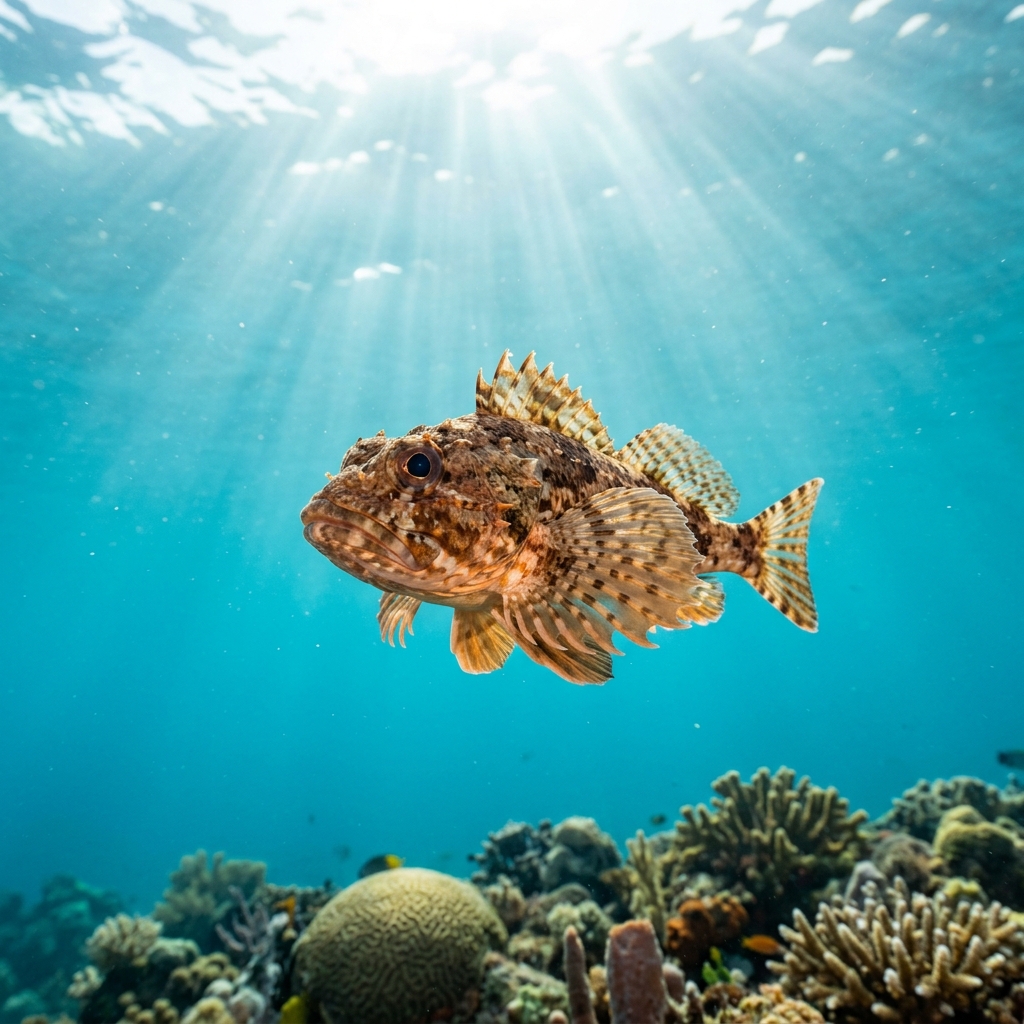
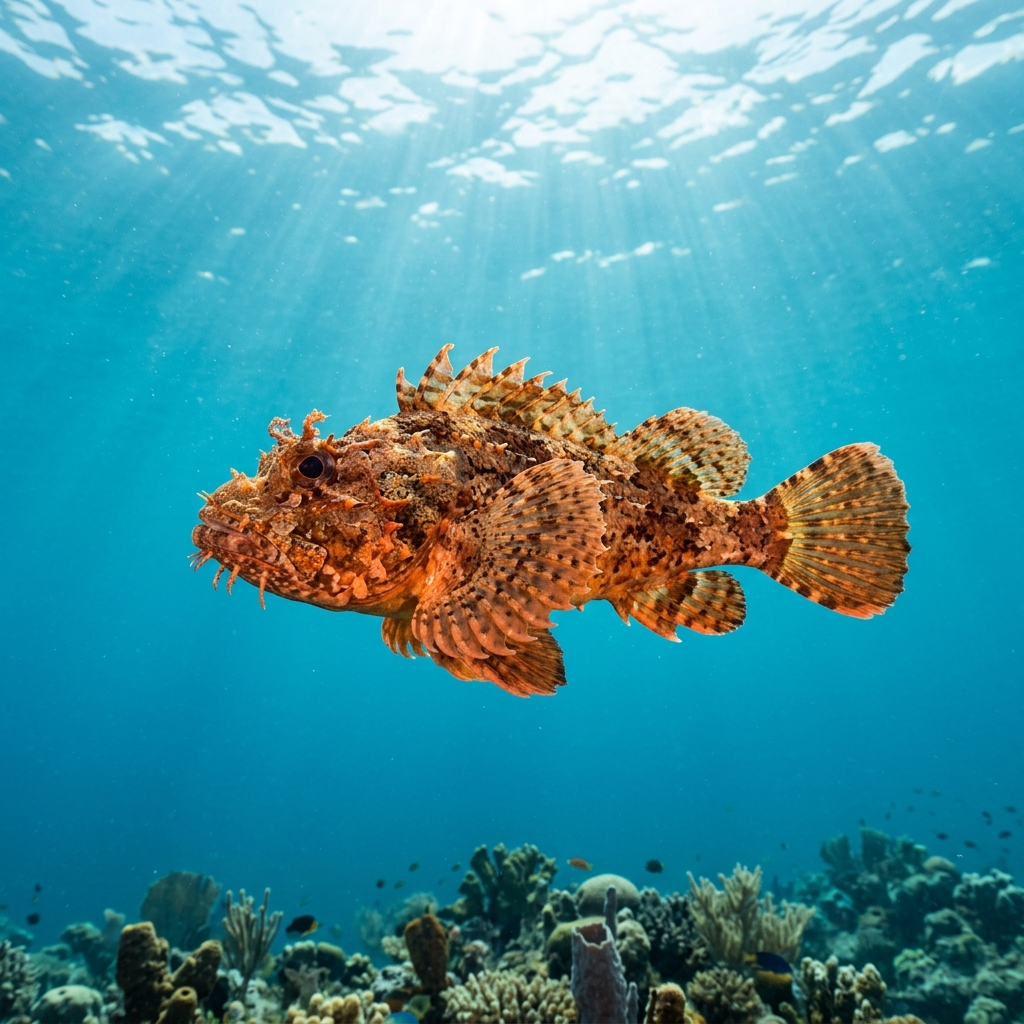
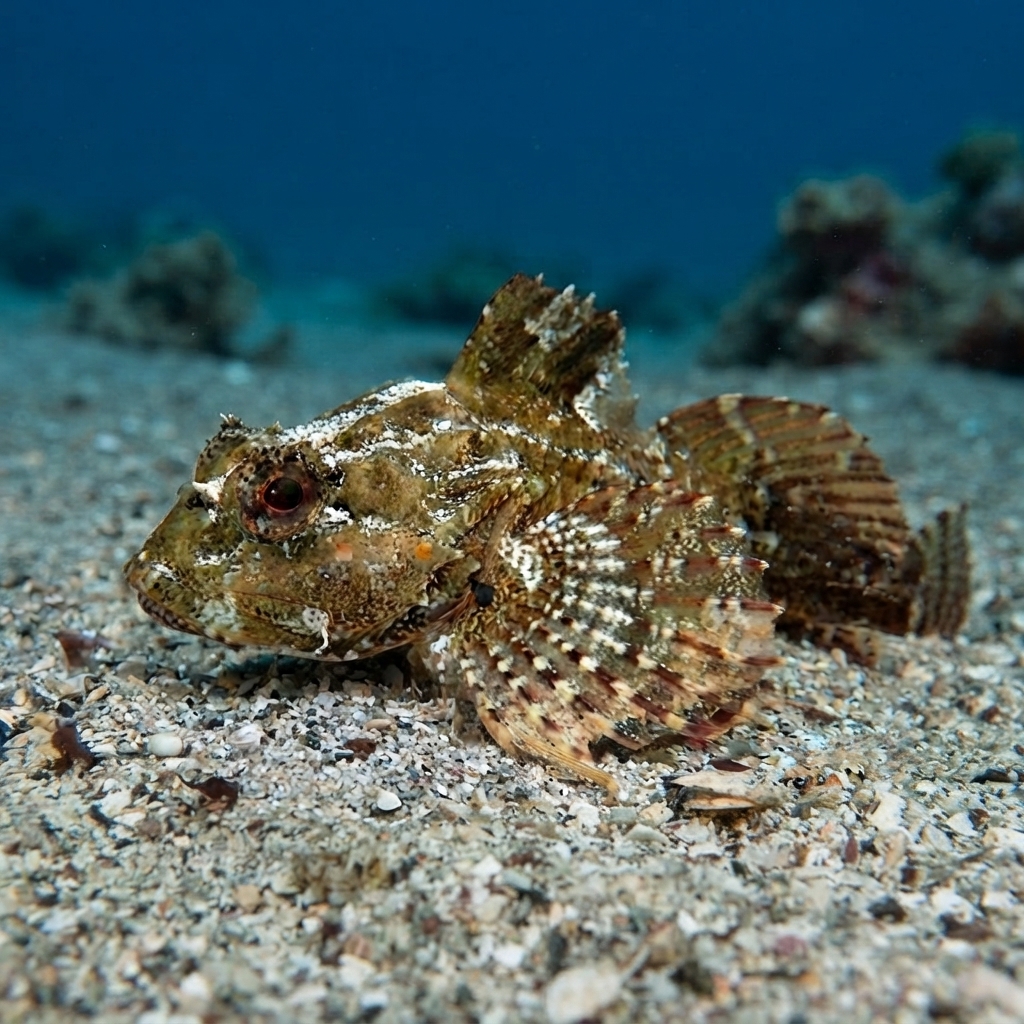
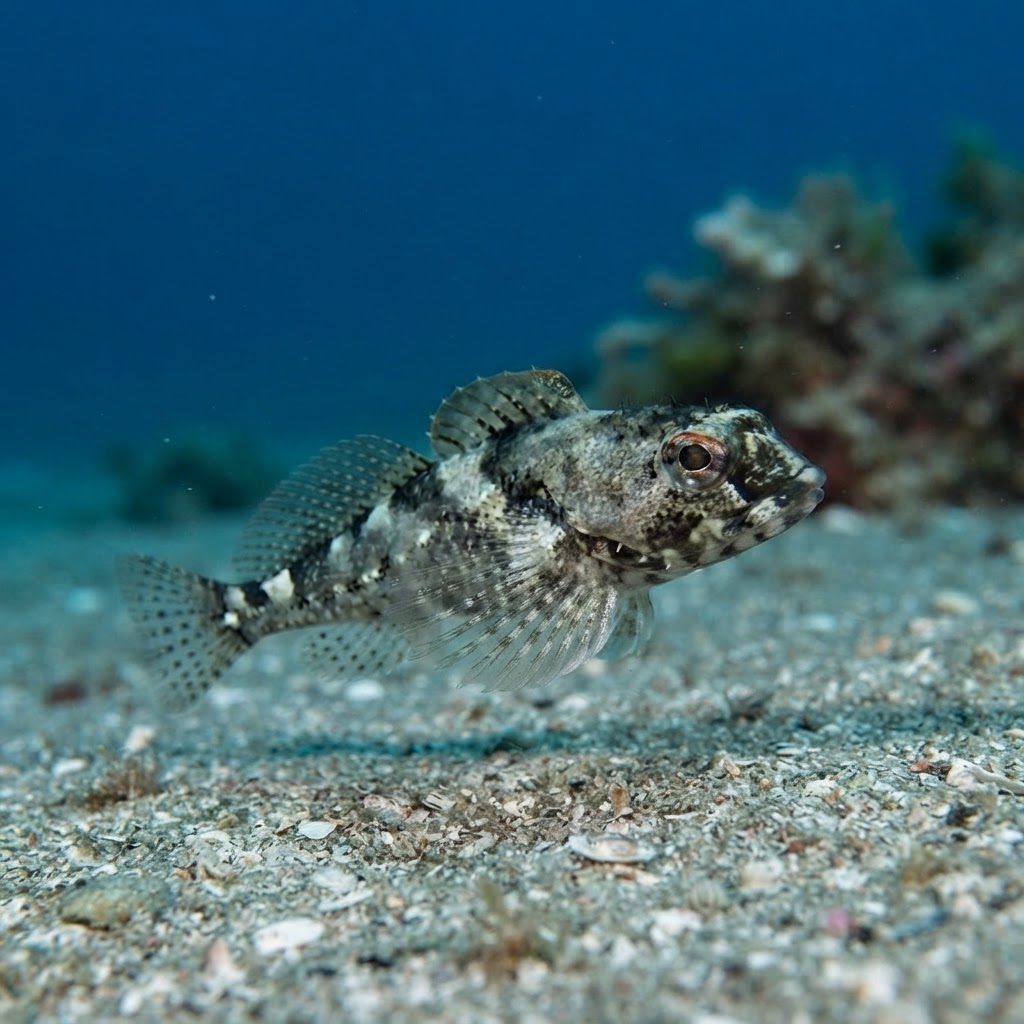
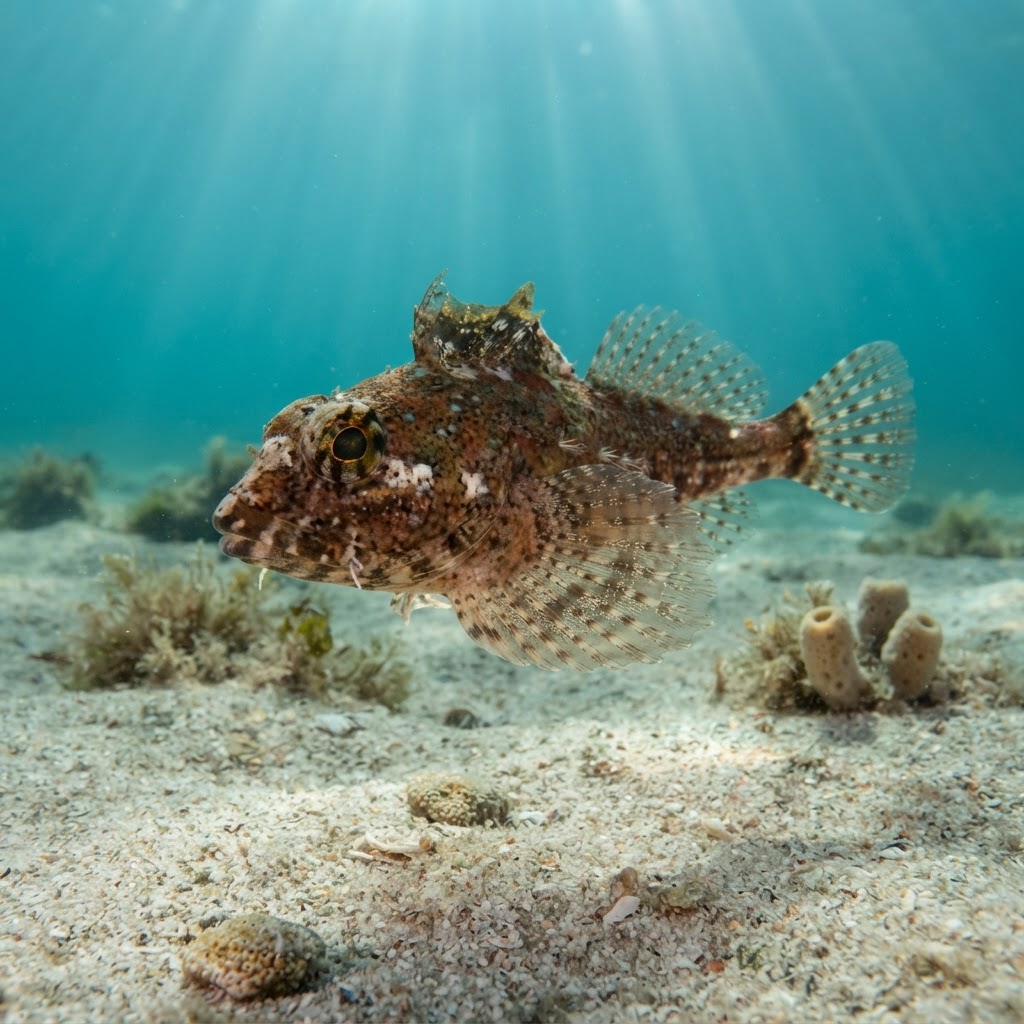
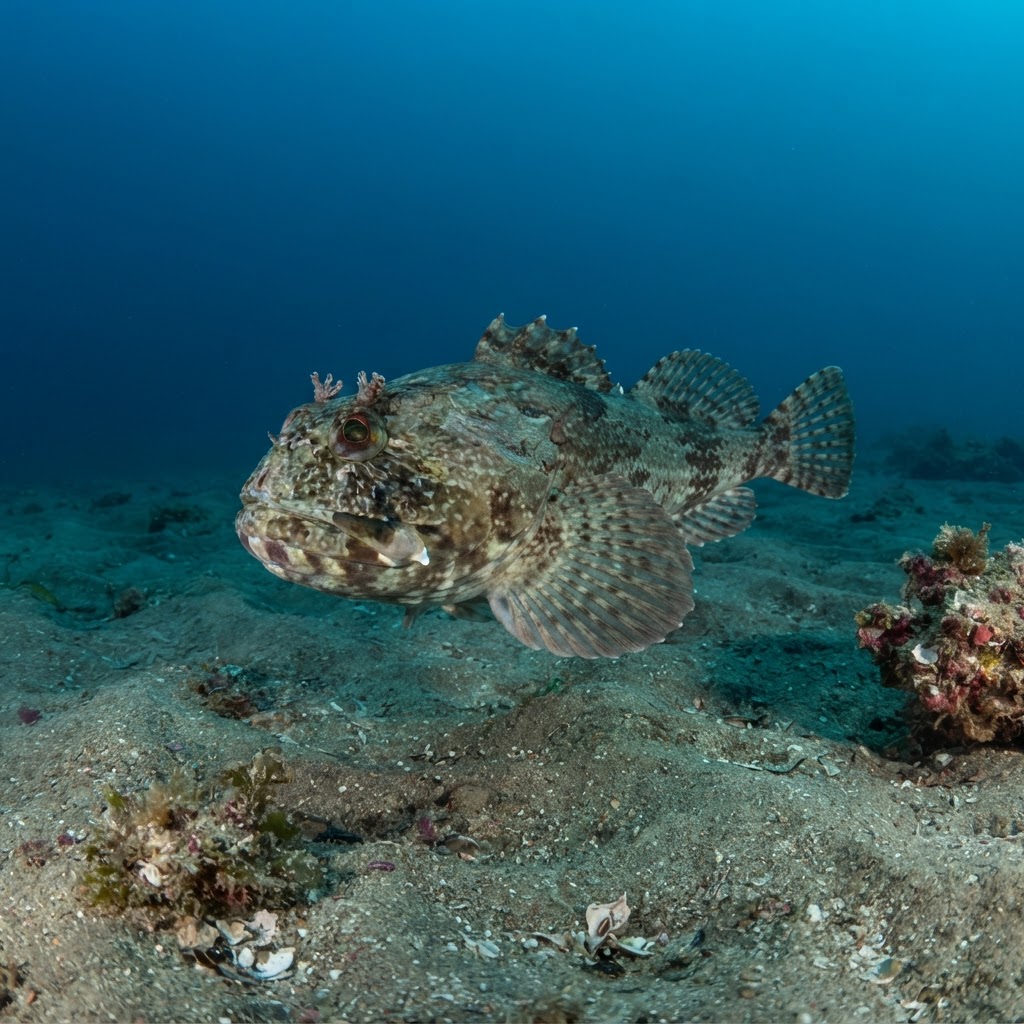
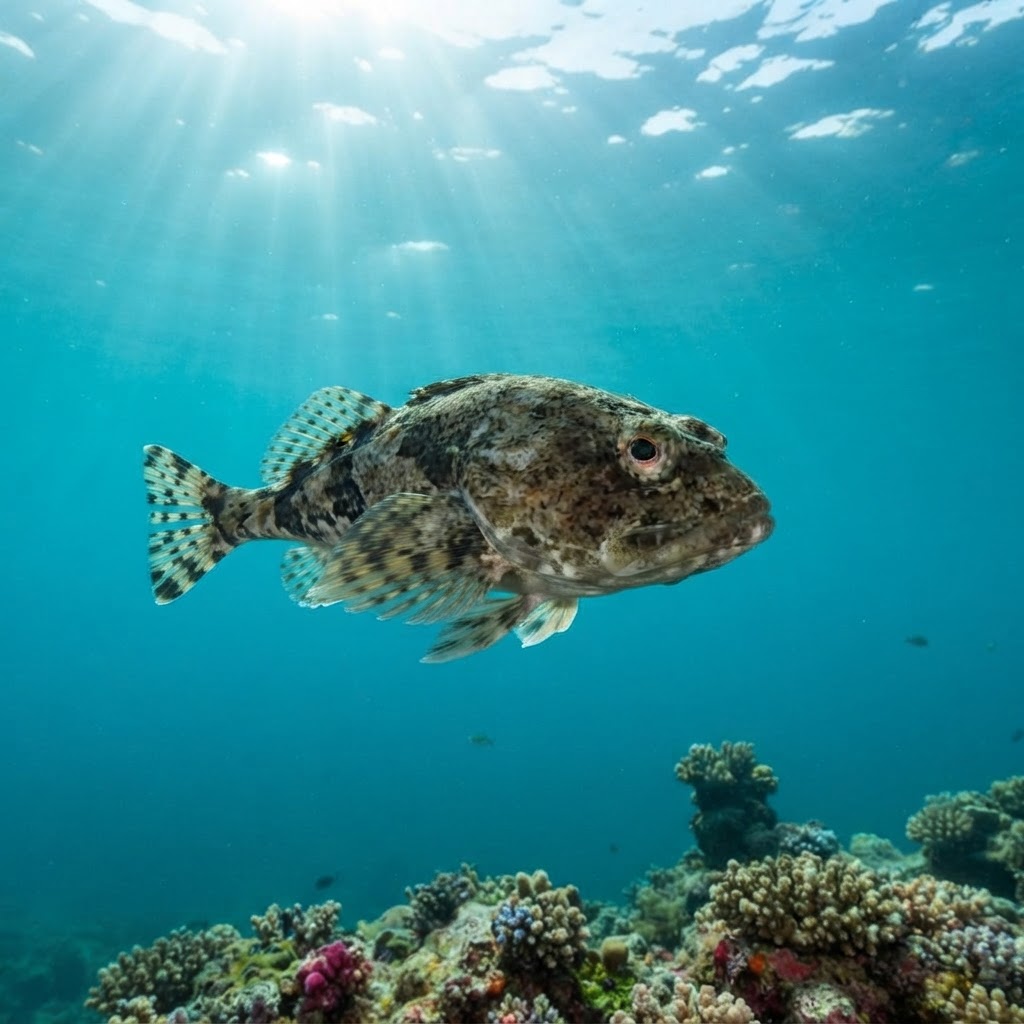
Broad, spiny head that tapers into a stocky, mottled brown-and-cream body up to about 42 cm long. Look for the wide, almost frog-like mouth, small bony knobs along the head, and a habit of lying motionless against sand, silt or rock rather than swimming in open water. Colouring varies with the substrate it's sitting on, so individuals can look quite different from one dive site to the next.
Expect to find it parked on the bottom, often half-hidden against sand, silt or rocky rubble, rather than out swimming in the water column. It tends to hold still as divers approach, relying on its camouflage rather than fleeing, which makes it an easy subject once your eye learns to pick out the shape against the seabed. Most logs describe it as an uncommon but steady find on cold-water dives rather than something divers actively seek out.
Those bony knobs and spines on its head are permanent armour, not something it can retract, which is part of why it can afford to sit still and let divers get close.
Sightings show no clear seasonal pattern, and with a comfort range of roughly 0.4 to 10.3 C it stays active in cold water year-round rather than migrating seasonally. Plan around the site's usual dive season rather than chasing a particular month for this species.
Most consistently logged in Zeeland in the Netherlands, with strong numbers also reported from Nova Scotia in Canada and Bohuslän in Sweden. Divers also find it in Schleswig-Holstein (Germany), Jutland (Denmark) and the Northeast US, with smaller numbers in Scotland and Norway.
Mapping where Shorthorn Sculpin is logged…
Zeeland in the Netherlands has the most reported sightings, with Nova Scotia in Canada and Bohuslän in Sweden also strong. It also turns up in Schleswig-Holstein, Jutland, the Northeast US and Scotland.
There's no detected seasonal pattern in sightings, so it's considered a year-round find in the cold waters it inhabits. Dive it whenever your chosen site is otherwise diveable.
Look for a broad, spiny head, a wide mouth and a stocky mottled body lying still on sand, silt or rock. Its colouring shifts to match the seabed it's resting on, so pattern rather than exact colour is the giveaway.
They typically reach around 42 cm in length, making them one of the larger bottom-dwelling fish a cold-water diver is likely to spot at close range.
No, they pose no danger to divers. They rely on camouflage and staying still rather than any aggressive behaviour, so they're safe to observe and photograph up close.
Its head is covered in fixed bony spines and knobs rather than retractable defences, giving it permanent armour that lets it sit exposed on open seabed without much cover.
Site and sighting data is aggregated from diver logs, iNaturalist and GBIF. For taxonomy and conservation status:
Tidepool Sculpin
205 sites