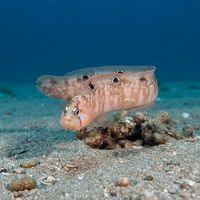
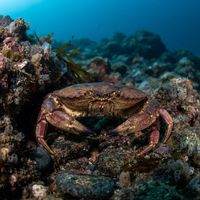
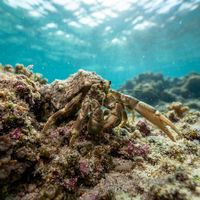
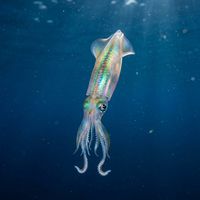
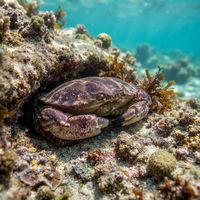
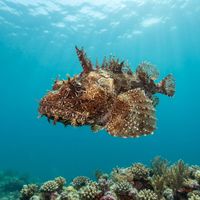
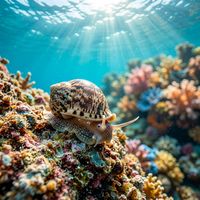
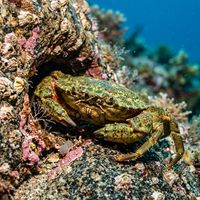
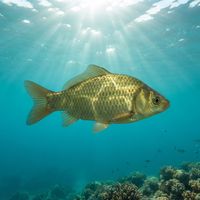
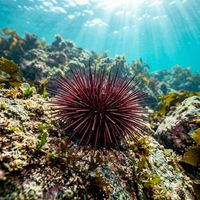
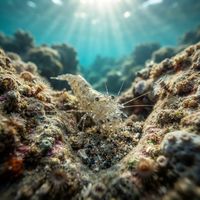
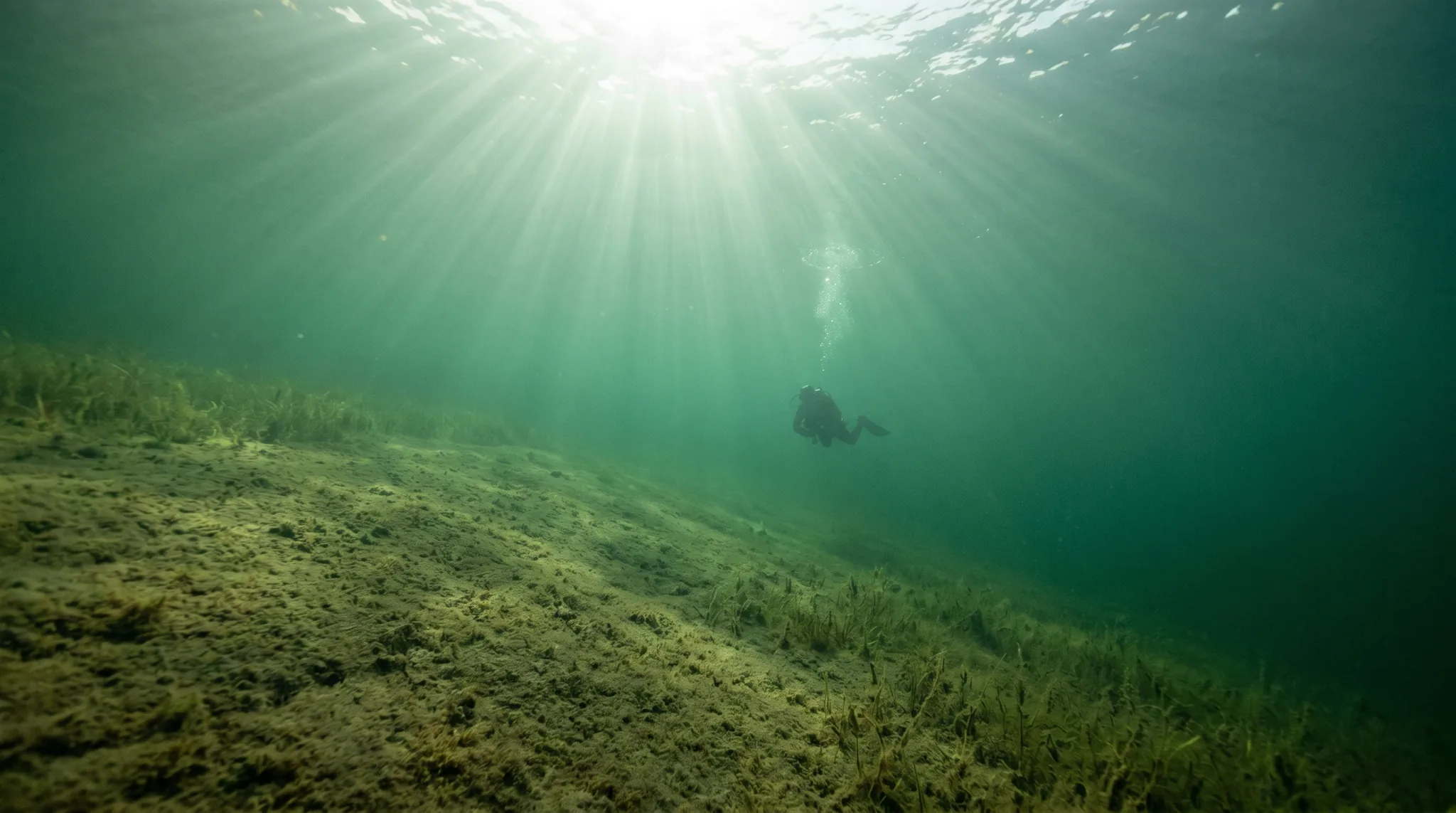
Passamaquoddy Bay offers a cold-water experience shaped by tidal energy and a rich benthic community. The Sea Raven is the standout fish here, observed across the vast majority of sites, while Opalescent Inshore Squid, Rock Crab, and European Green Crab fill out a characterful invertebrate-dominated landscape. Snorkelling sites far outnumber dedicated dive sites, making this a bay where shallow exploration dominates. Water stays cold through most of the year, warming modestly through late summer.
Monthly water temperature across Passamaquoddy Bay's sites, from satellite sea-surface data corrected for depth. The band shows the site-to-site spread.
Water temperatures are at their coldest in late winter and early spring, then climb slowly through summer to their warmest around September. The best diving window runs from late spring through early autumn, when conditions are most rewarding and temperatures peak. Visibility in the bay is typically short-range, so close-focus observation of the abundant bottom life suits this environment well.
3 operators
20 more sites to explore
Water temperature around Passamaquoddy Bay ranges from about 2°C in February to 16°C in September, based on satellite sea-temperature data for its dive sites.
In the warm season (about 16°C) a 7mm or semi-dry suit is comfortable in Passamaquoddy Bay; in the coldest months (about 2°C) step up to a drysuit.
Fin maps 20 sites in Passamaquoddy Bay (6 scuba diving sites and 17 snorkelling spots, with some suited to both).
Across Passamaquoddy Bay's dive sites, June, July, August and September are most often reported as the best months to visit.
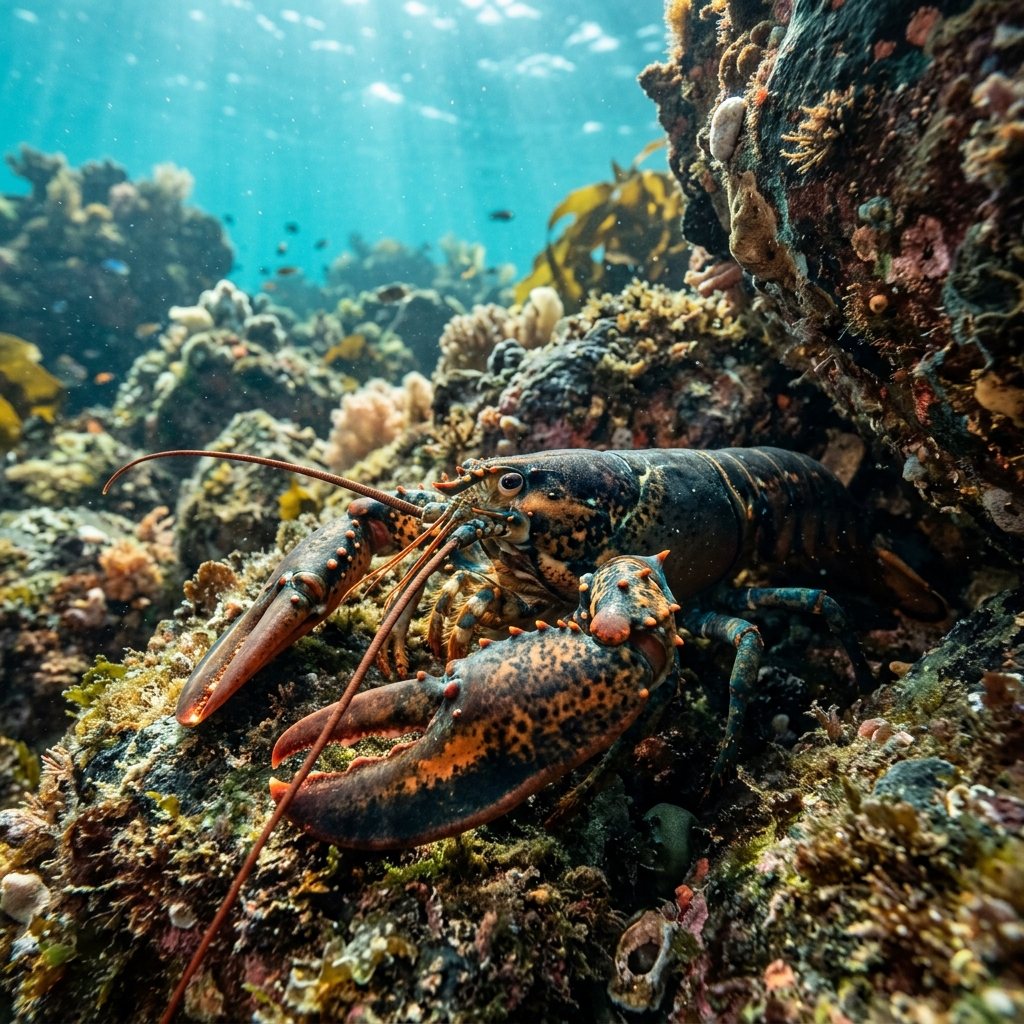
The Sea Raven is the most frequently observed fish in the bay, appearing across a large proportion of sites. Opalescent Inshore Squid and Rock Crab are common companions, and European Green Crab is a reliable find throughout. Shrimp and Common Lobster have also been recorded, making the bay a rewarding destination for invertebrate enthusiasts.
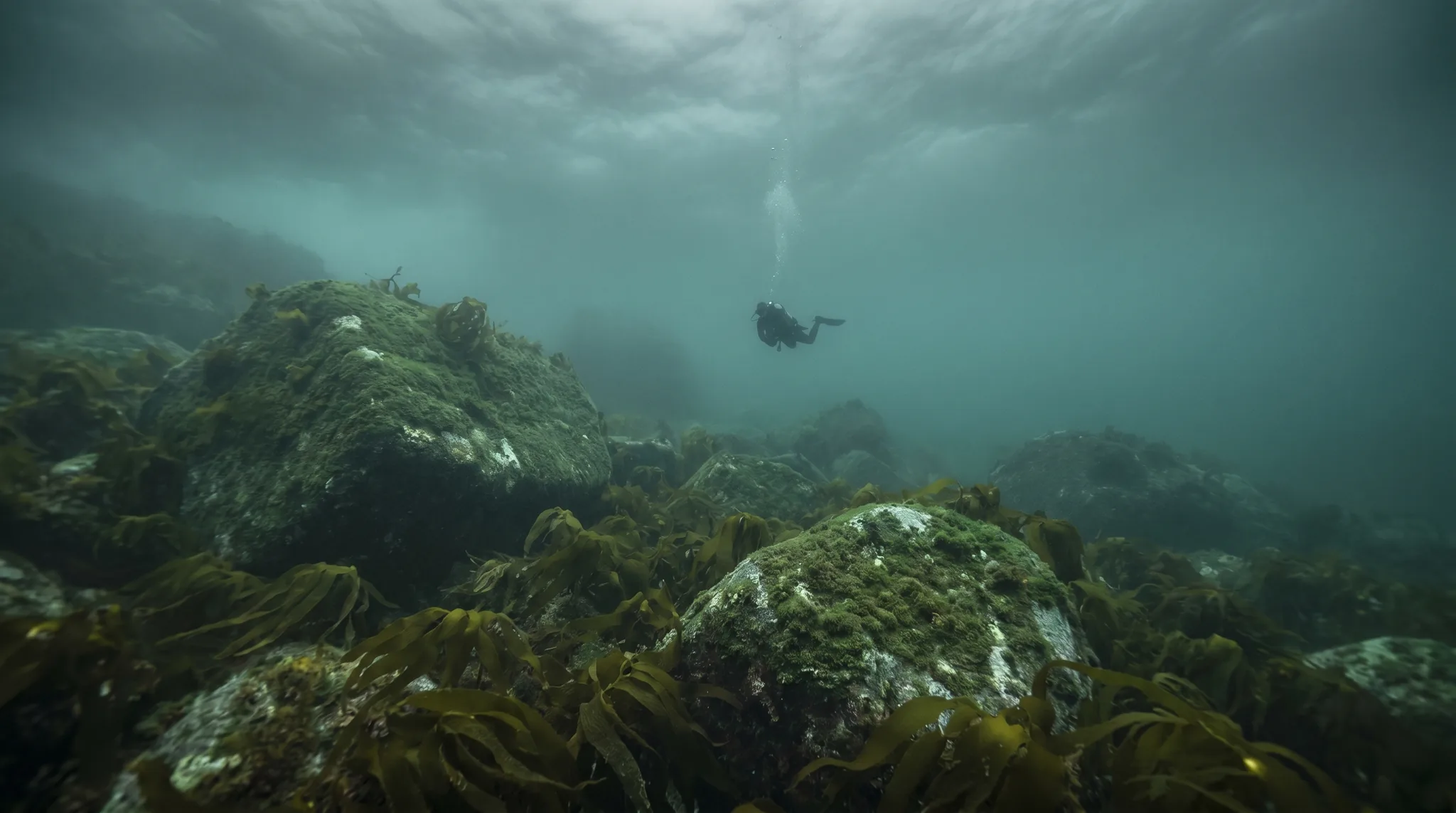
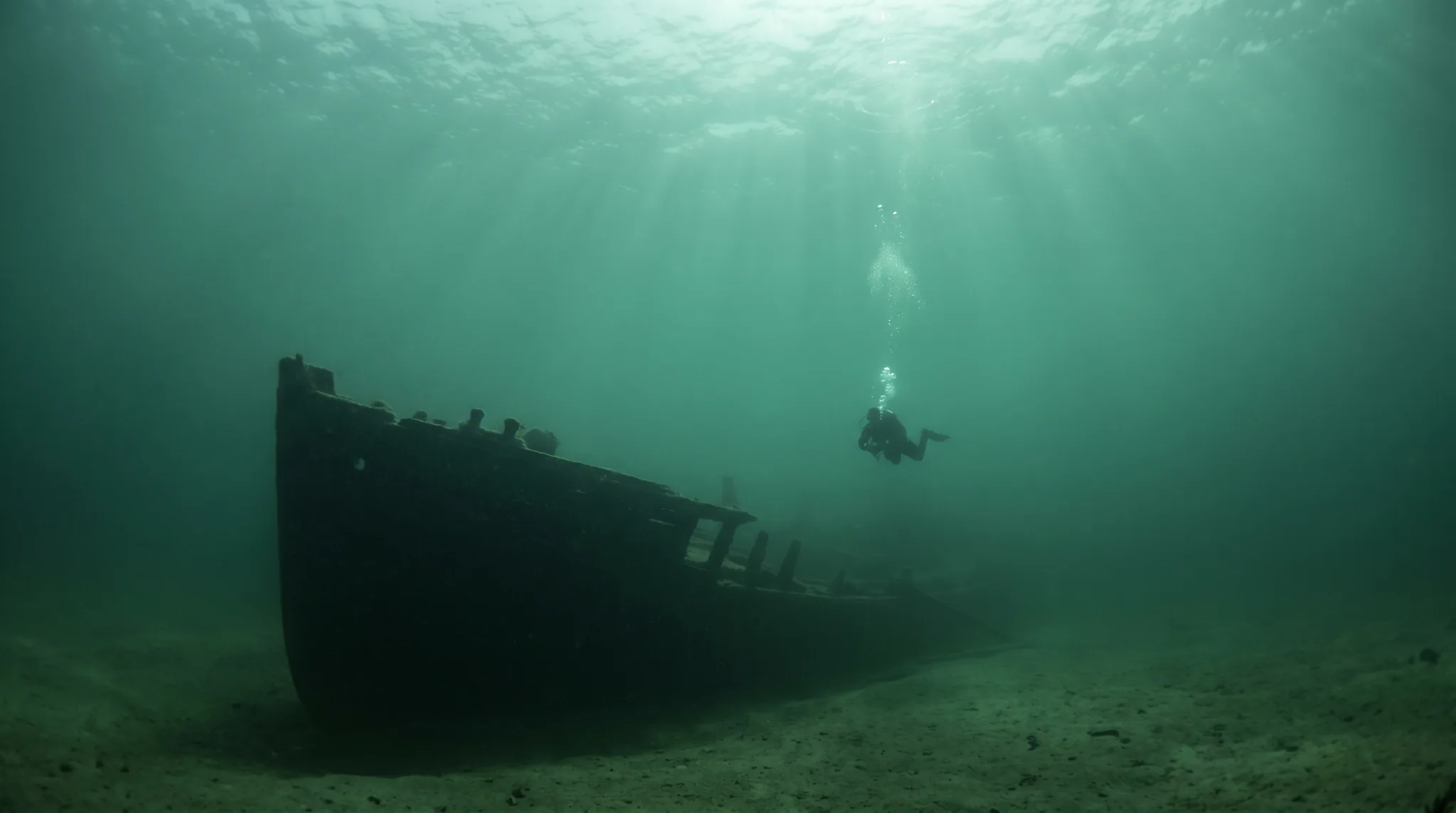
The bay has a strong lean toward snorkelling, with many more snorkel sites than dedicated dive sites, which suits those new to underwater exploration. Cold water and limited visibility are the main challenges for divers, and experience with dry suits or thick wetsuits is advisable. Beginners comfortable in cool water and keen on invertebrate life will find plenty to engage with.
Snorkelling sites make up the large majority of the bay's locations, pointing to a landscape of shallow, accessible terrain suitable for surface exploration. Dedicated dive sites are fewer and likely reach greater depths where cold-water species such as the Sea Raven and Common Lobster are more typically found. A handful of sites accommodate both activities, offering flexibility depending on experience and conditions.
There are currently no registered operators listed for Passamaquoddy Bay, so visitors should plan to arrange their own equipment and logistics in advance. Independent divers and snorkellers exploring the bay will want to check tidal patterns before entering the water, as tidal forces shape conditions significantly in this part of New Brunswick.