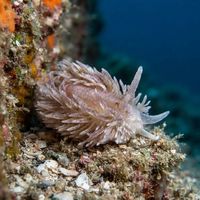
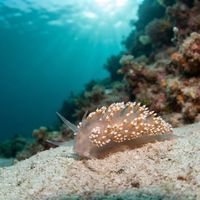
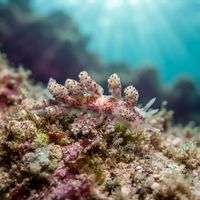
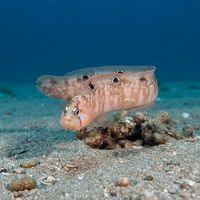
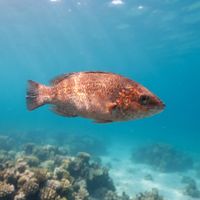
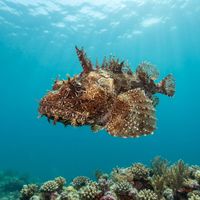
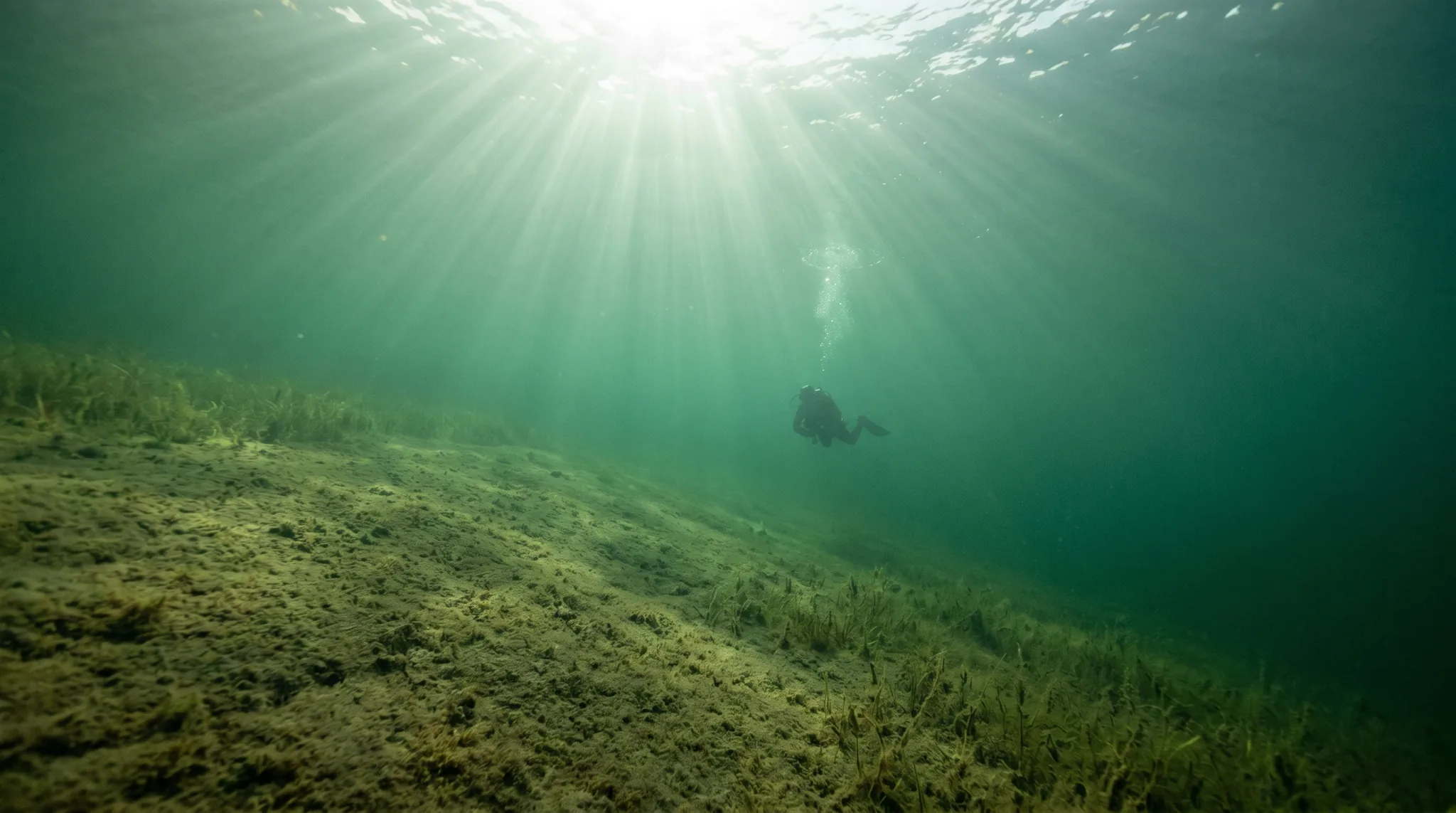
Halifax Harbour is defined by its wrecks. From shallow, shore-accessible hulls suited to beginners through to deep, boat-only sites demanding advanced skills, the wreck mix is the region's backbone. Kelp forests, muck, reef and wharf walls fill out the site variety. Nudibranchs are the signature find, with Shag-rug Aeolis and Coryphella Verrucosa observed across nearly every site. Gray Seal and Harbor Seal add unpredictable encounters, while Shorthorn Sculpin, Sea Raven and Common Lobster are reliable company throughout.
Monthly water temperature across Halifax Harbour's sites, from satellite sea-surface data corrected for depth. The band shows the site-to-site spread.
Water stays very cold through winter and spring, warming only modestly into late summer and early autumn when temperatures peak. Divers rate August through October most favourably, coinciding with the warmest water and generally better visibility. Year-round diving is possible, though the coldest months demand serious thermal protection and reward those prepared with quieter sites and low competition for the wrecks.
4 operators
14 more sites to explore
Water temperature around Halifax Harbour ranges from about 2°C in February to 14°C in September, based on satellite sea-temperature data for its dive sites.
In the warm season (about 14°C) a 7mm or semi-dry suit is comfortable in Halifax Harbour; in the coldest months (about 2°C) step up to a drysuit.
Fin maps 26 sites in Halifax Harbour (26 scuba diving sites and 1 snorkelling spots, with some suited to both).
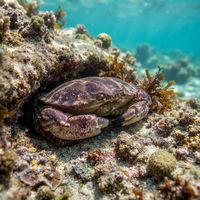
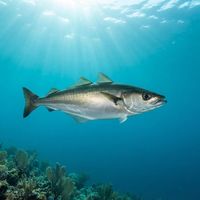
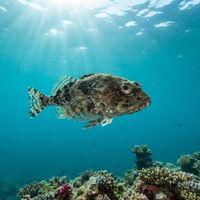
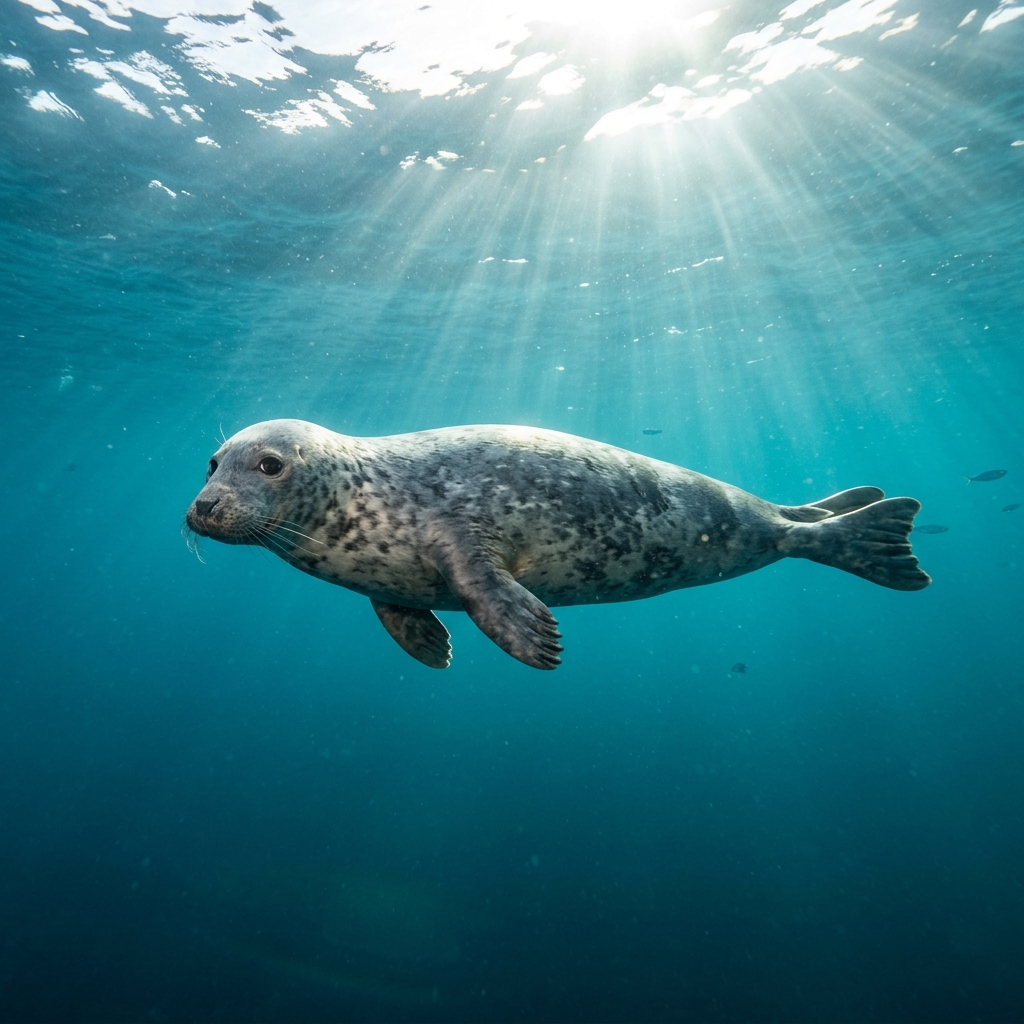
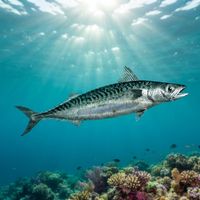
Nudibranchs are the standout highlight, with Shag-rug Aeolis, Coryphella Verrucosa, Coronate Doto, Boston Facelina and Bushy-backed Nudibranch all observed across the sites. Cunner, Butterfish, Saithe and Sea Raven are very common fish encounters, and both Gray Seal and Harbor Seal appear regularly. Common Lobster, Jonah Crab and Atlantic Rock Crab round out the bottom life, and Atlantic Wolffish is an occasional but memorable find.
A good portion of the sites are rated beginner level, with several offering straightforward shore entry. Prospect Community Wharf, Portugese Cove, Skull Cove and Black Rock Beach all suit divers new to the region, with shallower depths and manageable conditions. Intermediate and advanced sites, including deep wrecks such as the Kolkhosnik and Daniel Stienman, are available for those with more experience. The spread across skill levels makes Halifax Harbour workable for mixed-ability groups.
Many of the sites are shore-accessible, which lowers the logistical bar considerably. Prospect Community Wharf, Mill Cove Marina, Terence Bay Wharf and several others can be entered directly from land. The deeper wrecks, including the Costa Rican Trader, Portia, Kolkhosnik and Daniel Stienman, require boat access. Four local operators, including East Coast Scuba and Watersports, Torpedo Rays Scuba Adventures, Dominion Diving Limited and mesopotamia diving, can facilitate boat trips to those sites.
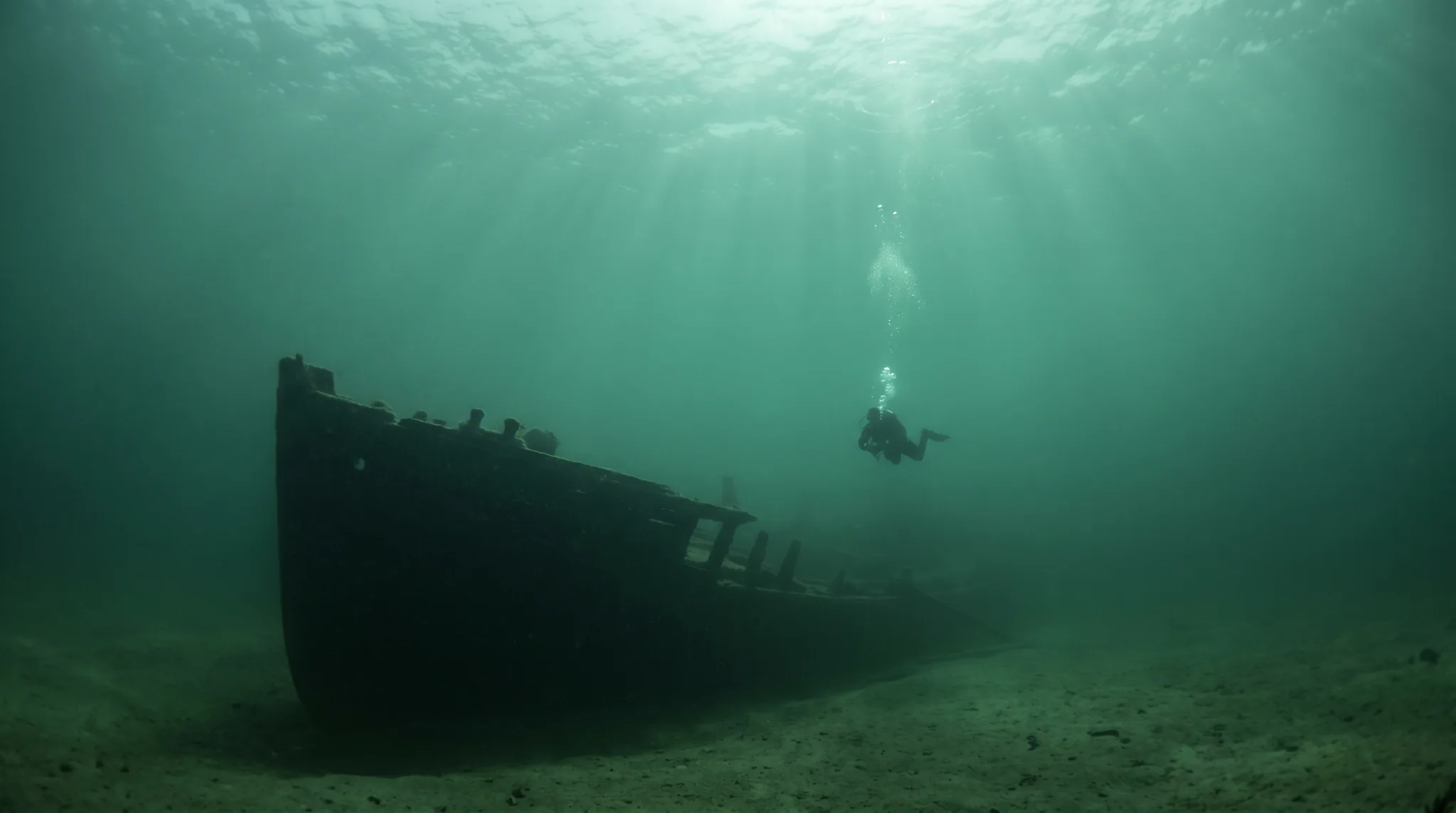
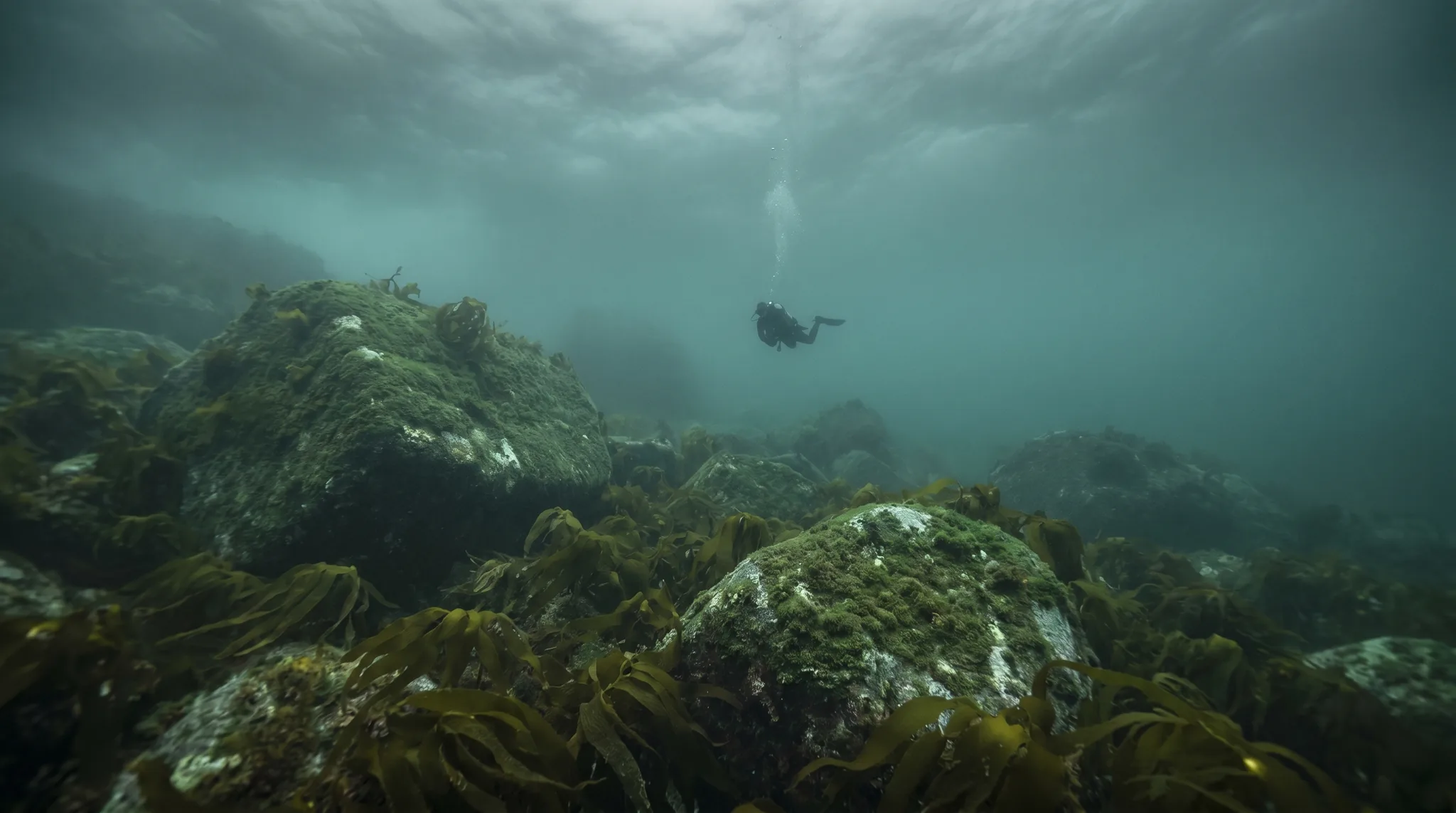
Wrecks are the dominant feature, ranging from very shallow shore-accessible hulls to deep boat-only vessels. Alongside the wrecks, divers find kelp forests, muck, natural reef, wharf walls and artificial reef structures. Sites like Mill Cove Marina and Lower Prospect Wharf combine kelp and artificial reef in a single dive, while Parliament Rock offers a dedicated reef descent. The variety means successive dives feel quite different from one another.