Pollachius virens
Cold-water schooling fish logged widely off Nova Scotia and Norway's Vestlandet, often cruising mid-water in loose groups over rocky reefs.
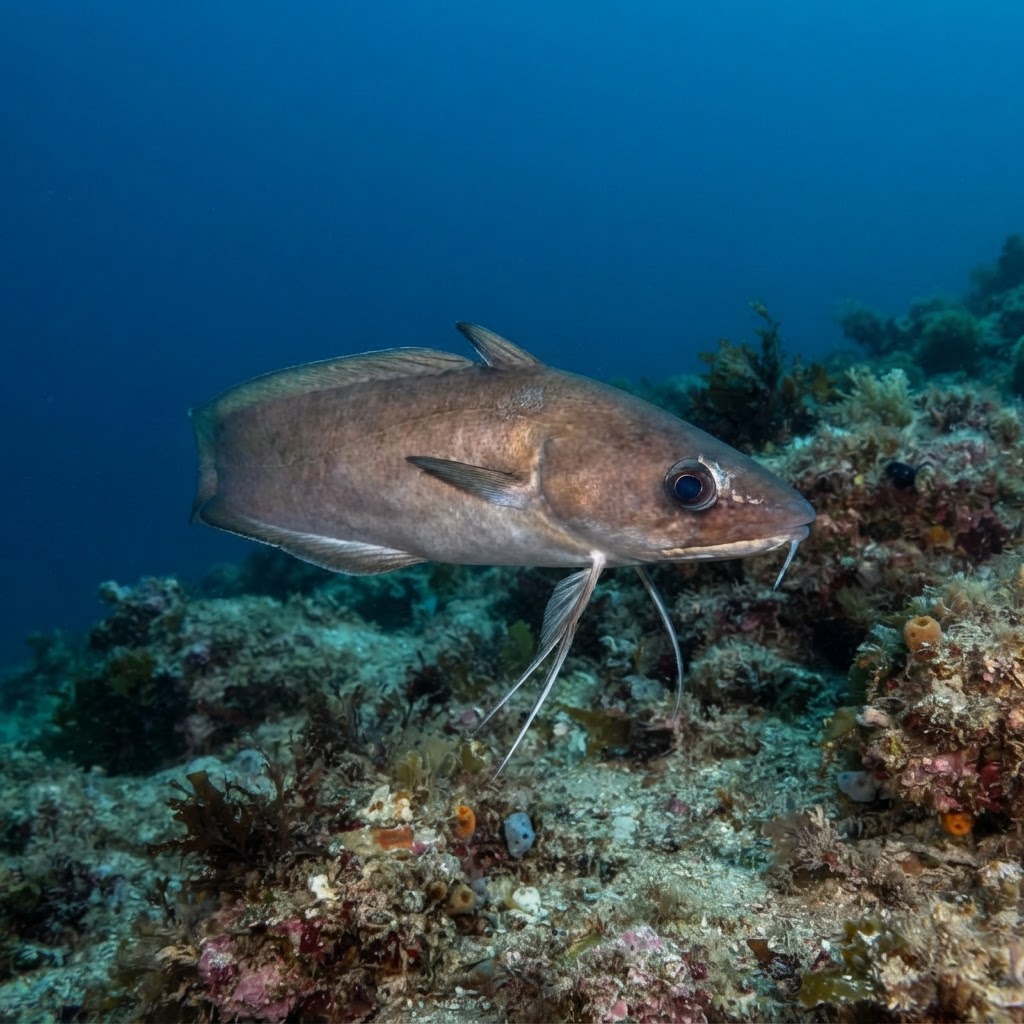
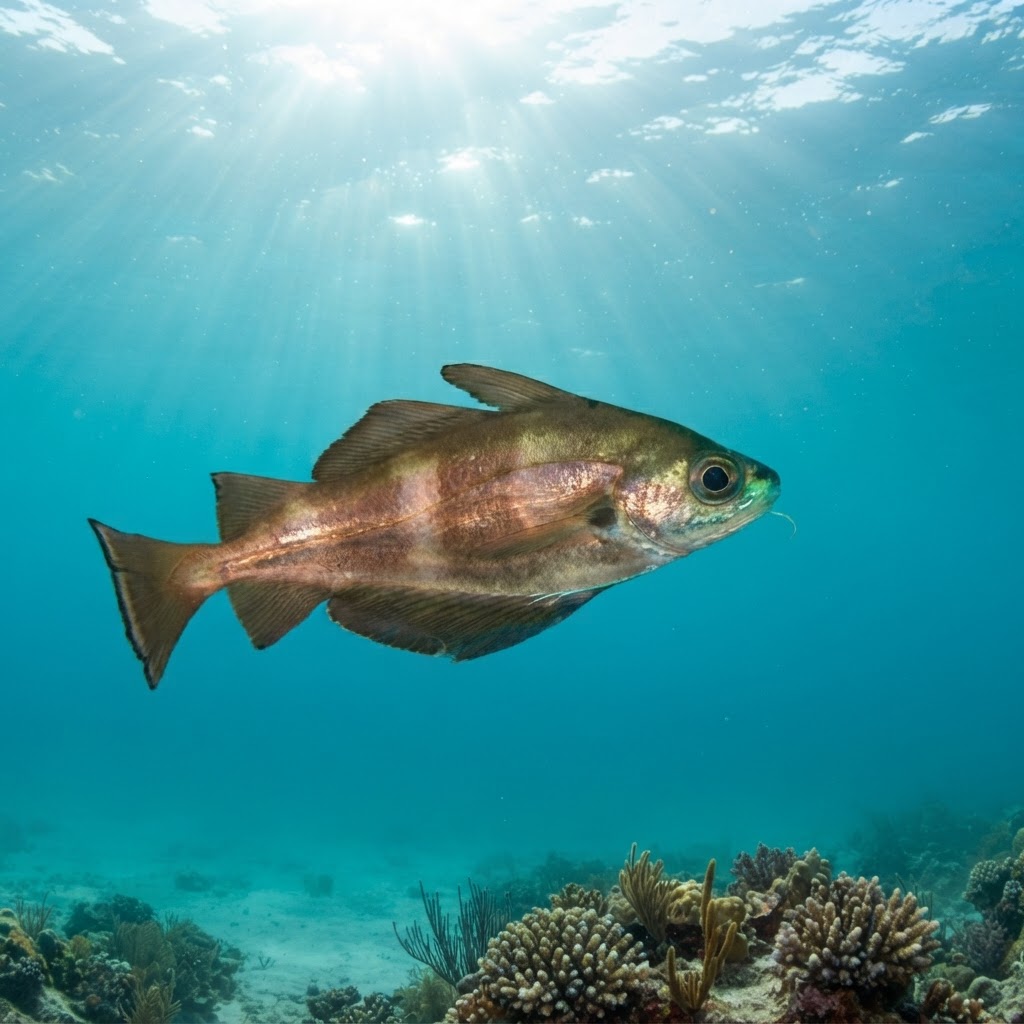
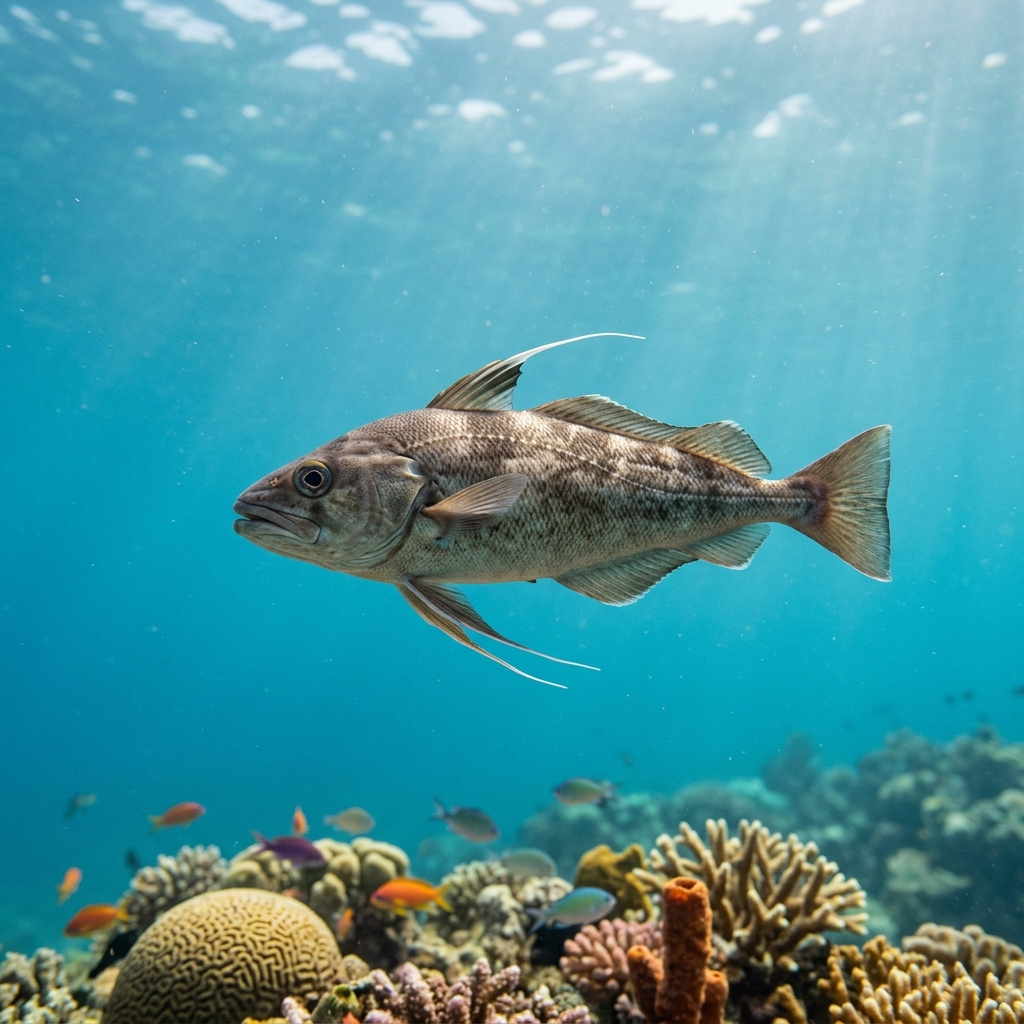
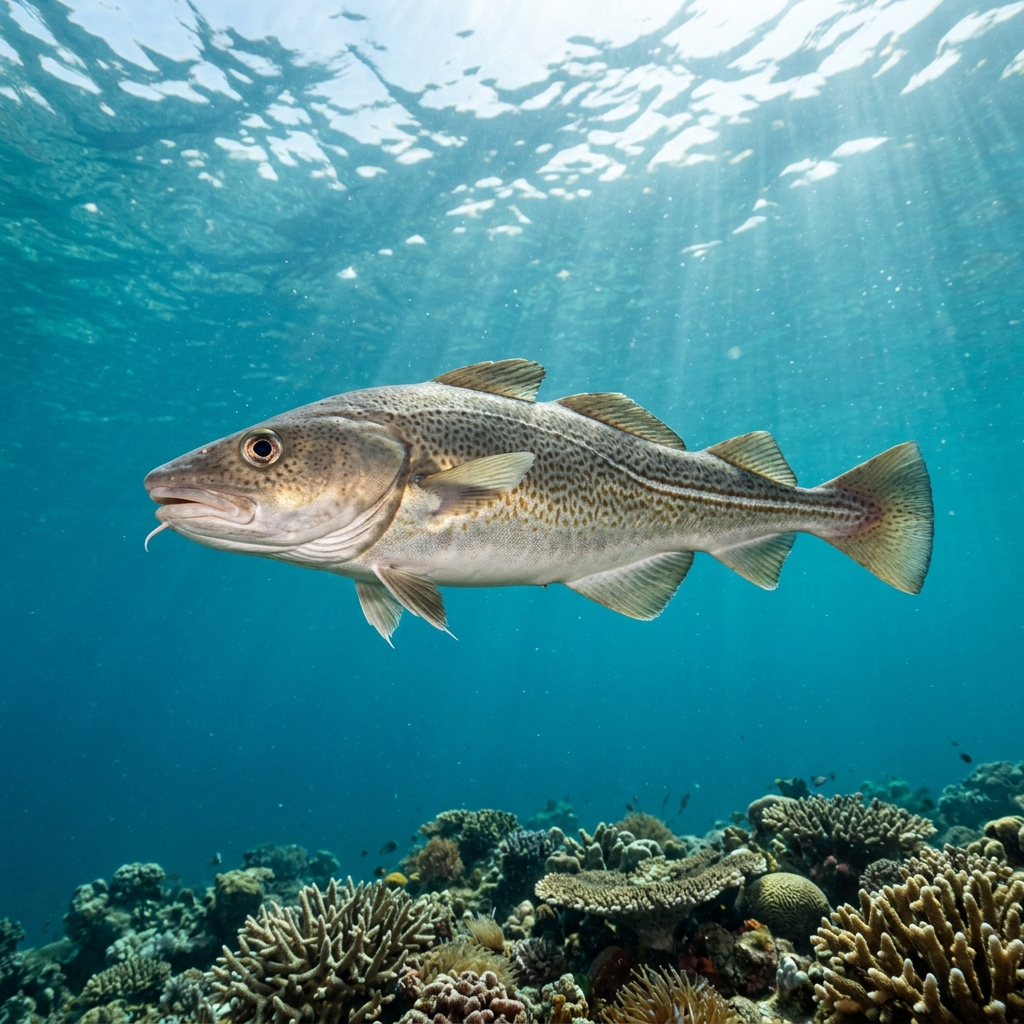
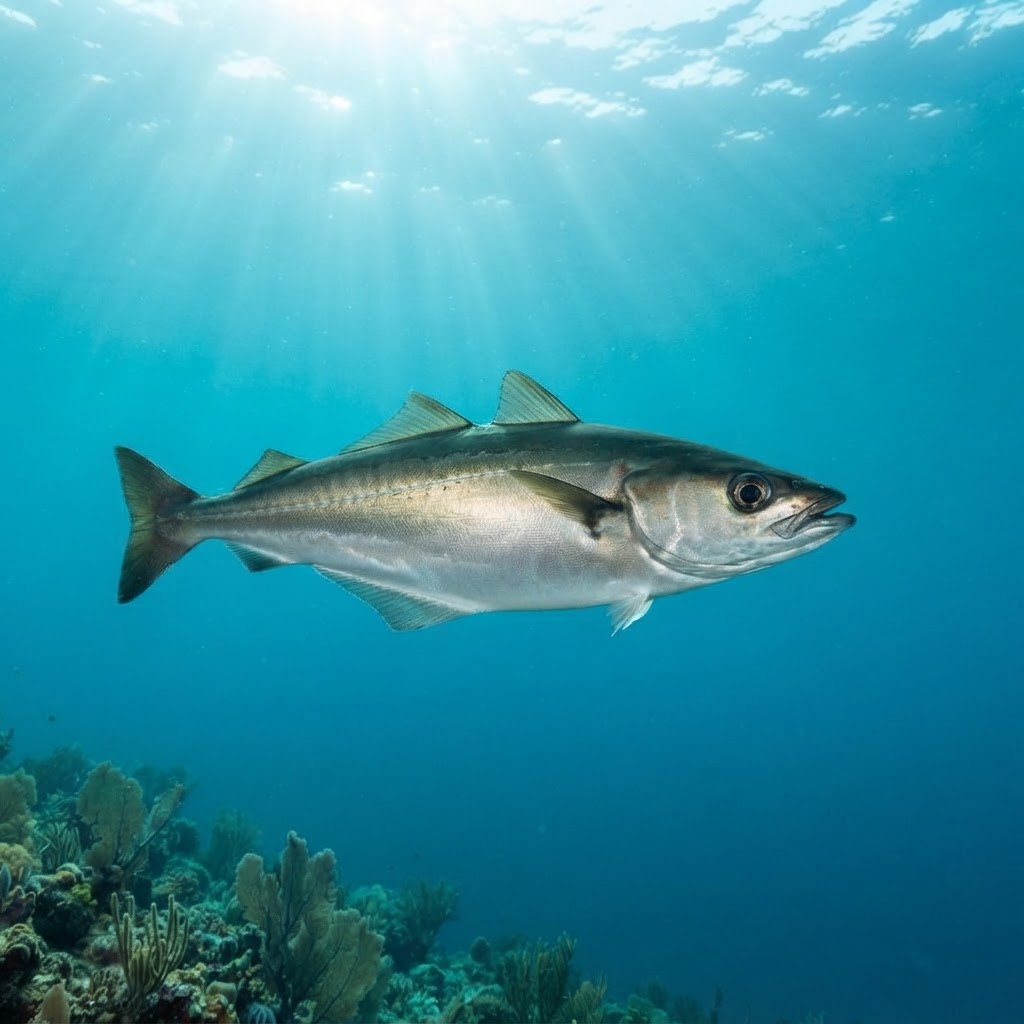
Look for a long, streamlined body up to around 91 cm, dark olive to bronze-green on the back fading to silvery grey on the flanks, with a pale, near-straight lateral line running the length of the body. The lower jaw protrudes slightly and the tail is forked, giving it a torpedo-like profile compared to bulkier cod relatives. It often shows up as a loose, moving school rather than a single stationary fish.
Divers most often see saithe moving in loose, mid-water schools over rocky reef and kelp edges rather than sitting still on the bottom. They tend to keep a comfortable distance and drift past rather than approach, and sightings are usually a quick pass rather than a lingering encounter, most commonly noted as uncommon rather than reliably common at any one site.
Saithe schools often patrol just off the reef structure in open water, using the school itself as their main defence rather than hiding in cover, which is why divers usually see them as a moving group rather than a fish tucked into a crevice.
Sighting data shows no strong seasonal pattern, so treat it as a year-round encounter wherever water stays cold, roughly 0.5 to 10.2°C, which matches these North Atlantic sites through most of the year.
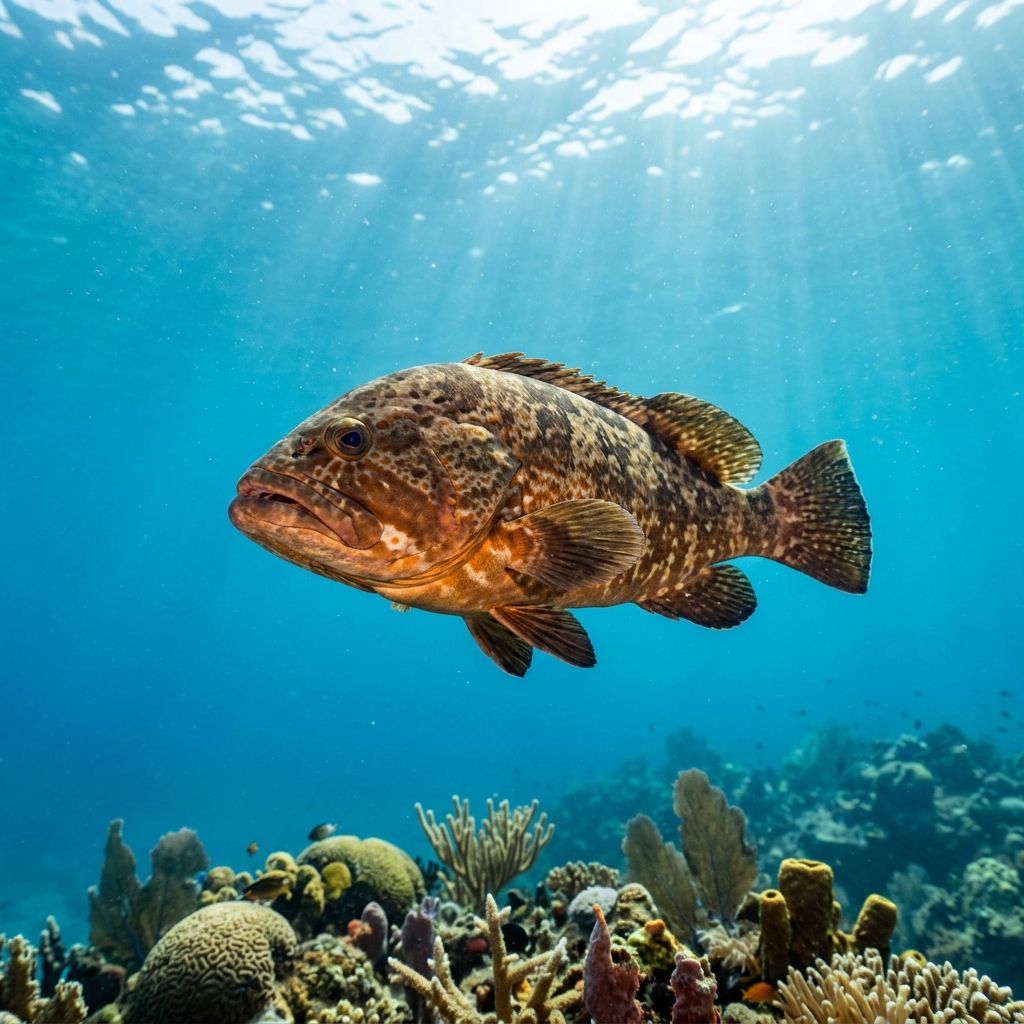
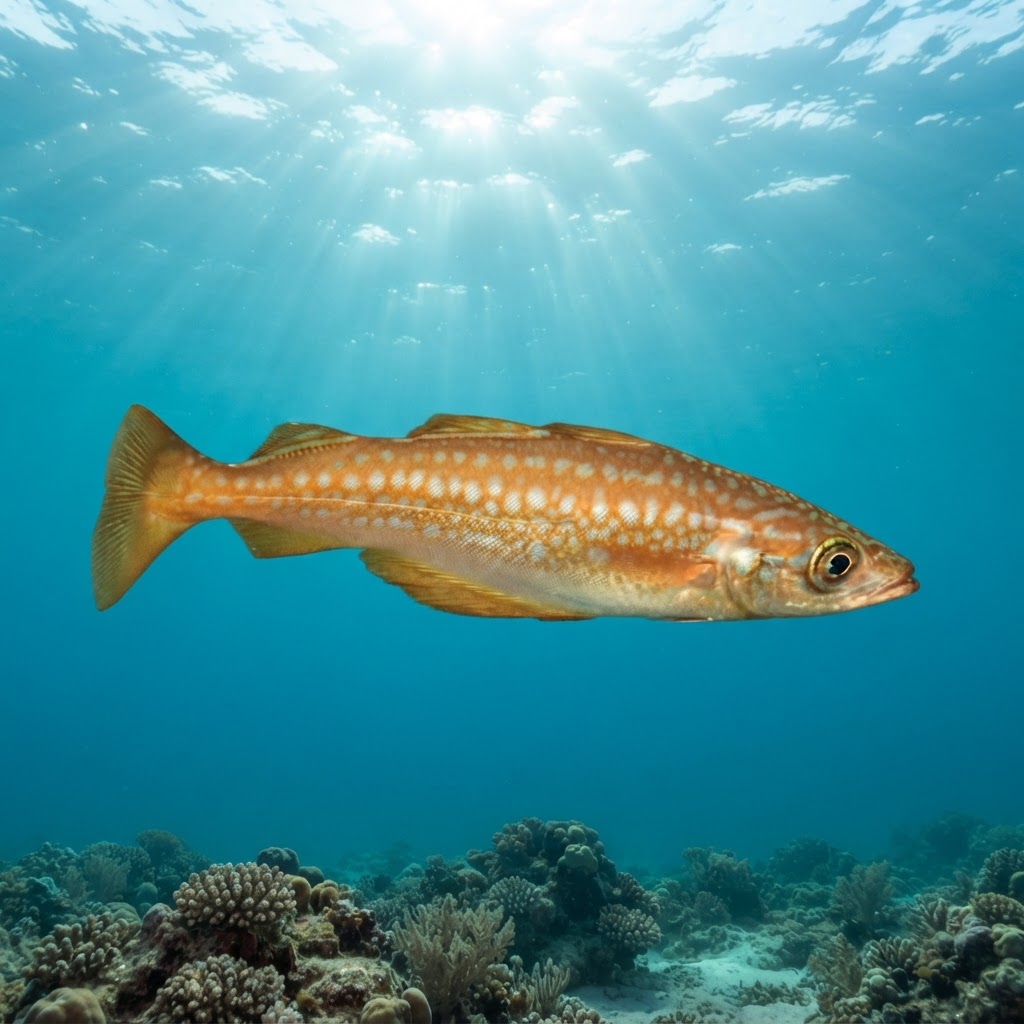
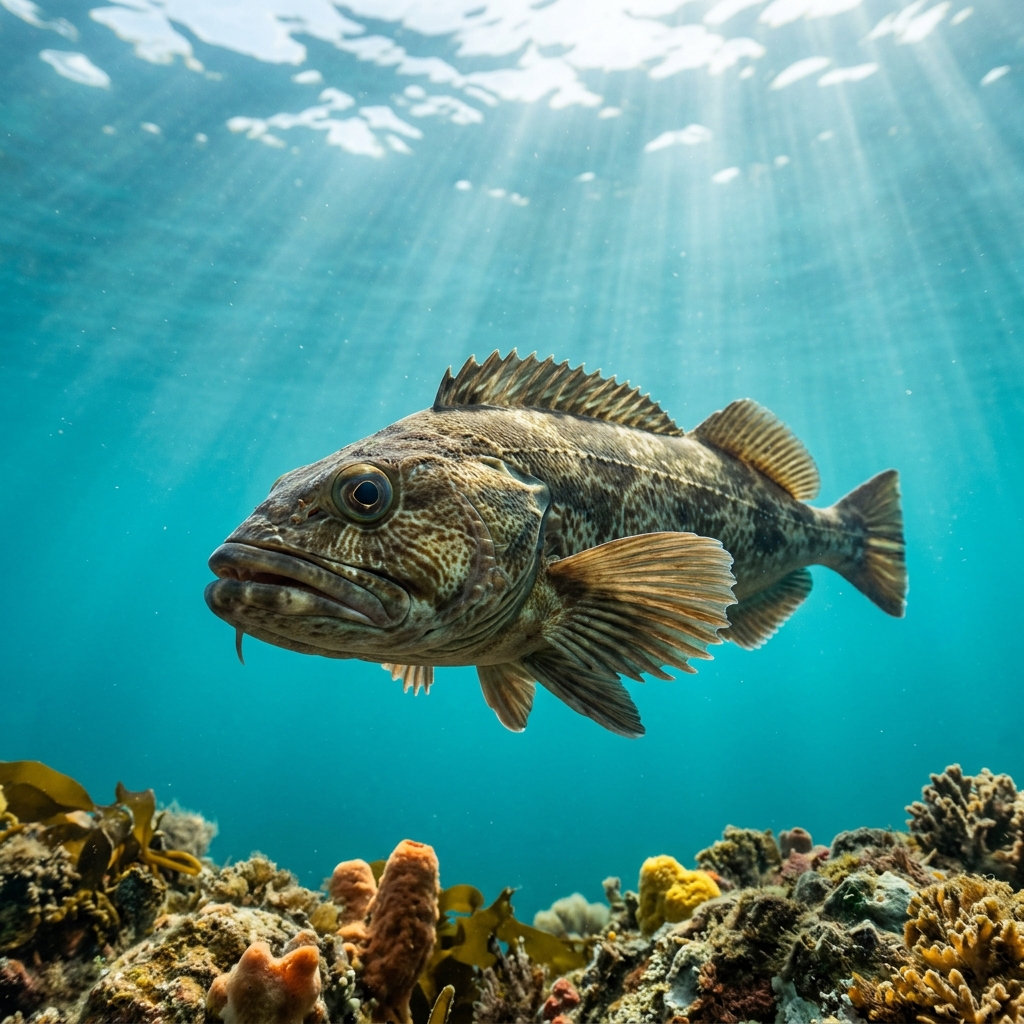
Reef neighbours a diver could mistake it for. Use the identification notes above to tell them apart.
Most reliably logged around Nova Scotia in Canada and the Northeast United States, with a solid presence too in Norway's Vestlandet and Nordland regions and a smaller foothold in Scotland. These are cold, rocky-reef and kelp-edge sites rather than tropical reefs.
Mapping where Saithe is logged…
Nova Scotia in Canada and the Northeast United States are the strongest areas, with further sightings around Norway's Vestlandet and Nordland regions and a couple of sites in Scotland.
There's no clear seasonal spike in the sighting data, so they're logged year-round in the cold Atlantic waters they favour, generally between 0.5 and 10.2°C.
Look for a slim, torpedo-shaped fish up to about 91 cm, dark green-bronze on top, silvery below, with a pale straight lateral line and a slightly protruding lower jaw. They're usually seen moving in loose schools rather than alone.
They typically reach around 91 cm, giving them a noticeably elongated, fast-looking profile compared to other cod-family fish on the same reef.
No, they're not considered a danger to divers and typically keep their distance, passing by in schools rather than approaching.
Site and sighting data is aggregated from diver logs, iNaturalist and GBIF. For taxonomy and conservation status:
Pollack
282 sites