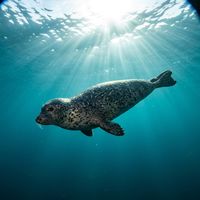
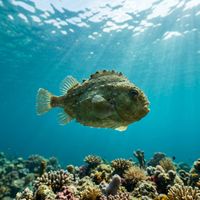
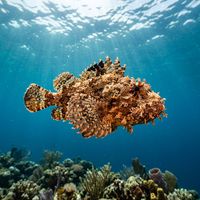
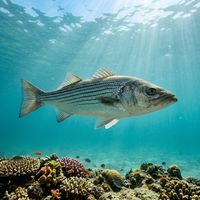
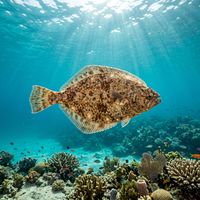
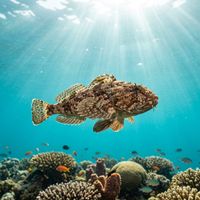
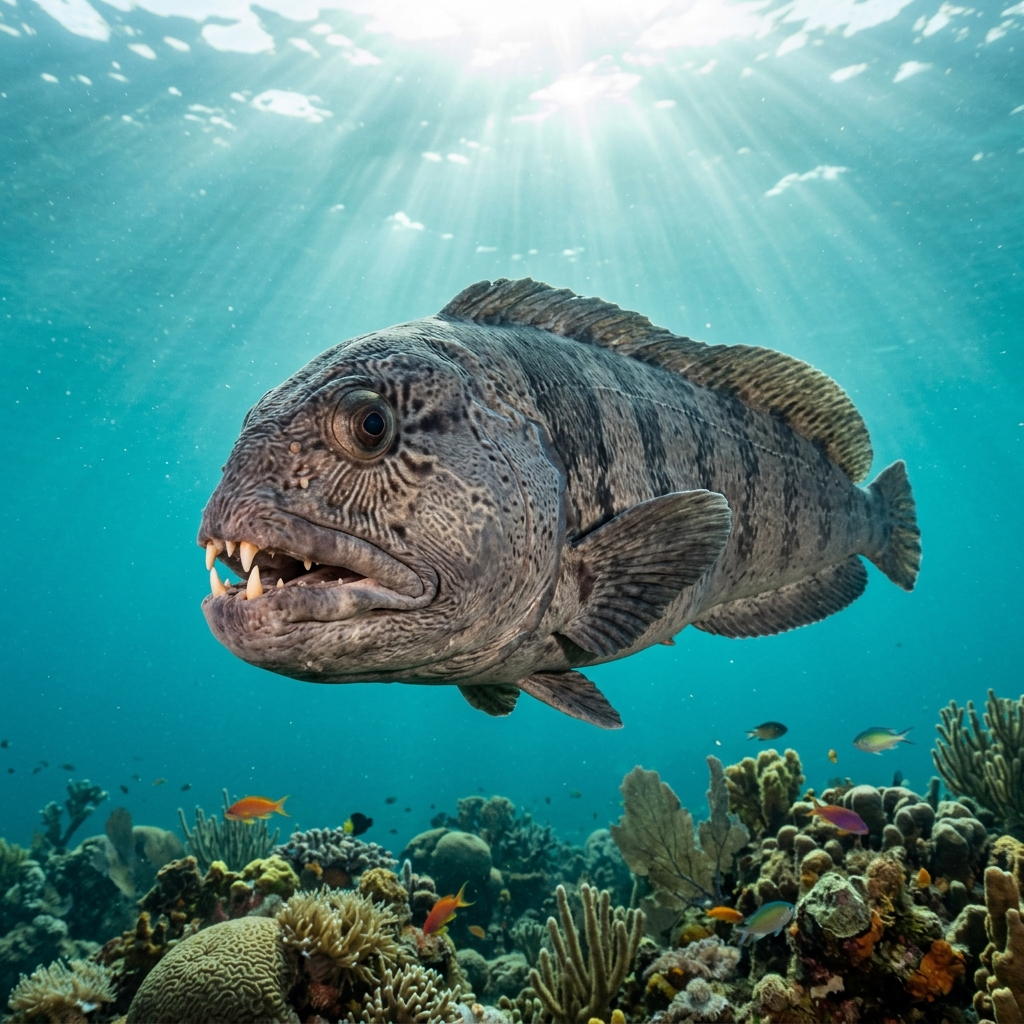
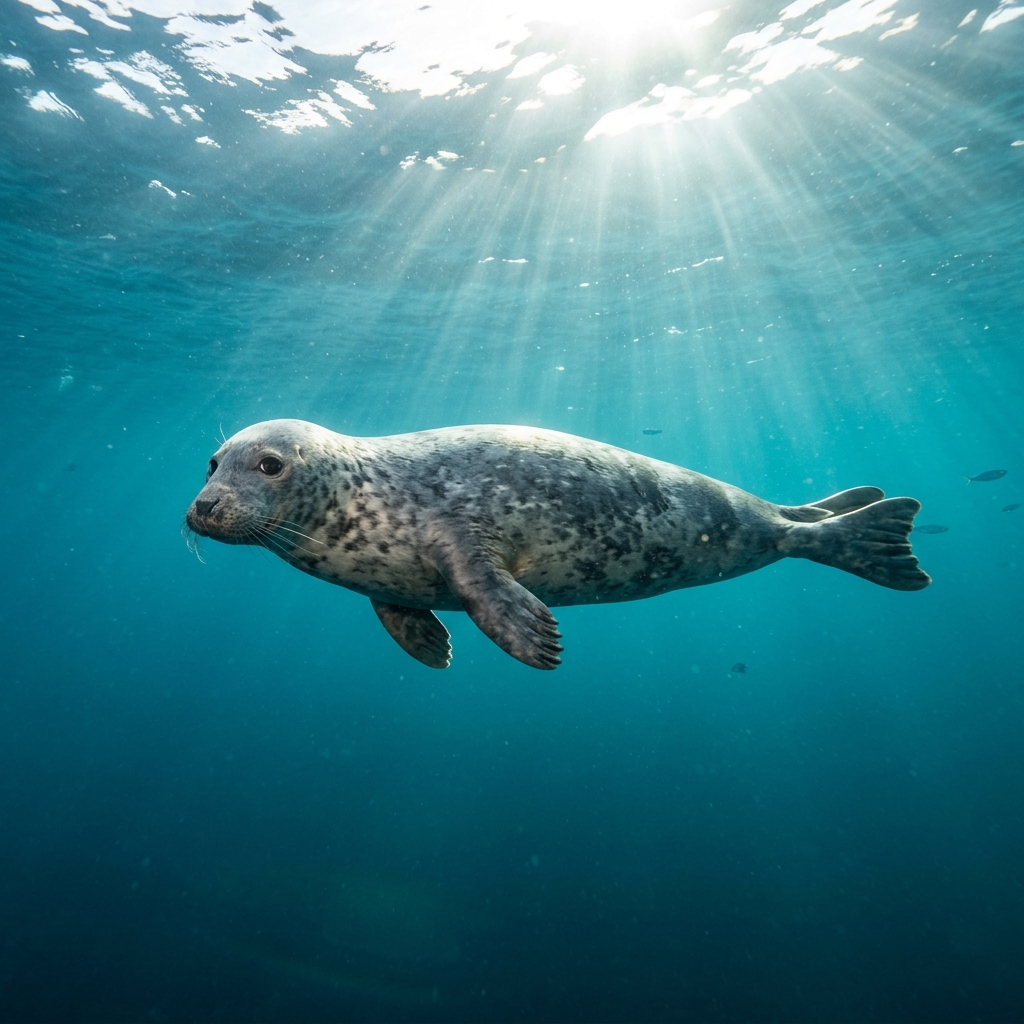
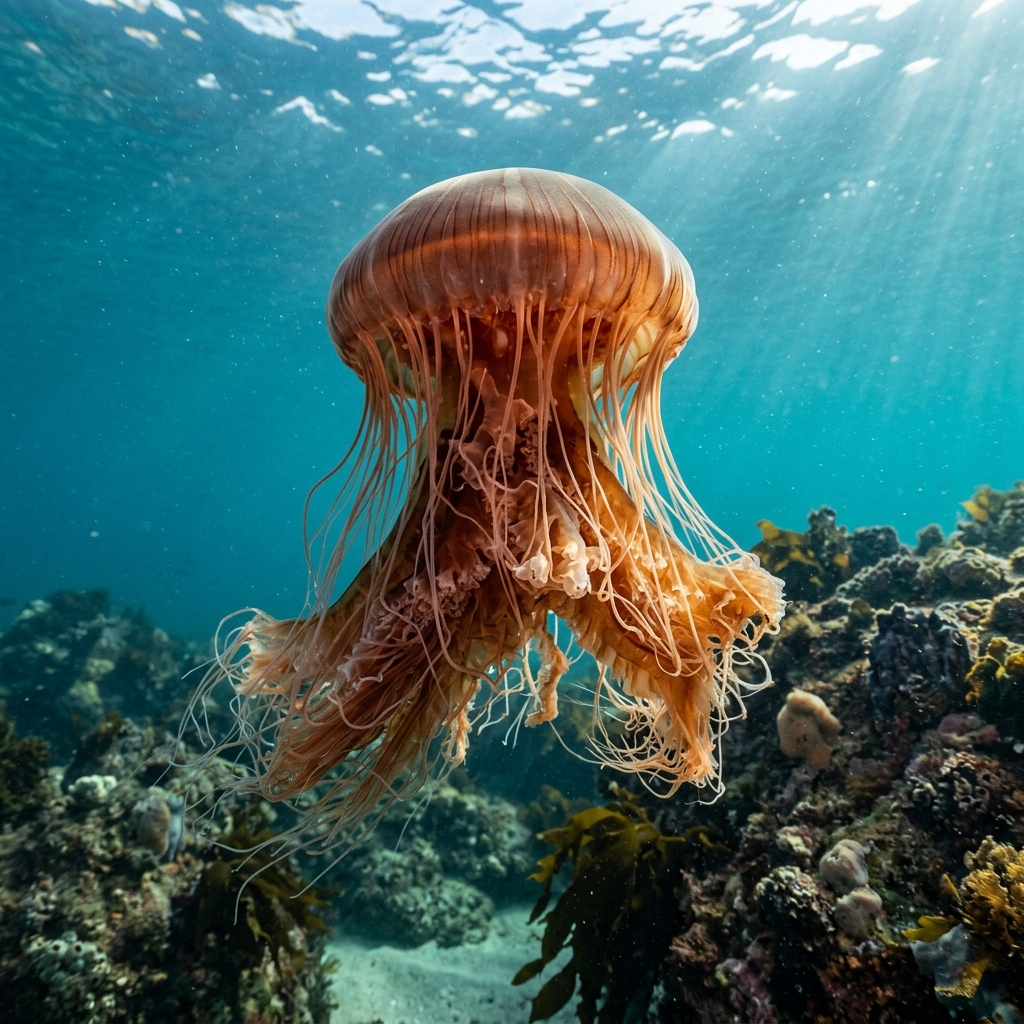
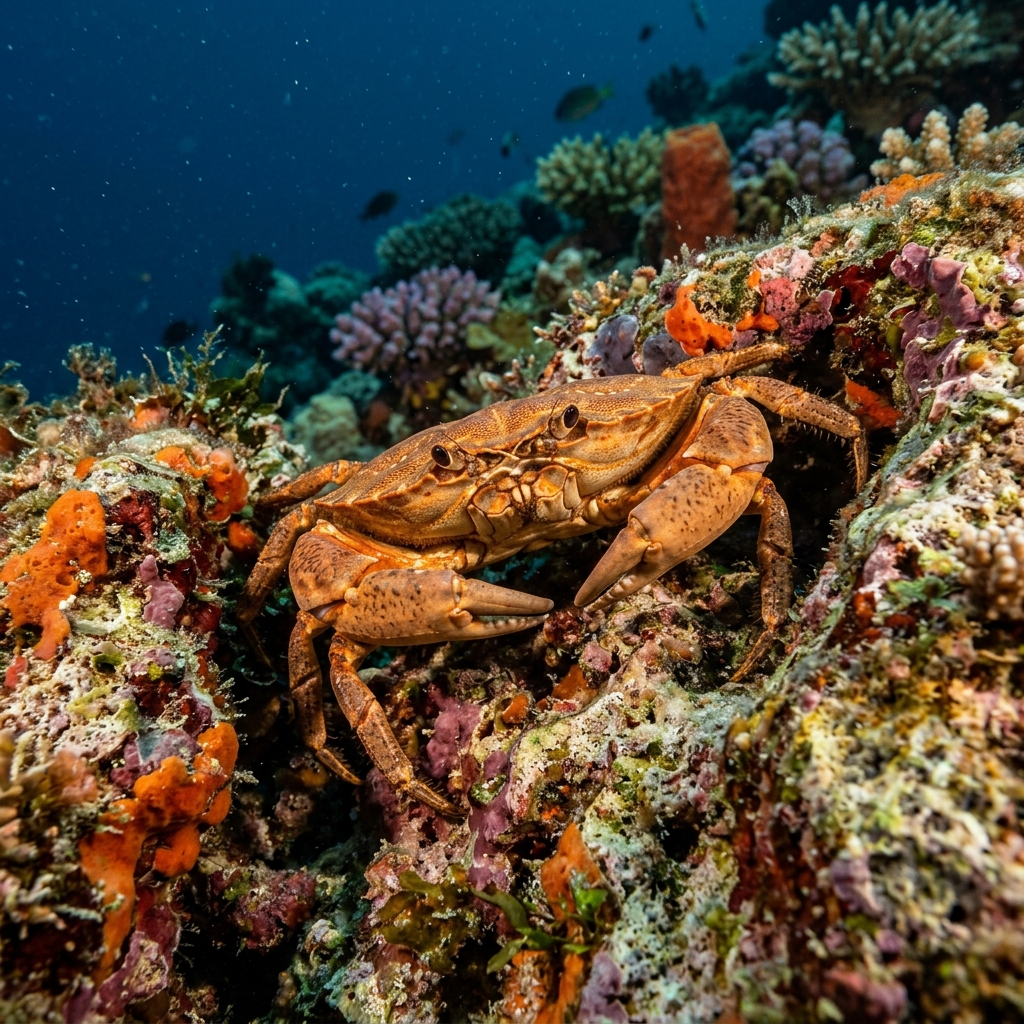
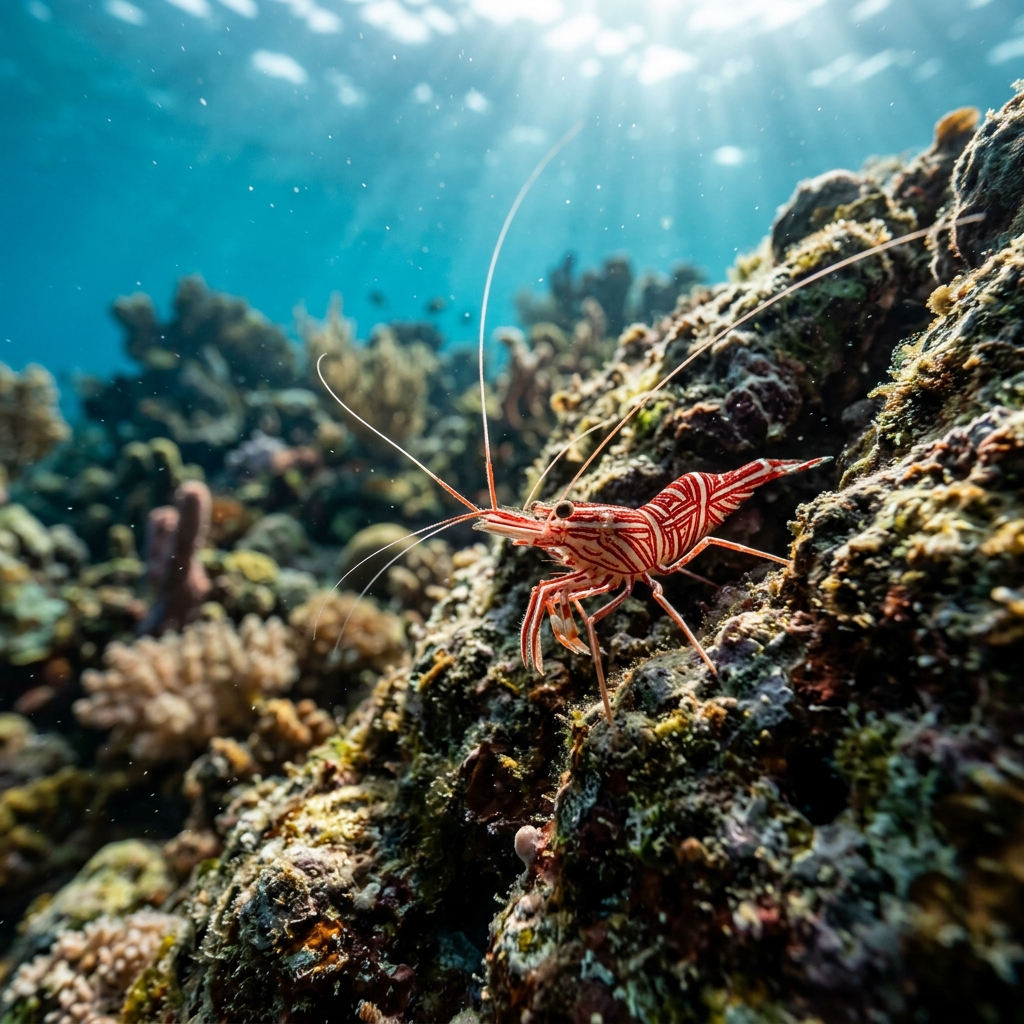
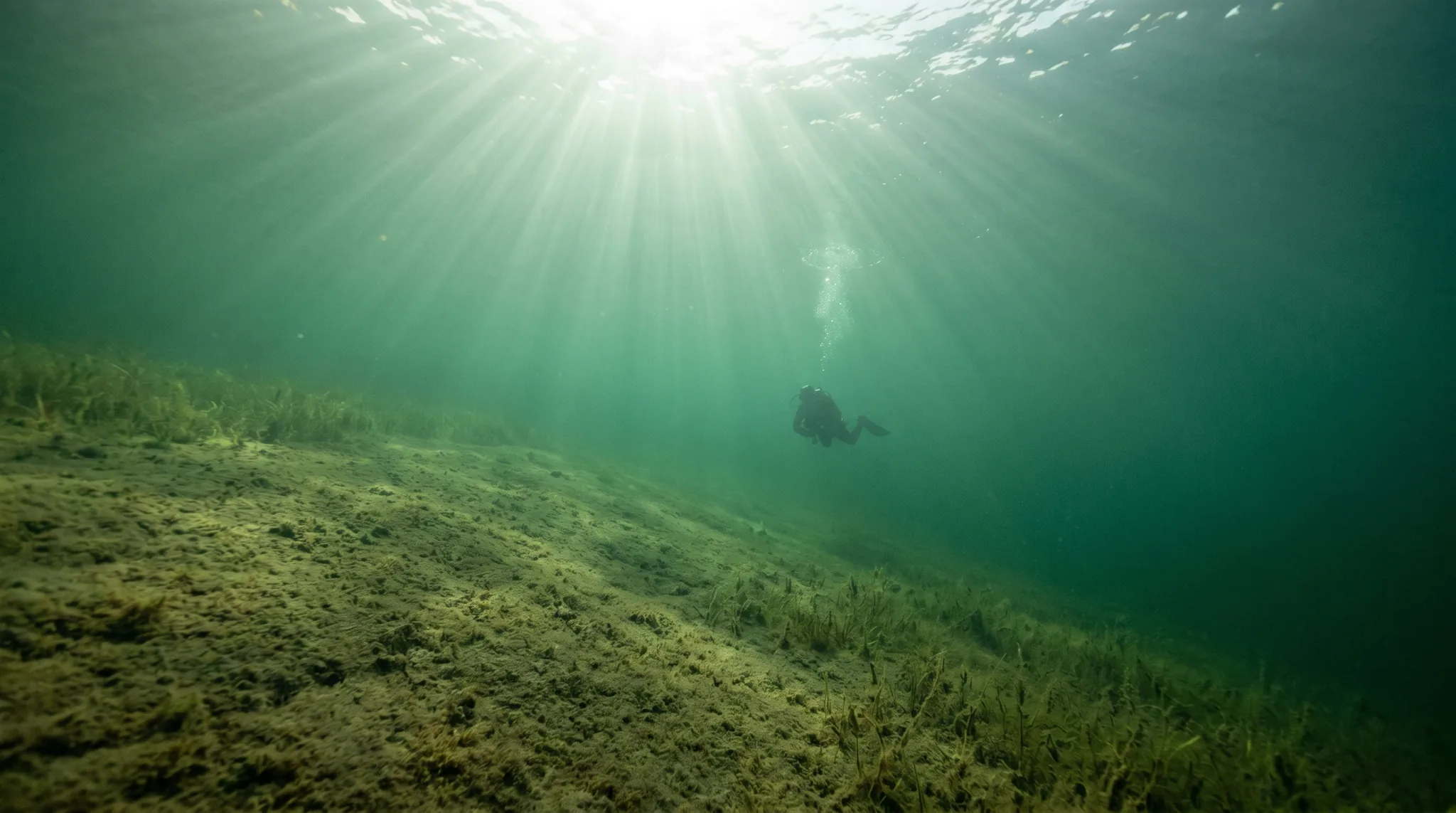
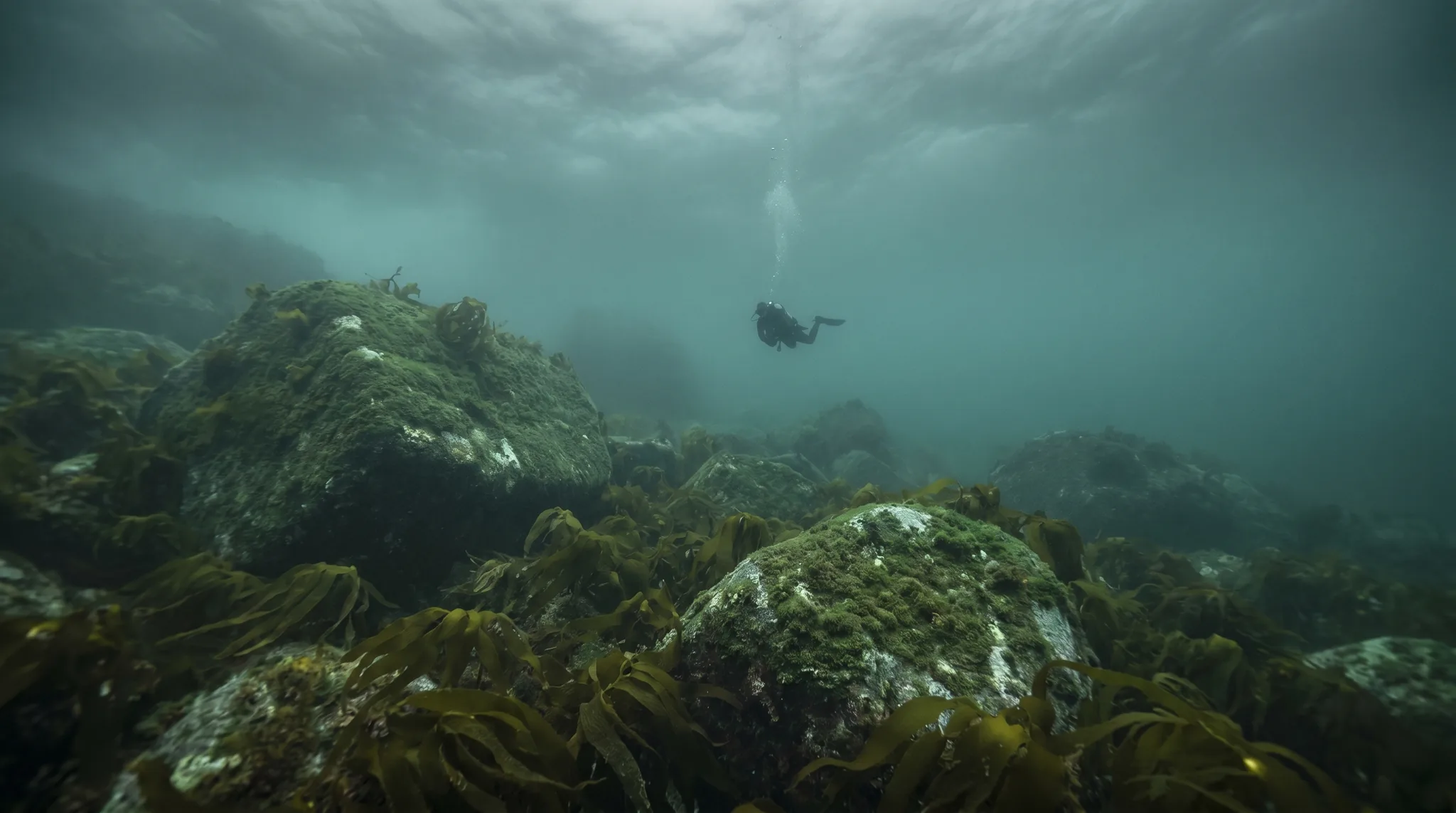
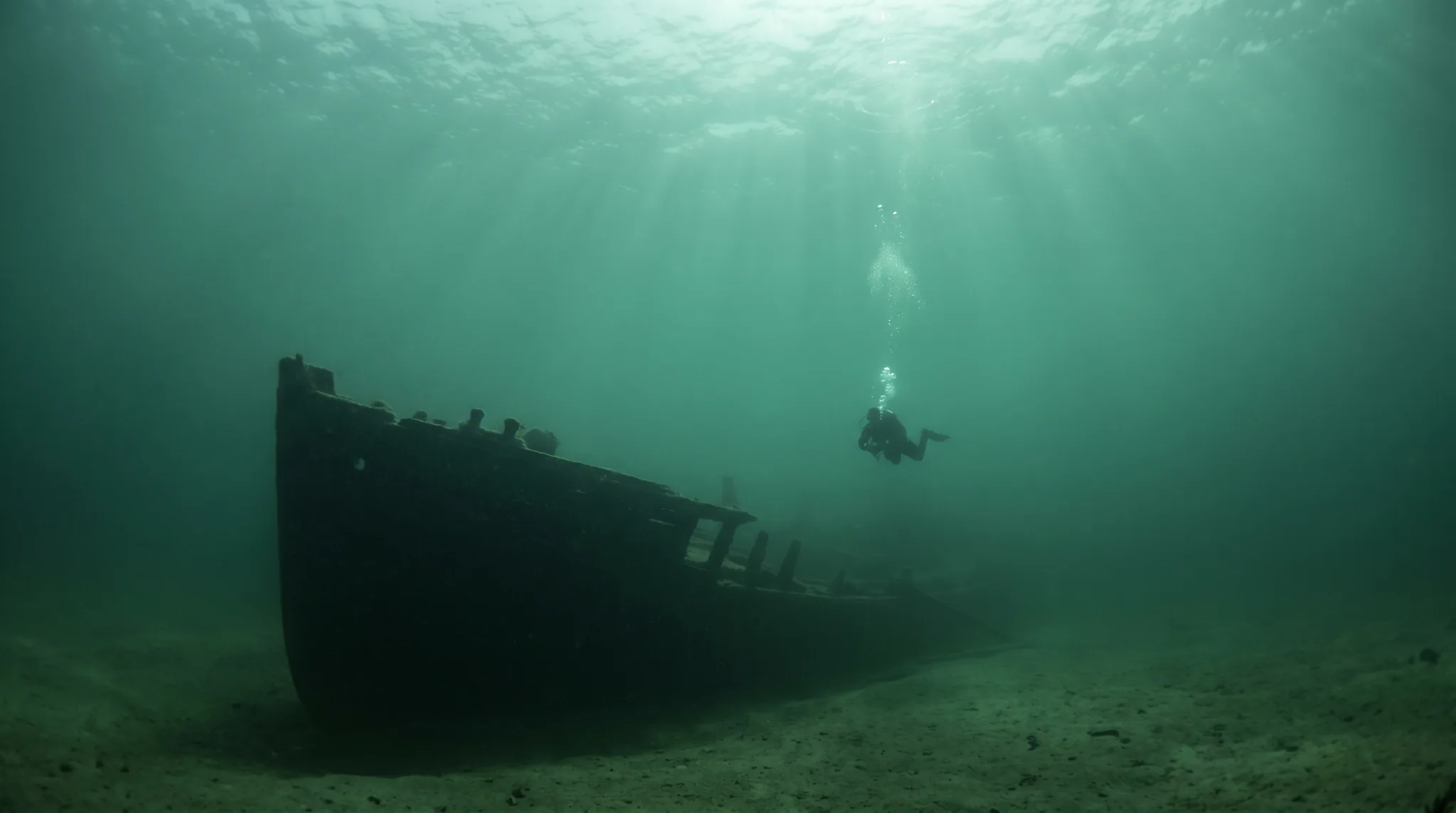
The Acadian Coast offers cold-water diving and snorkelling shaped by strong seasonal swings in temperature. Sites range from shallow to moderately deep, with the Harbor Seal a reliable presence throughout. Temperate Bass, Lumpfish, Sea Raven, Sculpin, and Righteye Flounder dominate encounters, while rarer sightings include Atlantic Wolffish and Giant Jellyfish. The season runs from late spring through autumn, with the warmest and clearest conditions in summer drawing the most visitors.
Monthly water temperature across Acadian Coast's sites, from satellite sea-surface data corrected for depth. The band shows the site-to-site spread.
Water temperatures swing from near-freezing in winter to comfortably warm by midsummer, making late spring through early autumn the practical diving window. Summer brings the most agreeable conditions, with visibility at its best and the widest range of species active. Autumn cools quickly, rewarding those prepared for cold water with quieter sites.
2 operators
29 more sites to explore
Water temperature around Acadian Coast ranges from about -1°C in February to 18°C in July, based on satellite sea-temperature data for its dive sites.
In the warm season (about 18°C) a 5mm suit is comfortable in Acadian Coast; in the coldest months (about -1°C) step up to a drysuit.
Fin maps 30 sites in Acadian Coast (14 scuba diving sites and 20 snorkelling spots, with some suited to both).
Across Acadian Coast's dive sites, June, July, August and September are most often reported as the best months to visit.
The most frequently observed species are Temperate Bass, Harbor Seal, Lumpfish, Sea Raven, Sculpin, and Righteye Flounder. Crab and Herring are also seen across a number of sites. Less common but observation-backed sightings include Atlantic Wolffish, Giant Jellyfish, and Gray Seal.
The available site data indicates that skill levels skew toward intermediate, so beginners should check individual site requirements before planning a trip. Shallow sites do exist alongside more demanding options. Snorkelling is broadly accessible and a good starting point for less experienced visitors.
Boat access is required for at least some sites, including Louise P. Prospective visitors should confirm entry types for their chosen sites in advance, as no dive operators are currently listed for the region and independent planning is essential.
Temperatures rise steadily from late spring, peaking in July and August before dropping away through autumn. Visibility is typically at its best during the summer months. Winter brings near-freezing water that makes diving impractical for most, so the season is firmly concentrated from May through October.