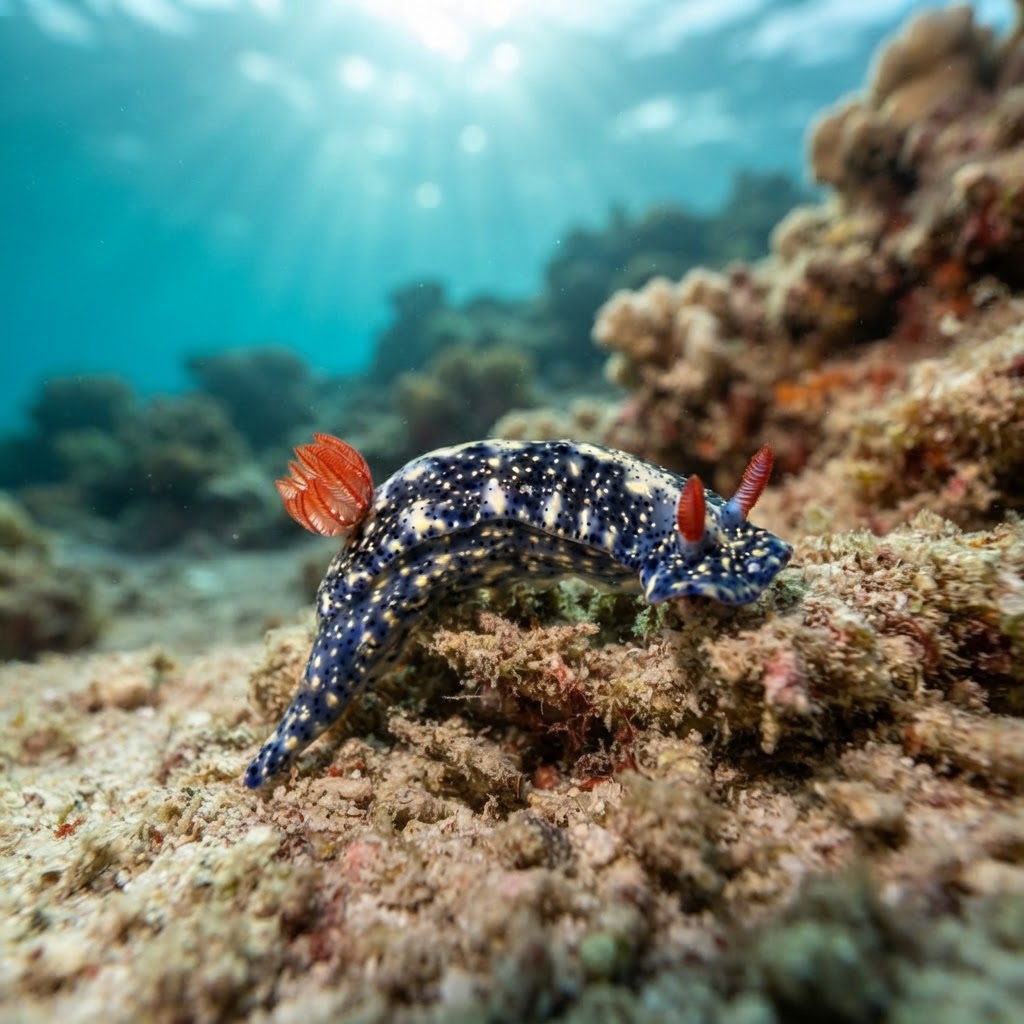
Hypselodoris saintvincentius
A Western Australia specialty nudibranch, logged year-round in 16-22C water and most reliably found around Western Australia's temperate reefs.
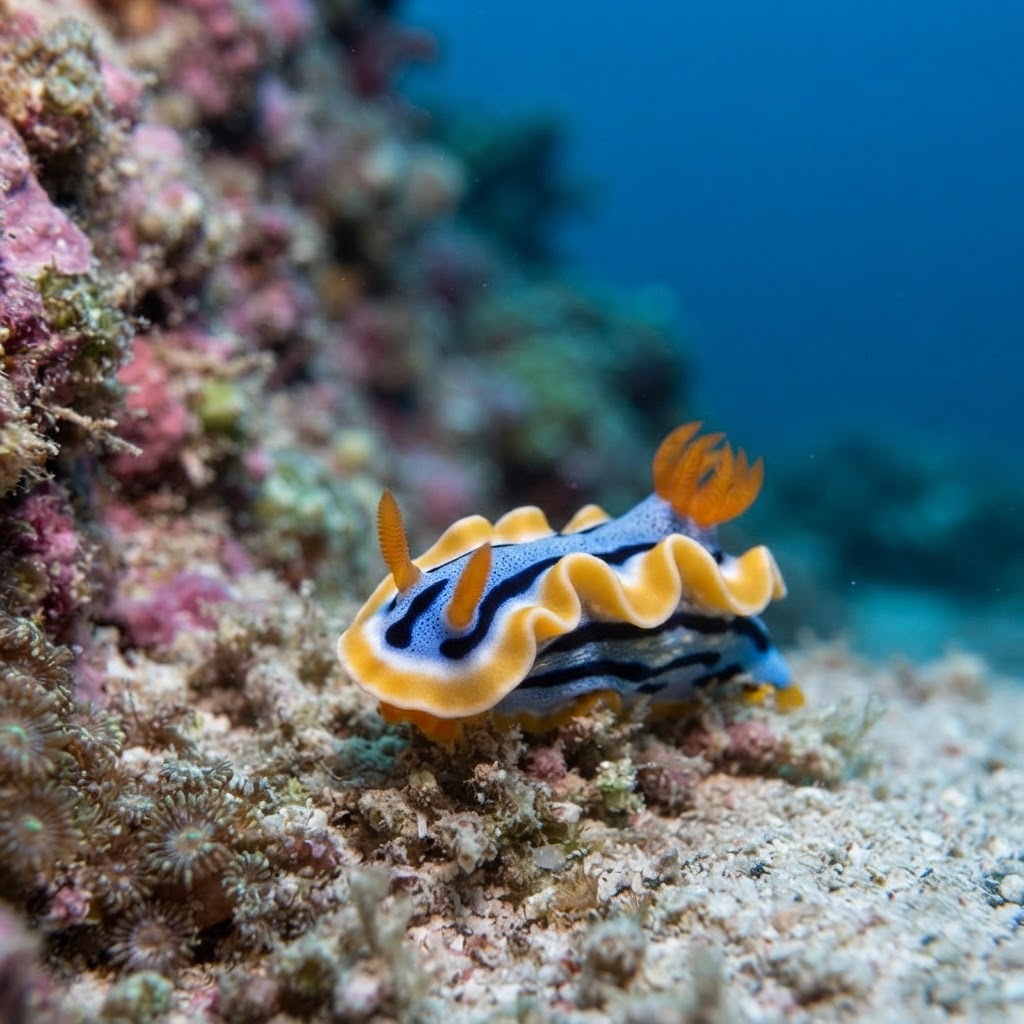
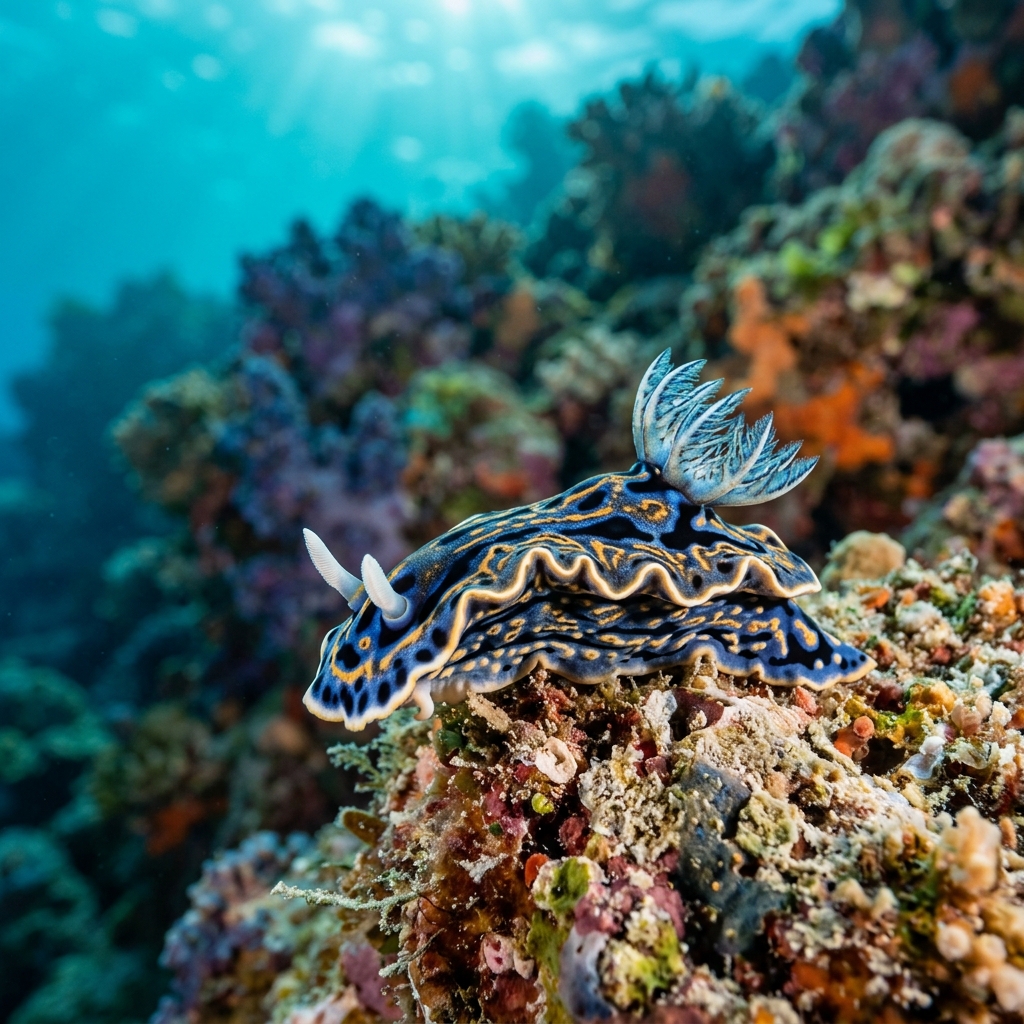
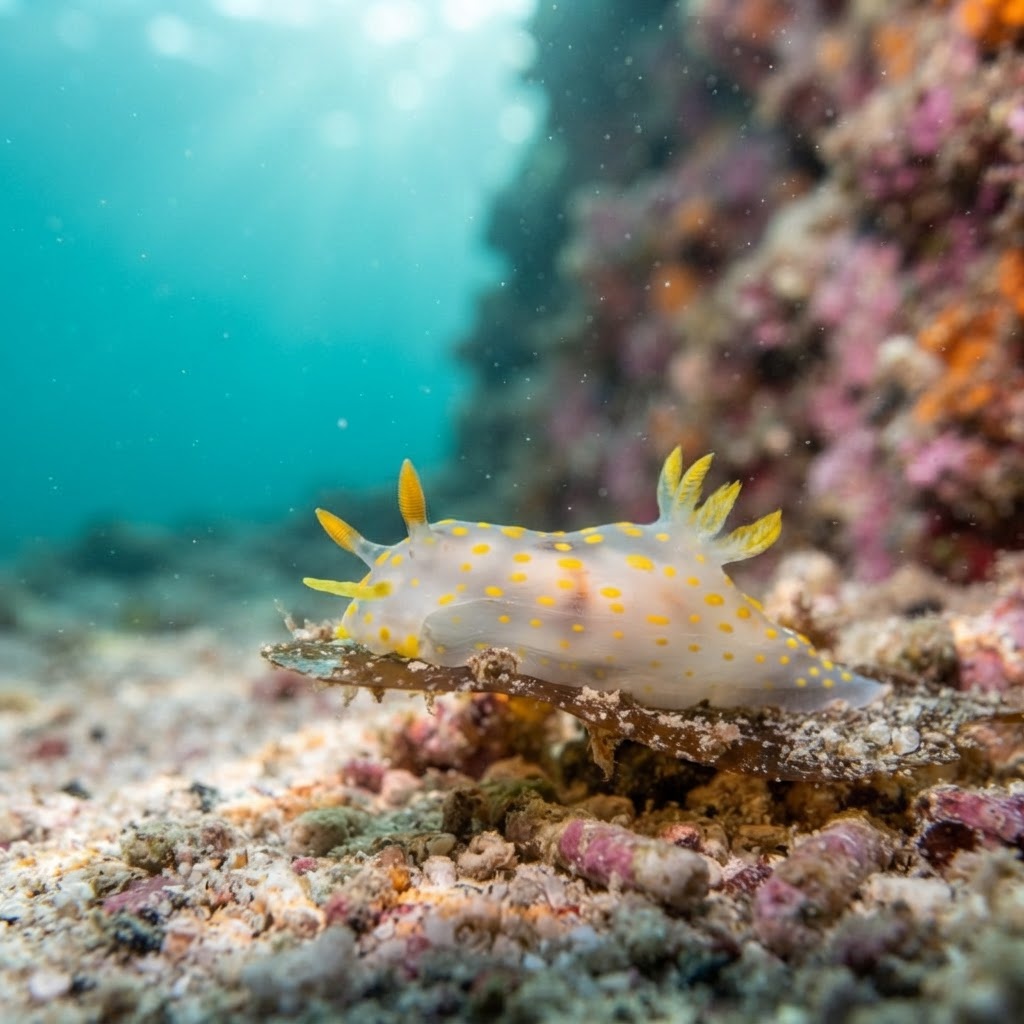
A small sea slug (nudibranch) with a soft, elongate body typical of the Hypselodoris group, seen crawling slowly over reef and rubble in cool temperate water. Look for the smooth, unribbed mantle edge and the pair of rhinophores (sensory tentacles) at the front and feathery gill cluster near the tail, both features shared across this genus. Colour and pattern details are the main giveaway between similar species, so a close macro look or photo is worth taking before you try to name it.
Divers typically find it moving slowly across rock and rubble surfaces during the day, grazing rather than hiding, which makes it a manageable subject for a macro camera. It shows no reaction to divers beyond its usual unhurried pace, so there's no need to keep distance beyond normal reef etiquette.
Like other Hypselodoris nudibranchs, it likely feeds on sponges and stores chemical compounds from that diet in its tissue as a defence against predators, which is part of why these slugs can afford to be so visually bold and unhurried on open reef.
Sightings don't show a clear seasonal pattern, and it turns up across the year in the 16 to 22C water it favours, so there's no need to time a trip around a particular month. Treat it as a year-round find on the cooler reefs where it lives.
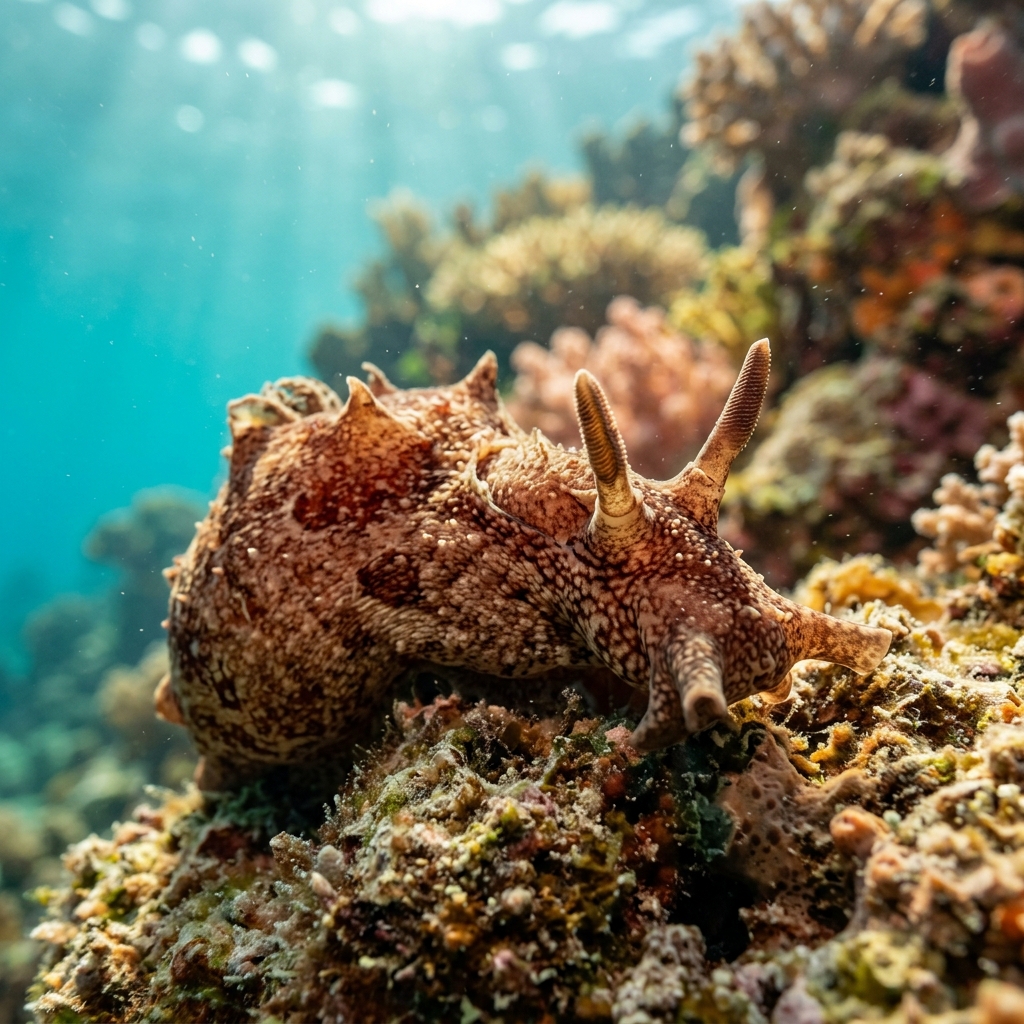
Reef neighbours a diver could mistake it for. Use the identification notes above to tell them apart.
This one is very much a Western Australia specialty, with the strong majority of logged sightings coming from sites across Western Australia and a smaller number from South Australia. Divers looking for it should focus on temperate reef sites in the southwest of the country rather than tropical destinations.
Mapping where Saint Vincent's Nudibranch is logged…
It's most reliably found on temperate reef sites in Western Australia, with a smaller number of sightings from South Australia. It's considered a regional specialty rather than a species found on tropical reefs.
There's no strong seasonal pattern in the sightings, so it can be found across the year in the cool 16 to 22C water it prefers. Any time you're diving temperate Western Australian sites gives you a reasonable shot.
Look for a small, soft-bodied nudibranch moving slowly over rock and rubble, with the paired rhinophores up front and a feathery gill tuft near the tail typical of this genus. Colour pattern is the key distinguishing feature from similar chromodorid species, so a close photo helps confirm the ID.
Exact size data isn't well documented for this species, but like most Hypselodoris nudibranchs it stays small, typically only a few centimetres long, making it an easy animal to overlook without a close look at the substrate.
No, it poses no risk to divers. It's a small, slow-moving reef grazer that can be observed and photographed up close without any safety concerns.
Like other members of its genus, it almost certainly feeds on sponges, and may incorporate chemical compounds from its diet into its own tissue as a deterrent to predators.
Site and sighting data is aggregated from diver logs, iNaturalist and GBIF. For taxonomy and conservation status:
Light-spotted Aegires
3,168 sites