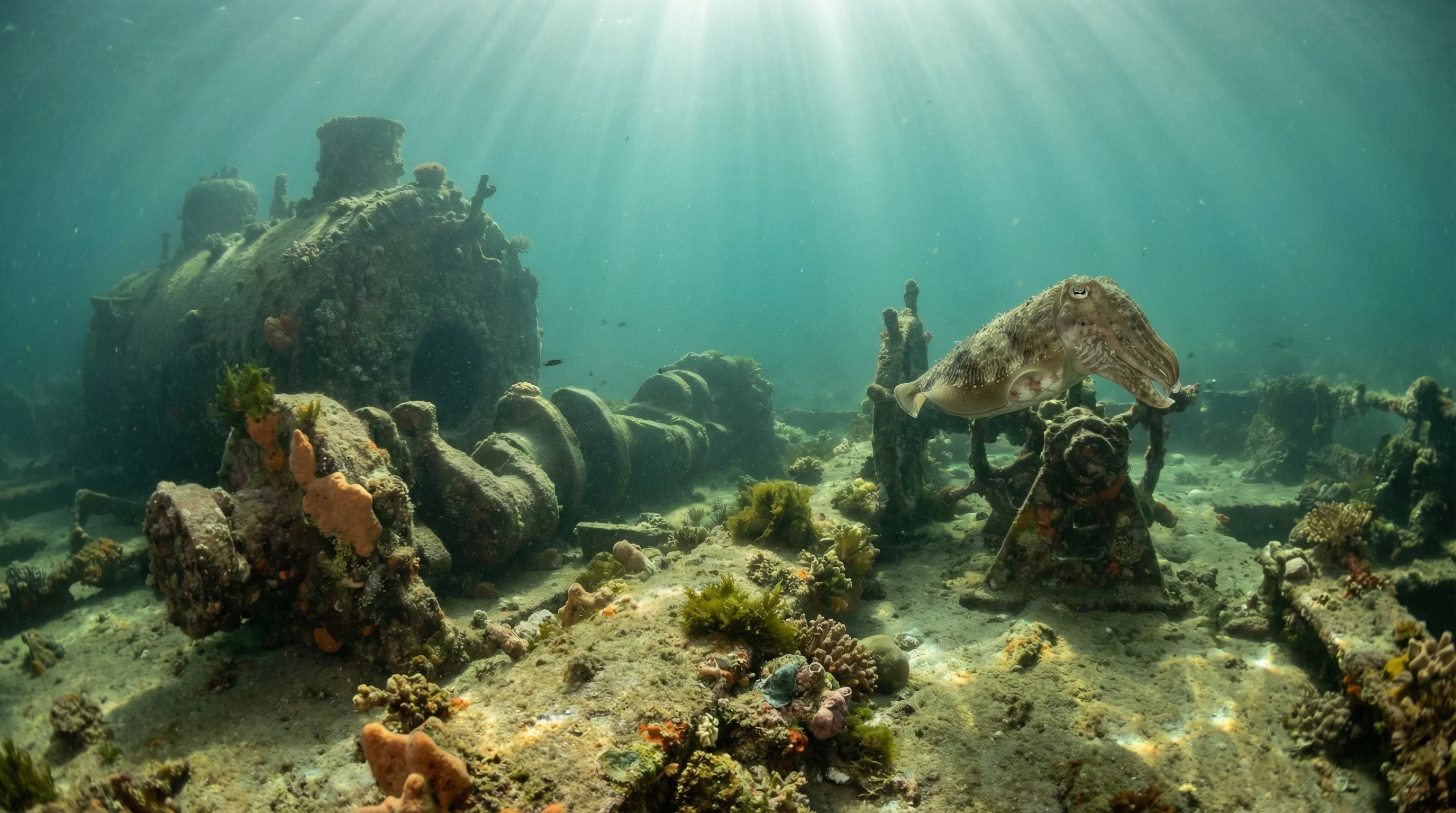
Best for beginner divers, 3-11m, boat entry, moderate current.
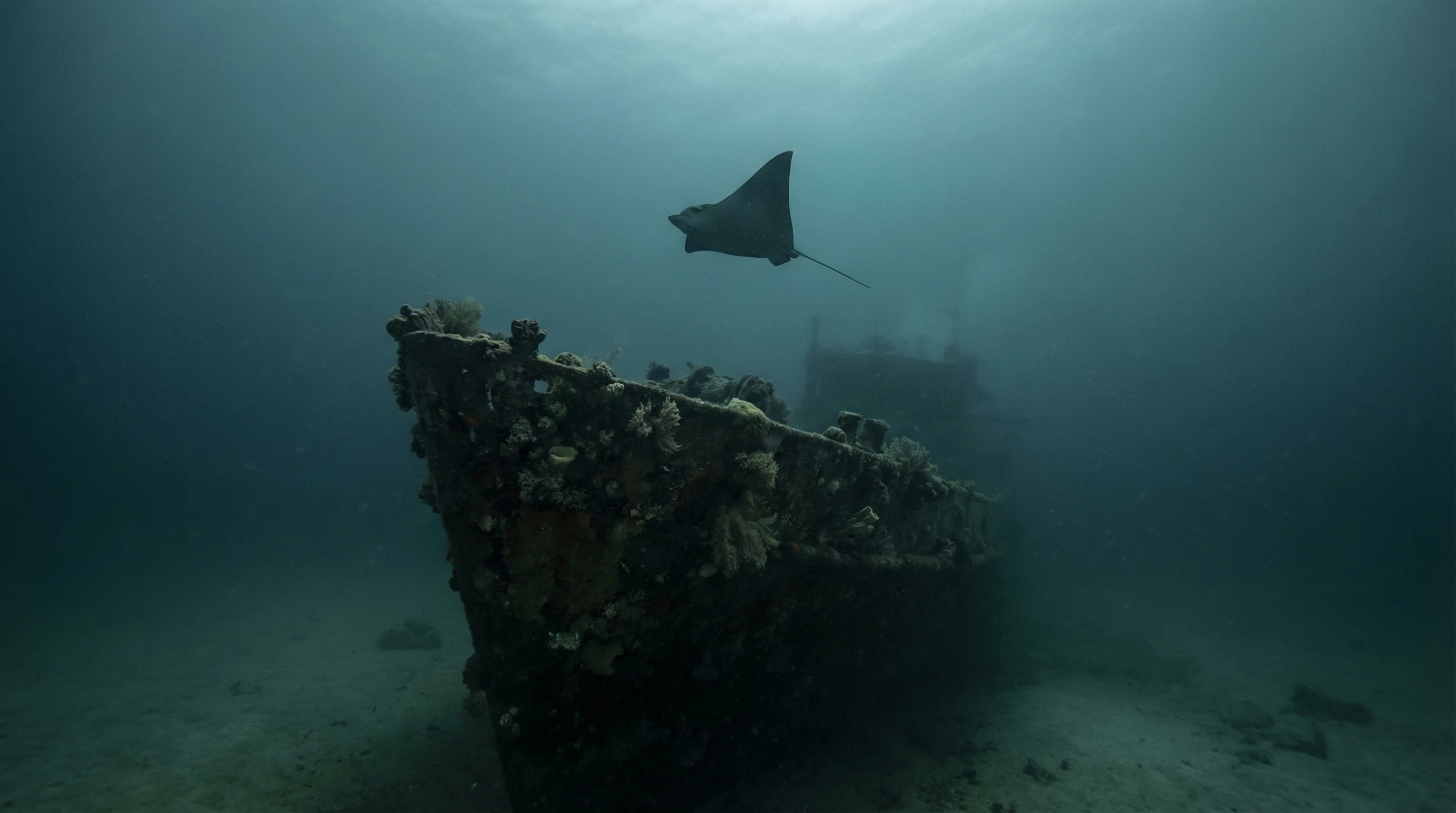
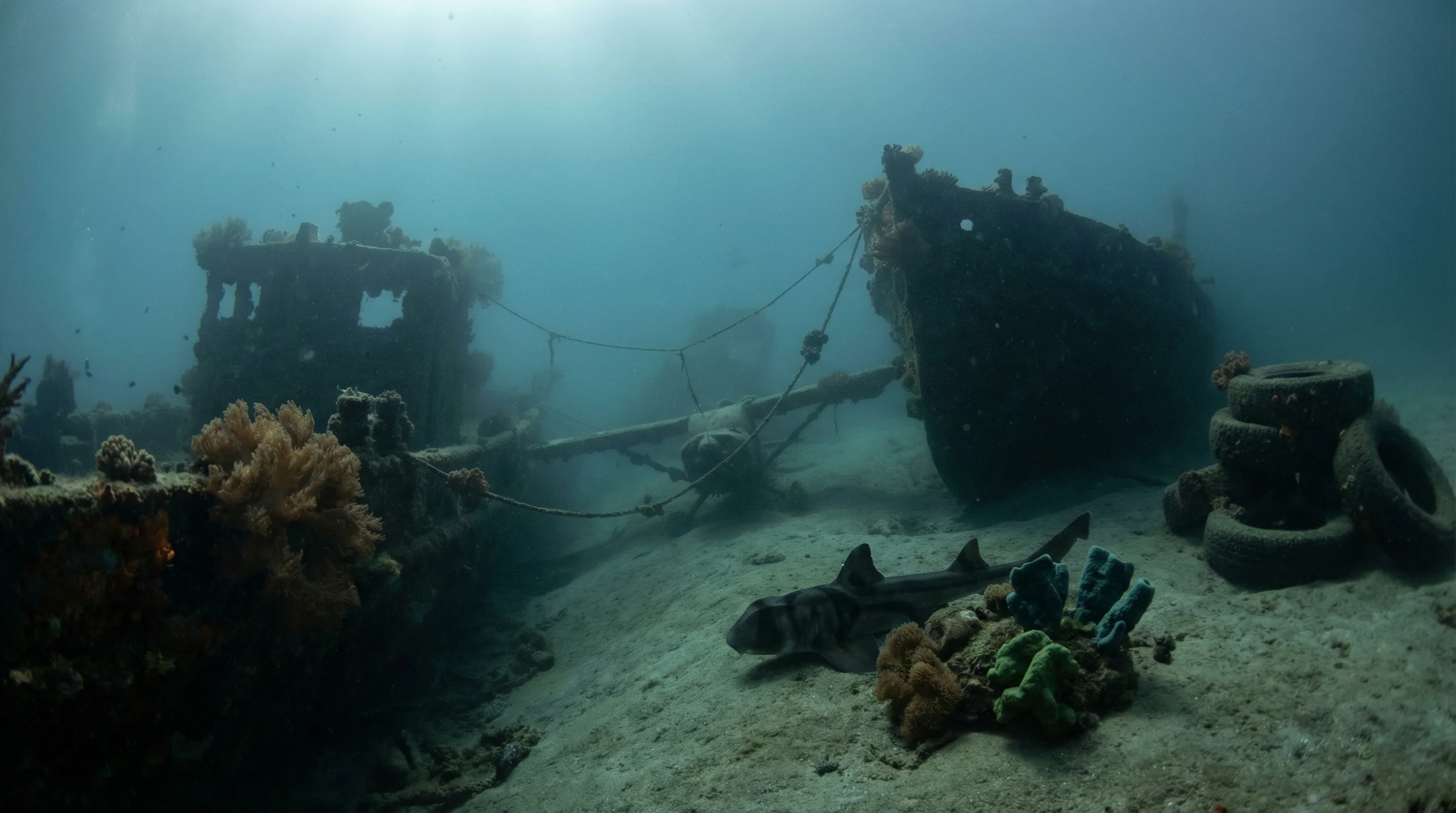
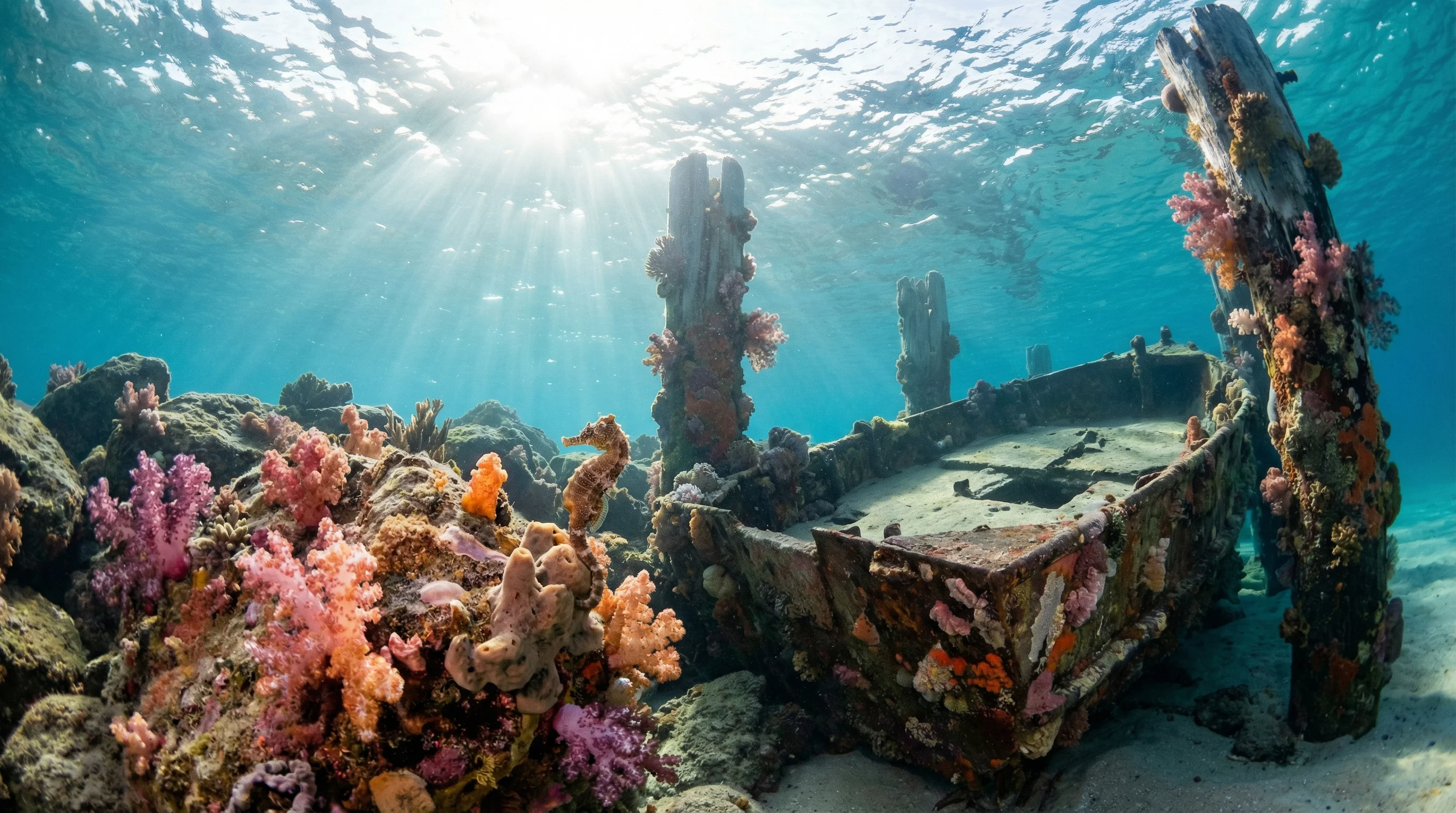
The Orizaba is a wreck site located 500 metres offshore in Rockingham, Australia. Resting in depths between 3 and 11 metres, the site is suitable for beginner divers. Divers should be prepared for moderate currents and visibility ranging from 3 to 15 metres. The wreck structure features sharp coral, and surge can be present, particularly in the shallower sections. Access is by boat only, and divers should confirm parking availability at their chosen launch point. With an average depth of 8 metres, the site allows for extended dive times, typically around 50 minutes.
-32.28238, 115.62802
Use a DSMB if surfacing away from the vessel due to boat traffic in popular Rottnest anchorages.
Commonly run as a boat dive; conditions and the exact route are typically chosen on the day to match wind and swell.
Recorded at this site
Depth
3-11m
Visibility
3-15m
Skill Level
Beginner
Entry
Boat
Boat required
Water Temp
18-22°C
Current
Moderate
Typical Dive
50 min
Best Time
May, Dec
Yes, the site is considered suitable for beginner divers due to its relatively shallow depth range of 3 to 11 metres.
The wreck sits at depths between 3 and 11 metres, with an average depth of 8 metres.
This is a boat-only dive site located 500 metres from the shore.
May and December typically offer the most settled conditions and better visibility.
Divers should watch for surge when approaching the wreck and be cautious of sharp coral on the structure.
Diving at Orizaba in Perth requires the following certifications: Open Water. Always dive within your training limits.
A 5mm wetsuit is recommended for diving at Orizaba in Perth. Water temperatures range from 18°C to 22°C.
The best months to visit Orizaba in Perth are May and December. Conditions outside these months can still be good but are less predictable.
Expect moderate currents at Orizaba in Perth. Good buoyancy control and some drift diving experience is helpful.
Visibility at Orizaba in Perth typically ranges from 3 metres to 15 metres. Conditions vary with weather, tides, and seasons.