Dactylopus dactylopus
Spot the Fingered Dragonet in Western Australia and Hong Kong's Sai Kung. Know what to look for and when to dive for your best chance.
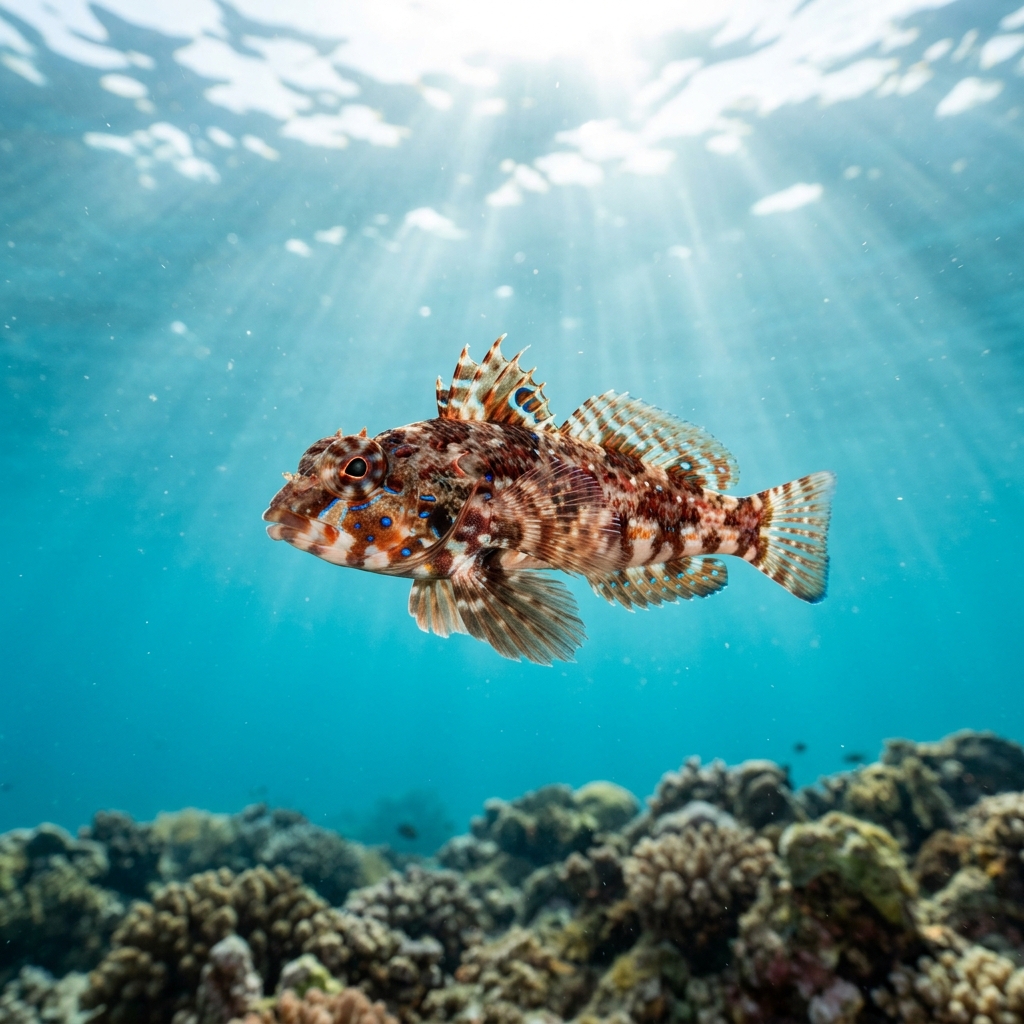
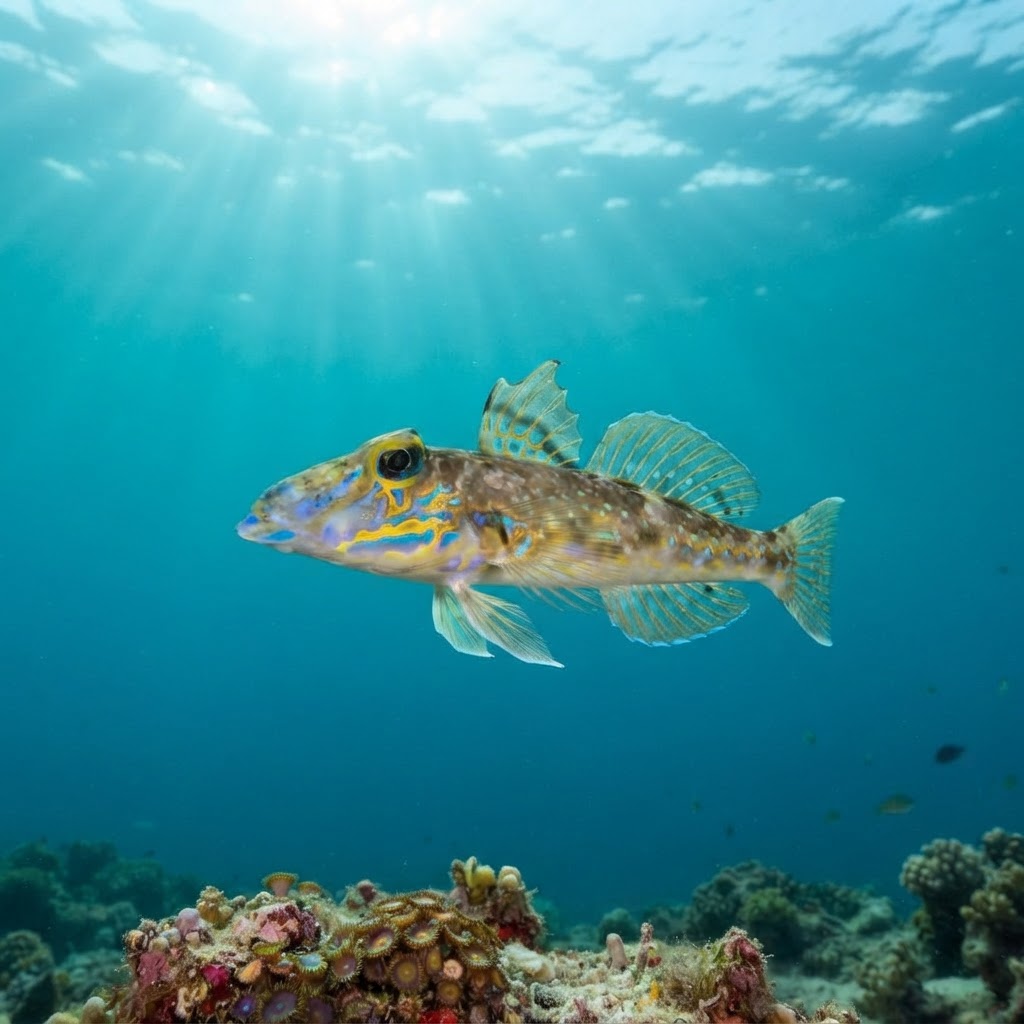
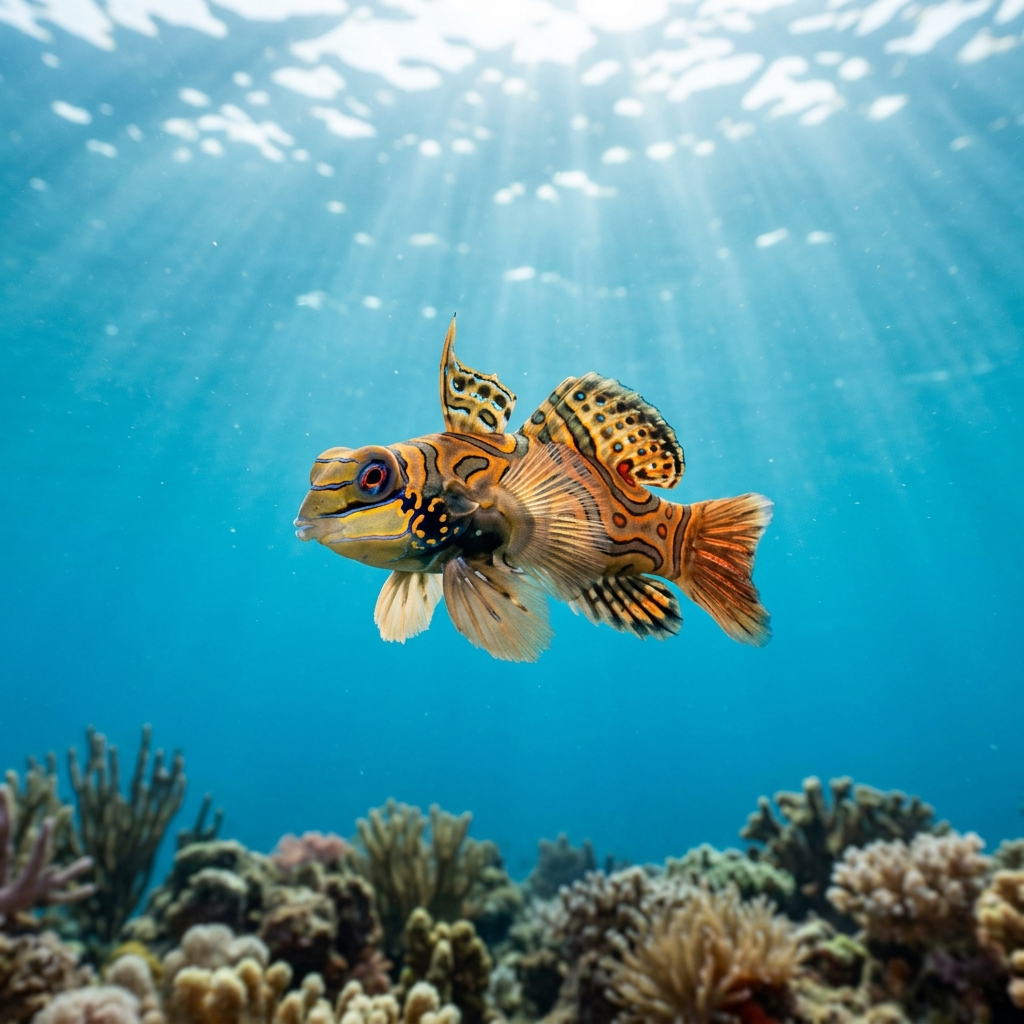
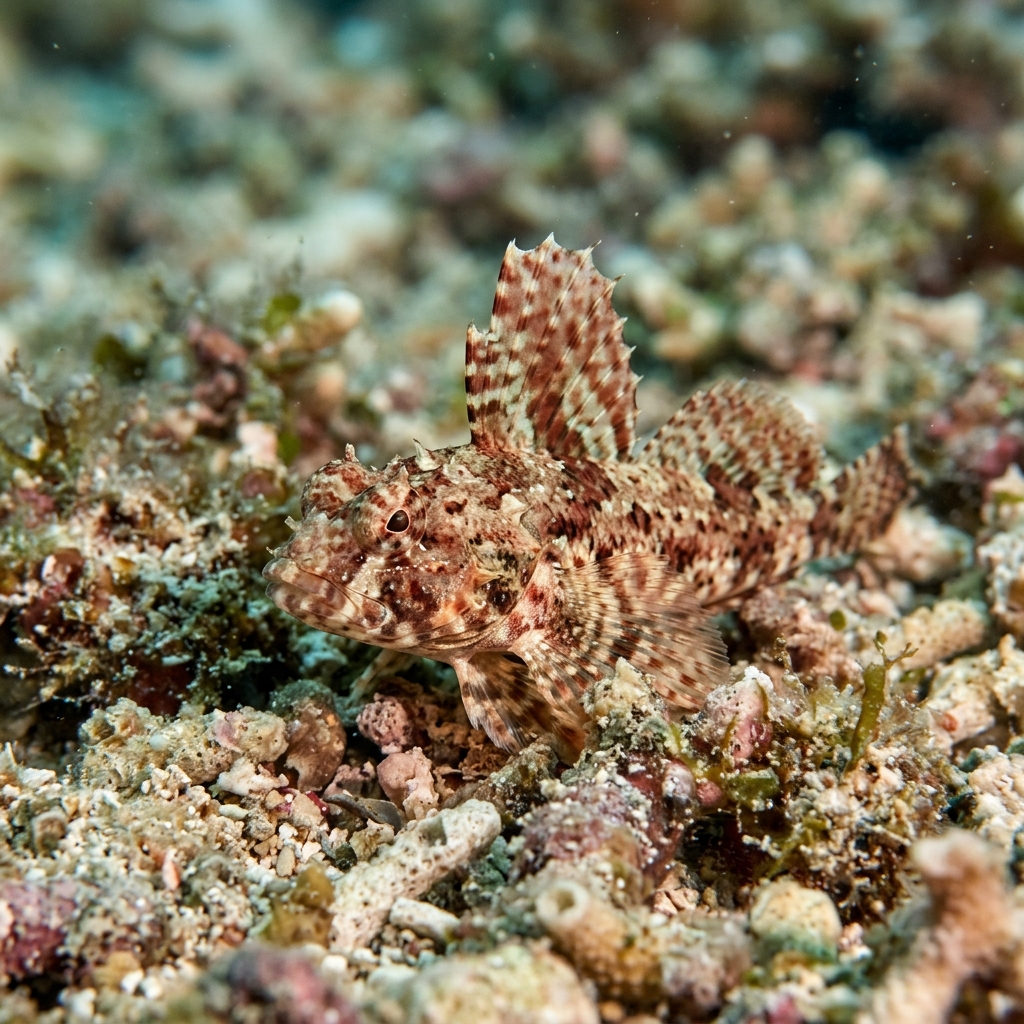
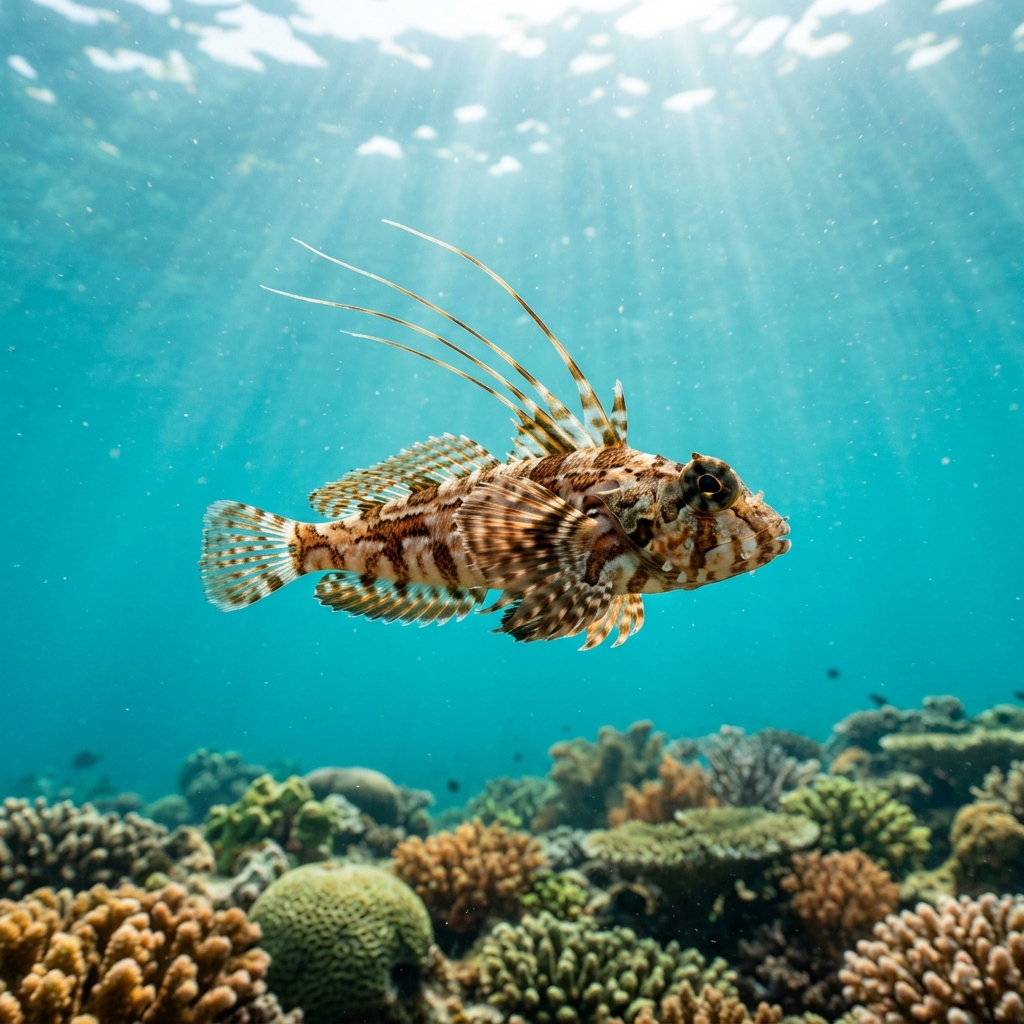
Its most striking field mark is a pair of elongated, finger-like pelvic fin rays that it uses to prop itself up and walk across sandy or silty bottoms, a feature no other dragonet shares so obviously. The body is mottled in earthy browns, creams, and orange-tinged blotches that blend well with sediment, making it easy to overlook until it moves. Males sport a tall, sail-like first dorsal fin with vivid patterning that they raise in display; females have a much shorter, plainer version.
Fingered dragonets spend most of their time on or very close to the bottom, using those distinctive pelvic fin rays to shuffle deliberately across sand and rubble rather than swim. They are generally tolerant of a slow, patient approach but will dart a short distance if startled. Males periodically raise their sail-like dorsal fin in brief courtship or territorial displays, which is the behaviour most likely to catch a diver's eye.
The elongated pelvic fin rays that give the species its name are functional: the dragonet uses them like fingers to probe the sediment and lever itself across the bottom, a locomotion style more reminiscent of a tripod fish than a typical reef fish.
In the Southern Hemisphere, sightings concentrate between February and April. Water temperatures across all recorded sites range from about 20 to 29 °C, so conditions in the warmer months of temperate Australian waters appear to align best with active sightings.
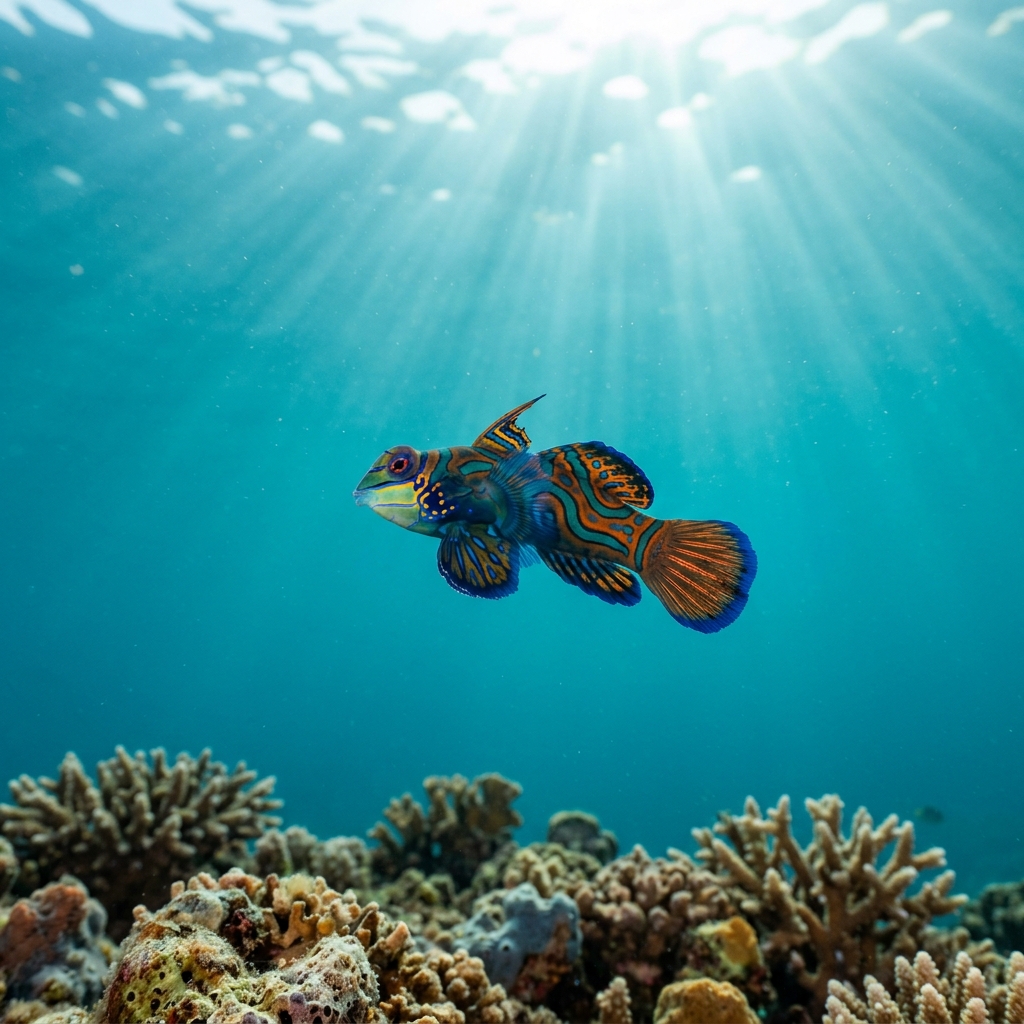
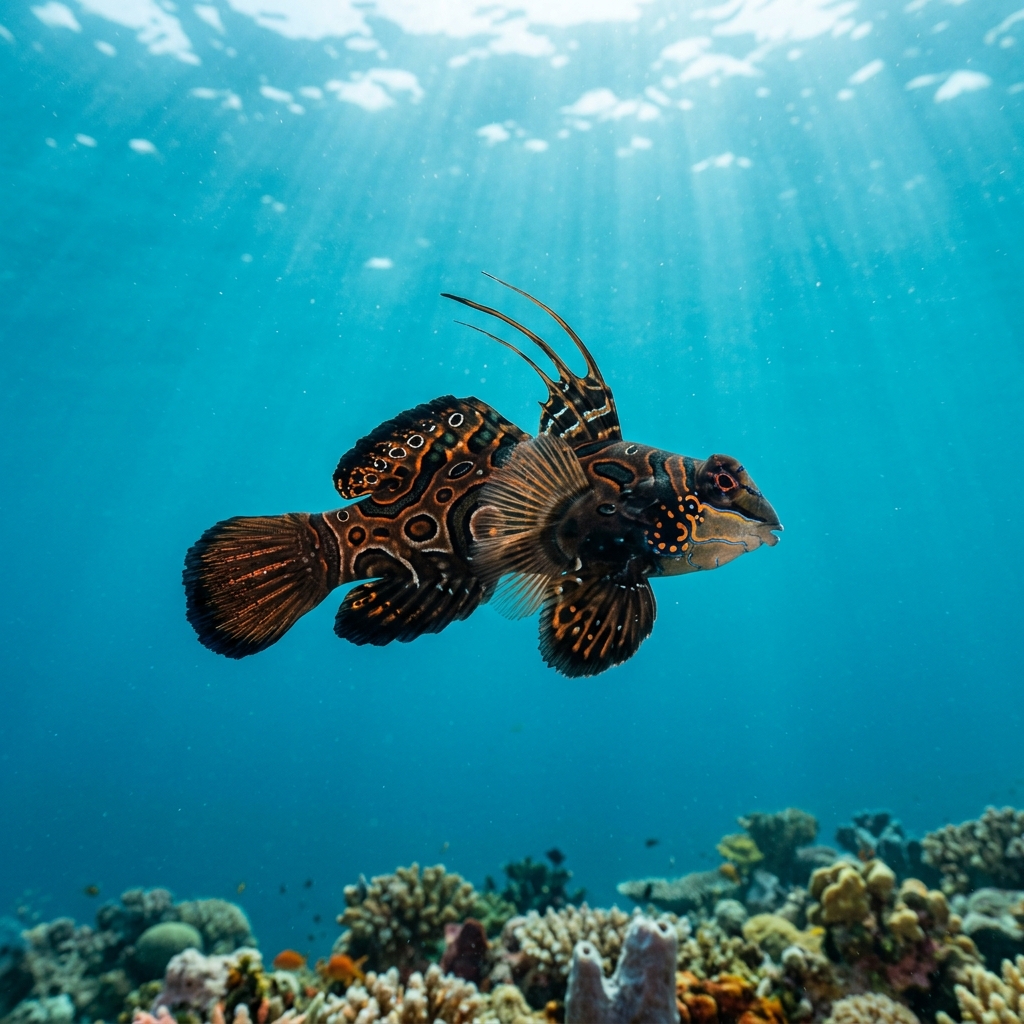
Reef neighbours a diver could mistake it for. Use the identification notes above to tell them apart.
Most sightings are logged in Australia, with Western Australia accounting for the large majority of records and a smaller cluster of sites in Queensland. Hong Kong's Sai Kung district is a strong secondary hotspot, and there are additional records from Sulawesi, Indonesia.
Mapping where Fingered Dragonet is logged…
The best-documented sites are in Western Australia, which holds the majority of known records, with further sites in Queensland. Hong Kong's Sai Kung area is a reliable secondary location, and Sulawesi in Indonesia also has confirmed sightings.
Southern Hemisphere sightings cluster from February to April. If you're planning a trip to Western Australia or Queensland specifically to look for this species, that late-summer to early-autumn window gives you the best recorded odds.
Look for a small, mottled brown fish resting motionless on sand or rubble, propped up on a pair of elongated, finger-like pelvic fin rays. If you spot a male raising a tall, colourfully patterned dorsal sail, that clinches the ID. No other dragonet in the region walks on its fins so obviously.
It is logged as uncommon at most sites and rare at others, so a sighting is never guaranteed. Its excellent camouflage on sandy bottoms means many are simply overlooked. Slow, low dives scanning the sediment carefully give you the best chance.
No. Fingered Dragonets pose no threat to divers. They are small, bottom-dwelling fish that rely on camouflage and a quick dart to escape, not on any defensive mechanism that could harm a person.
Site and sighting data is aggregated from diver logs, iNaturalist and GBIF. For taxonomy and conservation status:
Starry Dragonet
66 sites