Best for beginner divers, 0m, shore entry, moderate current.
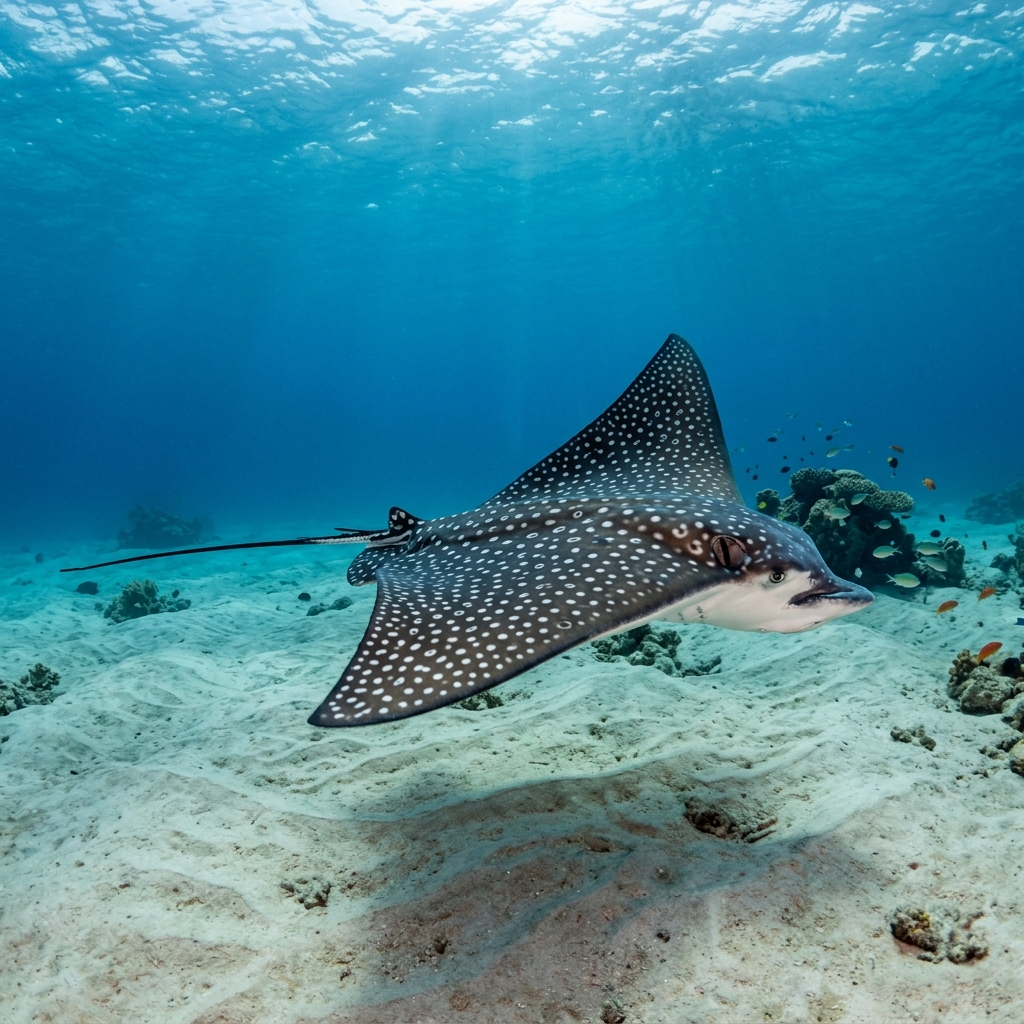
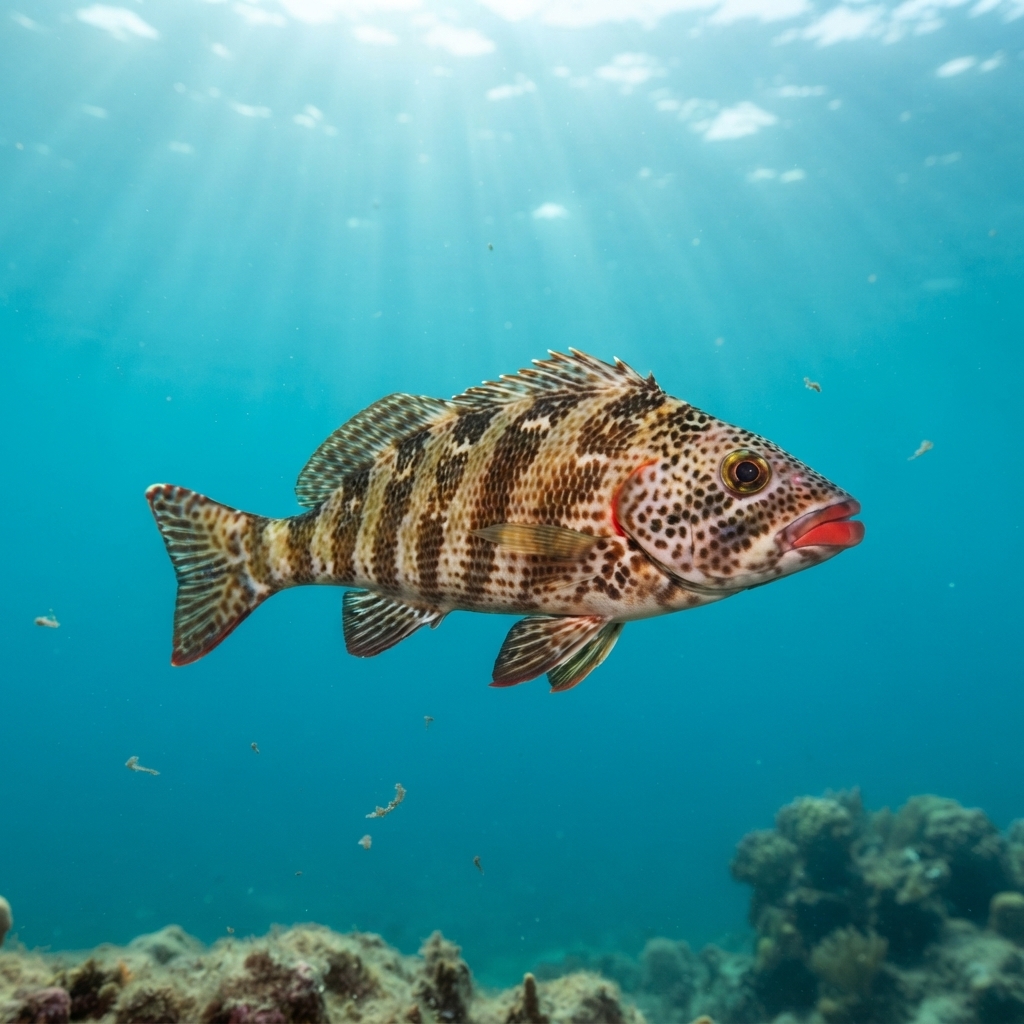
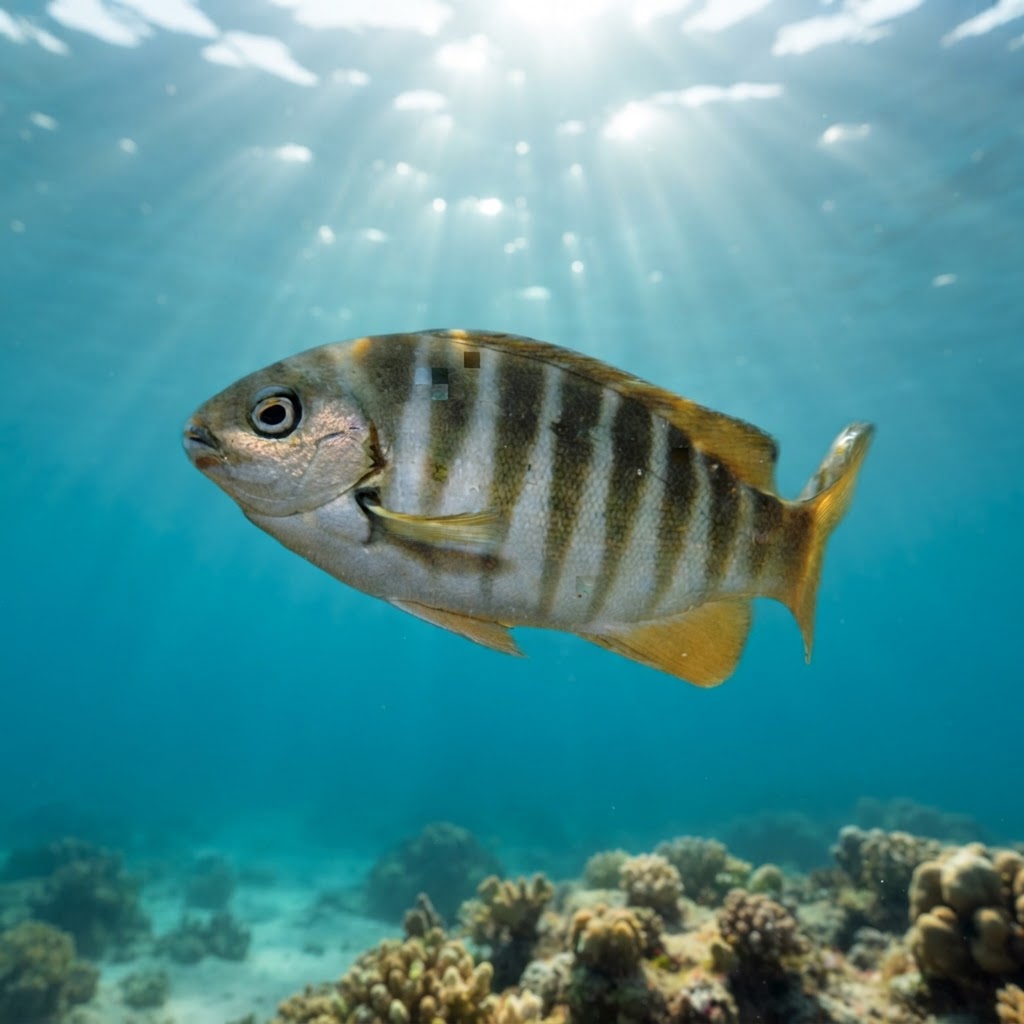
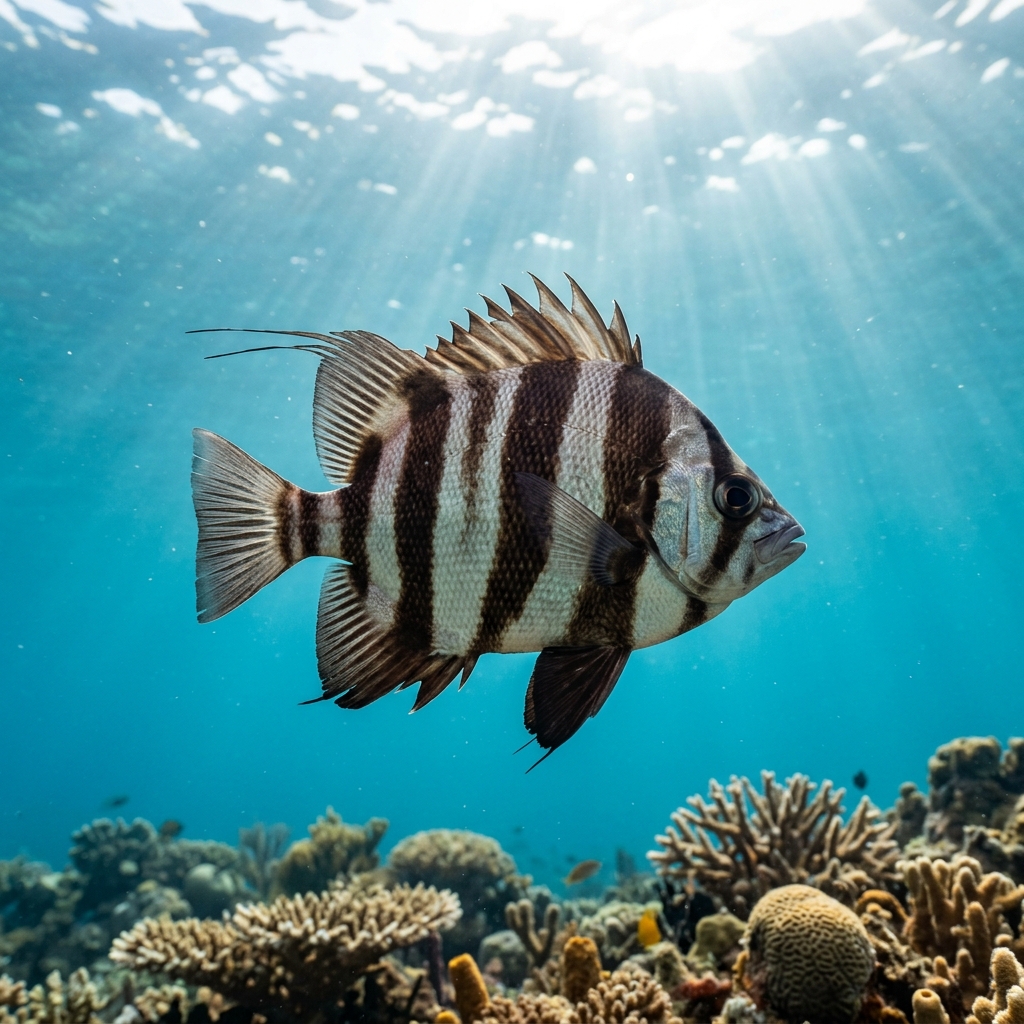
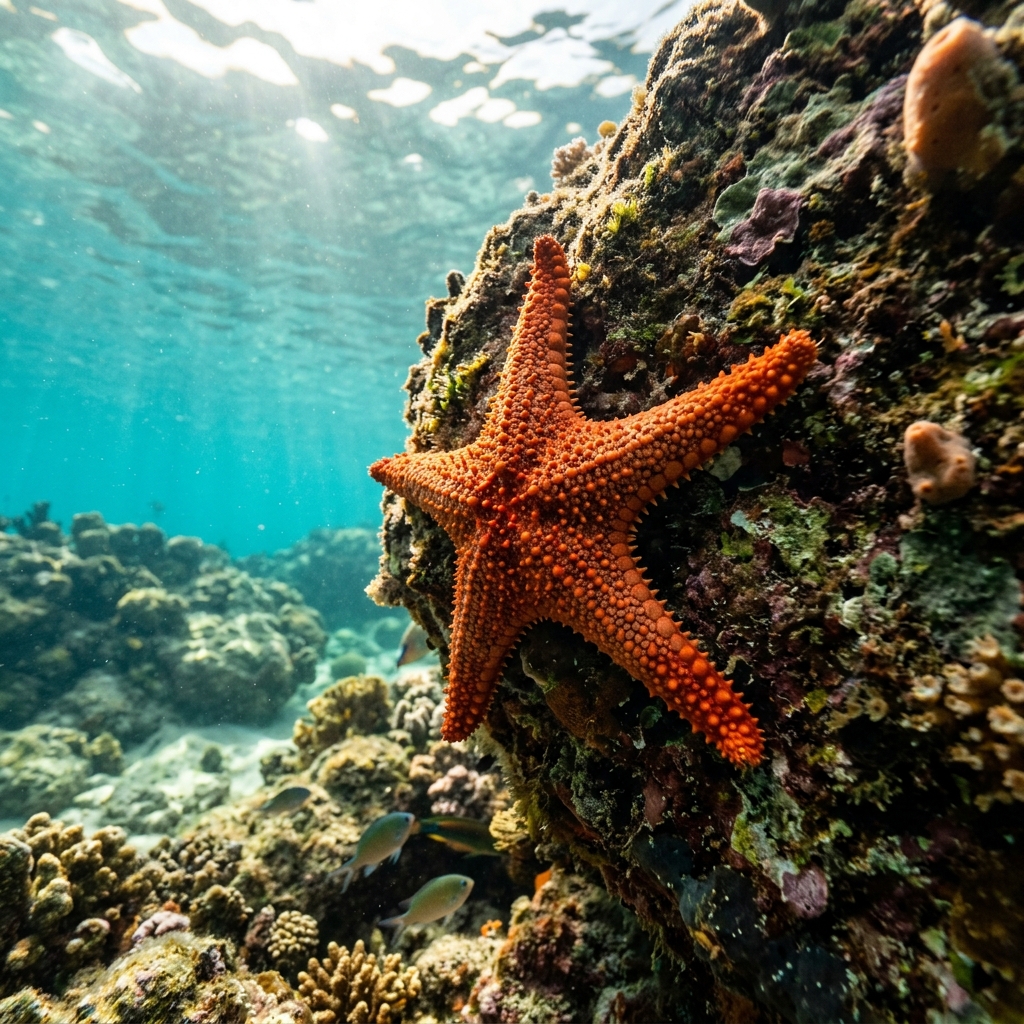
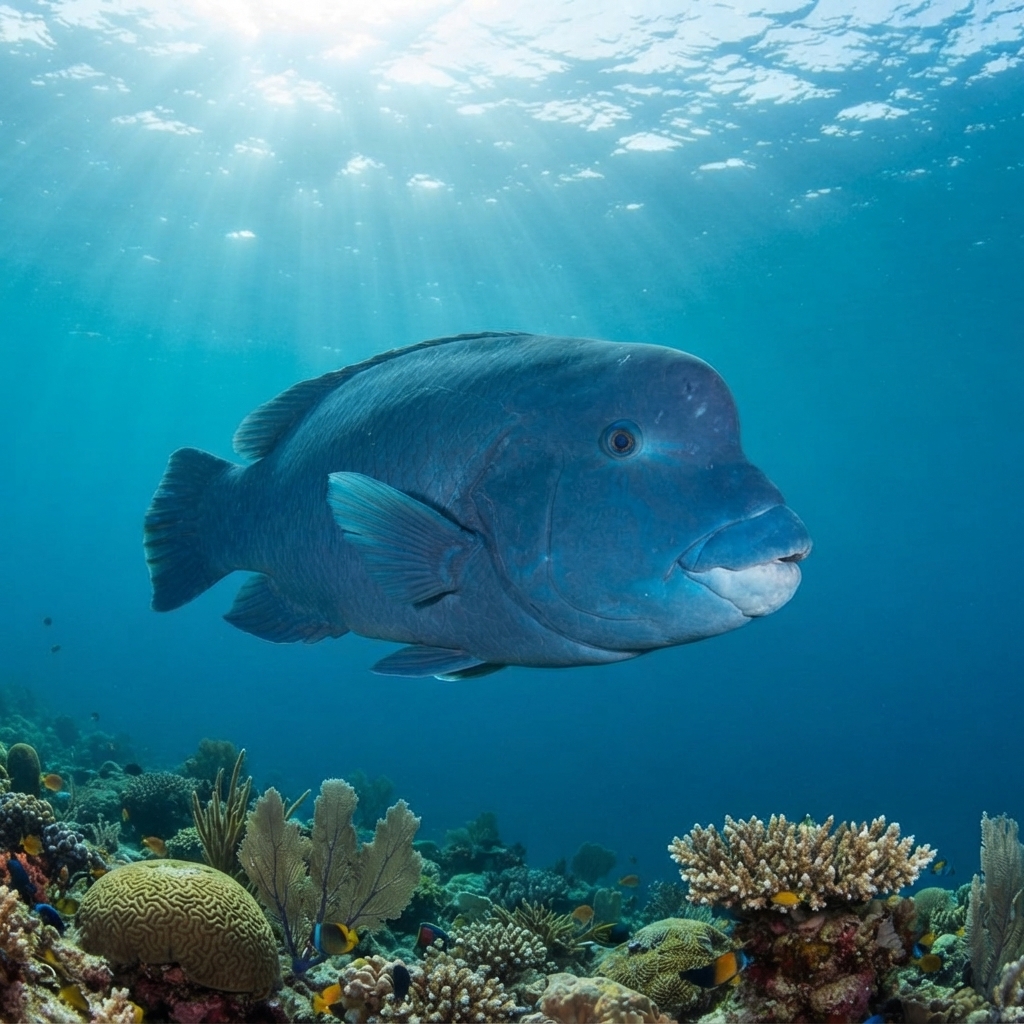
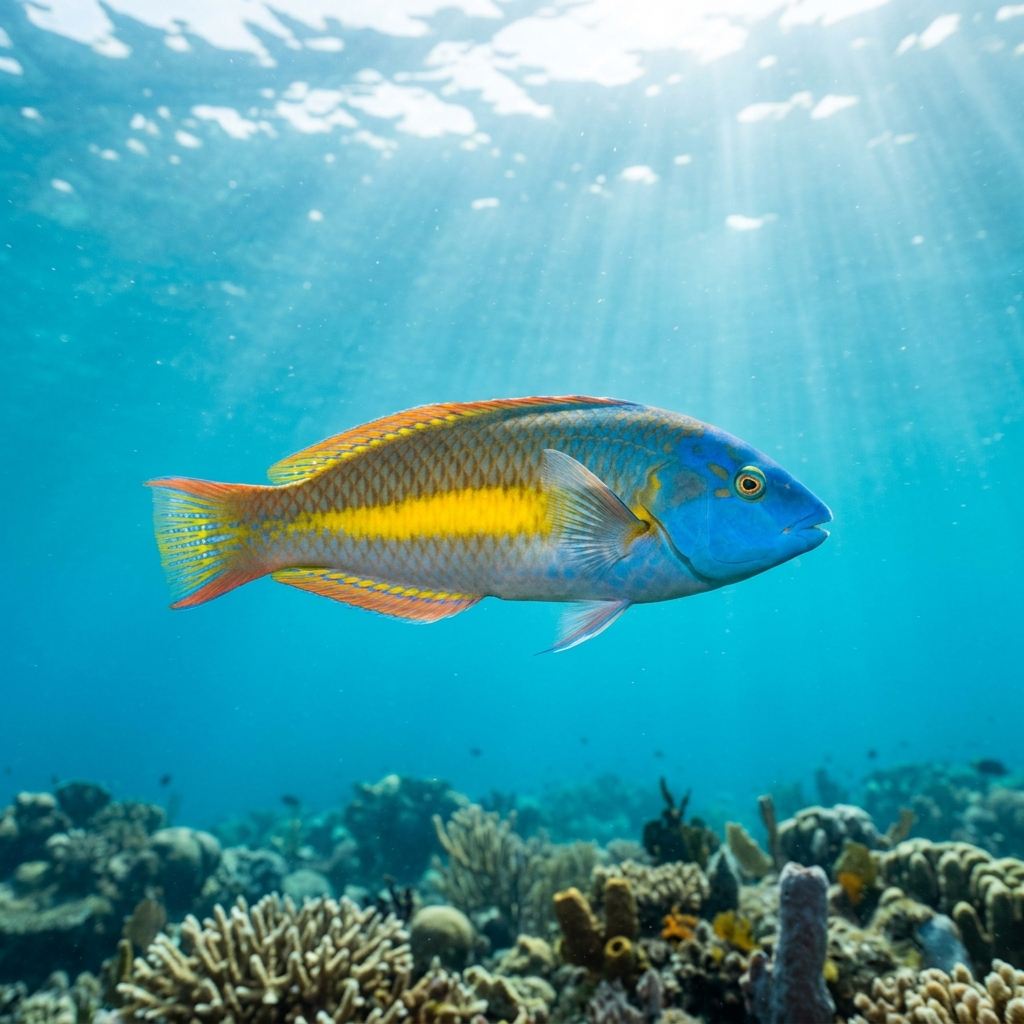
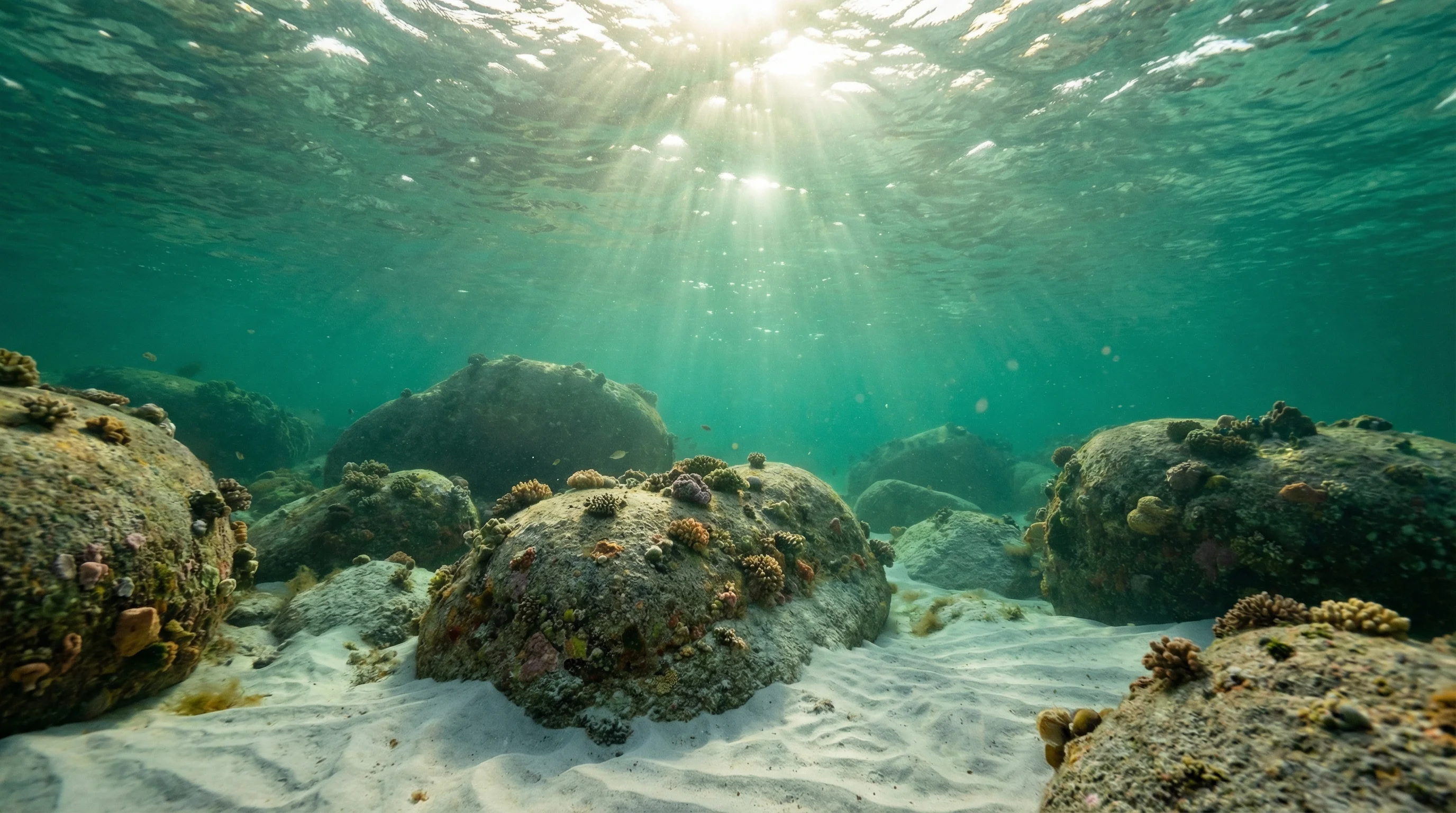
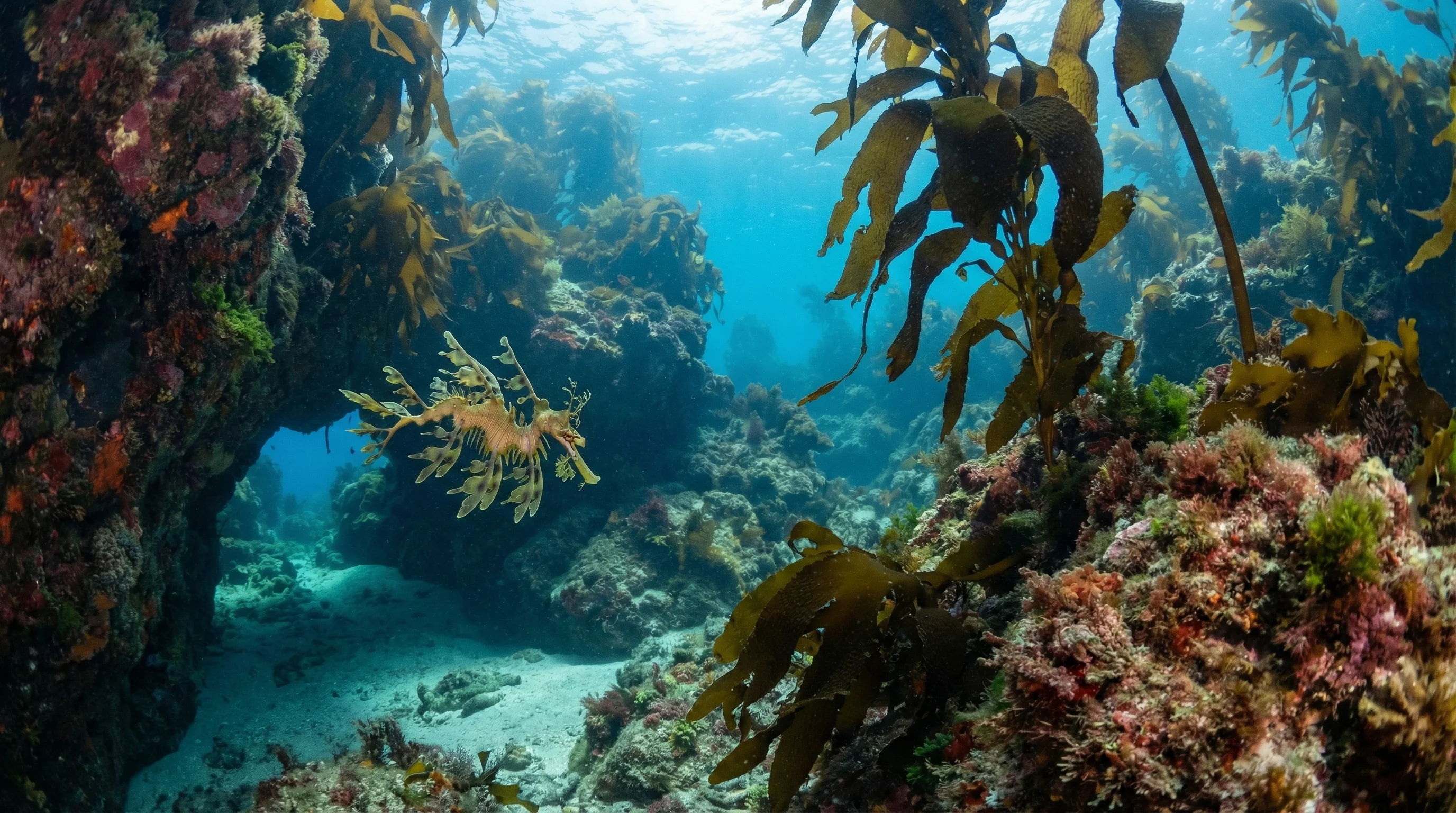
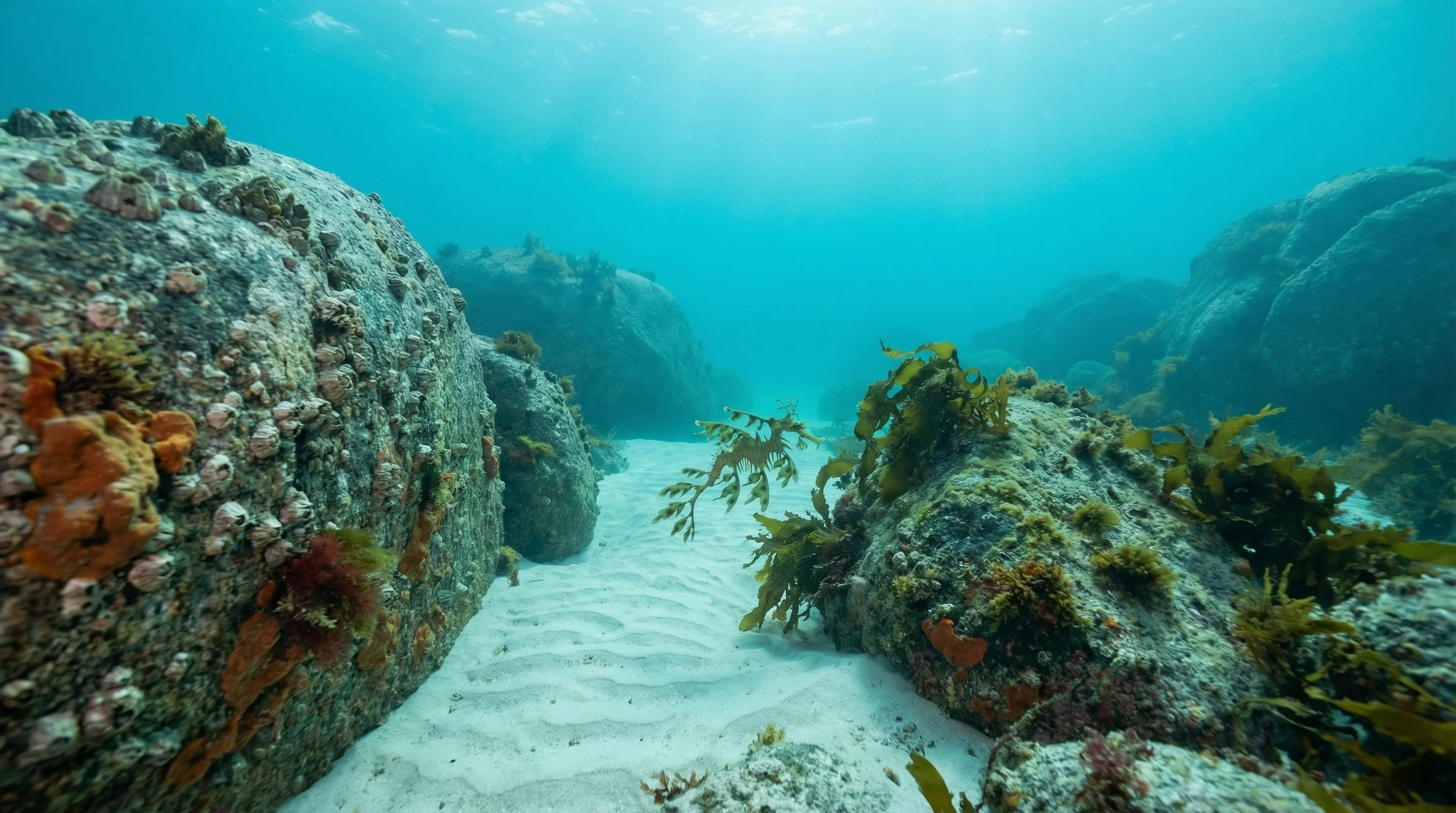
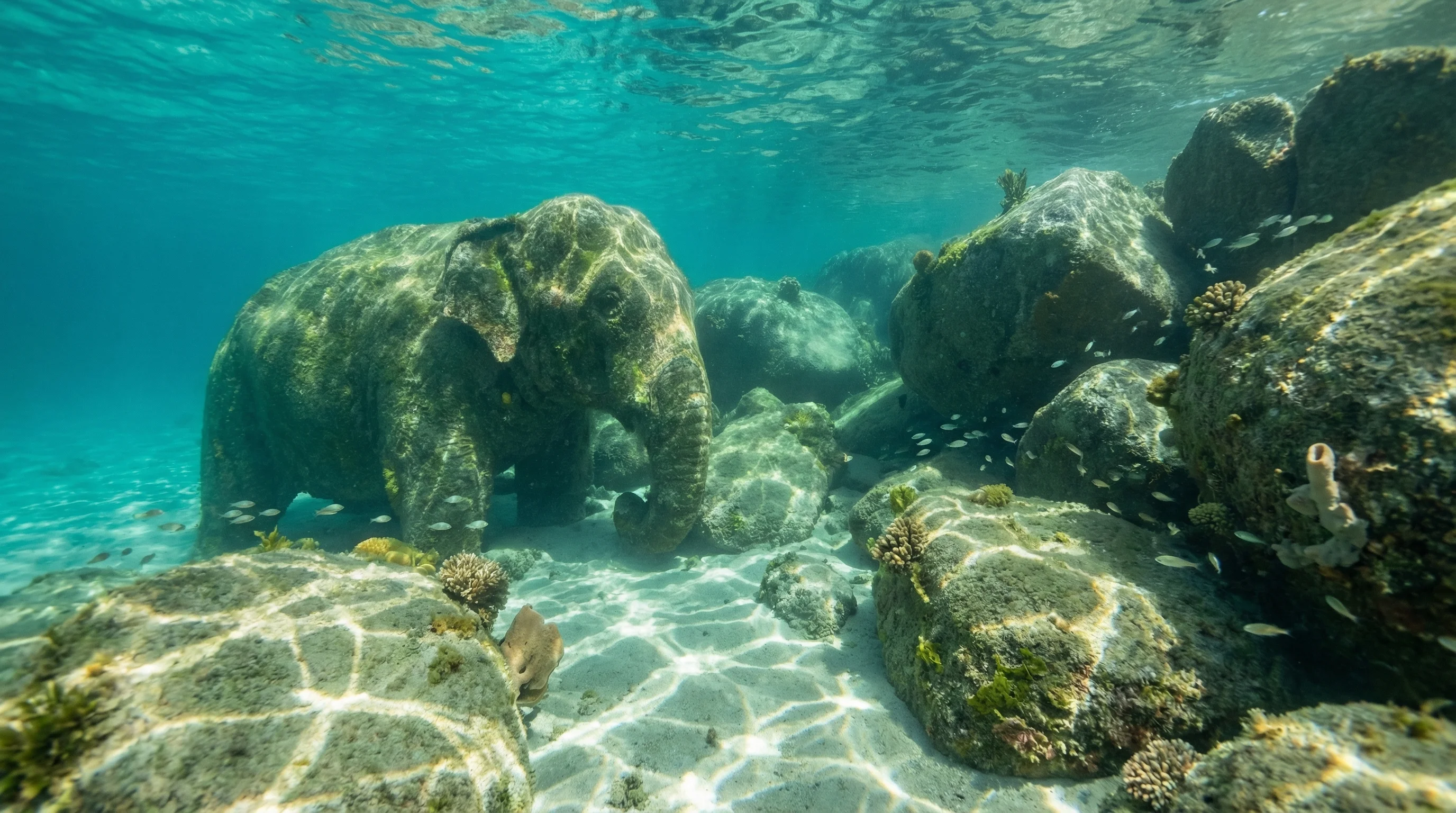
Elephant Rock is a shore entry site in Western Australia suitable for beginners, though it requires careful attention to conditions. The Southern Ocean environment is prone to surges, rip currents, and large, unexpected waves known as King Waves. Divers and snorkellers may encounter common species including wrasses, sea stars, King George whiting, crabs, moonlighters, and old wife. Less frequently, visitors record ornate wobbegongs, eagle rays, star octopuses, common stingrays, western king wrasses, short-tailed ceratosoma, abalone, and bream. Water temperatures range from 18C to 21C, and a wetsuit is recommended. Parking is available on-site, though the area can become busy during summer months.
-35.02581, 117.23763
Enter and exit carefully, as rip currents and surge can catch beginners off guard even on seemingly calm days. Parking is available at the site, so arrive early during the summer months when it can get busy.
Located in William Bay National Park. Follow signs to the car park, then take the short walking trail to the beach. Access is also possible via a 4x4 drive along Mazzoletti Beach from Parry Beach Campsite when the main park access is closed.
Recorded at this site
Depth
0m
Visibility
0m
Skill Level
Beginner
Entry
Shore
Water Temp
18-21°C
Current
Moderate
Best Time
Jan, Feb, Mar, Dec
Common sightings include wrasses, sea stars, King George whiting, crabs, moonlighters, and old wife. You may also encounter ornate wobbegongs, eagle rays, star octopuses, common stingrays, western king wrasses, short-tailed ceratosoma, abalone, and bream.
Yes, it is suitable for beginners, but the site requires respect due to potential rip currents, surges, and strong currents. Beginners should exercise caution during entry and exit.
Yes, Elephant Rock is used for both diving and snorkelling.
Elephant Rock is a shore entry site with parking available nearby.
The best months to visit are December, January, February, and March.
Hazards include cold water, rip currents, strong currents, and surges. Large, unexpected waves known as King Waves can occur, so avoid standing too close to the edge of the rocks.
Diving at Elephant Rock in Denmark requires the following certifications: Open Water. Always dive within your training limits.
A 7mm wetsuit or semi-dry is recommended for diving at Elephant Rock in Denmark. Water temperatures range from 18°C to 21°C.
Expect moderate currents at Elephant Rock in Denmark. Good buoyancy control and some drift diving experience is helpful.