Lepidoblennius marmoratus
A small, mottled reef blenny most reliably found on rocky reefs in Western Australia, sitting in cool water between 15 and 19C.
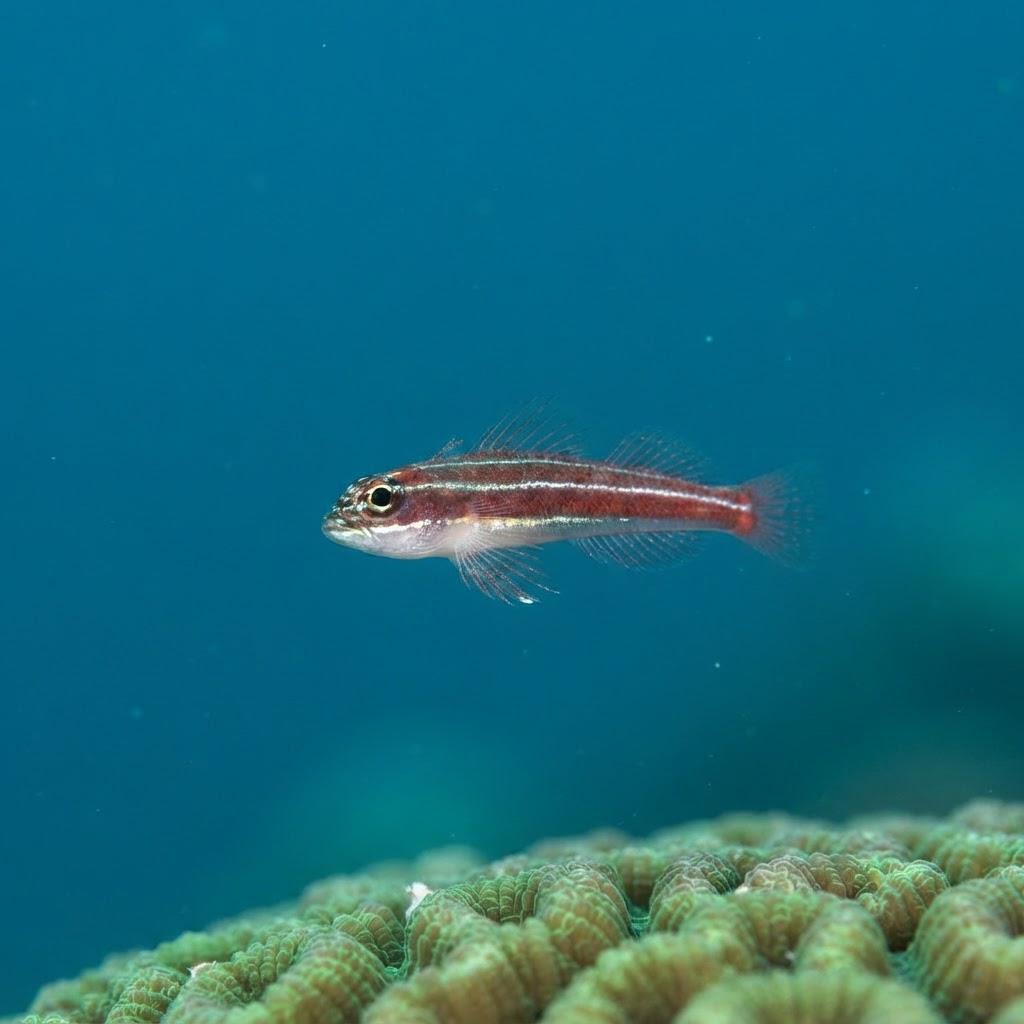
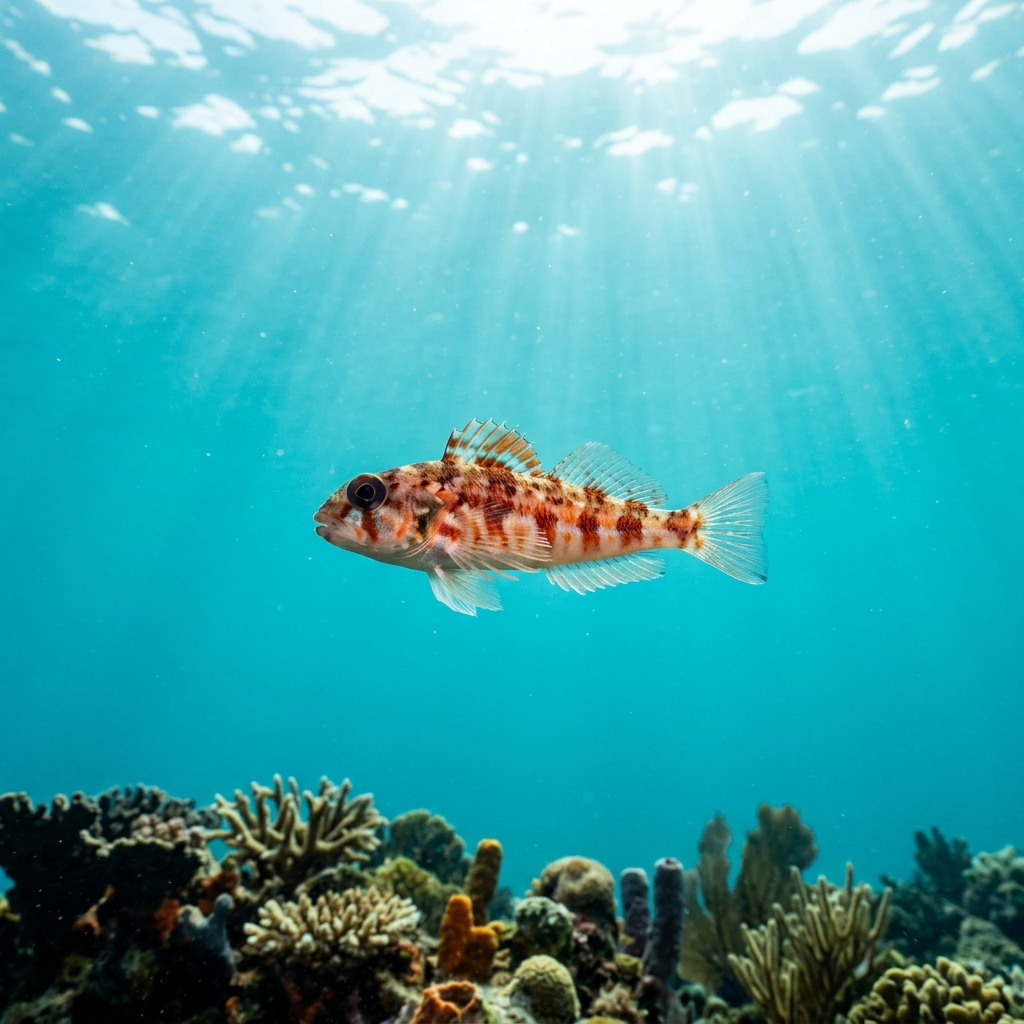
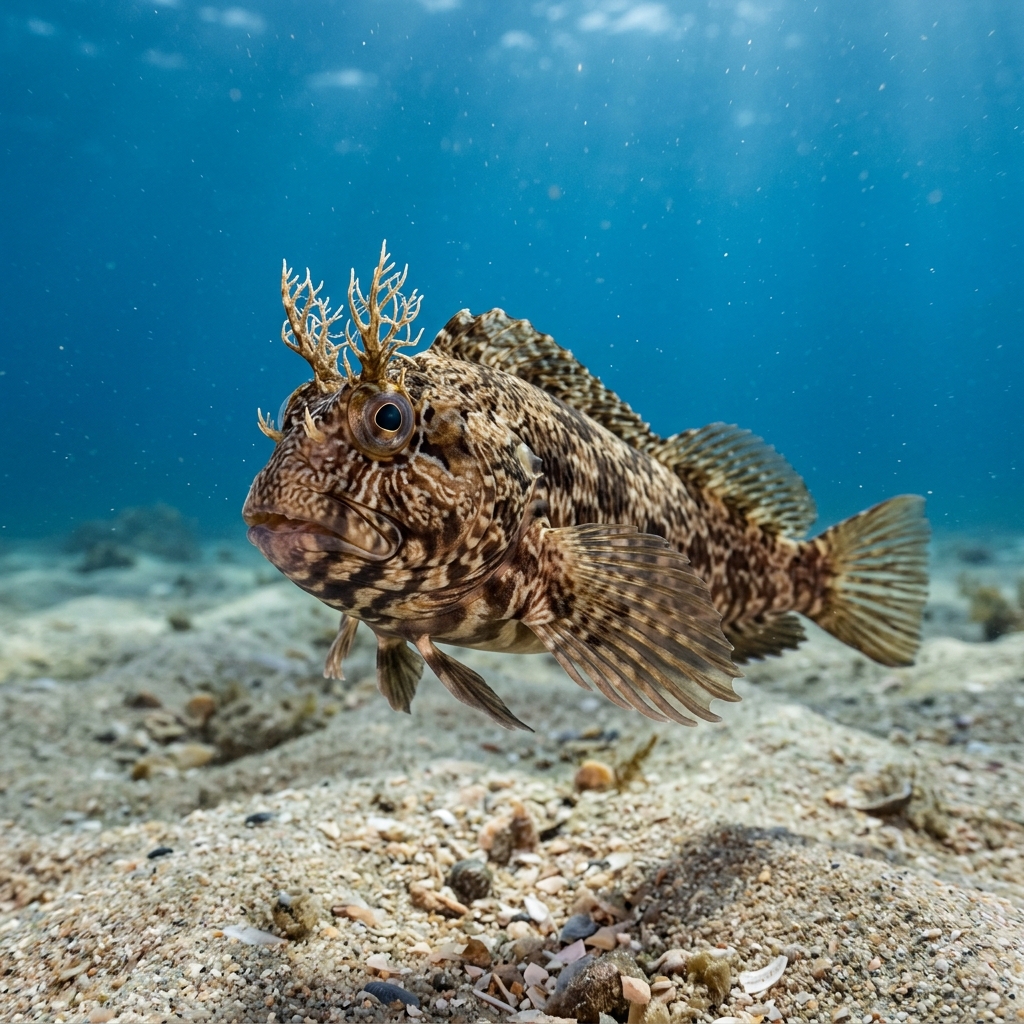
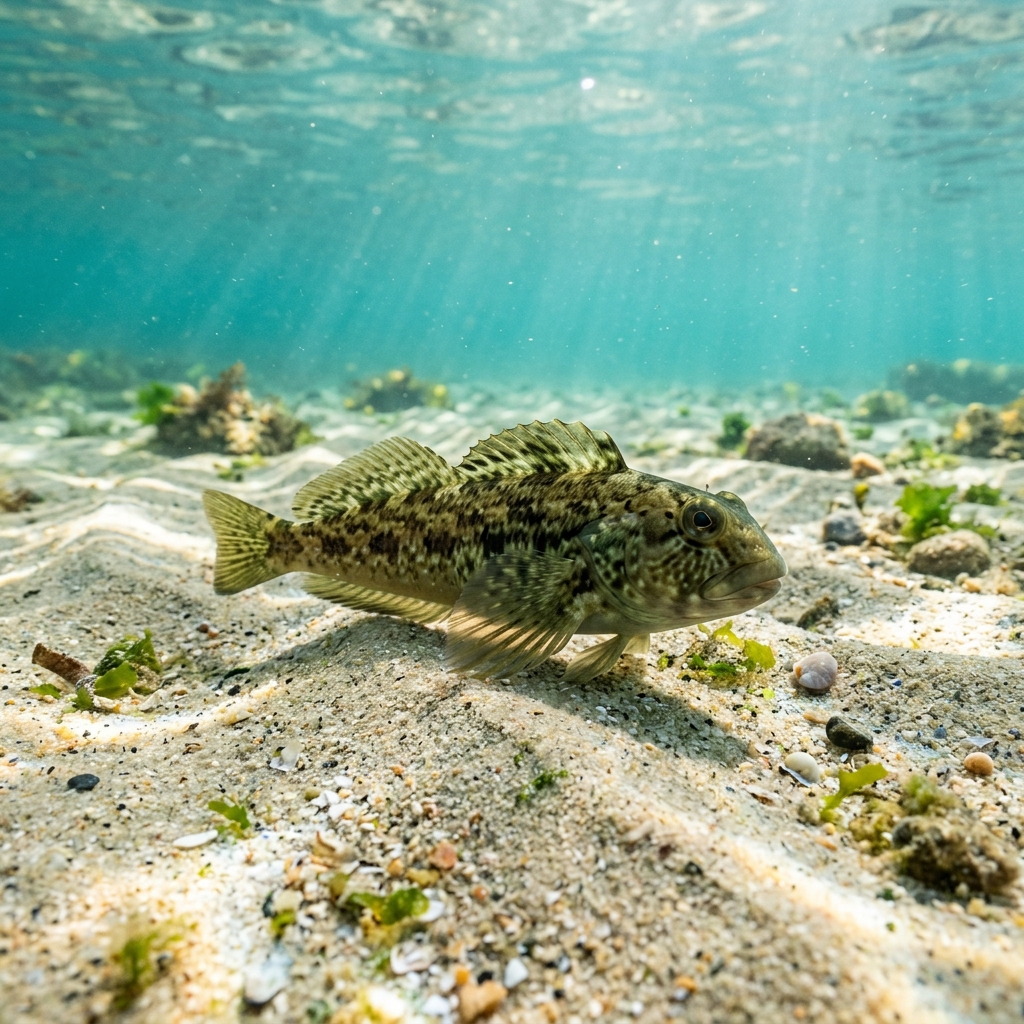
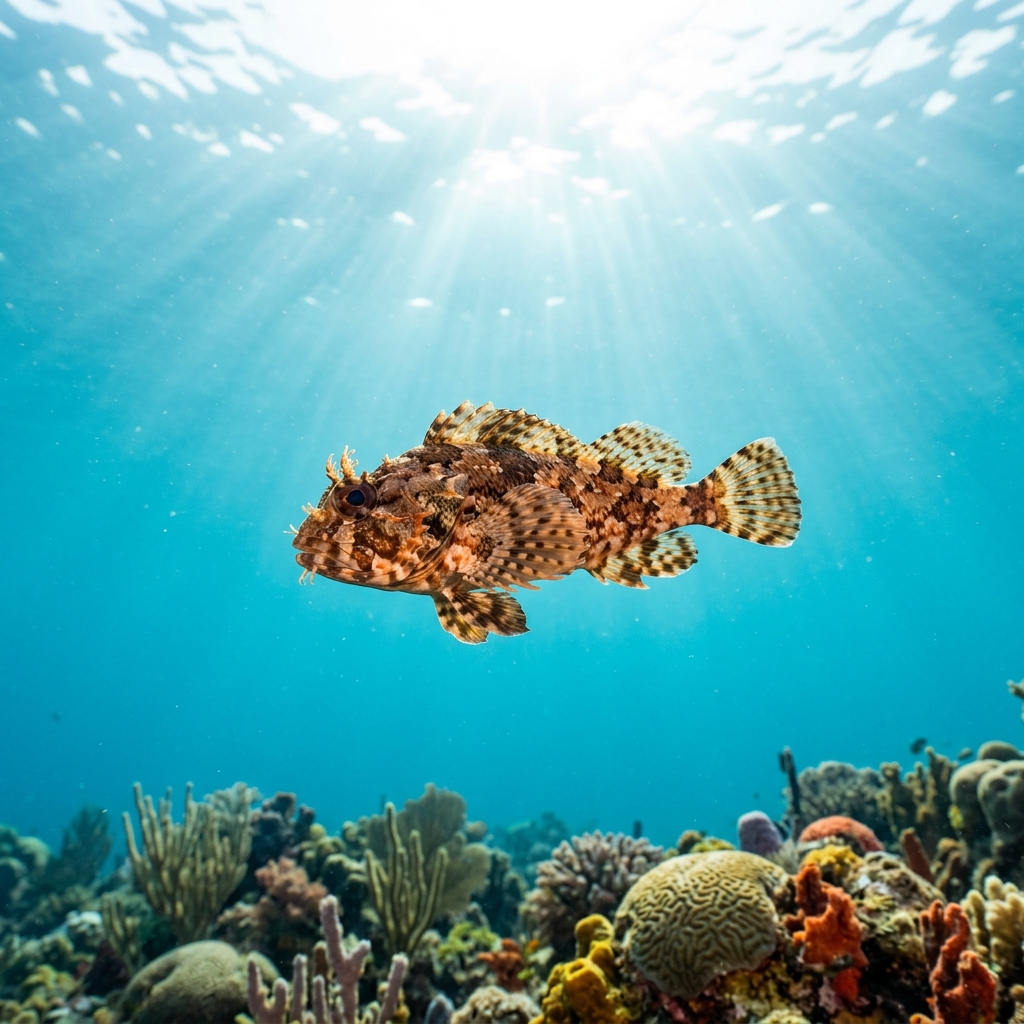
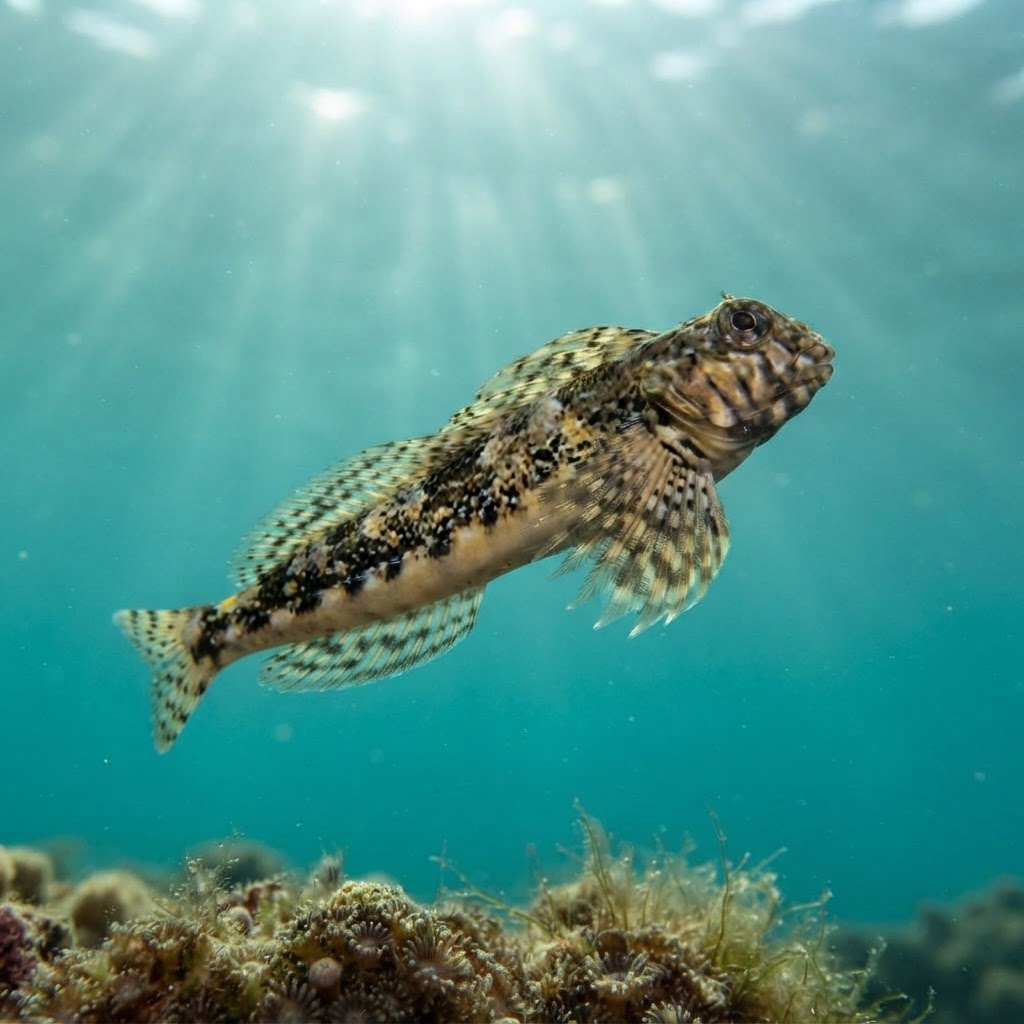
A small, thickset fish around 8 cm long, mottled in brown, grey and cream tones that match rock and algae rather than open reef colour. Look for a blunt head with high-set eyes, a stocky body held propped on the pectoral fins, and a habit of perching motionless on rock rather than swimming in open water. No strong sex or juvenile colour difference has been documented for this species.
Divers typically spot it perched still on rock or reef structure rather than swimming freely, using its pectoral fins almost like little props to hold position. It tends to sit tight against the substrate and relies on its mottled camouflage to go unnoticed, only darting off if approached closely. Most logs describe it as an uncommon find, so it rewards divers who slow down and scan rocky crevices rather than mid-water.
Its common name nods to the blenny habit, shared across the family, of using strong pectoral fins to hop and skitter across rock surfaces rather than relying on typical fish-style swimming.
Sightings show no detectable seasonal pattern, and the species sits comfortably in a cool 15.4 to 18.7C band, so it is worth looking for on Western Australian and South Australian reefs at any time of year.
Reef neighbours a diver could mistake it for. Use the identification notes above to tell them apart.
Almost every logged sighting comes from Australia, with Western Australia the clear stronghold and a smaller number of records from South Australia. Divers looking for it should focus on temperate rocky reef sites in these two states rather than tropical destinations.
Mapping where Jumping Blenny is logged…
Western Australia is by far the strongest region, with additional sightings from South Australia. Look on rocky temperate reef sites rather than tropical coral reef locations.
There is no clear seasonal pattern in the sighting data, and the species tolerates a cool 15.4 to 18.7C range, so it can turn up on Western Australian and South Australian reefs year-round.
Look for a small, mottled brown and grey fish around 8 cm long, perched motionless on rock with its pectoral fins propping it up. Its camouflage against rocky substrate is the biggest giveaway, rather than any bright colour or pattern.
They stay small, reaching around 8 cm in length, which keeps them easy to overlook against rocky reef surfaces.
No, they pose no threat to divers and will simply dart away or hold still against the rock if approached.
Like other blennies, it can use its strong pectoral fins to hop and skitter over rock surfaces rather than swimming in the open, which is where its common name comes from.
Site and sighting data is aggregated from diver logs, iNaturalist and GBIF. For taxonomy and conservation status:
Rusty Blenny
2,605 sites