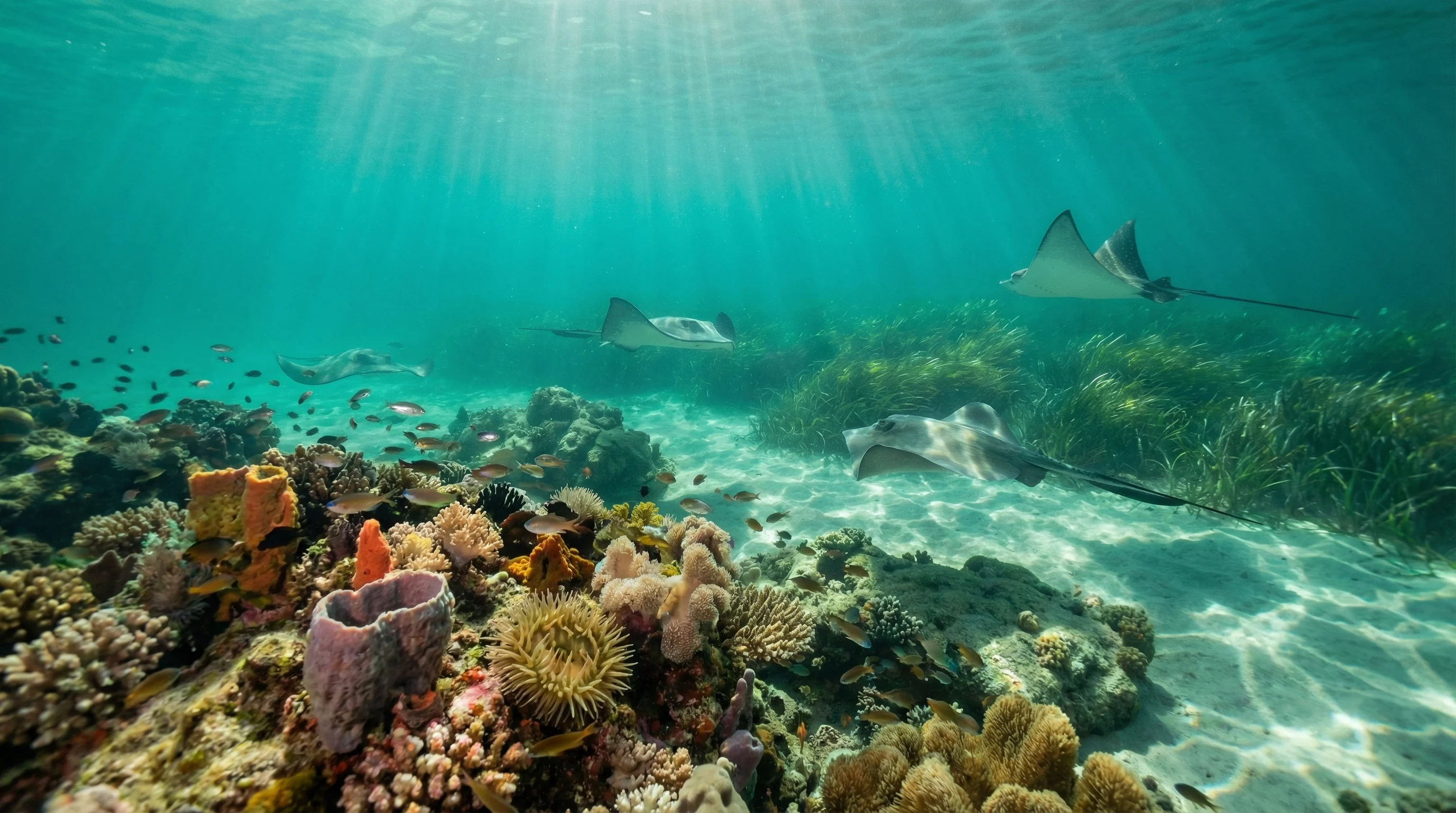
Best for beginner divers, 0-6m, shore entry, moderate current.
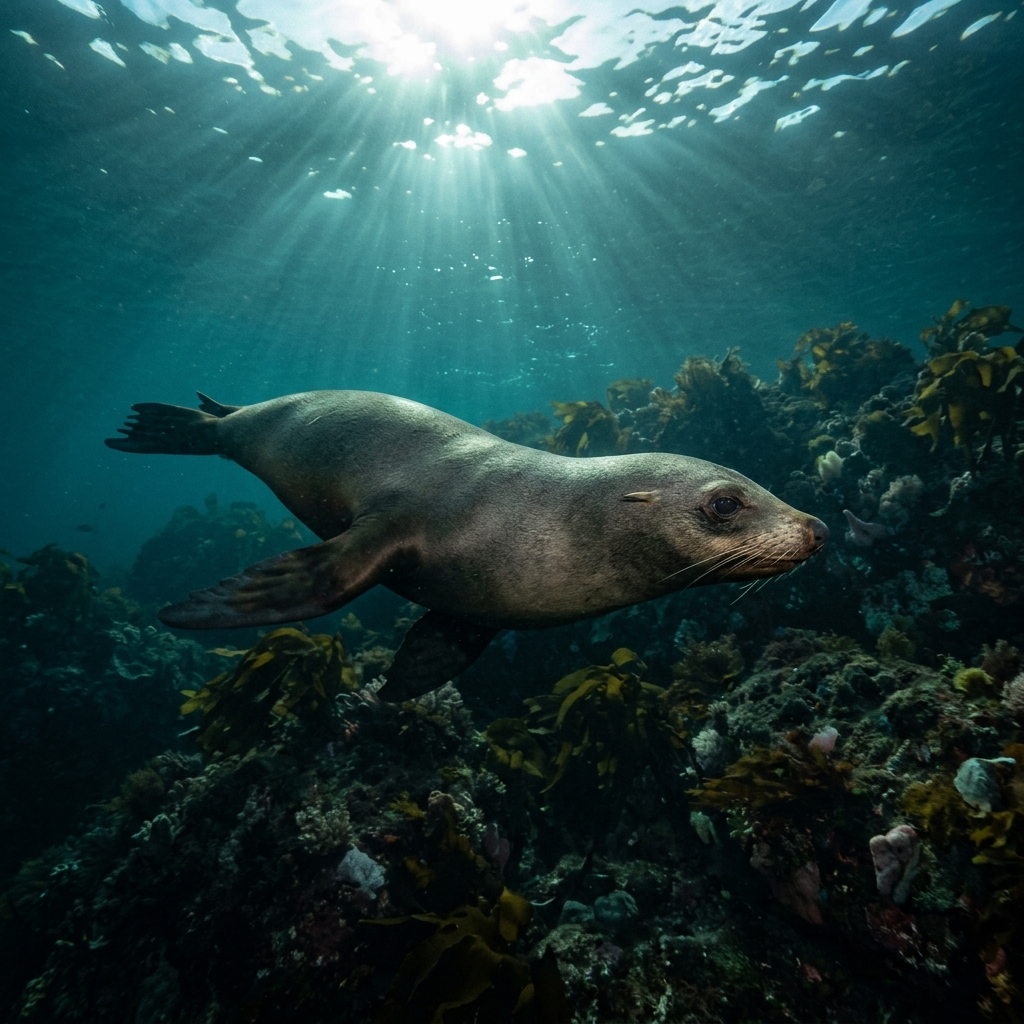
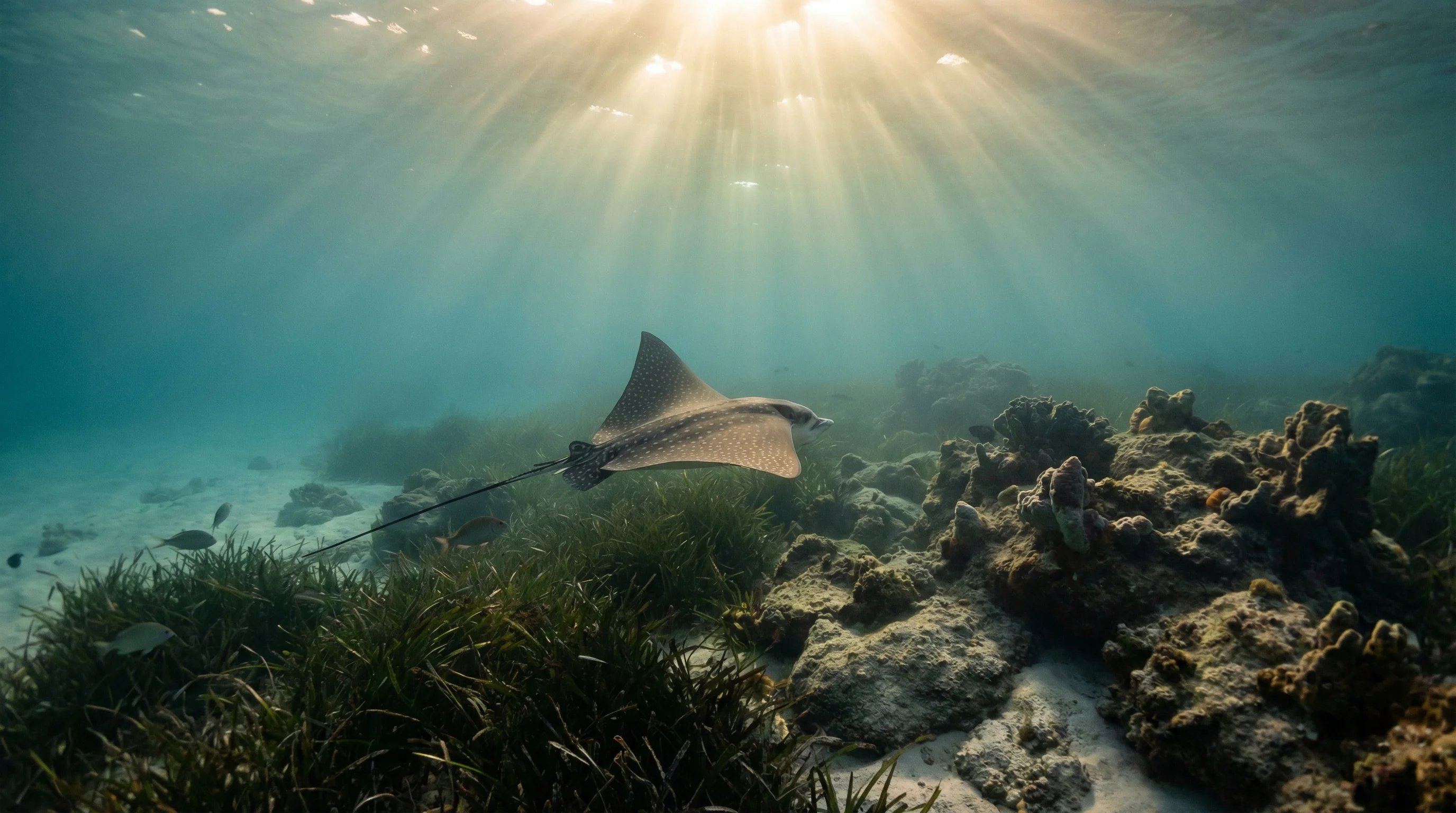
Hanson Bay Beach is a shallow shore dive located in South Australia, featuring a mix of reef and seagrass beds at depths between 0 and 6 metres. The site is exposed to southerly swells, which can create challenging conditions including surf and rip currents, particularly near the channel between the protective reefs. Due to the unpatrolled nature of the bay and the presence of undertows, divers should check local conditions before entry. The site is best suited for beginners on calm days, with summer months offering the most settled water. A wetsuit is recommended to manage water temperatures ranging from 15C to 19C.
-36.01741, 136.85503
Summer months (December, January, and February) give you the most settled conditions and the best chance of finding seahorses in the seagrass. Check for rips before entering and stay close to the shore if surge is running.
The beach is accessible via West River Road, which is an unsealed road running south from the South Coast Road. There is a formal parking area available.
Expected in this region. No sightings logged here yet.
Depth
Up to 6m
Visibility
0m
Skill Level
Beginner
Entry
Shore
Water Temp
15-19°C
Current
Moderate
Typical Dive
30 min
Best Time
Jan, Feb, Dec
Yes, the site is suitable for beginners, provided they enter on calm days and remain alert to the presence of rip currents and surge near the reef edge.
The site features shallow reef and seagrass beds ranging from 0 to 6 metres in depth.
This is a shore dive with access available from the beach.
Snorkelling is possible, though the site has a low rating of 1/5 due to the potential for challenging surf and rip currents.
Diving at Hanson Bay Beach in Kangaroo Island requires the following certifications: Open Water. Always dive within your training limits.
A 7mm wetsuit or semi-dry is recommended for diving at Hanson Bay Beach in Kangaroo Island. Water temperatures range from 15°C to 19°C.
The best months to visit Hanson Bay Beach in Kangaroo Island are January, February, and December. Conditions outside these months can still be good but are less predictable.
Expect moderate currents at Hanson Bay Beach in Kangaroo Island. Good buoyancy control and some drift diving experience is helpful.