Hippocampus kuda
Spot the Common Seahorse across the Philippines, Indonesia and Queensland in warm 21-29 °C water. Here's where divers log it and how to recognise it.
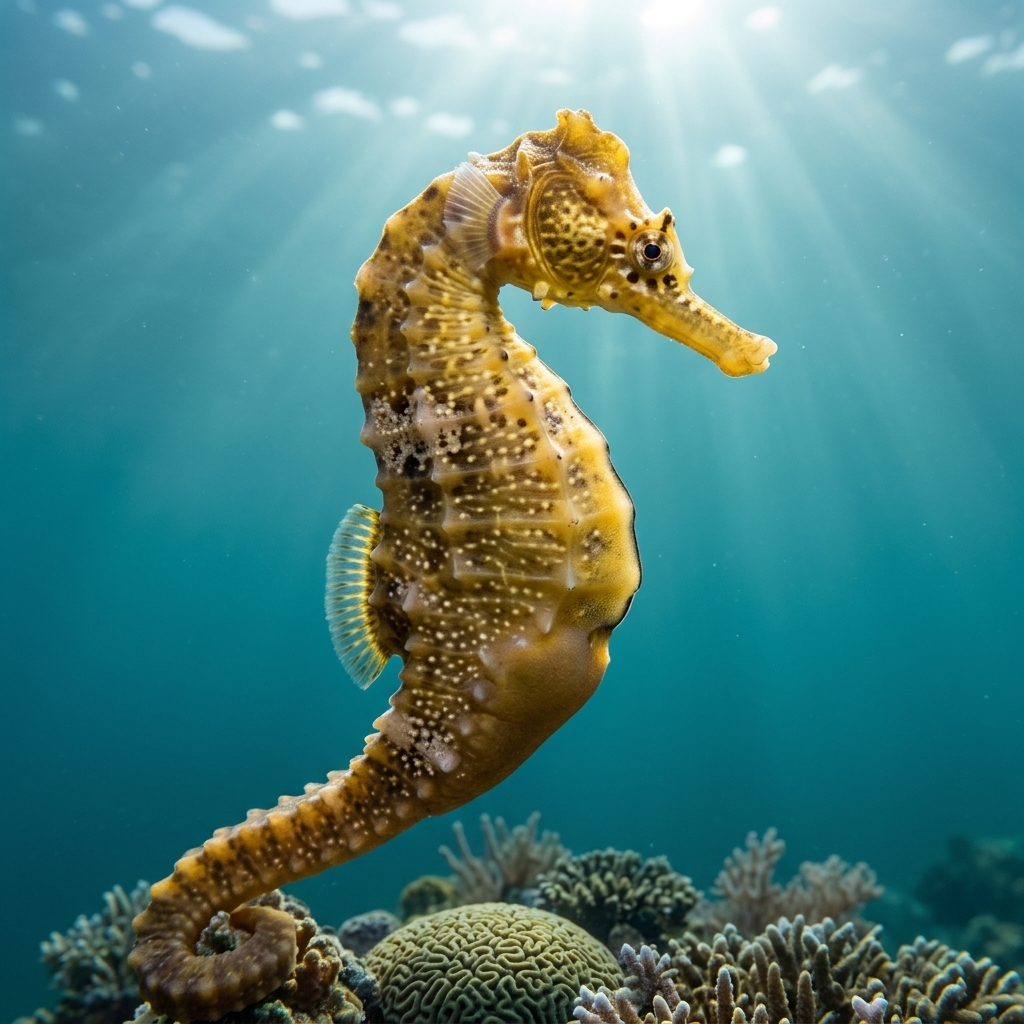
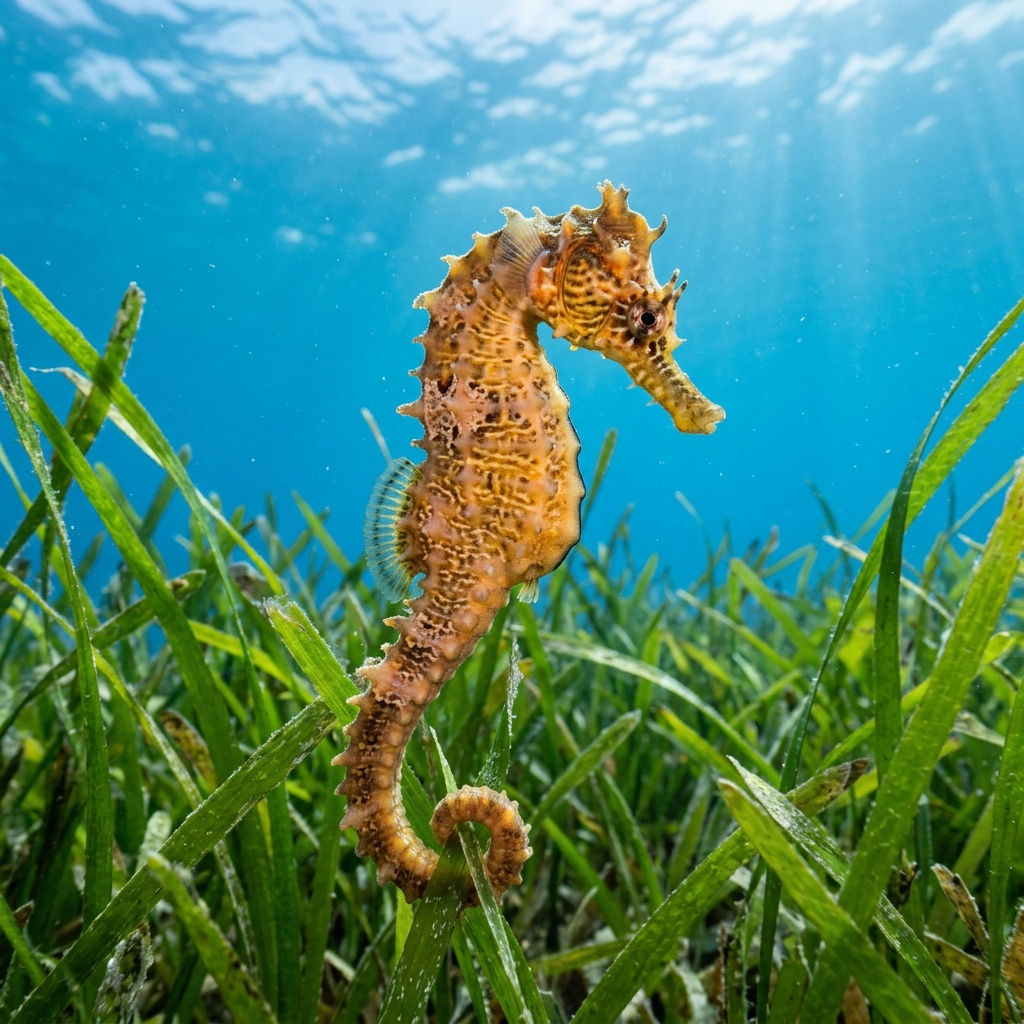
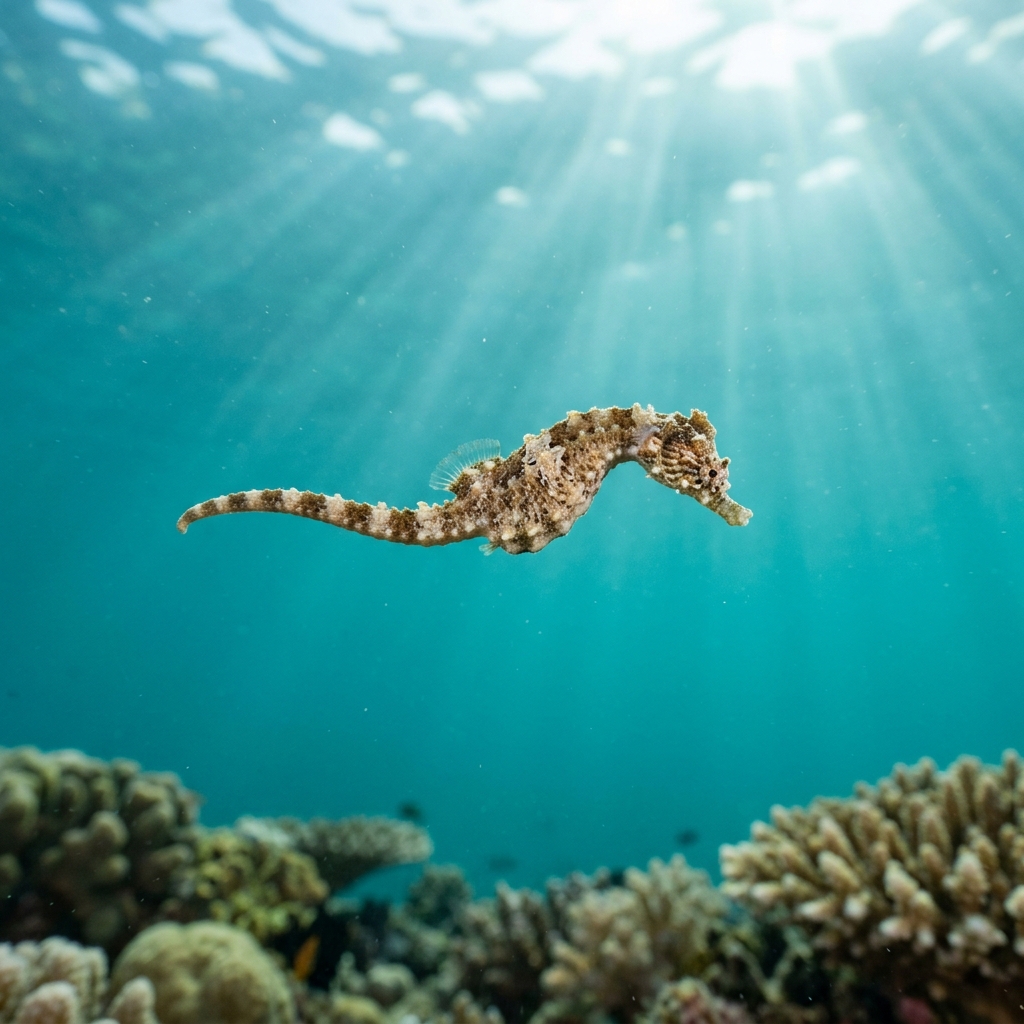
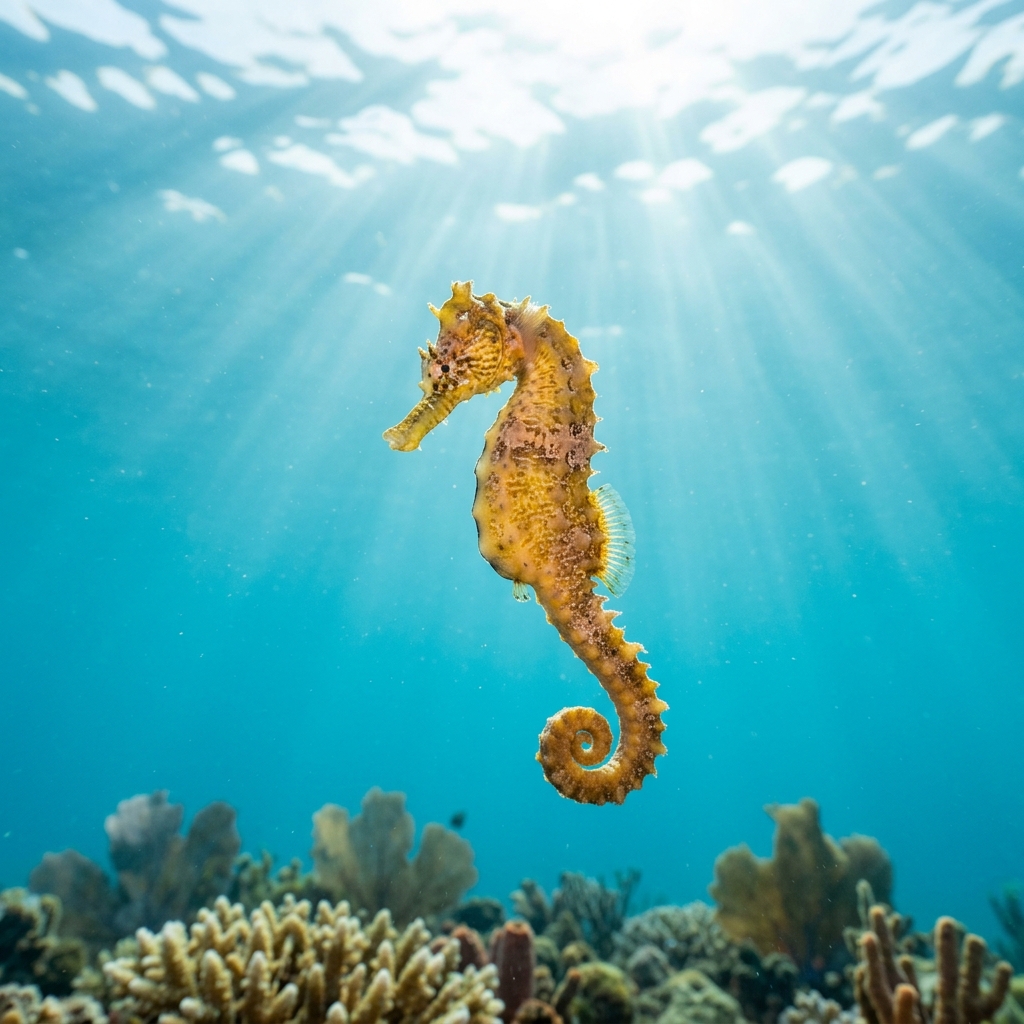
A medium-to-large seahorse with a distinctly horse-shaped head, prominent coronet (the bony crown on top of the head), and a prehensile tail wrapped around coral or algae. Colouration shifts widely from pale yellow and cream through olive-brown to near-black, often with small white spots or faint dark banding along the trunk. The most reliable field mark is the combination of a tall, well-defined coronet and a relatively smooth body with only low, rounded tubercles (small bony bumps) rather than sharp spines. Males carry a visible brood pouch on the lower belly when pregnant.
Almost always seen clinging motionless to a holdfast, a coral branch, sponge, seagrass blade, or algae clump, relying on camouflage rather than flight when a diver approaches. Look slowly along rubble slopes, seagrass beds, and silty reef edges rather than on clean hard coral, because that is where seahorses spend their time hunting small crustaceans. Approach slowly and keep your distance; even though they hold their position, repeated close intrusions can cause stress and cause them to release their grip.
Like all seahorses, it is the male that carries and gives birth to the young: the female deposits eggs into the male's brood pouch, where he fertilises, incubates, and eventually delivers fully formed miniature seahorses.
No strong seasonal pattern emerges from the sighting data, so this species is best treated as year-round across its range. It sits comfortably in water from about 21 to 29 °C, which covers most tropical and warm-temperate Indo-Pacific sites throughout the year.
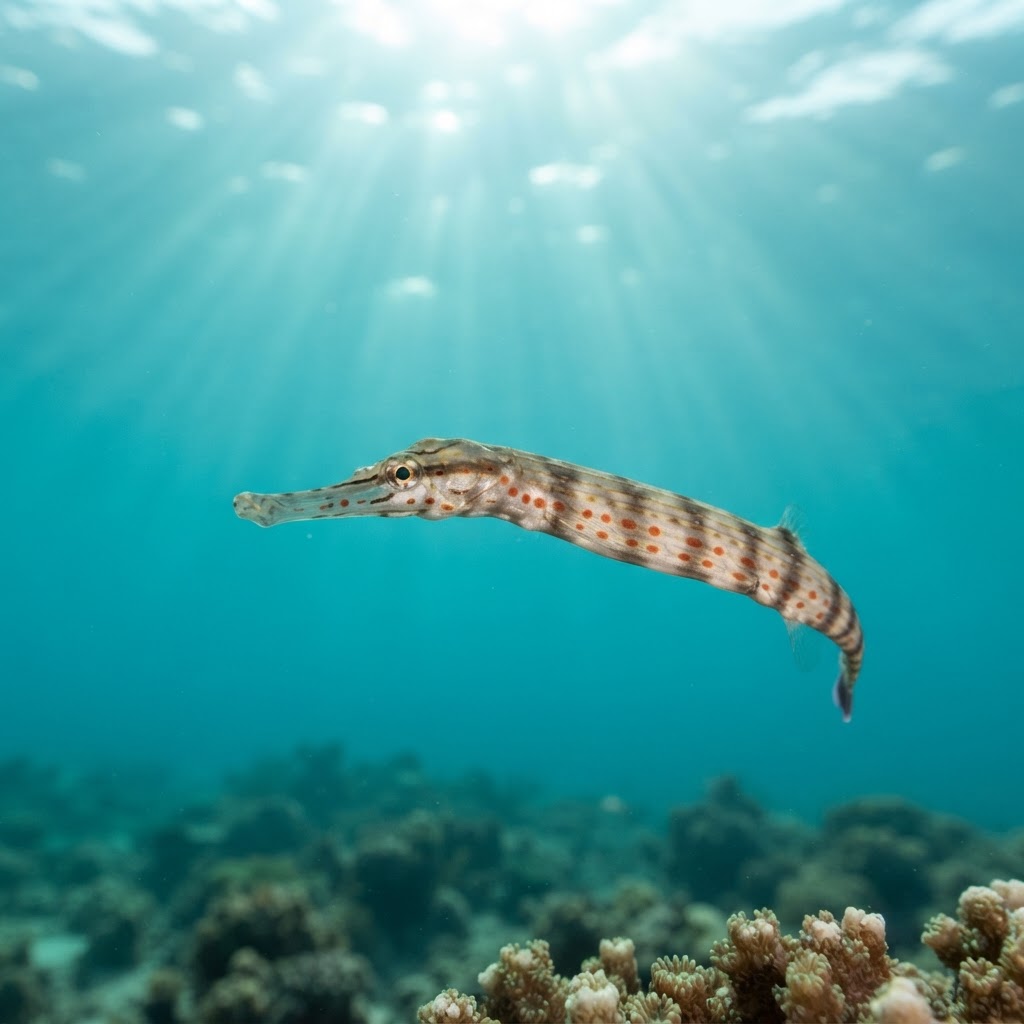
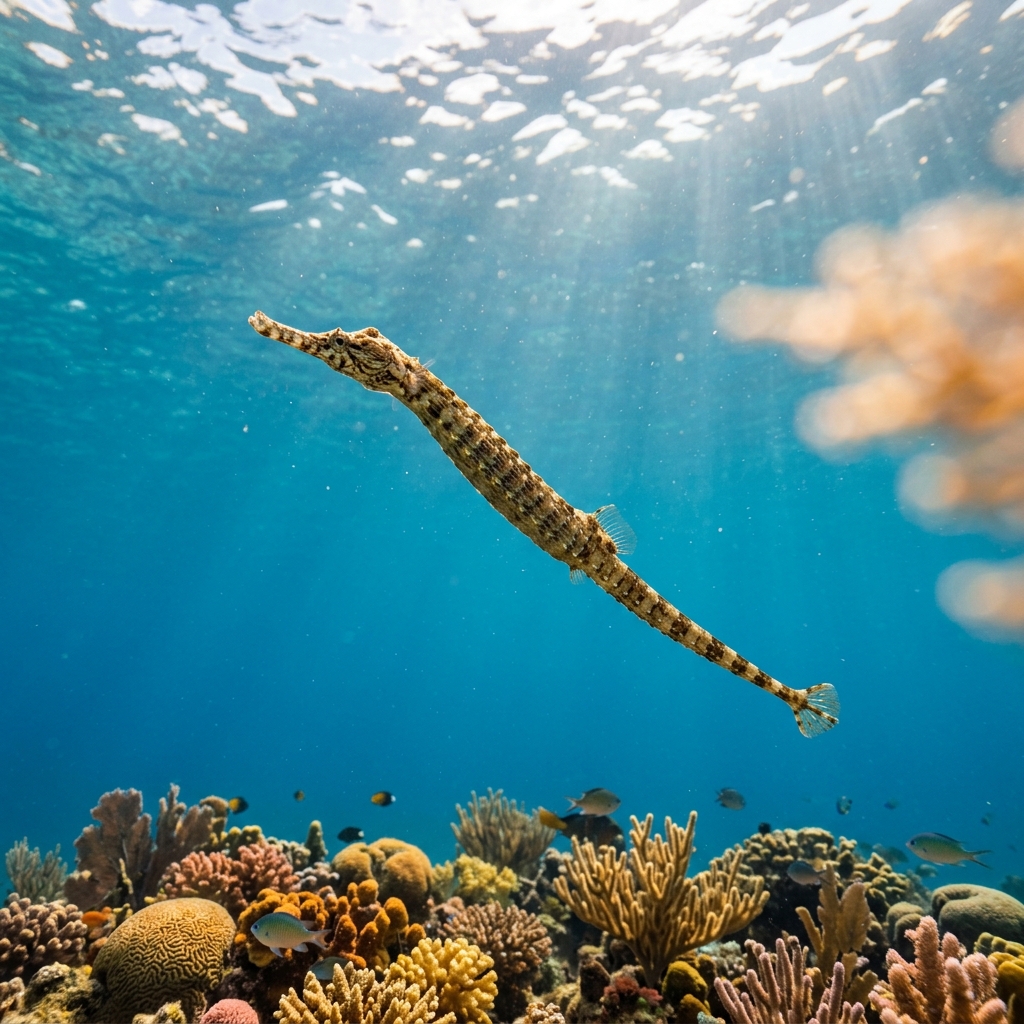
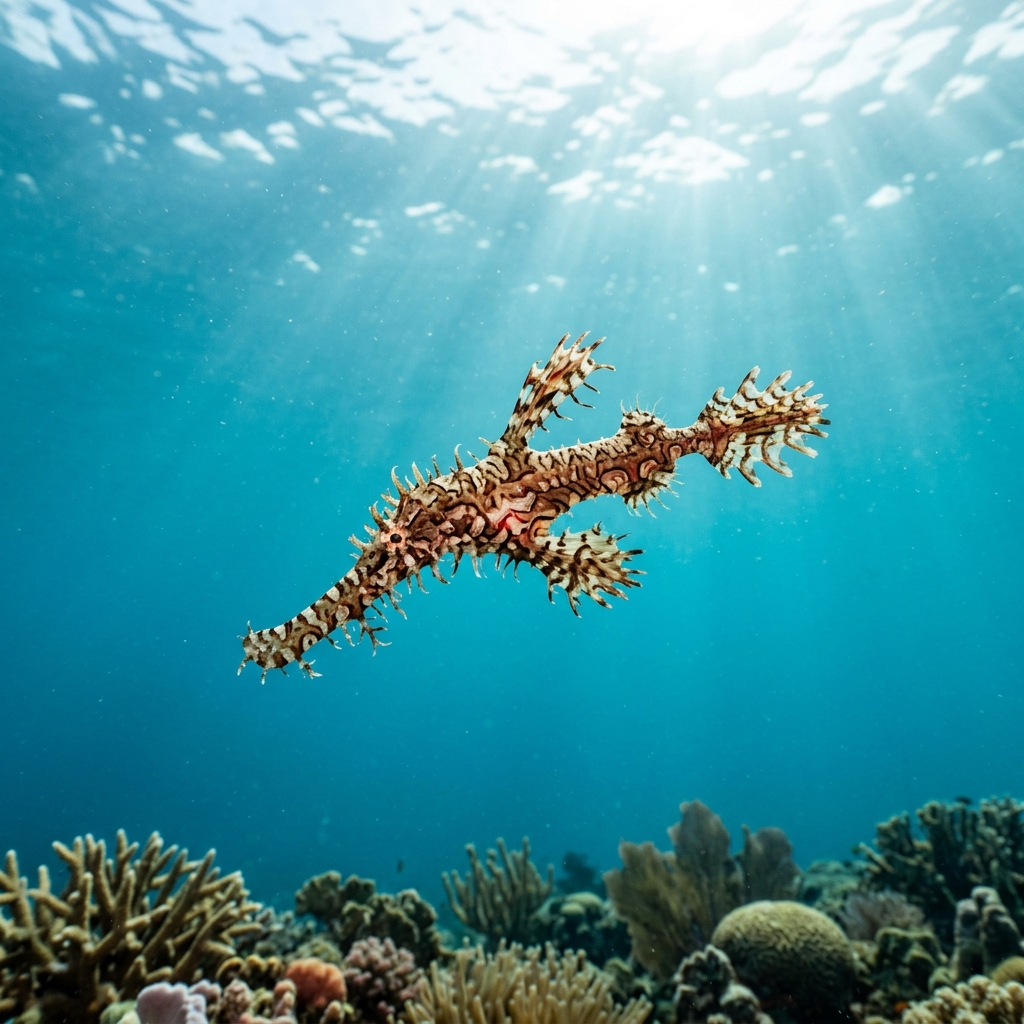
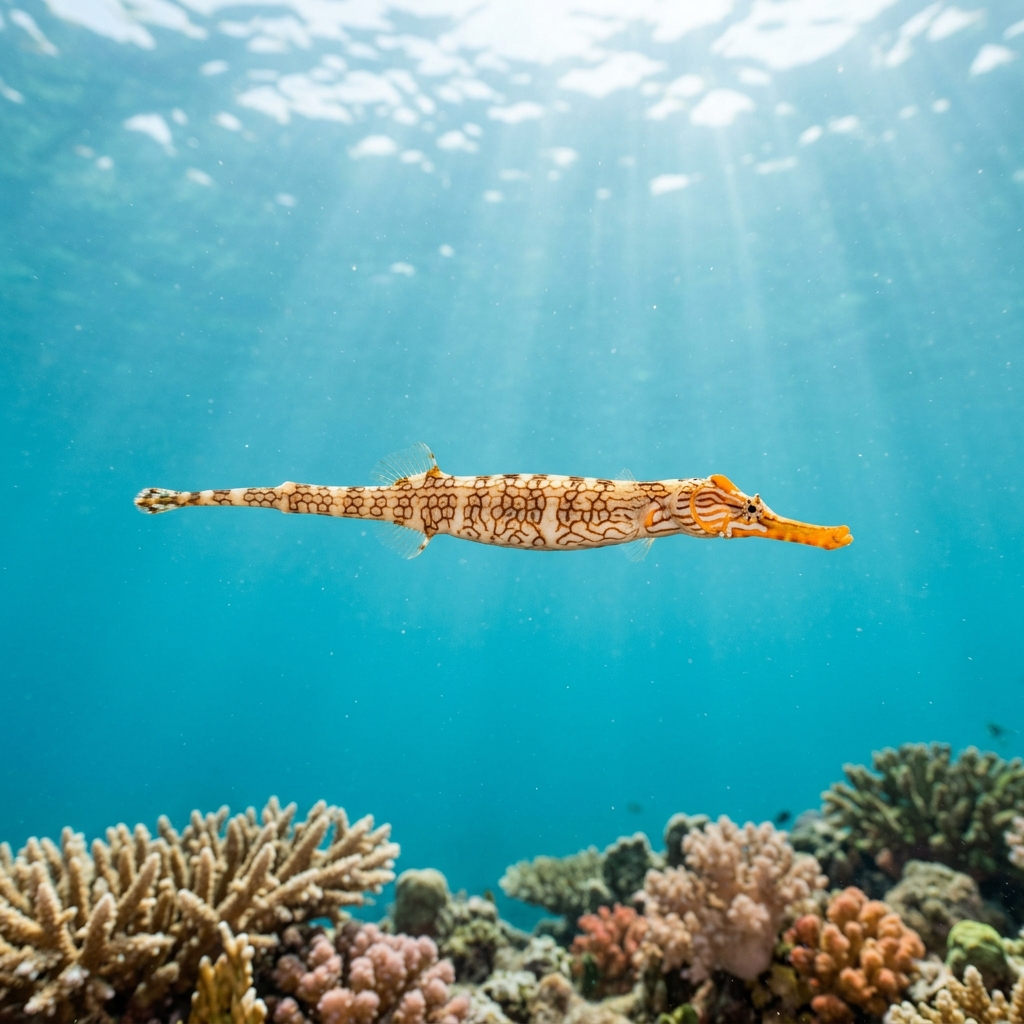
Reef neighbours a diver could mistake it for. Use the identification notes above to tell them apart.
Most commonly logged across the Philippines and Indonesia, with the Visayas, Palawan and Apo Reef, Sumatra, Kalimantan, and Bali among the standout regions. Queensland, Australia is the strongest single-country region outside Southeast Asia, and there are also meaningful records from Thailand's Gulf of Thailand reefs and from Malaysia. The range model extends into the Red Sea and eastern Africa, but confirmed diver sightings concentrate firmly in the Indo-Pacific.
Mapping where Common Seahorse is logged…
The strongest sighting records come from the Philippines, particularly the Visayas and Palawan, and from Indonesia including Bali and the Banda Sea region. Queensland, Australia and Thailand's Gulf of Thailand are also solid options. The species turns up across a wide Indo-Pacific range, but most confirmed diver encounters are in Southeast Asian waters.
There is no single peak season in the data, so diving for this species is a year-round prospect across tropical Indo-Pacific destinations. It tolerates water temperatures from roughly 21 to 29 °C, meaning it remains present on most reef systems throughout the annual cycle.
Look for a tall, well-defined coronet (the bony crown on the head) and a relatively smooth trunk with low, rounded bumps rather than sharp spines. Colour is highly variable, yellow, brown, olive, or blackish, so rely on body shape and coronet height rather than colour alone. Males show a noticeable brood pouch on the lower belly.
They are currently listed as Vulnerable by the IUCN. Seagrass and coral habitat degradation, along with targeted collection for the traditional medicine trade, are the main pressures. Diver encounters should always be no-touch, and photo-ID records submitted to citizen-science databases contribute to monitoring efforts.
The male does. The female deposits her eggs into the male's brood pouch on his belly, where he fertilises and incubates them. After a gestation period he gives birth to dozens to hundreds of tiny, independent juvenile seahorses. This reversed pregnancy is unique to the seahorse family.
The Common Seahorse is listed as vulnerable by the IUCN. Observe from a distance, avoid touching or feeding it, and report sightings to local marine research organisations.
Listed as Vulnerable on the IUCN Red List, primarily due to habitat loss in seagrass and coral ecosystems and heavy collection for the traditional medicine and curio trade. Divers should never handle or remove individuals, and reporting sightings to citizen-science platforms helps track population trends.
Site and sighting data is aggregated from diver logs, iNaturalist and GBIF. For taxonomy and conservation status:
Dwarf Pipehorse
1,191 sites