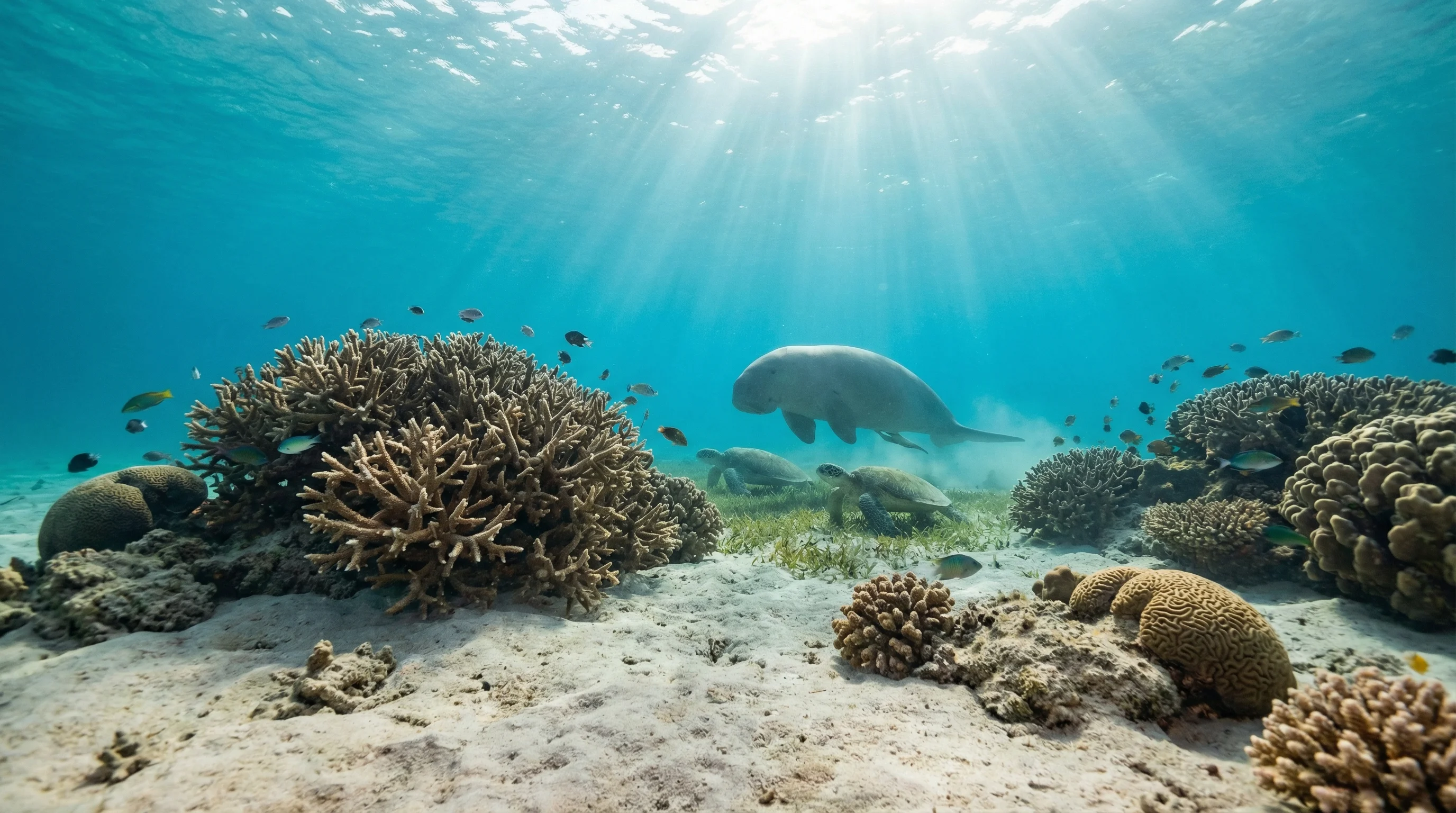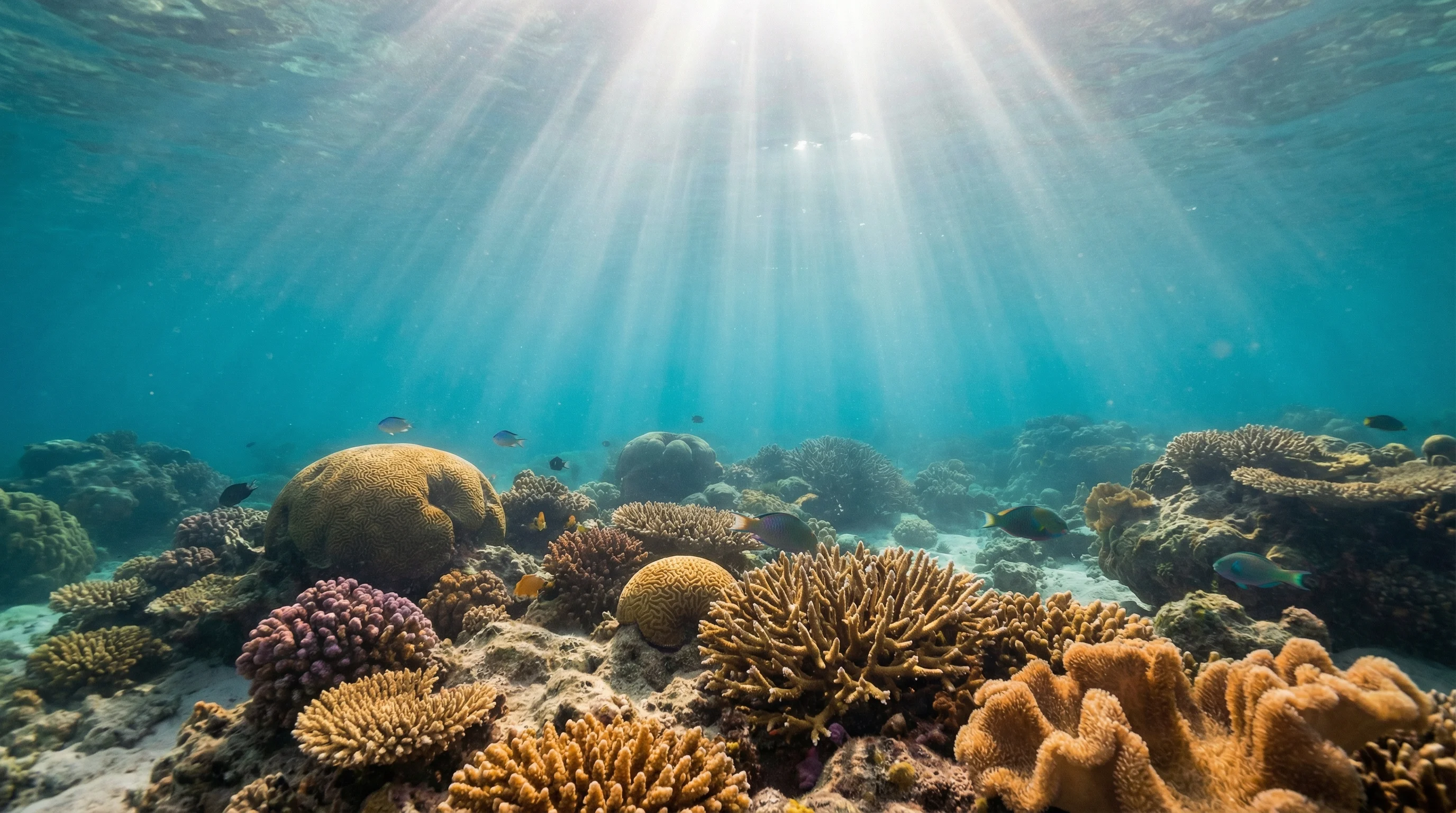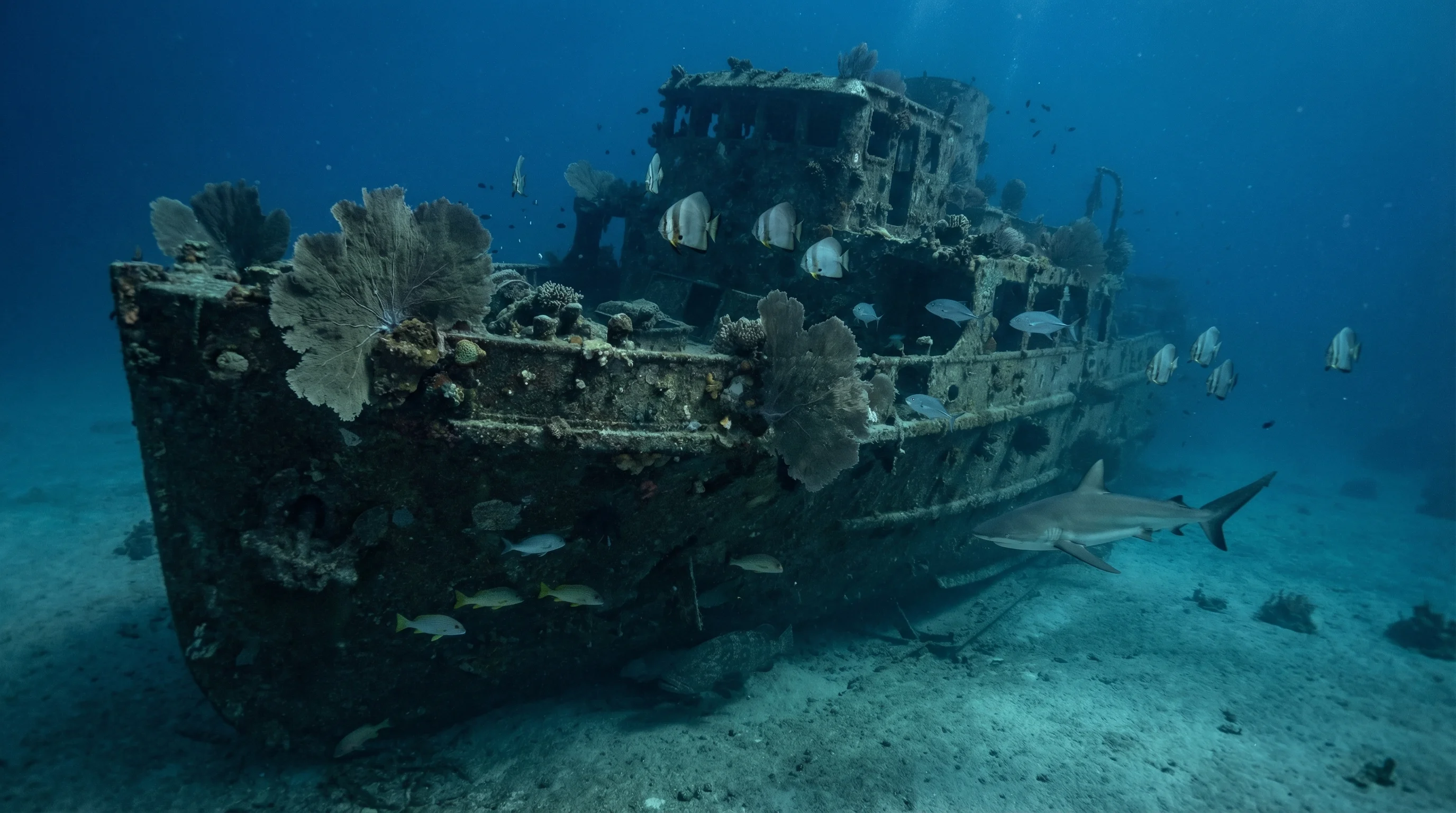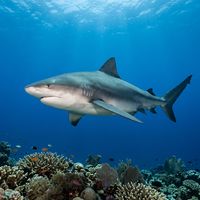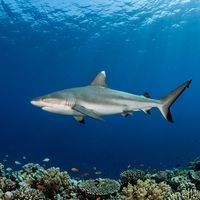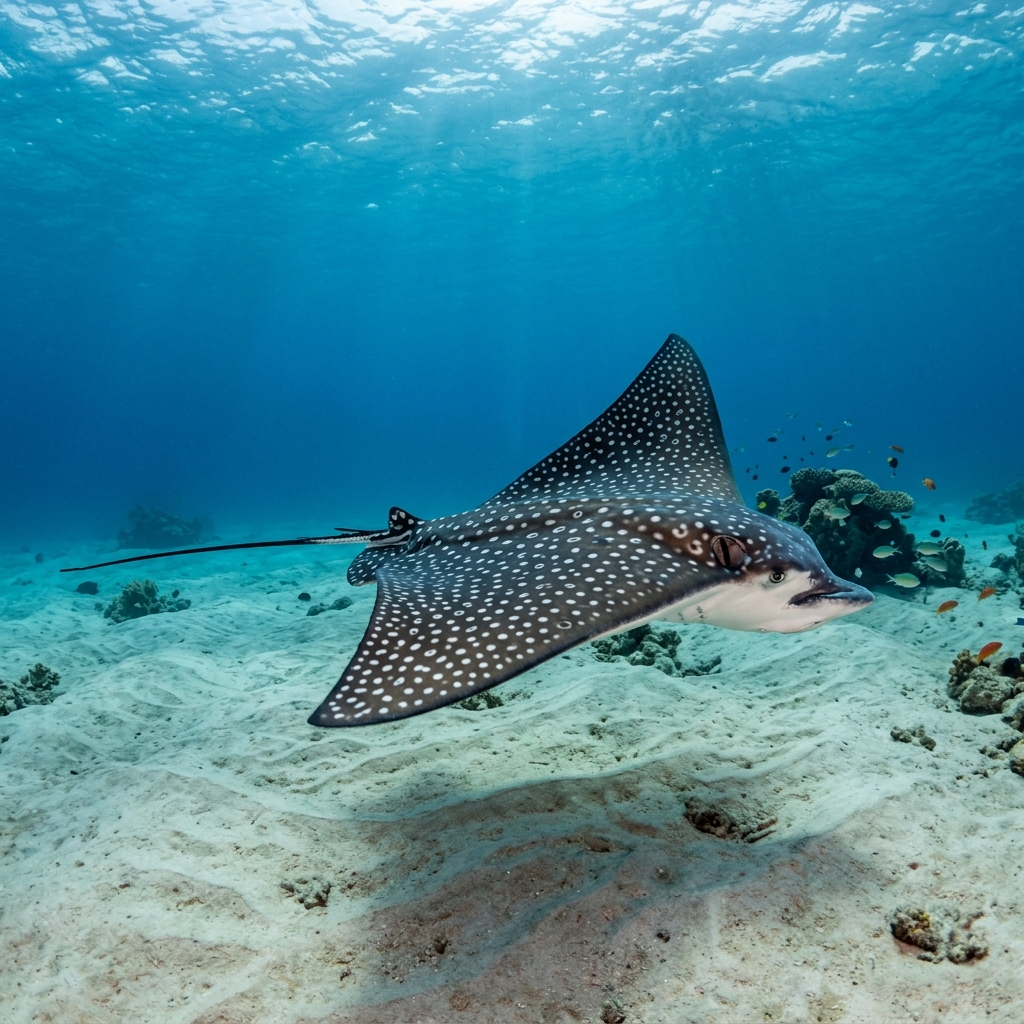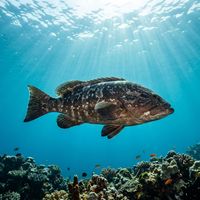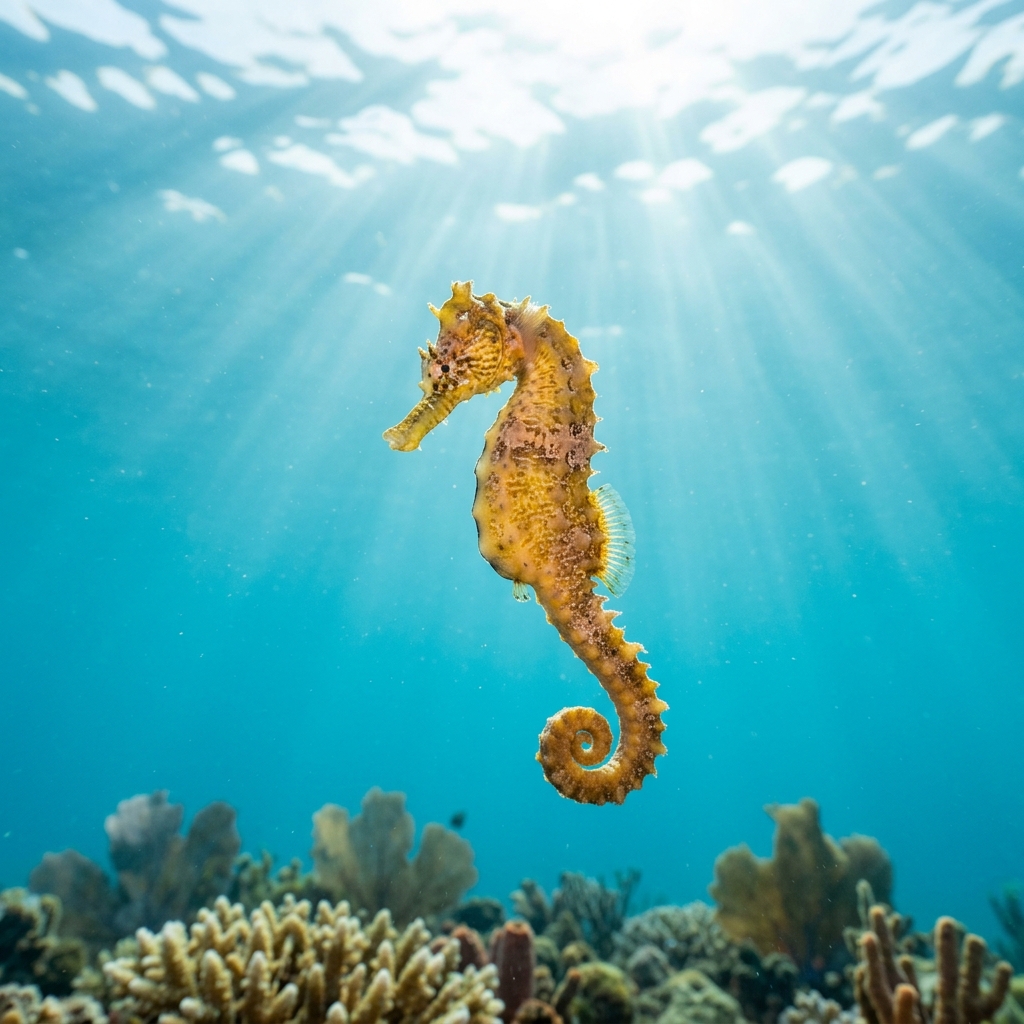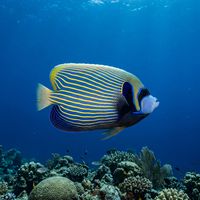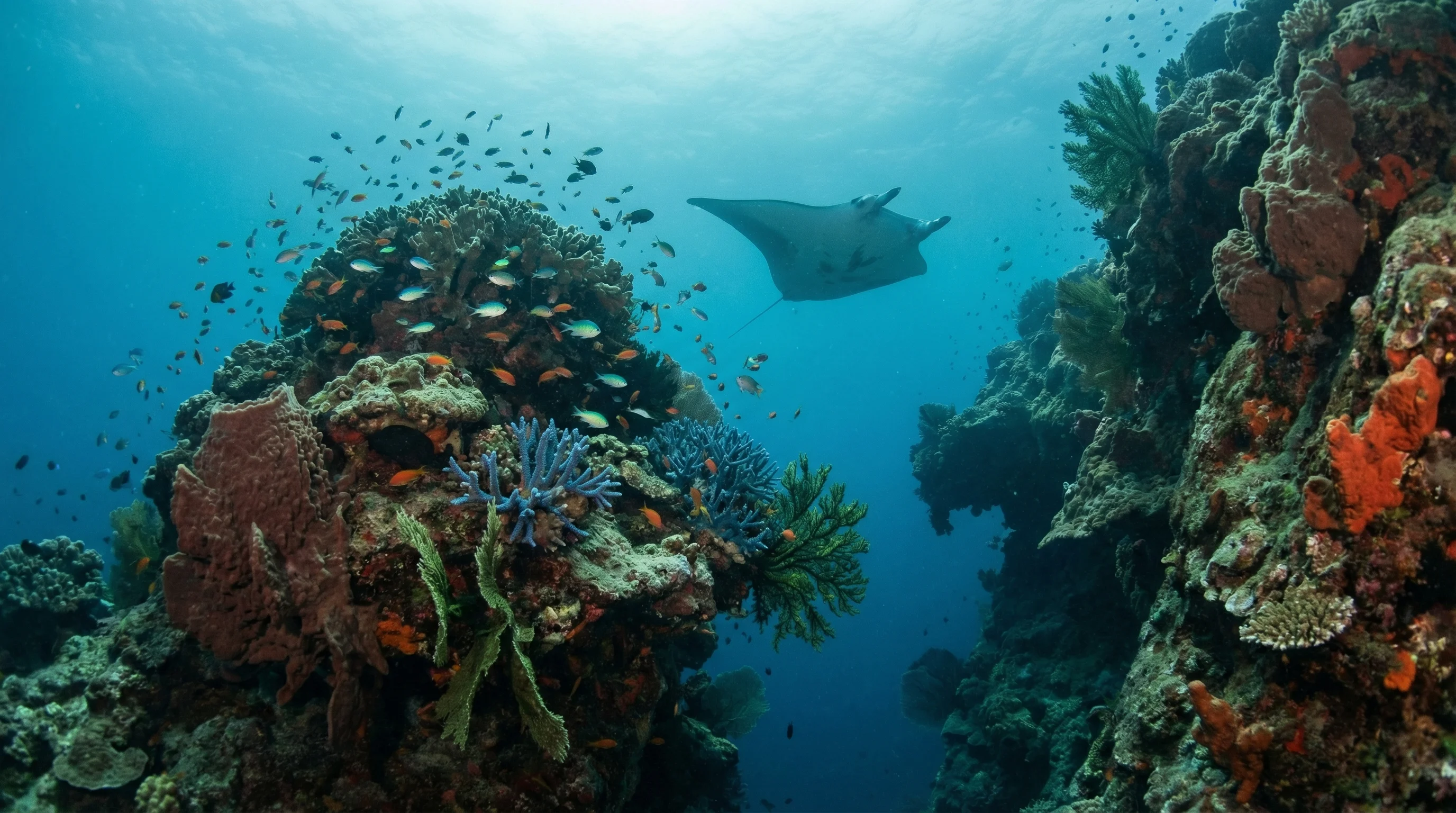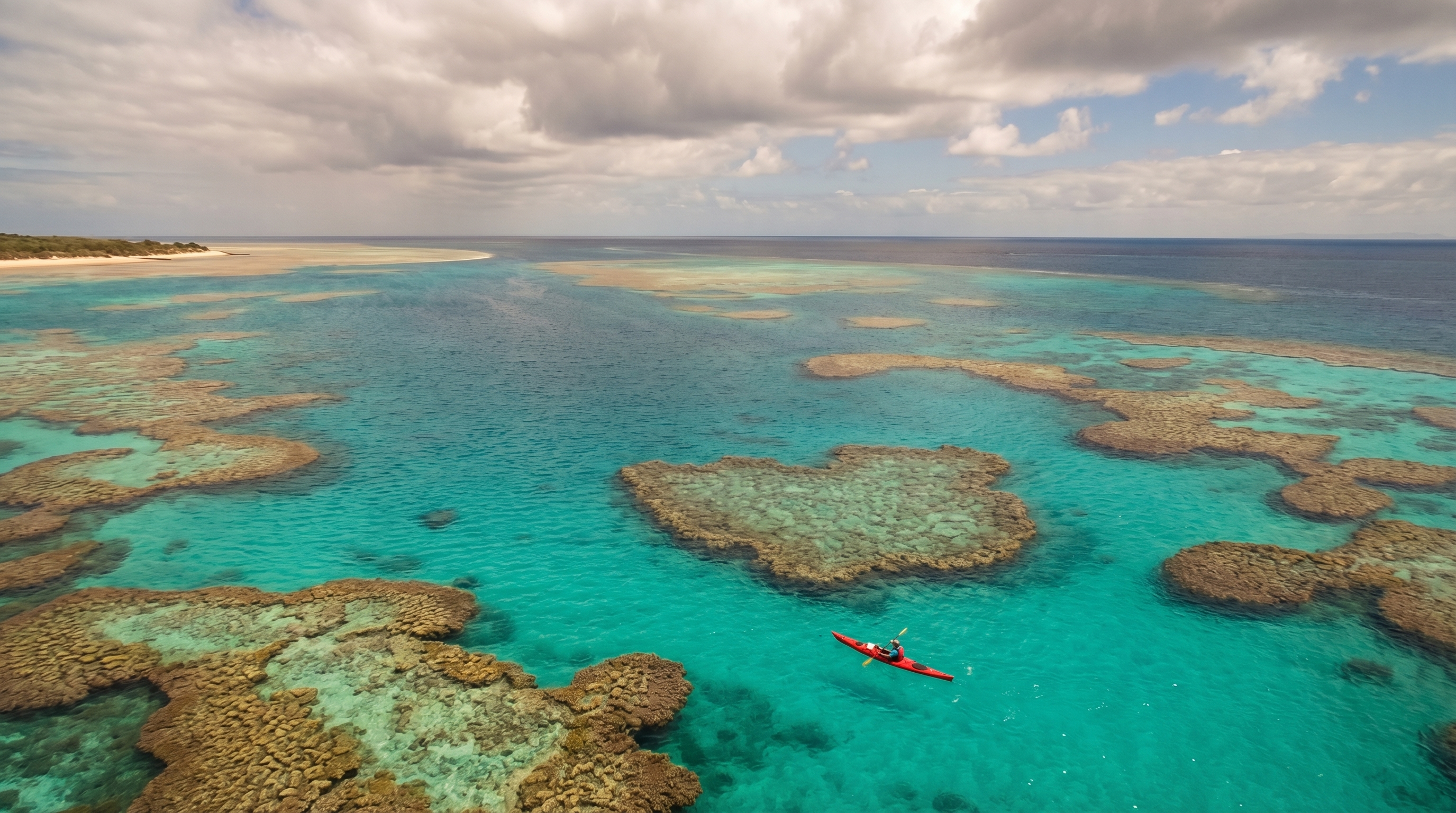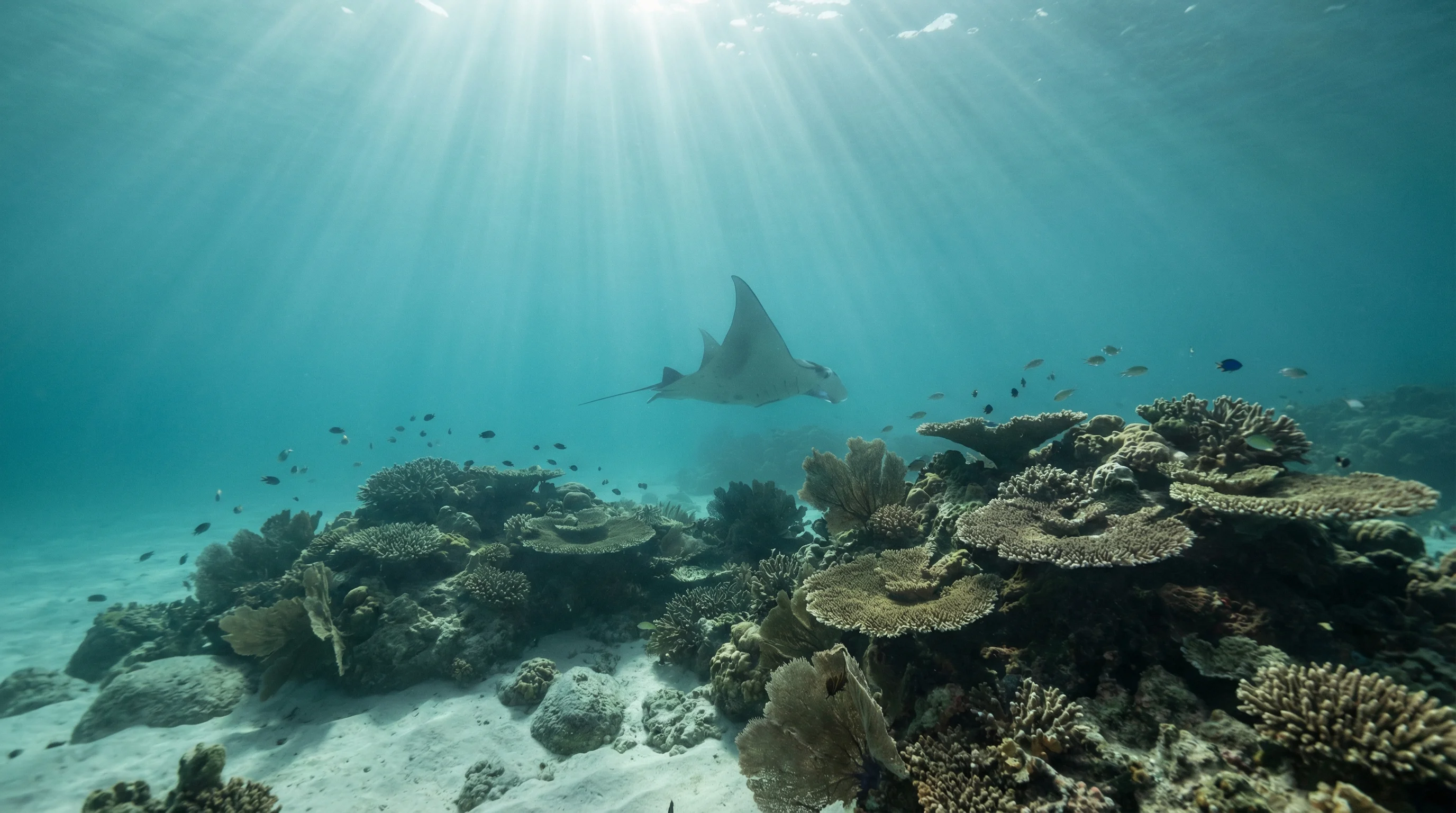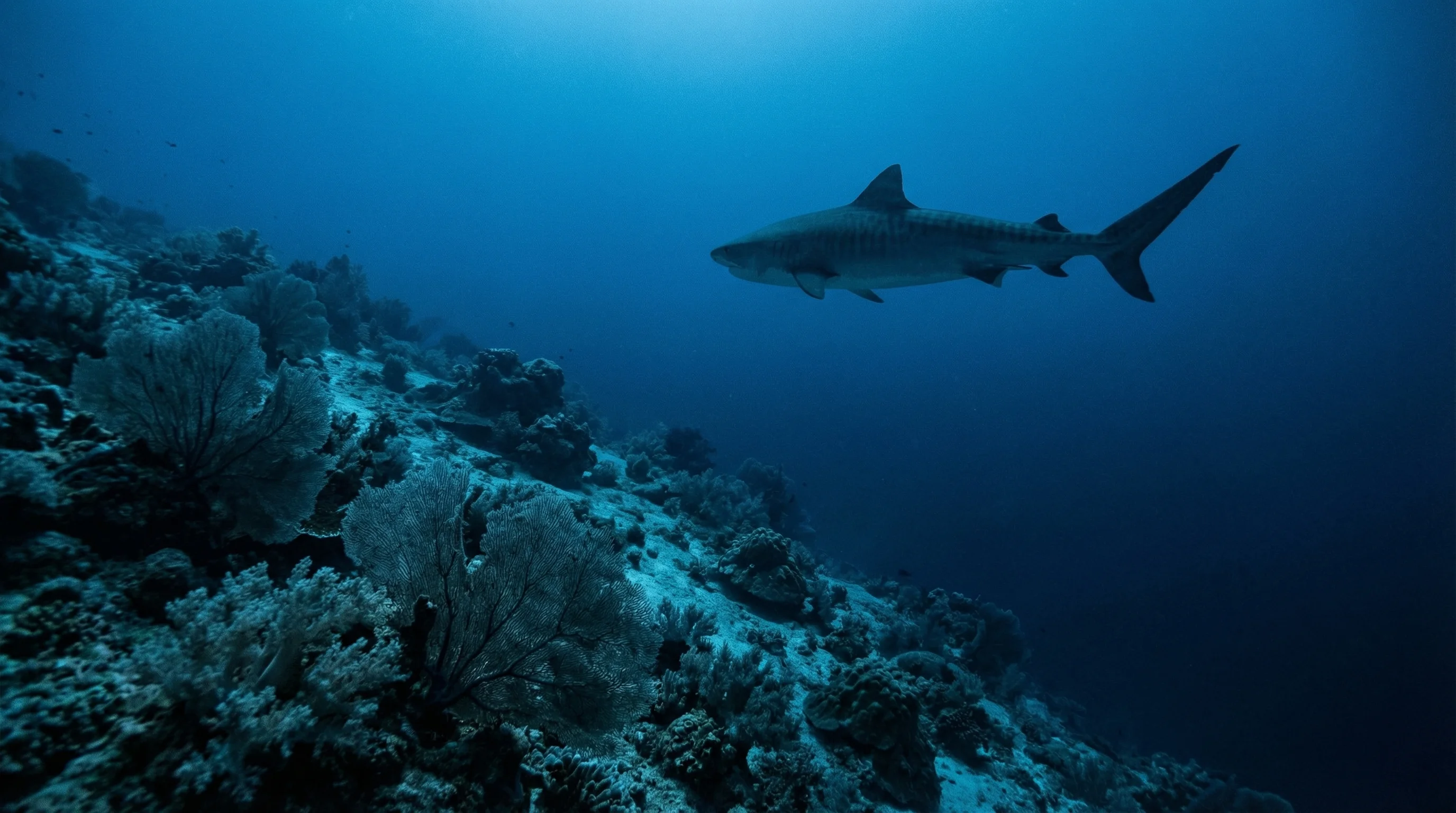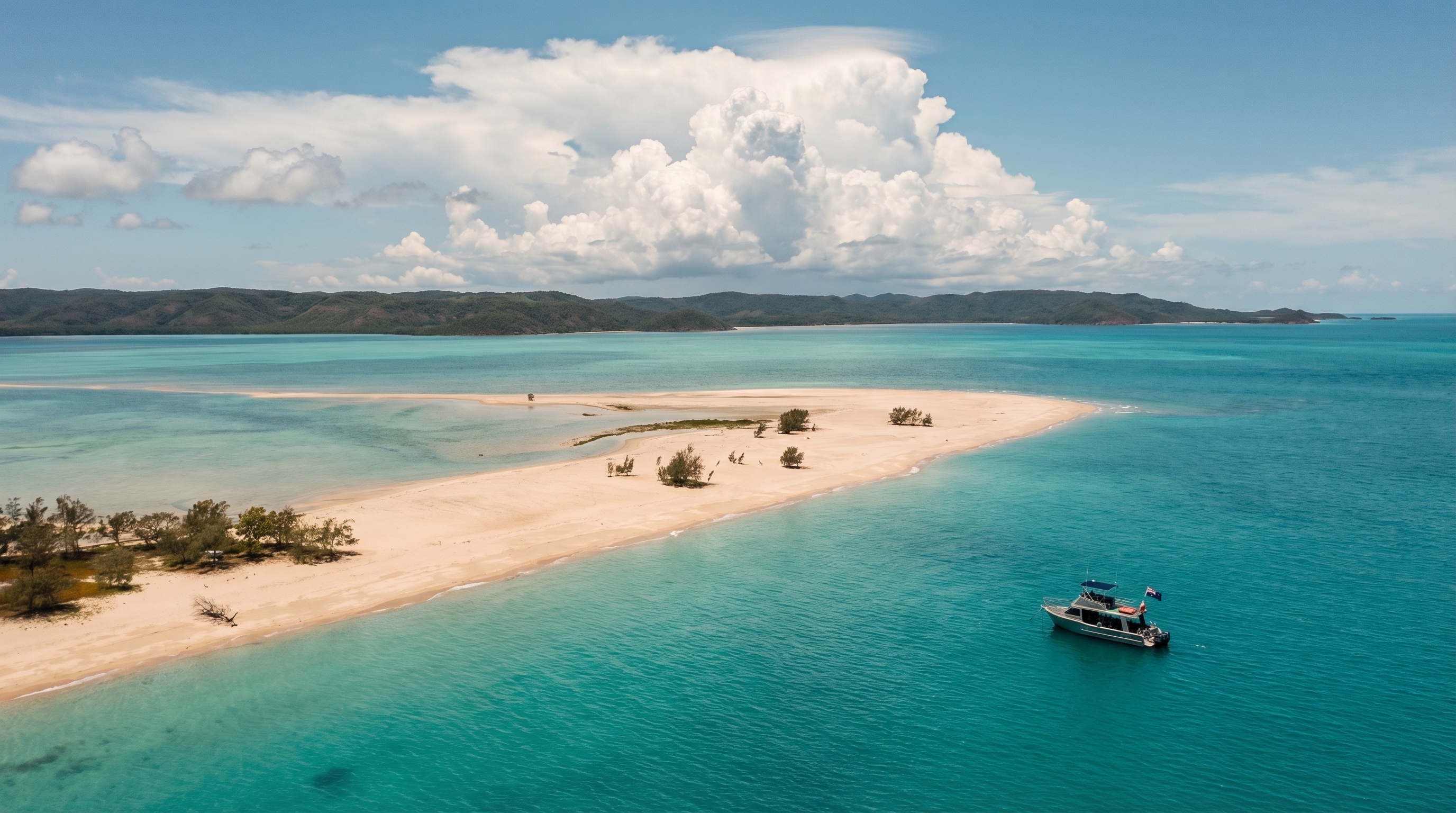
The Torres Strait separates Cape York from Papua New Guinea and is reached via Thursday Island and Horn Island in Far North Queensland. Three sites cover a broad spread of diving: the fringing reefs around Horn Island suit beginners in sheltered areas, Martin's Mecca off Thursday Island offers calm, current-free reef diving by boat, and the Quetta wreck descends to forty-three metres in extreme current that can exceed four knots, restricting dives to a short slack-tide window and making it strictly an advanced site. Scalloped hammerheads, silvertip sharks, green sea turtles, potato bass, and sailfish are among the species recorded in these waters. Tidal currents throughout the strait are strong and shift quickly, requiring careful planning at every site.
2 areas
Monthly water temperature across Torres Strait's sites, from satellite sea-surface data corrected for depth. The band shows the site-to-site spread.
Temperatures sit between twenty-six and thirty degrees throughout the year, with the warmest water in summer. The Quetta wreck is only safely dived on slack tide due to extreme current, so timing dives to tidal windows is essential across most sites in the strait.
Water temperature around Torres Strait ranges from about 26°C in July to 30°C in January, based on satellite sea-temperature data for its dive sites.
In the warm season (about 30°C) a rash guard or 3mm shorty is comfortable in Torres Strait; in the coldest months (about 26°C) step up to a 3mm full suit.
Fin maps 3 sites in Torres Strait (3 scuba diving sites and 2 snorkelling spots, with some suited to both), organised into 2 areas.
Across Torres Strait's dive sites, May, June, July, August, September and October are most often reported as the best months to visit.
2 more sites to explore