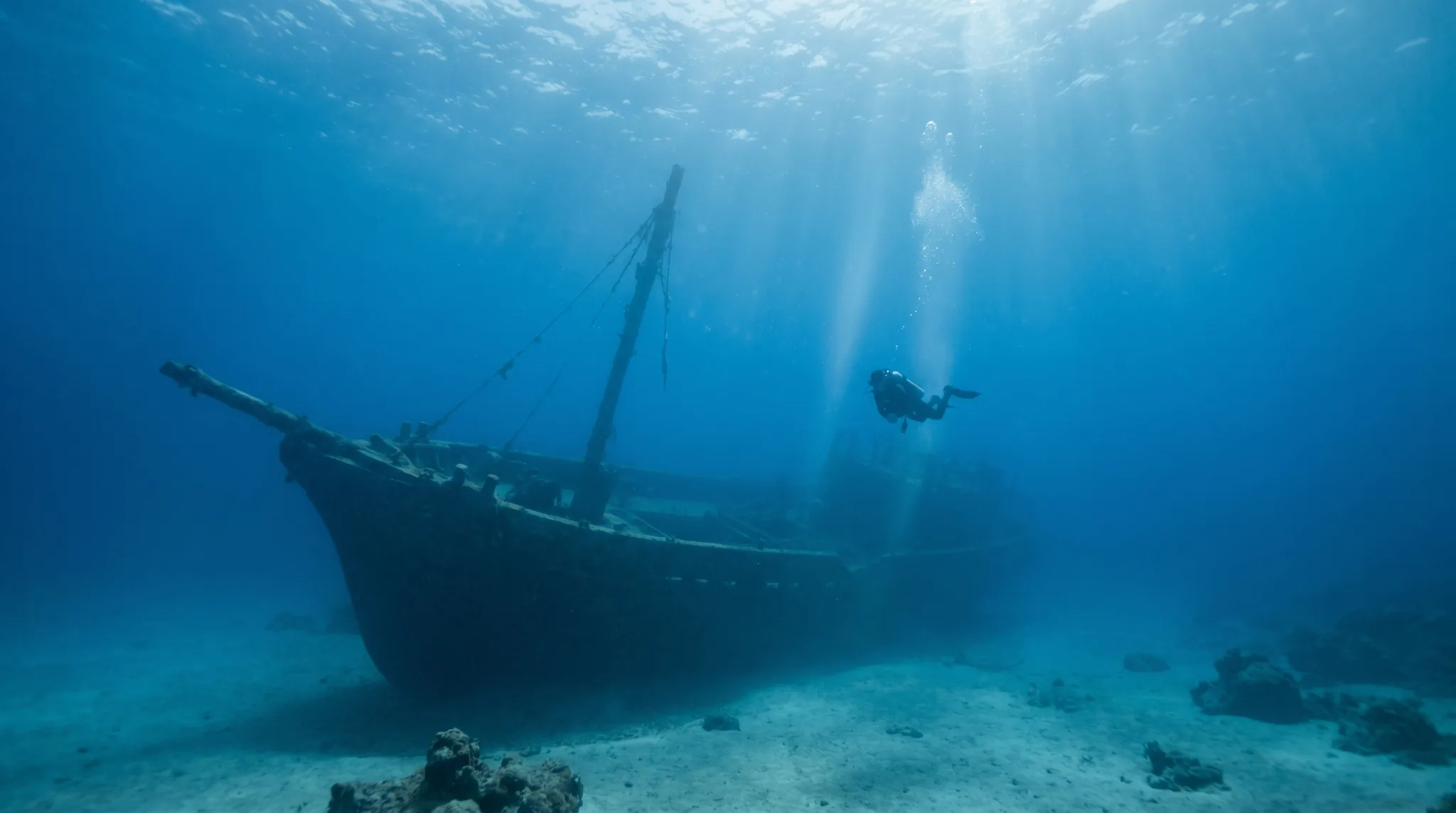
Best for intermediate divers, 9-40m, boat entry, mild current.
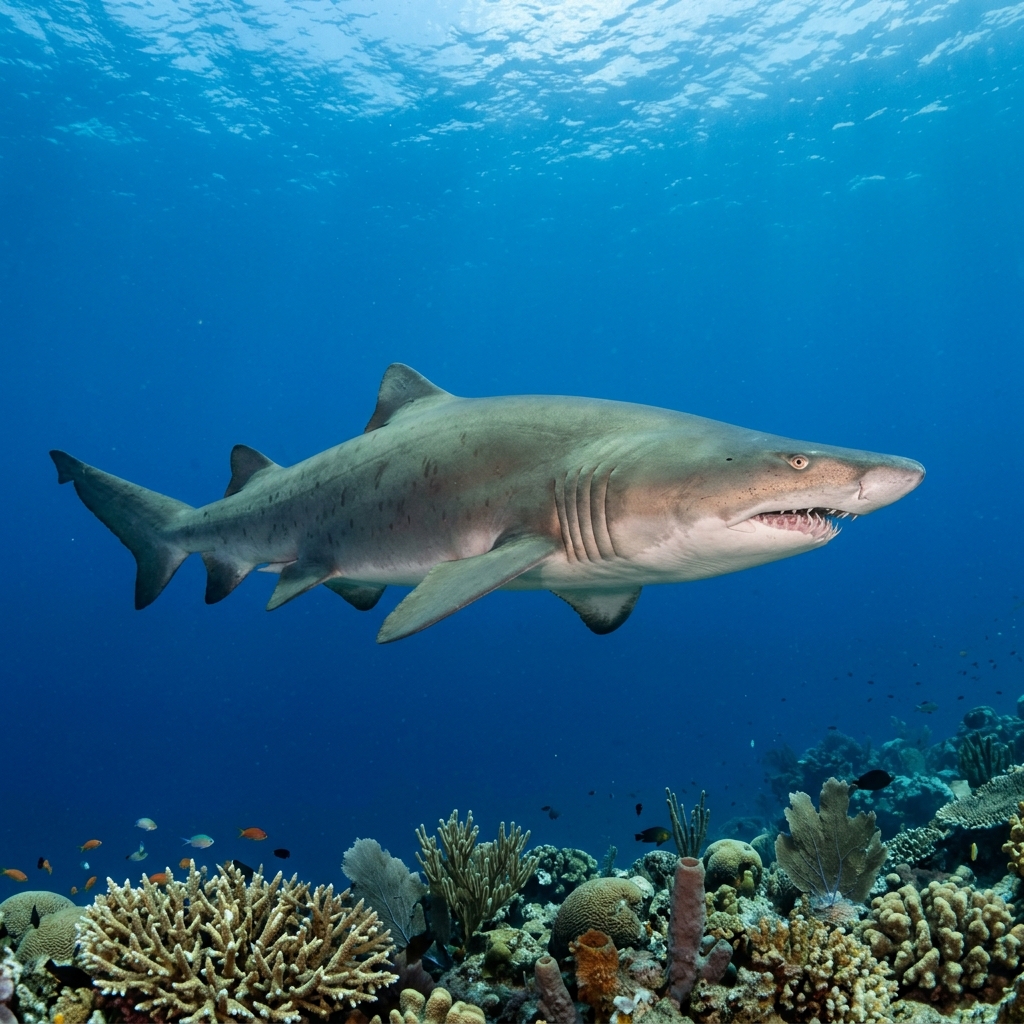
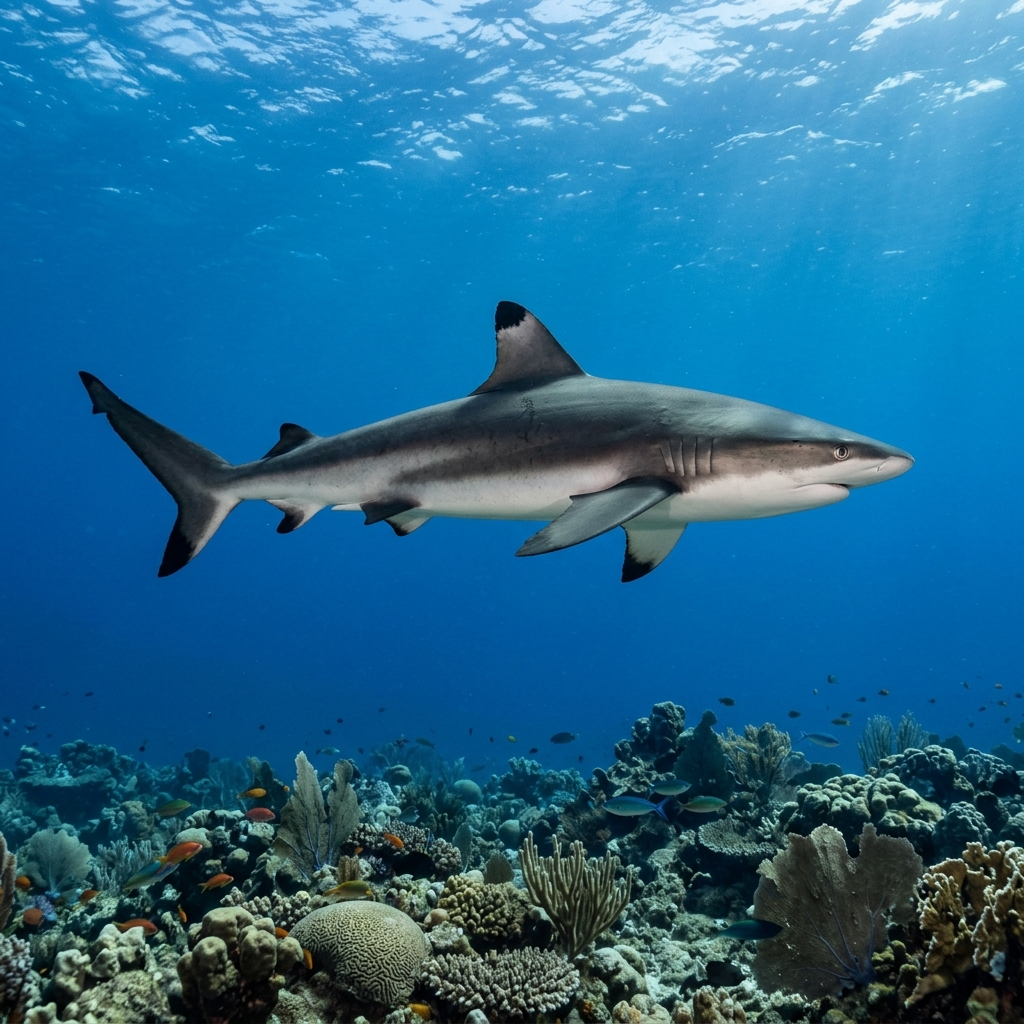
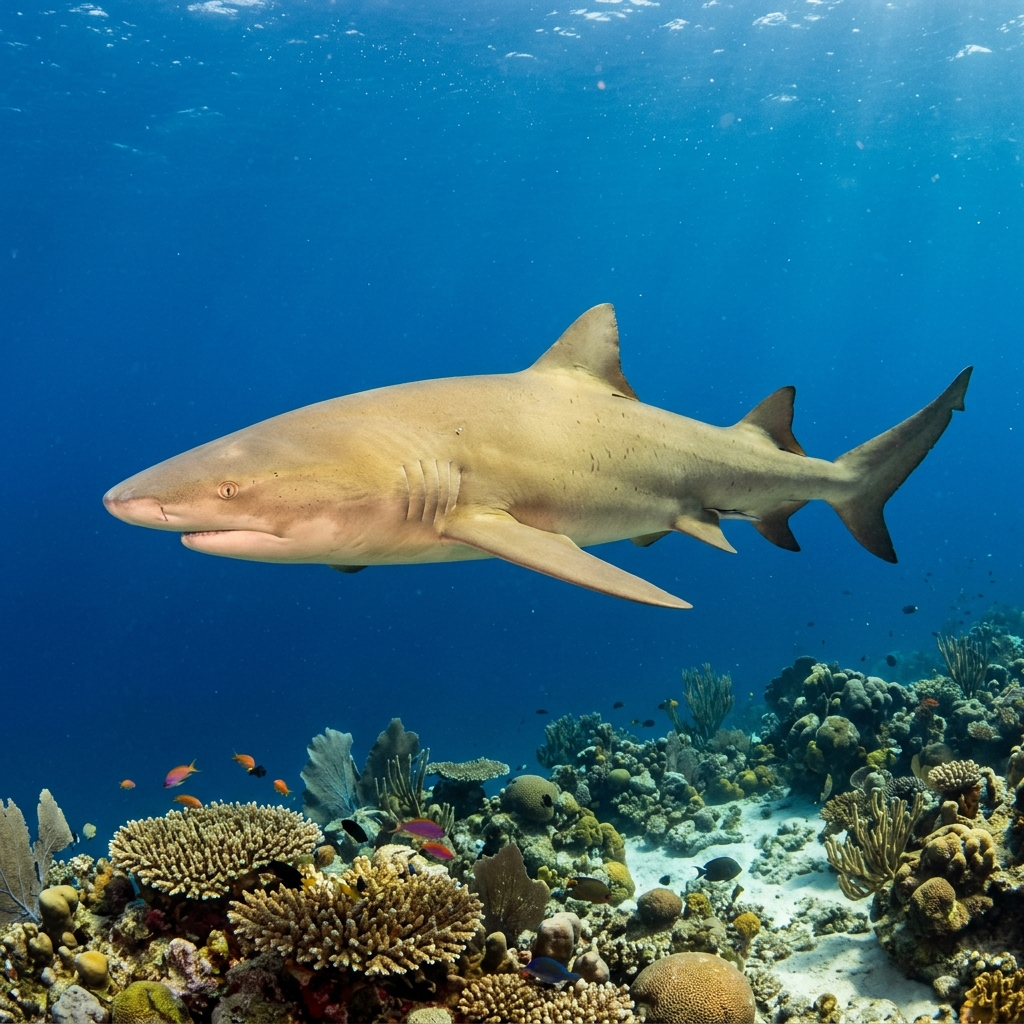
The W.E. Hutton Wreck is a marine dive site located off the coast of Morehead City. This wreck site sits at depths ranging from 9 to 40 metres, with an average depth of 30 metres. Divers access the site via boat, as it is situated approximately 23 kilometres from the shore. Conditions at the site are variable, with visibility ranging from 5 to 20 metres and mild currents. The site is suited for intermediate divers, with typical dive times lasting around 40 minutes. Potential hazards include sharks, strong currents, surf, and surge. Water temperatures fluctuate throughout the year, ranging from 14C in winter to 23C during the summer months.
34.49983, -76.89798
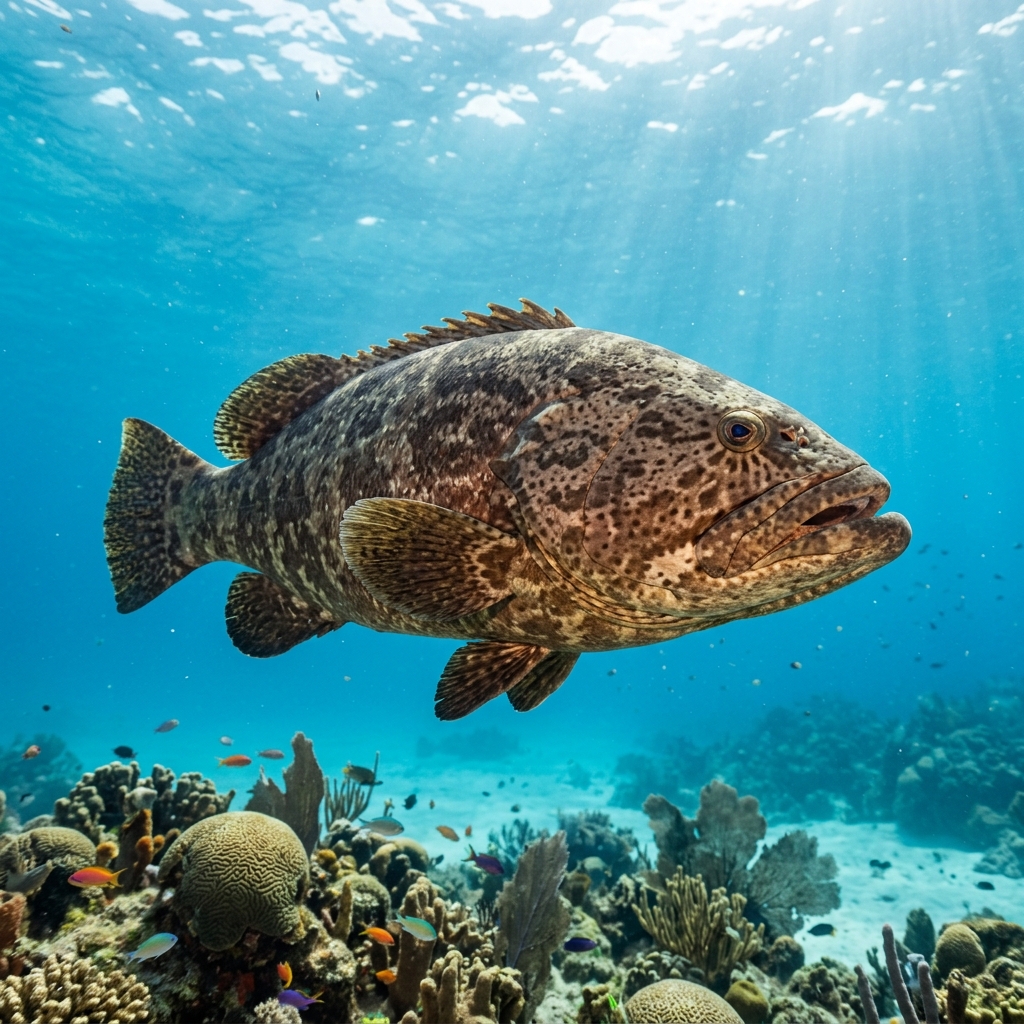
Goliath grouper typically position themselves in the wreck's larger openings and around the superstructure, often remaining stationary and allowing close approach for photography.
Access is via boat charter from Beaufort, North Carolina.
Recorded at this site
Depth
9-40m
Visibility
5-20m
Skill Level
Intermediate
Entry
Boat
Boat required
Water Temp
14-23°C
Current
Mild
Typical Dive
40 min
Best Time
Jun, Jul
The site has a depth range of 9 to 40 metres, with an average depth of 30 metres.
No, this site is rated for intermediate divers.
Access to the site is by boat only, located 23,335 metres from the shore.
Divers should be aware of sharks, strong currents, surf, and surge.
Diving at W.E. Hutton Wreck in Cape Lookout requires the following certifications: Open Water, Advanced. Always dive within your training limits.
A 7mm wetsuit or semi-dry is recommended for diving at W.E. Hutton Wreck in Cape Lookout. Water temperatures range from 14°C to 23°C.
The best months to visit W.E. Hutton Wreck in Cape Lookout are June and July. Conditions outside these months can still be good but are less predictable.
W.E. Hutton Wreck in Cape Lookout typically has mild currents that most divers can handle comfortably.
Visibility at W.E. Hutton Wreck in Cape Lookout typically ranges from 5 metres to 20 metres. Conditions vary with weather, tides, and seasons.