Alcyonacea spp.
Soft corals appear on reefs from the French Riviera to the Philippines. Find where divers log them most and what to look for underwater.
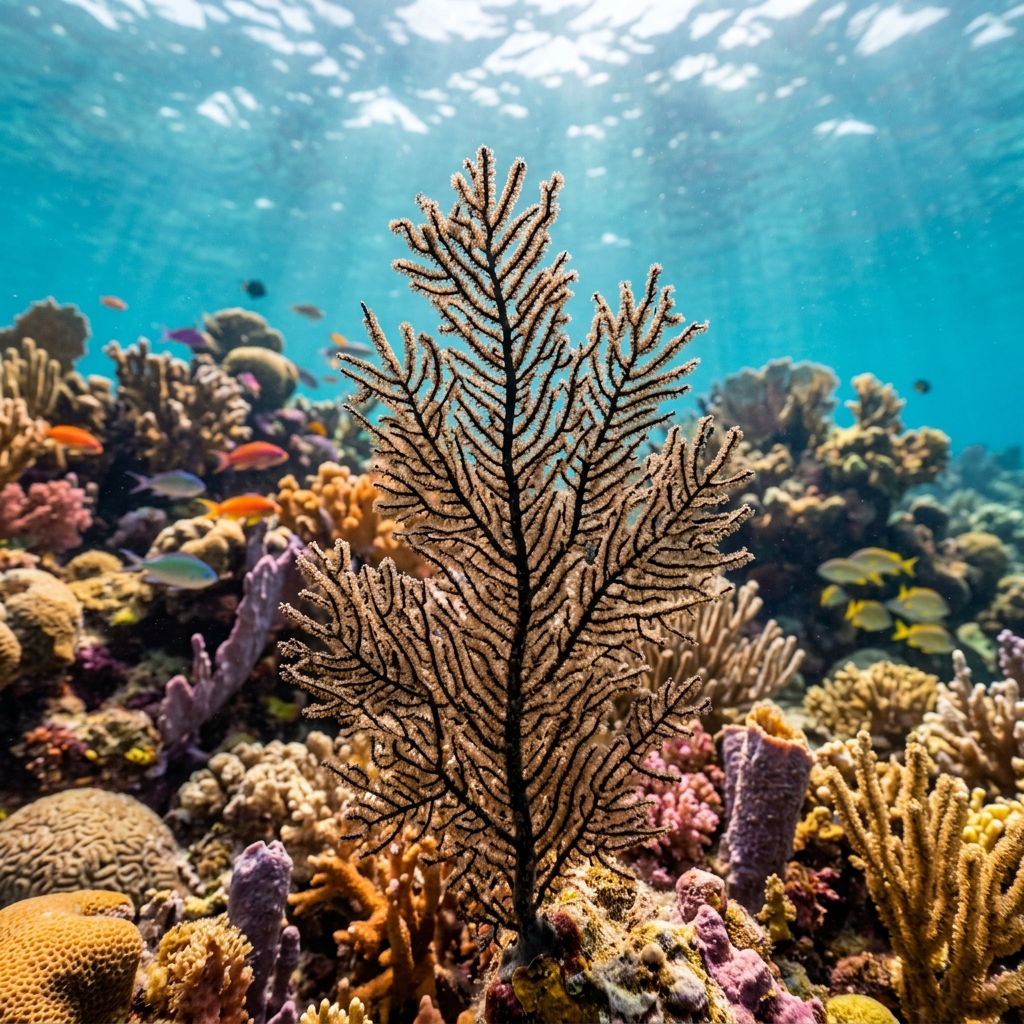
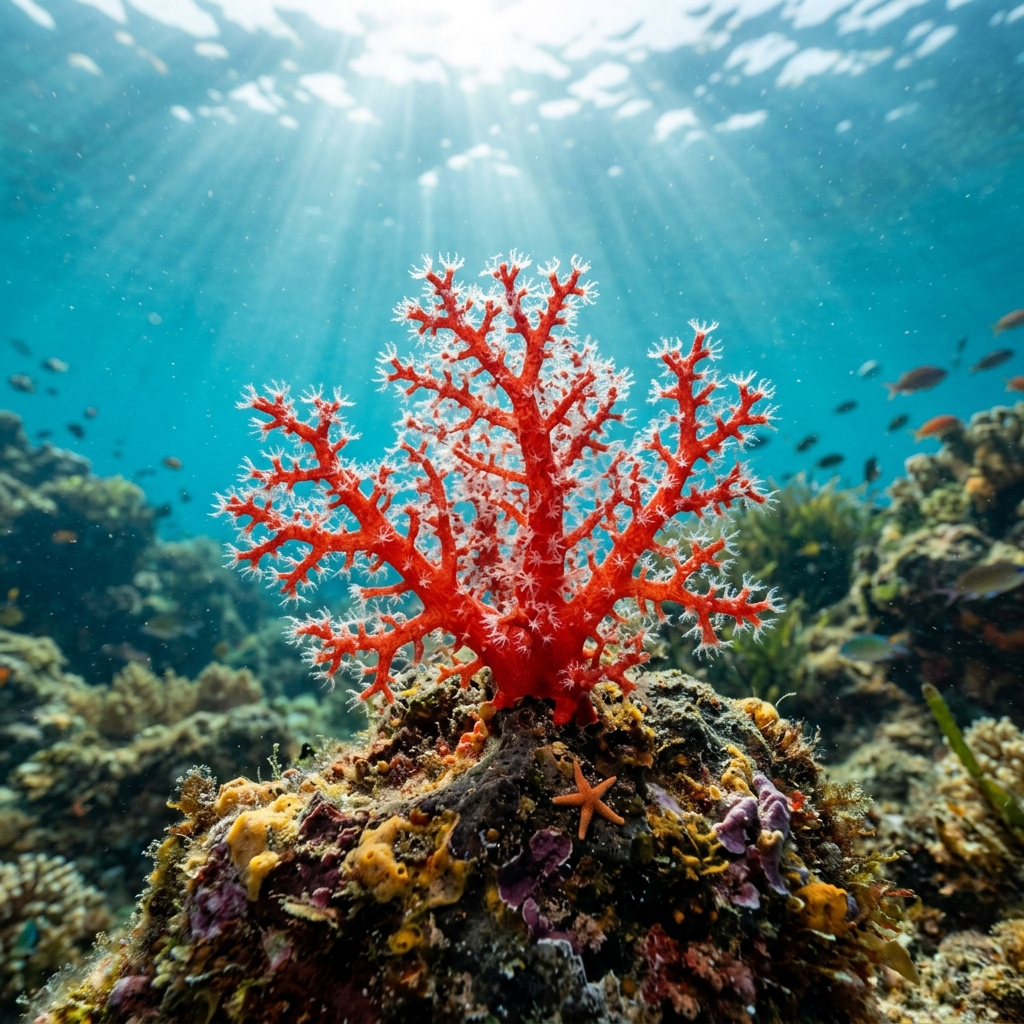
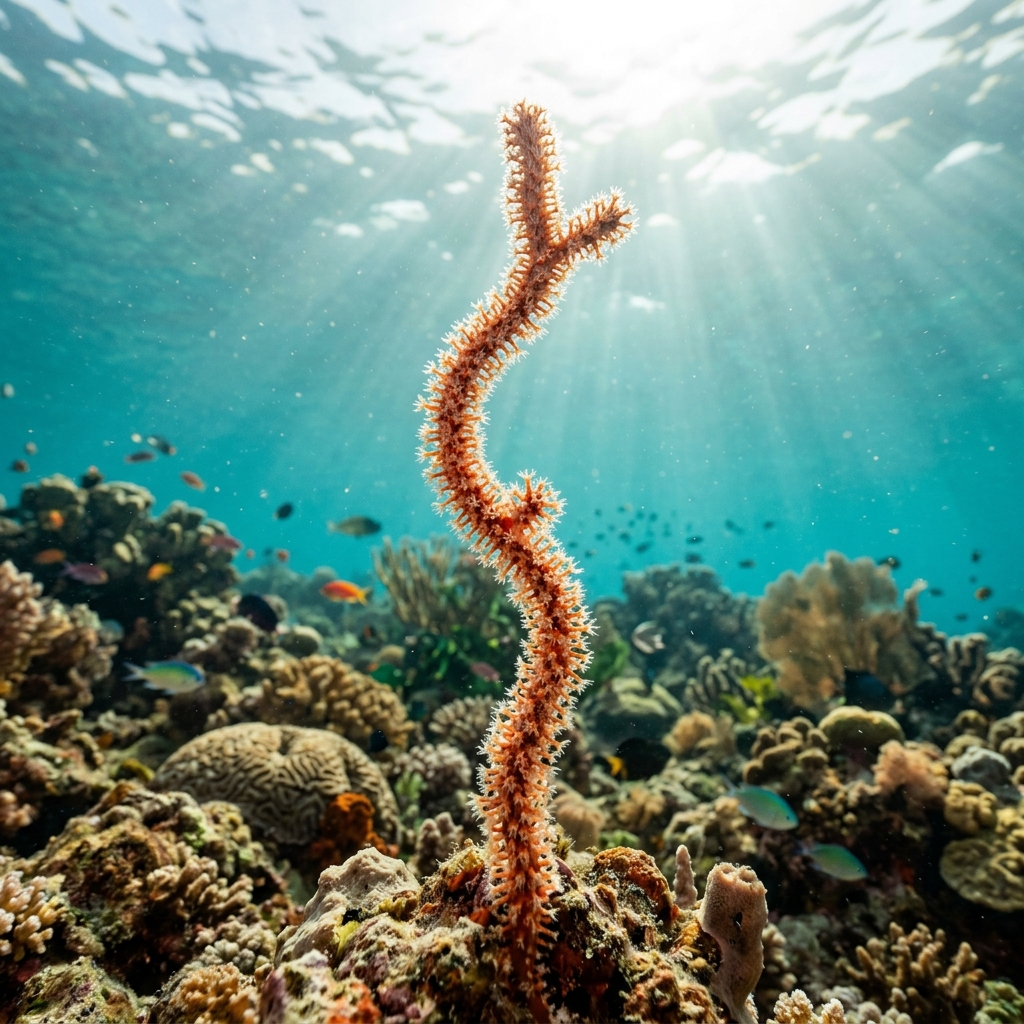
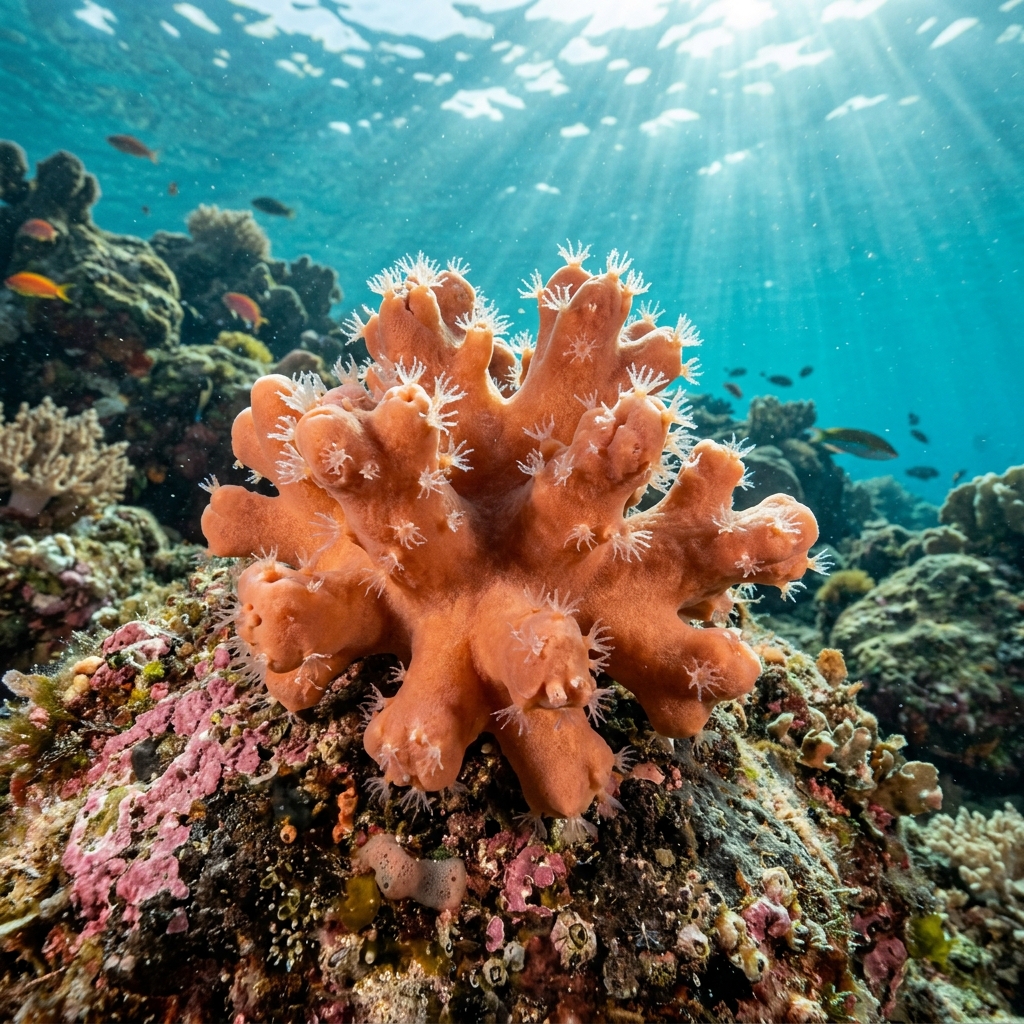
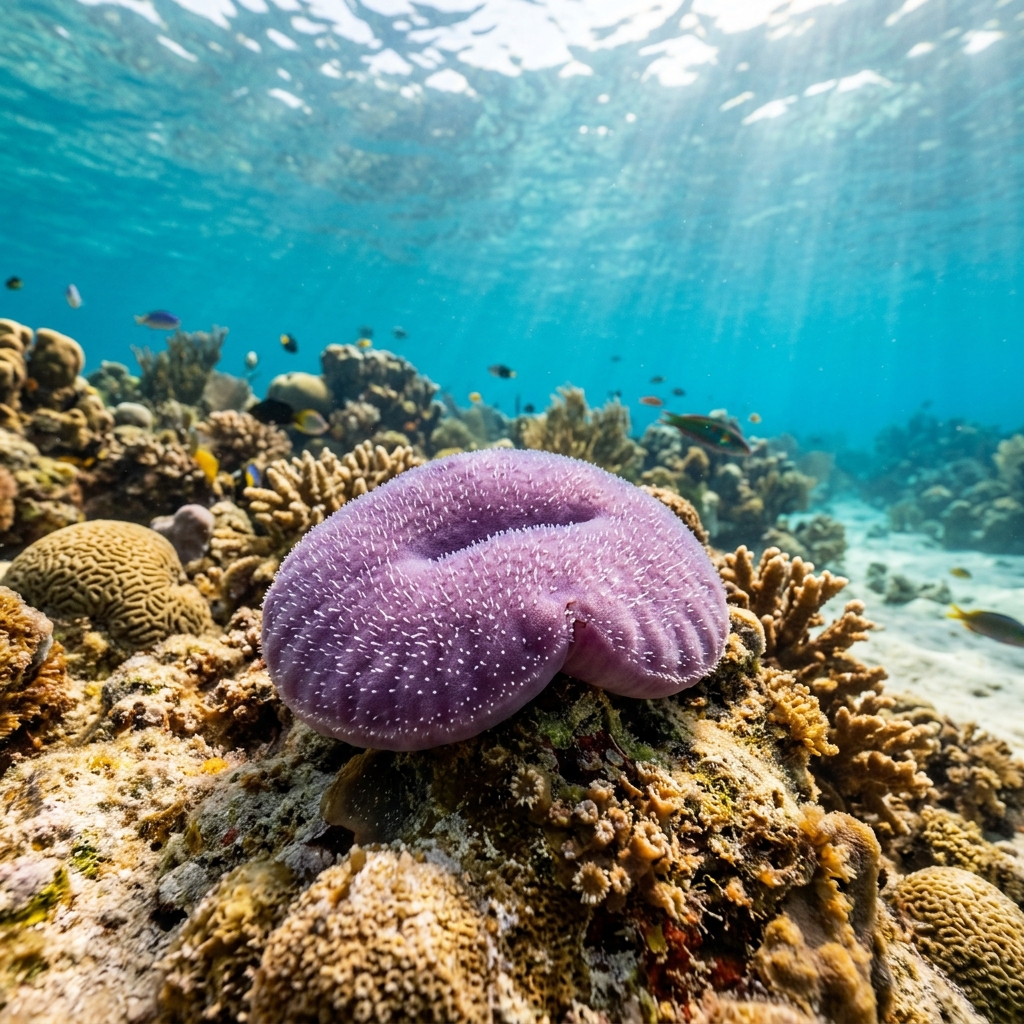
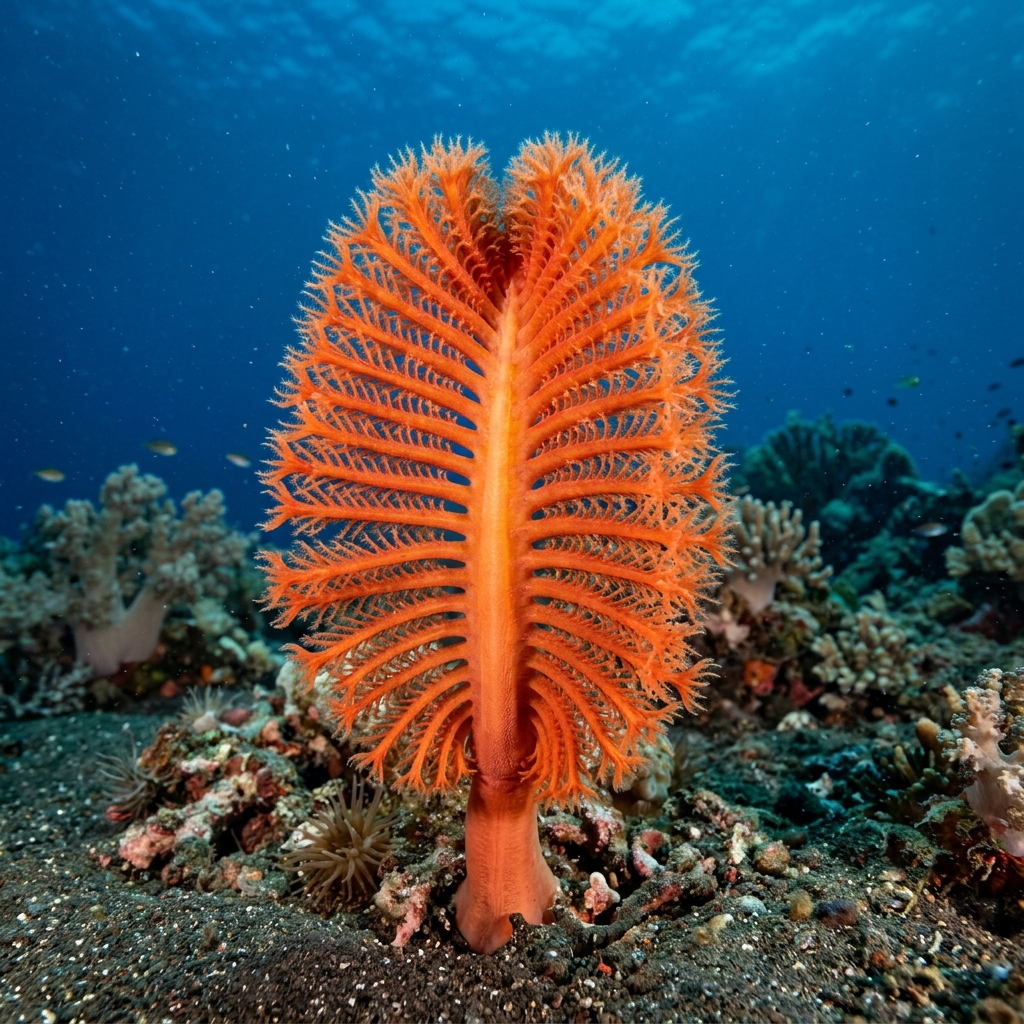
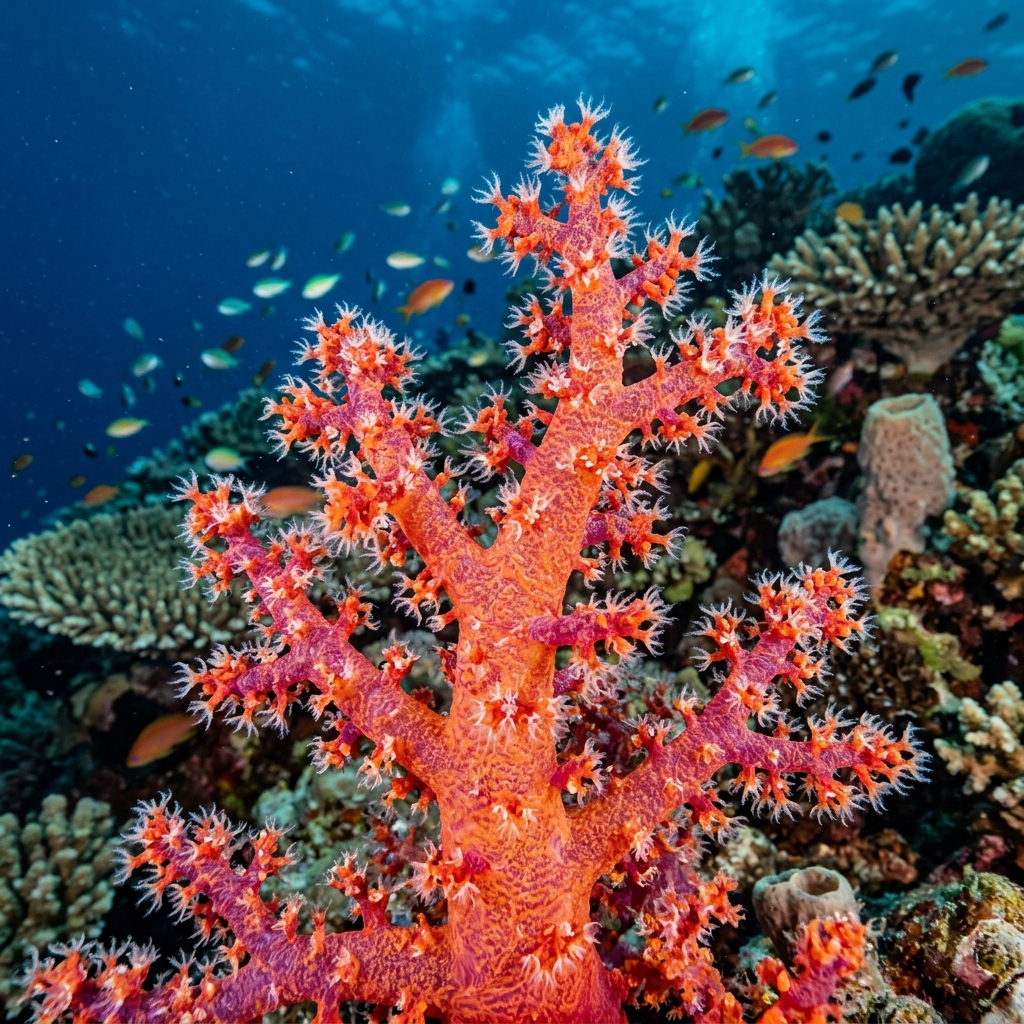
Soft corals lack the rigid calcium-carbonate skeleton of hard corals, so their colonies flex and sway gently with the current rather than sitting as fixed, stony structures. They grow in an enormous range of forms: fleshy lobed mounds, branching trees, and encrusting sheets, and colours run from pale white and yellow through vivid orange, red, and purple. The key underwater cue is the eight-pointed polyps (tiny feeding tentacles arranged in sets of eight) that stud the surface when expanded; running a slow look along a colony edge usually reveals these at close range. Because this is a broad group of species, size varies enormously, from colonies smaller than a hand to sprawling growths covering a square metre or more.
Soft corals are sessile (fixed in place) filter feeders, so what you observe is essentially the colony responding to water movement: polyps extend their tentacles into the current to catch plankton and organic particles, then retract when disturbed or when flow drops. In areas with stronger currents, colonies tend to be more fully expanded and more visually striking. They do not react to divers directly, but physical contact causes polyps to retract, so staying neutrally buoyant and avoiding fin wash near colonies gives you a better view and protects the animal.
Many soft corals contain chemical compounds called terpenoids in their tissues that make them unpalatable or toxic to predators, meaning they can outcompete hard corals for space on the reef without needing a heavy skeleton for protection.
In the Northern Hemisphere, soft corals are present year-round with no concentrated peak season, reflecting their tolerance of water temperatures from around 13°C up to nearly 29°C. In the Southern Hemisphere, sightings concentrate between September and June, so plan trips to Australian and similar southern-latitude sites within that window.
Reef neighbours a diver could mistake it for. Use the identification notes above to tell them apart.
Soft corals are most commonly logged in France, particularly along the French Riviera and Provence, and across Mexico's Yucatán Peninsula, making these two regions the standout starting points for divers. Strong populations are also well-documented in Spain's Costa Brava, Egypt's Sharm el Sheikh area, the Maldives' Male and Ari Atolls, and throughout the Philippines and Indonesia. The spread across 67 countries confirms this is one of the most globally distributed coral groups a diver will encounter.
Mapping where Soft Coral is logged…
Soft corals are logged at dive sites across a remarkable spread of countries. The French Riviera and Provence, Mexico's Yucatán Peninsula, and Spain's Costa Brava lead in logged sightings, but Egypt's Sharm el Sheikh, the Maldives, the Philippines, Indonesia, and the Cayman Islands all show strong records too. Essentially, wherever there is a healthy reef, soft corals are likely.
In the Northern Hemisphere, soft corals can be found year-round with no single peak season. In the Southern Hemisphere, sightings concentrate from September through June, so avoid mid-winter (July to August) trips to southern-latitude destinations if soft corals are a priority.
Look for colonies that flex in the current rather than sitting as rigid stony structures. Their polyps each have exactly eight tentacles, visible as tiny star-shaped projections on the colony surface when expanded. Colour and form vary widely across species, but that combination of flexibility and eight-pointed polyps separates soft corals from most look-alikes.
Size varies enormously across the group. Some encrusting species form colonies smaller than a spread hand, while larger tree-form soft corals can grow to over a metre across. Growth rate is slow, so large colonies often represent decades of development.
Soft corals are important structural and ecological contributors to reef systems. Their colonies provide shelter and surfaces for small invertebrates and fish, and as filter feeders they help cycle nutrients. Some species compete aggressively with hard corals for space, using chemical defences rather than physical strength to hold their ground.
Site and sighting data is aggregated from diver logs, iNaturalist and GBIF. For taxonomy and conservation status:
Dead Man's Fingers
2,774 sites