Renilla reniformis
Spot sea pansies across Florida, Brazil and the Caribbean in water from 18-28°C. Learn how to identify this flat, kidney-shaped colonial soft coral.
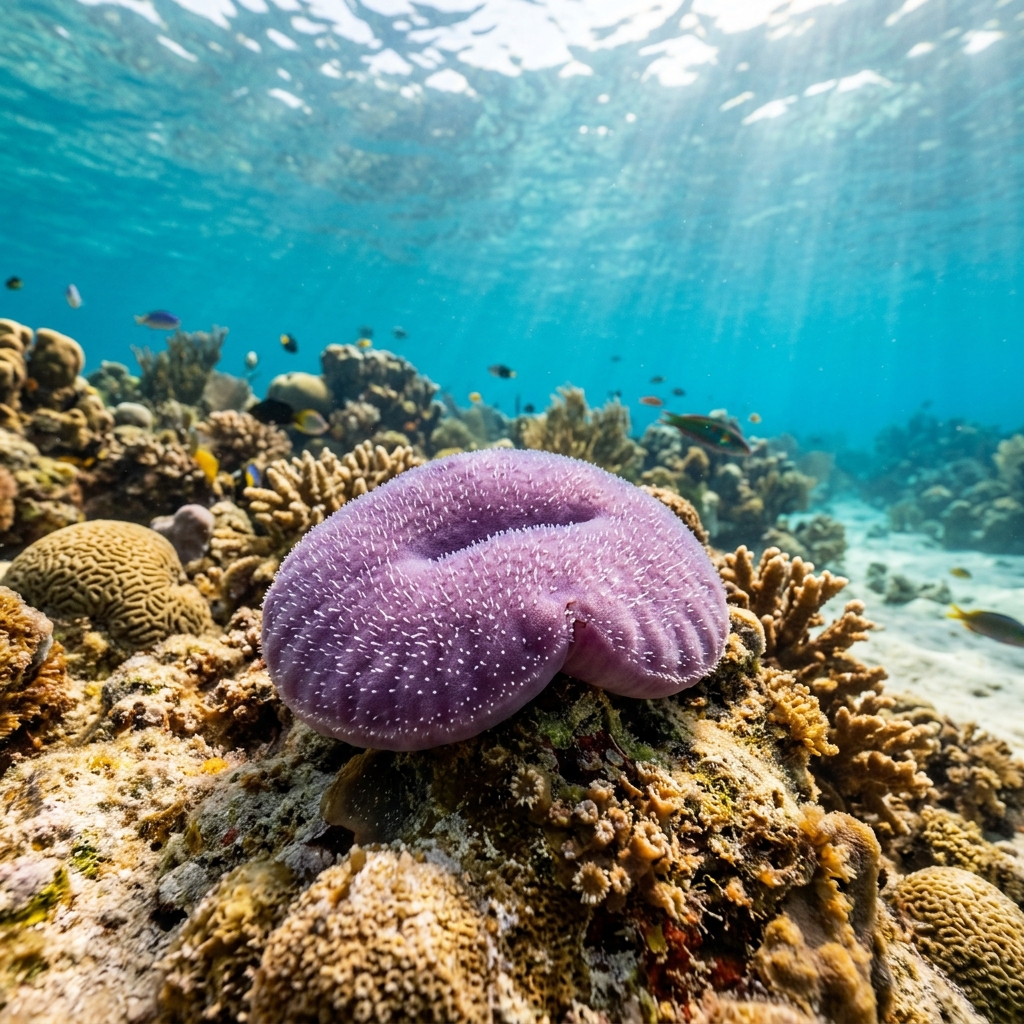
Flat, kidney-shaped disc anchored to sandy or soft substrates, typically purple to pinkish-violet in colour with a short stalk buried below the surface. The upper face is covered in small feeding polyps (zooids) that extend visibly when the animal is undisturbed, giving the disc a fuzzy, textured look. Its pancake-flat profile and distinctive reniform (kidney) shape make it unlike most other soft corals, which grow upright. When polyps are retracted it looks like a smooth, rubbery disc pressed against the sand.
You'll typically find sea pansies lying flat on open sand or rubble, looking almost like a purple leaf that washed down from the surface. During the day the polyps extend for filter feeding, which is the best time to spot them and appreciate their texture. Touch one and it will quickly retract its polyps and may deflate slightly, so keep your hands clear.
Sea pansies are bioluminescent: disturb one in low-light conditions and it can emit a brief blue-green glow as a defence response, a reaction that ripples across the colony in a wave.
No clear seasonal peak has been detected from diver observations, so sea pansies can be treated as a year-round target. Their observed water-temperature range of roughly 19 to 28°C aligns well with the warm temperate to tropical conditions found across Florida and the Caribbean throughout the year.
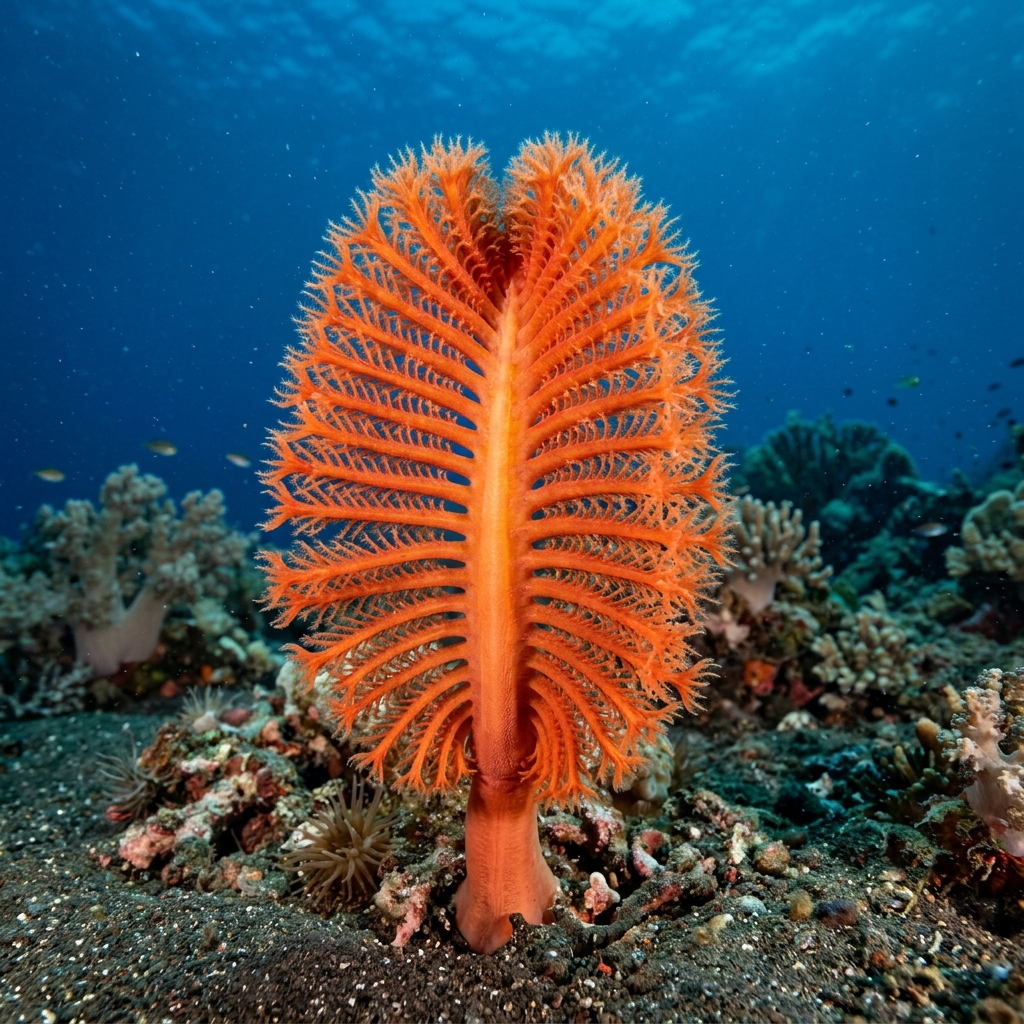
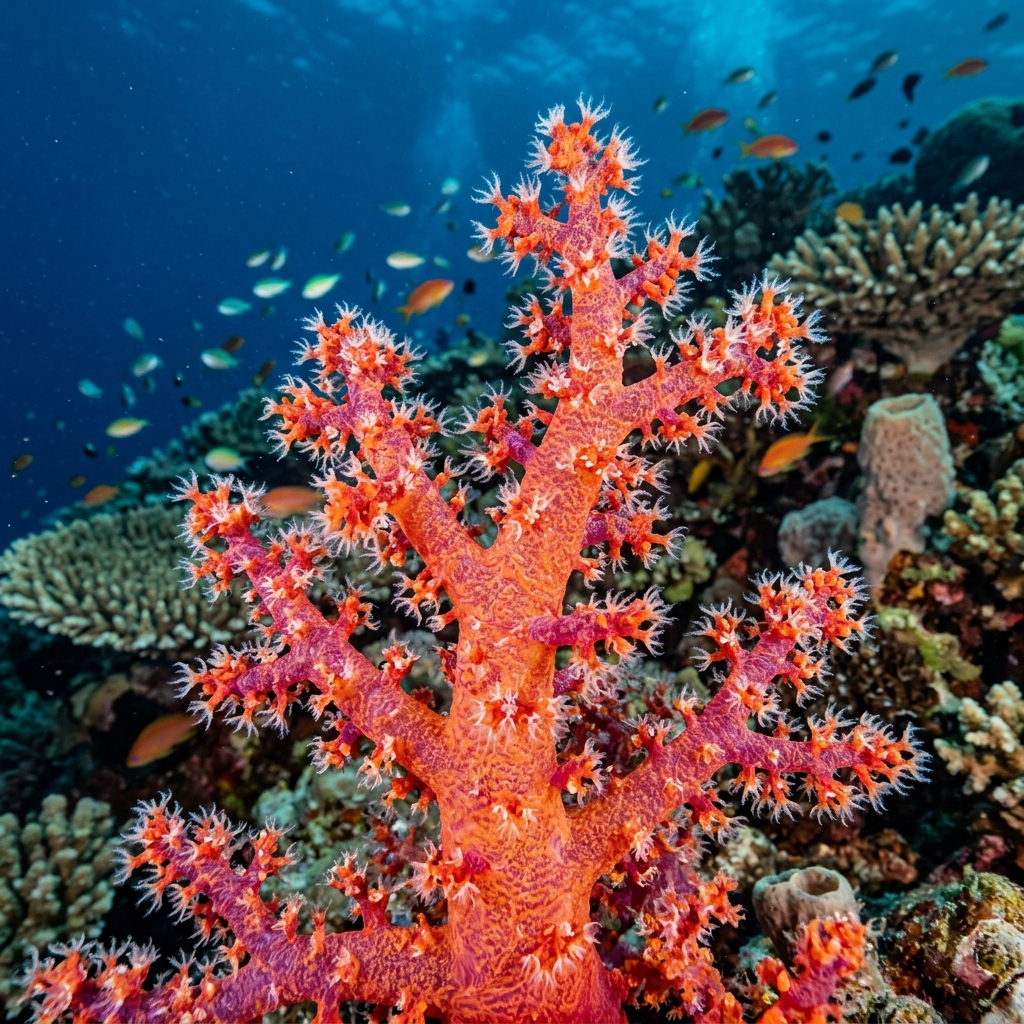
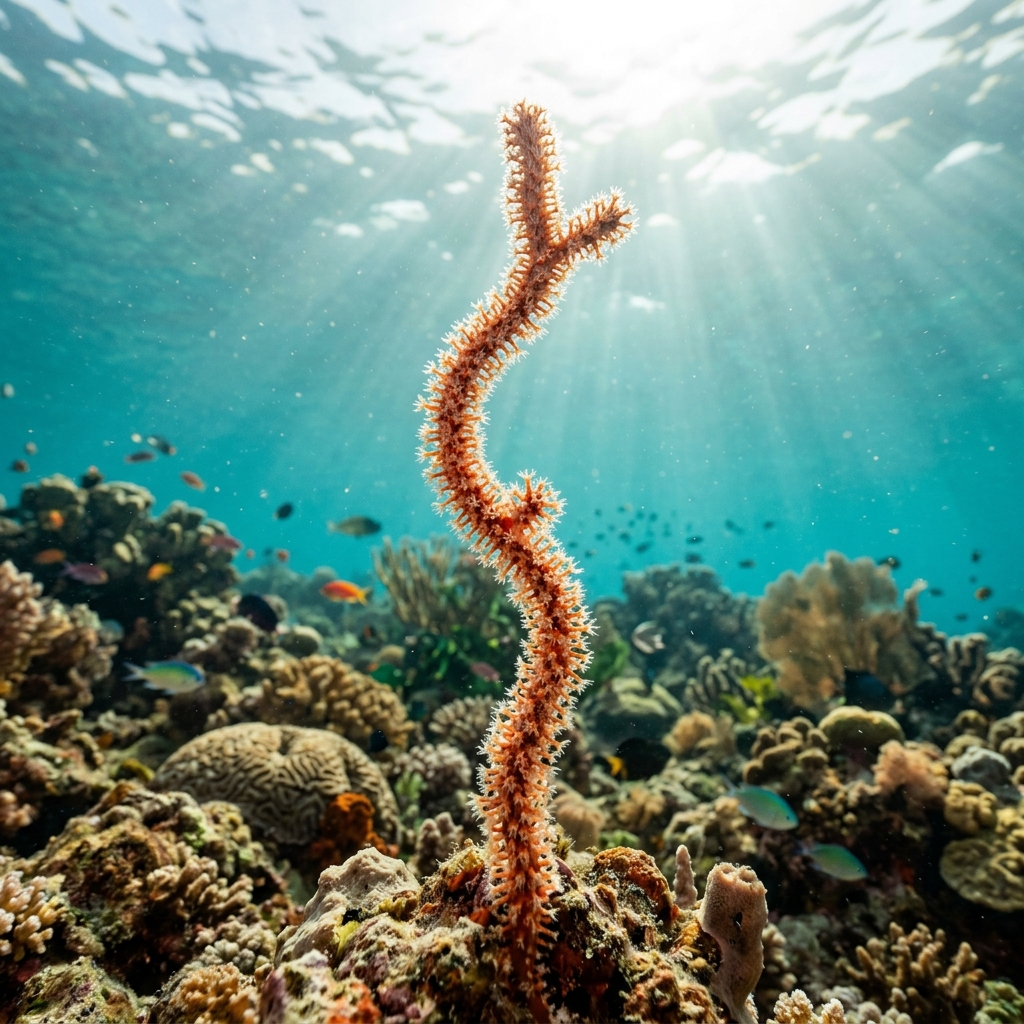
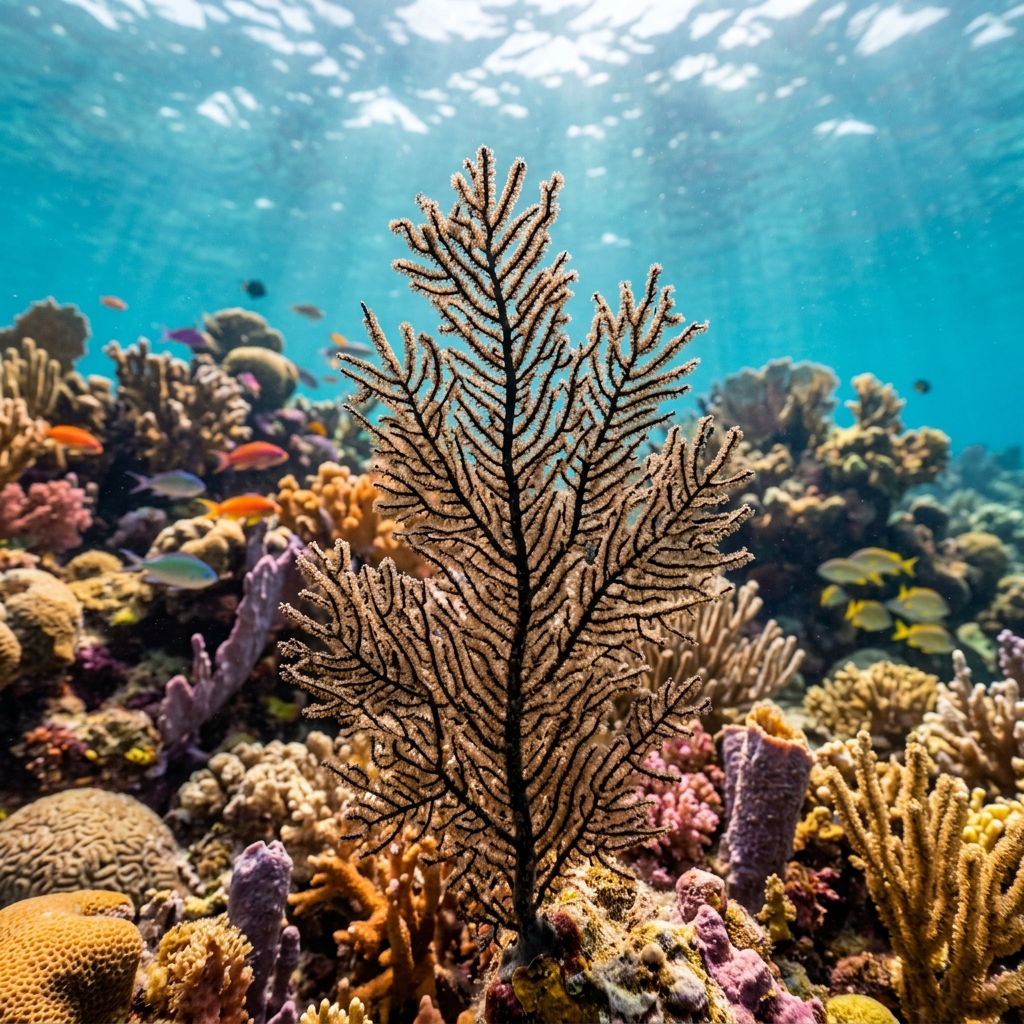
Reef neighbours a diver could mistake it for. Use the identification notes above to tell them apart.
Most commonly logged in the United States, particularly across Florida and the Southeast coast, making this the single strongest region to target. Brazil holds a large share of range-model sites, especially along the Rio de Janeiro and São Paulo coast and the Northeast Coast, while Cuba, Venezuela, the Bahamas, Colombia, and Belize all feature strongly across the wider Caribbean.
Mapping where Sea Pansy is logged…
Sea pansies are most reliably encountered in Florida and the wider US Southeast coast, which holds the highest concentration of logged sites. Strong populations are also found along coastal Brazil, throughout Cuba, Venezuela, the Bahamas, and into Colombia and Belize, essentially the warm Atlantic and Caribbean seaboard.
There is no defined season based on available diver data, so they can be encountered year-round. They sit comfortably in water between roughly 19 and 28°C, which covers most of their Florida and Caribbean range throughout the year. Polyps are extended during the day, making daytime dives the most rewarding.
Look for a flat, kidney-shaped disc resting on sand, usually purple or pinkish-violet, covered in tiny extended polyps that give it a fuzzy surface texture. It is anchored by a short buried stalk, so it sits directly on the substrate rather than growing upright like a sea pen. That distinctive pancake shape is the key field mark.
Yes, sea pansies are well-documented bioluminescent animals. When physically disturbed they can produce a blue-green light that travels across the colony as a wave. This is thought to be a defence mechanism, potentially startling predators or attracting larger animals that might scare the predator away.
Site and sighting data is aggregated from diver logs, iNaturalist and GBIF. For taxonomy and conservation status:
Red Coral
3,301 sites