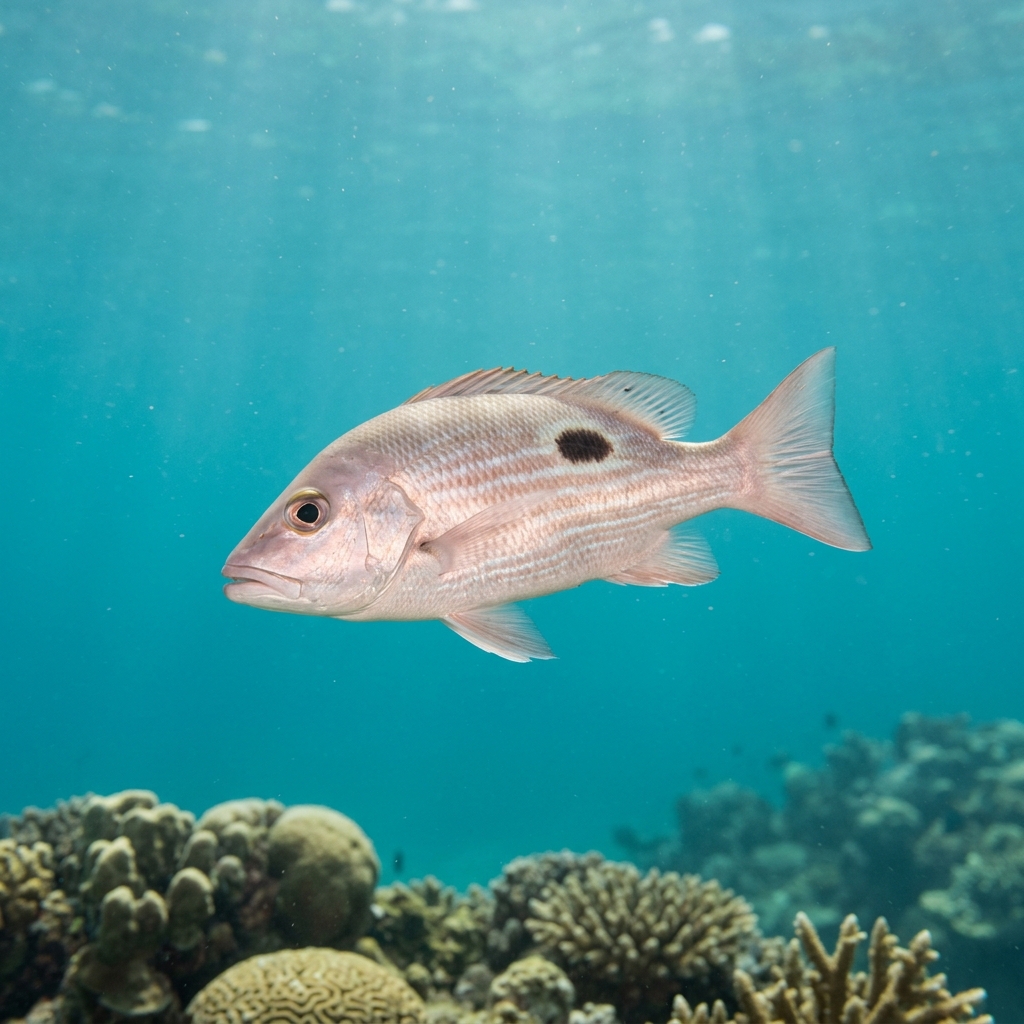
Lutjanus campechanus
Red snapper patrol reefs from Florida to Venezuela in 19-27 °C water. Here's how to spot them and where sightings are strongest.
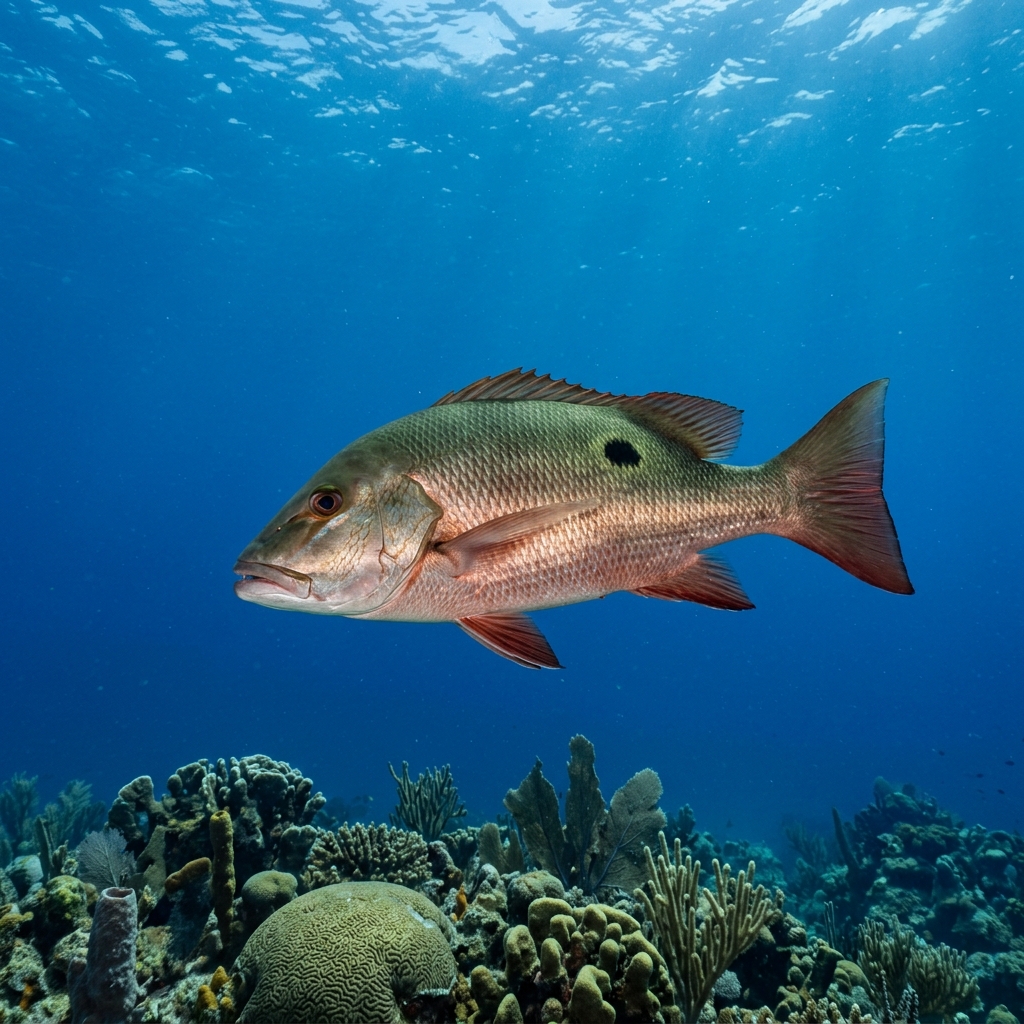
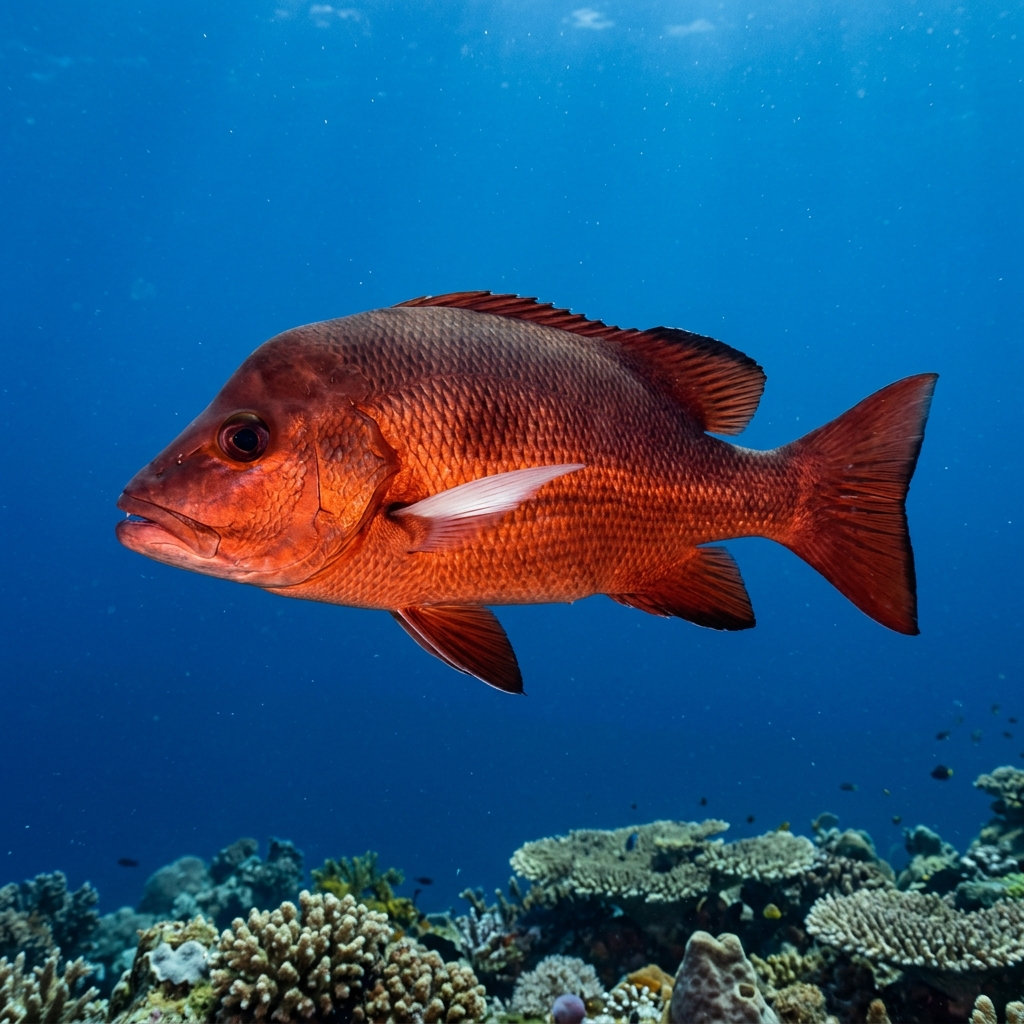
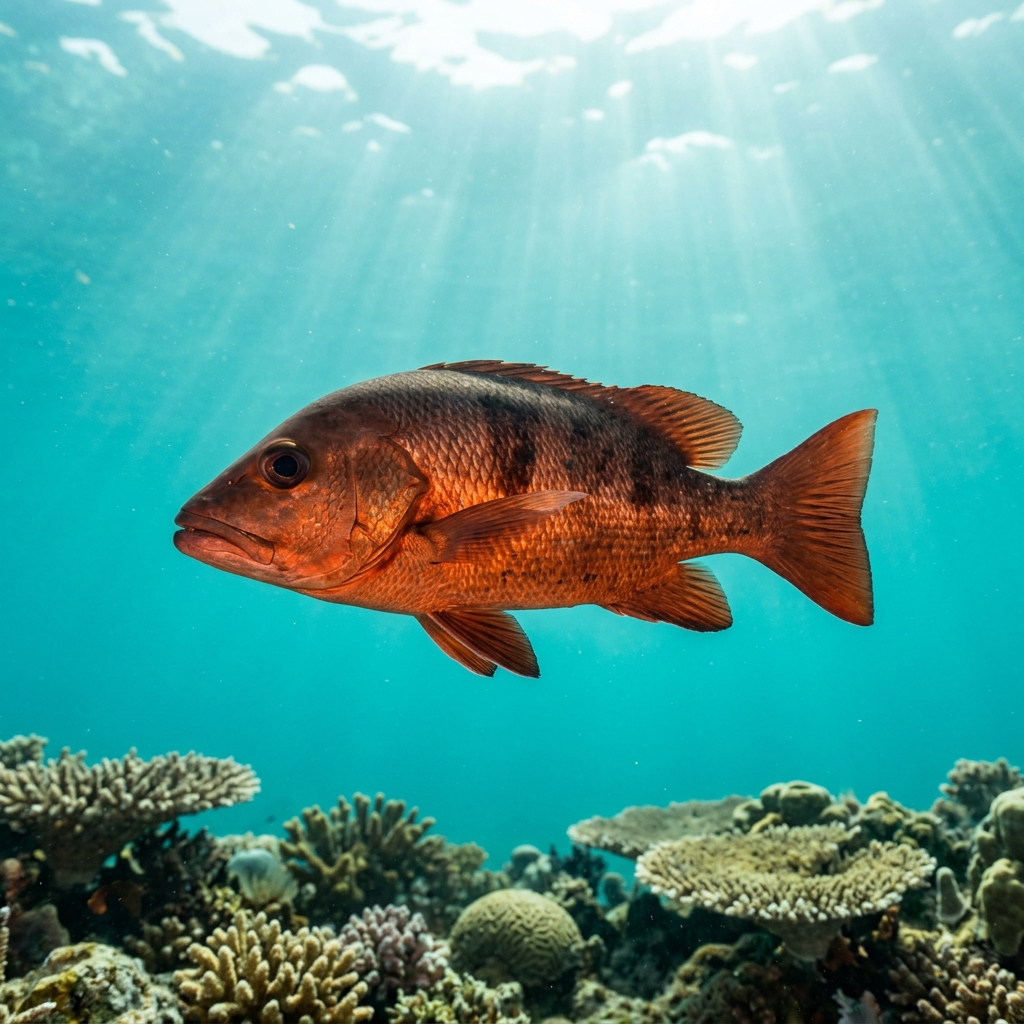
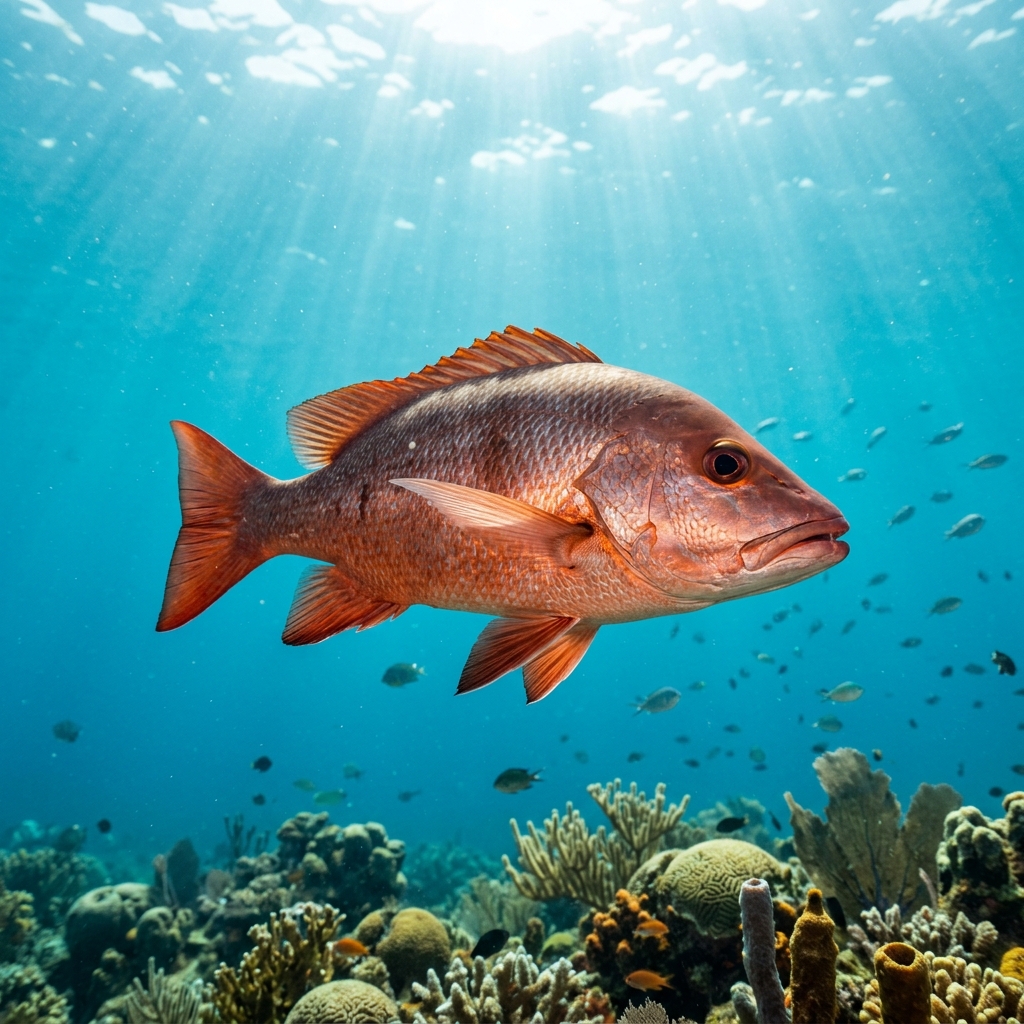
A deep-bodied, rose-to-brick-red fish with a pale pink or white belly and a distinctly pointed snout, that tapered face is one of the easiest field marks. Look for a continuous red colouration from back to fins, bright red eyes, and a slightly forked tail. Reaching around 70 cm, it sits noticeably larger than most other snappers you will encounter on the same reef. Juveniles carry a dark spot on the upper flank that fades as they grow.
Red snapper tend to hold position mid-water or close to structure, rocky outcrops, ledges, and artificial reefs are favourite haunts. They are generally unhurried around divers, often hovering in loose aggregations (groups of fish holding together without tight schooling) rather than bolting, which makes for relaxed observation. Feeding activity ramps up around dusk when they move off the bottom to hunt invertebrates and smaller fish.
Red snapper are surprisingly long-lived for a reef fish, capable of reaching over 50 years of age, and they do not reach sexual maturity until around two years old, which makes population recovery very slow once numbers drop.
No concentrated seasonal peak shows up in the sighting data, so red snapper are treated as a year-round target across their range. Their observed temperature niche of roughly 20 to 27 °C aligns with stable conditions across the Gulf of Mexico and Caribbean throughout the year.
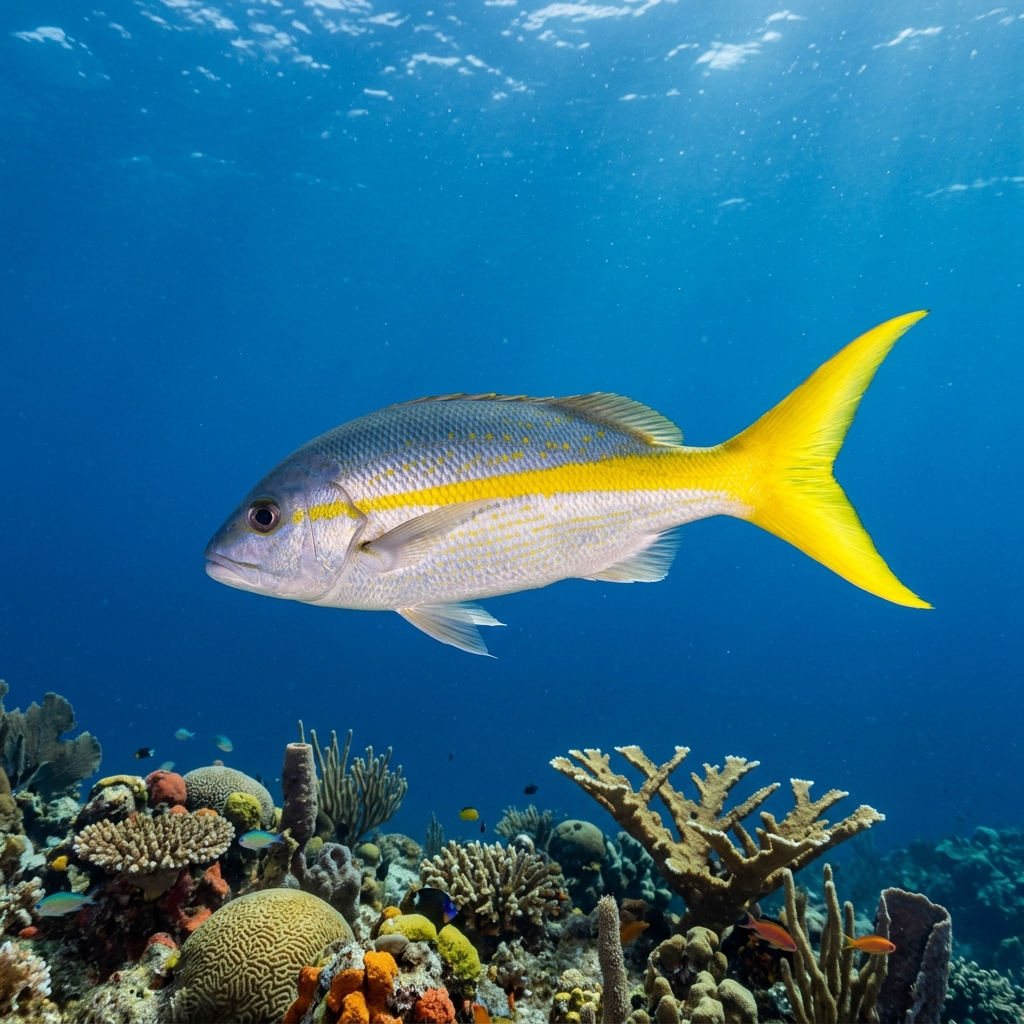
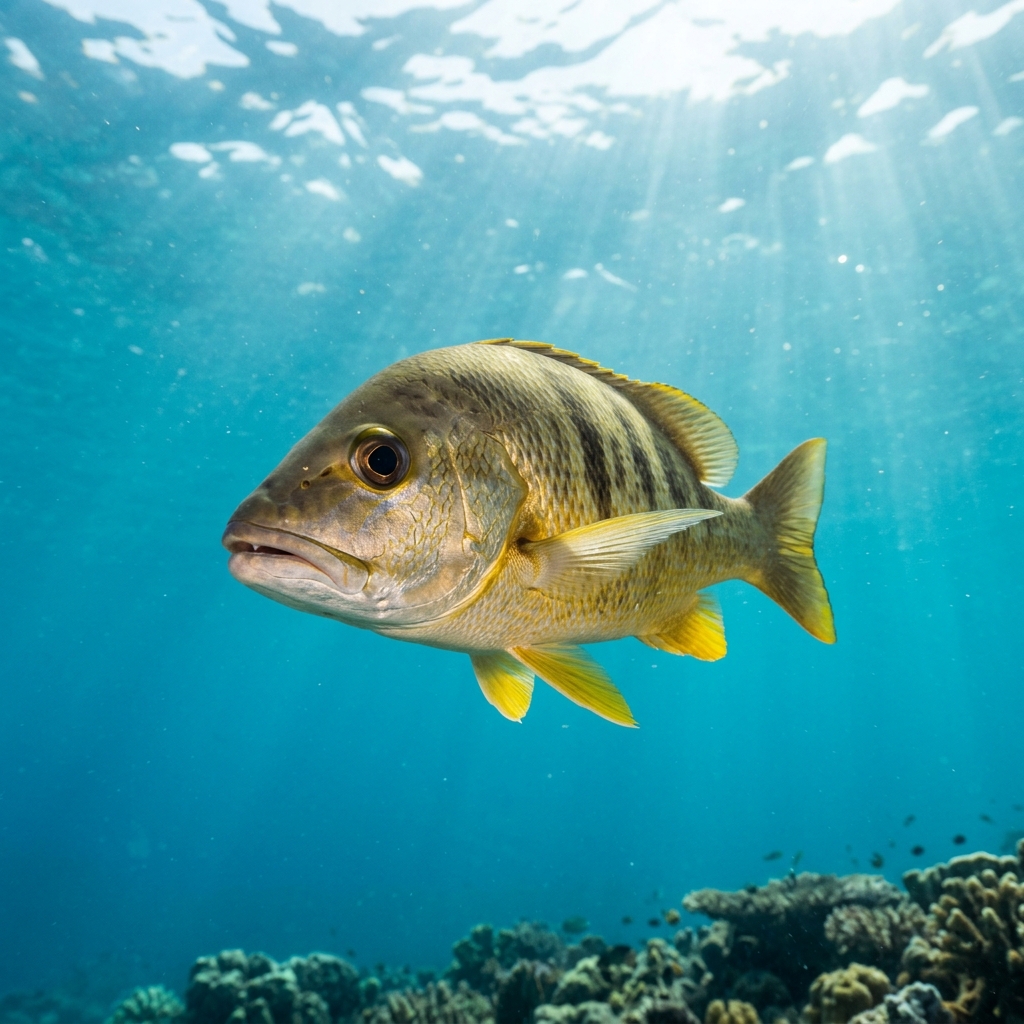
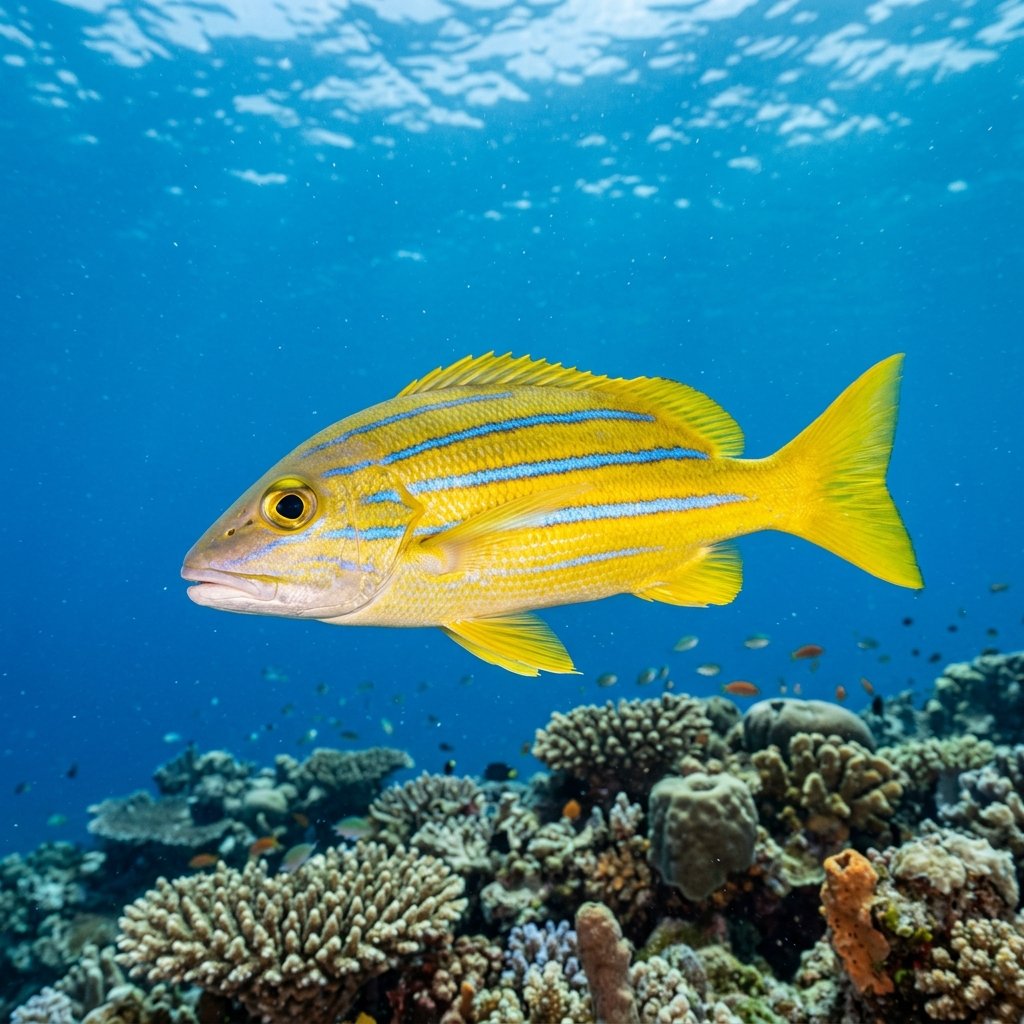
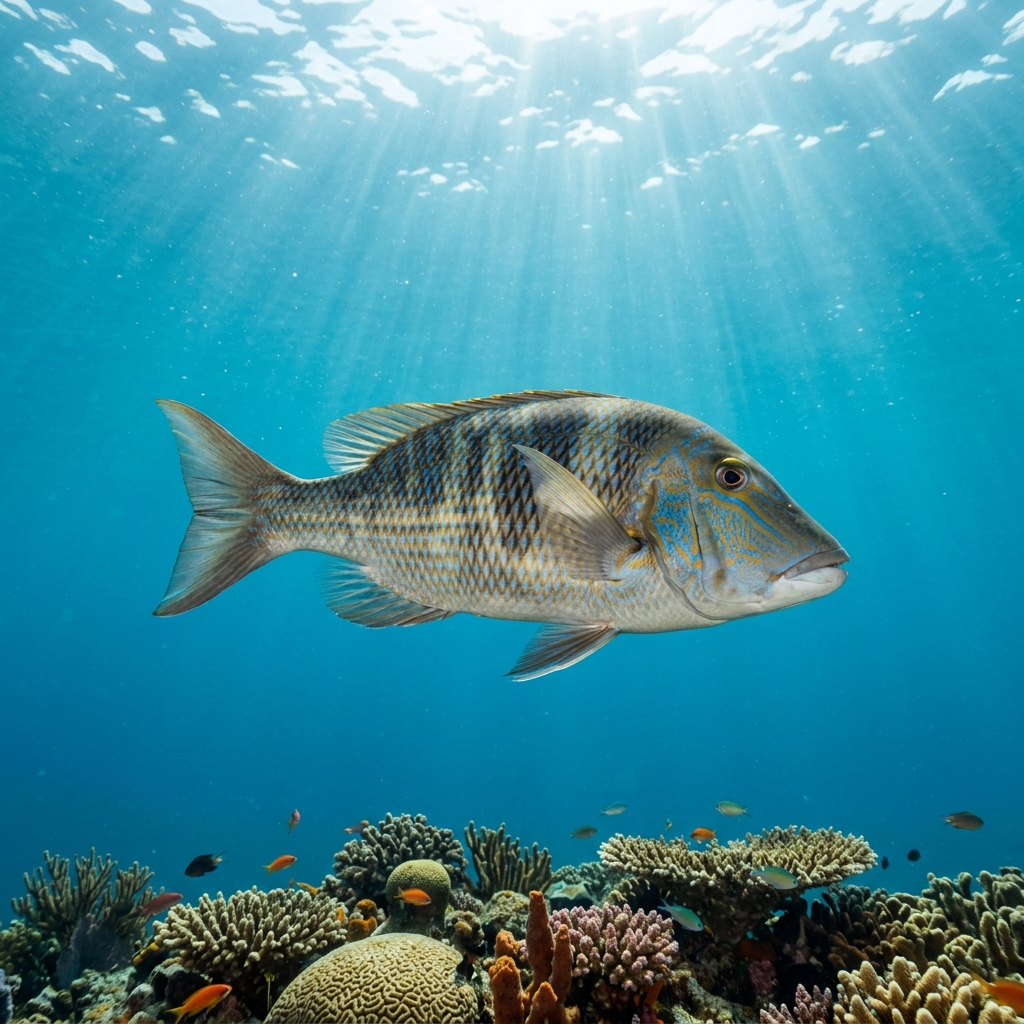
Reef neighbours a diver could mistake it for. Use the identification notes above to tell them apart.
The strongest presence in the data sits squarely in the western Atlantic, with the United States, especially Florida and the broader Southeast, accounting for the majority of logged sites. Cuba is well represented, particularly around Jardines del Rey and the Canarreos Archipelago, while Venezuela's Central Coast and Isla de Margarita offer solid prospects. The Bahamas, Dominican Republic, and Turks and Caicos round out the reliable Caribbean options.
Mapping where Red Snapper is logged…
Red snapper are most reliably found across the Gulf of Mexico and Caribbean. Florida and the US Southeast lead in logged sites, followed by Cuba (particularly Jardines del Rey), Venezuela's Central Coast, and various locations around the Bahamas, Dominican Republic, and Turks and Caicos.
Available sighting data does not point to a specific peak season, so they can be targeted year-round. Their preferred water temperature of roughly 20 to 27 °C is met across the Caribbean and Gulf of Mexico throughout most of the year.
Key on the uniformly deep rose-red body, pointed snout, and vivid red eye, all visible from a few metres away. The lack of any bold stripe or spot on an adult, combined with that tapered face, separates it from most other snappers. Juveniles have a dark flank spot that disappears with age.
Most individuals divers encounter run around 50 to 70 cm, though larger fish exceeding 90 cm are recorded in areas with less fishing pressure. They are one of the chunkier-bodied snappers, with a noticeably deep profile compared to slimmer species like yellowtail snapper.
Red snapper are currently listed as Vulnerable by the IUCN. Years of heavy fishing pressure reduced populations significantly across the Gulf of Mexico and parts of the Caribbean. Recovery is slow because the fish mature late and live for decades rather than cycling through quickly.
The Red Snapper is listed as vulnerable by the IUCN. Observe from a distance, avoid touching or feeding it, and report sightings to local marine research organisations.
Red snapper are listed as Vulnerable on the IUCN Red List, primarily due to decades of intense fishing pressure. Divers who encounter them can contribute meaningful data by logging sightings with accurate location and depth information.
Site and sighting data is aggregated from diver logs, iNaturalist and GBIF. For taxonomy and conservation status:
Bluestriped Snapper
2,054 sites