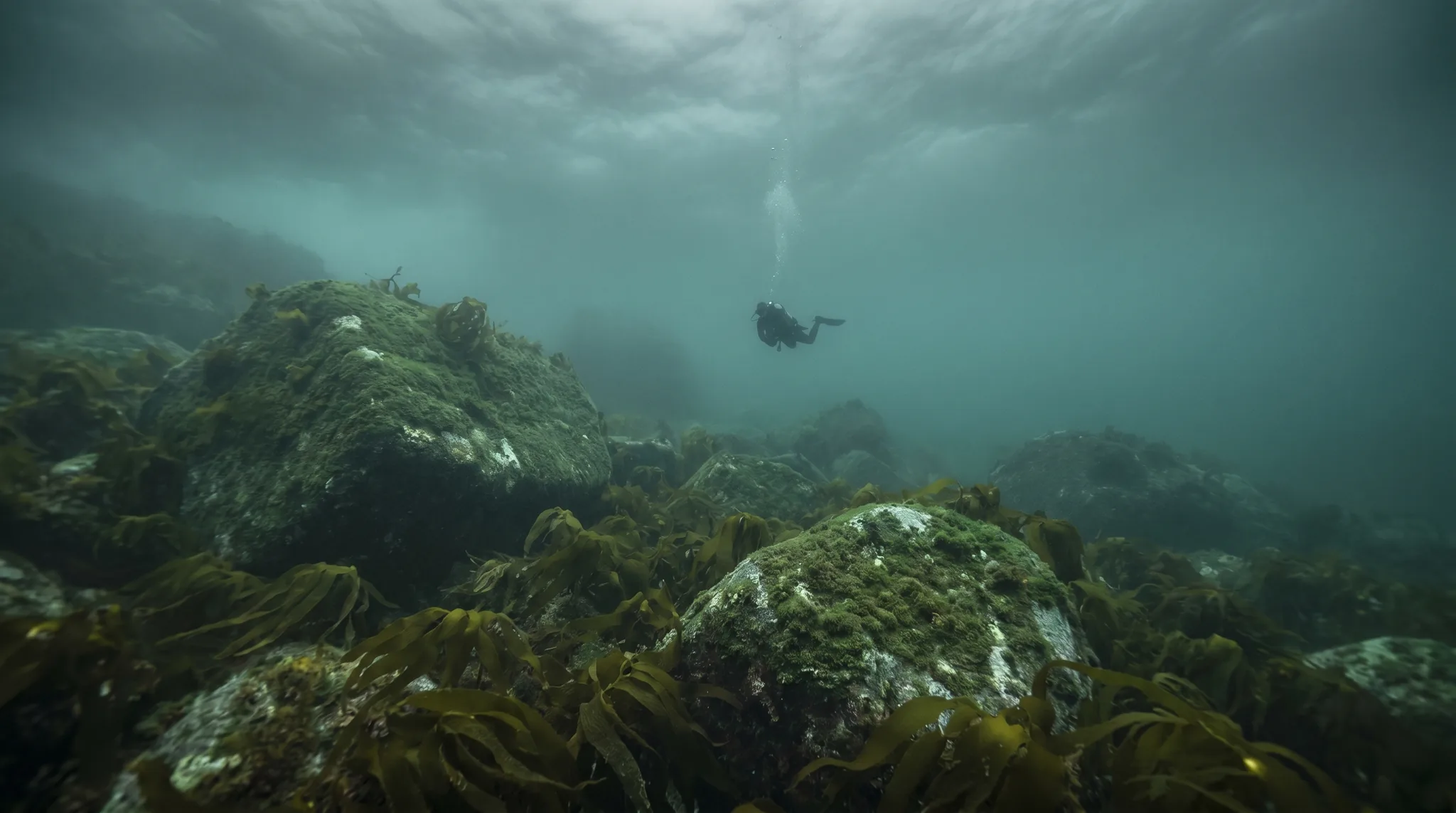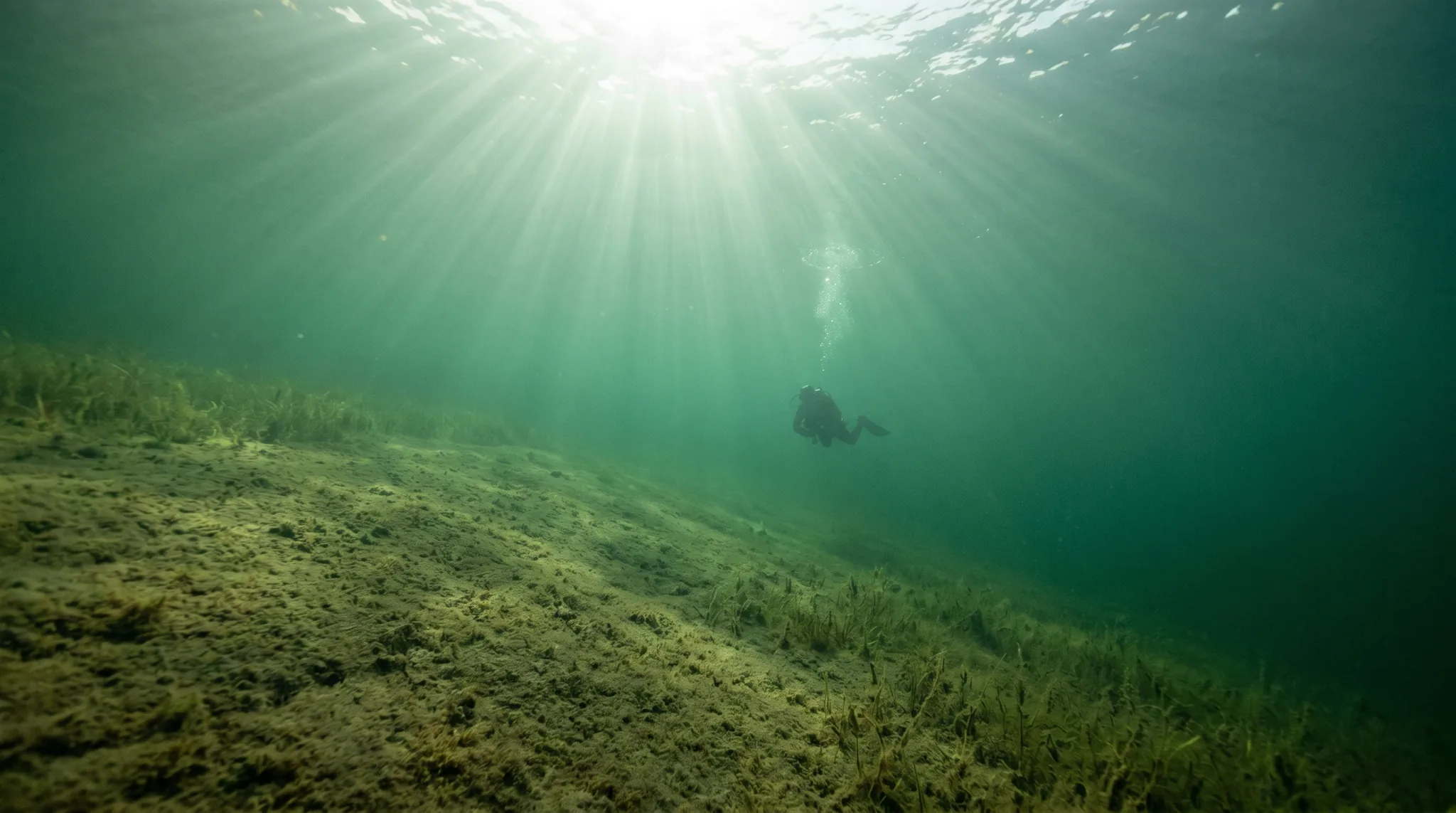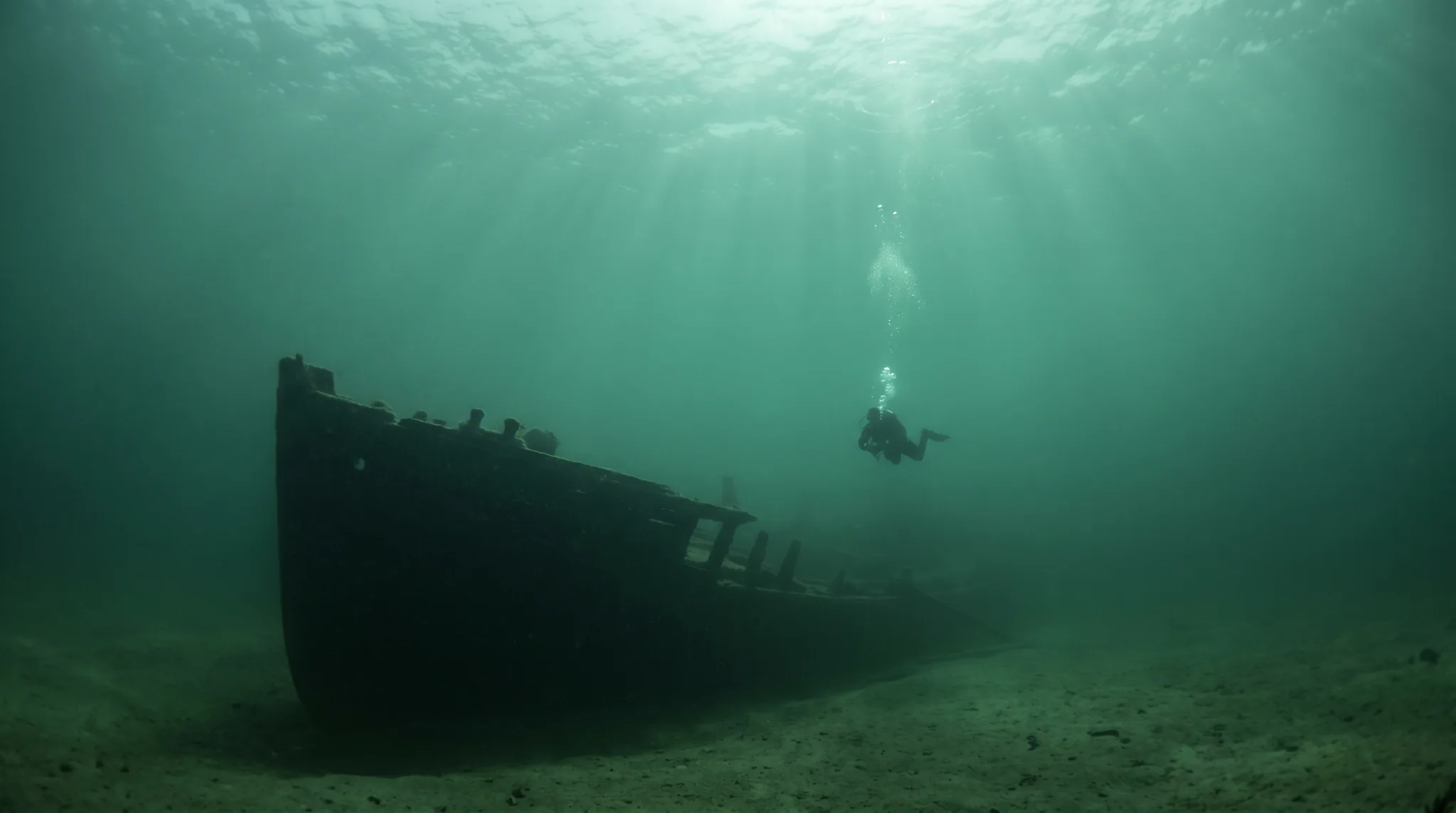
Best for beginner divers, 1-2m, shore entry.
Woahink Lake is a freshwater dive site in the United States featuring an artificial reef in shallow water. Depths typically range from 1 to 2 metres, making the site suitable for beginner divers practising buoyancy or navigation skills. Visibility is variable, ranging from 0 to 6 metres. Water temperatures remain between 10 and 13 degrees Celsius throughout the year, requiring appropriate thermal protection. Divers should be aware of boat traffic and potential entanglement hazards near the reef structure. Shore access is supported by comprehensive facilities, including parking, toilets, showers, changing rooms, and a rinse station. Divers are advised to use a surface marker buoy to maintain visibility to boaters.
43.90342, -124.11458
The site has good facilities on shore including parking, toilets, showers, changing rooms, and a rinse station, so there is no need to pack light. Stay aware of boat traffic near your entry and exit point, and consider towing a surface marker buoy to stay visible.
Access info coming soon
Recorded at this site
Depth
Up to 2m
Visibility
0-6m
Skill Level
Beginner
Entry
Shore
Water Temp
10-13°C
Current
None
Typical Dive
30 min
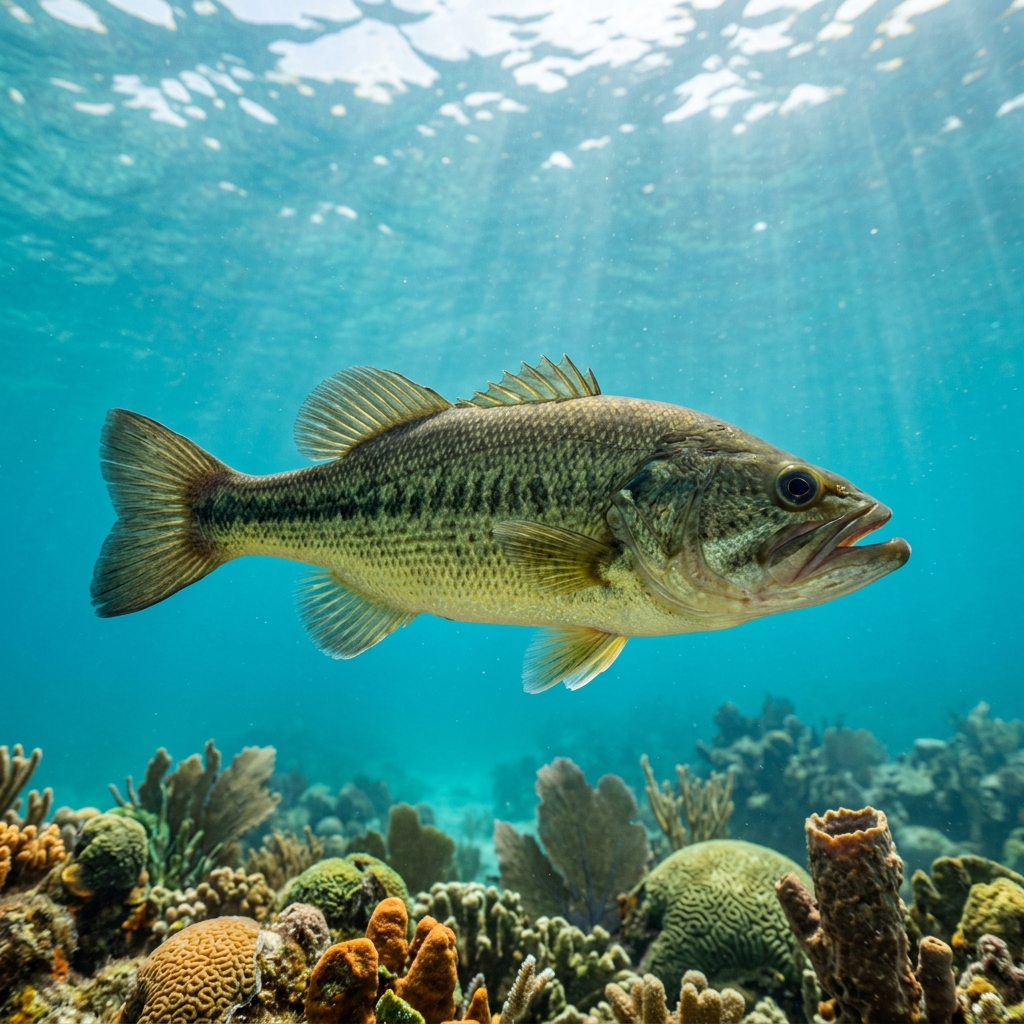
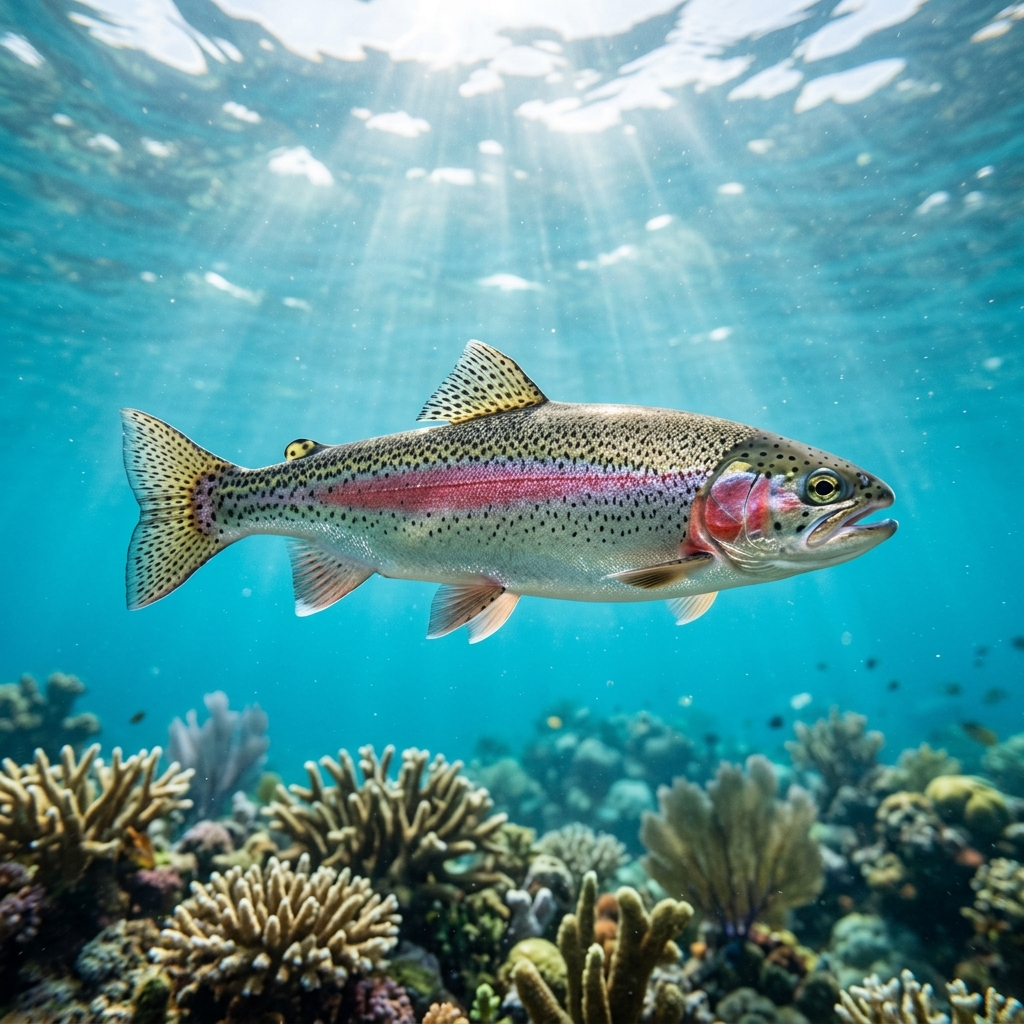
Species recorded around this area include harbour seals, crabs, rock crabs, snails, bluegill, and smallmouth bass.
Yes, the shallow depths of 1 to 2 metres and lack of current make this site well suited to newly certified open water divers.
The artificial reef is located in very shallow water, with depths typically between 1 and 2 metres.
Access to the water is via the shore.
Divers must watch for boat traffic and potential entanglement hazards when moving through the artificial reef structure.
Diving at Woahink Lake in Woahink Lake requires the following certifications: Open Water. Always dive within your training limits.
A drysuit recommended is recommended for diving at Woahink Lake in Woahink Lake. Water temperatures range from 10°C to 13°C.
Visibility at Woahink Lake in Woahink Lake can reach up to 6 metres. Conditions vary with weather, tides, and seasons.