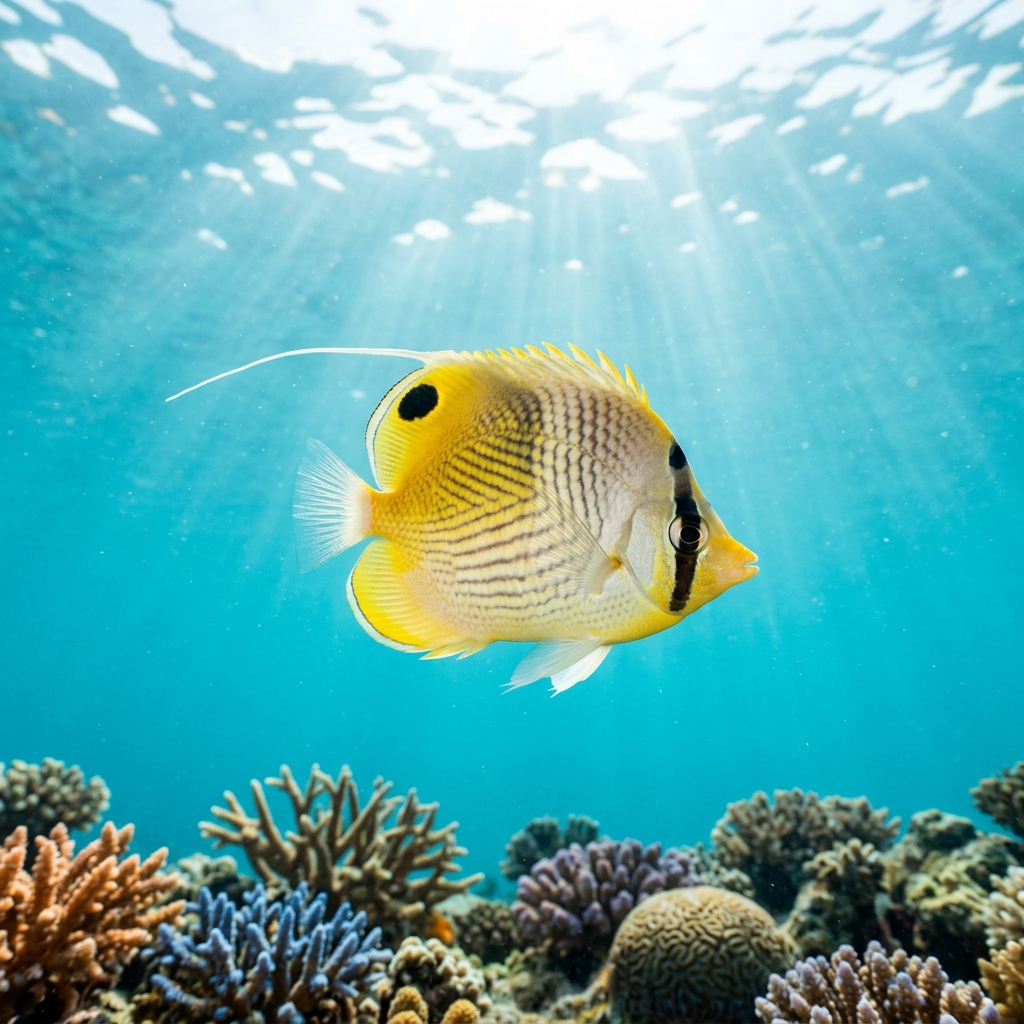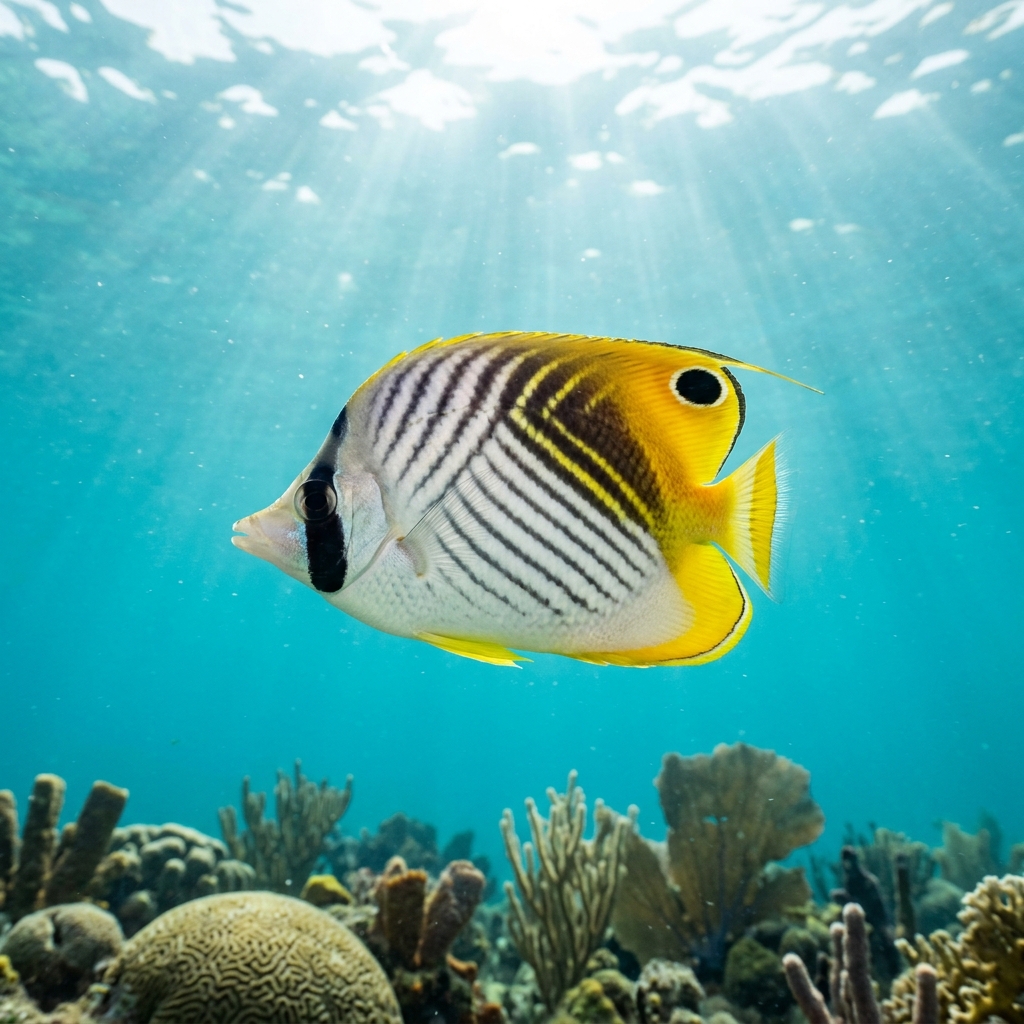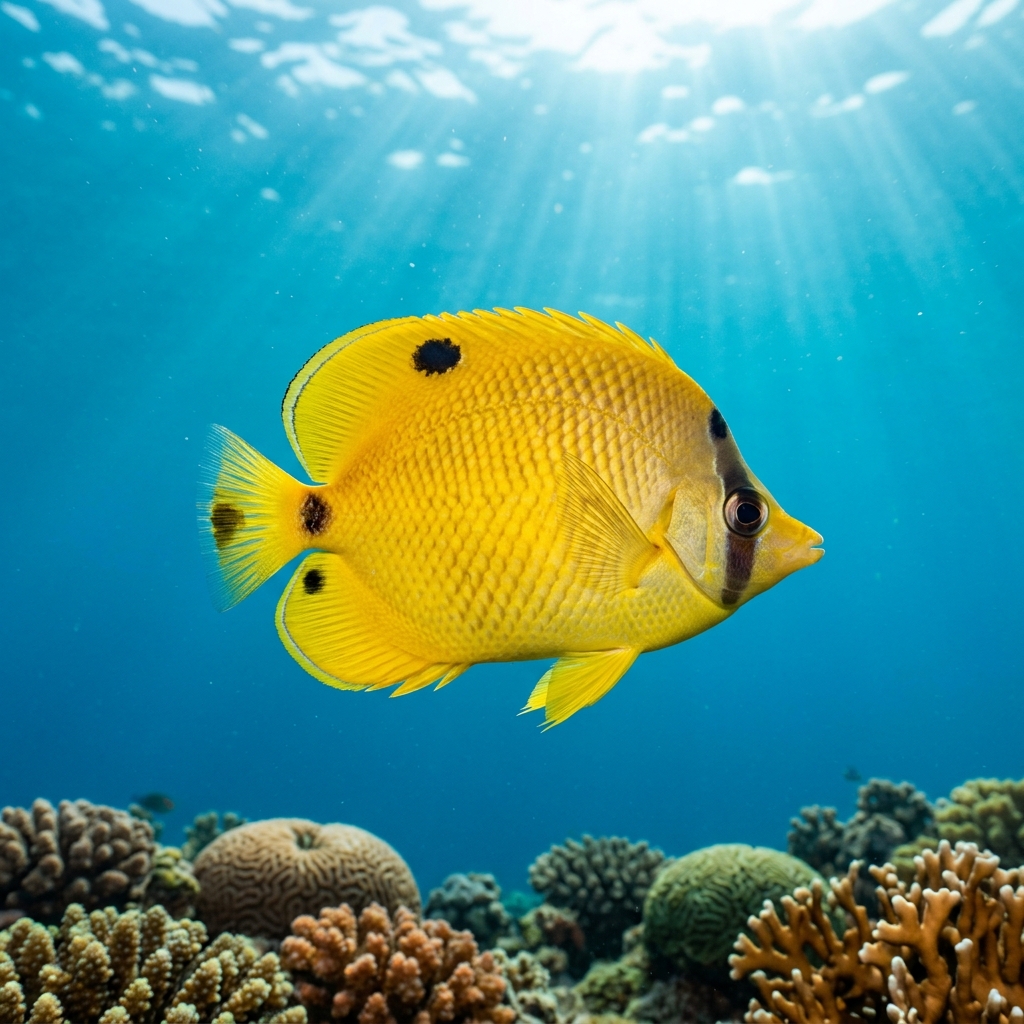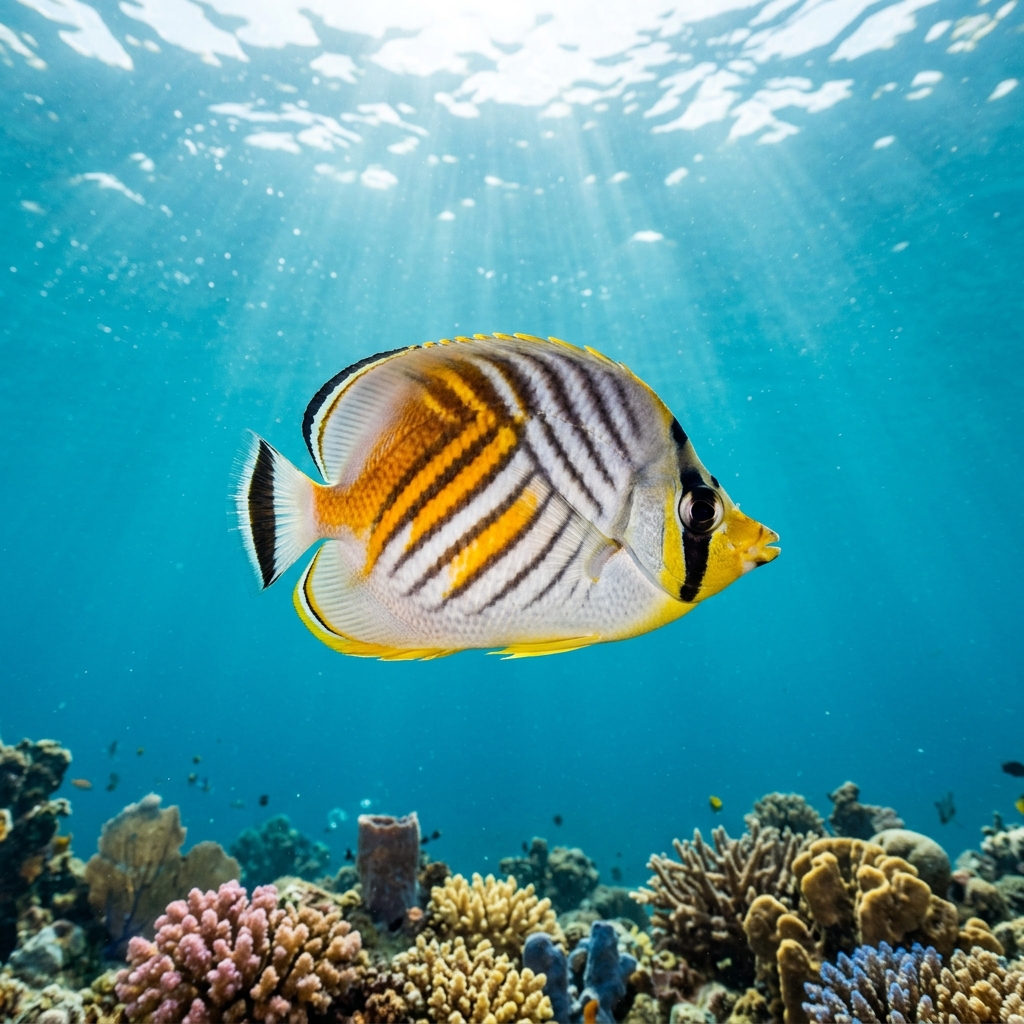
Chaetodon ornatissimus
Spot the Ornate Butterflyfish in Hawaii, French Polynesia, and Sulawesi. Diagonal orange stripes make it one of the reef's most striking butterflyfish.
Six diagonal orange stripes sweep across a white body, angled forward on the upper half and backward on the lower half, creating a chevron-like effect that no other butterflyfish quite matches. A black bar runs through the eye and is edged in yellow, while the tail fin carries a broad orange band at its tip. In the water it appears medium-sized, disc-shaped, and flat-bodied, swimming with the unhurried, tilting motion typical of butterflyfish. Juveniles carry a large black ocellus (eye-spot) near the tail that fades as they mature.
Usually encountered in pairs or small groups, picking at coral branches with their slender snouts to feed on coral polyps and small invertebrates. They tend to stay close to the reef structure, often hovering around branching hard corals, and will calmly hold their position or move away slowly when a diver approaches rather than bolting. Morning dives often yield more active foraging behaviour before midday.
Ornate butterflyfish are obligate corallivores, meaning they feed almost exclusively on live coral polyps. Their presence on a reef is therefore used by scientists as an indicator of reef health, since they cannot thrive where coral cover has collapsed.
In Northern Hemisphere destinations like Hawaii and Japan it is present year-round with no concentrated season, consistent with its comfort in water temperatures of around 24 to 29°C. In Southern Hemisphere sites, sightings concentrate between April and January, so that window is the most productive time to look in places like French Polynesia and Australia.
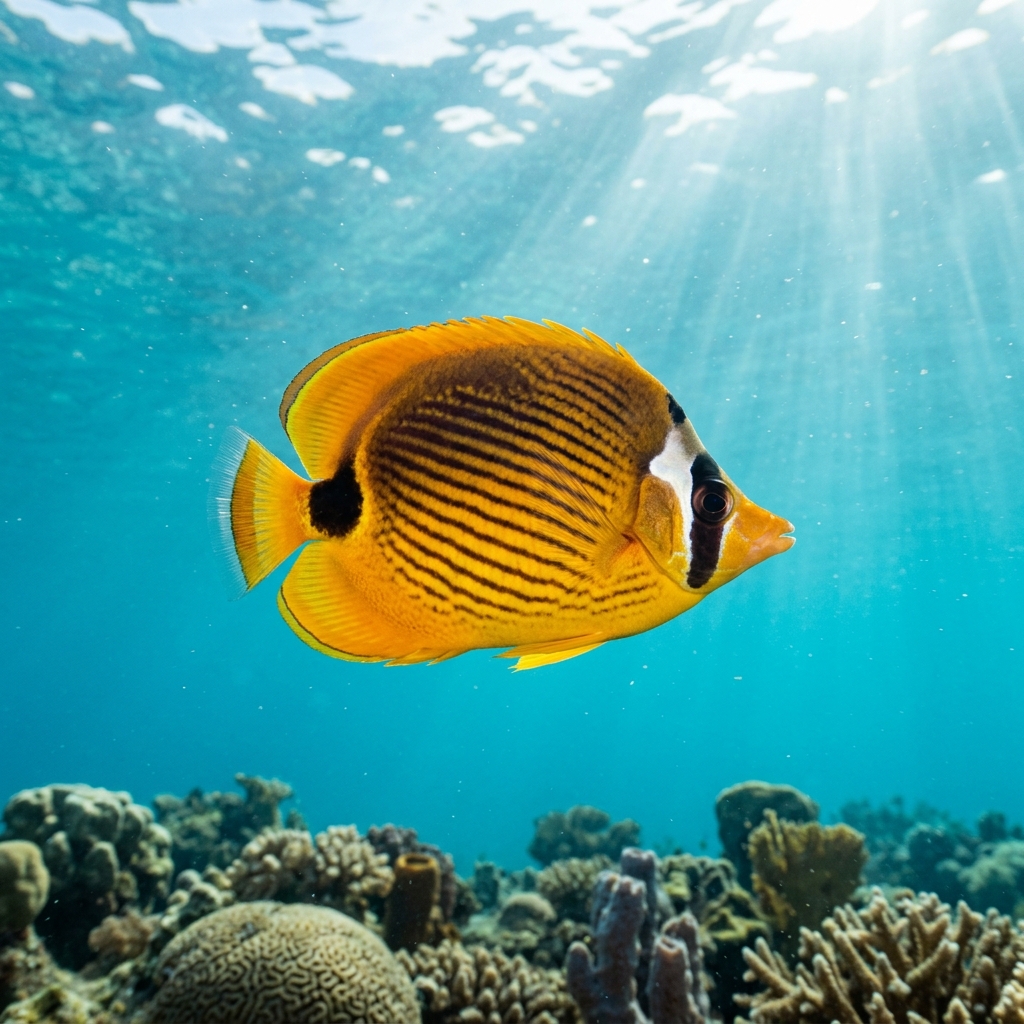
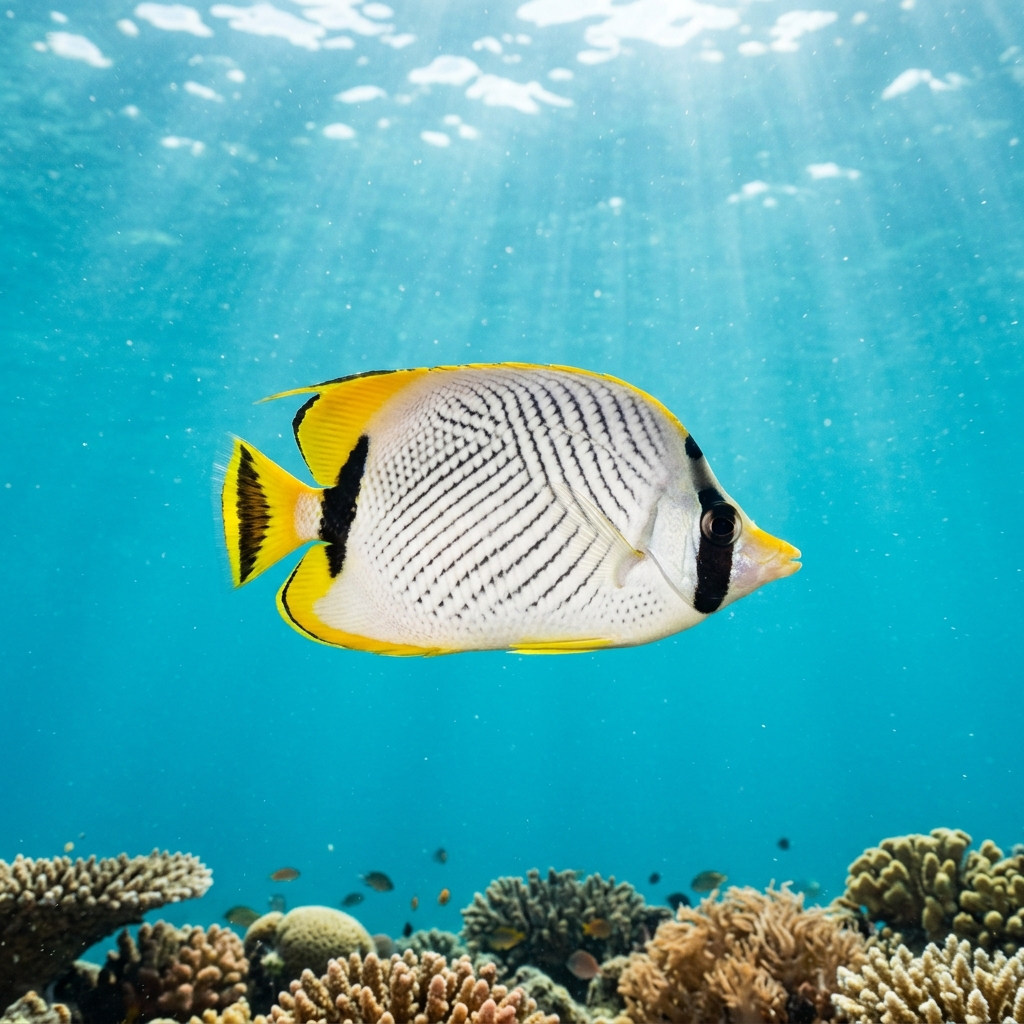
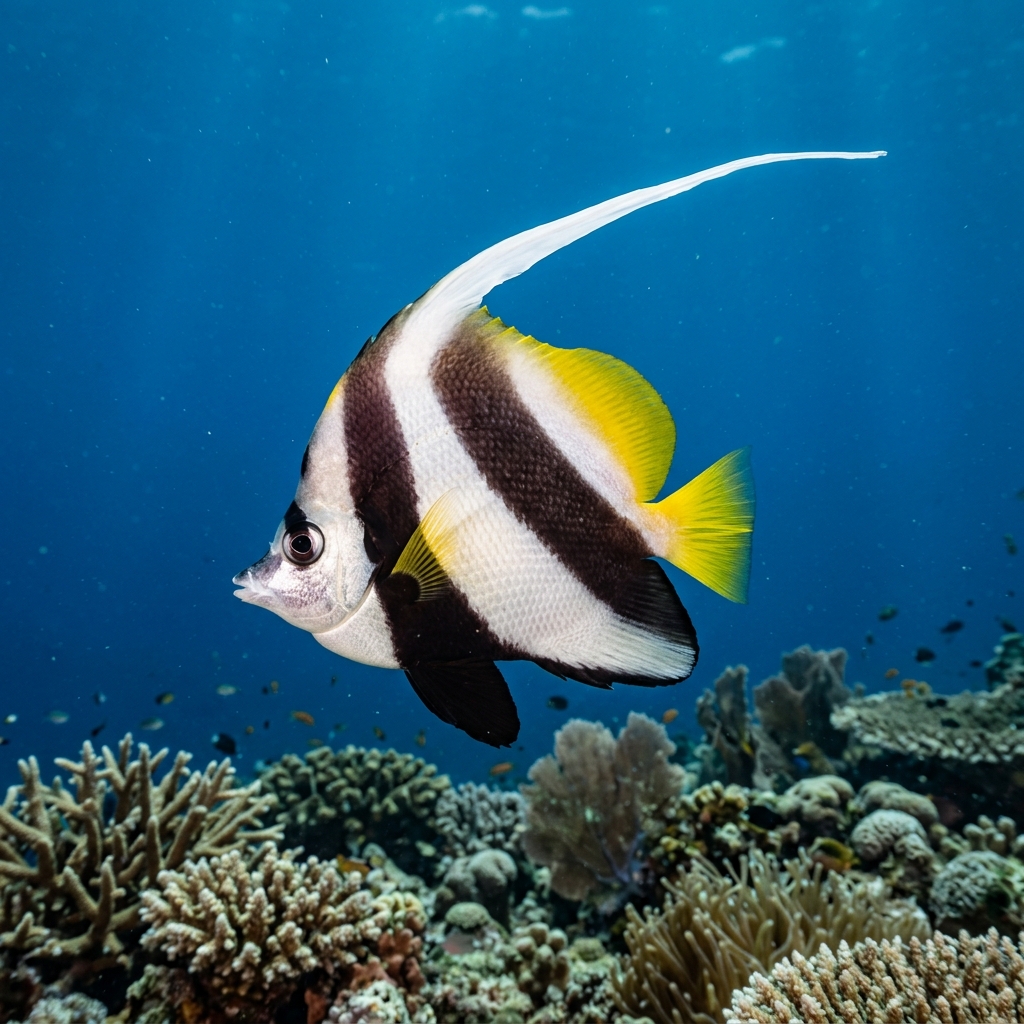
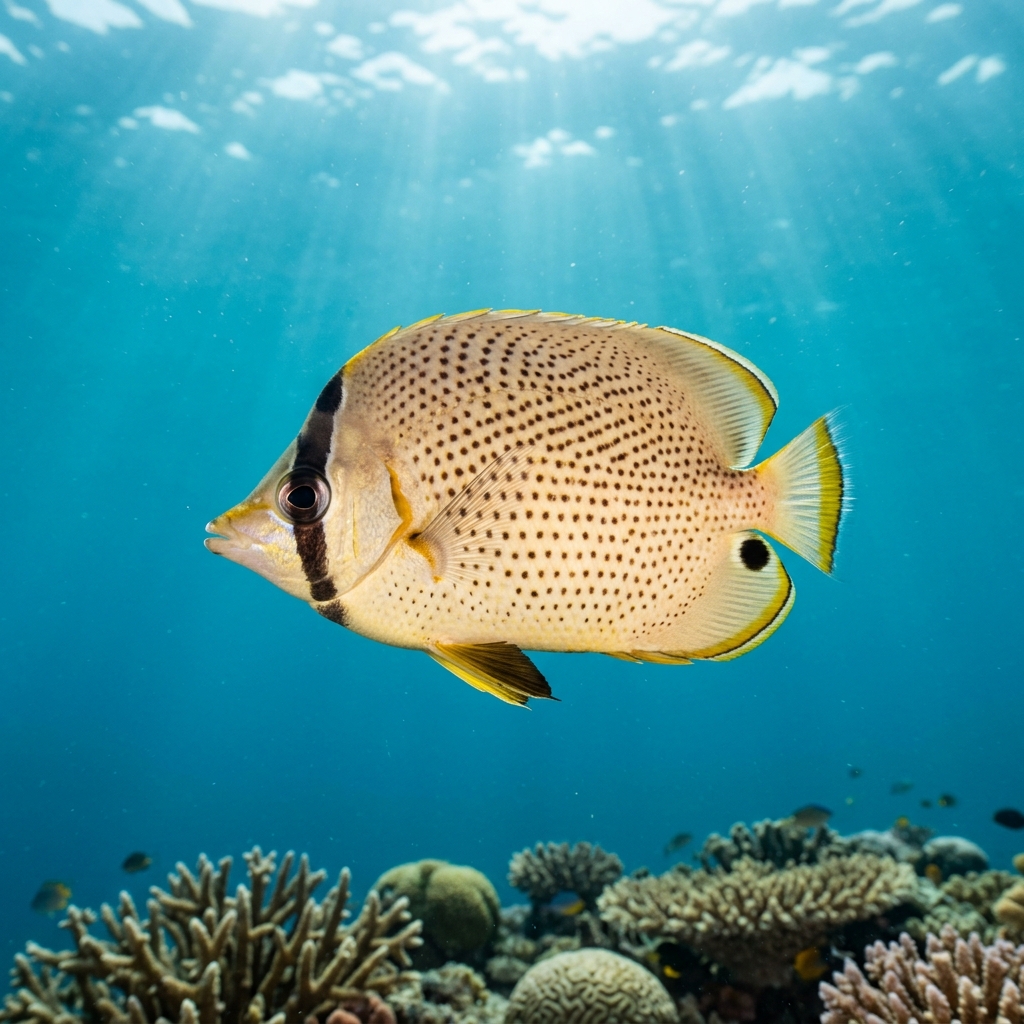
Reef neighbours a diver could mistake it for. Use the identification notes above to tell them apart.
Most commonly logged in Hawaii, French Polynesia, and Indonesia, with Hawaii and Tahiti together accounting for a large share of all recorded sightings. Strong populations are also documented in Sulawesi, the Society Islands, Palau's Rock Islands, and the Philippines, making the Indo-Pacific the reliable range for encountering this species.
Mapping where Ornate Butterflyfish is logged…
The best-recorded destinations are Hawaii, French Polynesia, and Indonesia, particularly Sulawesi and the Maluku region. Palau's Rock Islands, the Philippines, Malaysia, and Japan's Yaeyama Islands are also reliable locations. The species is spread across a wide Indo-Pacific range, so many tropical reef destinations offer a chance of a sighting.
In Hawaii and other Northern Hemisphere sites it can be found year-round. If you are diving in Southern Hemisphere locations such as French Polynesia or Australia, plan your trip between April and January when sightings are most concentrated.
Look for six bold diagonal orange stripes crossing a white body in a chevron pattern, angled in opposite directions above and below the lateral midline. An eye bar edged in yellow and an orange-banded tail fin confirm the ID. No other common butterflyfish carries this precise combination of angled stripes.
It is classed as uncommon at most sites where it is recorded, with a smaller proportion of sites rating it common or rare. You are more likely to spot one in Hawaii or Tahiti, where diver sightings are most frequent, but even there a sighting is never guaranteed on any single dive.
No, they are currently listed as Least Concern on the IUCN Red List. However, as obligate corallivores that depend entirely on live coral for food, they are vulnerable to reef degradation caused by bleaching and other pressures, which makes coral conservation directly relevant to their long-term wellbeing.
Site and sighting data is aggregated from diver logs, iNaturalist and GBIF. For taxonomy and conservation status: