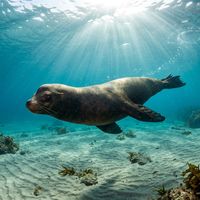
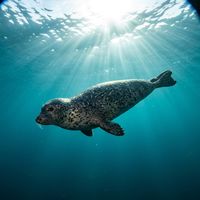
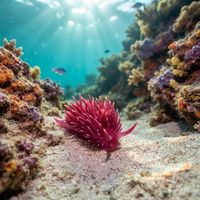
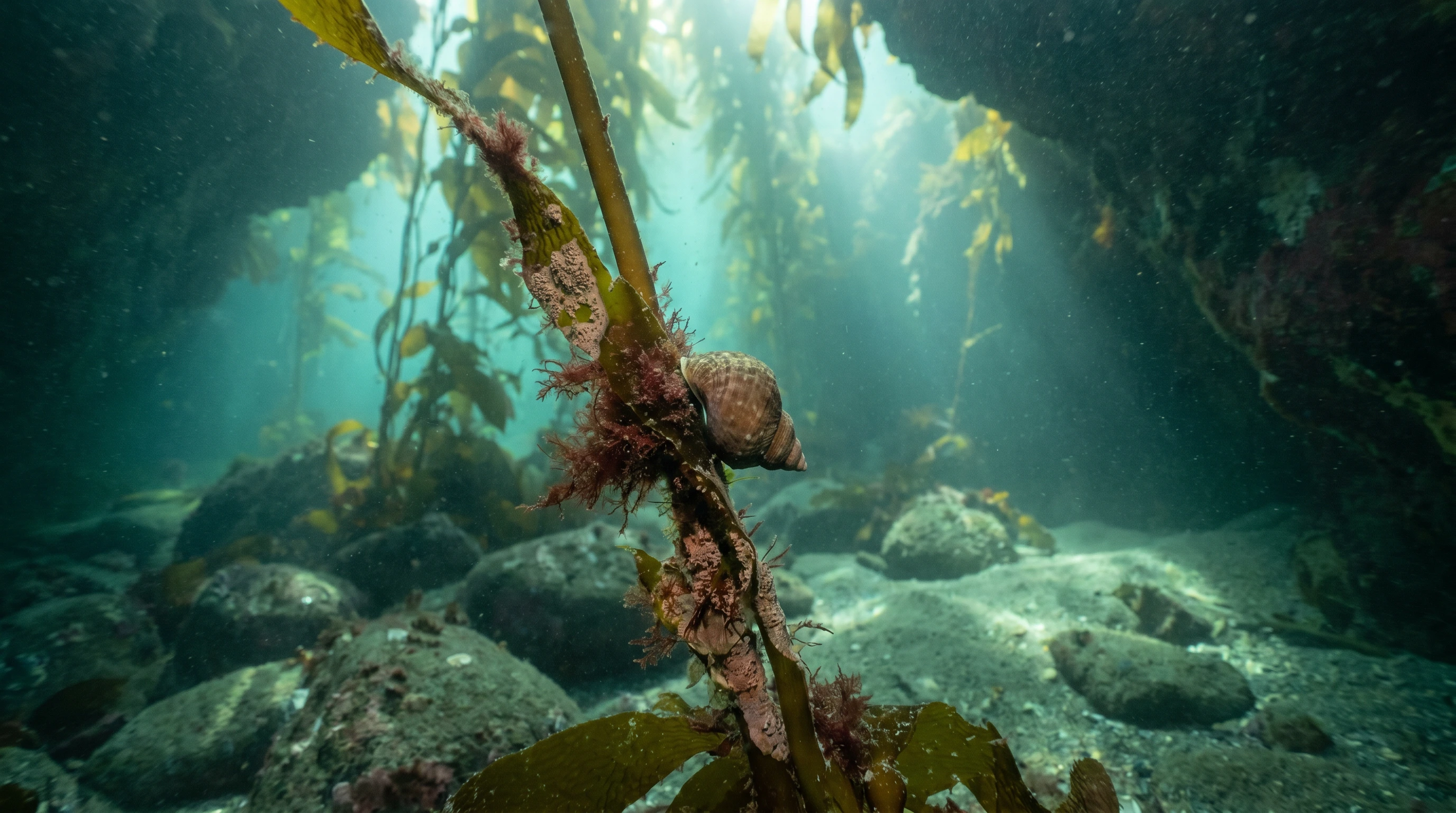
Monterey Bay is defined by dense kelp forest diving across three distinct sub-areas: Monterey, Carmel and Point Lobos, and Morro Bay. Shore access dominates, with many sites suitable for beginners, while boat-access pinnacles and drop-offs serve advanced divers. The marine life is built around nudibranchs, with Hermissenda, Clown Dorid, and Monterey Dorid observed widely. California Sea Lion and Harbor Seal encounters are frequent. Late summer through November brings the best conditions.
3 areas
Monthly water temperature across Monterey Bay's sites, from satellite sea-surface data corrected for depth. The band shows the site-to-site spread.
Water temperature stays remarkably stable year-round, remaining cool across every month, so thermal protection is always necessary. Visibility varies considerably by season and site, with late summer and autumn generally delivering the clearest water and the highest diver satisfaction according to the best-months data. Exposed sites around Carmel and Point Lobos can carry surge and current, while sheltered Monterey coves offer calmer conditions for less experienced divers.
15 operators
Monterey, United States
United States
United States
Seaside, United States
25 more sites to explore
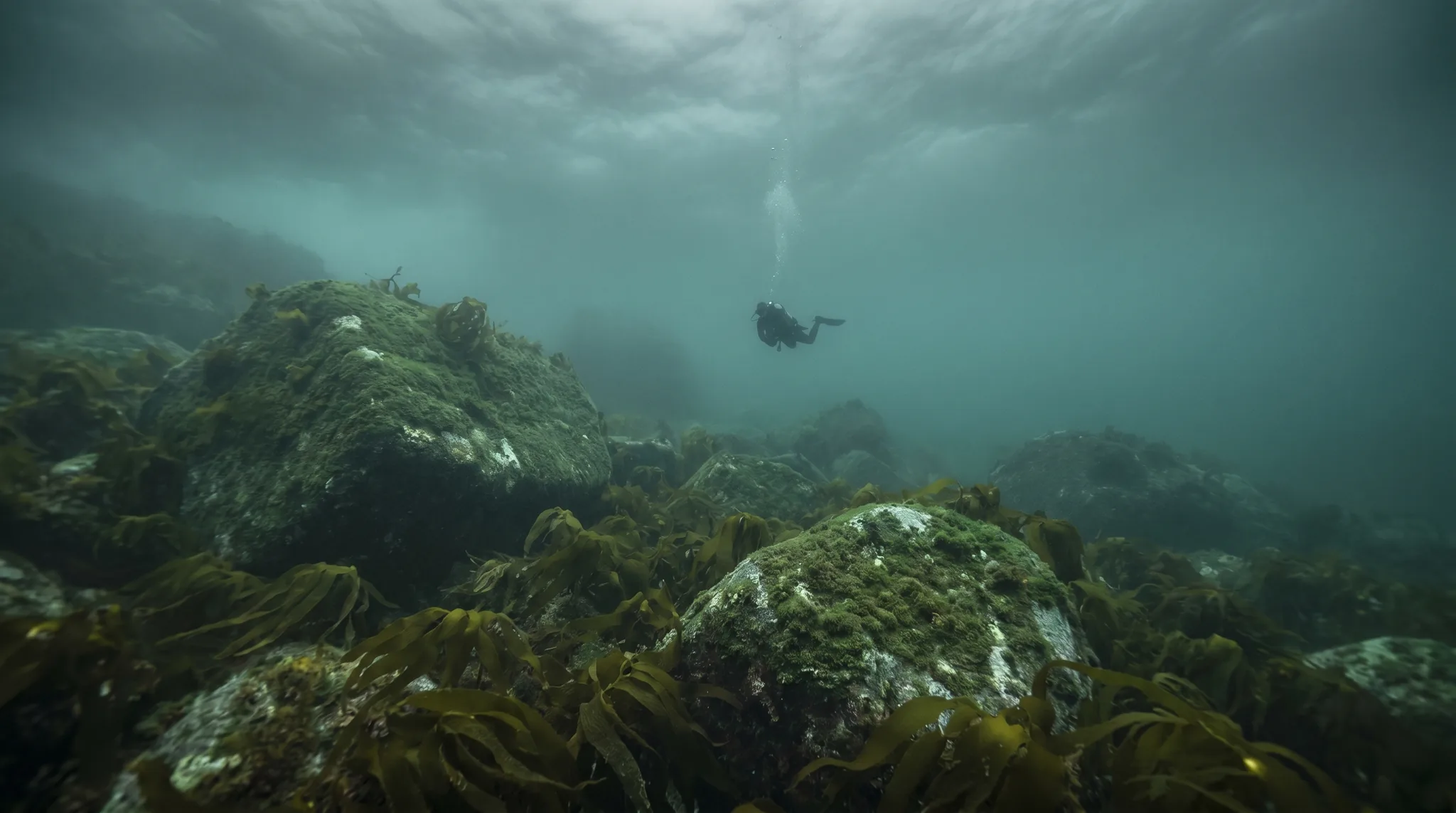
Kelp-forest diving with outstanding nudibranch diversity, playful sea lions, and accessible shore entries for all levels.
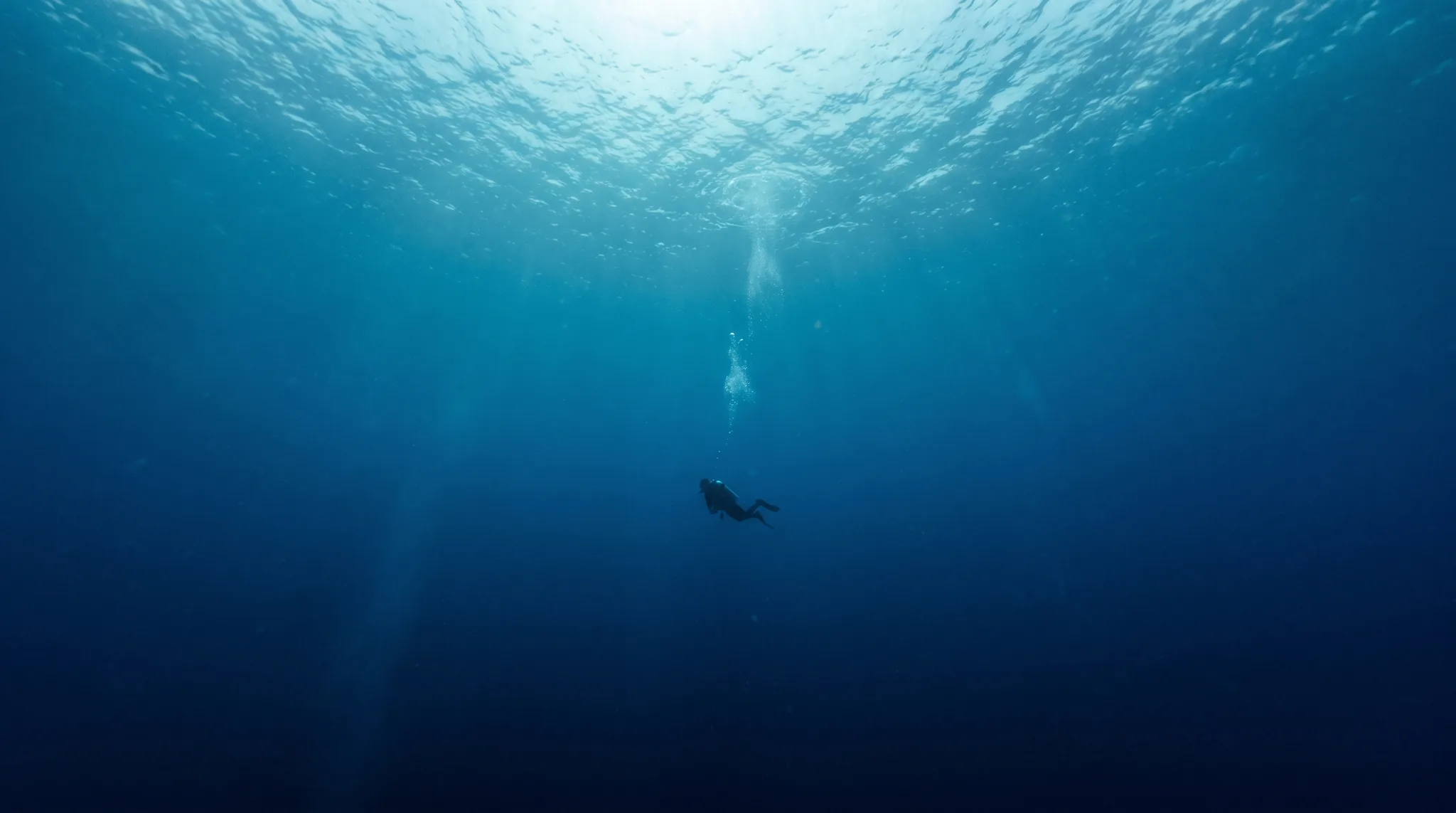
Water temperature around Monterey Bay ranges from about 11°C in April to 13°C in January, based on satellite sea-temperature data for its dive sites.
In the warm season (about 13°C) a 7mm or semi-dry suit is comfortable in Monterey Bay; in the coldest months (about 11°C) step up to a drysuit.
Fin maps 37 sites in Monterey Bay (36 scuba diving sites and 5 snorkelling spots, with some suited to both), organised into 3 areas.
Across Monterey Bay's dive sites, September and November are most often reported as the best months to visit.
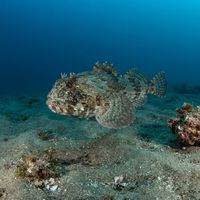
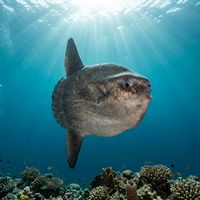
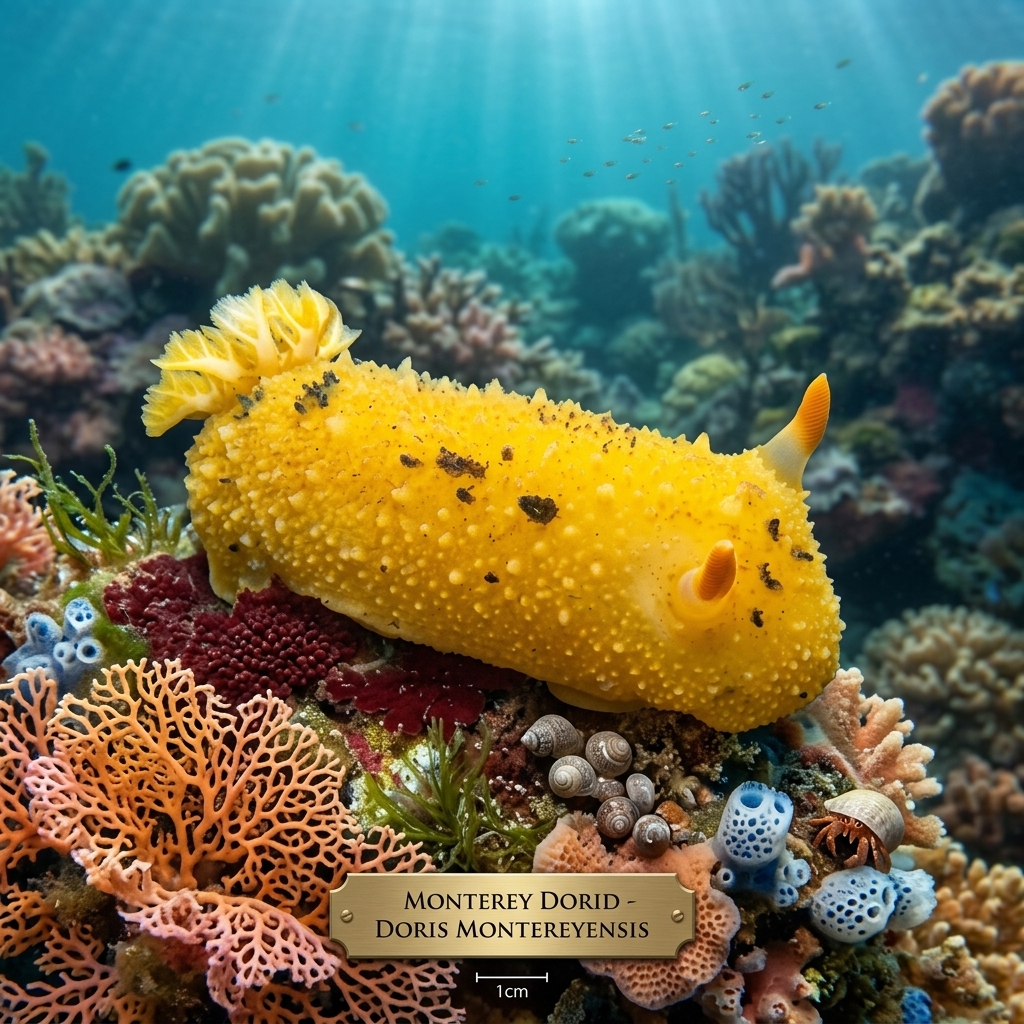
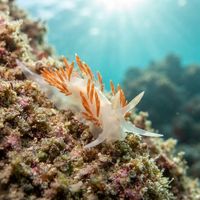
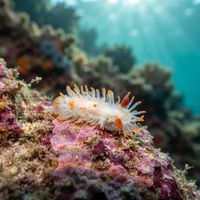
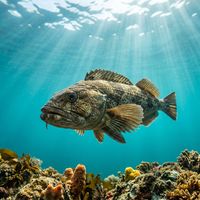
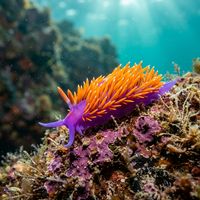
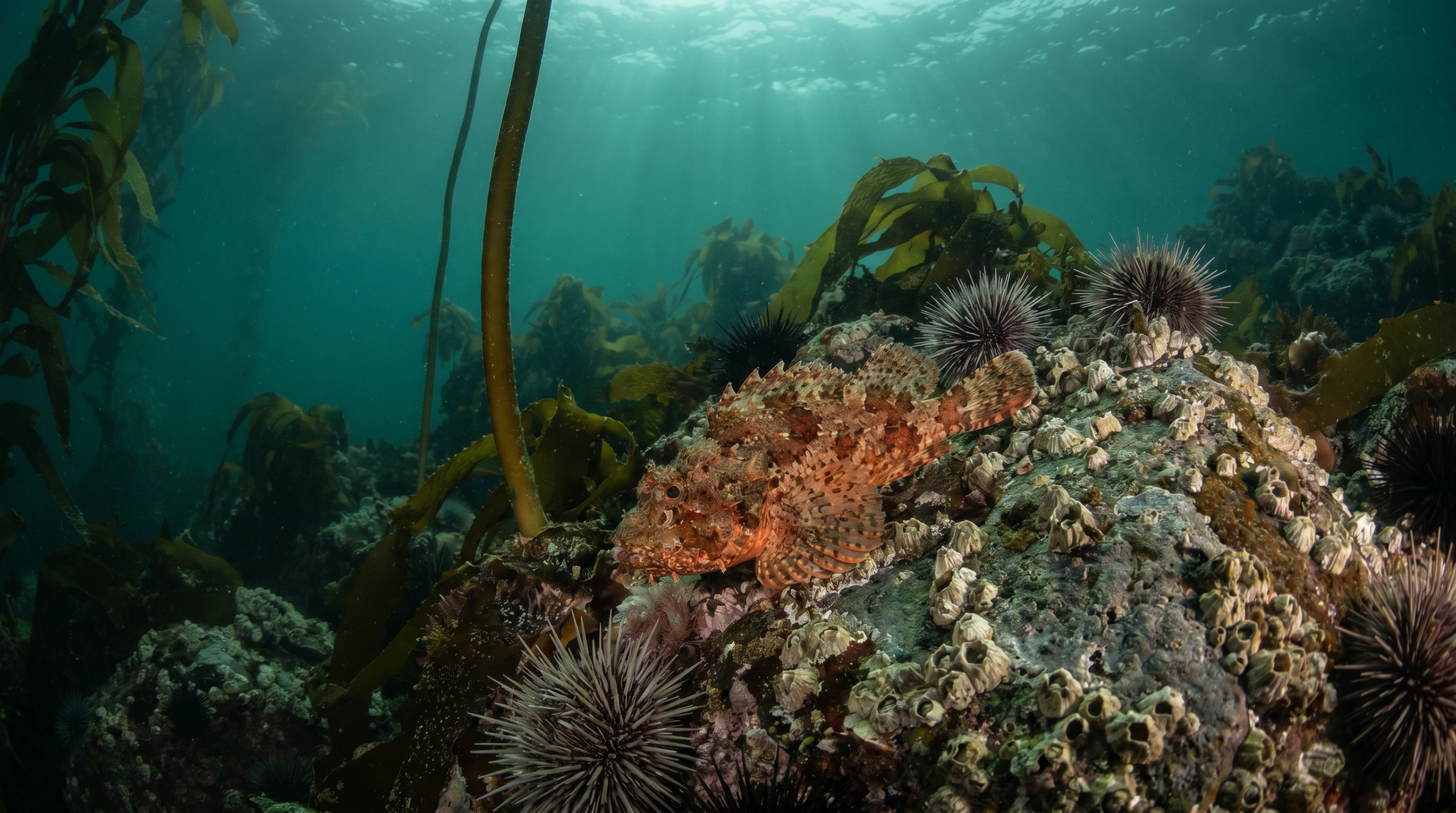
Nudibranchs are a highlight, with Hermissenda, Clown Dorid, Monterey Dorid, Cockerell's Nudibranch, and Spanish Shawl all observed regularly across sites. California Sea Lion and Harbor Seal encounters are very common throughout the region. Cabezon, Ling Cod, Blue Rockfish, and Kelp Rockfish represent the resident fish life, and the occasional Ocean Sunfish has been recorded by divers.
A large proportion of sites are rated beginner level, including Lovers Point, Otter Cove, San Carlos Beach, Mac Abee Beach, and Butterfly House. Most of these are shore-entry sites in sheltered coves with shallow reef and kelp forest terrain. Intermediate and advanced sites are also available for those looking to progress to deeper pinnacles and drop-offs.
Monterey itself has the highest concentration of sites, most of them shore-accessible and well-suited to all skill levels. Carmel and Point Lobos adds dramatic walls, pinnacles, and caves alongside the kelp forest, with sites like Point Lobos and Whalers Cove drawing intermediate divers. Morro Bay, the smallest sub-area, features bay-side reef and muck sites such as Target Rock alongside the deeper boat-access Buchon Reef.
Shore diving is the dominant format across the region, with the majority of sites accessed directly from beaches, coves, and the breakwater. Boat access is required for some of the deeper and more exposed sites, including Ballbuster and Buchon Reef. Operators such as Aquarius Dive Shop, Monterey Bay Scuba, and Bamboo Reef Scuba Diving Centers offer guided and charter options for those seeking boat-based diving.