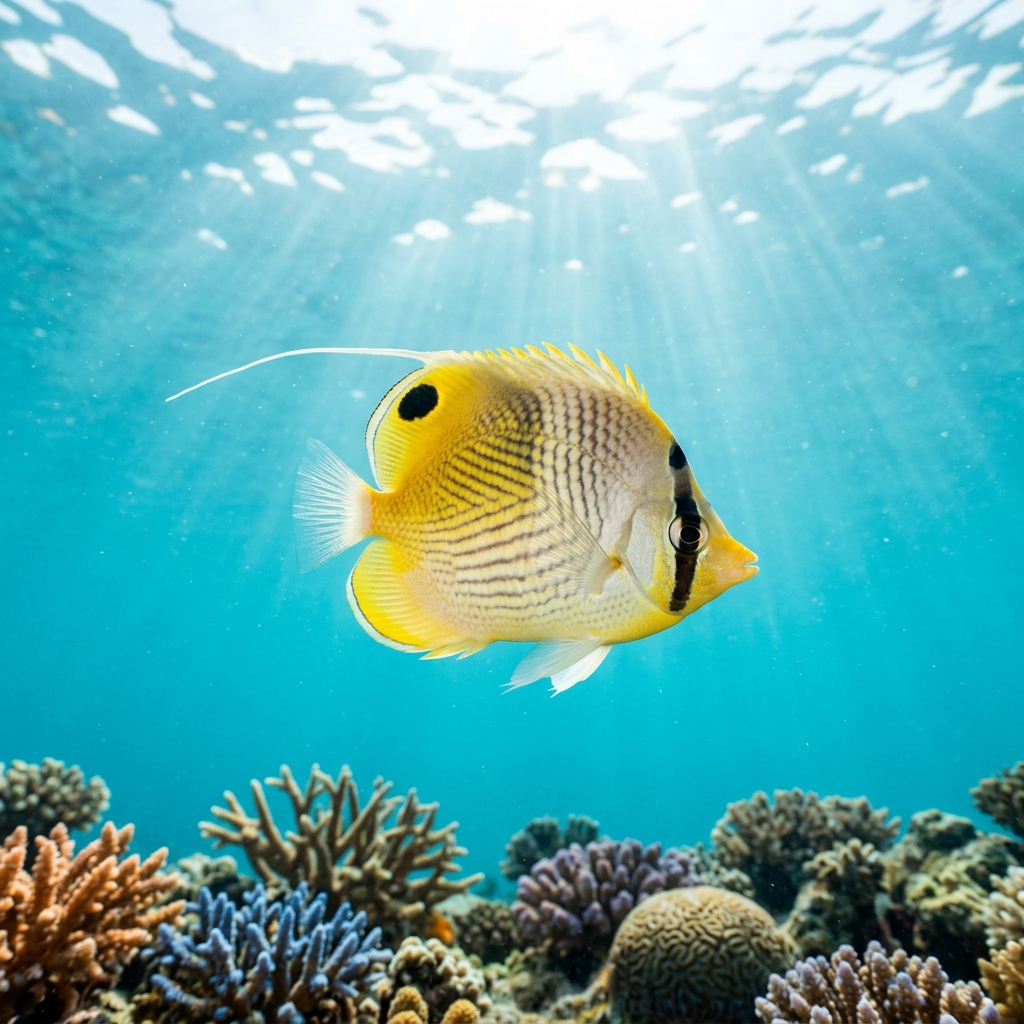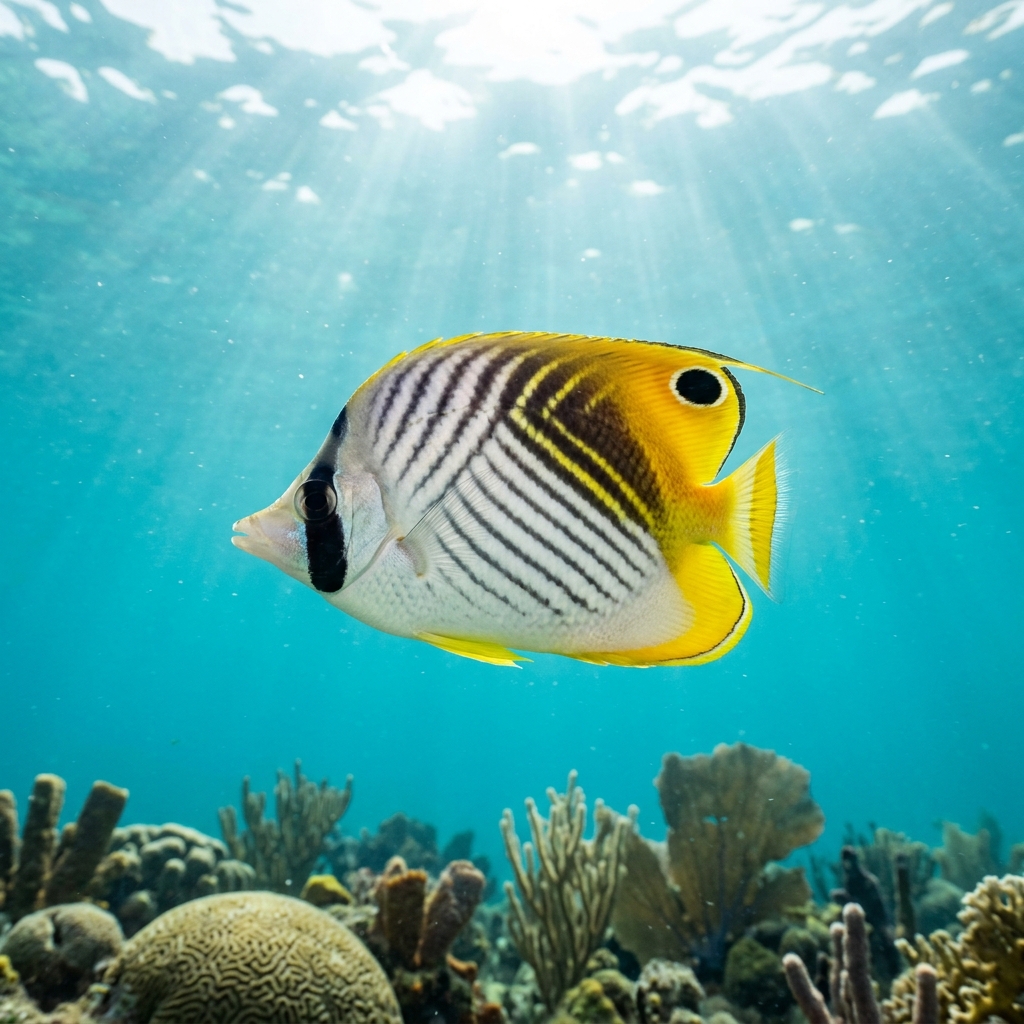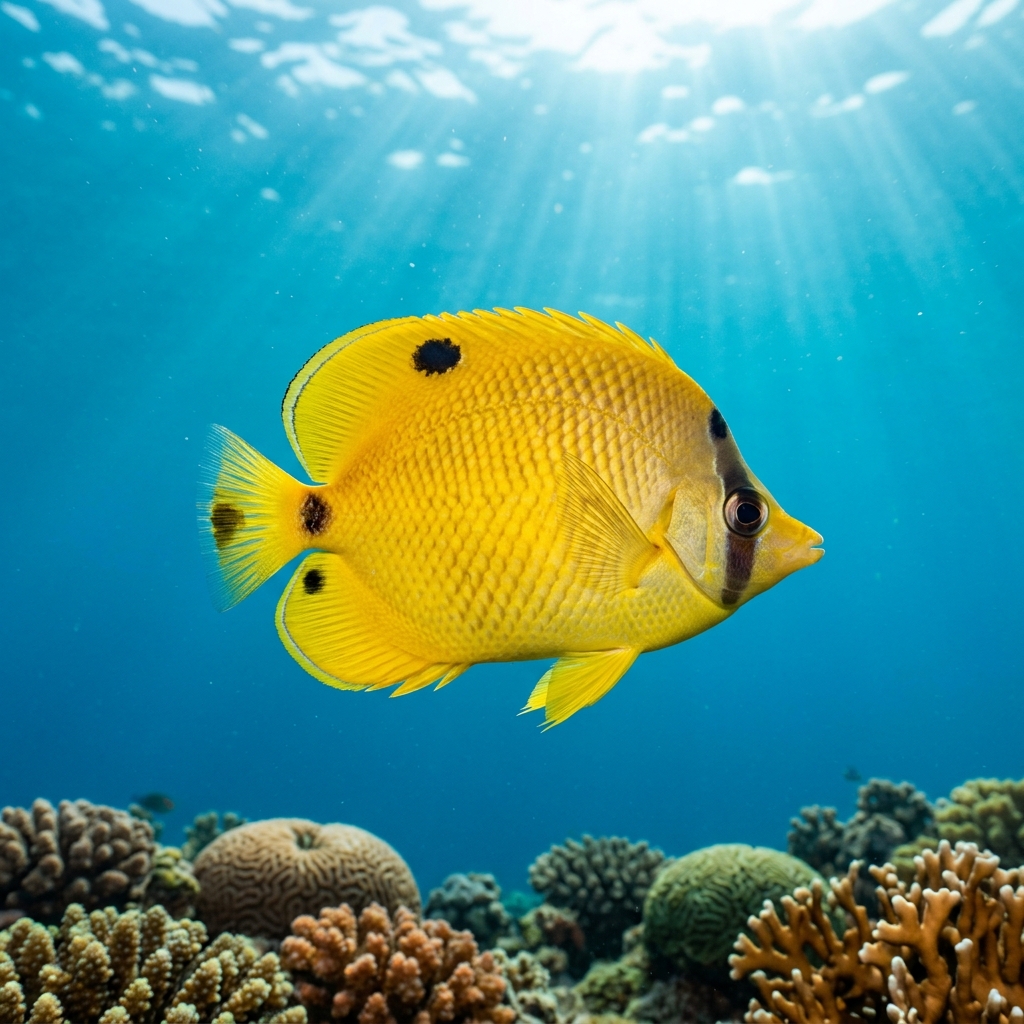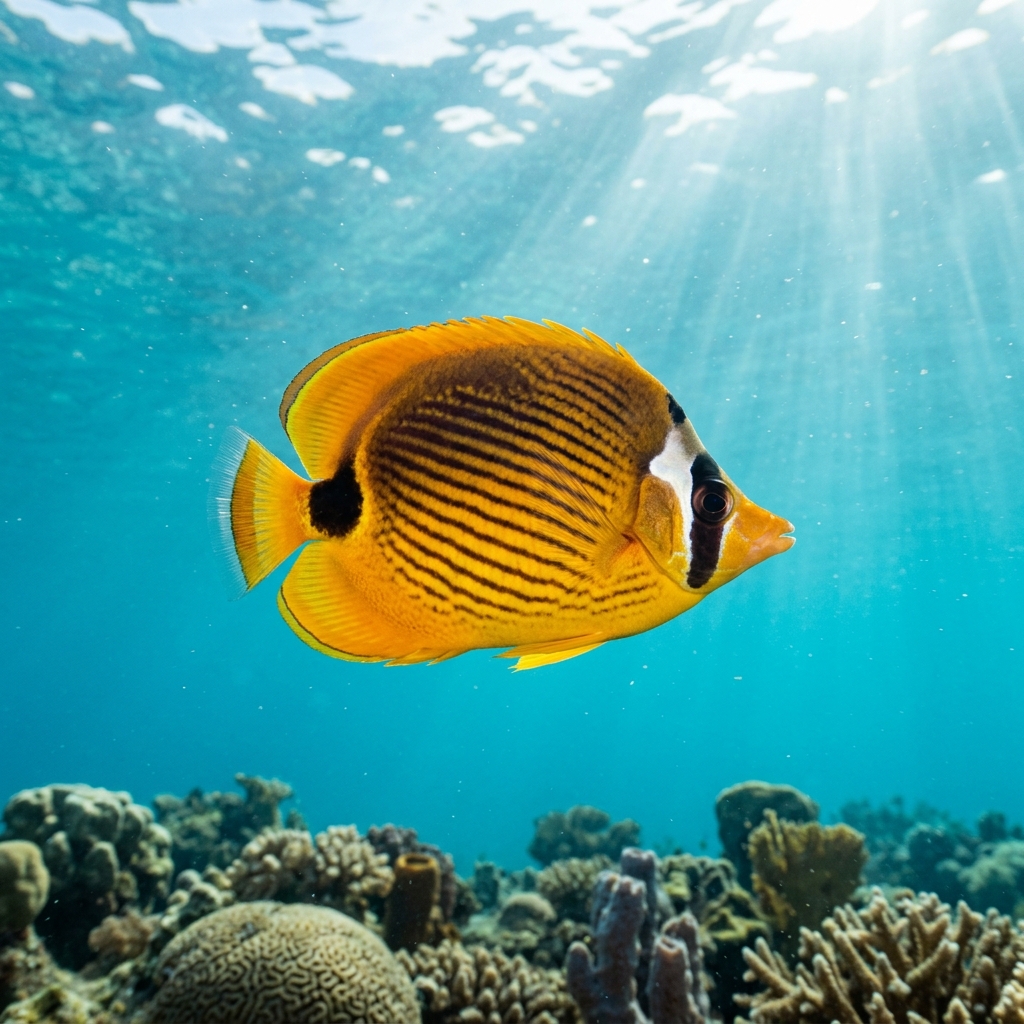
Chaetodon lunula
Spot the raccoon butterflyfish by its bold eye mask across Hawaii, the Maldives and French Polynesia. Best seen in warm 24-29 °C tropical waters.
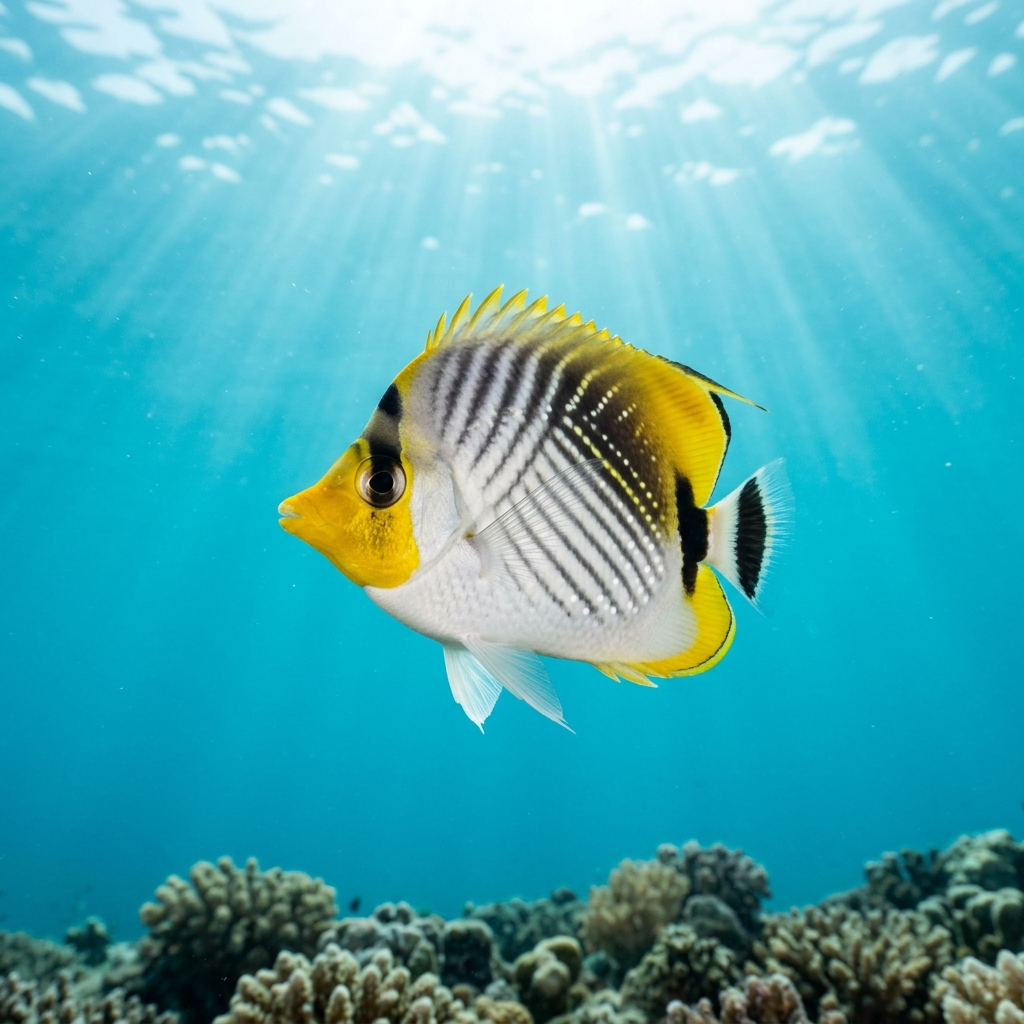
A disc-shaped, bright yellow body is the starting point, but the real giveaway is the bold black-and-white raccoon mask that sweeps across both eyes and up over the forehead. A black spot or wedge sits on the upper rear of the body, fading into orange-yellow toward the tail. At typical reef depths the contrasting mask is visible from several metres away, making this one of the more reliably identified butterflyfish in the Indo-Pacific.
Typically encountered in pairs or small loose groups moving methodically over hard coral and rubble, probing crevices with their pointed snouts for invertebrates and coral polyps. They tend to be curious rather than skittish, often continuing to feed as divers approach slowly, though they will drift away if crowded. Look for them in the shallower sections of the reef, from the crest down to mid-slope, and they are active during daylight hours.
Raccoon butterflyfish are one of the few butterflyfish species that actively feed at night, switching from daytime coral polyp grazing to hunting small benthic invertebrates after dark, making them an unusual find on a night dive.
Southern-hemisphere sites hold sightings across most of the year, concentrating from June through to April, so destinations like French Polynesia and the Maldives offer a very broad window. The species sits comfortably in water between 24 and 29 °C, which describes most Indo-Pacific tropical reefs year-round.
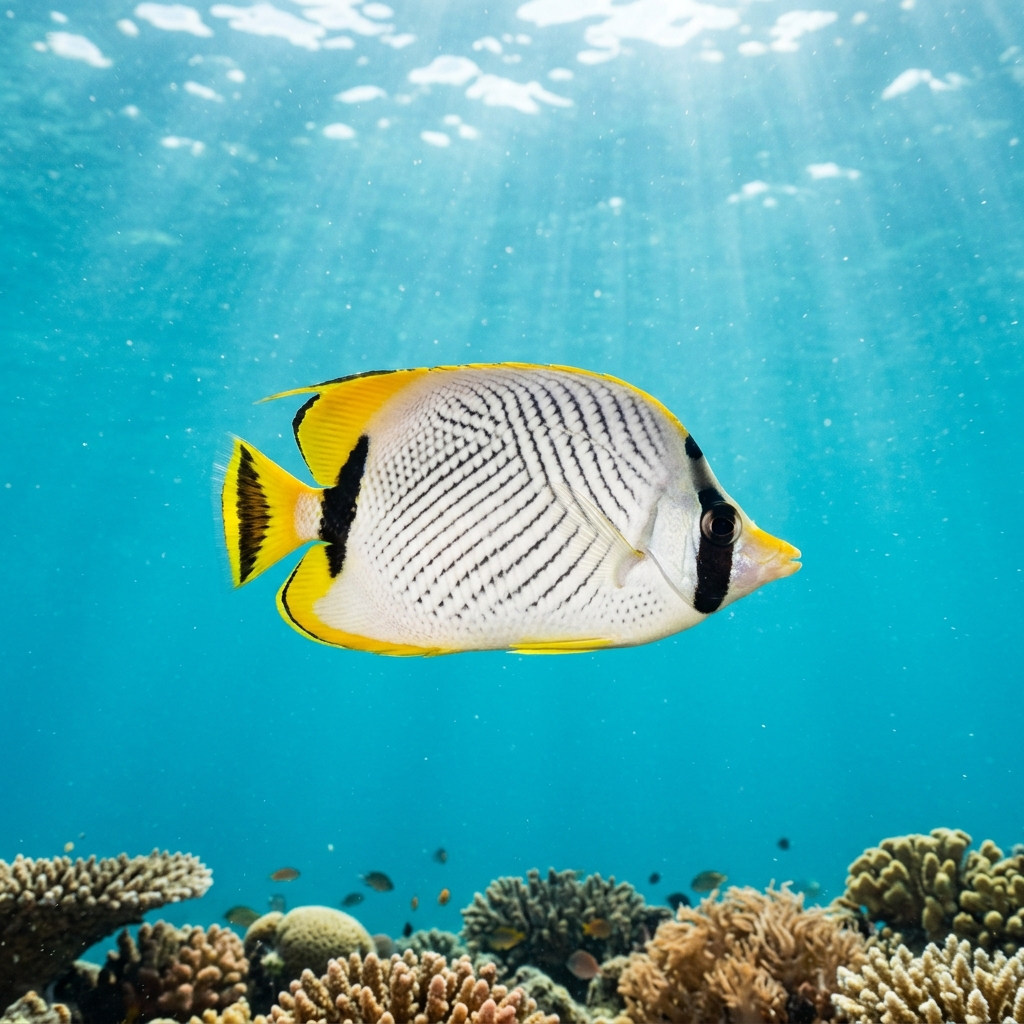
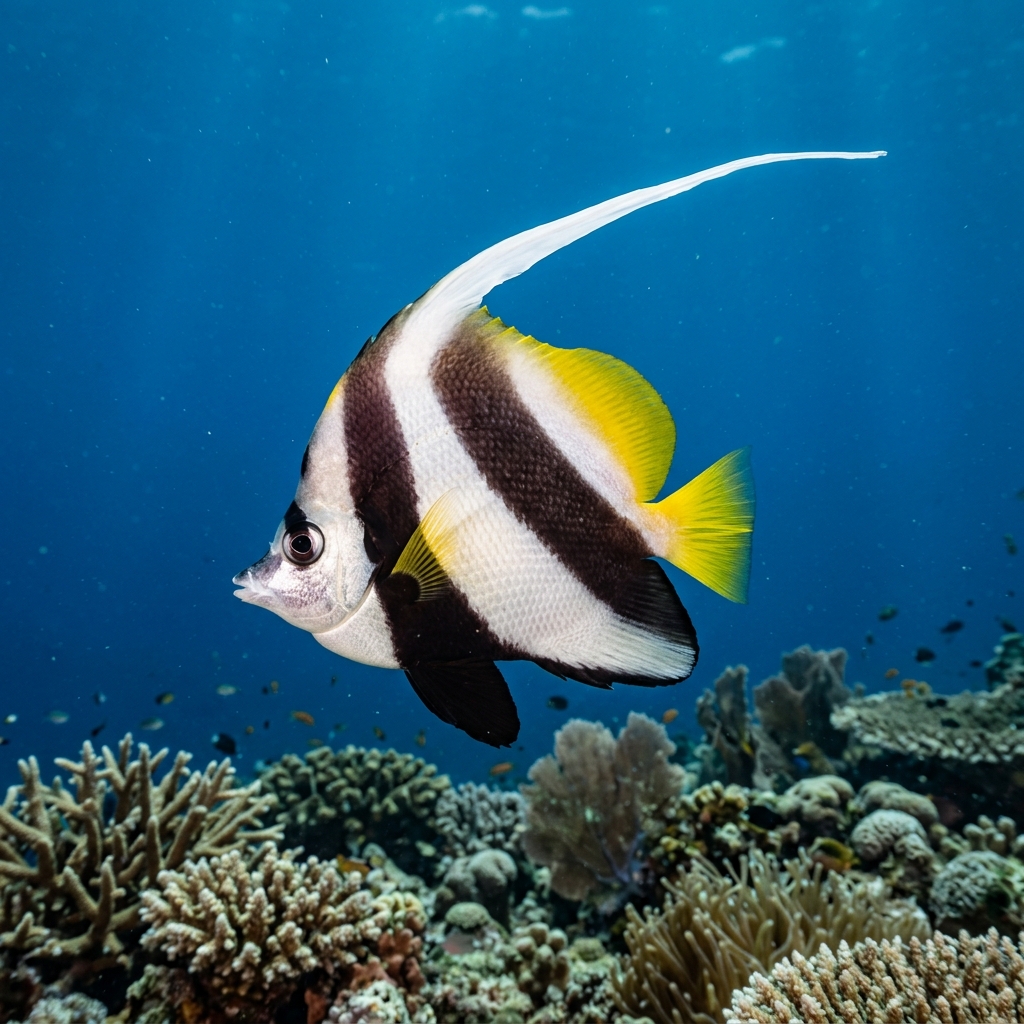
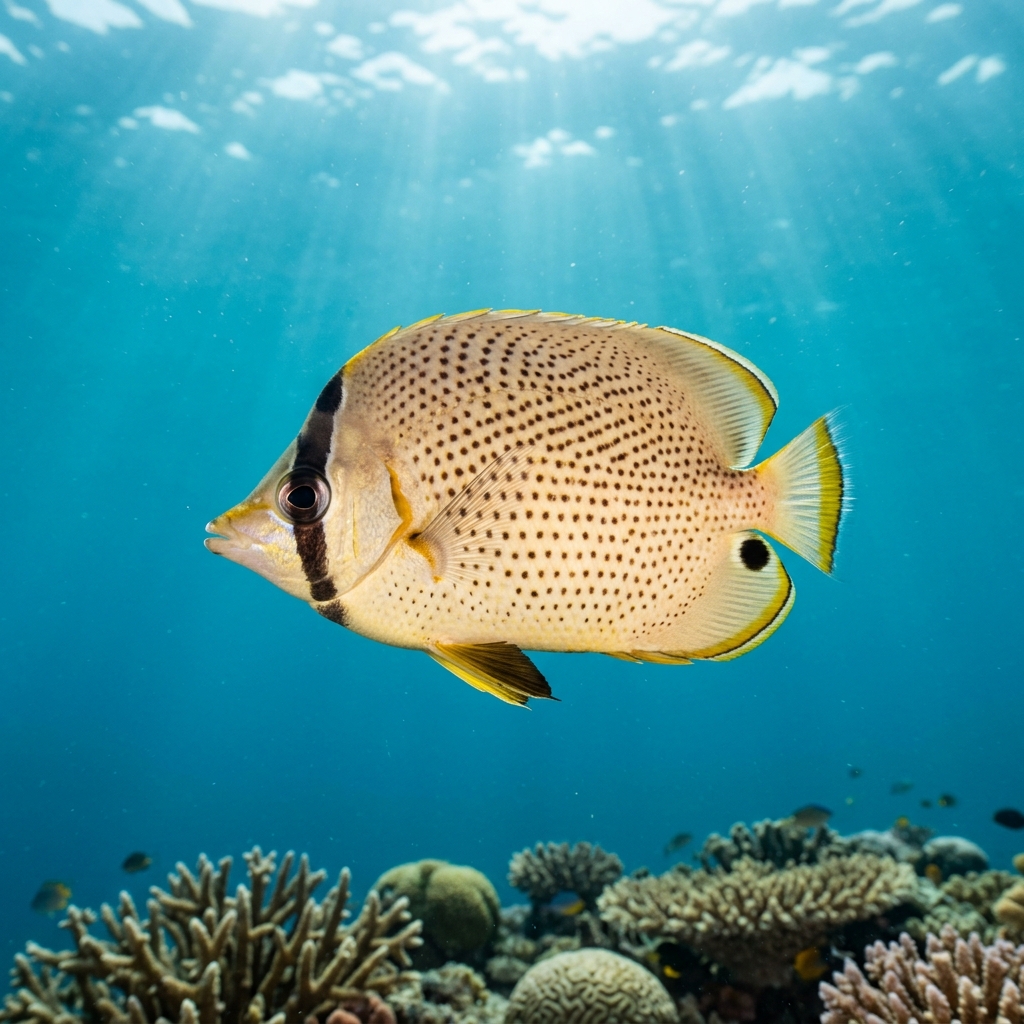
Reef neighbours a diver could mistake it for. Use the identification notes above to tell them apart.
Most consistently logged across Hawaii, the Maldives (particularly the Male and Ari Atolls), and French Polynesia (Tahiti and the Society Islands), with strong records also from the Seychelles, Thailand, Indonesia and the Philippines. Hawaii stands out as the single richest region in the dataset, making it a particularly reliable destination for an encounter. Indonesia's Bali and Sulawesi, together with Okinawa in Japan, round out the best options in the western Pacific.
Mapping where Raccoon Butterflyfish is logged…
They are logged across a wide sweep of the Indo-Pacific and central Pacific. Hawaii is the most consistently recorded region in diver reports, followed closely by the Male and Ari Atolls of the Maldives and Tahiti in French Polynesia. Strong sightings also come from the Seychelles, Bali, Sulawesi and Okinawa.
Because they thrive in stable tropical water temperatures between 24 and 29 °C, most destinations hold them for much of the year. Southern-hemisphere sites like French Polynesia and the Maldives see the broadest concentration of sightings from June through to April, giving divers a long window to plan around.
Look for the bold black-and-white mask running across and above both eyes on a yellow disc-shaped body. A dark wedge on the upper rear of the body and warm orange colouration near the tail complete the picture. No other common butterflyfish in its range combines that upswept forehead mask with rear-body orange in quite the same way.
They reach around 20 cm in total length at adulthood, though most individuals encountered on the reef appear somewhat smaller. Their disc-shaped, laterally compressed body makes them look taller than they are long when viewed face-on.
Yes, unusually for butterflyfish. Most species in the family rest at night, but raccoon butterflyfish continue to forage after dark, hunting small invertebrates on the reef. This makes them a regular and somewhat surprising sighting on night dives in Hawaii and across the Indo-Pacific.
Site and sighting data is aggregated from diver logs, iNaturalist and GBIF. For taxonomy and conservation status: