
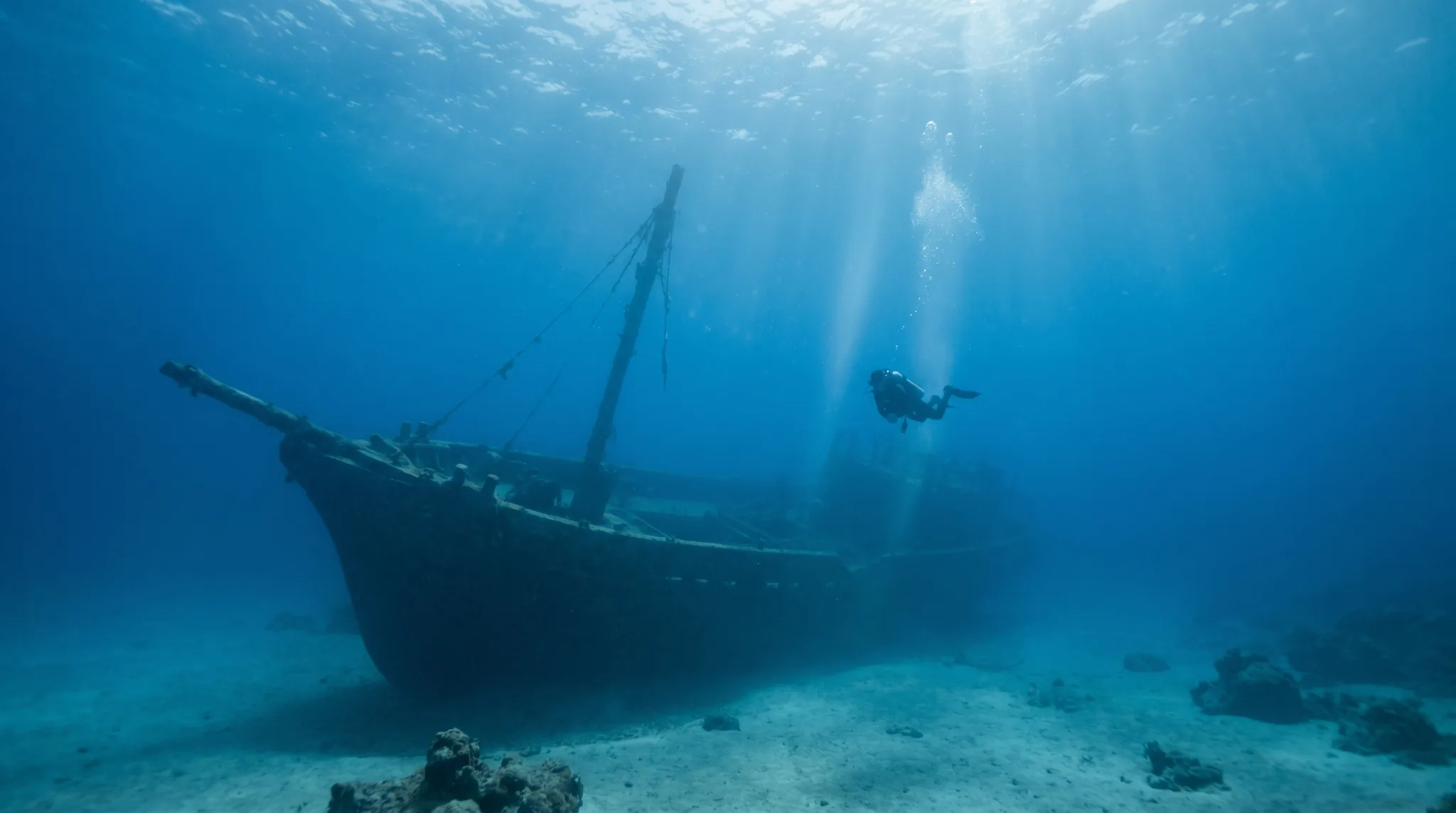
The Vandenberg Wreck area pairs one of the largest artificial reefs in the world with a network of shallow natural reefs. The USS Vandenberg itself draws advanced divers down to its main deck and superstructure, while sites like Eastern Sambo Reef, Marker 32 Reef, and Cottrell Key keep beginners and snorkellers busy in calm, shallow water. Great Barracuda, Atlantic Tarpon, Nurse Shark, and West Indian Manatee are all observation-backed regulars across the area.

Monthly water temperature across Vandenberg Wreck's sites, from satellite sea-surface data corrected for depth. The band shows the site-to-site spread.
Water is warmest from June through September, making summer the peak period for comfortable diving in lighter exposure suits. Cooler months from January through February remain mild relative to many destinations, allowing year-round access. The wreck itself suits advanced divers, while the surrounding Sambo Reefs offer gentle currents and manageable depths for those building experience.
10 operators
United States

United States
10 more sites to explore
Water temperature around Vandenberg Wreck ranges from about 23°C in January to 30°C in August, based on satellite sea-temperature data for its dive sites.
In the warm season (about 30°C) a rash guard or 3mm shorty is comfortable in Vandenberg Wreck; in the coldest months (about 23°C) step up to a 3mm full suit.
Fin maps 22 sites in Vandenberg Wreck (19 scuba diving sites and 7 snorkelling spots, with some suited to both).
Across Vandenberg Wreck's dive sites, May, June, July, August and September are most often reported as the best months to visit.
The majority of sites in the Vandenberg Wreck area are rated for beginners, including Eastern Sambo Reef, Western Sambo Reef, and Marker 32 Reef. These shallow reef sites feature mild currents and manageable depths. The USS Vandenberg itself is rated advanced due to its considerable depth range, so newer divers are better served starting on the surrounding reefs.
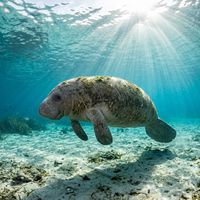
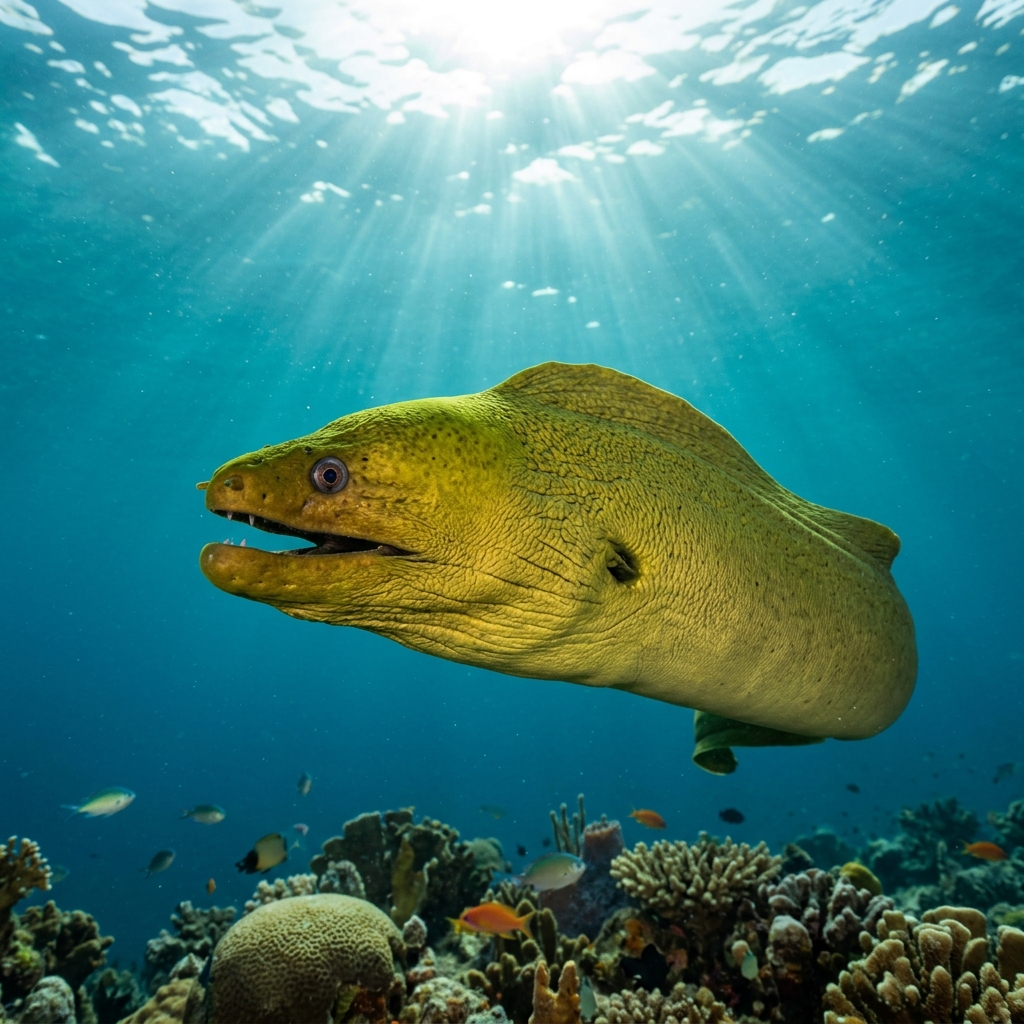
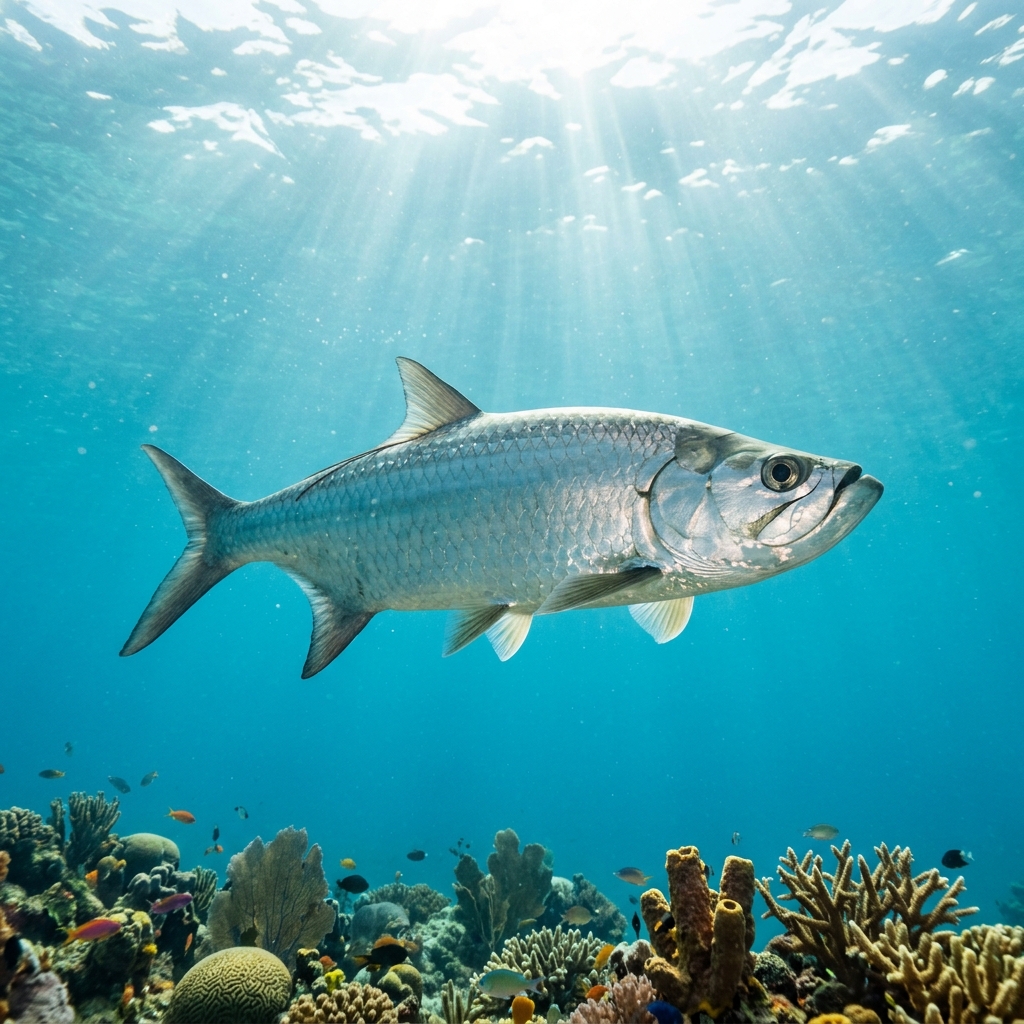
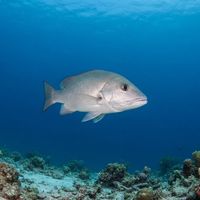
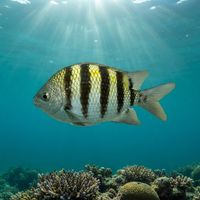
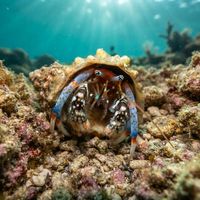
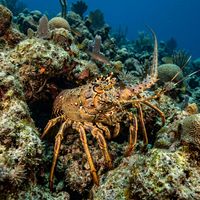
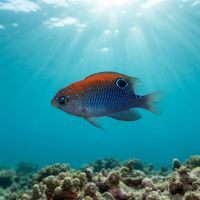
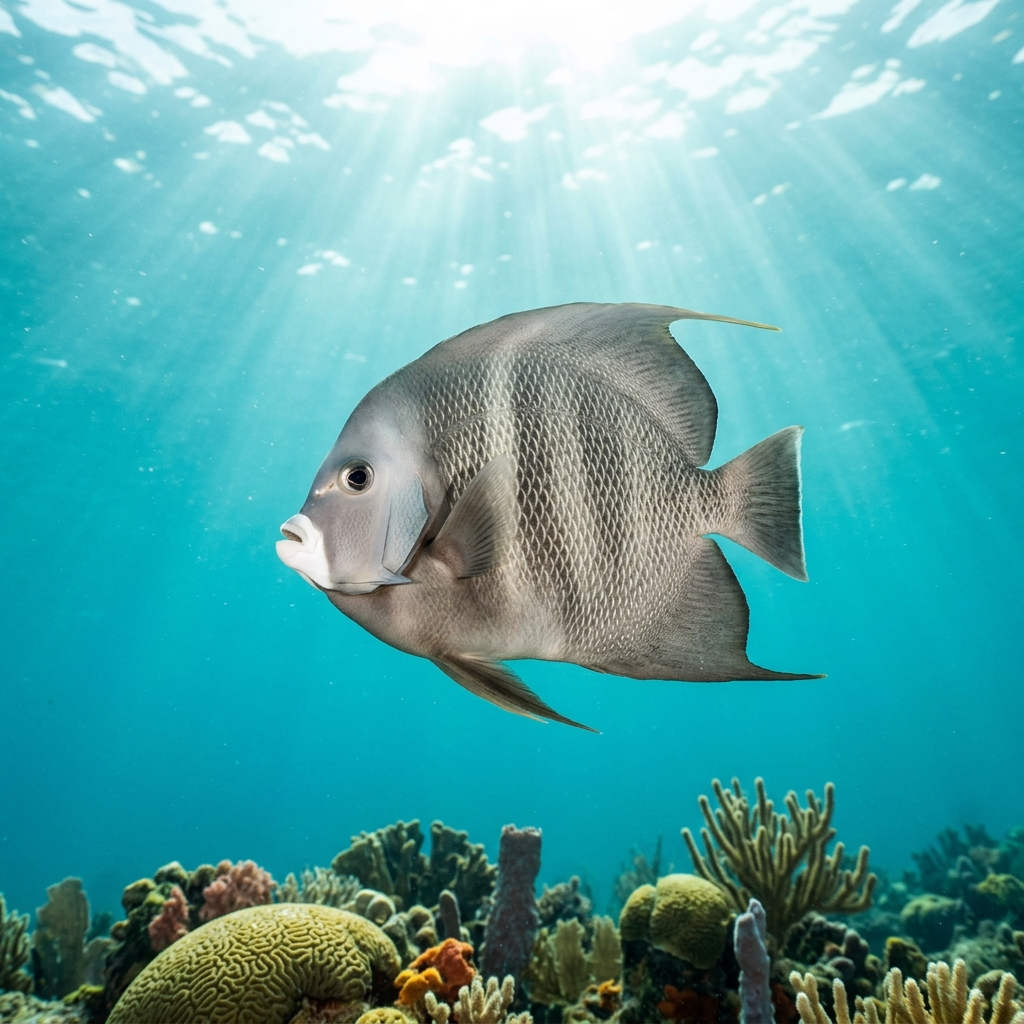
Observation-backed sightings include Great Barracuda, Nurse Shark, Atlantic Tarpon, West Indian Manatee, Green Moray, and Whiptail Stingray. Reef fish such as Gray Snapper, Blue Tang, Gray Angelfish, and Sergeant Major are very common across the sites. Caribbean Spiny Lobster and Blue-legged Hermit Crab are also frequently encountered.
Almost all sites require boat access, and there are multiple local operators including Lost Reef Adventures, Southpoint Divers, Key West Dive Center, and others running trips to the wreck and surrounding reefs. The exception is CFK Lagoon, which offers shore entry and suits both snorkellers and divers looking for an accessible option without a boat.
The USS Vandenberg is a large decommissioned vessel resting upright on a sandy bottom, reaching considerable depth and best suited to advanced divers. The surrounding reef sites such as Middle Sambo Reef, The Haystacks, and Cottrell Key are shallow, coral-covered, and open to beginners and snorkellers. Cottrell Key also includes seagrass beds, adding variety to the mix.