Scorpaenichthys marmoratus
Mottled and thick-headed, cabezon lurk on rocky reefs from California to British Columbia in cold water down to 7.5C. Here's where to find one.
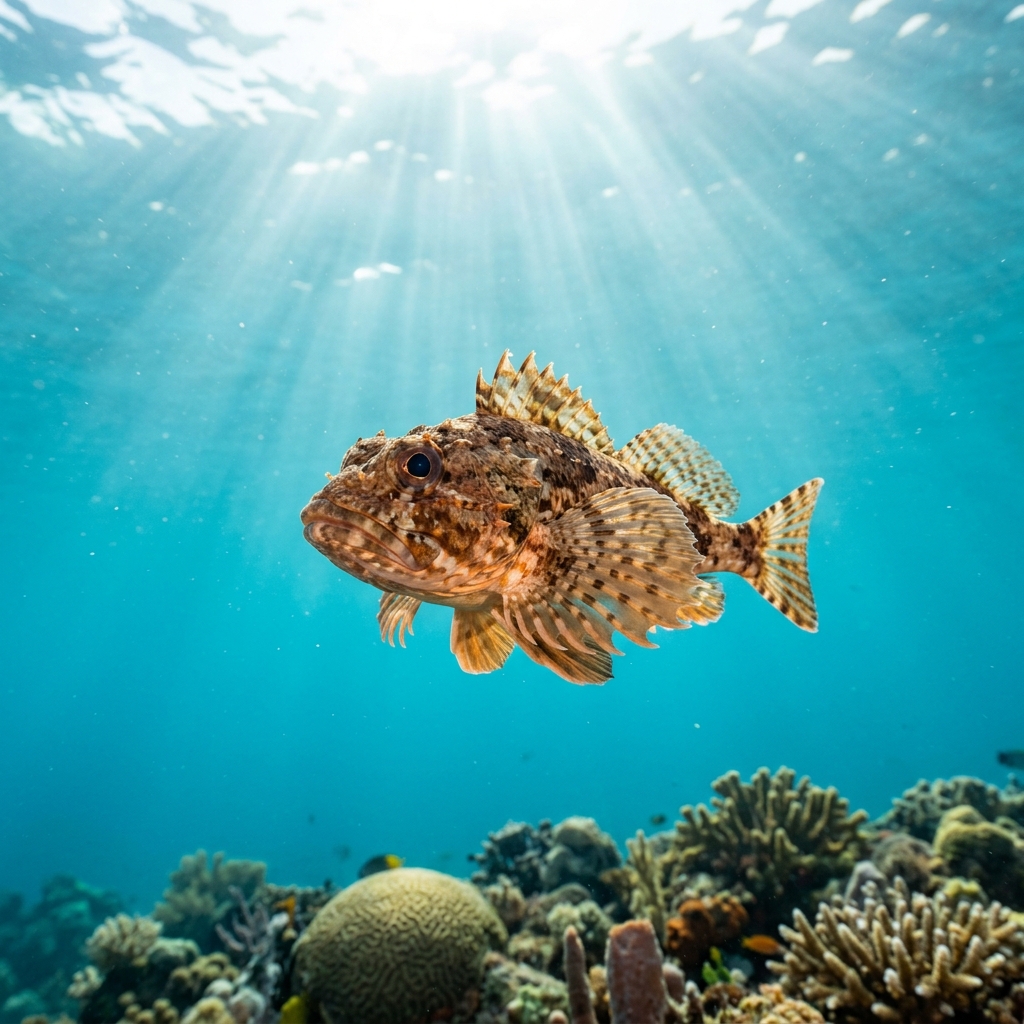
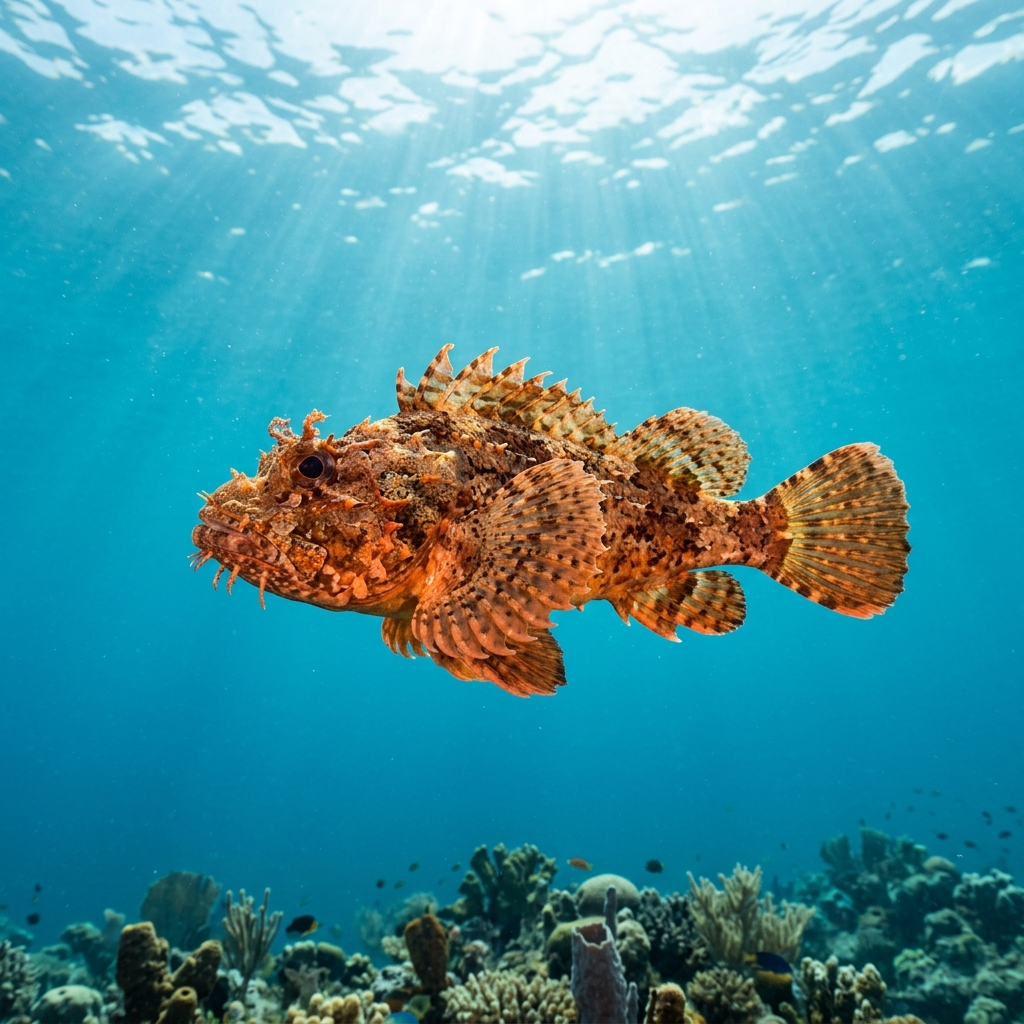
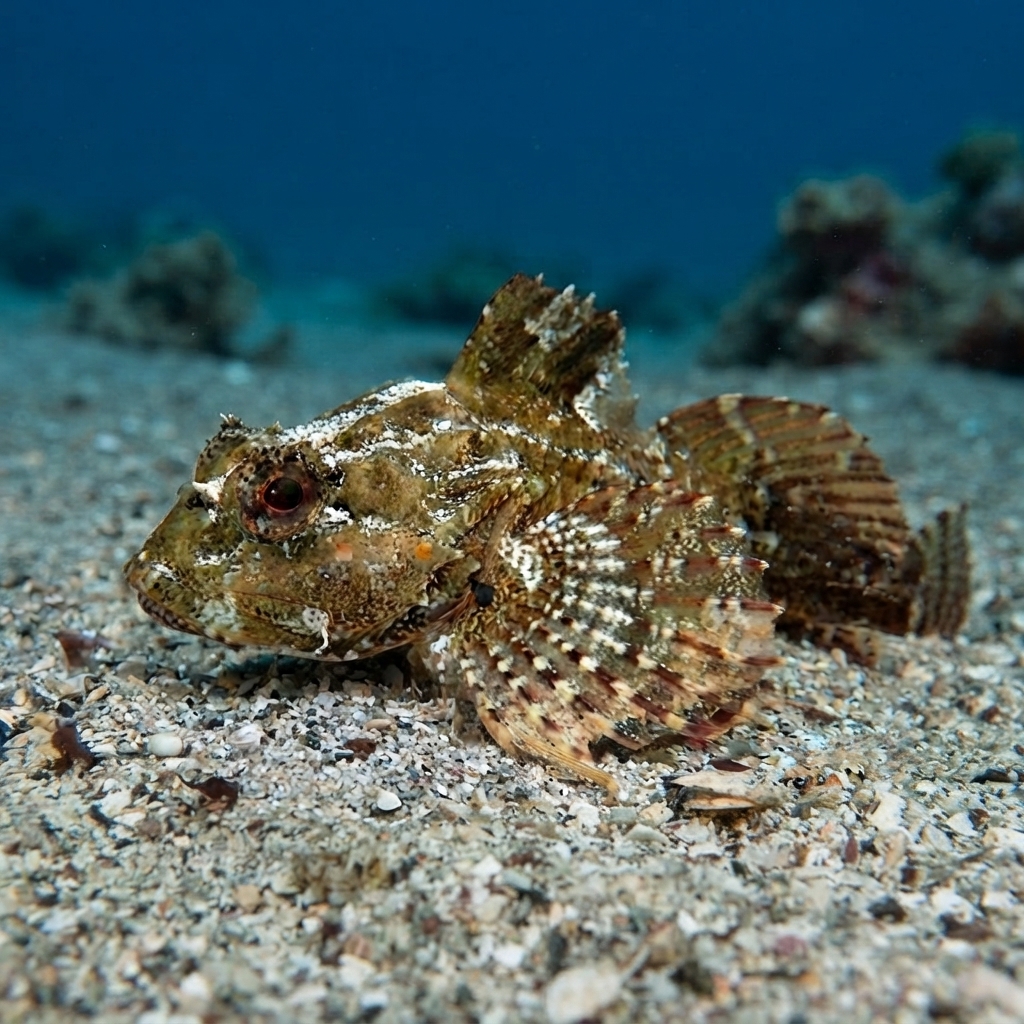
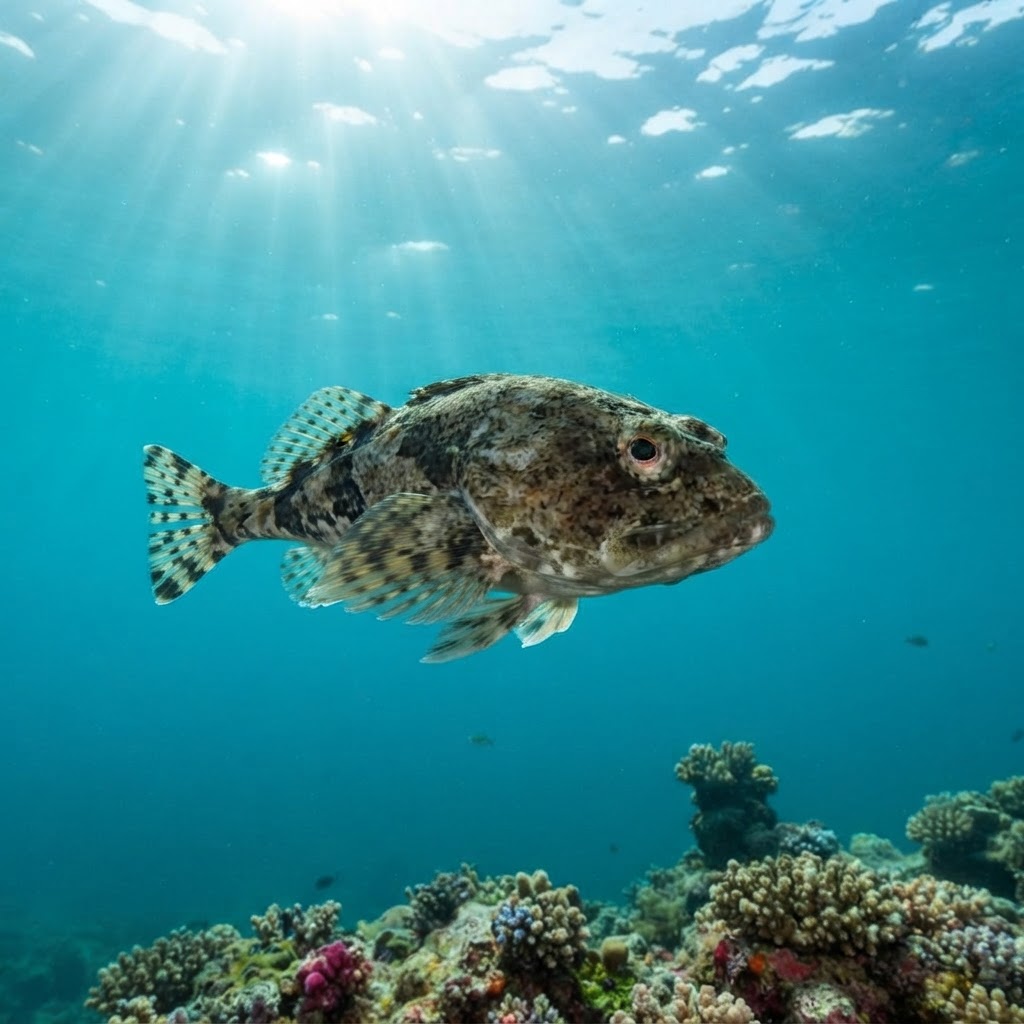
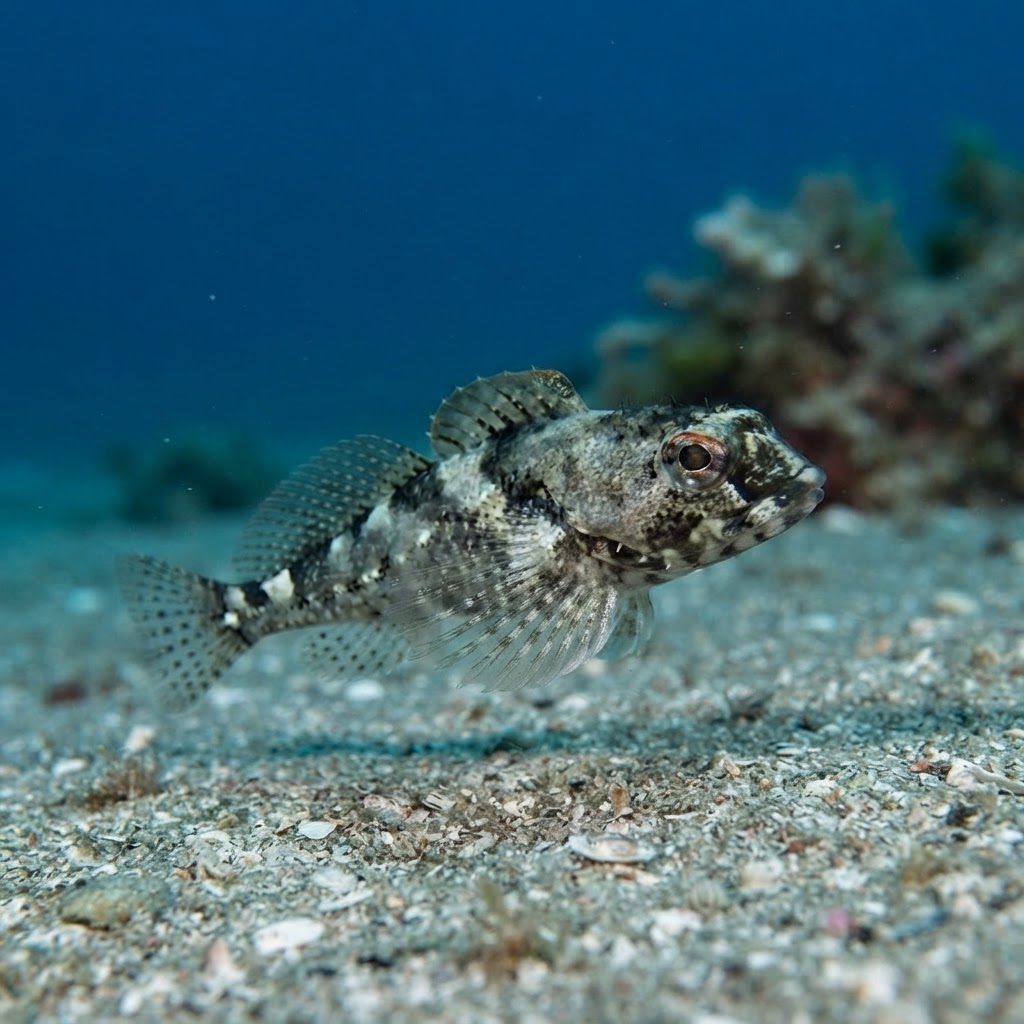
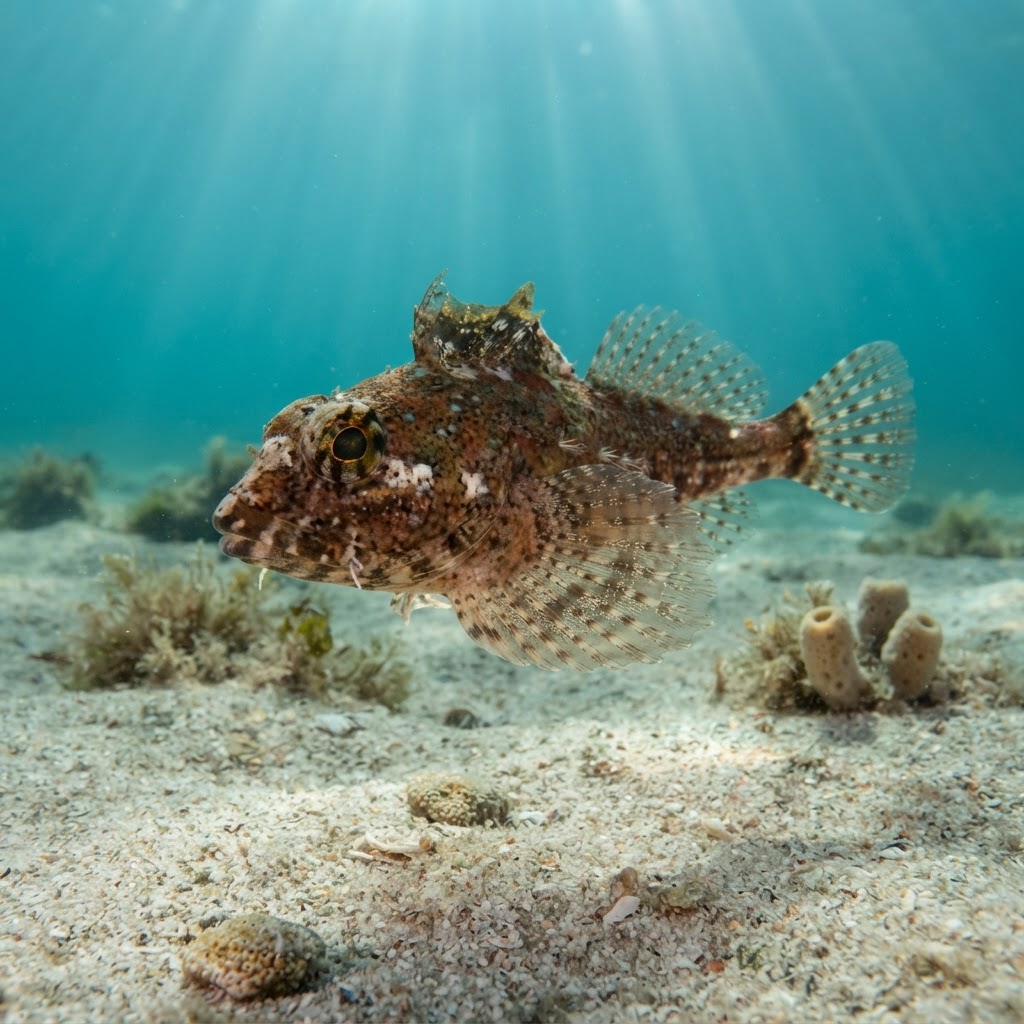
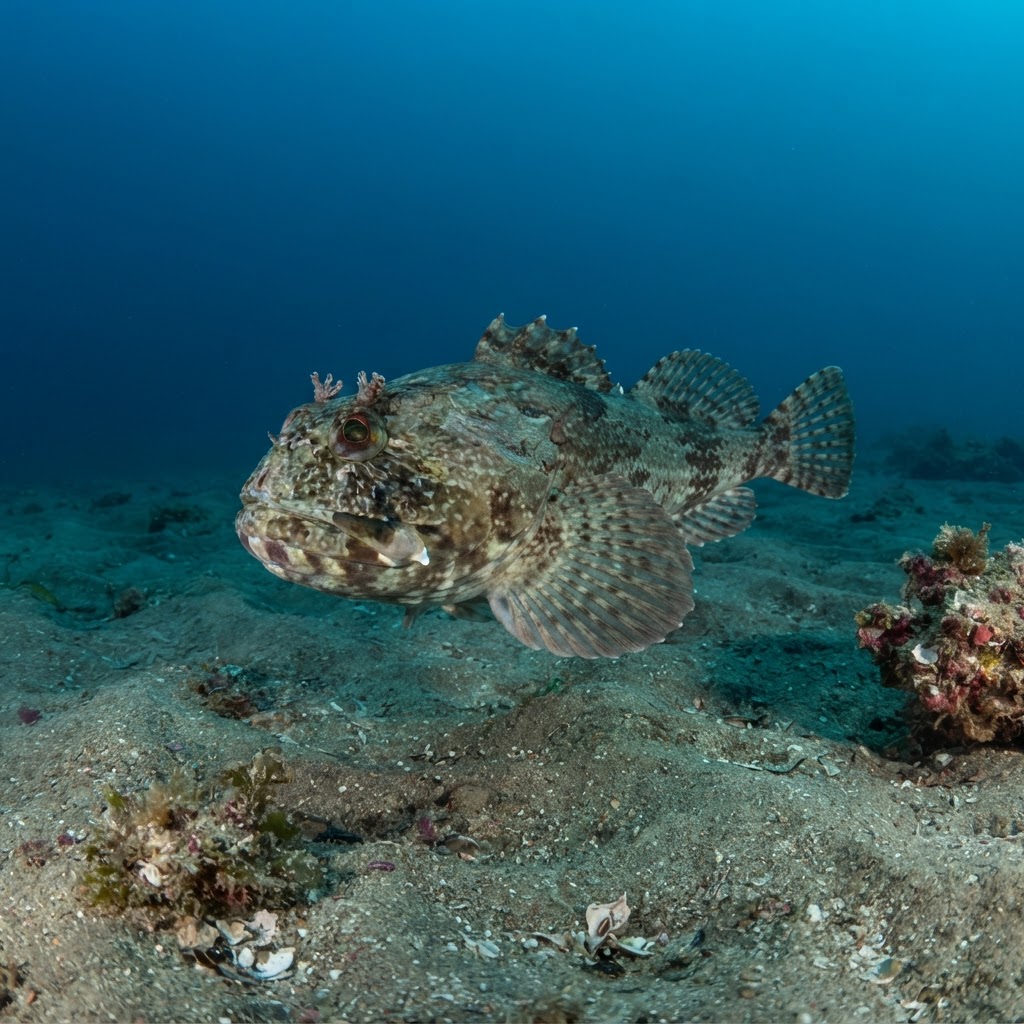
Look for a heavy, tapering body with an oversized head and a fleshy flap above each eye (cirri), giving it a slightly grumpy, horned look. Colour is wildly variable, mottled brown, red, or greenish, blending closely with the rock or algae it sits on. It has no scales, which gives the skin a smooth, almost slimy look underwater, and it can reach around 69 cm, making larger individuals bulky for a bottom-dwelling fish. Most sightings are of fish sitting motionless on or wedged into rocky substrate rather than swimming in open water.
Expect to find it parked motionless on rock, cobble, or amongst kelp holdfasts, relying on its camouflage rather than fleeing when divers approach. It's a bottom-sitter (demersal) that ambushes passing prey rather than actively hunting, so a slow scan of ledges and crevices is usually how divers spot one. Most logs describe it as an uncommon to rare find, so it rewards patient, close-to-the-bottom looking rather than a quick swim-by.
Male cabezon guard the egg masses females lay on rock, standing watch over the clutch until the young hatch, which is unusual dedication for a fish this size.
Sightings don't show a strong seasonal pattern, so treat it as a year-round find on cold Pacific coast dives. It's most at home in the 7.5 to 11.6C range typical of these regions, so cold-water conditions rather than a particular month are what matter.
Most reliably logged along the California coast, with strong numbers also reported from British Columbia in Canada and Baja California in Mexico, plus sites further north in the Pacific Northwest. These are all cold-water rocky reef and kelp habitats rather than tropical dive destinations.
Mapping where Cabezon is logged…
California is the most consistent place to find them, with further sightings logged in British Columbia, Baja California, and the Pacific Northwest. Look for rocky reef and kelp habitat rather than sand or open water.
There's no strong seasonal pattern in the sighting data, so they're considered a year-round find in the cold Pacific waters they inhabit, typically between 7.5 and 11.6C.
Look for a large, blunt head with fleshy flaps above the eyes and a mottled brown, red, or green body that blends into the rock. It sits still on the bottom rather than swimming in open water, and has no visible scales.
They can reach around 69 cm, making them one of the larger bottom-dwelling fish a diver will encounter on Pacific coast rocky reefs.
No, cabezon pose no threat to divers. They rely on camouflage and staying still rather than aggression, and will typically hold position as you approach rather than react defensively.
Males guard the egg masses laid on rock by females, staying near the clutch until the eggs hatch, a level of parental care that's notable for a fish of this size.
Site and sighting data is aggregated from diver logs, iNaturalist and GBIF. For taxonomy and conservation status:
Shorthorn Sculpin
228 sites