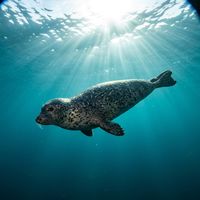
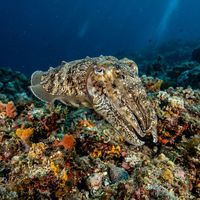
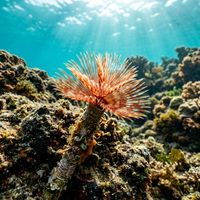
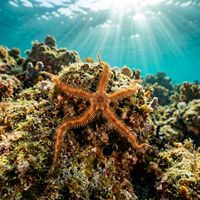
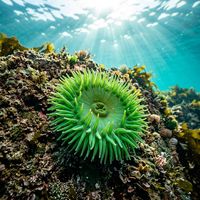
The Sound of Mull Wrecks region is defined by a concentration of shipwrecks spread across shore and boat sites, complemented by walls, reefs, and muck diving. The SS Rondo and Shuna Wreck draw advanced and intermediate divers to deeper water, while Gallanach Reef and Heather Island suit beginners. Harbor Seal and European Common Cuttlefish are signature sightings, and the seabed is richly covered in Brittle Star, Tube Worm, and Sea Anemone. Operators including Puffin Dive Centre and Mull Diving Centre service the area well.
Monthly water temperature across Sound of Mull Wrecks's sites, from satellite sea-surface data corrected for depth. The band shows the site-to-site spread.
Water temperature climbs from its winter low in February and March through to a warmer peak in summer, making late spring through autumn the most comfortable period for diving. The summer months bring the best combination of warmth and visitor activity, while autumn remains worthwhile before conditions cool. Exposure and currents at boat sites such as the SS Rondo mean conditions should be checked carefully before diving.
18 operators
17 more sites to explore
Water temperature around Sound of Mull Wrecks ranges from about 8°C in February to 14°C in July, based on satellite sea-temperature data for its dive sites.
In the warm season (about 14°C) a 7mm or semi-dry suit is comfortable in Sound of Mull Wrecks; in the coldest months (about 8°C) step up to a drysuit.
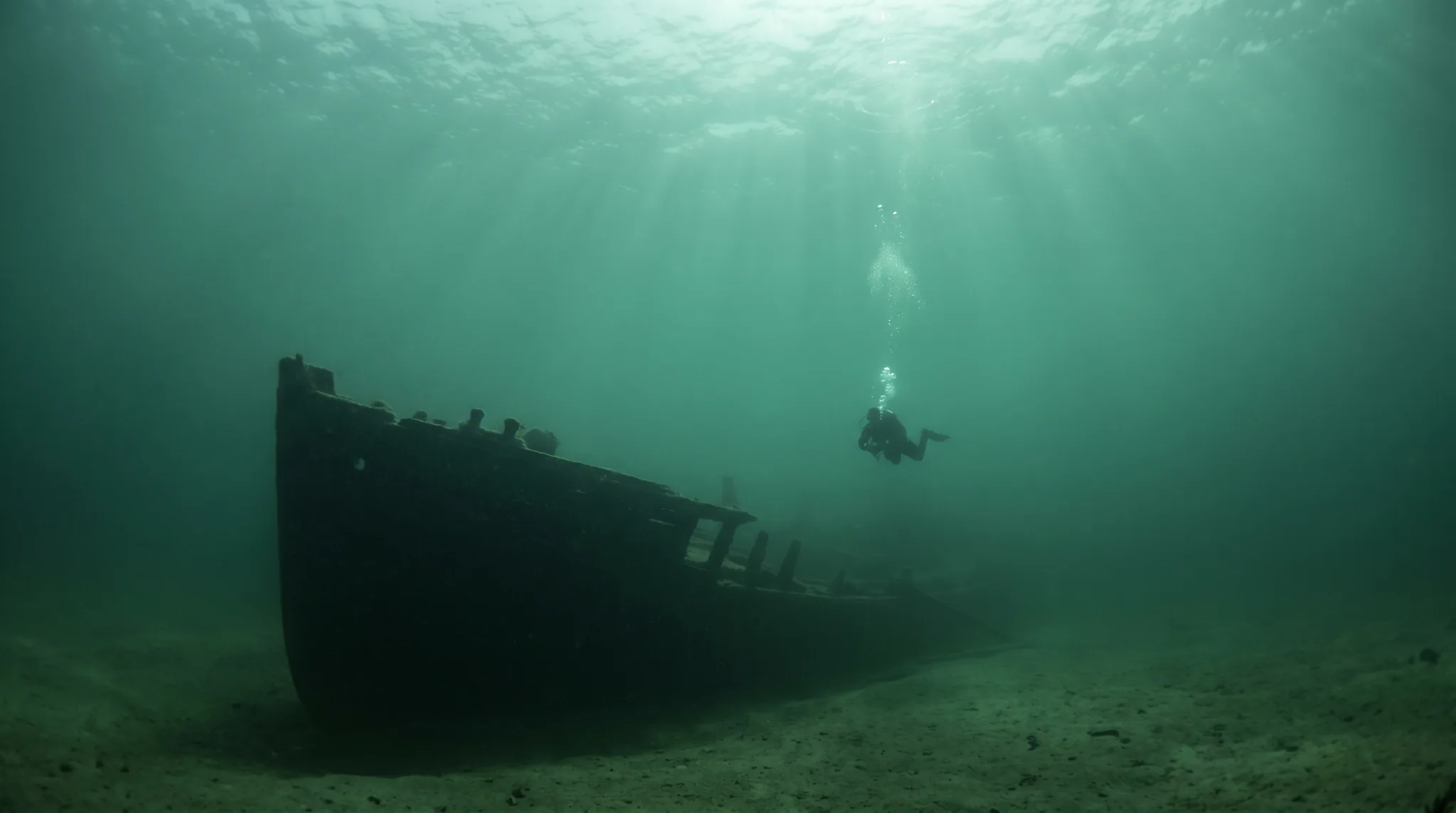
Fin maps 25 sites in Sound of Mull Wrecks (17 scuba diving sites and 12 snorkelling spots, with some suited to both).
Across Sound of Mull Wrecks's dive sites, May, June, July, August and September are most often reported as the best months to visit.
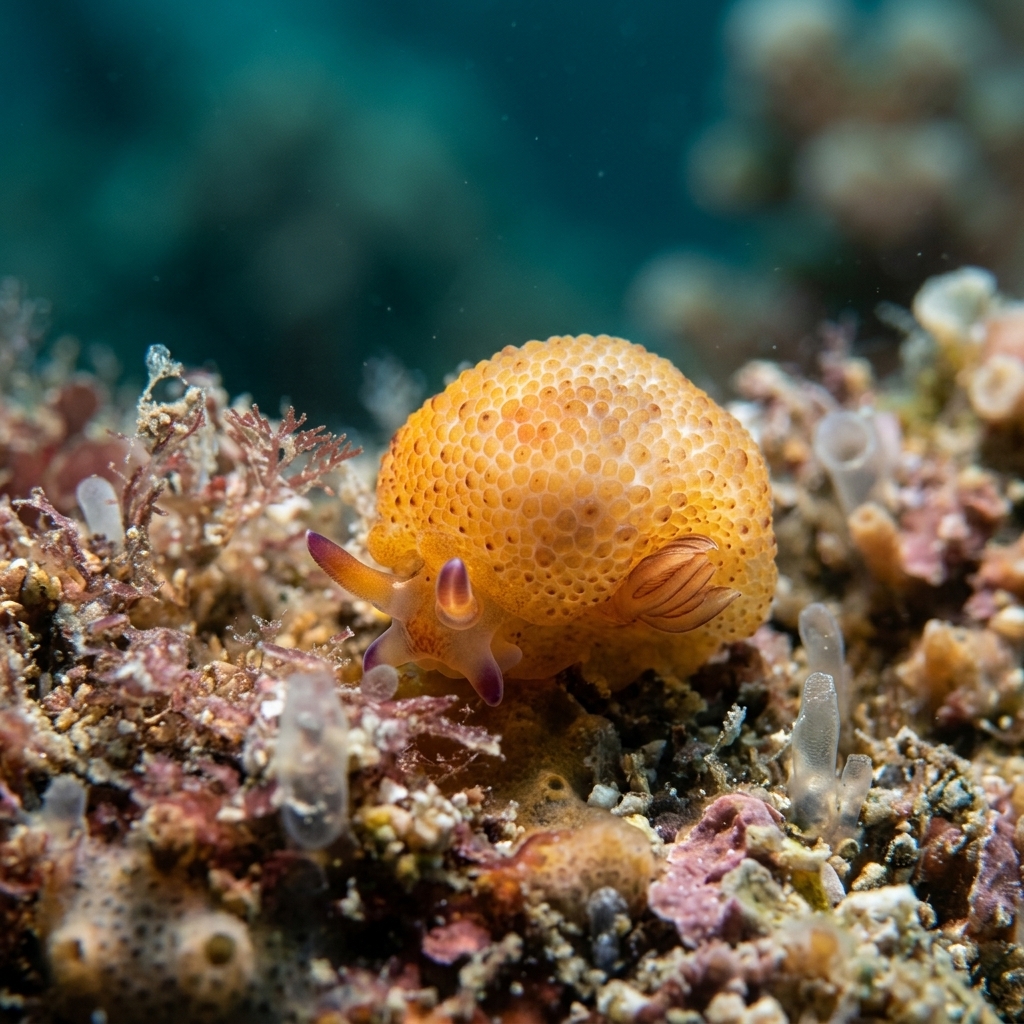
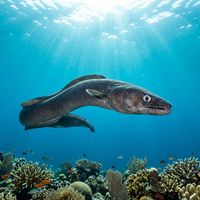
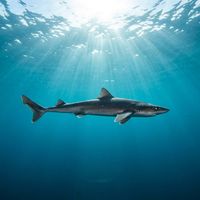
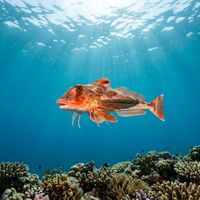
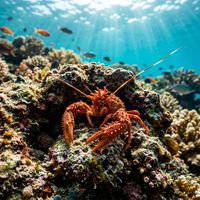
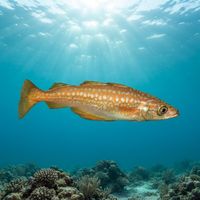
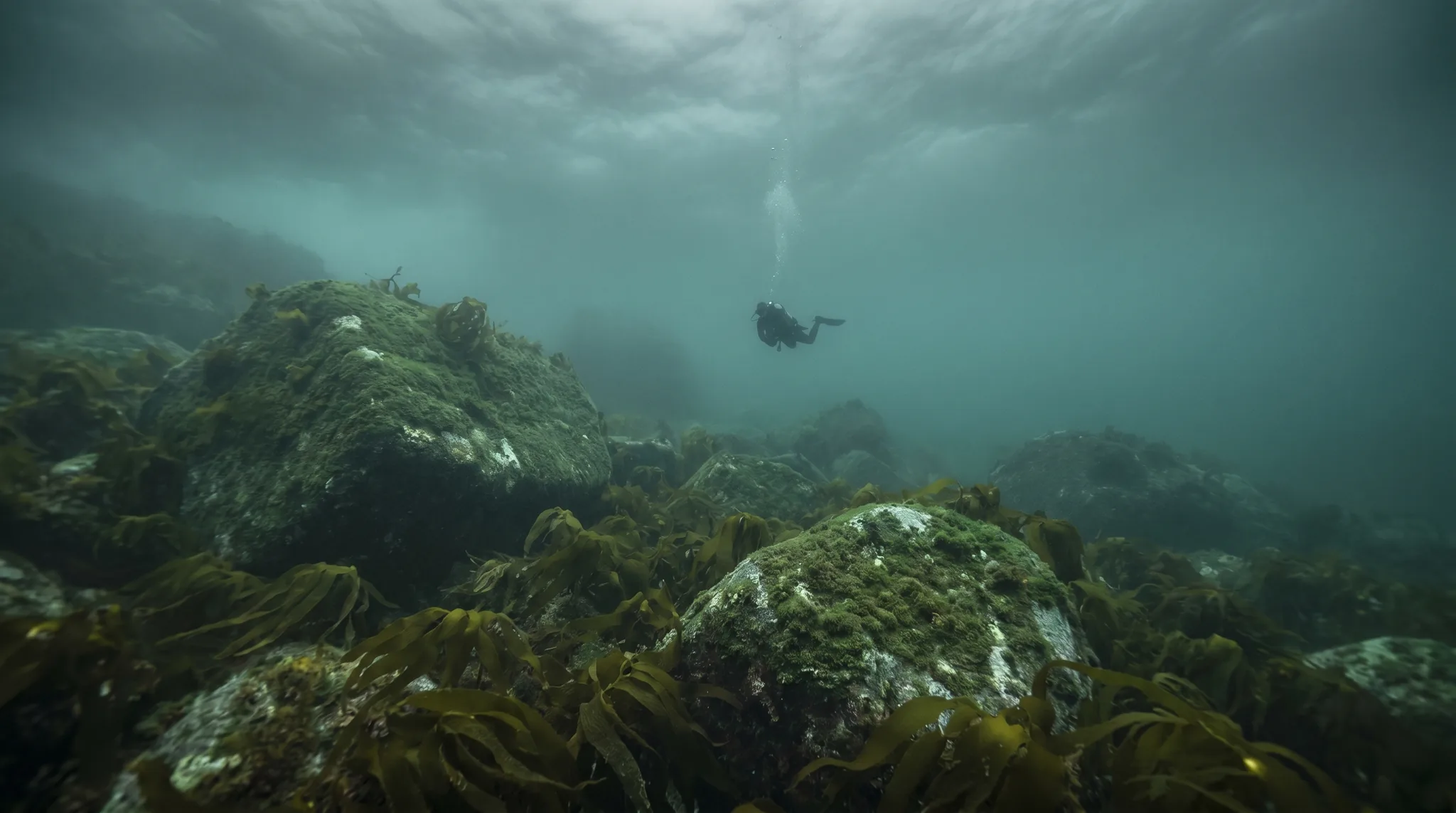
Harbor Seal and European Common Cuttlefish are the signature species here, observed across a wide range of sites. Brittle Star, Tube Worm, and Giant Green Anemone are very commonly encountered on the seabed, while Conger Eel, Dogfish, Gurnard, and Squat Lobster turn up regularly on wrecks and reefs. Less frequent but truly rewarding finds include Curled Octopus and Atlantic Wolffish.
Yes, several sites cater specifically to beginners. Gallanach Reef offers shallow granite wall and reef topography ideal for newer divers, and Heather Island combines a wall, cave, and wreck within a beginner-rated site accessible by boat. Carnoch Bay also provides gentle open-water diving at shallow depths. More advanced wrecks such as the SS Rondo are reserved for experienced divers.
Both options are well represented. Shore diving is possible at Bonawe Quarry, Lochaline, Carnoch Bay, and Gallanach Reef, making independent diving straightforward for those with their own kit. The SS Rondo, Shuna Wreck, Thesis Wreck, and Heather Island require a boat, and operators such as Lochaline Boat Charters, Ardnamurchan Charters, and Alchemy Diving provide access.
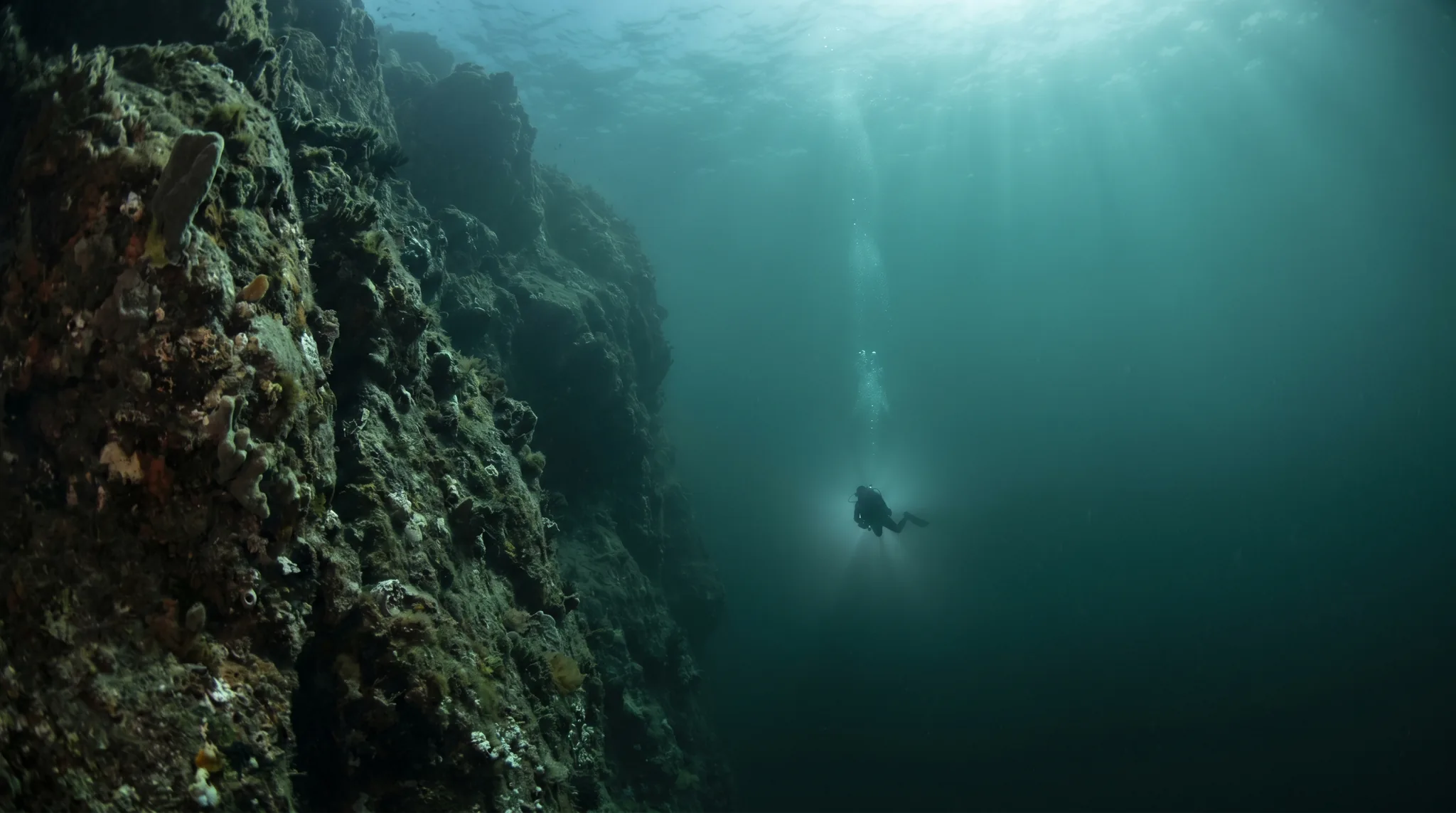
The region spans a wide range of character. Lochaline stands out for its variety, combining wrecks, walls, and reef across a very broad depth range from the shallows down to considerable depth. The SS Rondo is the most challenging wreck, suited to advanced divers. Heather Island packs wall, cave, and wreck into a single beginner-friendly boat dive, while Bonawe Quarry offers a muck-diving flavour around the wreck of the Fore Derrick.